Skip to content
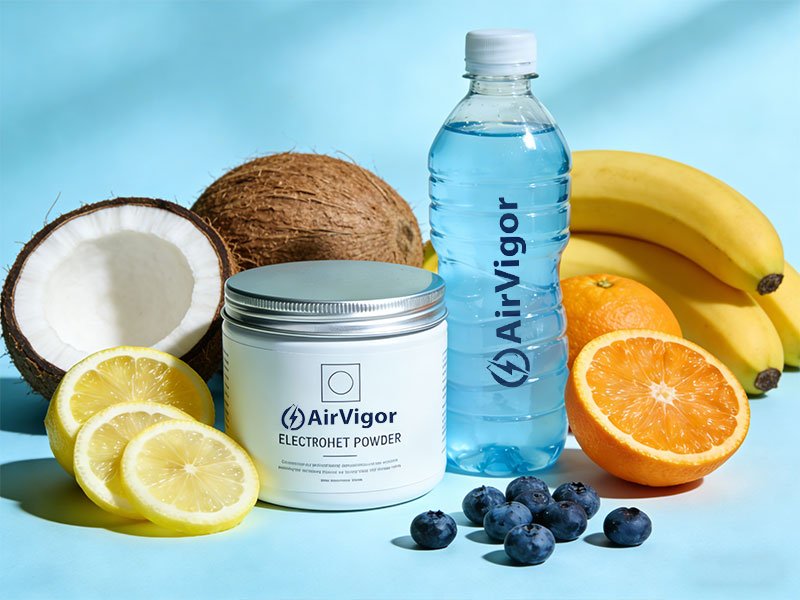
Most people don’t think about electrolytes until they start feeling unwell: dizziness, muscle cramps, fatigue, or dry mouth despite drinking plenty of water. These symptoms are often mistaken for dehydration or stress, but they usually point to an electrolyte imbalance. Electrolytes control vital functions like fluid balance, nerve signaling, muscle contraction, and heart rhythm. Anyone—athletes, office workers, travelers, or people on low-carb diets—can lose electrolytes faster than they realize. The problem? With so many options like bananas, sports drinks, and powders, it’s easy to feel overwhelmed and unsure of the right solution.
The best source of electrolytes depends on how quickly you need replenishment and how much you’ve lost. Whole foods provide baseline electrolytes, but they are slow and inconsistent. For fast, reliable replenishment—especially after sweating, training, heat exposure, or long workdays—a balanced electrolyte powder with sodium, potassium, magnesium, calcium, and chloride offers the most effective and controllable solution.
The real question isn’t “Do electrolytes matter?”
It’s where they come from—and when?
To answer that properly, we need to understand what electrolytes actually do, how they’re lost, and why food alone often isn’t enough in modern life. Let’s break it down—clearly, practically, and without marketing hype.
What Are Electrolytes?
Electrolytes are electrically charged minerals that regulate fluid balance, nerve signaling, muscle contraction, and cellular function in the human body. Common electrolytes include sodium, potassium, magnesium, calcium, and chloride. They dissolve in bodily fluids and enable critical physiological processes, especially during sweating, physical activity, illness, or dehydration.
What Exactly Are Electrolytes?
Electrolytes are minerals that carry an electrical charge when dissolved in water. This electrical property is what allows them to control many of the body’s most essential functions—functions that water alone cannot regulate.
When you drink fluids or consume foods containing electrolytes, these minerals dissolve into ions (positively or negatively charged particles). Once ionized, they move across cell membranes and through bodily fluids, enabling communication between cells and maintaining internal balance.
Unlike vitamins, electrolytes are not involved in biochemical reactions as cofactors. Instead, they act as regulators and conductors, controlling how fluids move, how muscles contract, and how nerves send signals.
Why Electrolytes Are Essential for Human Survival
Electrolytes are not optional nutrients. Even small imbalances can disrupt normal physiology. The human body tightly regulates electrolyte concentrations because they directly affect:
- Blood volume and blood pressure
- Heart rhythm and muscle contractions
- Nerve impulse transmission
- Hydration at the cellular level
- Acid–base (pH) balance
Without adequate electrolytes, water cannot enter cells efficiently, muscles cannot contract properly, and nerves cannot communicate accurately. This is why electrolyte imbalance can lead to symptoms ranging from fatigue and cramping to dizziness, confusion, or cardiac irregularities.
How Electrolytes Work Inside the Body
Electrolytes function primarily through ion gradients—differences in mineral concentration across cell membranes.
For example:
- Sodium (Na⁺) is concentrated outside cells
- Potassium (K⁺) is concentrated inside cells
This gradient allows cells to:
- Absorb and retain water
- Generate electrical signals
- Contract muscles
- Maintain cellular integrity
When you sweat, urinate, or experience fluid loss, electrolytes leave the body along with water. Replacing water without electrolytes can dilute these gradients, leading to ineffective hydration and physiological stress.
The Five Primary Electrolytes and Their Roles
| Electrolyte | Primary Role in the Body | Why It Matters |
|---|---|---|
| Sodium (Na⁺) | Regulates fluid balance and blood volume | Drives hydration and prevents low blood pressure |
| Potassium (K⁺) | Supports nerve signaling and muscle contraction | Essential for heart rhythm and muscle control |
| Magnesium (Mg²⁺) | Involved in muscle relaxation and energy metabolism | Helps prevent cramps and neuromuscular fatigue |
| Calcium (Ca²⁺) | Enables muscle contraction and nerve transmission | Critical for muscle strength and skeletal health |
| Chloride (Cl⁻) | Maintains fluid balance and stomach acid production | Supports digestion and osmotic balance |
Each electrolyte plays a distinct role, but they function as a system. An excess or deficiency of one can affect the effectiveness of others.
Electrolytes vs Water: Why Hydration Is Not Just About Fluids
A common misconception is that hydration equals drinking more water. In reality, hydration is about fluid retention and distribution, not just intake.
Water requires electrolytes—especially sodium—to move from the digestive tract into the bloodstream and then into cells. Without sufficient electrolytes:
- Water passes through the body quickly
- Urination increases
- Thirst may persist
- Cellular dehydration can occur despite high fluid intake
This is why people can feel dehydrated even when drinking large amounts of water, particularly after sweating or prolonged physical or mental stress.
When the Body Loses Electrolytes
Electrolyte loss occurs during everyday activities, not just intense exercise. Common causes include:
- Sweating (exercise, heat, sauna)
- Prolonged workdays with inadequate meals
- Illness (fever, vomiting, diarrhea)
- High caffeine or alcohol intake
- Travel and air dehydration
- Stress-related hormonal changes
Modern lifestyles often increase electrolyte loss while simultaneously reducing mineral intake, making imbalance increasingly common.
Early Signs of Electrolyte Imbalance
Early electrolyte imbalance often presents subtly and is frequently misattributed to fatigue or dehydration alone. Common early indicators include:
- Persistent thirst
- Headaches
- Muscle tightness or twitching
- Fatigue or low energy
- Dizziness or light-headedness
- Reduced physical or mental performance
At this stage, restoring balanced electrolytes is typically simple and effective.
Why Balanced Electrolytes Matter More Than High Dosage
More electrolytes are not always better. The body requires specific ratios, particularly between sodium and potassium, to function optimally.
Excessive intake of a single electrolyte—especially sodium or potassium—without balance can create new imbalances rather than solving existing ones. This is why formulation structure and ratio design are more important than headline mineral numbers.
High-quality electrolyte solutions focus on physiological balance, not maximum concentration.
Why Do You Lose Electrolytes?
You lose electrolytes whenever your body loses fluids—most commonly through sweating, urination, and digestive loss (vomiting/diarrhea). Sodium and chloride are lost heavily in sweat, while potassium and magnesium are affected by diet quality, stress hormones, and frequent urination. Heat, exercise, alcohol, high caffeine, low-carb dieting, and illness increase loss. Replacing water without electrolytes can dilute mineral levels and worsen symptoms.
Electrolyte Loss = Fluid Loss + Mineral Drain
Electrolytes don’t “burn off” like calories. They leave your body mainly because they are dissolved in fluid. When fluid exits, electrolytes go with it.
Think of your body like a swimming pool with salt dissolved in it:
- If you drain water, you drain salt too.
- If you refill with plain water only, the pool becomes diluted. That dilution is a big reason people feel “still dehydrated” even when they’re drinking plenty of water.
The 5 Most Common Reasons You Lose Electrolytes
1) Sweating (Exercise, Heat, Sauna, Daily Commuting)
Sweat is the #1 lifestyle-related cause of electrolyte loss. The biggest minerals lost in sweat are:
- Sodium (Na)
- Chloride (Cl) Potassium, magnesium, and calcium can also be lost, but typically in smaller amounts.
Why this matters: sodium is the main mineral that helps the body retain fluid. When sodium drops, you can drink water and still feel weak, dizzy, or cramp-prone because your body can’t hold and distribute that water efficiently.
High-risk sweat situations (not just athletes):
- Hot climate + walking/commuting
- Outdoor work
- Long gym sessions
- Hot yoga/sauna
- Wearing heavy gear or PPE
- Summer travel and sightseeing
2) Urination (The Hidden Drain Most People Ignore)
You can lose electrolytes through urine even without sweating heavily. This is common when you:
- Drink a lot of plain water
- Consume caffeine (coffee, energy drinks)
- Drink alcohol
- Use certain medications (especially diuretics)
- Have high blood sugar (which pulls water and minerals into urine)
When you urinate more frequently, you lose not just water but also electrolytes—especially sodium, potassium, and magnesium.
A common modern pattern:
“I’m drinking more water, but I’m peeing more and still feel tired or lightheaded.”
That can be a sign of electrolyte dilution or loss.
3) Illness (Diarrhea, Vomiting, Fever)
This is one of the fastest ways to lose electrolytes, because the body loses fluids rapidly and repeatedly.
- Diarrhea → major loss of sodium, potassium, and chloride
- Vomiting → loss of fluids + disruption of acid-base balance
- Fever → increased sweating + higher baseline fluid needs
This is why oral rehydration solutions (ORS) focus on specific sodium + glucose ratios—because the body absorbs these more efficiently during illness.
4) Diet Patterns That Reduce Electrolyte Intake
You can also “lose” electrolytes by not replacing what you normally burn through.
Many people unintentionally under-consume electrolytes when they:
- Eat mostly processed foods but “low mineral density” meals
- Skip meals due to long workdays
- Reduce carbs aggressively (keto/low-carb)
- Avoid salt completely
- Don’t eat enough fruit/vegetables/whole foods
Key point:
Even if you’re not sweating a lot, your baseline electrolyte needs still exist. If intake is low for weeks, symptoms creep in slowly: fatigue, cramps, headaches, low energy, and reduced performance.
5) Stress, Sleep Loss, and High Cortisol Lifestyles
This part gets overlooked in most “electrolyte guides,” but it matters for modern users.
Chronic stress and poor sleep can affect:
- Hormones that regulate sodium and water (aldosterone, cortisol)
- Urination frequency
- Magnesium depletion (stress and magnesium demand are closely linked)
That’s why some people feel more dehydrated or cramp-prone during:
- High-pressure work weeks
- Travel + jet lag
- Sleep-deprived periods
- Heavy training combined with poor recovery
Which Electrolytes Are Lost Most Easily?
Different electrolytes have different “loss pathways.”
| Electrolyte | Most common loss pathway | Typical real-world trigger |
|---|---|---|
| Sodium | Sweat + urine | heat, workouts, sauna, low-salt dieting |
| Chloride | Sweat + stomach acid disruption | heavy sweating, vomiting |
| Potassium | urine + low intake | low fruit/veg diet, frequent urination |
| Magnesium | chronic low intake + stress | stress, high caffeine, low mineral diet |
| Calcium | lower direct loss, more long-term depletion | low intake, poor vitamin D status |
Why “Just Water” Can Make It Worse
If you lose electrolytes and then only replace water, you may dilute the electrolytes remaining in your bloodstream.
This can lead to:
- lingering thirst
- headaches
- “heavy legs” fatigue
- cramps/twitching
- dizziness (especially when standing up)
Hydration becomes effective when the body has the minerals required to retain and use fluids.
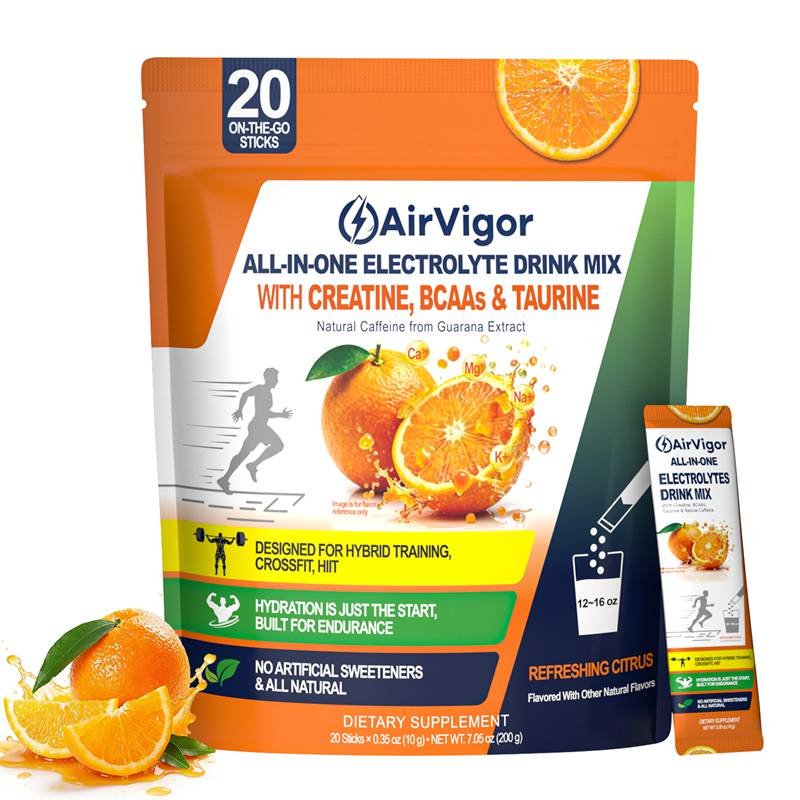
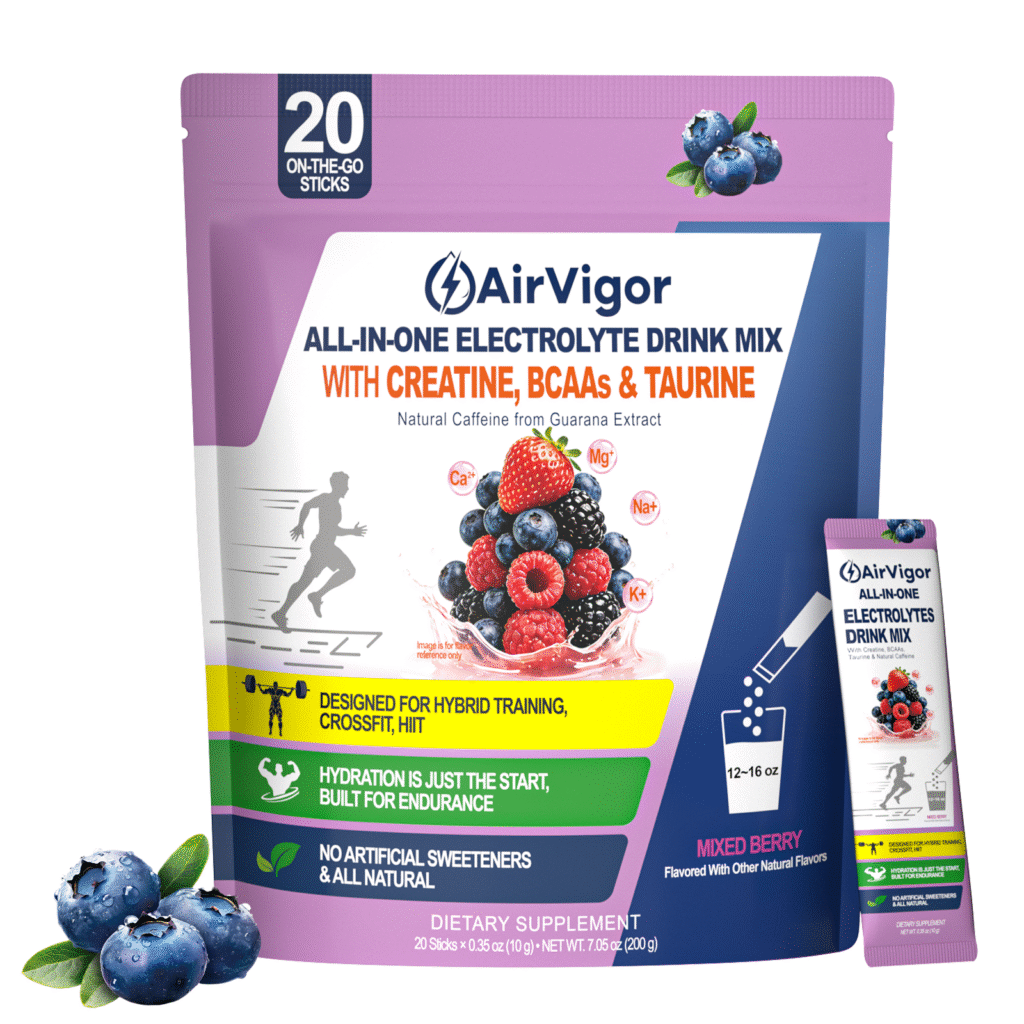
How This Connects to AirVigor
A well-designed electrolyte formula isn’t about extreme sodium numbers—it’s about system balance so daily users can hydrate comfortably and consistently.
That’s exactly where AirVigor’s positioning fits:
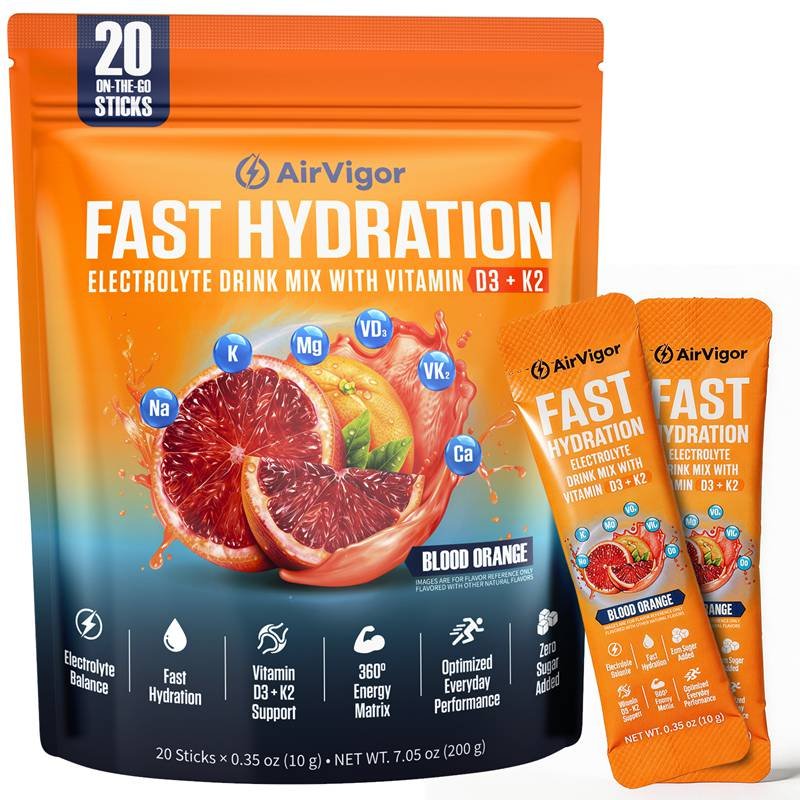
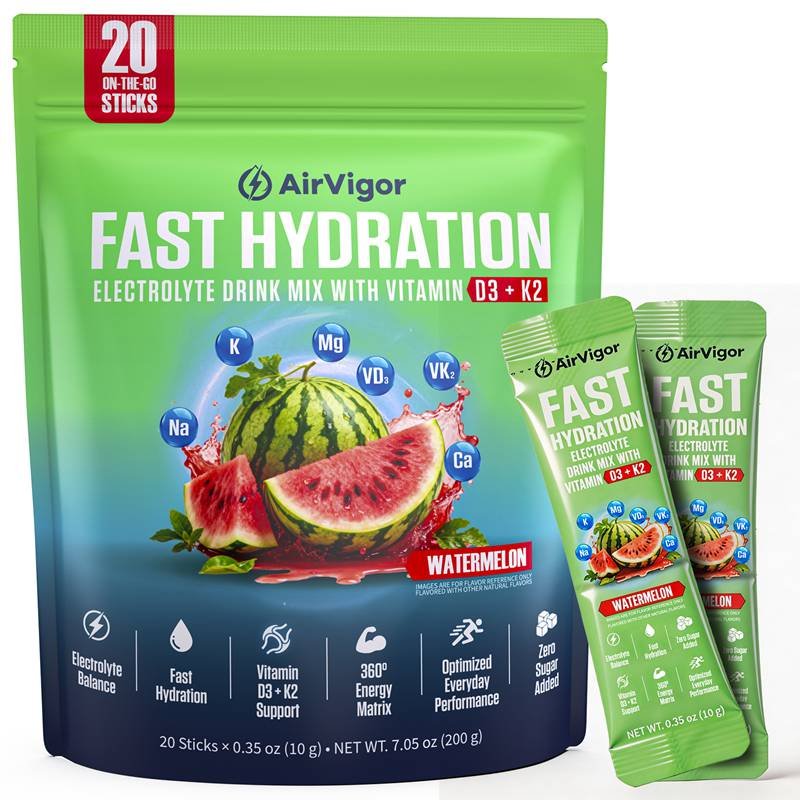
- full-spectrum electrolytes (Na, K, Mg, Ca, Cl)
- designed for daily hydration and recovery
- optimized for real-world sweating scenarios (work, travel, workouts, heat)

Which Food Has the Highest Electrolytes?
Foods highest in electrolytes are those naturally rich in sodium, potassium, magnesium, calcium, and chloride. Top examples include leafy greens, bananas, avocados, dairy products, beans, nuts, seeds, seafood, and mineral-rich broths. Coconut water and fermented foods also contribute electrolytes, but food sources vary in concentration, bioavailability, and practicality—making it difficult to rely on a single “best” food for complete electrolyte replenishment.
Understanding “Highest Electrolytes” the Right Way
There is no single food that contains all electrolytes in high amounts. Instead, different foods specialize in different minerals. When people ask “which food has the highest electrolytes,” they usually mean one of three things:
- Highest total mineral content
- Highest potassium or sodium
- Most effective for hydration and recovery
To answer accurately, we need to look at electrolytes by type, not as a single number.
Electrolyte-Rich Foods by Mineral Type
1)Sodium & Chloride (Fluid Retention & Hydration)
Sodium and chloride are the most rapidly lost electrolytes through sweat, yet they are the hardest to obtain in meaningful amounts from “whole foods” alone.
Top food sources:
- Bone broth / clear soups
- Pickles and fermented vegetables
- Olives
- Salted seafood (e.g., anchovies)
- Cheese
Practical insight:
While sodium is present in many foods, athletes and active individuals often under-consume sodium because modern “clean eating” trends discourage salt. This can impair hydration even when potassium intake is adequate.
2)Potassium (Cellular Hydration & Muscle Function)
Potassium is critical for muscle contraction, nerve signaling, and intracellular hydration.
Top potassium-rich foods:
- Avocado
- Bananas
- Sweet potatoes
- White beans and lentils
- Spinach
- Coconut water
| Food | Potassium (approx.) |
|---|---|
| Avocado (1 medium) | ~975 mg |
| Sweet potato (1 medium) | ~540 mg |
| Banana (1 medium) | ~420 mg |
| White beans (1 cup cooked) | ~1,000 mg |
| Coconut water (1 cup) | ~400 mg |
Limitations:
Potassium-rich foods are effective long-term but are less practical for rapid replenishment after sweating, due to volume, digestion time, and low sodium content.
3)Magnesium (Muscle Relaxation & Recovery)
Magnesium is essential for neuromuscular relaxation, energy metabolism, and preventing cramps.
Top magnesium-rich foods:
- Pumpkin seeds
- Almonds
- Cashews
- Dark leafy greens
- Whole grains
- Dark chocolate (≥70% cocoa)
Why is magnesium often low?
Stress, caffeine, alcohol, and exercise all increase magnesium demand. Even magnesium-rich diets may not meet needs during high physical or mental load.
4)Calcium (Muscle Contraction & Nerve Signaling)
Calcium plays a role in muscle contraction and nerve transmission, but is less commonly depleted acutely.
Top calcium-rich foods:
- Dairy products (milk, yogurt, cheese)
- Sardines (with bones)
- Tofu (calcium-set)
- Kale and broccoli
Calcium loss through sweat is relatively low, but intake matters for long-term balance—especially when combined with vitamin D.
Do Any Foods Contain “All” Electrolytes?
No single food naturally provides all five primary electrolytes (sodium, potassium, magnesium, calcium, chloride) in optimal ratios for hydration.
Even commonly cited options have gaps:
- Coconut water: high potassium, very low sodium
- Bananas: potassium only, minimal sodium
- Leafy greens: magnesium and potassium, low sodium
- Dairy: calcium-focused, low-sodium/potassium balance
This is why relying solely on food can work for baseline nutrition, but not always for active hydration needs.
Why Food Alone Is Often Not Enough
Food-based electrolytes:
- Require digestion time
- Are spread across multiple meals
- Vary widely in mineral concentration
- Are difficult to scale precisely
For people who sweat regularly, travel, train, or work long hours, food alone often cannot keep pace with electrolyte loss—especially sodium and magnesium.
Food vs Electrolyte Supplements: A Practical Comparison
| Aspect | Food Sources | Electrolyte Supplements |
|---|---|---|
| Mineral precision | Variable | Measurable & consistent |
| Speed of absorption | Slow–moderate | Fast |
| Sodium replenishment | Difficult | Efficient |
| Convenience | Meal-dependent | On-demand |
| Daily consistency | Hard to maintain | Easy to standardize |
How Do You Replenish Electrolytes Quickly?
The fastest way to replenish electrolytes is through a balanced electrolyte drink containing sodium, potassium, magnesium, and chloride, consumed with adequate fluid. Compared to whole foods, electrolyte solutions absorb faster, restore hydration more efficiently, and allow precise dosing—especially after sweating, dehydration, or prolonged physical or mental exertion. Speed depends on mineral balance, fluid volume, and timing, not just how much you consume.
What “Quick Replenishment” Really Means (and What It Doesn’t)
Many people assume that replenishing electrolytes quickly means drinking something salty or eating a banana. In reality, rapid electrolyte replenishment is not about one mineral or one food—it’s about restoring fluid balance at the cellular level.
Quick replenishment requires three things to happen at the same time:
- Water absorption into the bloodstream
- Electrolytes entering circulation in usable form
- Electrolytes moving into cells, not just the gut
If any of these steps is inefficient, hydration feels slow or incomplete—even if you’re drinking plenty of fluids.
Why Water Alone Is Often Not Enough
Water is essential, but water alone does not restore electrolyte balance. After sweating, illness, or prolonged exertion, drinking plain water can dilute remaining electrolytes, potentially worsening symptoms such as:
- Fatigue
- Headache
- Dizziness or lightheadedness
- Muscle weakness or cramping
This is why people sometimes report that “I keep drinking water but still don’t feel hydrated.”
Electrolytes—especially sodium—are required to help water move from the digestive tract into the bloodstream and then into cells.
The Role of Each Electrolyte in Fast Rehydration
1)Sodium: The Primary Driver
Sodium is the most critical electrolyte for rapid fluid absorption. It helps activate sodium-glucose and sodium-water transport mechanisms in the intestine, accelerating hydration.
Without sodium:
- Water absorption slows
- Urine output increases
- Hydration becomes inefficient
This is why low-sodium beverages (like plain water or coconut water alone) are often insufficient after heavy sweating.
2)Potassium: Cellular Hydration
Potassium helps regulate fluid balance inside cells, especially muscle and nerve cells. It supports muscle contraction, nerve signaling, and helps prevent fatigue.
However, potassium works best after sodium has restored circulation volume. Potassium-heavy options alone are rarely ideal for fast replenishment.
3)Magnesium & Calcium: Neuromuscular Stability
Magnesium supports muscle relaxation and helps reduce cramping and twitching. Calcium supports muscle contraction and nerve transmission.
While not required in large amounts for immediate hydration, they improve recovery quality and reduce post-exertion discomfort when included in balanced formulas.
Fastest Replenishment Methods Compared
| Method | Speed | Limitations |
|---|---|---|
| Plain water | Fast fluid intake, slow hydration | Dilutes electrolytes |
| Whole foods | Slow | Digestion required, poor sodium delivery |
| Coconut water | Moderate | High potassium, very low sodium |
| Sports drinks (high sugar) | Moderate | Sugar slows gastric emptying |
| Balanced electrolyte powder | Fastest overall | Requires proper formulation |
Speed is not about sugar or calories—it’s about electrolyte balance + fluid volume.
Why Electrolyte Powders Are the Fastest Option
Electrolyte powders dissolved in water offer several advantages for rapid replenishment:
- Immediate availability (no digestion required)
- Adjustable concentration based on sweat loss
- Balanced mineral ratios
- Low gastric burden when properly formulated
This is why electrolyte solutions are used in sports science, clinical hydration, and recovery protocols—not just fitness trends.
How AirVigor Approaches Fast Electrolyte Replenishment
AirVigor formulations are designed around physiological hydration efficiency, not flavor-first or sugar-heavy approaches.
Key principles include:
- Sodium levels aligned with sweat loss patterns
- Potassium for intracellular hydration
- Magnesium and calcium for neuromuscular support
- Low sugar to avoid delayed absorption
- Clean solubility for fast gastric emptying
This structure allows users to hydrate quickly without heaviness, whether after training, during long workdays, travel, or heat exposure.
Timing Matters: When to Replenish Electrolytes Quickly
Electrolytes work best when taken at the right moment:
- During sweating: Small, frequent sips
- Immediately after sweating: One full serving within 30 minutes
- During prolonged mental work: Early intervention prevents fatigue
- After illness or travel: Restore balance before full meals
Waiting too long often means recovery takes longer than necessary.
Common Mistakes That Slow Rehydration
- Drinking large volumes of plain water only
- Using very high-sugar drinks
- Avoiding sodium due to outdated health myths
- Taking electrolytes without enough water
- Overloading potassium without sodium balance
Quick replenishment is about precision, not excess.
To replenish electrolytes quickly, you need water + the right electrolytes in the right ratios. Food supports long-term mineral intake, but balanced electrolyte drinks are the most efficient tool for rapid hydration.
For people with active lifestyles, heavy sweating, frequent travel, or long workdays, structured electrolyte supplementation—like AirVigor’s formulations—offers the fastest, most reliable way to restore balance without unnecessary sugar or digestive stress.

What Are the First Signs of Low Electrolytes?
The first signs of low electrolytes can include fatigue, muscle cramps, dizziness, and headaches. Electrolytes like sodium, potassium, calcium, and magnesium play crucial roles in nerve function, muscle contraction, and hydration. Imbalances in these electrolytes can affect your body’s ability to maintain normal physiological functions, leading to symptoms such as muscle weakness, irregular heartbeats, and in severe cases, confusion or seizures. Early signs typically appear after intense physical activity, heat exposure, or dehydration.
Why Electrolyte Imbalances Affect Your Body
Electrolytes are electrically charged minerals that help regulate several key functions, including:
- Fluid balance: Maintaining water levels inside and outside of cells
- Nerve signaling: Allowing cells to communicate for muscle contraction and coordination
- Muscle function: Ensuring proper muscle contractions, including the heart
- Acid-base balance: Keeping the body’s pH level stable for optimal enzyme activity
When these vital electrolytes drop too low, the body struggles to maintain these processes, and a variety of symptoms can begin to appear.
Common Early Signs of Low Electrolytes
1. Fatigue and Weakness
One of the earliest signs of electrolyte imbalance is general fatigue. This occurs because electrolytes are essential for energy production and muscle function. When levels are low, your body’s ability to efficiently produce energy is compromised. This may result in sluggishness, exhaustion, and difficulty performing even basic physical tasks.
For example, potassium is critical for muscle function, and its deficiency can cause fatigue because muscles don’t contract effectively, leading to weakness.
2. Muscle Cramps and Spasms
Electrolyte imbalances can cause muscles to contract uncontrollably, leading to painful muscle cramps and spasms. This is most commonly seen in athletes or those who engage in strenuous physical activity without replenishing their electrolytes.
Magnesium, calcium, and potassium are all crucial for muscle function. A deficiency in these minerals disrupts the signals that tell muscles to relax after contraction, leading to cramps or spasms, particularly in the legs and feet.
3. Dizziness and Lightheadedness
Low levels of sodium (hyponatremia), often due to dehydration or excessive sweating, can lead to dizziness or lightheadedness. Sodium is vital for regulating blood pressure and fluid balance. When levels fall, the blood volume decreases, resulting in a drop in blood pressure, which can cause feelings of dizziness, confusion, or even fainting in more severe cases.
4. Headaches
Headaches are another common symptom of low electrolytes. They may occur as a result of dehydration (loss of water and electrolytes) or an imbalance between sodium and potassium. This disrupts the fluid balance in the brain, causing the pressure inside the skull to change, which can lead to a headache.
This is particularly common after intense exercise or in individuals who aren’t consuming enough fluids with electrolytes during physical activity.
5. Irregular Heartbeats
Electrolytes like potassium, calcium, and magnesium are essential for the electrical activity in the heart. A deficiency in these electrolytes can disrupt the heart’s rhythm, causing arrhythmias (irregular heartbeats). Symptoms may include palpitations (feeling that your heart is racing or skipping a beat), dizziness, chest pain, or shortness of breath.
6. Nausea and Vomiting
Low electrolytes can also affect the stomach and digestive system, leading to nausea and vomiting. Sodium and potassium play roles in maintaining normal fluid and electrolyte balance in the stomach. When imbalances occur, the body may attempt to expel excess fluids through vomiting as a defense mechanism.
Why Dehydration Contributes to Electrolyte Loss
Electrolytes are lost through sweat, urine, and other bodily fluids. During physical activity or in hot environments, your body loses water and electrolytes more quickly than it can replace them. When you’re dehydrated, your body has fewer electrolytes available to maintain proper function.
In these cases, fluid replenishment isn’t enough. You need to restore both the water and electrolytes lost. AirVigor’s electrolyte powder is formulated to help restore this balance by providing sodium, potassium, magnesium, and calcium, crucial for keeping your body hydrated and functioning properly.
How to Prevent Low Electrolytes
The best way to prevent low electrolytes is to maintain a balanced intake of these essential minerals through:
- Consuming electrolyte-rich foods: Bananas (potassium), dairy (calcium), leafy greens (magnesium), and nuts are good sources.
- Drinking electrolyte drinks: These can help replenish minerals lost through sweat or exertion.
- Regular hydration: Drink water regularly, but also consider beverages that contain electrolytes—especially during or after exercise.
If you’re regularly engaging in physical activity, AirVigor electrolyte powder offers a convenient and efficient way to restore electrolytes, especially after heavy sweating or intense exercise.
Signs of Low Electrolytes
- Fatigue and weakness are among the first signs of electrolyte deficiency.
- Muscle cramps, dizziness, and headaches can also signal electrolyte imbalances.
- Irregular heartbeats, nausea, and vomiting may occur in more severe cases.
- Restoring electrolyte levels with balanced solutions is crucial for recovery.
Maintaining your electrolyte balance is key to keeping your body functioning at its best, especially during physical activity. If you experience any of these symptoms, especially after sweating or exercise, replenishing your electrolytes may be an immediate and effective solution.
Best Source of Electrolytes: A Detailed Comparison
| Source | Speed | Precision | Scalability | Best Use | Pros | Cons |
|---|---|---|---|---|---|---|
| Whole foods | Slow | Low | Poor | Baseline health, long-term prevention | – Naturally contains a range of electrolytes (e.g., potassium in bananas, magnesium in nuts) | – Slow replenishment; requires balanced diet; limited for immediate needs |
| Sports drinks | Fast | Low | Moderate | Casual activity, post-workout hydration | – Quick hydration and energy boost; widely available | – High in sugars, artificial additives; not always tailored to individual needs |
| Capsules | Slow | Moderate | Poor | Convenience for daily supplements | – Easy to take; good for routine supplementation | – Often contains smaller doses; lacks quick action or flexibility in consumption |
| Electrolyte powders | Fast | High | Excellent | Training, work, heat, intense physical activity | – Fast absorption, ideal for recovery; customizable dosing; no sugar, gluten-free options | – Requires mixing; may need to carry water for consumption |
Bottom Line:
- Whole foods form the foundation for electrolyte balance and overall health.
- Electrolyte powders, like AirVigor, are ideal for quickly replenishing lost minerals, especially during physical exertion, heat exposure, or intense activity. They provide high precision and fast absorption, making them the best option for real-world demands like workouts, work in hot climates, or during travel.
Electrolyte powders offer customization that can adjust to personal needs, providing immediate recovery, which is essential for maintaining peak performance. If you are engaged in frequent physical activity or need to replenish lost electrolytes quickly, AirVigor’s electrolyte powder is your go-to solution for optimal hydration and health.

Why AirVigor Electrolytes Are Designed Differently
AirVigor electrolytes are formulated with evidence‑based balance, focusing on sodium, potassium, magnesium, calcium, and chloride ratios that mirror real sweat loss and physiological needs. Unlike many sports drinks or generic supplements, AirVigor prioritizes rapid cellular hydration, neuromuscular support, taste stability with low sugar, and multi‑context usability—from training and travel to everyday hydration. This science‑driven design helps prevent cramps, dizziness, and performance drop‑off more effectively than one‑dimensional solutions.
1. Designed from Physiology, Not Marketing
Most electrolyte products on the market are built around flavor profiles or sugar content, often labeled as “sport drinks” without real scientific backing for mineral balance. In contrast, AirVigor’s design philosophy starts with how the human body actually uses electrolytes:
- Sodium is the primary driver of fluid retention and efficient rehydration.
- Potassium supports intracellular hydration and muscle contraction.
- Magnesium and calcium help with neuromuscular signaling and recovery.
- Chloride ensures proper acid–base balance and optimal fluid distribution.
AirVigor starts with physiological needs first, rather than cosmetic claims like “high potassium” or “energizing electrolyte mix” that lack balance. This ensures that hydration is both deep (cellular) and wide (systemic).
2. Real Sweat Profile–Matching Electrolyte Ratios
Electrolyte research emphasizes that different electrolytes are lost at different rates through sweat—not just sodium. Too many solutions focus on one or two minerals (e.g., sodium + potassium), ignoring others that are critical for:
- Nerve signal transmission
- Muscle relaxation and contraction
- Blood pressure stabilization
- Cellular fluid balance
AirVigor’s formulas reflect real sweat‑loss models. These models are based on actual sweat mineral measurements from athletes and regular users, rather than theoretical or single‑mineral supplement frameworks. This makes AirVigor more precise for real‑world hydration demands—whether you’re running, working long hours in heat, or traveling.
3. Rapid Absorption + Cellular Hydration
Electrolyte effectiveness isn’t just about what minerals are included—it’s about how fast they are absorbed and utilized. AirVigor uses:
- Highly soluble mineral forms that dissolve quickly and enter circulation faster
- Balanced ratios that optimize sodium‑driven water uptake
- Magnesium compounds selected for low gastrointestinal irritation
This means Water + AirVigor is more than hydration—it’s targeted rehydration. Cellular fluids are replenished sooner, and symptoms like fatigue, cramps, or dizziness resolve faster than with water or sugar‑heavy drinks alone.
4. Low Sugar, Low GI Burden
Many sports drinks rely on added sugars to drive electrolyte absorption via glucose‑sodium co‑transport mechanisms. While this can be effective in some contexts, it’s often unnecessary for:
- Daily hydration
- Recovery from sweat loss is not paired with intense energy expenditure
- Users sensitive to sugar or artificial additives
AirVigor opts for low‑sugar or sugar‑free formulations that avoid the energy spike/crash cycle and gastrointestinal distress many users experience with conventional sports drinks. This also aligns with general metabolic health, making AirVigor suitable for everyday hydration—not just workouts.
5. Adaptable to Multiple Use Cases
AirVigor’s electrolyte design isn’t narrow—it’s intended for:
- Athletic performance & endurance training
- Every day hydration during busy work or travel
- Heat exposure or physically demanding environments
- Recovery from dehydration due to illness or long flights
- Lifestyle hydration for mental clarity and cognitive performance
Many electrolyte products are marketed only for athletes, but hydration needs are universal. Whether you’re commuting in summer heat or finishing a marathon, AirVigor’s balanced electrolytes are crafted to support consistent physiological function, not just temporary thirst quenching.
6. Verified Quality & Transparency
AirVigor doesn’t just mix minerals—it subjects every batch to rigorous testing and traceable quality control:
- Ingredient purity verified via COA (Certificate of Analysis)
- GMP, HACCP, and ISO22000 production standards
- FDA certification and multi‑market compliance
- Low‑fermentation, high‑solubility formulas with predictable effects
This level of quality helps avoid common issues like:
- Inconsistent potency
- Heavy metal contamination
- High sugar burden
- Poor taste masking
It also makes AirVigor a reliable choice for regular, long‑term use—a factor that many branded products overlook.
7. Real‑World User Insights Drive Formulation
A unique aspect of AirVigor’s product design is its feedback loop:
- Real user feedback across 120+ countries
- Data‑driven refinements (performance, taste, tolerance)
- Contextual use cases (labor, travel, high‑stress days)
This user‑centric development reinforces that hydration solutions must behave differently depending on lifestyle, activity intensity, and environmental conditions—one reason why generic one‑size formula claims often fail to deliver consistent results across diverse populations.
AirVigor vs Conventional Electrolyte Supplements
| Feature | AirVigor Electrolytes | Typical Sports Drink |
|---|---|---|
| Mineral Balance | Full spectrum, real‑world ratios | Sodium‑heavy, incomplete |
| Sugar Content | Low / Sugar‑free options | Often high in sugar |
| Absorption Speed | Rapid & cellular | Moderate |
| Usability | Everyday + performance | Often performance only |
| Taste Profile | Clean, stable | Sweet / artificially flavored |
| Quality Assurance | GMP, ISO22000, COA Verified | Varies widely |
| Digestive Comfort | High | Can be low (due to sugar/ingredients) |
AirVigor electrolytes are designed differently because they were engineered from physiology first, not marketing. This approach delivers:
- Better hydration efficiency
- Balanced mineral support
- Faster recovery
- Greater comfort and tolerability
- Wider real‑world applicability
For athletes, busy professionals, travelers, or anyone who sweats, works hard, or needs reliable daily hydration support, AirVigor offers a precisely formulated electrolyte solution that is both practical and scientifically defensible.
How to Get Started With AirVigor
Electrolytes are not optional extras—they are core infrastructure for hydration, performance, and daily function.
If you rely on food alone, you may meet minimum needs—but you’ll struggle during periods of stress, sweat, or high output. If you rely on sugar-heavy drinks, you may trade short-term energy for long-term instability.
The best source of electrolytes is the one that matches real-life demands: fast, balanced, transparent, and repeatable.
For Consumers
- Buy ready-to-ship AirVigor electrolyte powders on Amazon
- Available in multiple formats: stick packs, pouches, bulk
- Stable supply via FBA (5–10 day delivery in most regions)
For Brands & Partners
- Custom electrolyte formulations (OEM / ODM)
- Low MOQ starting at 500 units
- Sampling in 3–7 days
- Global compliance & multi-market labeling support