Skip to content
Most athletes don’t underperform because they lack effort. They underperform because the foundations that support training quietly break down—hydration slips, recovery slows, and energy becomes inconsistent. Instead of fixing these basics, many athletes respond by adding more supplements, hoping the next product will unlock better performance.
The truth is simple: supplements only work when they follow a system. Athletic supplementation was never meant to be about stimulation or stacking products. Its real purpose is to replace what training depletes, support what training stresses, and help athletes perform consistently—week after week, season after season.
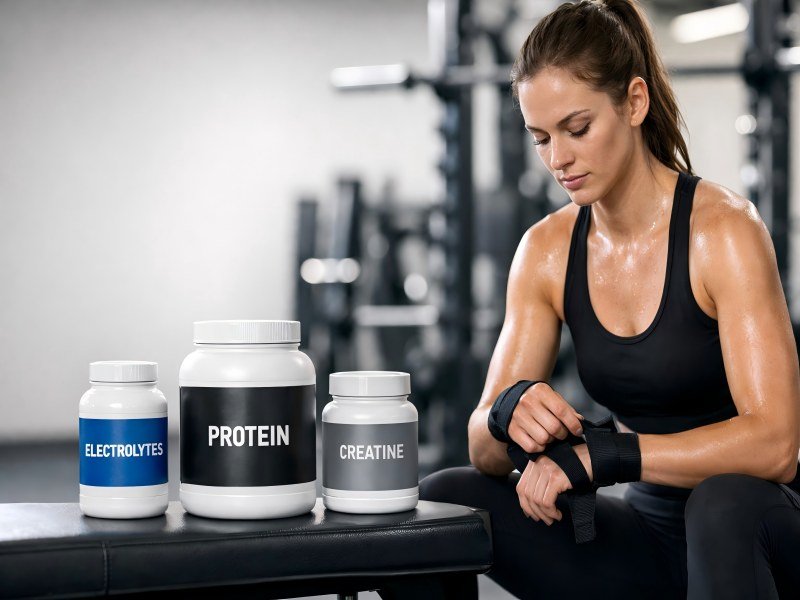
The best supplements for athletes support hydration, energy production, and muscle recovery. Proven options like electrolytes, protein, and creatine address real physiological losses caused by training rather than masking fatigue. When chosen based on training load, sweat loss, and recovery demand, supplements improve consistency, reduce breakdown, and support long-term performance—not short-term hype.
What Supplements Do Athletes Actually Need?
Athletes need supplements that replace losses caused by training and support recovery systems under stress. These typically include electrolytes for hydration, protein for muscle repair, and creatine for energy production. Needs vary by training load, sweat rate, environment, and frequency—not by trends.
Training places predictable stress on the body. Muscles contract repeatedly. Fluids and minerals are lost through sweat. Energy systems are drained. Over time, these losses accumulate faster than the body can restore them—especially for athletes who train frequently or live busy, high-stress lives.
Supplements are effective only when they target these specific gaps.
What problems are supplements actually solving?
At their best, supplements help athletes:
- Maintain fluid and electrolyte balance
- Sustain energy output across sessions
- Repair muscle tissue efficiently
- Reduce cumulative fatigue and soreness
When these needs aren’t met, athletes don’t always feel “bad.” They just feel less sharp, less consistent, and slower to recover—often without knowing why.
What changes as training intensity increases?
As training becomes longer, hotter, or more frequent, small deficits turn into performance limiters. Sweat loss rises. Recovery windows shrink. Water alone becomes insufficient. This is why supplementation needs to scale with load and environment, not just body size.
What Is the 4-2-1 Rule for Athletes?
The 4-2-1 rule helps athletes prioritize supplements by physiological importance rather than popularity. It places hydration and electrolytes first (4), recovery and energy support second (2), and optional performance enhancers last (1). This structure prevents athletes from skipping fundamentals while chasing marginal gains that only work when the basics are already stable.
The biggest mistake most athletes make with supplements isn’t choosing the “wrong” product—it’s choosing out of sequence.
The 4-2-1 rule exists to solve this exact problem. It forces athletes to address the body’s most critical systems first, before spending time or money on supplements that only offer small advantages when everything else is already in place.
| Priority | Category | What It Actually Fixes | What Happens If Ignored |
|---|---|---|---|
| 4 | Hydration & Electrolytes | Nerve signaling, muscle contraction, fluid retention | Early fatigue, heavy legs, brain fog, inconsistent output |
| 2 | Protein & Creatine | Muscle repair, ATP regeneration, training density | Slower recovery, stalled progress, volume intolerance |
| 1 | Optional Extras | Perceived energy, focus, acute performance | Energy crashes, sleep disruption, dependence |
This framework works because it mirrors how the body actually fails under training stress.
Why hydration and electrolytes come first (4)
Hydration is not just about thirst—it’s about electrical signaling and muscle control. Electrolytes regulate nerve impulses, muscle contraction, heart rhythm, and fluid movement between cells. When they’re even slightly off, performance drops quietly but consistently.
Athletes often misinterpret early signs of electrolyte imbalance—such as heavy legs, early fatigue, or brain fog—as poor conditioning or lack of motivation. In reality, these are system-level failures, not effort problems.
If hydration and electrolytes are unstable:
- Creatine feels less effective
- Protein recovery is compromised
- Stimulants feel harsher and less predictable
That’s why the 4-2-1 rule assigns the highest priority to hydration. Without it, everything else becomes less reliable.
Why protein and creatine come next (2)
Once hydration is stable, the next limitation is recovery capacity and energy turnover.
Protein supports tissue repair, immune function, and adaptation to training. Creatine supports ATP regeneration, allowing athletes to maintain output across sets and sessions. Together, they don’t create instant performance—they increase how much quality work the body can tolerate over time.
Importantly, these supplements only work consistently when the body is well hydrated. Many athletes report that creatine “stopped working” or caused discomfort, when the real issue was inadequate fluid and electrolyte support.
This is why the 4-2-1 rule places protein and creatine in the second tier—not optional, but dependent on a stable foundation.
Why optional extras come last (1)
Pre-workouts, caffeine blends, pump formulas, and niche performance compounds aren’t useless—but they are conditional tools.
These supplements tend to:
- Amplify signals that already exist
- Increase perceived energy or focus
- Offer marginal gains in specific scenarios
When fundamentals are weak, they often create more problems than benefits: energy crashes, sleep disruption, digestive stress, or inconsistent performance.
The 4-2-1 rule doesn’t say “never use extras.”
It says earn the right to use them—only after hydration, recovery, and energy systems are already functioning well.
Why athletes who follow 4-2-1 train more consistently
Athletes who apply the 4-2-1 rule often report:
- Fewer “mystery bad days”
- More predictable energy levels
- Better tolerance to training volume
- Less reliance on stimulants
The rule isn’t flashy. It doesn’t promise instant breakthroughs.
But it aligns supplementation with how the body actually adapts, which is why it works across sports, climates, and training levels.
In long-term athletic development, boring and repeatable always beats exciting and fragile—and the 4-2-1 rule is designed exactly for that.
What Are the Top 3 Supplements for Athletes?
The top three supplements for athletes are electrolytes, protein, and creatine—not because they are popular, but because they directly support the three physiological systems most consistently stressed by training: hydration control, tissue repair, and cellular energy production. These systems are involved in every sport, regardless of intensity, duration, or skill level.
Across decades of research, elite training programs, and real-world athlete use, the same trio continues to emerge—not as a trend, but as a baseline requirement for sustainable performance.
| Supplement | Primary System Supported | When Athletes Feel the Difference | Why It’s Foundational |
|---|---|---|---|
| Electrolytes | Hydration & neuromuscular signaling | During long, hot, or high-sweat sessions | Lost daily and required for all movement |
| Protein | Muscle repair & immune recovery | 12–48 hours post-training | Enables adaptation, not just repair |
| Creatine | Cellular energy (ATP turnover) | Later sets, repeat efforts | Increases usable training volume |
These aren’t shortcuts or boosters. They are highest-impact—the nutritional equivalent of sleep, warm-ups, and recovery days.
Why electrolytes always come first
Hydration is not simply about replacing water—it’s about maintaining electrical stability in the body. Electrolytes regulate nerve impulses, muscle contractions, heart rhythm, and fluid movement between cells. When they are depleted through sweat, performance declines even if total fluid intake is high.
This is why athletes often say:
- “I’m drinking plenty of water but still feel flat.”
- “My legs feel heavy earlier than usual.”
- “I lose focus halfway through training.”
These are not conditioning problems—they are hydration signaling problems.
Electrolytes address this at the root, which is why they consistently appear at the top of every evidence-based supplement hierarchy.
Why protein is non-negotiable for recovery
Training does not make athletes better—recovery does.
Protein provides the amino acids needed to repair muscle tissue, support immune function, and adapt to training stress. Without adequate protein, athletes may still train hard, but adaptation slows and soreness accumulates.
Importantly, protein’s value isn’t limited to strength athletes. Endurance athletes, team-sport players, and even recreational exercisers all rely on protein to:
- Reduce muscle breakdown
- Maintain lean mass
- Recover between sessions
Protein isn’t about size—it’s about keeping the body trainable.
Why creatine remains one of the most reliable performance tools
Creatine’s role is often misunderstood. It doesn’t magically increase strength—it improves the body’s ability to repeat high-quality effort.
By increasing ATP availability, creatine allows athletes to:
- Maintain output in later sets
- Recover faster between bursts
- Accumulate more effective training volume
Over weeks and months, this leads to better adaptation—not because creatine is “powerful,” but because it quietly improves training consistency.
Why these three work together, not in isolation
The real reason electrolytes, protein, and creatine remain the top three is how they interact.
- Electrolytes stabilize nerve and muscle signaling
- Protein repairs tissue stressed by that signaling
- Creatine supports the energy required to repeat it
When one is missing, the others feel less effective. This interdependence is why athletes who “try everything” often see less benefit than those who simply get the basics right.
Why “Top 3” beats “Top 10” for most athletes
Adding more supplements doesn’t increase performance linearly—it increases complexity and error.
Athletes who focus on the Top 3 typically experience:
- More predictable energy levels
- Fewer digestive issues
- Easier compliance and consistency
- Better long-term results
In practice, the best supplement strategy isn’t about doing more—it’s about removing friction. And that’s exactly what the Top 3 framework provides.
What Are the Big 3 Supplements?
If the “Top 3” answer what works best for performance, the “Big 3” answer what remains safe, legal, and reliable over years of training.
“What is safe, sustainable, and reliable for long-term athletic use?”
The “Big 3 supplements”—electrolytes, protein, and creatine—are considered foundational not because they are exciting, but because they are among the most studied, predictable, and well-tolerated supplements in sports nutrition.
They matter because they:
- Replace losses that occur every day, not just on hard training days
- Support repeatable performance without overstimulating the nervous system
- Carry low long-term risk when properly sourced and dosed
This is why elite programs and experienced athletes tend to rely on the same three supplements year after year, while treating pre-workouts, boosters, and niche compounds as optional tools—not foundations.
| Training Context | Primary Supplement | Secondary Support | Practical Rule of Thumb |
|---|---|---|---|
| Hot weather / heavy sweat | Electrolytes | Protein | Replace sodium before increasing water volume |
| Strength / CrossFit | Creatine | Protein | 3–5 g creatine daily + consistent hydration |
| Endurance (60–90+ min) | Electrolytes | Protein | Sip steadily, avoid plain water only |
| Busy schedule / missed meals | Protein | Electrolytes | Use protein to protect recovery consistency |
How Do Electrolytes Support Athletic Performance?

Electrolytes support athletic performance by maintaining fluid balance, enabling muscle contraction, and regulating nerve signaling. During training, sodium, potassium, and magnesium are lost through sweat. If these minerals are not replaced, performance can decline even when total water intake is high—leading to early fatigue, cramping, reduced coordination, and slower recovery.
Sweat is not just water—it’s electrically active minerals leaving the body.
| Intake Strategy | Fluid Volume | Electrolyte Content | Performance Outcome |
|---|---|---|---|
| Plain water only | High | None | Dilution, frequent urination, fatigue |
| Sports drink | Moderate | Low–moderate + sugar | Short-term energy, poor daily use |
| Electrolyte mix | Adjustable | Sodium-focused | Stable hydration and output |
| Electrolyte | Lost in Sweat | Primary Role |
|---|---|---|
| Sodium | High | Fluid balance, nerve signaling |
| Potassium | Moderate | Muscle contraction |
| Magnesium | Low–moderate | Muscle relaxation |
Replacing water without sodium can actually worsen performance during long, hot, or high-sweat sessions by diluting blood sodium levels and disrupting neuromuscular signaling.
Most athletes believe hydration is a volume problem: drink more water.
In reality, hydration is a distribution and signaling problem.
Electrolytes control how water moves into and out of cells, how nerves fire, and how muscles contract and relax. Without adequate electrolytes, water may remain in the bloodstream or digestive tract instead of reaching working muscle tissue.
This is why athletes often report:
- Feeling “hydrated but weak”
- Heavy or unresponsive legs early in training
- Brain fog or loss of focus mid-session
- Sudden drops in output without clear cause
These symptoms are not due to lack of effort—they are signs of electrolyte imbalance.
Why sodium is the primary driver of performance hydration
Sodium is the most critical electrolyte for athletes because it directly regulates:
- Fluid retention
- Blood volume
- Nerve impulse transmission
During heavy sweating, sodium loss can exceed 1,000–2,000 mg per session, especially in hot or humid environments. When athletes replace only water, blood sodium concentration drops, impairing muscle contraction and increasing perceived exertion.
This dilution effect explains why:
- Drinking more water doesn’t always improve performance
- Athletes feel worse late in long sessions
- Cramps and dizziness appear despite “good hydration habits”
Proper sodium intake allows the body to hold onto water and use it effectively, rather than flushing it out.
The supporting roles of potassium and magnesium
While sodium drives fluid balance, potassium and magnesium fine-tune muscular control.
- Potassium supports muscle contraction and heart rhythm. Low potassium can contribute to weakness, irregular contractions, and coordination loss.
- Magnesium supports muscle relaxation and nervous system recovery. Inadequate magnesium is often associated with tightness, twitching, and poor sleep quality after training.
Although these minerals are lost in smaller amounts than sodium, chronic shortfalls can quietly degrade performance and recovery over time.
Why electrolyte needs increase with training volume and heat
Electrolyte requirements are not static. They rise with:
- Longer training duration
- Higher intensity
- Hot or humid environments
- Individual sweat rate
Two athletes performing the same workout can have very different electrolyte losses, which is why generic hydration advice often fails.
Electrolyte powders allow athletes to adjust mineral intake without excessive sugar or fluid volume, making them more practical than traditional sports drinks for daily training.
The performance takeaway most athletes miss
Electrolytes don’t make athletes faster or stronger overnight.
They make performance more predictable.
Athletes who consistently replace electrolytes report:
- Fewer “mystery bad days”
- More stable pacing and output
- Less reliance on stimulants
- Faster recovery between sessions
In high-performance training, consistency beats intensity spikes.
Electrolytes are one of the simplest tools for protecting that consistency.
How Does Creatine Help Athletes Train Better?
Creatine helps athletes train better by increasing the availability of ATP, the body’s immediate energy source. This allows muscles to sustain repeated high-intensity efforts, improve training volume, and recover faster between sets. When used consistently and sourced properly, creatine is safe and effective for long-term athletic development.
Creatine is one of the most researched supplements in sports nutrition, yet it’s still widely misunderstood. It doesn’t “force” strength gains, spike hormones, or replace good training. Instead, it quietly improves training quality, which compounds over time.
How does creatine support ATP and muscle output?
During short, intense efforts—sprinting, lifting, jumping—the body relies on ATP. Creatine increases phosphocreatine stores in muscle cells, allowing ATP to regenerate faster. The result isn’t instant power, but less drop-off across sets and sessions.
Athletes often notice:
- More stable output in later sets
- Better repeat sprint ability
- Less “dead” feeling mid-session
These small improvements add up across weeks of training.

How should athletes use creatine for best results?
The most evidence-based approach to creatine is also the most sustainable: consistent daily intake with adequate hydration. Creatine does not work as a stimulant or acute booster. Its benefits accumulate gradually by increasing intramuscular phosphocreatine stores, which support repeated high-intensity efforts over time.
For most athletes, simple and steady use produces the best outcomes.
| Variable | Evidence-Based Recommendation | Why It Matters |
|---|---|---|
| Daily dose | 3–5 g | Saturates muscle creatine stores without excess |
| Timing | Any time of day | Consistency matters more than timing |
| Cycling | Not required | Long-term use is well supported by research |
| Loading | Optional, not necessary | Speeds saturation but not required for results |
Creatine’s performance benefits typically appear after 2–4 weeks of consistent use, not immediately. Athletes who expect instant effects often misjudge creatine as ineffective, when the real issue is insufficient duration or inconsistent intake.
Why hydration and electrolytes matter with creatine
Creatine draws water into muscle cells as part of its normal function. When fluid and electrolyte intake are inadequate, this shift can feel uncomfortable—leading some athletes to report bloating, cramping, or GI distress.
In practice, these effects are rarely caused by creatine itself. They are most often the result of:
- Inadequate total fluid intake
- Low sodium intake relative to sweat loss
- Starting creatine during heavy training or hot conditions without hydration support
Maintaining proper hydration and electrolyte balance allows creatine to function as intended—supporting energy turnover without digestive or muscular discomfort.
For most athletes, pairing daily creatine with regular electrolyte intake significantly improves tolerance and consistency.
How safe is long-term creatine use?
Long-term creatine use is widely considered safe for healthy individuals when consumed at recommended doses and produced under proper quality standards. Decades of clinical research show no adverse effects on kidney or liver function in athletes without pre-existing medical conditions.
Most safety concerns associated with creatine fall into two categories:
1. Product quality, not creatine itself
Low-grade raw materials, contamination, or inaccurate dosing are the most common sources of risk. This is why reputable manufacturing standards—such as third-party testing and clear certificates of analysis—matter more than brand marketing claims.
2. Poor hydration practices
Creatine increases cellular water demand. When athletes fail to adjust fluid and electrolyte intake accordingly, they may experience discomfort that is incorrectly attributed to creatine “side effects.”
When properly sourced and supported by adequate hydration, creatine is:
- Non-hormonal
- Non-stimulant
- Suitable for long-term daily use
This reliability is why creatine remains a foundational supplement across strength, power, team sports, and high-intensity training programs—rather than a short-term performance hack.
Do Athletes Need Protein Supplements Every Day?
Many athletes benefit from daily protein supplementation not because protein powders are superior to whole foods, but because consistent protein intake is difficult to maintain under real training and life constraints. Missed meals, travel, early training sessions, and post-workout appetite suppression all make whole-food–only strategies unreliable.
Protein supplementation is therefore less about bodybuilding and more about protecting recovery capacity. Training creates repeated micro-damage to muscle tissue. Adequate protein availability allows this damage to be repaired efficiently, reducing cumulative fatigue and allowing athletes to tolerate higher training frequency over time.
For athletes training most days of the week, daily protein adequacy matters more than perfect meal timing or food sourcing.
Do protein powders actually improve recovery?
Protein powders improve recovery when they close a gap—either total daily protein intake is too low, or intake is unevenly distributed across the day. Research consistently shows that muscle protein synthesis is maximized when protein is consumed in sufficient amounts and spread across multiple meals.
Protein powders are effective because they:
- Provide predictable protein amounts
- Digest easily when appetite is low
- Reduce reliance on perfectly timed whole-food meals
They are especially useful post-training, during travel, or on busy days when regular meals are delayed or skipped.
Typical evidence-based daily protein targets for athletes include:
| Athlete Type | Daily Protein Range | Primary Recovery Goal |
|---|---|---|
| Strength / power | 1.8–2.2 g/kg | Muscle repair & hypertrophy |
| Endurance | 1.6–1.8 g/kg | Tissue repair & fatigue resistance |
| Recreational / lifestyle | 1.4–1.6 g/kg | Recovery support & lean mass maintenance |
Do different athletes need different protein types?
Yes. Protein choice should reflect digestibility, training demands, and individual tolerance, not trends or marketing.
- Strength and power athletes often prefer whey protein or whey-based blends due to high leucine content, which helps initiate muscle protein synthesis.
- Endurance athletes frequently choose lighter, fast-digesting proteins that support recovery without gastrointestinal discomfort.
- Lifestyle and recreational athletes benefit most from proteins that are easy to digest and consistent in taste and tolerance, improving long-term adherence.
Across all categories, protein quality is defined by amino acid profile, digestibility, and consistency—not novelty ingredients.
Do timing and dosage matter?
Total daily intake is the primary driver of recovery outcomes. While consuming protein shortly after training can help initiate muscle repair, missing this window does not negate recovery if total intake is sufficient across the day.
Evidence suggests that distributing protein evenly across meals improves utilization more than concentrating intake into a single large serving. However, rigid timing strategies are unnecessary and often counterproductive.
For most athletes, the most effective strategy is simple:
- Hit daily protein targets
- Spread intake across meals when possible
- Use protein supplements to fill gaps—not replace meals
In practice, consistency beats precision. Athletes who maintain adequate protein intake day after day recover more reliably than those who chase perfect timing but struggle with adherence.
What Supplements Do D1 Athletes Take?
Division I (D1) athletes typically rely on a minimal, compliance-focused supplement approach rather than complex performance stacks. The most common choices—electrolytes for hydration, protein for recovery, and creatine for training output—are selected not for hype, but for predictability, safety, and repeatable performance.
Despite having access to elite facilities, sports dietitians, and medical staff, D1 athletes rarely use experimental or aggressively marketed supplements. Their priorities are clear: training consistency, eligibility protection, and long-term health.
At the collegiate level, supplements are treated as support tools, not shortcuts.
Why do D1 athletes avoid complicated supplement stacks?
D1 programs operate under strict performance and compliance constraints. As a result, supplement decisions are conservative by design.
Key reasons include:
- NCAA compliance and eligibility protection Even trace amounts of banned or contaminated substances can jeopardize eligibility. Programs therefore favor supplements with well-established safety profiles and low contamination risk.
- High training volume already stresses recovery systems Collegiate athletes train frequently, often balancing multiple daily sessions, travel, and academic demands. Adding stimulants or complex stacks increases the risk of sleep disruption, appetite suppression, and inconsistent recovery.
- Consistency outweighs novelty Supplements that work “most of the time” are less valuable than those that work the same way every day. D1 athletes prioritize tools that reduce variability, not amplify short-term peaks.
A simple supplement stack minimizes unknown variables, making performance outcomes more predictable across long seasons.

What does a typical D1 supplement routine look like?
| Purpose | Common Choice | Why It’s Used at the D1 Level |
|---|---|---|
| Hydration | Electrolytes | Replace daily sweat loss and stabilize neuromuscular function |
| Recovery | Protein | Support muscle repair between frequent sessions |
| Output | Creatine | Improve training density and repeat-effort capacity |
This routine reflects both sports nutrition research and institutional risk management. Supplements are chosen because they address universal physiological demands—hydration, recovery, and energy turnover—while maintaining a strong safety margin.
What everyday athletes can learn from D1 supplement habits
The most important takeaway is not what D1 athletes take, but what they avoid.
D1 athletes typically do not rely on:
- High-stimulant pre-workouts
- Proprietary blends with unclear dosing
- Rapidly trending or poorly studied compounds
Instead, they focus on supplements that:
- Support daily training, not one-off performances
- Integrate smoothly into long-term routines
- Reduce recovery bottlenecks rather than masking fatigue
This conservative approach explains why the same foundational supplements—electrolytes, protein, and creatine—appear across collegiate, professional, and elite training environments.
At high levels of sport, boring, reliable systems outperform exciting but fragile ones.
Are All Athlete Supplements Safe and High Quality?
Not all athlete supplements are safe or equal in quality. While many products share similar ingredient lists, the real determinants of safety and effectiveness lie in purity, dosing accuracy, and manufacturing control. Supplements that appear identical on the label can behave very differently in the body depending on how they are sourced, produced, and tested.
For athletes who use supplements regularly, quality is not a marketing detail—it is a risk management issue. Long-term use amplifies small inconsistencies, making manufacturing standards far more important than short-term claims.
What are the “Big 3 supplements” from a safety perspective?
Electrolytes, protein, and creatine are considered the Big 3 not only because they support performance, but because they are among the most thoroughly studied and predictable supplements available. When produced under proper standards, they offer a rare combination of effectiveness and long-term safety.
From a safety standpoint, these supplements share three important characteristics:
- Extensive research history across diverse athletic populations
- Well-defined dosing ranges with low risk of misuse
- High tolerance for daily, long-term use when quality is controlled
When safety issues occur, they almost always stem from poor execution—such as contaminated raw materials, inaccurate dosing, or inadequate quality oversight—rather than from the ingredients themselves.
Why do certifications and testing matter?
Certifications and testing act as safeguards against the most common supplement risks: contamination, inconsistency, and mislabeling. For athletes, especially those subject to eligibility rules or drug testing, these controls are essential.
| Quality Control | What It Verifies | Why It Matters to Athletes |
|---|---|---|
| GMP (Good Manufacturing Practice) | Consistent production standards | Reduces batch-to-batch variability |
| COA (Certificate of Analysis) | Ingredient identity and potency | Confirms label accuracy |
| Third-party testing | Absence of contaminants and banned substances | Lowers eligibility and health risk |
These systems help ensure that what athletes consume matches what the label promises, every time—not just occasionally.
The safety principle most athletes overlook
Many athletes focus on what supplement they take, but overlook how consistently it is produced. A supplement that works well most of the time but varies between batches introduces unnecessary risk—especially for athletes training year-round.
From a practical safety standpoint, the most reliable supplements are those that:
- Use transparent, repeatable formulations
- Maintain consistent sourcing and manufacturing processes
- Provide verifiable testing documentation
This is why foundational supplements with strong research support and clear quality controls tend to outperform trend-driven products over the long term—not in excitement, but in reliability.
How Should Athletes Choose a Safe Supplement Brand?
Athletes should choose supplement brands that prioritize manufacturing discipline over marketing claims. Transparency, formulation stability, and quality control systems matter far more than novelty ingredients or aggressive positioning. Brands that maintain consistent sourcing, clear labeling, and reliable supply chains are better suited to support long-term training than trend-driven products.
Athletes don’t stay loyal because of advertising.
They stay loyal because products perform the same way, every time they are used.
For athletes who train regularly, brand choice is less about discovery and more about risk reduction and consistency.

Top 20 Athlete-Focused Supplement Brands
The following list highlights 20 widely used and research-backed supplement brands trusted by athletes across different training levels.
These brands are included based on ingredient transparency, manufacturing standards, research history, and long-term market presence—not short-term trends or marketing hype.
Selection is based on publicly verifiable indicators such as third-party sport certifications (e.g., NSF Certified for Sport / Informed Choice where applicable), transparent labeling practices, longevity/market presence, and brand focus on foundational supplements. This is not a performance ranking and does not guarantee suitability for every athlete.
| # | Brand | Primary Focus | Why Athletes Trust It |
|---|---|---|---|
| 1 | Optimum Nutrition | Protein, creatine | Long-standing research-backed formulations |
| 2 | Thorne | Performance & clinical nutrition | NSF Certified for Sport, strong testing standards |
| 3 | NOW Sports | Foundational supplements | Transparent labeling, GMP manufacturing |
| 4 | Transparent Labs | Clean performance formulas | Fully disclosed ingredient dosages |
| 5 | Klean Athlete | Elite sport supplementation | Trusted by professional & collegiate programs |
| 6 | BulkSupplements | Single-ingredient basics | Simple formulations, flexible dosing |
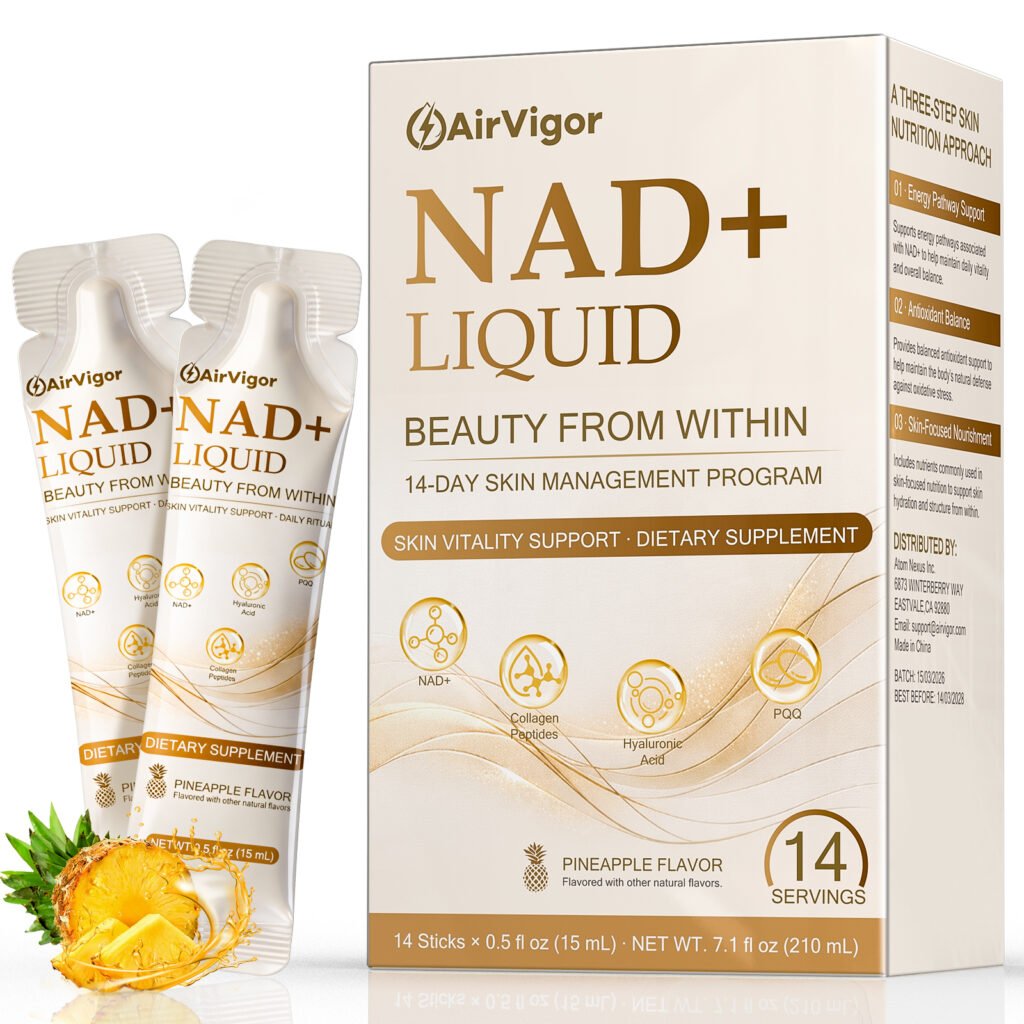
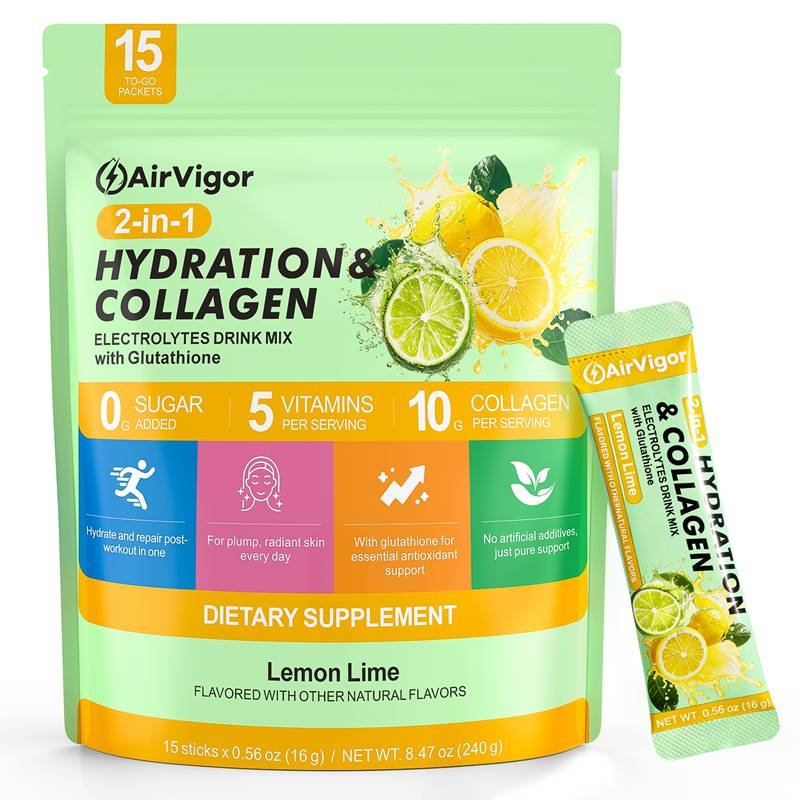
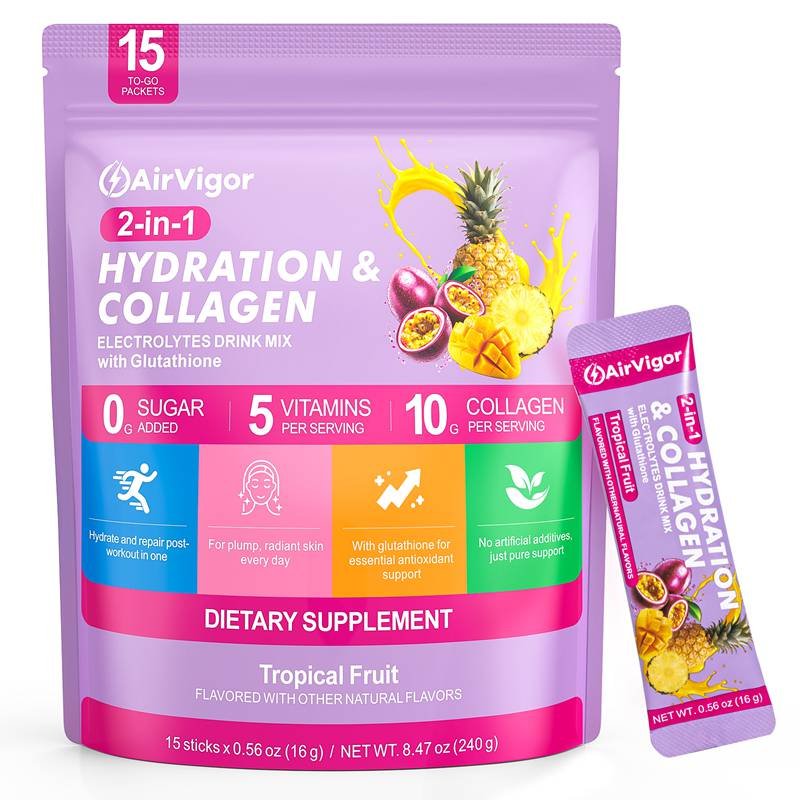
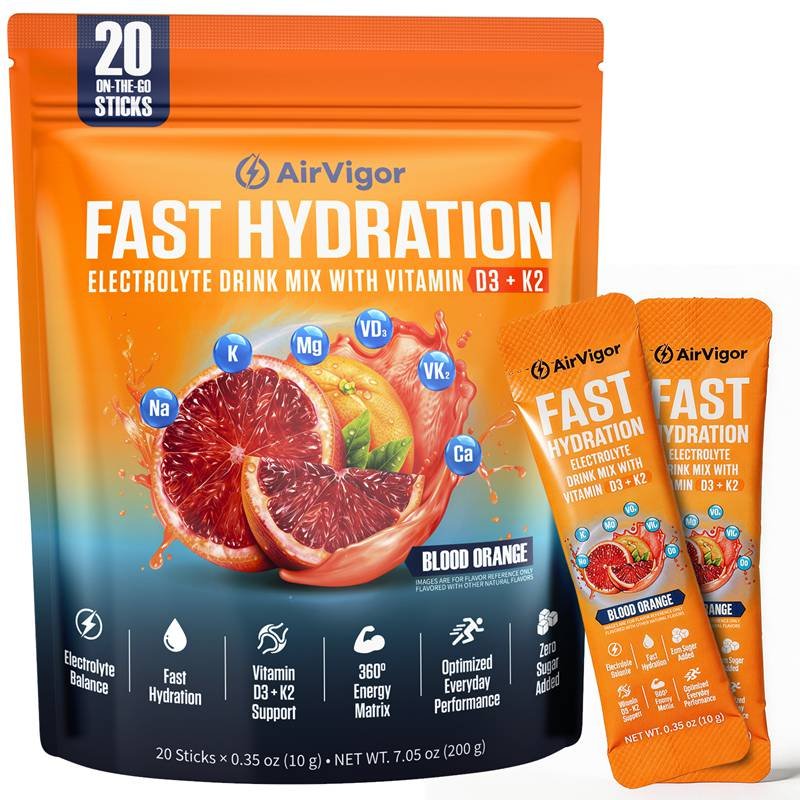
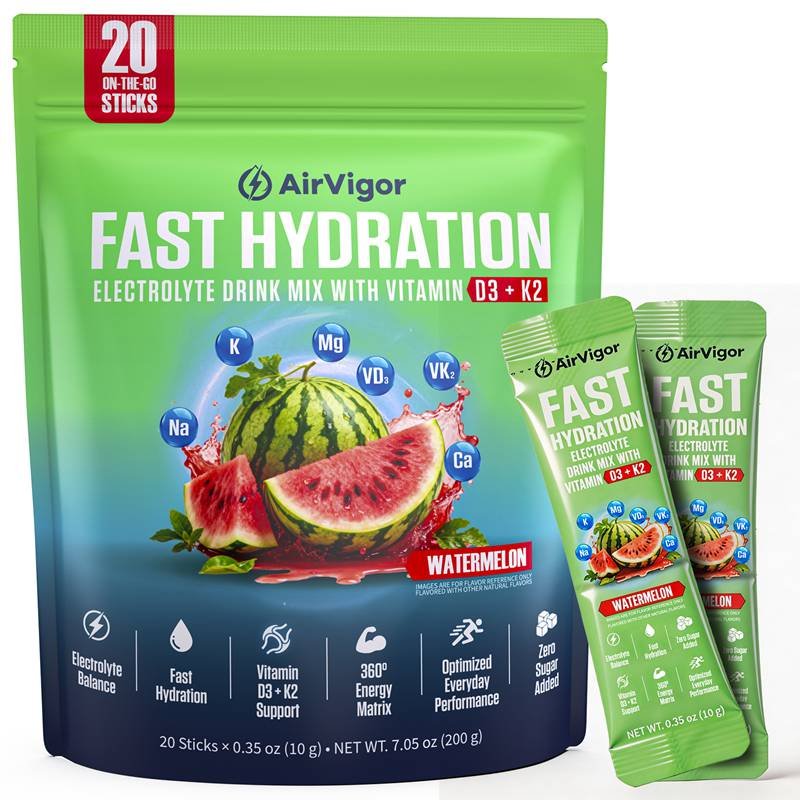
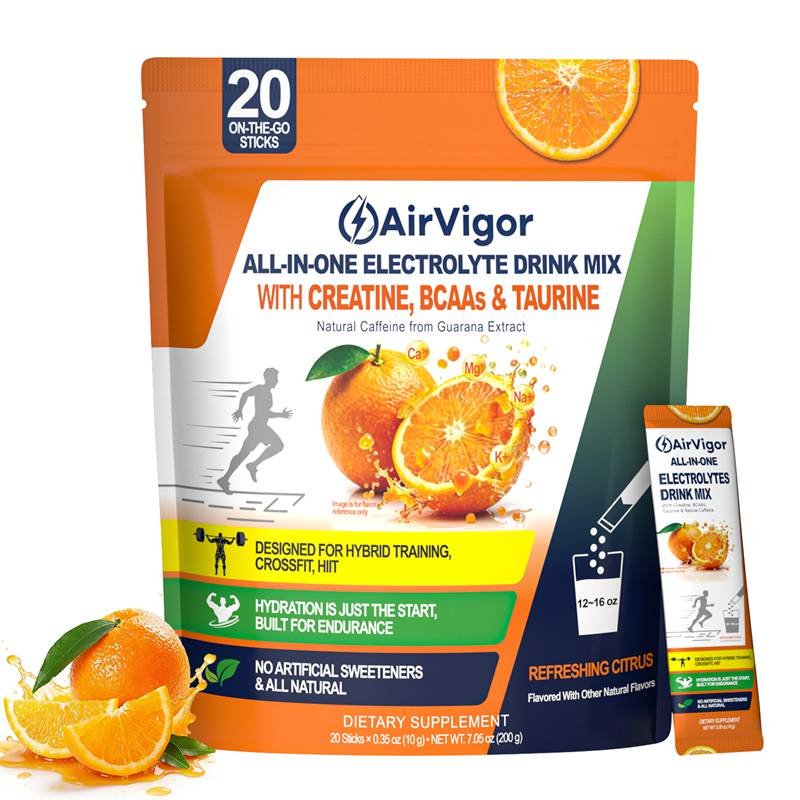
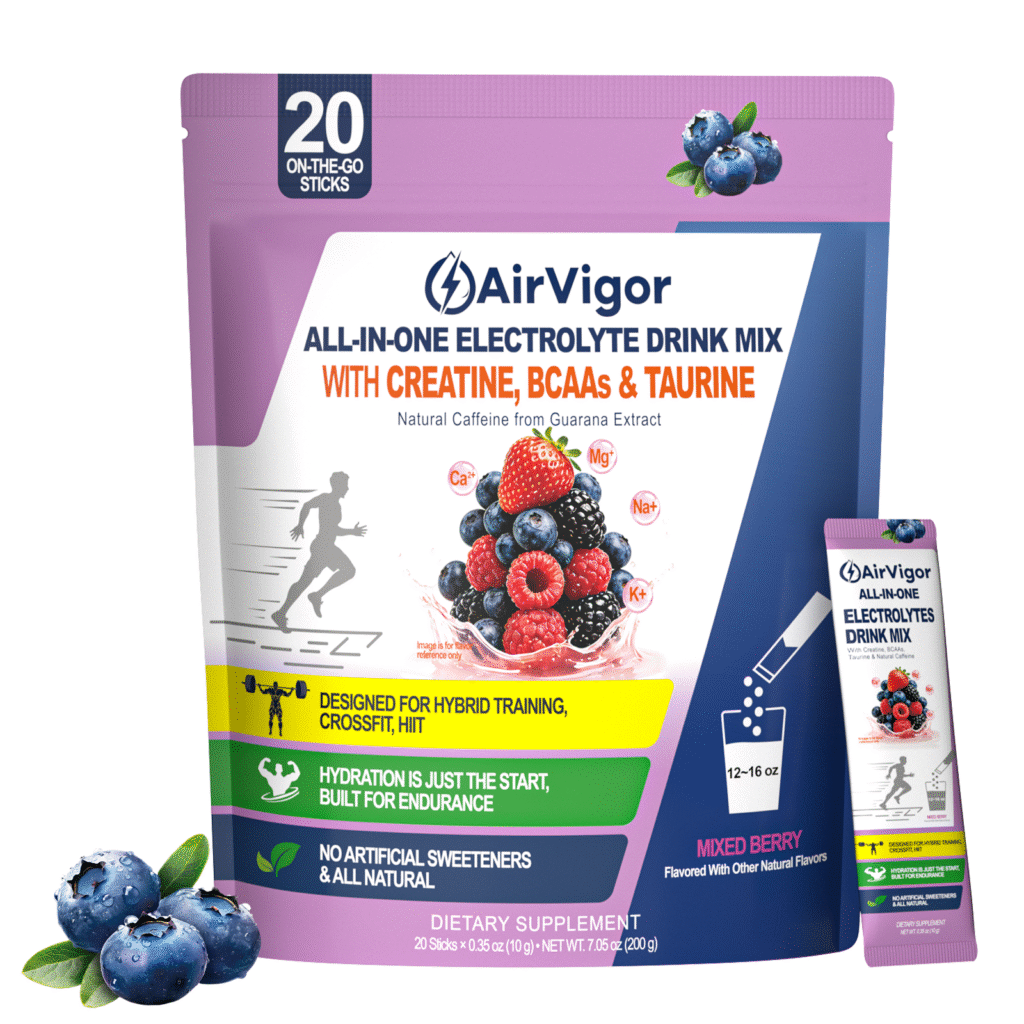
| 7 | AirVigor | Electrolytes, protein, creatine systems | System-based daily-use formulas, batch-level testing, long-term consistency focus |
| 8 | Legion Athletics | Evidence-based performance | Research-driven dosing, no proprietary blends |
| 9 | Momentous | Performance & recovery | Used by elite training organizations |
| 10 | Garden of Life Sport | Whole-food based nutrition | NSF Certified for Sport, digestibility focus |
| 11 | MyProtein | Protein & basics | Global supply consistency |
| 12 | Muscle Feast | Protein isolates | Minimal ingredients, purity focus |
| 13 | Naked Nutrition | Single-ingredient products | No additives, transparent sourcing |
| 14 | JYM Supplement Science | Performance blends | Education-focused formulation philosophy |
| 15 | Pure Encapsulations | Clinical-grade supplements | Pharmaceutical-level quality controls |
| 16 | Hammer Nutrition | Endurance fueling | Long-term endurance athlete trust |
| 17 | NutraBio | Fully transparent labels | Third-party testing emphasis |
| 18 | Dymatize | Protein & recovery | Widely used in competitive sports |
| 19 | Ascent | Protein & recovery | NSF Certified, athlete-developed |
| 20 | Promix | Clean protein nutrition | Simple sourcing, grass-fed proteins |
How to use this list as an athlete
This list is not about finding “the best brand overall.”
It is about identifying brands that consistently meet foundational standards for safety, transparency, and long-term use.
Athletes should still choose products based on:
- Individual training demands
- Digestive tolerance
- Availability and consistency
- Compliance requirements
Brands like AirVigor stand out not by chasing trends, but by building repeatable systems that support hydration, recovery, and performance across daily training cycles.
What should athletes look for beyond the label?
Ingredient lists tell only part of the story. The more important signals often appear in how a product behaves over repeated use.
Key indicators of a reliable supplement brand include:
- Clear, fully disclosed ingredient amounts Avoid proprietary blends or vague dosing that prevents informed use.
- Simple, explainable formulations Fewer ingredients with defined purposes reduce interaction risk and improve predictability.
- Consistent taste, texture, and solubility across batches Physical consistency often reflects controlled manufacturing and stable sourcing.
- Reliable availability over time Frequent formula changes or supply gaps disrupt routines and reduce adherence.
These factors reduce friction in daily use, making it easier for athletes to remain consistent—an often overlooked determinant of supplement effectiveness.
Why formulation stability matters more than novelty
A supplement does not fail because it lacks science—it fails because athletes stop using it.
Products that clump, taste different from batch to batch, or cause occasional gastrointestinal discomfort gradually erode trust, even if the formulation looks strong on paper.
Formulation stability ensures that:
- Each serving delivers the intended dose
- Digestion and tolerance remain predictable
- Performance effects remain consistent across weeks and months
This reliability is especially important for foundational supplements used daily, where small inconsistencies can accumulate into noticeable problems.
Brands like AirVigor focus on formulation stability, batch-level testing, and clear usage guidance to support long-term adherence rather than one-time performance spikes. The goal is not to impress on day one, but to remain dependable throughout an athlete’s training cycle.
The brand selection principle most athletes overlook
The best supplement brand is rarely the most innovative—it is the one that introduces the fewest surprises. Predictability allows athletes to focus on training, recovery, and progression rather than managing side effects or constantly adjusting routines.
In practice, brands that emphasize consistency, transparency, and manufacturing control tend to outperform trend-driven competitors over time—not in excitement, but in results.
Conclusion
Athletic performance doesn’t improve by adding more supplements—it improves by building a system that works every day. Hydration, recovery, and energy production are not optional upgrades; they are the foundations that allow training to compound instead of break down.
That’s why the most effective athletes rely on a small number of proven tools—electrolytes, protein, and creatine—used consistently and supported by quality manufacturing standards. When these fundamentals are stable, performance becomes predictable, recovery improves, and long-term progress becomes possible.
AirVigor is built around this exact philosophy: science-based formulations designed for daily use, consistency, and long-term athletic support—not short-term stimulation. For athletes who value reliability over hype, building a system—not a stack—is where real performance begins.