Skip to content
What Does Dietary Supplement Mean: A Complete Science Guide
# Your Trusted Dietary Supplement Brand In US
- Emily

Table of Contents
If you’ve ever walked down a supplement aisle or scrolled through Amazon’s sports nutrition category, you’ve probably asked yourself a simple but surprisingly confusing question: what does dietary supplement actually mean?
Some people see supplements as essential tools for better health. Others view them as overhyped powders that promise more than they deliver. Between influencers promoting fat burners, athletes relying on electrolytes, and doctors reminding patients to “eat real food first,” the term dietary supplement has become blurred, misunderstood, and sometimes mistrusted.
The truth sits somewhere in the middle. Dietary supplements are not magic pills—and they are not scams by default either. They exist because modern lifestyles, training demands, and nutritional gaps don’t always align with what food alone can realistically provide. Whether it’s hydration during intense workouts, protein intake for muscle repair, or micronutrient support during long workdays, supplements are designed to support the body—not replace it.
A dietary supplement is a product intended to supplement the diet by providing specific nutrients such as vitamins, minerals, protein, amino acids, electrolytes, or other bioactive compounds. Supplements are not medicines and do not replace meals. Instead, they help support normal body functions, performance, or recovery when dietary intake alone may be insufficient.
But here’s where most people get it wrong: taking supplements without understanding what they do, how they work, or who actually needs them. In the sections below, we’ll break down dietary supplements clearly, scientifically, and practically—so you can decide what belongs in your routine and what doesn’t.
What Does “Dietary Supplement” Mean?
A dietary supplement is a product intended to supplement the diet by providing specific nutrients—such as vitamins, minerals, protein, amino acids, creatine, or electrolytes—that may be missing or insufficient in daily food intake. Dietary supplements are not medicines and do not replace meals. Instead, they support normal bodily functions, performance, or recovery when nutritional needs increase or consistency is difficult to maintain through food alone.
Understanding the Real Meaning Behind “Dietary Supplement”
The phrase “dietary supplement” is often misunderstood because it sounds broader—and more powerful—than it actually is. Many people assume supplements are meant to fix health problems, replace food, or produce rapid results. In reality, the term has a very specific and intentionally limited meaning.
At its core, a dietary supplement is defined by purpose, not by form or popularity. Its purpose is to supplement—not replace—what the diet already provides.
What does it mean when they say “dietary supplement”?
When a product is labeled as a dietary supplement, it means three important things:
It is designed to add nutrients, not calories or complete nutrition
Supplements focus on targeted components—such as electrolytes for hydration or protein for muscle repair—rather than the full nutritional complexity of a meal.
It works alongside food, not instead of it
The word dietary signals that the product assumes you are already eating. Supplements help close gaps caused by lifestyle, training demands, or inconsistent meals.
It supports normal physiology rather than treating disease
Supplements may support hydration, recovery, or energy metabolism, but they are not intended to diagnose, treat, or cure medical conditions.
This distinction is critical for understanding both the benefits and limitations of supplements.
What is the official definition of a dietary supplement?
In the United States, dietary supplements are legally defined under the Dietary Supplement Health and Education Act (DSHEA). According to this framework, a dietary supplement is a product taken orally that contains one or more dietary ingredients, such as:
- Vitamins or minerals
- Amino acids
- Protein or peptides
- Creatine
- Electrolytes
- Herbal or botanical compounds
The law classifies supplements as a subcategory of food, not drugs. This means they are regulated for safety, labeling accuracy, and manufacturing quality—but they are not evaluated like pharmaceuticals.
From a consumer perspective, this definition explains why supplements emphasize:
- ingredient transparency
- dosage accuracy
- manufacturing standards (GMP, COA, batch testing)
rather than medical claims.
How is a dietary supplement different from food?
Food and supplements serve different nutritional roles, even when they contain similar ingredients.
| Aspect | Food | Dietary Supplement |
|---|---|---|
| Purpose | Provide complete nutrition & calories | Provide targeted nutrients |
| Intake | Variable portions | Measured, consistent doses |
| Complexity | Fiber, fats, carbs, micronutrients | Focused ingredients |
| Timing | Meals & snacks | Strategic, need-based |
For example, chicken provides protein, fat, micronutrients, and satiety. A protein supplement provides amino acids quickly and predictably—useful when appetite, time, or digestion is limited.
This is why supplements are best viewed as nutritional tools, not food substitutes.
How is a dietary supplement different from medicine?
Unlike medicines, dietary supplements:
- do not treat or cure disease
- do not require clinical trials for approval
- do not alter physiology beyond normal biological pathways
Instead, they support existing systems. Creatine supports the ATP energy system. Electrolytes support fluid balance and nerve signaling. Protein supports tissue repair. None of these override the body’s regulatory controls.
This distinction protects consumers from misleading claims—but also places responsibility on users to choose supplements based on function, not promises.
Why does the definition of “dietary supplement” matter for consumers?
Understanding what a dietary supplement truly means helps prevent three common mistakes:
- Expecting supplements to replace healthy habits
- Using products without understanding dosage or purpose
- Judging all supplements by the worst examples in the market
When used correctly, dietary supplements are not shortcuts—they are consistency tools. They help people maintain hydration, recovery, and nutrient intake when real life makes perfect nutrition unrealistic.
That clarity is what separates effective, long-term supplement use from disappointment.
What Types of Dietary Supplements Exist Today?
Dietary supplements today include vitamins and minerals, protein and amino acids, creatine and performance supplements, electrolyte and hydration formulas, herbal and botanical extracts, and weight management supplements. Each category serves a different physiological purpose, from supporting basic nutrient intake to enhancing hydration, recovery, energy metabolism, or training performance. Supplements are designed to address specific needs rather than provide complete nutrition.
A Practical Classification of Modern Dietary Supplements
The supplement industry has expanded rapidly over the past two decades, which often creates confusion for consumers. Many products appear similar on the surface but serve very different roles in the body. To understand supplements clearly, it helps to classify them by function, not by marketing claims or packaging style.
Below is a science-based breakdown of the main categories of dietary supplements used today, how they work, and who they are most relevant for.
Vitamins and Minerals: Foundational Nutrient Supplements
Vitamins and minerals are the most established and widely used type of dietary supplement. They support essential processes such as immune defense, bone health, oxygen transport, nerve signaling, and energy metabolism.
These supplements are commonly used when:
- dietary intake is inconsistent or restricted
- absorption efficiency declines with age
- specific deficiencies are identified
Common examples include vitamin D, magnesium, zinc, iron, calcium, and B-complex vitamins. While critical for health, these supplements generally do not create noticeable short-term effects unless a deficiency exists. Their value lies in long-term stability rather than immediate performance enhancement.
Protein and Amino Acid Supplements: Muscle and Recovery Support
Protein supplements—such as whey, plant protein, or collagen—are designed to provide amino acids in a convenient, concentrated form. Amino acids are required for muscle repair, connective tissue maintenance, enzyme production, and metabolic regulation.
These supplements are widely used by:
- athletes and fitness enthusiasts
- individuals with high protein needs
- people with limited appetite or busy schedules
Unlike whole food protein, supplements offer predictable dosing and faster digestion, making them especially useful around workouts or during travel. However, they are not nutritionally complete and should complement—not replace—meals.
Creatine and Performance Supplements: Energy System Support
Creatine is one of the most researched and effective dietary supplements in sports nutrition. It supports the phosphocreatine system, which fuels short-duration, high-intensity efforts such as lifting, sprinting, or interval training.
Performance supplements in this category are typically used to:
- improve training output
- delay fatigue during intense efforts
- support faster recovery between sessions
Creatine does not stimulate the nervous system or cause artificial energy spikes. Instead, it enhances the body’s existing energy recycling capacity, which explains its broad use across strength, power, and mixed-sport disciplines.
Electrolyte and Hydration Supplements: Fluid and Nerve Balance
Electrolyte supplements contain minerals such as sodium, potassium, magnesium, and calcium that regulate fluid balance, muscle contraction, and nerve signaling. They are especially important during sweating, heat exposure, or prolonged physical or mental stress.
This category is commonly used by:
- endurance athletes
- individuals training in hot environments
- people experiencing frequent dehydration or cramps
Electrolyte supplements do not “give energy” directly, but they significantly improve how water is absorbed and retained by the body. Without adequate electrolytes, hydration becomes inefficient—even when fluid intake is high.
Herbal and Botanical Supplements: Functional Plant-Based Compounds
Herbal supplements include extracts derived from plants, roots, or leaves, such as green tea extract, turmeric, ashwagandha, or ginseng. These products are often used for stress management, inflammation support, or general wellness.
However, this category varies widely in:
- potency
- scientific evidence
- quality control
Because plant compounds are sensitive to sourcing and processing, product quality and standardization matter greatly. Consumers should prioritize brands that disclose extraction methods, active compound levels, and third-party testing.
Weight Management Supplements: Support, Not Solutions
Weight loss supplements are one of the most misunderstood categories. They are still dietary supplements—but they do not directly cause fat loss.
Instead, they may support:
- appetite awareness
- training energy
- hydration during calorie restriction
Results depend heavily on diet, activity level, and consistency. Products in this category should be evaluated carefully, with realistic expectations and transparent ingredient profiles.
Functional Combination Supplements: Multi-Purpose Formulas
Modern supplement formulations increasingly combine multiple categories into a single product—for example:
- electrolytes + amino acids
- protein + collagen
- hydration + recovery blends
These combinations aim to simplify routines and improve adherence, especially for people with limited time or complex supplement stacks. The effectiveness of such products depends on dose adequacy, not just ingredient variety.
Why Understanding Supplement Types Matters
Knowing what types of dietary supplements exist today helps consumers avoid two common mistakes:
- Choosing products based on trends rather than needs
- Expecting one supplement to solve multiple unrelated problems
Each category addresses a specific physiological function. When supplements are matched correctly to lifestyle, training intensity, and nutritional gaps, they become practical tools rather than sources of confusion or disappointment.
How Do Dietary Supplements Work in the Human Body?
Dietary supplements work by supplying specific nutrients or compounds that the body already knows how to use. After ingestion, supplements are digested, absorbed, and transported through normal biological pathways to support functions such as hydration, muscle repair, energy production, and nerve signaling. Supplements do not create new abilities or override physiology—they support existing systems when nutritional demand exceeds what food alone consistently provides.
How Supplements Interact With Human Physiology
One of the most common misunderstandings about dietary supplements is the belief that they act on the body in a special or artificial way. In reality, supplements do not introduce foreign mechanisms. They simply feed existing biological systems that already operate every second of the day.
To understand how supplements work, it helps to follow the journey step by step—from ingestion to cellular use—and examine how different categories of supplements interact with specific physiological pathways.
What happens when you take a dietary supplement?
When you consume a dietary supplement, your body processes it almost identically to nutrients from food. The difference lies in concentration, speed, and predictability, not in biological function.
The general process looks like this:
- Digestion – Supplements are broken down in the stomach and intestines (or dissolve directly if water-based).
- Absorption – Nutrients pass through the intestinal lining into the bloodstream.
- Transport – The circulatory system delivers nutrients to tissues based on demand.
- Utilization or Storage – Cells use what they need; excess is stored or excreted.
For example:
- Electrolytes rapidly affect fluid balance and nerve signaling
- Amino acids are directed toward muscle repair or enzyme synthesis
- Creatine is taken up by muscle cells and stored for high-energy output
At no point does the supplement “force” the body to change—it only supports what the body is already trying to do.
How are supplements absorbed, transported, and used by the body?
Absorption efficiency depends on form, solubility, and context.
- Powders mixed with water (electrolytes, protein) are typically absorbed faster
- Capsules and tablets absorb more slowly but offer convenience
- Fat-soluble nutrients require dietary fat for optimal uptake
Once absorbed, nutrients follow priority pathways:
- Muscles pull amino acids after training
- The nervous system prioritizes electrolytes
- The liver regulates storage, conversion, and release
High-quality supplements are designed around bioavailability, meaning the ingredient form and ratios are chosen to align with how the body actually absorbs and uses them—not just what looks impressive on a label.
How do electrolytes support hydration and nerve signaling?
Electrolytes—such as sodium, potassium, magnesium, and calcium—are electrically charged minerals that control fluid movement and communication between cells.
Without electrolytes:
- Water remains mostly outside cells
- Nerve signals weaken
- Muscles fatigue or cramp more easily
Electrolyte supplements improve hydration efficiency by allowing water to move into cells rather than passing quickly through the body. This is why people can feel dehydrated or fatigued even when drinking large amounts of plain water—hydration is a mineral-dependent process, not just fluid intake.
How do protein, amino acids, and creatine support energy and recovery?
Protein supplements provide amino acids, which are essential for:
- muscle repair
- connective tissue maintenance
- enzyme and hormone production
Creatine works differently. It supports the phosphocreatine system, which rapidly regenerates ATP—the body’s primary energy molecule—during short, intense efforts.
Neither protein nor creatine creates energy or muscle on their own. Instead, they increase the body’s capacity to respond to training, recover efficiently, and maintain output across repeated sessions.
How Different Dietary Supplements Work in the Body
| Supplement Type | How It Works in the Body | Primary System Supported | Result When Used Correctly |
|---|---|---|---|
| Electrolytes | Regulate fluid movement & electrical signals | Nervous & muscular systems | Better hydration, fewer cramps |
| Protein | Supplies amino acids for repair | Muscular & metabolic systems | Faster recovery, tissue maintenance |
| Creatine | Recycles ATP energy | Energy production system | Improved strength & power |
| Vitamins | Act as metabolic cofactors | Enzymatic pathways | Stable metabolism |
| Minerals | Enable signaling & transport | Cellular communication | System balance & efficiency |
| Herbal Compounds | Modulate stress or inflammation | Regulatory pathways | Supportive, subtle effects |
Supplements vs Food — How the Body Uses Each
| Aspect | Food | Dietary Supplements |
|---|---|---|
| Nutrient Complexity | High (fiber, fats, carbs, micronutrients) | Focused, isolated |
| Digestion Speed | Slower | Faster, more predictable |
| Dosage Control | Variable | Precise |
| Satiety Effect | Strong | Minimal |
| Best Use Case | Foundation of nutrition | Targeted support |
Why Supplements Don’t “Override” the Body
A critical point often missed in online discussions is this:
supplements do not bypass the body’s regulatory systems.
If the body does not need a nutrient:
- it will reduce absorption
- store it temporarily
- or excrete the excess
This is why supplements are support tools, not shortcuts. Their effectiveness depends on need, timing, and consistency, not sheer quantity.
Why Understanding This Mechanism Matters
When people understand how supplements actually work, they make better decisions:
- fewer unrealistic expectations
- safer long-term use
- more consistent results
Dietary supplements are most effective when viewed as inputs into existing systems, not external fixes. That perspective is what separates sustainable supplementation from trial-and-error frustration.

Why Do People Take Dietary Supplements?
People take dietary supplements to support nutrition, hydration, performance, recovery, and long-term health when daily food intake alone cannot reliably meet their physiological needs. Supplements help fill nutrient gaps, stabilize energy and hydration, support physical and mental demands, and improve consistency during training, stress, travel, aging, or irregular lifestyles. They are tools for maintenance and support—not replacements for meals or medical treatment.
The Real, Evidence-Based Reasons People Use Supplements
People rarely take dietary supplements “just in case.” In real life, supplementation usually begins when there is a mismatch between what the body needs and what daily habits can consistently provide.
That mismatch can come from physical stress, mental load, environmental conditions, time constraints, or long-term lifestyle patterns. Below are the most common, search-relevant, and physiologically valid reasons people take dietary supplements today.
What do dietary supplements do for daily health and performance?
At their core, dietary supplements function as stability tools.
Most health issues linked to nutrition are not caused by a single bad meal—but by small, repeated gaps over time. Mild dehydration, inconsistent protein intake, or low mineral availability may not cause immediate symptoms, but they gradually reduce energy, focus, and recovery capacity.
Supplements help smooth out these fluctuations by delivering:
- consistent nutrient amounts
- predictable timing
- easy intake when meals are delayed or skipped
Rather than pushing performance higher, supplements often work by preventing performance from dropping. This is why many users report feeling “more stable” rather than dramatically different.
Why do athletes and physically active people take supplements?
Physical activity dramatically increases nutrient turnover.
During training:
- sweat removes sodium, potassium, and magnesium
- muscles break down protein structures
- high-intensity efforts rapidly deplete cellular energy stores
Food can replenish these—but digestion speed, appetite suppression after workouts, and meal timing make it unreliable in practice. Supplements solve this by offering fast, targeted replenishment.
For example:
- Electrolytes improve hydration efficiency during long or hot sessions
- Protein supplements supply amino acids when solid food feels heavy
- Creatine supports repeated high-power output
Athletes use supplements not because food is inadequate, but because performance demands are time-sensitive.
Why do non-athletes and office workers use dietary supplements?
A growing segment of supplement users are not athletes at all.
Office workers, creatives, programmers, and high-stress professionals often experience:
- chronic low-grade dehydration
- mental fatigue and reduced focus
- irregular eating patterns
Air-conditioned environments, long screen time, and caffeine-heavy routines increase fluid and mineral loss without obvious sweating. Electrolyte supplements help restore fluid balance without sugar. Protein supplements help prevent energy crashes when meals are delayed.
In these cases, supplements support mental clarity, daily stamina, and work consistency, not muscle growth.
Why are supplements commonly used during stress, travel, and irregular schedules?
Stress—whether physical or psychological—increases nutrient demand.
Travel disrupts:
- hydration
- sleep
- meal quality
High stress increases:
- mineral excretion
- protein turnover
- fatigue perception
Supplements are portable, shelf-stable, and easy to dose, making them practical tools when routines break down. This is why many people only realize the value of supplements during periods of disruption, not during calm routines.
Why do people take supplements for long-term health maintenance?
As people age or manage long-term workloads, recovery becomes slower and tolerance for inconsistency decreases.
Supplements are often introduced to:
- preserve muscle mass
- maintain hydration efficiency
- reduce fatigue accumulation
- support metabolic stability
In this context, supplements are not about optimization—they are about preserving normal function. Used moderately, they help people maintain their baseline rather than constantly compensating for deficits.
Why don’t dietary supplements replace healthy eating?
A critical reason supplements are misunderstood is the assumption that they are meant to replace food.
Whole foods provide:
- fiber for gut health
- diverse micronutrients
- satiety and hormonal signaling
Supplements lack this complexity by design. They deliver isolated inputs, not complete nourishment. This is why effective supplement use always assumes food remains the foundation.
Primary Reasons People Take Dietary Supplements
| Motivation | Common Real-Life Cause | What Supplements Provide |
|---|---|---|
| Inconsistent meals | Busy schedules, skipped meals | Predictable nutrient intake |
| Heavy sweating | Exercise, heat, sauna | Electrolyte replacement |
| Training recovery | Muscle breakdown | Fast amino acid supply |
| Mental fatigue | Dehydration, stress | Hydration and mineral support |
| Aging & maintenance | Slower recovery | Baseline nutritional stability |
| Travel & disruption | Poor food access | Portable nutrition support |
Supplements as Support Tools vs Expectations
| Expectation | Reality |
|---|---|
| “Supplements create health” | They support existing systems |
| “More is better” | Appropriate dosing matters |
| “They replace meals” | They complement food |
| “They work instantly” | Effects are gradual and cumulative |
Why This Understanding Improves Results
People who clearly understand why they take supplements:
- choose fewer but more appropriate products
- use them more consistently
- avoid disappointment and misuse
Dietary supplements work best when they are matched to real needs, used with realistic expectations, and integrated into daily life—not treated as shortcuts or cures.
Are Dietary Supplements Safe and Regulated?
Dietary supplements are regulated as a category of food in the United States, not as drugs. While they do not require FDA pre-approval, manufacturers are legally responsible for product safety, accurate labeling, and compliant manufacturing. Supplements can be safe when produced under GMP standards, properly tested, and used as directed. Quality depends heavily on the manufacturer’s sourcing, testing, and transparency practices.
How Supplement Safety and Regulation Actually Work
Dietary supplement safety is one of the most debated topics in nutrition—largely because many people misunderstand how supplements are regulated and where responsibility lies.
Supplements are neither unregulated nor regulated like drugs. They exist in a middle regulatory framework that prioritizes access, choice, and accountability—while placing a high burden of responsibility on manufacturers and informed consumers.
Are dietary supplements approved by the FDA?
No—dietary supplements are not approved by the FDA before they go to market. This fact is often misunderstood as “supplements are unregulated,” which is incorrect.
In the United States:
- The FDA regulates supplements after they enter the market
- Manufacturers are legally required to ensure products are safe and properly labeled
- The FDA can issue warnings, recalls, or bans if safety violations occur
This system differs from pharmaceuticals because supplements are intended to support normal bodily function, not to treat disease. As a result, the law focuses on manufacturing quality, labeling accuracy, and post-market surveillance rather than pre-market clinical trials.
What laws and standards regulate dietary supplements in the U.S.?
Dietary supplements are primarily governed by:
- DSHEA (Dietary Supplement Health and Education Act)
- FDA Current Good Manufacturing Practices (cGMPs)
These regulations require that:
- ingredients are identified and traceable
- products are manufactured in controlled environments
- labels accurately reflect contents and dosages
- contamination and mislabeling are prevented
Failure to meet these standards can result in enforcement actions, including product recalls or facility shutdowns.
What makes a dietary supplement safe—or unsafe?
Safety is not determined by whether a product is a “supplement,” but by how it is made and used.
A dietary supplement is more likely to be safe when:
- ingredients come from verified suppliers
- dosages align with established intake ranges
- manufacturing follows GMP standards
- products undergo batch testing and quality verification
Conversely, risks increase when:
- ingredient amounts are hidden in proprietary blends
- sourcing is unclear
- testing is absent or undocumented
- exaggerated claims encourage misuse
In most reported supplement-related adverse events, the issue is misuse, overuse, or poor manufacturing—not the supplement category itself.
What do GMP, COA, and third-party testing actually mean?
Many supplement labels reference technical terms that consumers often see—but rarely understand.
| Term | What It Actually Means | Why It Matters |
|---|---|---|
| GMP | Good Manufacturing Practices | Ensures clean, controlled production |
| COA | Certificate of Analysis | Confirms ingredient identity & dosage |
| Third-Party Testing | Independent lab verification | Reduces bias & fraud risk |
| Batch Tracking | Lot-level traceability | Enables recalls & consistency |
These systems work together to reduce contamination, dosage errors, and variability between batches.
Are dietary supplements safe for long-term use?
For most healthy adults, dietary supplements are safe for long-term use when:
- doses remain within recommended ranges
- products are chosen for real needs
- supplementation is not excessive or redundant
Long-term issues usually arise when users:
- stack multiple supplements with overlapping ingredients
- assume “more is better”
- ignore changes in health status
This is why sustainable supplementation emphasizes moderation, simplicity, and reassessment rather than constant escalation.
Who should be cautious with dietary supplements?
Certain populations should approach supplementation more carefully:
- pregnant or breastfeeding individuals
- people with kidney, heart, or metabolic conditions
- those taking prescription medications
- individuals combining many supplements
In these cases, professional guidance helps ensure supplements support—rather than interfere with—health outcomes.
How Dietary Supplement Regulation Compares to Drug Regulation
| Aspect | Dietary Supplements | Prescription Drugs |
|---|---|---|
| Pre-market approval | Not required | Required |
| Intended purpose | Support normal function | Treat or cure disease |
| Regulation type | Food category | Drug category |
| Manufacturing standards | GMP required | GMP + clinical trials |
| Post-market enforcement | Yes (FDA) | Yes (FDA) |
Key Factors That Determine Supplement Safety
| Factor | Low-Risk Practice | Higher-Risk Practice |
|---|---|---|
| Ingredient sourcing | Verified suppliers | Unknown origin |
| Label transparency | Full dosage disclosure | Proprietary blends |
| Manufacturing | GMP-certified facilities | Unverified production |
| Testing | COA + third-party testing | No testing disclosure |
| Usage | Purpose-driven & moderate | Excessive stacking |
Why Safety Depends More on Brands Than Categories
One of the most important takeaways for consumers is this:
Dietary supplements are not inherently unsafe—but poorly made supplements are.
Safety comes from:
- formulation discipline
- quality systems
- regulatory compliance
- long-term accountability
Brands that invest in testing, traceability, and transparent communication significantly reduce consumer risk.
Why This Matters for Informed Supplement Use
Understanding how dietary supplements are regulated allows consumers to:
- avoid fear-based misinformation
- recognize quality indicators
- make confident, long-term decisions
When safety and regulation are viewed clearly, supplements become what they were always meant to be: reliable support tools—not risky shortcuts.

How Should You Choose the Right Dietary Supplement?
Choosing the right dietary supplement starts with identifying your real needs, not trends. The best supplement matches your lifestyle, activity level, and nutritional gaps, uses transparent ingredients at appropriate dosages, and is manufactured under verified quality standards. Supplements should complement food, not replace it, and should be selected based on function, safety, and consistency rather than exaggerated claims.
A Step-by-Step Framework for Choosing Supplements
With thousands of supplements on the market, the biggest risk is not choosing “the wrong brand,” but choosing the wrong purpose. Most supplement misuse comes from unclear expectations rather than poor ingredients.
Below is a clear, repeatable framework that helps consumers choose supplements logically—aligned with both human physiology and long-term health.
Step 1: Identify Your Actual Need
Before looking at labels or prices, ask a simple question:
What problem am I actually trying to solve?
Common real needs include:
- frequent dehydration or cramping
- poor recovery after workouts
- difficulty meeting protein intake
- fatigue during long workdays
- inconsistent meals or travel schedules
Choosing supplements without this clarity often leads to stacking unnecessary products. Supplements work best when each product has a single, clear role.
Does a dietary supplement replace a meal?
No—dietary supplements do not replace meals.
This is one of the most common misconceptions in nutrition. A meal provides:
- fiber and gut stimulation
- diverse micronutrients
- satiety signals and hormonal regulation
Supplements provide isolated inputs, such as amino acids or electrolytes, without the complexity of whole food. A protein shake may temporarily replace part of a meal during travel or time pressure, but it should not become a long-term substitute.
Understanding this boundary prevents unrealistic expectations and nutritional gaps.
Step 2: Match the Supplement Type to the Function You Need
Different supplements support different physiological systems. Choosing the wrong category—even a high-quality product—won’t deliver results.
| Your Primary Need | Supplement Category That Fits |
|---|---|
| Heavy sweating or heat exposure | Electrolytes |
| Muscle soreness or training recovery | Protein / Amino acids |
| Strength & power output | Creatine |
| Long work hours & dehydration | Hydration-focused formulas |
| Long-term maintenance | Foundational nutrients |
This functional matching is far more important than brand popularity or influencer endorsements.
Step 3: Evaluate Ingredient Transparency and Dosage
A supplement’s effectiveness depends less on how many ingredients it contains and more on whether the dosage is meaningful.
Look for:
- full ingredient disclosure
- clearly stated amounts per serving
- avoidance of vague proprietary blends
Red flags include:
- “matrix” or “complex” labels with no dosages
- claims that sound medical rather than nutritional
- extremely high doses without justification
Transparent labeling allows consumers to understand what they’re taking and adjust usage responsibly.
Step 4: Understand Form and Bioavailability
Not all supplement forms behave the same in the body.
- Powders dissolve quickly and allow flexible dosing
- Capsules offer convenience but slower absorption
- Liquids absorb fast but may sacrifice stability
Bioavailability matters more than form alone. Well-formulated supplements consider:
- solubility
- absorption pathways
- ingredient compatibility
A simple formula used consistently often outperforms complex formulas used inconsistently.
Step 5: Check Manufacturing Quality and Verification
Supplement safety and reliability depend heavily on how and where the product is made.
High-quality supplements typically feature:
- GMP-certified manufacturing
- batch-level COA testing
- traceable ingredient sourcing
- clear quality documentation
These factors matter more than marketing claims. Two supplements with identical labels can perform very differently depending on manufacturing discipline.
How to Evaluate a Dietary Supplement Before Buying
| Evaluation Area | What to Look For | Why It Matters |
|---|---|---|
| Purpose | Clear functional goal | Prevents misuse |
| Ingredients | Transparent, disclosed doses | Enables informed use |
| Dosage | Within safe, effective range | Avoids under- or overuse |
| Manufacturing | GMP, COA, testing | Ensures consistency |
| Form | Matches lifestyle & timing | Improves adherence |
Step 6: Consider Long-Term Use, Not Short-Term Hype
The best dietary supplement is one you can:
- use consistently
- tolerate well
- adjust as your needs change
Supplements are most effective when integrated into daily routines rather than used in bursts. This is why minimal, well-chosen supplement stacks often outperform complex regimens.
Smart Supplement Selection vs Common Mistakes
| Smart Approach | Common Mistake |
|---|---|
| Choose by need | Choose by trend |
| Prioritize transparency | Ignore labels |
| Moderate dosing | “More is better” |
| Fewer, consistent products | Excessive stacking |
| Reassess over time | Never adjust |
Why Choosing the Right Supplement Improves Safety and Results
When supplements are chosen thoughtfully:
- risks decrease
- benefits become more noticeable
- long-term adherence improves
Supplements should feel supportive, not complicated. The right product fits naturally into your routine and solves a specific problem without introducing new ones.
The right dietary supplement is not the most popular one—it’s the one that matches your real needs, uses transparent ingredients, and supports your lifestyle consistently.
Is a Dietary Supplement Right for Your Lifestyle and Goals?
A dietary supplement is right for your lifestyle if it addresses a real, ongoing need that food alone cannot consistently meet—such as hydration loss, recovery demand, time constraints, or increased physical or mental stress. Supplements work best when matched to clear goals, used at appropriate doses, and integrated into daily routines. They are optional tools, not requirements, and should support—not complicate—your long-term health habits.
How to Decide If Supplementation Actually Makes Sense for You
Not everyone needs dietary supplements—and not everyone who uses them needs the same ones. The key question is not “Should people take supplements?” but rather:
“Does my lifestyle create demands that supplements can reasonably support?”
To answer that, it helps to evaluate your situation across four practical dimensions: lifestyle load, goals, consistency, and sustainability.
Who benefits most from dietary supplements?
Dietary supplements are most useful for people whose daily lives regularly push their bodies beyond baseline nutritional needs.
This often includes:
- individuals with structured training routines
- people who sweat frequently or work in hot environments
- professionals with long workdays and irregular meals
- travelers with disrupted routines
- adults aiming to maintain muscle mass and energy as they age
In these cases, supplements help stabilize inputs—hydration, protein, minerals—when food timing or appetite becomes unreliable. The benefit is not dramatic change, but reduced wear-and-tear over time.
Who may not need dietary supplements at all?
People with:
- consistent meal schedules
- balanced diets
- low physical and cognitive stress
- stable sleep patterns
may find little immediate benefit from supplements. For these individuals, whole food alone often covers nutritional needs sufficiently.
However, needs can change. Supplements are situational tools, not permanent labels. Someone who does not benefit today may benefit during periods of stress, travel, or increased activity later.
Does a dietary supplement help you lose weight?
Dietary supplements do not directly cause weight loss.
This is one of the most important clarifications for long-term success. Fat loss depends on energy balance and behavior, not supplementation. That said, certain supplements may support weight-loss efforts indirectly by:
- improving hydration during calorie restriction
- supporting training output
- reducing fatigue that leads to inconsistency
When supplements are framed as support tools rather than solutions, they can help maintain routines—but they cannot replace dietary discipline.
How should supplements fit into a long-term routine?
The best supplement routines share three traits:
- Simplicity – fewer products, clear purpose
- Consistency – daily or situational use that fits habits
- Adaptability – adjustments as goals or life demands change
Supplements should feel easy to maintain. If a routine requires constant planning, multiple products, or strict timing, adherence usually drops—and benefits fade.
Long-term use should focus on:
- hydration efficiency
- recovery support
- baseline nutritional stability
rather than constant performance optimization.
Are supplements necessary for everyone?
No. Dietary supplements are optional by design.
They exist to solve specific problems—not because every person lacks nutrition. The healthiest supplement relationship is one where the user understands:
- why they’re using a product
- what it supports
- when it’s no longer needed
This perspective prevents dependency, overuse, and disappointment.
How do you build a sustainable supplement strategy?
A sustainable approach follows a simple progression:
- Start with food as the foundation
- Add supplements only where consistency breaks down
- Evaluate results over weeks—not days
- Remove what no longer serves a purpose
This keeps supplementation aligned with real needs instead of trends.
Is a Dietary Supplement a Good Fit for You?
| Question | If “Yes” | If “No” |
|---|---|---|
| Do you often skip or delay meals? | Supplements may help stabilize intake | Food likely sufficient |
| Do you sweat heavily or work in heat? | Electrolytes may be beneficial | Minimal need |
| Do you train or exercise regularly? | Recovery supplements may help | Likely unnecessary |
| Do you travel or work long hours? | Portable supplements can support consistency | Less relevant |
| Do you recover slower than before? | Maintenance support may help | Monitor before adding |
Short-Term vs Long-Term Supplement Use Decisions
| Situation | Short-Term Use | Long-Term Use |
|---|---|---|
| Training block | Yes | Reassess after cycle |
| Travel or stress | Yes | Optional |
| Aging & maintenance | Moderate | Often helpful |
| Stable, low-stress routine | Rare | Usually unnecessary |
Supplements as Tools, Not Identity
One of the healthiest mindsets around supplementation is this:
You don’t “become someone who takes supplements.”You use supplements when life demands them—and stop when it doesn’t.
When dietary supplements are chosen intentionally, matched to real goals, and used with moderation, they can quietly support health and performance for years. When used without clarity, they often create confusion instead of value.
Conclusion
Understanding what a dietary supplement really means allows you to use it correctly—without hype, fear, or confusion. Supplements are not shortcuts. They are support systems designed to stabilize performance, recovery, and health when real life becomes demanding.
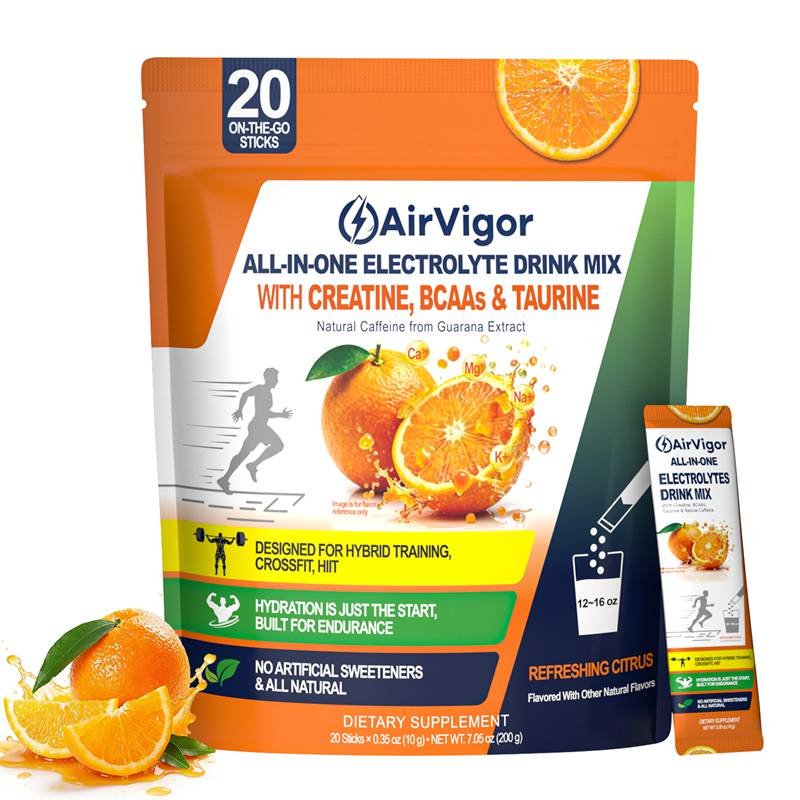
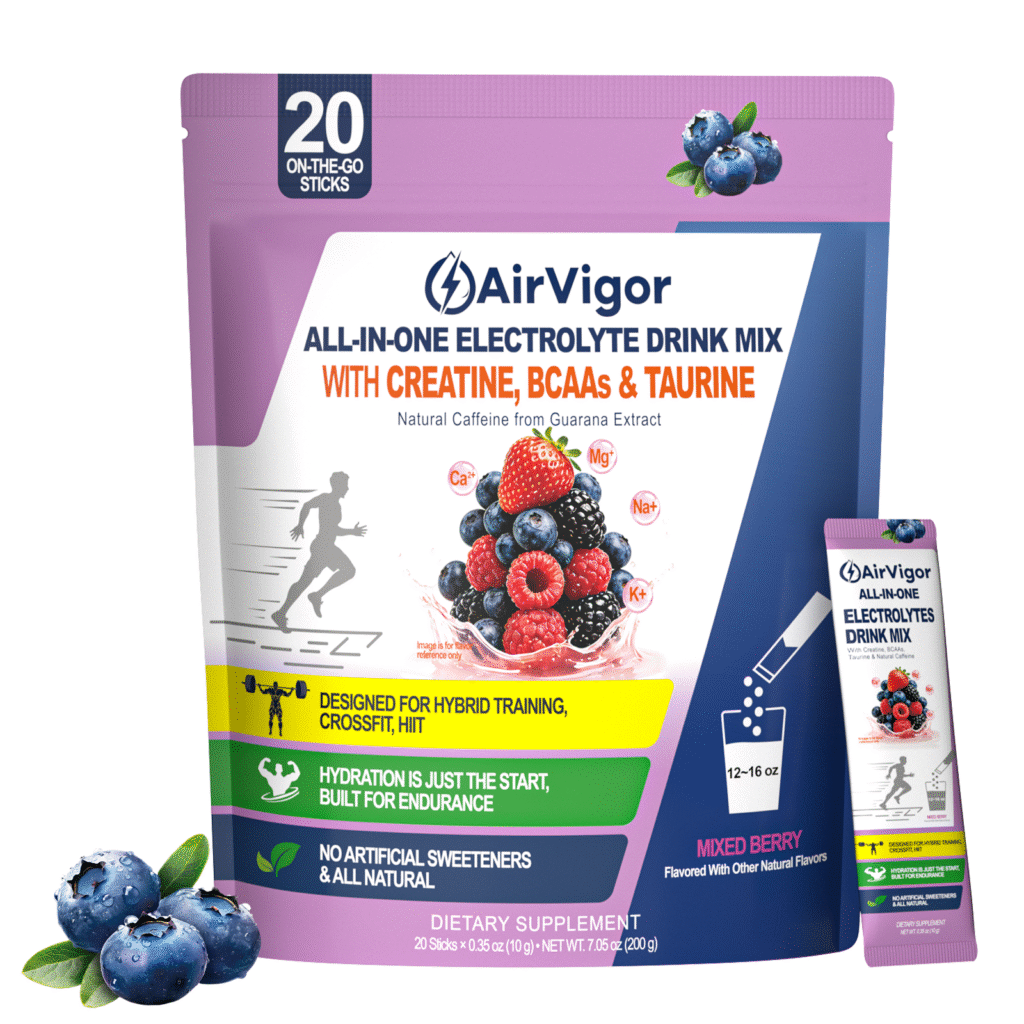
At AirVigor, every product is developed around this principle:
- science-first formulation
- transparent dosing
- GMP-certified manufacturing
- global compliance and traceability
Whether you are looking to:
- Purchase in-stock supplements via Amazon
- Explore custom formulation or OEM/ODM services
- Request bulk pricing or technical consultation
Available on Amazon & global marketplaces
Your nutrition should work with your life—not complicate it.
Share:
Contact Expert Team
At AirVigor, performance becomes effortless. We transform advanced nutrition science into clean, effective supplements that help you hydrate, recover, and feel stronger every day. Shop AirVigor on Amazon and experience athlete-trusted formulas—backed by real science and supported by our world-class R&D and production capabilities.
Trust AirVigor
At AirVigor, turning your performance goals into reality is no longer a struggle—it’s a science-driven journey we build together. Whether you’re a runner, lifter, cyclist, yogi, outdoor athlete, or someone simply seeking better daily energy, AirVigor transforms advanced nutrition research into clean, effective, and trustworthy supplements you can feel.
Backed by our U.S. scientific team, global certifications, and world-class production standards, every formula is engineered to deliver real hydration, real recovery, and real performance. And when you’re ready to experience the difference, you’ll find AirVigor products available on Amazon and other major platforms—fast shipping, consistent quality, and a community of athletes already seeing results.
Behind the scenes, our R&D and manufacturing ecosystem also supports specialized formulation development, ensuring AirVigor continues to lead with innovation while keeping quality and safety uncompromised. But at the core, everything we create is built for you—your health, your performance, your momentum.
Choose AirVigor. Feel the science. Elevate your every day.


Subscribe to our newsletter
Sign up to our newsletter and we’ll keep you up to date with the latest arrivals.