Skip to content

Camping is meant to feel refreshing, but many trips become harder than expected because hydration slowly slips out of balance. Long walks, sun exposure, carrying gear, dry air, and irregular drinking habits can quietly increase fluid loss even when the day does not feel extremely hot. By the time strong thirst, fatigue, headache, or dizziness appear, the body may already be working under unnecessary stress.
Preventing dehydration during camping trips is less about reacting to symptoms and more about staying ahead of fluid loss. Drinking consistently throughout the day, adjusting intake based on temperature and activity level, and using electrolyte support when sweating becomes significant can help maintain endurance, mental clarity, and outdoor safety. Hydration is not only about comfort — it directly affects hiking performance, recovery, mood stability, and decision-making in unfamiliar environments.
The good news is that outdoor hydration does not need to be complicated. With a simple plan and a better understanding of how dehydration develops, campers can stay energized, think more clearly on the trail, and enjoy the experience without unnecessary physical setbacks.
What Causes Dehydration During Camping Trips
Camping increases dehydration risk because it combines movement, weather exposure, limited refill access, irregular drinking patterns, and environmental stress. A person does not need to be doing extreme wilderness trekking to become dehydrated. A normal camping day can be enough if fluid intake lags behind sweat loss, breathing loss, and total physical effort.
Heat, sun, and movement create a bigger fluid drain than most people expect
Most camping days involve far more physical output than people assume. Even “easy” trips usually include unloading gear, setting up camp, walking back and forth across uneven ground, gathering supplies, hiking to viewpoints, cleaning up, cooking, and moving around under direct sun for hours.
That matters because fluid loss is not limited to obvious exercise. It builds from cumulative output.
When your muscles work harder, your body produces more heat. To control that heat, the body sweats. If the weather is hot, the pack is heavy, or the trail is steep, sweat rate can rise quickly. In dry climates, sweat may evaporate so fast that people do not realize how much fluid they are losing. In humid climates, sweat may stay on the skin, making people feel uncomfortable sooner. Both conditions can increase dehydration risk, just in different ways.
How common camping conditions can change hydration demand:
| Camping condition | What happens in the body | Why dehydration risk rises |
|---|---|---|
| Mild walking in cool weather | Small but steady fluid loss | Loss may be ignored because effort feels low |
| Long camp setup in warm weather | Ongoing sweat and breathing loss | Small deficits accumulate over several hours |
| Steep uphill hiking | Higher internal heat production | Sweat rate and breathing rate increase |
| Full sun exposure | Greater total heat load | More cooling is needed through sweat |
| Windy and dry air | Faster evaporation | Fluid loss is less noticeable |
| Heavy backpack | More strain per step | Sweat loss rises even at slower pace |
A camper does not need one extreme mistake to become dehydrated. More often, dehydration happens because several moderate stressors stack together across the day.
Sweat loss is not only water loss
Many people still think hydration is simply a question of drinking more water. Water is essential, but sweating also removes electrolytes, especially sodium. When sweating is prolonged or heavy, replacing only water may not fully restore how the body feels and functions.
This is one reason why some campers drink plenty of plain water and still feel tired, cramp-prone, weak, or mentally flat. Their fluid intake may be improving total water volume, but not fully supporting electrolyte balance.
This becomes more relevant when a camper is dealing with:
- long hikes lasting more than 2 to 4 hours
- repeated uphill terrain
- hot afternoons above 82°F / 28°C
- humid conditions with continuous sweating
- multi-day trips with limited recovery
- naturally high sweat rates
- salty sweat patterns, such as white salt marks on clothing or hats
Sodium matters because it helps maintain fluid balance, blood volume, and normal muscle and nerve function. When sodium losses are high, some people notice faster fatigue, more muscle tightness, and reduced tolerance for long effort.
A useful way to think about hydration during camping is:
| Situation | Main need |
|---|---|
| Light activity, low sweat | Mostly water |
| Moderate hiking, mixed weather | Water plus some electrolyte support |
| Long or hot hikes | Structured fluid and electrolyte replacement |
| Heavy sweating over multiple days | Daily electrolyte planning becomes much more important |
The harder the body works and the longer the exposure lasts, the more hydration becomes a fluid-and-electrolyte issue rather than a water-only issue.
Altitude and dry air can quietly make hydration worse
Many campers associate altitude with breathing difficulty or headaches, but hydration is often part of that picture. Higher elevation usually brings drier air, faster breathing, and a greater chance that people eat and drink less than they should.
Even when temperatures feel cool, the body can still lose more fluid through respiration. That is why dehydration at altitude often surprises people. They do not feel hot, so they drink less, but their body still needs more support.
A high-altitude camping day often includes these hydration challenges:
| Altitude-related factor | Hydration effect |
|---|---|
| Drier air | More water loss through breathing |
| Faster breathing | Higher respiratory fluid loss |
| Lower appetite | Less food and sodium intake |
| Cool weather | Thirst may feel weaker |
| Harder perceived effort | More strain for the same pace |
This is one reason mountain campers sometimes feel headache, low mood, and fatigue earlier than expected. It is not always just the altitude itself. In many cases, altitude and underhydration are working together.
Beginners often underestimate logistics, not just physiology
New campers often think dehydration comes down to toughness or discipline. In reality, the bigger issue is usually planning.
Most first-time or casual campers make some version of the same mistakes:
- bringing too little water capacity
- assuming there will be an easy refill point
- waiting until they feel thirsty
- packing for food and gear but not for fluid strategy
- carrying only plain water on hot, active days
- underestimating how much longer camp chores make the day
These are not dramatic errors, but they matter. A person who drinks too little in the morning often feels worse by early afternoon. A person who rations water too aggressively to “save it” may slow down, sweat harder under stress, and end up feeling worse before the next refill point.
Here is a simple behavior comparison:
| Camper habit | What it feels like at first | What usually happens later |
|---|---|---|
| Drinking every 15–20 minutes | Controlled and easy | Better energy stability and fewer symptoms |
| Waiting until very thirsty | Efficient at first | Larger fluid deficit and harder recovery |
| Starting the day underhydrated | Often unnoticed | Faster drop in mood and stamina |
| Bringing only plain water for a full hot day | Feels adequate early | Greater chance of fatigue and cramps later |
| Drinking a lot only in the evening | Feels like catching up | Slower recovery and disrupted comfort |
Good hydration is less about willpower and more about routine. People who stay on top of it usually make it automatic.
How Much Water Prevents Dehydration During Camping
Most campers need roughly 2.5 to 4.5 liters of fluid per day, and active days in heat can go beyond that. A more practical field approach is to estimate needs by time, weather, terrain, and output rather than trying to follow one number for every situation.
A realistic daily fluid guide for campers
Water needs vary with body size, sweat rate, clothing, food intake, weather, and pack weight. Still, a planning range is useful because it helps campers decide how much fluid to carry, store, filter, or refill.
A practical estimate for most adults:
| Camping day type | Suggested fluid intake |
|---|---|
| Light campsite day, cool to mild weather | 2.5–3.0 L/day |
| Moderate activity, walking and camp chores | 3.0–4.0 L/day |
| Long hike in warm weather | 4.0–5.0 L/day |
| Steady strenuous hiking in heat | 0.75–1.0 L/hour during activity |
| Very hot, exposed, desert-like conditions | May exceed 5.0 L/day |
These numbers are not meant to force constant drinking. They are meant to prevent under-packing and underestimating.
A better way to use them is to divide the day into phases:
| Time block | Hydration goal |
|---|---|
| After waking | Start with 400–600 ml |
| Morning activity | Begin steady intake early |
| Midday / hottest period | Increase intake and consider electrolytes |
| Late afternoon | Replace ongoing losses |
| Evening | Rehydrate gradually for next-day recovery |
This phase-based method is easier to follow than chasing one large total at night.
Hourly intake matters more than daily total during active periods
A daily total is useful for planning, but hydration status during camping is often decided by what happens hour to hour.
If a camper goes 2 to 3 hours with minimal intake during a hot hike, then drinks a lot all at once, that does not feel the same as staying consistently hydrated throughout the effort. The body generally handles steady intake better than large catch-up intake.
A practical hourly guide looks like this:
| Activity and environment | Suggested intake rhythm |
|---|---|
| Easy walking, mild weather | 150–200 ml every 20 minutes |
| Moderate hiking | 200–250 ml every 15–20 minutes |
| Steep climbing or high heat | 250–300 ml every 15 minutes |
| Heavy sweating, full sun, long effort | Fluid plus electrolyte support |
This usually works out to around:
- 0.4–0.6 L/hour in easier conditions
- 0.5–0.75 L/hour in moderate conditions
- 0.75–1.0 L/hour or more in high heat or hard effort
Trying to force much more than that can become uncomfortable for some people. The goal is steady replacement, not stomach overload.
Body size, sweat rate, and gear weight change the equation
Two campers can walk the same route and need very different amounts of fluid.
The main reasons include:
- one person sweats more heavily
- one person carries more body mass
- one person is wearing less breathable clothing
- one person is carrying a heavier pack
- one person is moving faster uphill
- one person started the day less hydrated
That is why copying someone else’s hydration plan rarely works perfectly.
A practical personalization guide:
| Factor | Effect on hydration needs |
|---|---|
| Larger body size | Usually higher fluid demand |
| Heavy sweater | More water and sodium loss |
| Salty sweater | Greater electrolyte need |
| Heavy pack | More heat production |
| Faster pace | Higher hourly fluid loss |
| Low-carb or low-sodium eating | May reduce fluid retention quality |
Campers who know they sweat heavily should plan more aggressively than the group average, especially in summer.
Thirst is useful, but it is too slow to be your only system
Thirst helps, but it is not precise enough for active camping. By the time thirst feels strong, many people are already behind.
This is especially true when:
- the weather is cool
- the air is dry
- the pace is distracting
- water is packed away
- the person is rationing
- the trip includes repeated climbs and descents
A better system is to combine three simple checks:
| Check | What to look for |
|---|---|
| Time | Are you drinking every 15–20 minutes during activity? |
| Urine color | Pale yellow is usually a better sign than dark yellow |
| Body feel | Headache, heavy legs, dry mouth, and irritability often mean you are behind |
This approach is simple enough to use in the field and much more effective than relying on thirst alone.

Which Drinks Help Prevent Dehydration During Camping
The best drink depends on the conditions. Water is always the base. The question is when plain water is enough and when it stops being enough.
When plain water is enough
For light outdoor activity, plain water is often completely appropriate. That includes situations like:
- relaxing at the campsite
- short walks
- mild-weather mornings
- fishing or low-intensity recreation
- casual overnight trips with low sweat loss
In these conditions, total fluid loss may stay moderate enough that water alone works well.
A simple guide:
| Situation | Best drink choice |
|---|---|
| Cool weather, light movement | Water |
| Easy camp day | Water |
| Short morning walk | Water |
| Minimal sweating | Water |
There is no need to overcomplicate hydration on easy days. The point is not to turn every trip into an endurance event plan. The point is to match the drink choice to the actual demand.
When electrolytes become the smarter choice
Electrolytes become more useful when sweat loss rises enough that plain water alone stops feeling sufficient.
This often happens when:
- hiking lasts more than 2 hours
- the day is hot or humid
- the route is exposed with little shade
- the trip is multi-day
- the person sweats heavily
- the pace is strong and sustained
- there is noticeable salt residue on skin or clothing
In these cases, a hydration plan that includes sodium can help support fluid retention, muscle function, and steadier energy.
Here is a more practical comparison:
| Trip condition | Hydration approach |
|---|---|
| Short and easy outing | Mostly water |
| Half-day hike in warm weather | Water plus one electrolyte serving |
| Full-day hike with steady sweating | Structured water and electrolyte use |
| Multi-day active camping in heat | Daily electrolyte planning strongly advised |
For many campers, the goal is not replacing every milligram lost. It is preventing the steady drift into low energy, tight muscles, and poor recovery.
Why many campers prefer electrolyte powders over bottled sports drinks
Traditional sports drinks are convenient, but they are not always ideal for camping. Many are bulky, sugary, and harder to carry in volume. Some also become unpleasant to drink after several hours in the heat.
Electrolyte powders are often more practical because they are:
- lightweight
- easy to pack
- easier to portion
- useful with filtered or refillable water
- often lower in sugar
- less likely to create flavor fatigue if the taste is mild
That matters on longer trips, where portability and repeat drinkability become real issues.
A simple comparison:
| Drink type | Camping advantage | Camping limitation |
|---|---|---|
| Plain water | Essential, simple, widely useful | May not be enough for long heavy sweating |
| Bottled sports drink | Ready to drink | Heavy, bulky, often too sweet |
| Electrolyte powder | Light, flexible, efficient to pack | Requires water source and mixing |
| Very sugary drink | Fast calories | Can feel too sweet and harder to tolerate in heat |
Many experienced campers alternate between plain water and electrolyte-enhanced water instead of relying on one drink style all day.
Drinks that can make hydration harder if used badly
Some drinks are not automatically bad, but they can complicate hydration if a person leans on them too heavily.
Examples include:
| Drink | Potential issue during camping |
|---|---|
| Alcohol | Can increase fluid loss and reduce recovery quality |
| Very sweet soda | Poor thirst satisfaction and limited hydration value |
| Large amounts of coffee without water | May contribute to under-drinking in some people |
| Energy drinks | Can mask fatigue without fixing hydration deficit |
The problem is usually not one serving. The problem is replacing normal fluid intake with drinks that do not support the body’s hydration needs well under outdoor stress.
How to Build a Camping Hydration Plan That Actually Works
A good hydration plan is simple enough to follow, specific enough to guide behavior, and realistic enough for real camping conditions. The best plan is not the most technical one. It is the one the camper will actually use.
Start before the day starts
Many people wake up slightly underhydrated after a night of breathing dry air and not drinking for hours. If they start hiking right away with coffee and little water, they begin the day behind.
A strong morning routine can reduce that risk.
A practical pre-activity hydration routine:
| Step | Practical target |
|---|---|
| Wake-up fluids | 400–600 ml within 30 minutes |
| Breakfast support | Include some food, especially if hiking soon |
| If hot day expected | Consider electrolytes early |
| Before leaving camp | Make sure bottle or bladder is full |
This is one of the easiest ways to improve how a camper feels by midday.
Build drinking into the activity, not around it
People drink more consistently when access is easy. If every sip requires stopping, removing a pack, and unpacking gear, intake usually drops.
That is why hydration systems matter. A bottle in easy reach or a hydration bladder with a tube makes a difference.
Good field habits include:
- sipping every 15–20 minutes
- drinking at each break even if not thirsty
- linking intake to landmarks
- checking bottle volume at regular intervals
- increasing frequency before symptoms appear
Some useful cue systems:
| Trigger | Hydration action |
|---|---|
| Every trail junction | Take several sips |
| Every 20 minutes | Drink on schedule |
| Every climb finish | Replace what was lost uphill |
| Every navigation check | Use it as a reminder to drink |
These systems reduce the mental load. The camper does not have to keep deciding whether to drink. The routine decides for them.
Plan fluid carrying capacity before the trip
A hydration plan fails quickly if there is not enough carrying capacity.
Before leaving, a camper should know:
- how much water they can carry
- where refill points are
- whether those refill points are reliable
- whether treatment or filtering is needed
- how long the hottest stretch will be
- whether one bottle is enough or a reservoir is better
A quick planning table:
| Trip type | Minimum planning question |
|---|---|
| Car camping | How much drinking water is stored at camp? |
| Day hike from camp | How many liters can you carry on body? |
| Backpacking | Where are refill points and are they seasonal? |
| Hot-weather exposed route | Can capacity cover the longest dry stretch? |
A surprising number of dehydration problems are logistics failures, not knowledge failures.
Recovery hydration is what protects tomorrow
Some campers drink reasonably well during the day but fail to rehydrate afterward. That usually shows up the next morning as:
- stiff legs
- sluggish mood
- dry mouth on waking
- headache
- lower motivation
- worse tolerance for heat on day two
Evening hydration helps turn one good day into a good multi-day trip.
A better recovery routine:
| Evening recovery action | Why it helps |
|---|---|
| Drink 500–800 ml gradually after activity | Supports fluid restoration |
| Include electrolytes after heavy sweat loss | Helps retain and use fluids more effectively |
| Eat a normal meal or salty snack | Supports fluid balance |
| Keep sipping until urine lightens | Simple field sign of improvement |
| Limit heavy alcohol intake | Protects sleep and next-day recovery |
Hydration is not over when the hiking stops. That is often when tomorrow gets decided.
What Are the Early Signs of Dehydration During Camping
The earlier dehydration is recognized, the easier it is to fix. Most cases do not start with collapse or severe illness. They start with small warning signs that are easy to dismiss.
Mild dehydration signs most campers notice first
These are often the earliest field signals:
- dry mouth
- sticky saliva
- darker urine
- reduced urination frequency
- mild headache
- unusual tiredness
- irritability
- lower motivation to keep moving
- heart rate feeling slightly high for the pace
These signs matter because even mild fluid loss can reduce comfort and performance before it becomes medically serious.
A practical symptom progression:
| Hydration level | Common signs | Likely impact outdoors |
|---|---|---|
| Well hydrated | normal mood, pale urine, steady pace | better comfort and endurance |
| Mild dehydration | thirst, darker urine, headache, fatigue | slower pace and lower enjoyment |
| Moderate dehydration | dizziness, muscle tightness, mental fog | worse decision-making and reduced stability |
| Severe dehydration | confusion, fainting risk, nausea, rapid pulse | safety issue requiring urgent action |
The goal is to respond in the mild phase, not to wait for the moderate phase.
Dehydration can reduce judgment before people realize it
One of the most important camping risks is not just physical weakness. It is poorer decision-making.
A dehydrated person may:
- misjudge how far the trail still is
- downplay worsening weather
- skip breaks
- miss route details
- move clumsily on uneven terrain
- become more emotionally reactive
This matters more in places where mistakes are expensive, such as:
- mountain trails
- exposed desert routes
- rocky descents
- remote forest terrain
- multi-day backpacking trips
A person does not have to feel “very sick” for dehydration to start affecting safety. That is why early correction matters.
Warning signs that require immediate attention
More serious dehydration can include:
- strong dizziness
- faintness on standing
- confusion
- nausea or vomiting
- inability to continue walking safely
- very rapid heartbeat
- no sweating despite major heat exposure
- severe weakness
At this point, performance is no longer the priority. Safety is.

How to Recover Quickly From Dehydration During Camping
Fixing dehydration is not about chugging as much water as possible. Recovery works better when intake is controlled, gradual, and matched to what the body actually lost.
A practical field recovery method
A simple recovery sequence:
| Step | What to do | Why it works |
|---|---|---|
| 1 | Stop and rest in shade or a cooler area | Reduces ongoing fluid loss |
| 2 | Loosen gear and reduce effort | Lowers heat strain |
| 3 | Sip 150–250 ml every 10–15 minutes | Improves tolerance and absorption |
| 4 | Add electrolytes if sweating was heavy | Supports fluid retention and function |
| 5 | Eat a small snack if possible | Helps stabilize energy |
| 6 | Reassess symptoms after 30–60 minutes | Confirms whether recovery is working |
This is usually more effective than drinking a huge volume all at once, which can cause stomach discomfort and does not always restore balance quickly.
What recovery should feel like when it is working
A camper recovering well from mild to moderate dehydration often notices:
- clearer thinking
- less headache pressure
- improved balance
- reduced muscle heaviness
- better mood
- more normal energy
- urine gradually becoming lighter
If symptoms are not improving, or if nausea, confusion, and severe weakness continue, the situation should be treated more seriously.
Common Camping Hydration Mistakes That Cause Problems
Many dehydration issues during camping come from habits that seem harmless.
Mistakes that look small but matter a lot
| Mistake | Why it causes trouble |
|---|---|
| Drinking only when thirsty | Thirst is often too delayed |
| Starting the day with coffee but little water | Increases the morning hydration gap |
| Bringing too little carrying capacity | Limits intake even when the need is obvious |
| Saving water too aggressively | Encourages under-drinking early |
| Using only plain water on long hot days | May not match sweat losses well |
| Waiting until evening to catch up | Makes recovery harder |
| Ignoring dark urine | Misses an early correction signal |
| Not planning refill points | Turns hydration into guesswork |
These are practical errors, not character flaws. The solution is usually better routine and better preparation.
Building a Smarter Outdoor Hydration System
The people who handle camping best over time usually stop treating hydration as a reaction and start treating it as part of the system.
What experienced campers do differently
Experienced outdoor travelers often:
- know their approximate hourly drinking rate
- carry enough water capacity for the route
- know when they personally need electrolytes
- check weather before deciding fluid volume
- account for altitude, heat, and wind
- rehydrate after activity, not just during it
- test products and routines before demanding trips
This creates a much more reliable outdoor experience.
A strong long-term hydration system usually includes:
| Habit | Long-term benefit |
|---|---|
| Practicing hydration on shorter trips | Better self-knowledge |
| Tracking sweat response in heat | More accurate planning |
| Using electrolyte support selectively | Better performance without overcomplication |
| Keeping intake steady across days | Better recovery and mood |
| Treating hydration like gear planning | Fewer preventable problems |
Hydration is not just about avoiding danger. It is one of the main factors behind how strong, stable, and comfortable a camper feels across the whole trip.

Conclusion
Preventing dehydration during camping trips is mainly about consistency. Drinking before strong thirst develops, increasing fluid intake during heat or long activity, and replacing electrolytes after heavy sweating can help maintain stable energy, better focus, and safer outdoor performance.
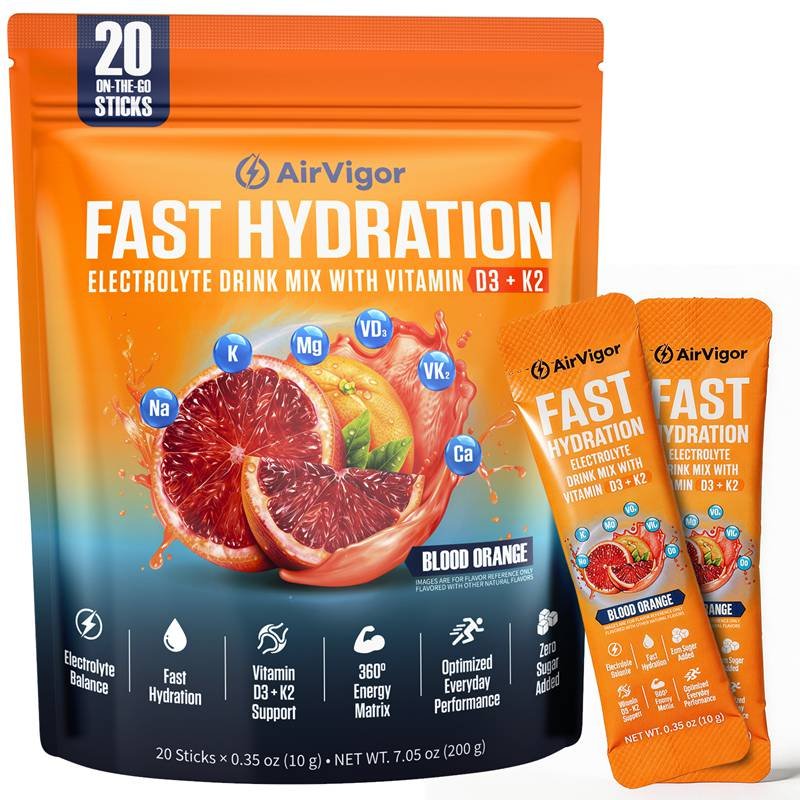
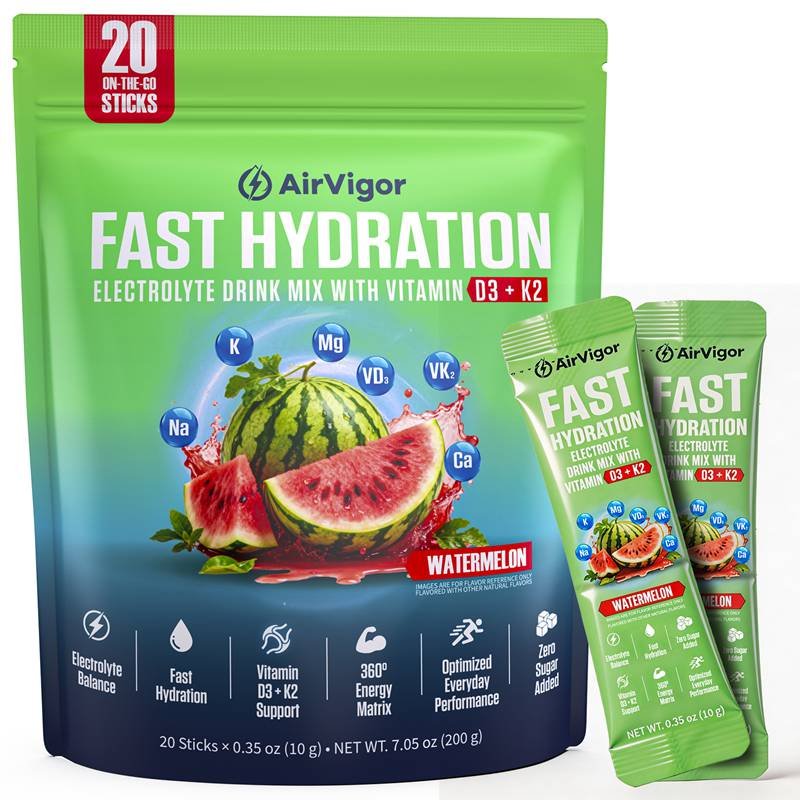
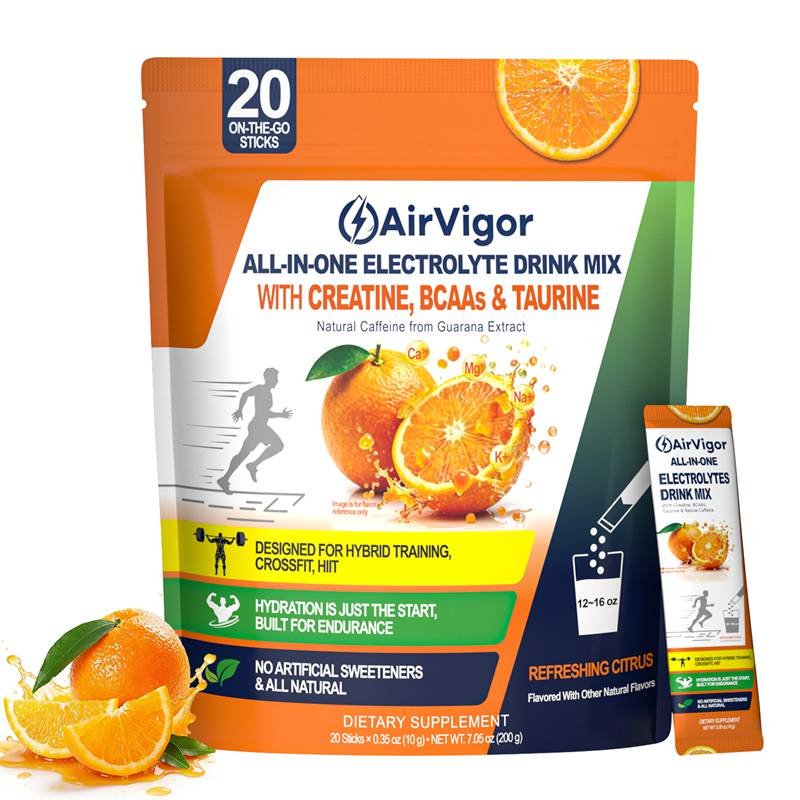
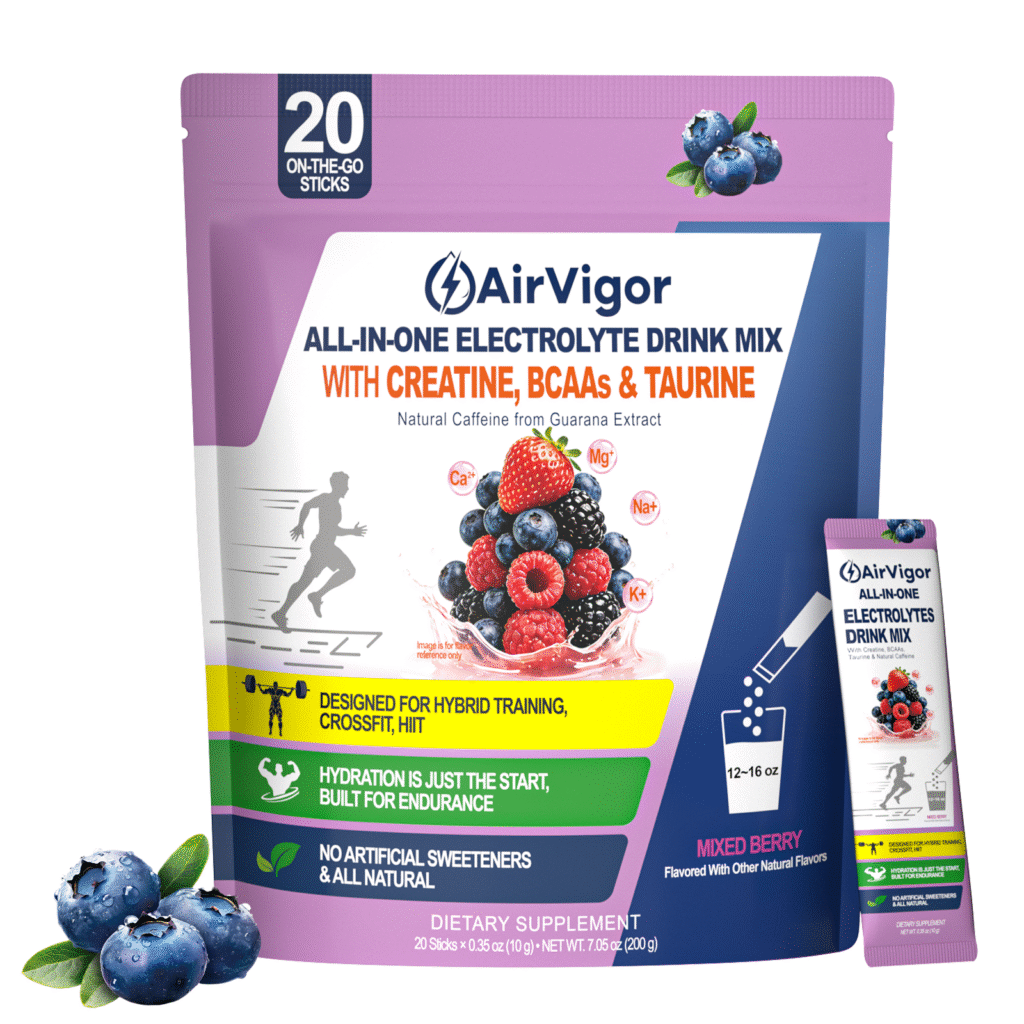
For campers, hikers, outdoor teams, and brands looking for reliable hydration solutions, AirVigor offers portable electrolyte products designed for real activity environments. If you are interested in branded supply or customized hydration formulas, you can contact the AirVigor team to explore practical cooperation options.