Skip to content

Weight-loss shoppers often hope electrolyte powder does something dramatic. They want it to speed fat loss, increase calorie burn, suppress appetite, or make the scale move faster. That is not the strongest way to understand the category. Harvard explains that electrolyte drinks are mainly useful when fluid loss is significant, especially with vomiting, diarrhea, strenuous work, or intense exercise in hot or humid conditions, while Harvard’s sports-drink guidance notes that these beverages were originally designed to replace glucose, fluids, and electrolytes lost during strenuous exercise. Cleveland Clinic adds another important angle for modern diet culture: early low-carb or keto transitions can contribute to dehydration, and plain water or sugar-free electrolyte options may help during that adjustment. This is a support tool, not a fat-burning shortcut.
A more accurate answer is this: electrolyte powder can support a weight-loss routine, but usually indirectly. It may help people feel steadier during sweat-heavy workouts, hot weather, lower-carb dieting, fasting-related dehydration stress, or long active days when fluid balance is harder to maintain. It does not directly melt body fat. Harvard’s beverage guidance strongly favors water as the healthiest daily drink and warns that sugary drinks, including many sports-style beverages, can contribute unnecessary calories over time. Harvard also reports that Americans consume more than 200 calories per day on average from sugary drinks, and strong evidence links sugar-sweetened beverages with obesity and related disease. That is why formula design matters so much in this category.
This distinction is commercially important because most people do not abandon a weight-loss routine because they lack another “fat-loss product.” They abandon it because the routine becomes harder to tolerate. Headaches, fatigue, heavy sweating, low-carb transition symptoms, and poor hydration can all make a plan feel more difficult than expected. A stronger electrolyte story, therefore, begins with accuracy: electrolyte powder is not a direct weight-loss engine, but it can become useful when hydration strain is one of the things making the routine harder to maintain. That is a narrower claim, but it is also much easier to trust.
Weight Loss: Why Electrolyte Powder?
Electrolyte powder makes the most sense in weight-loss routines when the real issue is not body fat itself, but the side conditions that make dieting and exercise harder to maintain. Harvard says electrolyte beverages are designed to be easily absorbed in the gut to quickly rebalance mineral and fluid levels, and that they are mainly useful when fluid loss is substantial rather than on ordinary days. Cleveland Clinic’s keto guidance says cutting carbohydrates can lead to dehydration and that plain water or sugar-free electrolyte options may help during keto flu. That gives the category a much more practical role.
What does Electrolyte Powder do?
Electrolyte powder is a hydration-support product before it is anything else. Its main role is to help replace minerals such as sodium and potassium while also supporting fluid balance in situations where the body is losing both water and electrolytes. Harvard states that electrolyte beverages are formulated to rebalance mineral and fluid levels, while MedlinePlus explains that fluid and electrolyte balance helps regulate body water, support muscle and nerve function, and move nutrients into cells and waste out of cells. In plain terms, the product is not there to “activate weight loss.” It is there to support hydration when the routine becomes more demanding.
This matters because people often confuse “feeling better” with “burning fat faster.” If someone is sweating heavily, training in heat, or going through the first phase of a low-carb plan, electrolyte powder may help them feel less cramp-prone, less headachy, or less physically fatigued. But that is not the same as a direct metabolic effect on body fat. Harvard’s ketogenic diet review notes that keto may lead to faster short-term weight loss early on, but the broader long-term questions are more complex than early scale changes suggest. A better product message respects that difference.
A practical view helps:
| What Electrolyte Powder does | Why it matters in weight-loss routines |
|---|---|
| Replaces fluid with minerals | More useful when sweating, heat, or dieting raise fluid-loss stress |
| Supports steadier hydration | Helps when headaches or fatigue are linked to dehydration |
| Can be low sugar or sugar-free | Often fits better than sugary sports drinks in calorie-aware routines |
| Works in portable formats | Easier to use during workouts, travel, or busy dieting schedules |
The point is not that electrolyte powder makes weight loss happen. The point is that it may help some people stay more functional while they are doing the harder work of weight loss.
Does Electrolyte Powder help Weight Loss?
Electrolyte powder does not directly cause fat loss in the way many people hope. There is no strong basis for saying that electrolytes themselves increase fat burning enough to justify that claim. A more accurate statement is that electrolyte powder may support a weight-loss routine when dehydration, heavy sweating, heat exposure, or low-carb transition symptoms are making the plan harder to continue. Cleveland Clinic’s keto article ties keto flu partly to dehydration and explicitly recommends plain water or sugar-free electrolyte options, while Harvard’s ketogenic diet review notes that early low-carb weight changes can happen quickly, especially at the beginning. The support role is real, but it is still a support role.
This matters because many people drop out of a diet not because the plan is ineffective, but because the first stage feels miserable. If someone is tired, lightheaded, cramp-prone, or headachy, they may assume the diet is not working or that they personally cannot handle it. In some cases, part of the problem may be hydration strain rather than hunger or lack of willpower. Electrolyte powder can therefore support adherence if it helps reduce that strain. The value is indirect, but indirect does not mean unimportant when routine consistency is the real bottleneck.
A clearer distinction helps:
| Claim type | More accurate interpretation |
|---|---|
| “Electrolyte powder burns fat” | Weakly supported |
| “Electrolyte powder may help when dehydration is making dieting harder” | More credible |
| “Electrolyte powder can replace sugary sports drinks in some routines” | Often more credible, especially with lower-sugar formulas |
That is why the stronger weight-loss hydration story is not about magic. It is about making the routine easier to sustain when hydration is part of the difficulty.
When does Weight Loss need Electrolyte Powder?
Weight-loss routines need electrolyte powder most clearly when they include high sweat loss, hot environments, gastrointestinal fluid loss, or low-carb adjustment. Harvard says electrolyte drinks can be helpful when fluid loss is substantial, including through vomiting, diarrhea, strenuous work, or intense exercise in hot or humid conditions. Cleveland Clinic says keto flu may improve with plain water or sugar-free electrolyte options because carbohydrate reduction can contribute to dehydration. These are the moments where the category has its clearest role.
This matters because most people trying to lose weight are not living in perfect indoor conditions. They may be doing more cardio, walking more, reducing carbs, working outdoors, using saunas, or changing their eating pattern in ways that shift water balance quickly. In those settings, hydration stress can become part of the dieting experience. Electrolyte powder becomes easier to justify not because weight loss “needs a supplement,” but because the body may be losing fluid and minerals faster than usual. That is a much more precise and much more useful standard.
A situation map helps:
| Weight-loss situation | Does Electrolyte Powder often make more sense? |
|---|---|
| Calm indoor dieting day | Often no |
| Sweat-heavy workout plan | Often yes |
| Hot-weather exercise | Often yes |
| Vomiting or diarrhea | Often yes |
| Early low-carb or keto transition | Sometimes yes |
That is why electrolyte powder should be framed as a tool for harder hydration conditions inside a weight-loss routine, not as a direct fat-loss mechanism.
Weight Loss: Water or Electrolyte Powder?
For many people trying to lose weight, water is still the right first choice. Harvard’s Healthy Beverage Guidelines rank water as the healthiest beverage, and Harvard’s public-health guidance on sugary drinks says these beverages are a major contributor to excess calorie intake and weight gain. Sports drinks were designed for more strenuous conditions, not as routine daily beverages for everyone trying to lose weight. That makes the comparison more practical than many product ads suggest.
Is water enough for Weight Loss?
On many days, yes. Water is enough during weight loss when the routine is ordinary, sweating is limited, and there is no unusual fluid loss. Harvard’s beverage guidance strongly favors water because it has no calories and no sugar, and it warns that many sweetened beverages add energy without enough benefit to justify that energy in everyday use. In a weight-loss routine, that is a major advantage.
This matters because many consumers assume that a more “functional” drink must be better than plain water. In weight-loss settings, that is often false. A person eating normally, exercising moderately, and staying in a stable environment usually does not need a more elaborate hydration product. In fact, switching from water to a sugary electrolyte beverage can quietly make the diet less efficient. Water is not the weak option here. It is the clean baseline against which every other drink should be judged.
A practical baseline helps:
| Day type | Is water often enough for Weight Loss? |
|---|---|
| Indoor routine with ordinary meals | Usually yes |
| Moderate exercise with limited sweat loss | Often yes |
| Warm weather with some sweating | Sometimes |
| Hot or sweat-heavy routine | Sometimes not |
| GI fluid loss or early keto adjustment | Sometimes not |
That is why water should remain the center of weight-loss hydration planning unless the conditions clearly justify something more targeted.
When is Electrolyte Powder better for Weight Loss?
Electrolyte powder becomes the better option when the day is defined by higher fluid loss, low-carb transition, intense sweating, or a need to avoid sugary bottled sports drinks while still getting more structured hydration support. Harvard says electrolyte drinks are most useful when substantial fluid loss is occurring, and the Cleveland Clinic says keto flu may improve with plain water or sugar-free electrolyte options. That gives electrolyte powder a clear role in the right situations.
This matters because many weight-loss users are not choosing between water and nothing. They are choosing between water, sweetened sports drinks, flavored powders, and whatever feels easiest to stay consistent with. A lower-sugar electrolyte powder can be a better option when someone genuinely needs more than water but does not want the sugar burden of a traditional sports drink. That is especially relevant for hot-weather exercise, early keto adjustment, long active days, or travel periods when hydration can fall behind quickly.
A practical comparison helps:
| Situation | Water | Electrolyte Powder |
|---|---|---|
| Calm routine hydration | Usually enough | Often unnecessary |
| Sweat-heavy or hot-weather training | Sometimes limited | Often more useful |
| Low-carb adjustment symptoms | May help, but not always enough by itself | Sometimes more useful |
| Need to avoid sugary sports drinks | Strong baseline | Often better if the formula is low sugar |
That is why electrolyte powder is strongest when it is framed as a better hydration tool for harder conditions, not as a replacement for water in every weight-loss plan.
How do workouts change Weight Loss hydration?
Workouts change weight-loss hydration because they can increase sweat loss, raise fluid needs, and create situations where plain water may no longer feel complete. Harvard explains that sports drinks were designed to replace fluids, glucose, and electrolytes lost during strenuous exercise, especially when the effort is long or intense enough to justify that replacement. At the same time, Harvard also warns that many of these beverages can add sugars and calories that matter in a weight-loss routine if the workout does not actually require them. That tension is the real decision point.
This matters because not every workout deserves a specialized drink. A short indoor session with limited sweat loss may not justify anything beyond water. A long session in the heat is different. That is where a lower-sugar electrolyte powder can make more sense because it supports hydration logic without automatically importing the calorie load of a classic sports drink. The more structured the weight-loss routine becomes, the more important this distinction is.
A practical workout map helps:
| Workout condition | Hydration demand during Weight Loss |
|---|---|
| Short indoor workout | Lower |
| Moderate exercise with some sweating | Moderate |
| Long workout in heat | Higher |
| Repeated high-sweat training | Higher |
That is why workouts do not automatically make electrolyte powder necessary, but they can make it much more reasonable when the routine creates real fluid strain.
Electrolyte Powder: What Matters for Weight Loss?
The most important question is not whether an electrolyte powder looks “advanced.” The more useful question is whether the formula fits a weight-loss routine without quietly working against it. In this category, three variables matter more than most shoppers expect: sugar, calories, and the actual reason the person thinks they need electrolytes in the first place. Harvard’s public health guidance treats water as the healthiest default beverage, while its guidance on electrolyte drinks makes clear that these products are mainly useful when fluid loss is meaningful, not as an automatic daily upgrade.
That distinction matters because many people trying to lose weight are not deciding between a “healthy” and an “unhealthy” hydration product. They often decide between plain water, a sweet sports drink, a low-sugar electrolyte powder, or nothing at all. In that setting, the stronger formula is usually the one that supports hydration when it is actually needed, while keeping the routine lighter, cleaner, and easier to repeat. A product that adds too much sugar or too many calories may solve one problem while creating another.
Is low-sugar Electrolyte Powder better?
In many weight-loss routines, yes. A lower-sugar or sugar-free electrolyte powder is usually the stronger option because it is more compatible with calorie control and easier to use repeatedly. Harvard’s sugary-drinks guidance says sugar-sweetened beverages contribute to excess calorie intake and are strongly linked to weight gain and obesity-related disease. Its guidance on sports drinks makes a similar point in a more specific way: unless exercise is strenuous enough and long enough to justify a replacement drink, many sports beverages are simply adding sugar and calories that are not doing useful work.
This matters because beverages are one of the easiest places for a weight-loss plan to become inconsistent. A person may track meals carefully, reduce snacks, and increase activity, but still drink products that quietly add more calories than expected. A low-sugar electrolyte powder is often more practical because it can support hydration during sweat-heavy training, hot weather, or low-carb adjustment without importing the sugar burden of a traditional sports drink. That does not make every low-sugar powder automatically useful, but it does make lower sugar one of the most important filters in this category.
A practical comparison helps:
| Formula style | Weight-loss fit |
|---|---|
| Sugar-free or very low sugar | Often strongest for routine use |
| Moderate sugar | More justifiable when sweat loss is high |
| Heavier sugar profile | Usually weaker for everyday dieting routines |
That table captures the basic commercial logic of the category: the less the formula competes with the broader calorie goal, the easier it is to justify.
Is sodium important in Weight Loss?
Yes, but the reason is often misunderstood. Sodium matters in weight-loss hydration not because it helps “burn fat,” but because it helps define whether the product has a real hydration purpose. Harvard explains that electrolyte drinks are designed to rebalance mineral and fluid levels when losses are significant. Cleveland Clinic’s keto-flu guidance also points to dehydration during low-carb transitions and notes that plain water or sugar-free electrolyte options can help people feel better during that phase.
This matters because many people trying to lose weight do things that change fluid balance more than they realize. They sweat more because they are exercising more. They reduce carbohydrates and lose water quickly in the first phase of a low-carb plan. They spend more time in the heat while walking, jogging, or training outdoors. In those moments, a product with no meaningful sodium may still look modern, but it may not feel especially helpful. At the same time, sodium should still match the situation. A product for light daily use should not be judged by the same standard as one for sweat-heavy summer workouts. The useful question is not whether sodium is “high” or “low” in abstract terms. The useful question is whether the sodium level fits the actual hydration burden.
A practical sodium framework helps:
| Use case | What sodium usually needs to do |
|---|---|
| Light daily dieting routine | Support a lighter hydration role |
| Sweat-heavy workout or hot-weather exercise | Make replacement logic more convincing |
| Early low-carb or keto phase | Help the formula feel more useful than water alone |
That is why sodium matters in weight-loss hydration, but only when the routine is creating a real reason for it to matter.
Which carbs matter in Electrolyte Powder?
In a weight-loss context, the carbs that matter most are the ones that add calories without adding a clear reason for being there. Harvard’s sports-drink guidance explains that sports drinks were developed to replace glucose, fluids, and electrolytes lost during prolonged strenuous exercise. Outside that setting, the extra carbohydrate often stops being functional and starts becoming a nutritional cost. Harvard’s broader beverage guidance makes the same point more bluntly: many sweetened drinks add calories that do not help weight control.
This matters because weight-loss users often do not need a drink that behaves like a partial meal. They usually need something that helps them stay hydrated, feel steadier, and avoid turning beverage choice into one more source of hidden calories. That is why lower-carb electrolyte powders are often a better fit for dieting routines, especially when the person is following keto, low-carb eating, fasting, or a tightly controlled calorie plan. The stronger formula is usually the one where the carbohydrate load matches a real replacement need instead of being inherited from an older sports-drink model.
A practical carbohydrate view helps:
| Carb level in formula | Weight-loss implication |
|---|---|
| Very low carb / sugar-free | Better fit for routine hydration support |
| Moderate carb | More justified when exercise is long, intense, or hot |
| Higher carb | Usually weaker for most everyday dieting situations |
That is why the best formulas in this category usually look more restrained than performance-coded. They do not ask the drink to do more than the situation really requires.

Weight Loss: When Does Electrolyte Powder Help Most?
Electrolyte powder helps most when a weight-loss routine creates a real hydration problem, not simply when someone wants faster fat loss. Harvard says extra electrolytes are most useful when fluid loss is substantial. Cleveland Clinic says dehydration can be part of the keto transition and that water or sugar-free electrolytes may help. That means the strongest use cases are not “fat-burning moments.” They are heat, sweating, low-carb transition, fasting-related discomfort, travel, and other conditions that make fluid balance harder to maintain.
This matters because it changes the standard for deciding whether a product is useful. Many people try to use hydration products as if they should accelerate fat loss. A more realistic view is that electrolyte powder may support a routine when the body is under fluid-and mineral-strain. That support can improve comfort, reduce headaches or heaviness, and make the plan easier to follow. The effect is therefore indirect but still important, because adherence is often what decides whether a weight-loss plan survives beyond the first week.
Does Electrolyte Powder help with keto Weight Loss?
Electrolyte powder can help during keto weight loss, but mainly by easing dehydration-related discomfort rather than by increasing fat loss directly. Cleveland Clinic says keto flu can happen during the early transition into ketosis and that dehydration is part of the problem. It recommends plain water or sugar-free electrolyte options as part of managing that phase. Harvard’s review of ketogenic diets also notes that early weight change on keto is often faster at first, which is one reason people may notice stronger water shifts early in the process.
This matters because many people entering keto interpret every symptom as proof the diet is working. In reality, part of the discomfort may simply be poor hydration and mineral balance. Headaches, fatigue, low energy, and general heaviness can make the transition feel much worse than it needs to. In that setting, a sugar-free electrolyte powder may help the person stay more comfortable and more consistent, especially if plain water alone does not seem to be enough. The useful claim here is not that electrolytes make keto “work better” in a fat-loss sense. The better claim is that they may help make the transition more manageable.
A practical keto map helps:
| Keto situation | Does electrolyte powder often make more sense? |
|---|---|
| Early low-carb transition with headaches or fatigue | Sometimes yes |
| Stable keto routine without clear dehydration signs | Often not essential |
| Hot-weather training on keto | More clearly justified |
That is why keto is one of the clearest situations where electrolyte powder may support the routine without being the thing that directly drives fat loss.
Does Electrolyte Powder help fasting Weight Loss?
Electrolyte powder can sometimes help during fasting, but only when fasting is creating headaches, lightheadedness, heat stress, or other signs that hydration balance may be part of the problem. The same principle applies here as elsewhere: the product is not “making fasting burn more fat.” It may simply help some people tolerate the routine more comfortably when fluid and mineral balance becomes harder to maintain. Harvard’s electrolyte guidance supports this narrower view because it ties electrolyte use to meaningful fluid loss rather than routine daily use.
This matters because fasting can encourage people to treat every unpleasant symptom as proof of discipline or progress. That can be a mistake. If headaches, dizziness, or unusual fatigue are happening because the fasting routine is creating hydration strain, electrolyte support may be more useful than stronger willpower. At the same time, formula discipline matters even more here. A fasting-friendly electrolyte product should generally stay low in sugar and calories if the goal is to preserve the structure of the fast rather than quietly turning the drink into a disguised source of energy.
A practical fasting framework helps:
| Fasting situation | Potential role of electrolyte powder |
|---|---|
| Normal fast without dehydration signs | Often unnecessary |
| Fast with headache, heat exposure, or dizziness | Sometimes useful |
| Fast broken by sweetened sports drinks | Usually weaker for weight-loss goals |
That is why fasting-related electrolyte use makes the most sense when the problem is hydration strain, not when the product is being used as a substitute for food or as a shortcut to faster fat loss.
Does Electrolyte Powder help with water weight?
Electrolyte powder can influence how someone feels during water-weight shifts, but it should not be promoted as a true fat-loss tool or as a shortcut to “dropping pounds instantly.” Cleveland Clinic warns in its dry-fasting guidance that dehydration may reduce scale weight temporarily, but that change is water loss, not meaningful fat loss. Harvard’s ketogenic diet review also notes that early low-carb weight changes can happen quickly, which is part of why many people confuse water shifts with deeper body-composition change.
This matters because weight-loss users are especially vulnerable to misunderstanding short-term scale changes. A rapid drop on the scale can feel emotionally powerful, but it does not always mean a product or diet is changing body fat at the pace the user imagines. Electrolyte powder may help someone feel more stable during water shifts caused by dieting, sweating, or low-carb transitions, but it should not be positioned as the cause of real fat loss. The stronger message is more practical: it may help the person stay better hydrated and physically steadier while the routine changes water balance.
A practical distinction helps:
| Change on the scale | More accurate interpretation |
|---|---|
| Rapid drop from dehydration | Water weight, not fat loss |
| Early low-carb drop | Often includes water-weight change |
| Better hydration with electrolytes | May improve comfort, not directly cause fat loss |
That is why the strongest products in this category avoid dramatic “water-weight” promises and stay anchored in hydration support instead.
Electrolyte Powder for Weight Loss: Which Formula Wins?
The stronger formula for weight loss is usually not the one with the boldest promise. It is the one that fits a calorie-aware routine, supports hydration when fluid loss is meaningful, and avoids turning a hydration product into a hidden source of sugar. Harvard notes that electrolyte drinks are mainly useful when fluid loss is substantial, while the American Heart Association points out that sports and electrolyte beverages can vary widely in sugars, calories, sodium, and potassium.
That matters because most people using electrolyte powder during weight loss are trying to solve a practical problem, not a fat-burning problem. They want fewer headaches during hot-weather exercise, steadier hydration during low-carb dieting, a lighter alternative to sugary sports drinks, or a product that feels easier to use during long active days. In that setting, the winning formula is usually the one that supports those needs without pretending to “burn fat” directly. Harvard also explains that sports drinks were developed for strenuous exercise and may add unnecessary sugar and calories outside that context.
Which label details matter in Electrolyte Powder?
For weight-loss users, the label details that matter most are usually the sugar content, calories, sodium level, carbohydrate amount, and serving size. Harvard’s healthy-drinks guidance treats water as the healthiest baseline and links sugary beverages to weight gain over time. The American Heart Association gives a concrete example: one popular sports drink contains 79 calories and 21 grams of total sugars in a 12-ounce serving, showing how quickly a “hydration” product can become a meaningful calorie source.
A practical checklist helps separate a weight-loss-friendly formula from one that simply borrows sports-drink language:
| Label detail | Why it matters for weight loss |
|---|---|
| Sugar per serving | Helps determine whether the drink adds unnecessary calories |
| Calories per serving | Important for people tracking intake closely |
| Sodium level | Helps show whether the product fits real sweat-loss or low-carb transition needs |
| Total carbs | Especially relevant for keto, low-carb, or fasting-adjacent routines |
| Serving clarity | Reduces accidental overuse |
The best formula is usually the one that keeps the hydration purpose obvious. If the product is low in sugar, moderate in sodium, and clear about when it makes sense, it will usually fit a weight-loss routine better than a formula that is sweet, vague, and overbuilt for ordinary use.
Which Weight Loss users need it most?
Electrolyte powder usually matters most for people dealing with high sweat loss, hot-weather exercise, early low-carb or keto adjustment, fasting-related dehydration discomfort, or a desire to replace sugary sports drinks with something lighter. Harvard says electrolyte drinks are most useful when fluid loss is substantial, and Cleveland Clinic says dehydration can be part of the keto transition, where plain water or sugar-free electrolyte options may help.
That matters because weight-loss users are not all managing the same hydration burden. Someone following a calm calorie-deficient routine indoors may only need water. Someone doing long summer workouts, cutting carbohydrates sharply, or struggling with headaches and fatigue during dieting may have a more specific hydration problem. A more targeted product works best when it reflects that difference instead of assuming that all people trying to lose weight need the same formula.
A practical user map helps:
| Weight-loss user | Why electrolyte powder may matter more |
|---|---|
| Hot-weather exerciser | More sweat-related fluid loss |
| Early keto or low-carb user | Greater chance of dehydration-related discomfort |
| Fasting user with headaches or lightheadedness | Hydration strain may be part of the problem |
| Person replacing sugary sports drinks | Lower-sugar options may fit weight goals better |
The strongest use case is therefore not “anyone who wants to lose fat.” It is people whose weight-loss routine is creating a real hydration burden.
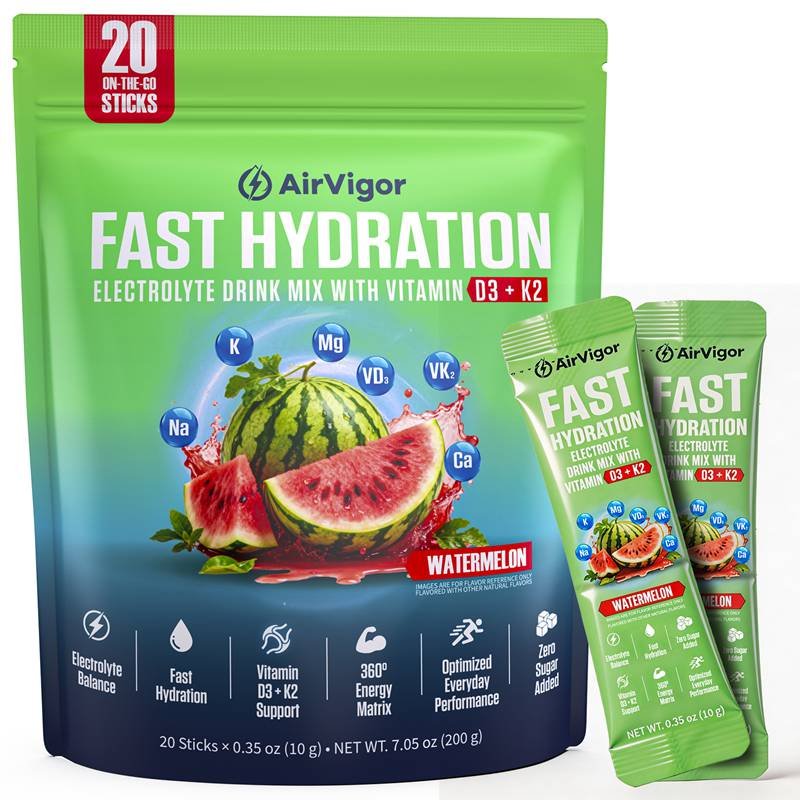
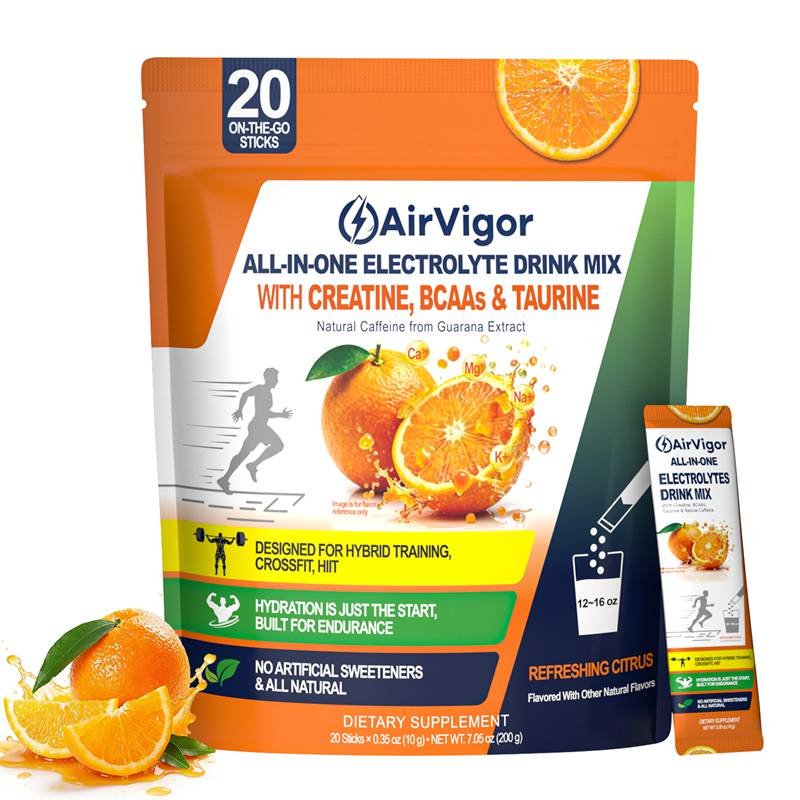
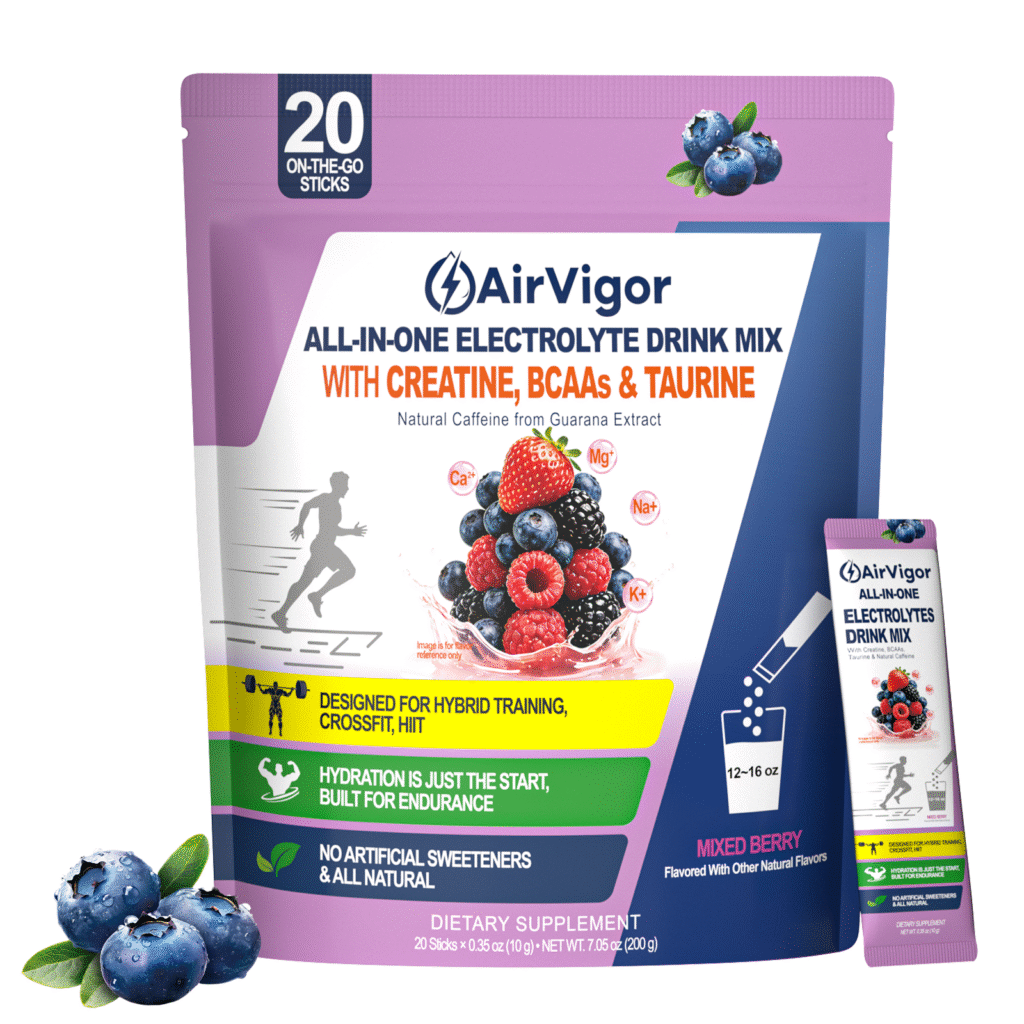
How can AirVigor build better Weight Loss products?
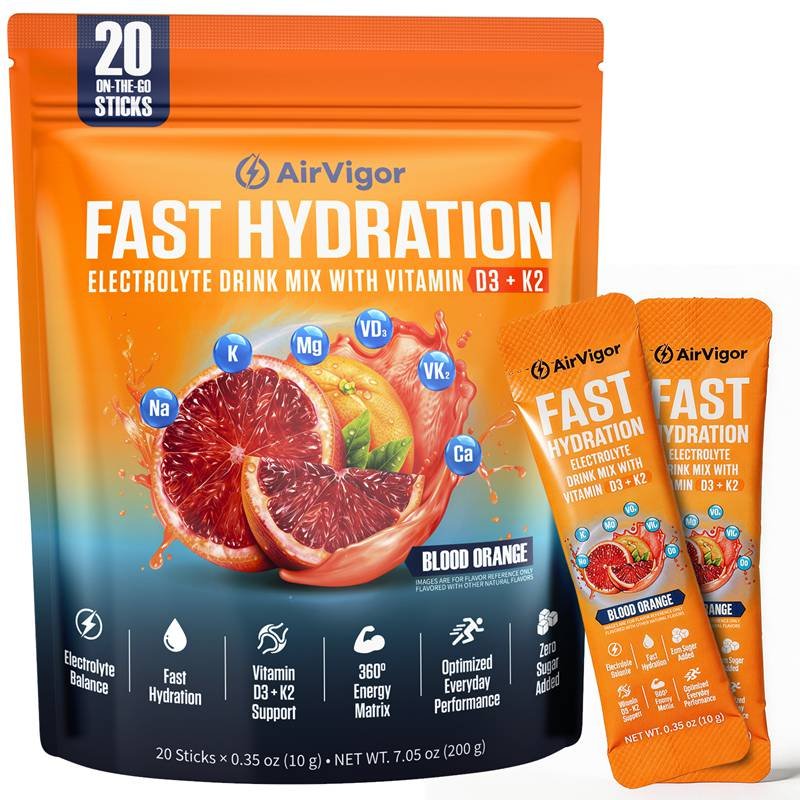
AirVigor can build a stronger product by focusing on a low-sugar structure, credible electrolyte support, portable format, and clear use occasions. The more believable message is not “fat-burning electrolyte powder.” A better message is narrower: hydration support for hot workouts, low-carb transitions, travel, long active days, and routines where users want something more purposeful than water but lighter than a sugary sports drink. That framing matches Harvard’s guidance on when electrolyte drinks are actually useful and aligns with current public-health advice to reduce sugar from beverages.
A positioning framework helps:
| Positioning style | How it reads | Strategic strength |
|---|---|---|
| “Electrolytes for faster fat burning” | Overstated and weakly supported | Lower |
| “Low-sugar hydration support for heat, workouts, and low-carb routines” | Clear and credible | Higher |
| “Portable electrolyte support for weight-loss routines under hydration strain” | Practical and differentiated | Higher |
That is where AirVigor can stand out most effectively: not by promising a shortcut to fat loss, but by making the product clearly useful in the moments where weight-loss routines are hardest to maintain comfortably.
Final Thoughts
Electrolyte powder can support a weight-loss routine, but mainly by helping with hydration and fluid balance when the routine becomes more demanding than usual. It does not directly burn fat. Its value becomes more convincing during sweat-heavy exercise, hot-weather activity, low-carb transition periods, fasting-related discomfort, or other situations where water balance is under strain. Harvard and the Cleveland Clinic both support that narrower interpretation.
That is why the better question is not whether electrolyte powder “works for weight loss” in the abstract. The better question is whether a weight-loss routine is creating enough fluid-loss stress that a lower-sugar electrolyte formula becomes more useful than plain water alone. People who use that framework are more likely to choose a product that actually fits their routine instead of chasing exaggerated claims.
Looking to Develop a Better Electrolyte Powder for Weight Loss?
If the goal is to build a stronger product in this category, the most important starting points are low sugar, controlled calories, clear electrolyte logic, keto- and workout-friendly positioning, and a portable daily-use format. Those choices matter because weight-loss users usually want hydration support that helps them stay consistent without adding unnecessary calories or making the formula feel heavier than it needs to be.
AirVigor can support both finished branded products and private-label or custom formulation projects. The strongest products in this space are the ones that solve a real hydration problem clearly, and that is exactly where a better-structured electrolyte powder for weight loss can create stronger long-term value.