Skip to content

Most men do not start looking for electrolyte powder because everything is going perfectly. They start searching when water feels like it is not doing enough. Maybe the workout feels harder than it should. Maybe a long summer workday ends with a dull headache. Maybe low-carb eating makes the body feel flat. Maybe a man drinks three bottles of water during the day but still feels dry, tired, or heavy by late afternoon. In many of these situations, the problem is not always “not enough water.” The body may also need minerals that help water work better inside the hydration system.
The best electrolyte powder for men should match sweat level, training style, sugar goals, diet pattern, and daily routine. A strong formula usually includes sodium for fluid balance, potassium for normal muscle and nerve function, magnesium and calcium for muscle support, zero or low sugar, clear dosage information, and a format that is easy to carry and mix.
For men, the wrong product is often not a bad product. It is simply the wrong match. A sugary sports drink may make sense for a long endurance session, but it may not fit a man cutting sugar. A very salty powder may help a heavy sweater, but it may be too much for a light office day. A large tub may work at home, but it may never make it to the gym bag, airport, work locker, or car. The better question is not “Which powder is the strongest?” The better question is “Which powder fits the way I actually sweat, train, travel, work, and recover?”
What Is Electrolyte Powder for Men?
Electrolyte powder for men is a drink mix that adds minerals such as sodium, potassium, magnesium, and calcium to water. It is commonly used around sweat, workouts, hot weather, travel, low-carb eating, and long active days when plain water may not feel complete enough.
Most people understand dehydration as “not drinking enough water,” but hydration is more than fluid volume. The body also relies on charged minerals to help manage fluid balance, muscle contraction, and nerve communication. When sweat increases, the body loses both water and minerals. Sodium is usually the main electrolyte lost through sweat, while potassium, magnesium, and calcium support normal muscle and nerve function in different ways.
This is where electrolyte powder becomes useful. It turns a regular bottle of water into a more targeted hydration drink. The goal is not to drink electrolytes all day or replace plain water. The goal is to use them during higher-demand moments: after a sweaty workout, before outdoor training, during a hot workday, after sauna, on a long flight, or during a low-carb diet phase.
A good electrolyte powder should show real mineral amounts on the label. Vague terms such as “hydration blend” are less helpful because users cannot see how much sodium, potassium, magnesium, or calcium they are getting. Clear numbers make it easier to match the product to the situation. A short indoor workout, a two-hour summer run, and a full day of outdoor labor do not create the same hydration demand.
Format also matters. Large tubs may work at home, but many people need hydration support away from the kitchen. Stick packs fit more naturally into gym bags, office drawers, backpacks, lockers, travel pouches, golf bags, and work trucks. One packet equals one serving, so there is no scoop, no measuring, and less mess.
Sugar is another major difference between electrolyte powders and traditional sports drinks. Many sports drinks contain sugar because they were designed for fast fuel and flavor. That can make sense during long endurance sessions, but it may not fit daily hydration, cutting phases, keto, low-carb routines, office use, or evening training. Zero sugar electrolyte powders are often easier to use repeatedly because they do not add extra sugar to every serving.
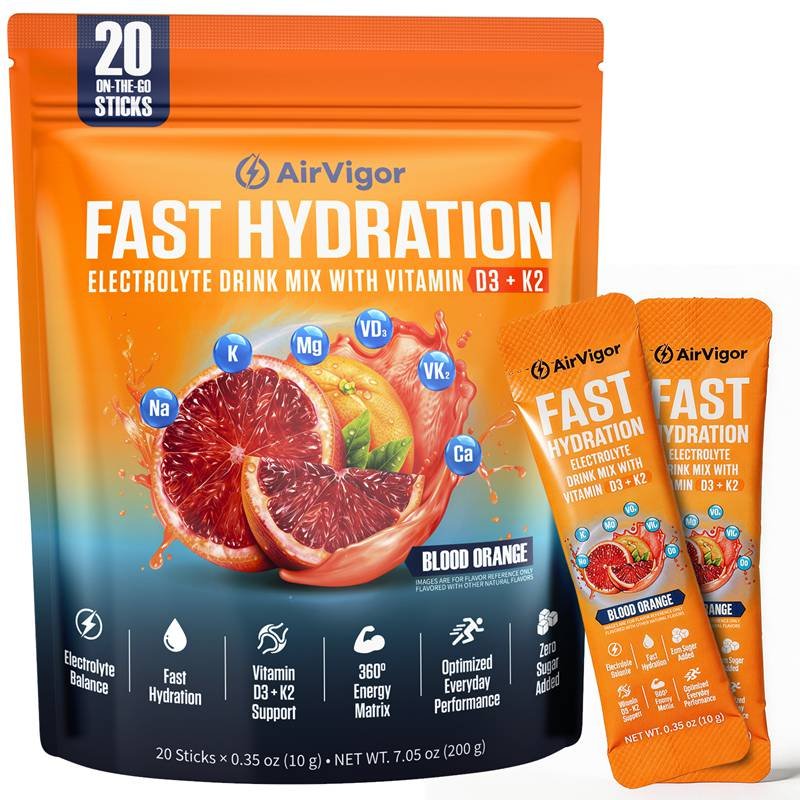
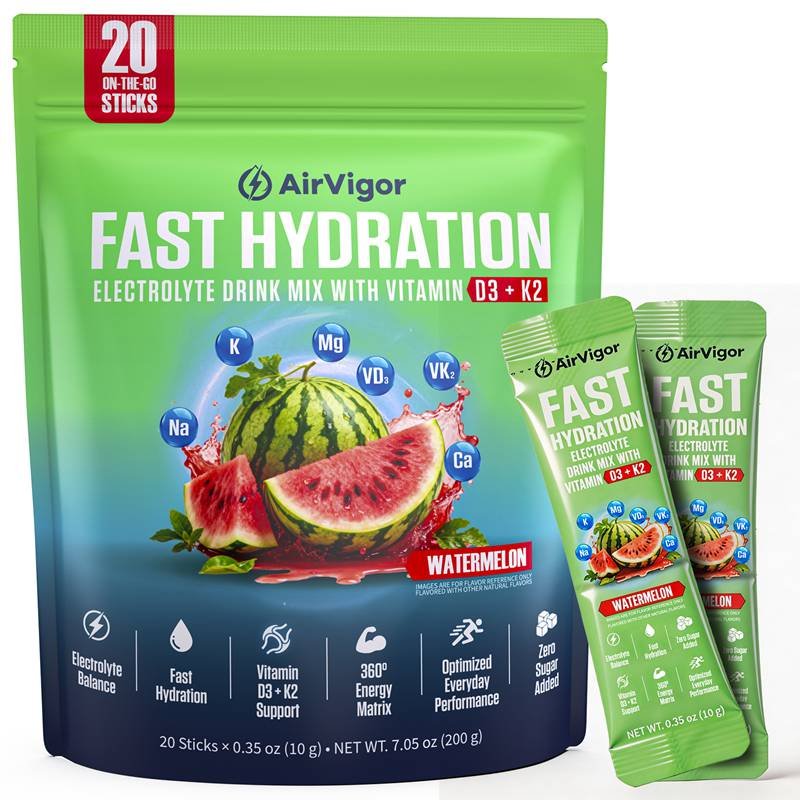
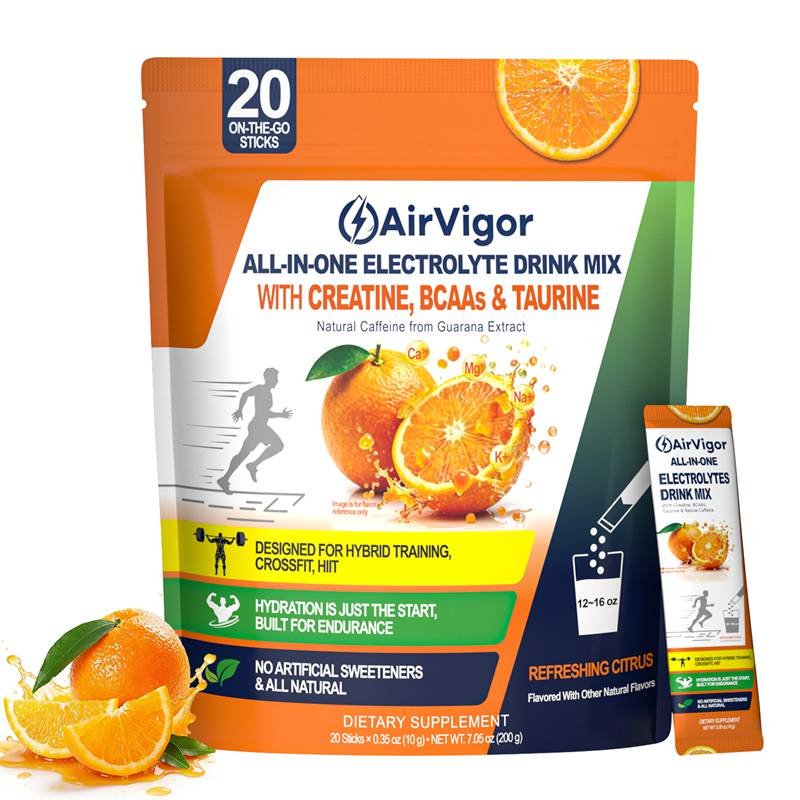
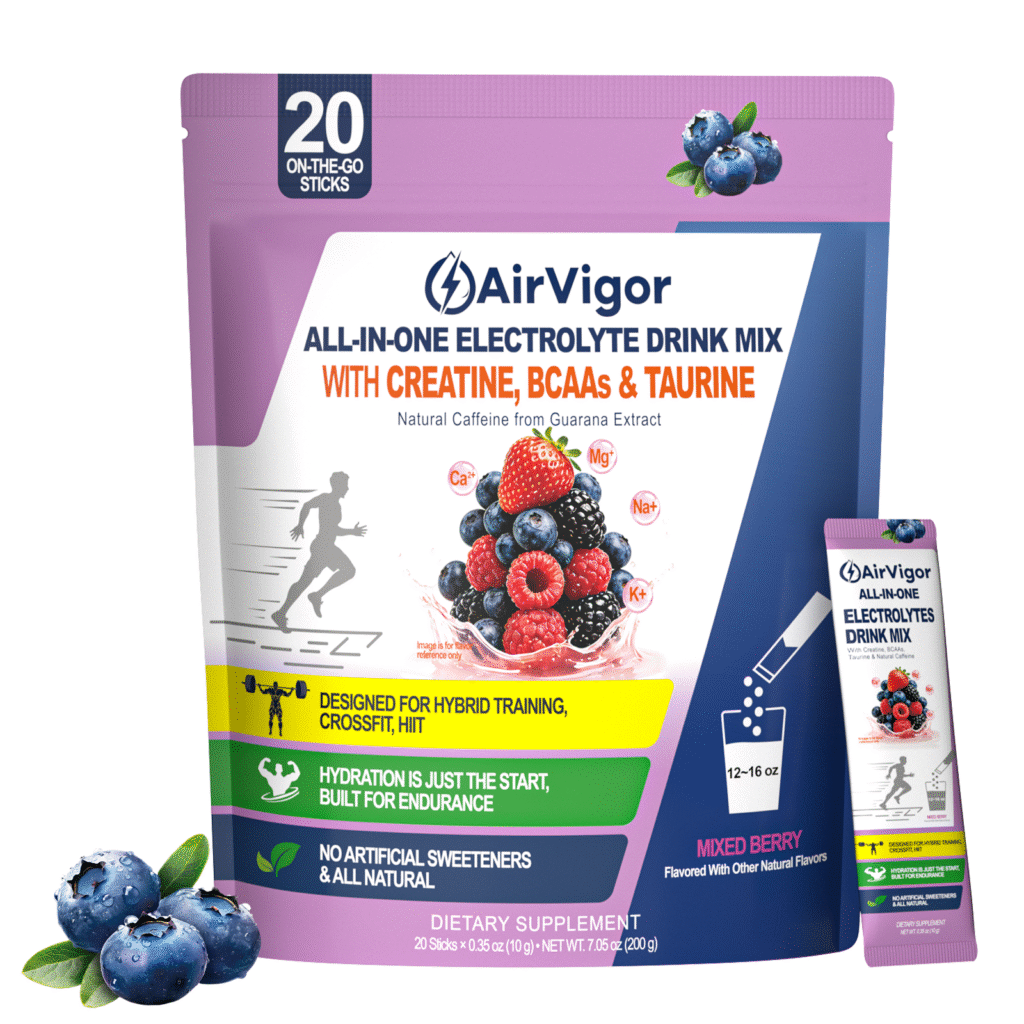
AirVigor fits this active hydration need with a zero sugar stick-pack formula. Each serving provides 300mg sodium, 450mg potassium, 50mg magnesium, and 50mg calcium, along with creatine, amino support, taurine, and guarana extract. It is best suited for users who want electrolyte support connected to training, sweat, travel, and busy daily routines rather than a basic flavored water mix.
| What to Check | Why It Matters | Better Label Signal |
|---|---|---|
| Sodium | Supports fluid balance, especially after sweat | Clear mg amount per serving |
| Potassium | Supports normal muscle and nerve function | Listed separately, not hidden |
| Magnesium | Supports normal muscle function | Moderate dose with good tolerance |
| Calcium | Supports muscle contraction and nerve signaling | Included as part of mineral balance |
| Sugar | Affects daily use, keto, cutting, and calorie control | 0g sugar or clearly listed sugar |
| Serving format | Decides whether the product gets used outside home | Stick packs or single servings |
| Caffeine | Affects timing and sleep sensitivity | Clear source and timing awareness |
| Mixing amount | Helps users prepare it correctly | Water amount stated clearly |
What Do Electrolytes Do?
Electrolytes help the body manage fluid balance, muscle contraction, nerve signaling, and normal cellular function. They do not replace water. They help make certain servings of water more useful when sweat, heat, diet, or activity increases hydration demand.
Sodium is closely tied to fluid balance and becomes especially important after heavy sweating. Potassium supports normal muscle and nerve function. Magnesium supports normal muscle function and participates in many everyday metabolic processes. Calcium helps muscles contract and supports nerve communication.
These minerals matter most during moments when the body is under pressure. A hard gym session, hot outdoor shift, sauna session, long hike, low-carb diet transition, or dry travel day can all make plain water feel less satisfying. Electrolyte powder can help fill that gap when used at the right time.
| Electrolyte | Main Role | Common Use Moment |
|---|---|---|
| Sodium | Fluid balance after sweat | Gym, heat, sauna, outdoor work |
| Potassium | Normal muscle and nerve function | Training, low-carb routines, daily hydration |
| Magnesium | Normal muscle function | Active routines and recovery habits |
| Calcium | Muscle contraction and nerve signaling | Balanced hydration formulas |
| Chloride | Works with sodium in fluid balance | Sweat replacement formulas |
Why Men Lose Electrolytes
Electrolytes are lost through sweat, urine, and normal fluid turnover. Sweat is the most obvious reason people reach for electrolyte powder. The more someone sweats, the more important sodium and overall mineral balance become.
Sweat loss varies widely. Body size, heat, humidity, clothing, workout intensity, fitness level, caffeine intake, and personal sweat rate all affect how much fluid is lost. One person may finish a workout with only light sweat, while another may soak through a shirt and leave salt marks on clothing.
Electrolyte loss is not limited to gym users. Outdoor workers, delivery drivers, warehouse staff, chefs, landscapers, coaches, hikers, golfers, runners, cyclists, and sauna users can all lose meaningful fluid during regular routines. Many do not think of these moments as “exercise,” but the body still has to manage heat, sweat, and fluid replacement.
Common situations that increase electrolyte demand include:
| Situation | Why It Matters |
|---|---|
| Heavy gym workouts | Sweat increases fluid and sodium loss |
| HIIT, boxing, basketball, CrossFit | Fast pace and heat raise sweat demand |
| Outdoor work | Long exposure creates repeated fluid loss |
| Running, cycling, hiking | Longer sessions require better hydration planning |
| Sauna or hot yoga | Heavy sweat can happen quickly |
| Keto or low-carb eating | Water and sodium balance may shift |
| Frequent travel | Dry air, missed meals, and caffeine affect hydration habits |
| Alcohol intake | Fluid balance may feel disrupted the next day |
| High coffee intake | Water intake may fall behind during the day |
Low energy, dry mouth, headache, heavy legs, poor focus, or slow recovery after sweat can all have many causes. Electrolyte imbalance should not be assumed from symptoms alone. Still, these signs often push people to review their hydration habits more carefully.
Is Water Enough?
Water is enough for many normal days. A low-sweat indoor day with regular meals may not require electrolyte powder. Plain water should stay the foundation of any hydration routine.
Electrolytes become more useful when the day includes higher fluid or mineral demand. Heavy sweating, long workouts, hot weather, sauna use, travel, low-carb eating, skipped meals, alcohol, and long coffee-heavy workdays can all make hydration less straightforward.
The better habit is not replacing all water with electrolyte drinks. A more balanced routine is to drink plain water most of the day and add electrolytes around the moments that need extra support.
| Day Type | Plain Water May Be Enough | Electrolyte Powder May Help |
|---|---|---|
| Light office day | Yes | Optional |
| Short low-sweat workout | Often yes | Optional |
| Heavy sweat workout | Not always | Yes |
| Outdoor summer work | Not always | Yes |
| Sauna or hot yoga | Usually not enough alone | Yes |
| Travel day | Sometimes | Often useful |
| Keto or low-carb day | Sometimes | Often useful |
| Long hot day with coffee | Sometimes | Often useful |
One serving around the right moment is usually more useful than random all-day use. For example, plain water in the morning, an electrolyte serving before or after training, and regular water later in the day. This keeps the routine simple and tied to real need.
Why Men Hydrate Differently
Hydration needs change with body size, sweat rate, muscle mass, work environment, training style, diet, and daily schedule. Many men train in short, intense sessions, drink coffee regularly, eat higher-protein meals, or go through cutting and low-carb phases. These habits can make hydration needs less predictable.
Another common issue is delayed hydration. Many people wait until thirst appears before drinking enough. Others start drinking only after a workout begins or try to catch up late in the day. By then, the body may already be behind on fluid intake.
Seasonal changes also matter. A routine that feels fine in winter may not work during summer heat. Indoor training may feel manageable, while outdoor runs, hiking, golf, yard work, and vacation heat can create new demand. Travel adds another layer because sleep, meals, water access, caffeine, and air quality often change at the same time.
The best electrolyte powder should match the real schedule rather than a perfect routine. Someone who trains before work needs a fast option. Someone who travels needs portable servings. Someone eating low carb needs zero sugar and clear minerals. Someone sweating heavily needs visible sodium and potassium amounts.
| User Type | Main Hydration Challenge | Better Formula Direction |
|---|---|---|
| Gym user | Sweat and training consistency | Electrolytes plus active-use ingredients |
| Office worker | Low water intake and coffee-heavy days | Zero sugar, easy-drinking stick packs |
| Outdoor worker | Long heat exposure | Sodium-focused hydration support |
| Frequent traveler | Dry air and irregular routine | Portable packets |
| Low-carb user | Water and sodium shifts | Zero sugar with sodium and potassium |
| Heavy sweater | Higher fluid and sodium loss | Clear sodium and potassium levels |
| Weekend athlete | Inconsistent sports and outdoor activity | Simple packets for flexible use |
The strongest product is not always the most intense formula. It is the one that fits the moment, is easy to use, and gives enough label clarity for people to trust what they are drinking.
Which Men Need Electrolytes Most?
Men who are most likely to benefit from electrolyte powder usually have one thing in common: their daily routine creates higher fluid and mineral demand than plain water can comfortably cover. This often includes heavy sweating, frequent training, hot work environments, long outdoor activity, low-carb eating, frequent travel, sauna use, or long days built around coffee, missed meals, and inconsistent water intake.
Electrolytes are not necessary for every man every day. A low-sweat indoor day with regular meals and steady water intake may not require additional minerals. The need becomes more relevant when sweat, heat, diet, or schedule places extra pressure on hydration. During exercise or hot conditions, sweat loss can range from light to heavy, and some people may lose close to 1 liter of fluid per hour or more during intense activity or heat exposure. Sweat also contains sodium, which is closely linked to fluid balance. When a man loses both water and sodium but replaces only water, hydration may feel incomplete.
Training style is another major factor. A 30-minute easy walk and a 60-minute high-intensity workout create very different fluid demands. Sessions such as HIIT, CrossFit, basketball, boxing, cycling, running, hot yoga, and long outdoor workouts can increase sweat quickly, especially when the room is warm or humidity is high. A regular gym user may not need a strong electrolyte drink after every light session, but repeated sweat exposure across the week makes a clear mineral formula more useful.
Diet and lifestyle also affect hydration. Low-carb and keto routines often make sodium and potassium more noticeable because changes in carbohydrate intake can influence water balance. Travel, dry indoor air, alcohol, high coffee intake, skipped meals, and long workdays can also make hydration feel less stable. In these situations, electrolyte powder is most useful when there is a clear reason to use it, not as a replacement for plain water throughout the day.
| Routine or Situation | Electrolyte Need | Main Reason | What to Check |
|---|---|---|---|
| Heavy sweating | High | Fluid and sodium loss | Sodium, potassium, clear dosing |
| Training 3–6 times weekly | Moderate to high | Repeated sweat exposure | Zero sugar, minerals, convenience |
| Heat or outdoor work | High | Long fluid loss across the day | Sodium support and easy mixing |
| Keto or low carb | Moderate | Water and sodium shifts | Zero sugar, sodium, potassium |
| Frequent travel | Moderate | Dry air, missed meals, low water intake | Stick packs and clean taste |
| Light office routine | Low | Low sweat and regular meals | Plain water first |
The most important point is timing. Electrolytes work best when they are connected to a real hydration challenge: sweat, heat, training, travel, or diet changes. Used this way, an electrolyte powder can support a more consistent hydration routine without adding unnecessary sugar or turning every bottle of water into a supplement drink.
Men Who Sweat Heavily
Heavy sweaters are one of the clearest groups that should pay attention to electrolyte intake. Signs can include soaked shirts, sweat dripping early in a workout, visible salt marks on clothing, a salty taste on the skin, strong thirst after training, or feeling unusually drained after hot sessions. These signs do not automatically prove an electrolyte problem, but they show that fluid and mineral loss may be higher than average.
Sweat loss varies widely between individuals. Body size, conditioning level, heat, humidity, clothing, training intensity, and personal sweat rate all matter. Two people can complete the same workout in the same room and lose very different amounts of fluid. A larger athlete doing fast-paced intervals in a warm gym may sweat far more than someone lifting at a slower pace in an air-conditioned space.
After heavy sweat, water alone may reduce thirst but may not fully address mineral loss. Sodium is especially important because it is one of the main electrolytes lost through sweat and helps support fluid balance. Potassium, magnesium, and calcium can also help create a more complete hydration profile. A product with clearly listed minerals is easier to evaluate than one that hides amounts inside a broad “hydration blend.”
AirVigor can fit many heavy-sweat routines because each stick provides 300mg sodium and 450mg potassium, along with magnesium and calcium. This makes it stronger than a light flavored water packet while avoiding the feel of an extreme salt-heavy formula. Very long endurance sessions, outdoor work in intense heat, or repeated sweat across several hours may still require a broader hydration plan that includes enough water, meals, breaks, and sodium from food.
Men Who Train Often
Men who train several times per week need hydration habits that are easy to repeat. A product may look strong on the label, but if it stays in a kitchen cabinet, it will not help before a lunch workout, after a late gym session, or during travel. Consistency matters because repeated training creates repeated sweat exposure, especially when sessions include high intensity, heat, or short recovery windows.
Workout type changes electrolyte needs. A short strength session may only require water, especially if the room is cool and sweat is minimal. A session built around HIIT, CrossFit, boxing, basketball, treadmill intervals, cycling, outdoor running, or hybrid training can increase sweat and fluid loss much faster. Training frequency also matters. One workout per week may only call for occasional electrolyte use, while three to six sessions per week creates more regular demand.
A good training-focused electrolyte powder should support hydration without adding unnecessary sugar. Many traditional sports drinks are too sweet for everyday gym use, especially for men who are cutting calories, training at night, or trying to reduce sugary drinks. Zero sugar formulas are often easier to use across a full training week because they do not add calories to every serving.
AirVigor is suitable for men who want hydration support connected to active routines. The formula includes electrolytes, creatine, amino support, taurine, and guarana extract in one stick pack. This can reduce the need to manage several separate tubs before or after training. Users who are sensitive to caffeine should pay attention to timing, especially for evening workouts.
Men on Keto or Low Carb
Keto and low-carb eating can make electrolyte needs more noticeable because changes in carbohydrate intake may influence water balance. When carbohydrate intake drops, the body often stores less glycogen, and glycogen is stored with water. As water balance changes, some people notice stronger thirst, flatter workouts, lower training drive, or a greater need for sodium.
For low-carb users, sugar is the first label issue. Many bottled sports drinks and flavored hydration products contain added sugar or carbohydrates that do not fit a strict low-carb routine. A zero sugar electrolyte powder is usually easier to plan around because it adds minerals to water without changing the structure of the diet.
Mineral clarity is just as important. Sodium is often the first electrolyte low-carb users compare, followed by potassium and magnesium. The product should show the amount per serving clearly, so users do not need to guess. A light flavor packet with almost no minerals may taste refreshing but may not provide the kind of support a low-carb user is actually looking for.
AirVigor’s zero sugar profile makes it easier to use during low-carb routines, while its sodium, potassium, magnesium, and calcium levels give the formula more substance than a simple flavored water mix. Low-carb users should still consider their full daily intake from food, supplements, coffee, and other drinks rather than stacking multiple electrolyte products without checking totals.
Men in Heat and Outdoor Work
Heat exposure can raise hydration demand even when the person is not doing formal exercise. Construction, landscaping, delivery routes, warehouse work, commercial kitchens, coaching, farming, hiking, golf, beach days, summer events, and yard work can all create meaningful sweat loss. The body does not separate “work sweat” from “gym sweat.” Fluid and minerals still need to be replaced.
Outdoor work is different from a short gym session because the stress often lasts for several hours. Sweat may be steady rather than dramatic, and thirst may appear late. By the time fatigue, headache, dry mouth, or heavy legs appear, hydration may already be behind. Electrolyte powder can be useful in this setting because it pairs water intake with minerals, especially after heavy sweat or during long hot days.
A hot-weather routine should not depend on electrolyte powder alone. Water access, shade, cooling breaks, meals, clothing, and heat awareness all matter. Electrolytes are one piece of a larger hydration plan. A stick-pack format can be useful because it can be kept in a truck, lunch bag, backpack, locker, or work area without needing a scoop or tub.
The best product for heat should mix easily, avoid unnecessary sugar, and clearly list sodium. A formula that encourages steady water intake is more useful than a product that tastes too sweet or too salty to finish. The goal is not only mineral replacement, but also making hydration easier to maintain across the day.
Men Who Travel Frequently
Travel often disrupts hydration even without visible sweat. Flights can feel dry, airport meals are irregular, coffee intake often increases, and water intake often drops. Sleep schedules change, hotel rooms may feel dry, and long walking days can add extra fluid demand. These small factors can combine quickly, especially during business trips, trade shows, vacations, and long transit days.
Electrolyte stick packs work well for travel because they solve the storage and timing problem. Bottled sports drinks are bulky, tubs are inconvenient, and capsules do not encourage fluid intake. A single packet can fit inside a carry-on, backpack, laptop bag, toiletry kit, jacket pocket, or hotel drawer. This makes hydration support available when water access is inconsistent.
Travel users should look for zero or low sugar, clean taste, easy mixing, and a formula that does not require a shaker. Caffeine should also be considered. A product with guarana or another caffeine source may fit morning or afternoon travel, but may not be ideal late at night or during sleep-sensitive trips.
AirVigor’s stick-pack format fits travel because each serving is pre-measured and easy to mix with bottled water. It is most useful on flight days, warm-weather trips, walking-heavy schedules, post-flight workouts, or days when meals and water intake are less consistent than usual.
Men Who Feel Drained After Long Days
Some men begin looking at electrolyte powder because long days leave them feeling dry, tired, foggy, or physically heavy. This does not always come from training. It may come from coffee-heavy mornings, missed meals, dry indoor air, alcohol, hot weather, travel, physical work, or a workout placed on top of an already demanding schedule.
Electrolytes should not be treated as a cure for fatigue. Poor sleep, stress, low calories, illness, alcohol, overtraining, and long work hours can create similar feelings. Still, hydration habits deserve attention when the pattern appears after sweat, heat, travel, or low water intake. In those cases, one electrolyte serving with water may be more useful than another coffee or a sugary drink.
A quick self-check can help decide whether electrolytes make sense:
- Was there heavy sweat, heat exposure, travel, or sauna use?
- Was most fluid intake coffee instead of water?
- Were meals skipped or very low in carbohydrates?
- Did plain water feel unsatisfying after activity?
- Did the drained feeling appear after a workout or long outdoor day?
When several answers point to fluid or mineral demand, electrolyte powder may fit the moment. A zero sugar stick pack is often a cleaner choice than a sweet sports drink because it supports hydration without adding a large sugar load. The routine should stay simple: use one serving during a high-need moment, continue drinking regular water, and support recovery with meals and rest.

How to Choose Electrolyte Powder
Choosing electrolyte powder should begin with the real use situation, not the loudest claim on the package. A strong product for men should match sweat level, training frequency, sugar goals, caffeine tolerance, diet pattern, and daily convenience. The right formula for a light office day is not the same as the right formula for HIIT, outdoor work, sauna use, low-carb eating, or summer training.
Most electrolyte powders look similar from the front label. Many products mention hydration, recovery, performance, zero sugar, clean ingredients, or daily support. The more useful information is usually found in the Supplement Facts panel. A reliable formula should clearly list sodium, potassium, magnesium, and calcium per serving. These numbers help users judge whether the product is designed for light daily hydration, regular gym use, heavy sweating, keto routines, travel, or heat exposure.
Sodium is usually the first number to review because sweat contains sodium, and sodium supports fluid balance. Potassium supports normal muscle and nerve function. Magnesium and calcium help round out the mineral profile by supporting normal muscle function, muscle contraction, and nerve communication. A product does not need to contain extreme doses of every mineral, but it should provide enough transparency for the user to understand what one serving actually contributes.
Sugar is another important filter. Some sports drinks contain sugar because they are designed to provide both fluid and carbohydrates during long endurance sessions. That can be useful for a marathon, long ride, or extended team sport. It is less suitable for daily hydration, cutting phases, keto, low-carb eating, office use, travel, or evening workouts. In these situations, zero sugar electrolyte powder is usually easier to use regularly because it separates hydration support from extra calories.
Format also affects whether the product becomes part of a routine. Powder tubs may work well at home, but many hydration moments happen away from the kitchen. A user may need electrolytes after training, in a locker room, during a long workday, on a flight, after sauna, or in hot weather. Stick packs solve that problem because each serving is pre-measured, portable, and easy to mix with a regular bottle of water. This is not just a packaging detail; it directly affects repeat use.
Caffeine should also be considered. Some active hydration formulas include guarana, coffee extract, green tea extract, yerba mate, or added caffeine. This can suit morning training or afternoon workouts, but it may not fit late-night use or caffeine-sensitive users. A good label should make the caffeine source clear so users can decide whether the product fits their timing.
AirVigor fits users who want an active hydration formula rather than a simple flavored water powder. Each stick provides 300mg sodium, 450mg potassium, 50mg magnesium, and 50mg calcium with zero sugar. The formula also includes creatine, amino support, taurine, and guarana extract, making it more suitable for training days, sweat-heavy routines, travel, and busy schedules than a basic mineral-only drink mix.
| Selection Point | Why It Matters | Strong Label Signal |
|---|---|---|
| Sodium | Supports fluid balance, especially after sweat | Clear mg amount per serving |
| Potassium | Supports normal muscle and nerve function | Listed separately with a meaningful dose |
| Magnesium and calcium | Support normal muscle function and nerve communication | Included in moderate amounts |
| Sugar | Affects daily use, keto, cutting, and calorie control | 0g sugar or clearly low sugar |
| Caffeine | Affects timing, sleep, and sensitivity | Source clearly identified |
| Serving format | Influences consistency outside the home | Stick packs or pre-measured servings |
| Mixing direction | Helps users prepare the serving correctly | Water amount stated clearly |
| Label clarity | Makes comparison easier | No vague mineral blend |
How Much Sodium Is Right?
Sodium is usually the most important electrolyte to check because it is closely connected to sweat and fluid balance. The right amount depends on sweat rate, workout duration, climate, diet, and total sodium intake from food. A person who trains lightly indoors may not need the same sodium level as someone running outdoors in summer, working in heat, using a sauna, or doing high-intensity training several times per week.
Very low-sodium products may taste refreshing but may not provide enough support for heavy sweating. Very high-sodium products may serve endurance athletes, heavy sweaters, or people exposed to heat for long periods, but they may be unnecessary for light daily hydration. A moderate sodium formula can be more suitable for regular gym users, travelers, and active people who want electrolyte support without choosing an extreme salt-heavy product.
AirVigor provides 300mg sodium per stick, which places it in a useful range for many active routines. It is stronger than a light flavored water packet but less aggressive than many high-sodium endurance formulas. This makes it suitable for gym sessions, hot days, post-sweat routines, travel, and active daily use. Users with high blood pressure concerns, kidney disease, heart conditions, fluid restrictions, or medication use should review electrolyte intake with a qualified healthcare professional before regular use.
Which Minerals Matter?
The main minerals to compare are sodium, potassium, magnesium, and calcium. Sodium supports fluid balance and is especially relevant after sweating. Potassium supports normal muscle and nerve function, making it important for people who train, sweat, or follow low-carb routines. Magnesium supports normal muscle function and participates in many everyday metabolic processes. Calcium supports muscle contraction and nerve communication.
A balanced electrolyte powder does not need to overload every mineral. High doses can affect taste, texture, digestive comfort, and daily suitability. The better approach is to choose a formula with clear, moderate, and purposeful mineral levels. A product with sodium but almost no potassium may still be useful for certain sweat situations, but it may not feel complete for users looking for broader muscle and nerve support.
AirVigor provides 450mg potassium per stick, along with 50mg magnesium and 50mg calcium. This gives the formula more depth than a sodium-only drink while keeping the serving suitable for repeated active use. The value comes from label clarity as much as mineral quantity. Users can see what they are drinking and compare it with their training pattern, diet, sweat level, and total daily intake.
Is Zero Sugar Better?
Zero sugar is usually a better choice for electrolyte powder used in daily hydration, gym routines, keto, low-carb eating, cutting phases, travel, office use, or evening workouts. It allows users to add minerals to water without adding sugar to every serving. This matters because many people looking for electrolytes are not looking for race fuel; they want better hydration support without turning every drink into a calorie source.
Sugar still has a role in certain sports situations. During long endurance activity, carbohydrates can help support fuel needs, so a sports drink with sugar may be appropriate. The issue is using that same type of drink for normal gym sessions, office hydration, post-sauna use, or low-carb routines. In those cases, extra sugar may not match the user’s goal.
AirVigor uses a zero sugar formula, which makes it easier to fit into different routines. It can be used before training, after sweating, during travel, or on hot days without adding sugar. Users following strict low-carb or keto plans should still check the full label and serving directions, but a zero sugar format is generally easier to plan around than traditional sports drinks.
Are Stick Packs Easier?
Stick packs are often easier because they reduce friction. A tub may be useful at home, but it requires a scoop, dry hands, storage space, and cleanup. Ready-to-drink bottles are convenient but bulky, heavy, and often higher in sugar. Tablets are compact, though taste and texture can vary. Capsules are portable but do not encourage water intake in the same way a powder mixed into water does.
Pre-measured stick packs work well because they match real usage moments. A serving can be kept in a gym bag, office drawer, backpack, car, locker, carry-on, golf bag, or hotel room. This matters because electrolyte needs often appear after sweat, during travel, or away from the kitchen. One packet equals one serving, which also helps reduce guessing.
AirVigor uses stick packs because the product is designed for active schedules. Users can place packets in several locations and mix one with water when the routine calls for it. This format supports consistency without requiring extra preparation, which is especially useful for people who move between work, gym, travel, and outdoor activities.
What to Avoid
Electrolyte powder should make hydration easier to understand, not more confusing. Products with vague blends, unclear mineral amounts, unnecessary sugar, hidden stimulants, or exaggerated claims are harder to evaluate. A strong label should help users understand exactly what one serving provides and when the product makes sense.
The most common issue is hidden dosing. If sodium, potassium, magnesium, and calcium are grouped inside a broad “hydration blend,” the user cannot judge whether the product fits heavy sweating, light hydration, keto, or daily use. Another issue is sugar that does not match the purpose. A sugary formula may work for long endurance training, but it may not fit routine hydration, weight management, or low-carb eating.
Caffeine also deserves attention. Active formulas may include caffeine from guarana or other sources, but timing matters. A product that works well before a morning workout may not be suitable late in the evening. Users who are sensitive to caffeine should review the source and use time carefully.
Avoid products with these red flags:
- Mineral amounts hidden inside a blend
- High sugar in a product meant for daily hydration
- Caffeine source not clearly explained
- No clear water mixing direction
- Medical-style claims or unrealistic performance promises
- Sodium level that does not match the user’s routine
- Overlapping ingredients from multiple products without dosage awareness
A better electrolyte powder is transparent, easy to use, and appropriate for the person’s activity level, diet, sweat rate, and schedule. For many active users, a zero sugar stick-pack formula with clearly listed sodium, potassium, magnesium, and calcium is a strong starting point.
Do Men Need Electrolytes Every Day?
Some men can use electrolytes every day, but daily use is not necessary for everyone. The need depends on sweat level, training frequency, heat exposure, diet pattern, caffeine intake, travel, alcohol intake, and overall food quality. Plain water may be enough on low-sweat days, while electrolyte powder becomes more useful on workout days, hot days, low-carb days, travel days, sauna days, or long active workdays.
Daily electrolyte use should be guided by demand rather than habit alone. A man who spends most of the day indoors, eats balanced meals, drinks enough water, and does not sweat much may already get enough sodium, potassium, magnesium, and calcium from food and regular fluids. In that situation, adding electrolyte powder every day may not provide much extra value. The situation changes when the day includes hard training, heavy sweating, outdoor heat, sauna use, missed meals, frequent coffee, alcohol, travel, or low-carb eating. These situations place more pressure on fluid balance and may make plain water feel incomplete.
Electrolytes should not replace regular water. A more reliable routine keeps plain water as the base and uses electrolyte powder during higher-demand moments. For example, a man may drink regular water through the morning, use one electrolyte serving before or after a sweat-heavy workout, then continue with plain water later in the day. This keeps mineral intake connected to real need instead of turning every bottle into a supplement drink. It also helps avoid unnecessary sodium, potassium, magnesium, caffeine, or sweeteners from stacking across the day.
Daily or frequent use is most relevant for men whose routines repeatedly create hydration stress. A man training five days per week, working outdoors in warm weather, traveling often, following a strict low-carb diet, or using a sauna several times weekly may have more reason to use electrolytes than someone with a low-sweat office routine. The decision should come from the day’s conditions: sweat, heat, workout intensity, diet, water intake, and recovery needs.
AirVigor fits this targeted approach because each stick is pre-measured and zero sugar. One serving can be used around training, heavy sweating, hot weather, travel, sauna use, or low-carb routines without turning hydration into a sugary drink habit. The formula also contains guarana extract, so timing matters for users who are sensitive to caffeine or prefer stimulant-free hydration later in the day.
| Daily Situation | Electrolyte Need | Better Use Pattern |
|---|---|---|
| Indoor workday with balanced meals | Low | Plain water first |
| Standard gym workout | Moderate | Use before, during, or after training if sweating |
| Heavy sweat workout | High | Use around training and continue regular water intake |
| Outdoor heat or physical work | High | Use as part of a broader hydration plan |
| Keto or low-carb eating | Moderate to high | Use when water and sodium needs feel higher |
| Travel day | Moderate | Use when meals, sleep, and water intake are disrupted |
| Sauna or hot yoga | High | Use after sweat loss |
| Rest day at home | Low | Usually optional |
| Coffee-heavy long day | Moderate | Use if water intake has fallen behind |
Daily Hydration Needs
Daily hydration needs vary by body size, sweat rate, temperature, food intake, activity level, and schedule. A larger body, higher sweat rate, warm climate, intense training schedule, or physically demanding job can increase fluid demand. Diet also plays a role because meals provide minerals, while skipped meals, low-carb eating, and inconsistent food intake can make hydration feel less stable.
A normal day does not automatically require electrolyte powder. If meals are balanced and water intake is steady, plain water may be enough. Electrolytes become more relevant when a clear pattern appears: thirst returns quickly after drinking, plain water feels unsatisfying after sweat, workouts feel flatter in heat, or long days with coffee and missed meals leave the body feeling dry and heavy. These signals can have multiple causes, so they should not be treated as proof of an electrolyte problem, but they are useful reminders to review hydration habits.
A strong daily hydration routine should include regular water intake, mineral-rich meals, and targeted electrolyte use when demand rises. Foods such as fruits, vegetables, dairy, nuts, seeds, legumes, soups, and balanced salty meals can all contribute minerals. Electrolyte powder is most useful when the routine creates a gap that food and plain water may not fully cover, such as training, heat exposure, sauna use, low-carb eating, or travel.
For AirVigor, the most sensible pattern is one stick on days with clear hydration demand. On calm indoor days, plain water may be enough. This keeps the product connected to real need and helps users avoid making hydration more complicated than necessary.
Workout Days
Workout days are one of the clearest times to use electrolyte powder. Exercise increases fluid demand, especially when the session is long, intense, hot, or sweat-heavy. Strength training, HIIT, CrossFit, boxing, basketball, treadmill intervals, cycling, running, and hybrid workouts can all create different levels of sweat loss. The more sweat a session produces, the more useful a mineral-based hydration drink may become.
Timing should match the workout. Before training, electrolytes can help build a more prepared hydration routine, especially when the session happens early in the morning, after a long workday, or after several cups of coffee. During training, an electrolyte drink can encourage steady fluid intake in longer or warmer sessions. After training, it can support replacement of minerals lost through sweat. A short, low-sweat lifting session in a cool gym may only require water, while a hot garage workout, basketball game, HIIT class, long run, or sauna session after training creates a different demand.
AirVigor works well on workout days because it combines electrolytes with creatine, amino support, taurine, and guarana extract. This makes it suitable for men who want one drink mix tied to active routines rather than separate products for hydration and training support. Users who train late in the evening or are sensitive to caffeine should consider the guarana extract when deciding timing.
Rest Days
Rest days do not automatically require electrolyte powder. If the day is calm, meals are balanced, water intake is steady, and sweat is low, plain water may be enough. Recovery depends on sleep, food, hydration, and training balance, so adding supplements without a clear reason does not always improve the routine.
A rest day can still create electrolyte demand when it includes yard work, walking in heat, golf, travel, sauna, alcohol intake the night before, or very low-carb eating. In these cases, the body may still experience fluid and mineral shifts even without formal exercise. The decision should come from the day’s conditions rather than the calendar label of “rest day.”
AirVigor can fit active rest days, especially after sauna, outdoor chores, hiking, travel, or warm-weather errands. It does not need to be used on every rest day. A flexible routine usually works better than a rigid one because hydration demand changes from day to day.
How Often to Drink
Most men should use electrolyte powder based on activity and sweat rather than a fixed daily rule. Some may use it two or three times per week around workouts. Others may use it five or more times per week during heavy training, summer heat, frequent travel, or low-carb eating. Occasional users may only need it after sauna, long flights, outdoor activity, or unusually sweaty sessions.
One serving on higher-demand days is a reasonable starting point for many active users. Higher-demand days include intense workouts, heavy sweating, hot weather, long outdoor work, sauna sessions, travel, low-carb eating, or days when water intake has been poor. After several uses, frequency can be adjusted based on thirst, sweat level, diet, workout intensity, caffeine intake, and how the body responds.
More servings do not automatically mean better hydration. Electrolytes add minerals, and those minerals also come from food and other supplements. A man using electrolyte powder, salt capsules, pre-workout, magnesium supplements, high-sodium meals, and caffeinated drinks in the same day should pay closer attention to total intake. AirVigor’s stick format helps with serving control because one packet equals one serving, making the routine easier to manage.
Is Daily Use Safe?
Daily electrolyte use can be appropriate for many healthy men when the formula is clearly labeled, the serving size is moderate, and the routine matches real hydration demand. Safety depends on total sodium, potassium, magnesium, caffeine, diet, medical history, and medication use. A product that fits one person may not be suitable for another.
Men with kidney disease, heart conditions, high blood pressure concerns, fluid restrictions, or medications that affect sodium or potassium balance should speak with a qualified healthcare professional before using electrolyte powders regularly. Potassium and sodium intake deserve special attention in these situations. Magnesium intake should also be considered if other supplements are already being used.
Caffeine timing is another factor. Some electrolyte powders include caffeine sources such as guarana, coffee extract, green tea extract, or yerba mate. These ingredients may fit morning or afternoon training but may not be ideal for late evening use. AirVigor contains guarana extract, so users who are sensitive to caffeine should choose timing carefully.
A safe, useful routine is controlled and purposeful: use electrolyte powder when the body has a reason to need it, keep plain water as the main hydration source, read the label, avoid stacking multiple high-mineral products without checking totals, and adjust based on sweat, heat, training, diet, and travel. For many active men, one well-timed serving is more useful than constant all-day use.

What Is the Best Electrolyte Powder for Men?
The best electrolyte powder for men is the product that matches the user’s sweat level, training style, sugar goals, diet pattern, caffeine tolerance, and daily schedule. For active users, a strong formula usually includes clearly listed sodium, potassium, magnesium, and calcium, uses zero or low sugar, mixes easily with water, and comes in a format that is simple to carry.
There is no single electrolyte powder that fits every situation. A man who lifts weights three times per week does not need the same formula as someone running outdoors in summer heat. A frequent traveler may care more about portability and clean taste than maximum sodium. A keto user may focus on zero sugar, sodium, and potassium. A heavy sweater may need a product that provides more serious mineral support than a basic flavored water packet. The word “best” should be tied to real use, not just the strongest claim on the front of the package.
The first marker of a strong electrolyte powder is label clarity. Users should be able to see the mineral amounts per serving without guessing. Sodium should be listed clearly because it supports fluid balance and is commonly lost through sweat. Potassium should be present in a meaningful amount because it supports normal muscle and nerve function. Magnesium and calcium add a broader mineral profile for muscle function, contraction, and nerve communication. A product that hides these amounts inside a broad “hydration blend” is harder to compare and less useful for people who want to match the formula to sweat, training, heat, or diet.
The second marker is sugar control. Many traditional sports drinks contain sugar because they were built for fast fuel and taste. That can make sense during long endurance sessions, but it may not fit daily hydration, gym use, low-carb eating, cutting phases, office routines, or evening workouts. For users who want electrolyte support several times per week, zero sugar often makes the product easier to use without adding extra calories to every serving.
The third marker is format. Electrolyte powder only works if it is available when the need appears. A tub may work well at home, but it is less convenient in a gym bag, office drawer, truck console, hotel room, golf bag, or carry-on. Stick packs solve this problem by giving users one pre-measured serving that can be mixed with a normal bottle of water. This matters because hydration needs often happen away from the kitchen: after a workout, during travel, after sauna, on hot days, or during long work shifts.
AirVigor fits the active-use side of this category. Each stick provides 300mg sodium, 450mg potassium, 50mg magnesium, and 50mg calcium with zero sugar. The formula also includes 2,000mg creatine, 2,000mg amino mix, 500mg taurine, and 250mg guarana extract. This makes it more suitable for users who want hydration support connected to training, sweat, travel, and busy routines rather than a simple flavored water mix.
| What “Best” Should Mean | Why It Matters | Stronger Product Signal |
|---|---|---|
| Clear sodium level | Sweat contains sodium, and sodium supports fluid balance | Sodium listed in mg per serving |
| Meaningful potassium | Supports normal muscle and nerve function | Potassium listed separately |
| Magnesium and calcium included | Adds broader muscle and nerve support | Moderate amounts, not excessive dosing |
| Zero or low sugar | Fits gym, keto, cutting, office, and daily use | 0g sugar or clearly low sugar |
| Portable format | Improves real-world consistency | Stick packs or pre-measured servings |
| Clean mixing | Helps users drink enough water | Mixes into 12–20 oz water without heavy texture |
| Timing awareness | Caffeine may affect sleep-sensitive users | Caffeine source clearly identified |
| Use-case match | Different routines need different formulas | Product positioning matches sweat, training, or daily hydration |
The best choice should make the hydration routine easier, not more complicated. A user should know when to drink it, what is inside it, how much water to mix it with, and whether it fits the day’s activity level. A product with a clean label, clear mineral amounts, zero sugar, and portable serving format is usually a stronger starting point than one built mainly around flavor or oversized claims.
Best for Training
The best electrolyte powder for training should support hydration before, during, or after exercise without adding unnecessary sugar or extra preparation. Training creates different hydration demands depending on workout intensity, duration, room temperature, sweat rate, and timing. A short low-sweat strength session may only require water, while HIIT, CrossFit, boxing, basketball, cycling, running, hot garage workouts, or long hybrid sessions can create much higher fluid and mineral loss.
For regular training, sodium and potassium are two of the most important minerals to compare. Sodium supports fluid balance, especially when sweat is high. Potassium supports normal muscle and nerve function. Magnesium and calcium help round out the formula. A good training powder should also be easy to drink during movement. If the flavor is too sweet, too salty, or too heavy, users may not finish enough water to make the serving useful.
Training-focused users often want fewer products, not more. Many already manage protein, creatine, pre-workout, amino products, caffeine, and recovery nutrition. A formula that combines electrolytes with active-use ingredients can reduce routine friction. AirVigor is relevant here because each stick combines electrolytes with creatine, amino support, taurine, and guarana extract. This structure fits users who want one drink mix for active hydration and training support instead of carrying several tubs.
Timing should still be considered. AirVigor contains guarana extract, so it may fit morning, lunch, or afternoon training better than late-night use for caffeine-sensitive users. For evening workouts, users who are sensitive to stimulants should decide whether the timing fits their sleep routine.
| Training Situation | Hydration Demand | Electrolyte Use |
|---|---|---|
| Light strength session | Low to moderate | Plain water may be enough |
| Standard gym session | Moderate | Electrolytes can help if sweating |
| HIIT or CrossFit | Moderate to high | Use before, during, or after training |
| Outdoor running or cycling | Moderate to high | Use around sweat and heat exposure |
| Basketball, boxing, circuits | High | Useful during longer or hotter sessions |
| Sauna after training | High | Use after sweat loss |
| Hot garage gym | High | Electrolytes may be more useful than plain water alone |
A training product should not promise unrealistic results. Electrolytes do not replace sleep, food, protein, or progressive training. Their value is more specific: they help make the hydration part of the routine more complete, especially when sweat and heat are involved.
Best for Daily Hydration
The best electrolyte powder for daily hydration should be moderate, clear, easy to drink, and low in sugar. Daily hydration is not the same as endurance racing or emergency rehydration. Most users need a product that helps them drink water more consistently during normal life: work, errands, light activity, travel, warm weather, and occasional sweat.
A daily-use product should not feel overly intense. Very salty formulas may be useful for heavy sweat, but they may be unnecessary for light daily use. Very sweet drinks may encourage consumption at first, but they can add sugar and become less suitable for users managing calories, blood sugar goals, keto routines, or weight control. For daily hydration, the better formula is usually one that provides visible minerals without turning every serving into a high-calorie beverage.
The strongest daily hydration products also fit real routines. Many people do not prepare supplements perfectly at home every morning. They need something that can sit in a drawer, gym bag, vehicle, suitcase, or locker. A stick pack is useful because it gives one clean serving without measuring. This makes daily use more controlled and more realistic.
AirVigor can be used for daily active hydration, but it is best matched to days with a reason: training, sweat, heat, travel, low-carb eating, sauna, or long active schedules. On quiet indoor days with balanced meals and enough plain water, an electrolyte serving may not be necessary. This balanced use pattern helps keep the product valuable rather than automatic.
Daily hydration should be built around plain water first, then electrolytes when demand increases. A product such as AirVigor fits best when users want a stronger option than basic flavored water, but still want zero sugar and serving control.
Best for Low Sugar Routines
The best electrolyte powder for low sugar routines should provide minerals without added sugar and should list carbohydrates clearly. This is important for users who follow keto, low-carb eating, cutting phases, weight-control plans, or simply want to reduce sugary beverages. Many sports drinks are marketed around hydration, but the sugar level may not match everyday use.
Sugar has a place in sports nutrition when the goal includes fuel. During long endurance training, extended team sports, or sessions lasting several hours, carbohydrates can support energy needs. The problem comes when the same sugary drink is used for a normal gym session, office hydration, travel day, or post-sauna drink. In those moments, users may want mineral support without extra calories.
A zero sugar electrolyte powder gives more flexibility. It can be used before training, after sweat, during a hot workday, on a travel day, or during a low-carb phase without changing the user’s diet structure. AirVigor fits this use case because each stick contains 0g sugar while still providing sodium, potassium, magnesium, and calcium in clear amounts.
Low sugar users should still review the full panel. A product can say “low calorie” or “light” while still containing carbohydrates, hidden sugars, or sweetener systems that may not fit personal preference. The label should show total sugar, total carbohydrates, serving size, and mineral amounts clearly.
| Low Sugar User Goal | What to Check | Why It Matters |
|---|---|---|
| Keto or low carb | 0g sugar and carb amount | Helps maintain diet structure |
| Cutting phase | Sugar and calories | Prevents drink calories from adding up |
| Office hydration | Sweetness level and serving size | Supports regular use without heavy sugar |
| Evening training | Sugar and caffeine | Helps avoid unnecessary late-day stimulation |
| Travel | Sugar and portability | Keeps hydration simple when meals are irregular |
| Post-sauna | Minerals without sugar load | Supports hydration after sweat |
The best low sugar electrolyte powder should not be only “sugar-free flavored water.” It should also provide meaningful electrolytes. A zero sugar label is helpful, but the product still needs enough sodium, potassium, magnesium, and calcium to support the reason people are buying it.
Best for Busy Men
The best electrolyte powder for busy schedules should be portable, pre-measured, quick to mix, and easy to store in several places. Busy users often need hydration support when they are away from home: after training, at the office, on the road, in a hotel room, at the airport, after golf, during outdoor work, or after a sauna session. A product that works only on a kitchen counter may not fit these moments.
Stick packs are a practical advantage because they remove the common barriers to use. There is no scoop, no tub, no powder spill, and no need to measure a serving. One packet can be mixed with a standard bottle of water. This is especially helpful for people who move between work, gym, travel, and home during the same day.
A busy schedule also makes consistency harder. Hydration can be delayed by meetings, commutes, errands, workouts, flights, or long shifts. When electrolyte packets are stored in multiple locations, the product becomes easier to use at the right time. A few sticks in a gym bag, a few in an office drawer, and a few in a travel pouch can make the routine more reliable.
AirVigor is well matched to this kind of schedule because it combines zero sugar electrolytes with active-use ingredients in a single serving. It is not a product that requires a long preparation routine. Users can mix one stick with water before training, after sweat, or during a demanding day.
A busy user should still avoid using electrolytes randomly all day. The product is most useful when tied to clear moments: sweat, heat, travel, low-carb eating, sauna, or poor water intake. This keeps the routine efficient and prevents unnecessary stacking of minerals or caffeine.
Where AirVigor Fits
AirVigor fits the category of active hydration powder rather than basic flavored water or high-sugar sports drinks. It is best suited for users who want electrolyte support connected to training, sweat, low sugar routines, travel, and daily convenience. The formula is more complete than a simple mineral-only drink because it includes electrolytes, creatine, amino support, taurine, and guarana extract in one stick.
The strongest fit is an active user who wants one product for several common moments: gym days, sweat-heavy sessions, hot weather, travel, and long schedules. The 300mg sodium and 450mg potassium per stick give the formula a clear hydration foundation, while magnesium and calcium add broader mineral support. Zero sugar improves daily flexibility, especially for users reducing sugary sports drinks or following low-carb routines.
AirVigor may not be the best choice for every need. A caffeine-sensitive user may prefer to use it earlier in the day because of guarana extract. A long-distance endurance athlete may need additional carbohydrates during extended sessions. A user who only wants a caffeine-free, mineral-only evening drink may choose a simpler formula. These distinctions help set realistic expectations and make the recommendation more useful.
AirVigor is a strong option when the user wants:
- Zero sugar electrolyte support
- Clearly listed sodium, potassium, magnesium, and calcium
- A portable stick-pack format
- Hydration support connected to training
- Creatine and amino support in the same drink mix
- A product that fits gym, travel, heat, and active workdays
The best electrolyte powder for men should fit the routine well enough to be used consistently. AirVigor works best for users who want hydration support that can move with them, support active days, and reduce the need for multiple separate drink mixes.
Conclusion
The best electrolyte powder for men should match real daily demand, not marketing hype. Plain water may be enough on low-sweat days, but training, heat, sauna use, travel, low-carb eating, and long active workdays can create a stronger need for minerals such as sodium, potassium, magnesium, and calcium. A good product should make hydration easier during those moments without adding unnecessary sugar or complicated preparation.
For most active men, the strongest choice is a zero sugar electrolyte powder with clear mineral amounts, easy mixing, and a portable serving format. Sodium and potassium should be easy to find on the label. Magnesium and calcium should support the formula without making it excessive. The product should also fit the user’s timing, especially when caffeine is included.
AirVigor is built for men who want hydration support connected to sweat, training, travel, heat, and busy routines. Each stick provides electrolytes with zero sugar, plus creatine, amino support, taurine, and guarana extract in a portable single-serving format. It works best on workout days, hot days, travel days, low-carb days, or any moment when plain water feels incomplete.
For retailers, Amazon sellers, gyms, wellness stores, and distributors, AirVigor branded stock products offer a faster way to enter the men’s electrolyte powder category with an active hydration formula already positioned for zero sugar, gym use, travel, and daily convenience. Custom electrolyte powder development is also available for partners with specific formula, flavor, packaging, or private label requirements, but branded stock products are the fastest starting point for most launch plans.