Skip to content
How to Carry Electrolyte Powder for Travel and Gym : A Smart Guide
# Your Trusted Dietary Supplement Brand In US
- Emily

Table of Contents
Electrolyte powder sounds easy to carry until it ends up in the wrong place. A loose scoop spills inside a gym bag. A small container opens during a flight. A packet gets wet beside a sweaty towel. A traveler packs powder in an unlabeled bag and then feels uncomfortable at airport security. These are small problems, but they are exactly the kind of problems that make people stop using a supplement regularly.
The best way to carry electrolyte powder is to keep each serving sealed, dry, labeled, and easy to mix. For travel, gym, office, hiking, and daily use, single-serve stick packs are usually the cleanest option. For home-to-office routines, a small airtight jar can work, but it should be clearly labeled and protected from moisture.
Good hydration habits often fail because the setup is inconvenient. People do not always forget electrolytes because they do not care. They forget because the powder is at home, the scoop is missing, the bottle is dirty, or the serving is buried at the bottom of a bag. Once electrolyte powder becomes easy to carry, it becomes much easier to use after sweating, during long travel days, before workouts, or in the middle of a busy afternoon.
What Is the Easiest Way to Carry Electrolyte Powder?
The easiest way to carry electrolyte powder is to keep each serving sealed, dry, measured, and easy to reach. For most travel, gym, office, and outdoor routines, single-serve packets are cleaner and more reliable than loose powder or large tubs.
Stick Packs
Stick packs are the easiest format for people who use electrolyte powder outside the home. They remove the need for scoops, measuring, extra containers, and cleanup.
For most customers, convenience decides whether electrolyte powder becomes a real habit. A large tub may work well on a kitchen counter, but it is not always practical in a gym bag, carry-on, office drawer, hiking pack, or car organizer. A stick pack solves the biggest daily problems: portion control, powder spills, moisture exposure, and storage space.
One packet usually means one serving. That makes it easier for users to plan how much to bring without guessing. A person going to the gym may pack 1–2 packets. A business traveler may pack 3–5 packets. A hiker may pack one serving for each long outdoor day plus one backup. This simple counting method feels much easier than scooping powder into a jar and trying to remember how many servings are inside.
Stick packs are also cleaner. They stay sealed until the moment of use, which helps reduce powder dust inside bags. They do not require a scoop, so users are less likely to touch the powder with wet hands or mix it with moisture from towels, bottles, or outdoor gear. For busy customers, this matters more than it sounds. A supplement that is easy to carry is more likely to be used consistently.
| Use Scene | Suggested Amount | Why Stick Packs Work Better |
|---|---|---|
| Gym session | 1–2 packets | Easy to mix before or after training |
| Office day | 1 packet | Fits in desk drawer or laptop bag |
| Weekend trip | 3–5 packets | Easy to count by day |
| Long flight | 2–3 packets | Compact and easy to identify |
| Hiking day | 1–2 packets | Lightweight and dry-bag friendly |
| Hot-weather travel | 1 packet per active day + backup | Better portion control in heat |
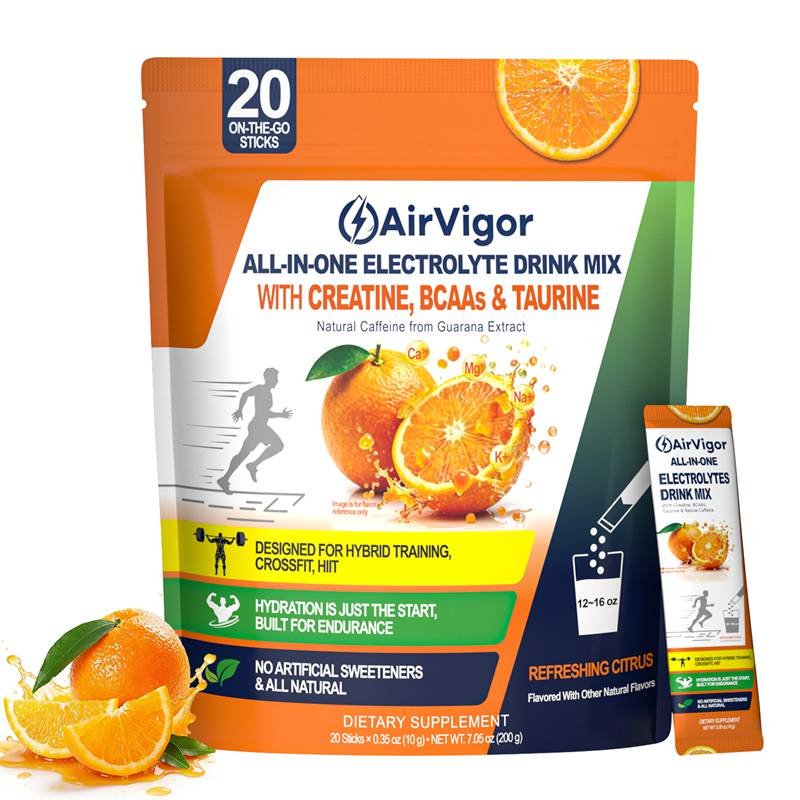
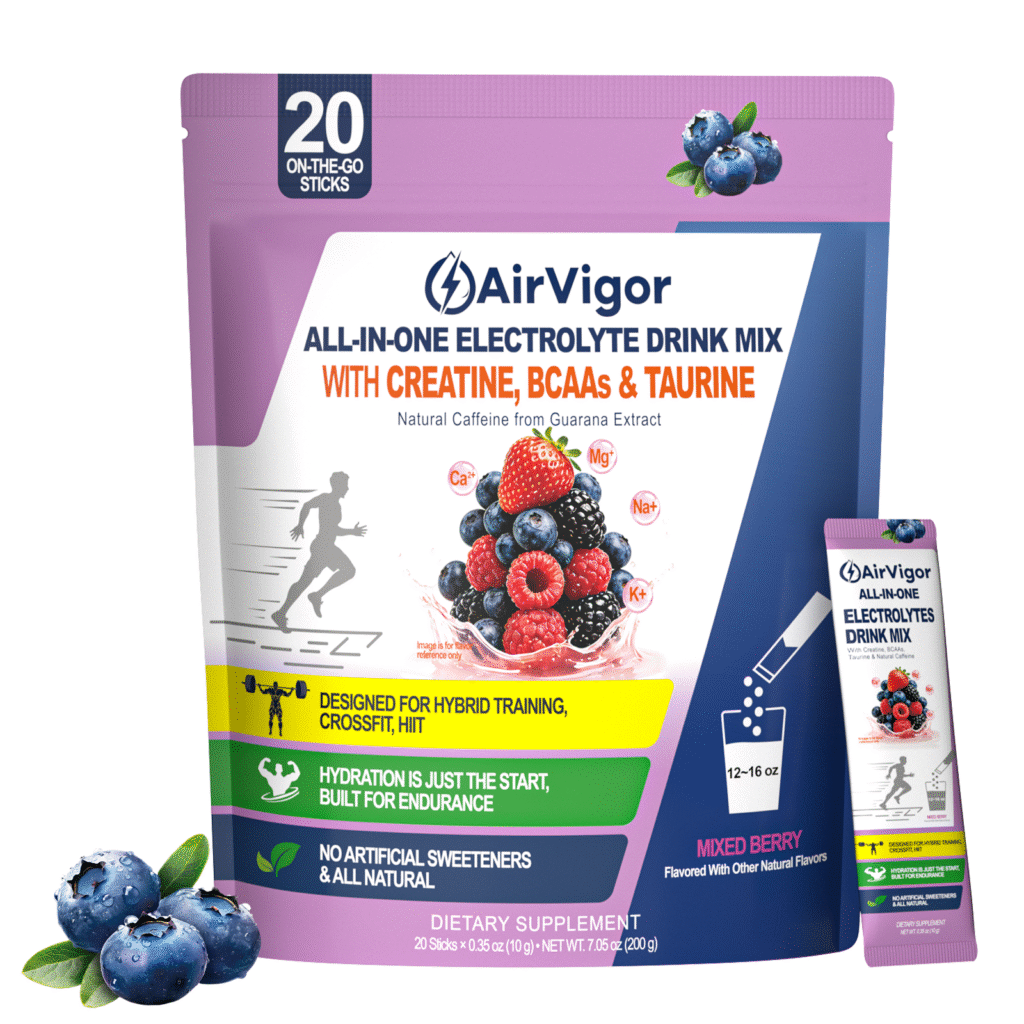
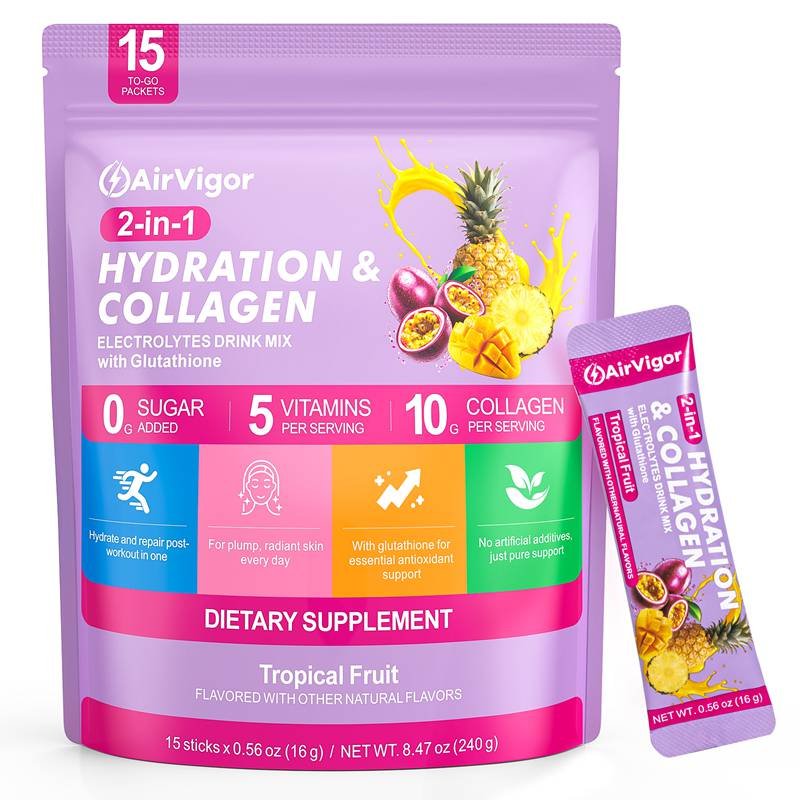
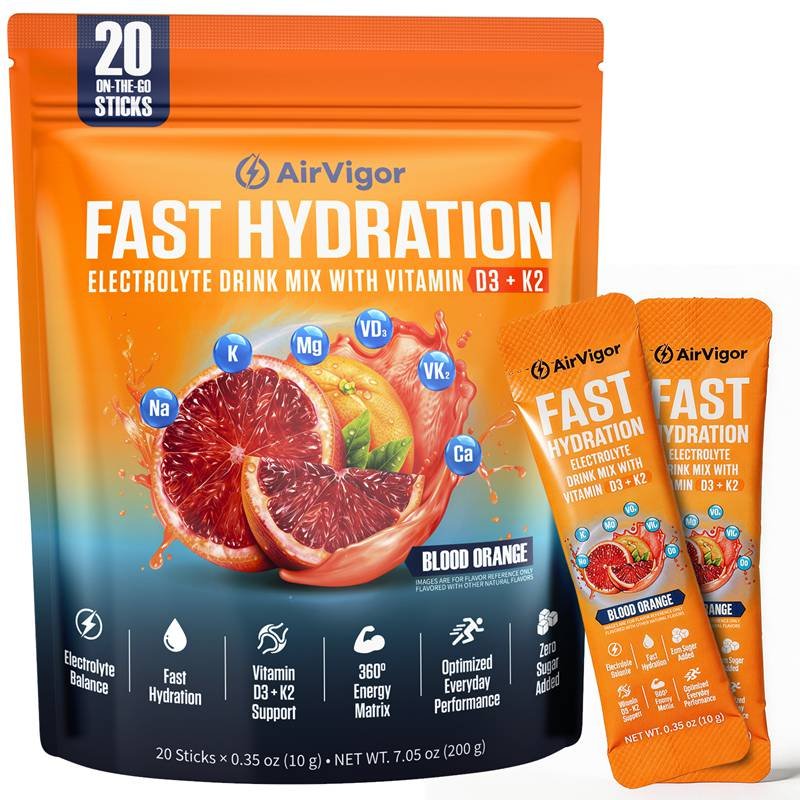
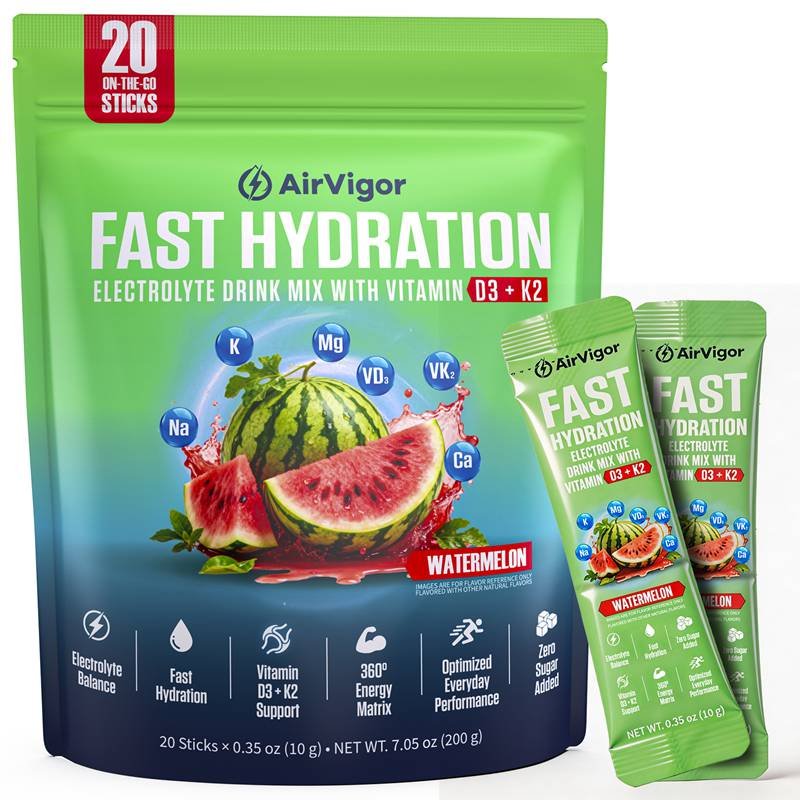
For AirVigor electrolyte powder, the packet format fits real customer behavior: workouts after work, early flights, hot walks, hotel stays, long commutes, outdoor training, and busy days where carrying a tub is unrealistic. The value is not only what is inside the formula, but also how easily the serving fits into the user’s day.
Small Jar
A small jar can work for short routines when users need only one or two servings. It is best for predictable daily use, not messy travel or humid outdoor activity.
Some customers prefer buying a larger tub and transferring a small amount into a portable container. This can work, but only if the jar is dry, airtight, clean, and clearly labeled. It should not be treated like a random storage cup. Electrolyte powder can clump when exposed to moisture, and many powders look similar once they are removed from the original package.
A small jar is most useful for a simple routine, such as home to office, office to gym, then back home. In that case, the user may only need one serving during the day. The jar can stay in a work bag or gym pouch, and the main tub can remain at home.
The weak point is serving accuracy. If the jar contains loose powder but no scoop, the user may pour too much or too little. Too much powder can make the drink taste too salty, strong, or sweet. Too little may make the drink weak and less satisfying. If the electrolyte formula includes minerals or active ingredients, following the intended serving size becomes even more important.
| Small Jar Detail | Better Practice |
|---|---|
| Container type | Use food-safe, airtight material |
| Serving amount | Carry 1–2 servings only |
| Labeling | Write product name and serving size |
| Moisture control | Keep away from wet towels and bottles |
| Cleaning | Wash and fully dry before refilling |
| Best use | Office, short gym routine, same-day use |
| Not ideal for | Flights, humid hikes, beach bags, long trips |
A jar should never be packed beside wet towels, leaking bottles, toiletries, or cold items that create condensation. If the jar opens inside the bag, the powder can spread quickly. For this reason, small jars are acceptable for short, controlled routines, while stick packs remain easier for most travel and outdoor situations.
Carry Electrolyte Powder Without Mess
Mess usually happens when powder is packed without a system. A fixed dry pocket or small pouch can prevent spills, crushed packets, clumping, and forgotten servings.
A clean carrying setup does not need to be complicated. The key is to give electrolyte powder a fixed place. When packets or containers are thrown randomly into a bag, they can get crushed, wet, or lost. When they are stored in one dry pocket every time, the routine becomes easier to repeat.
A good “hydration pocket” can be a gym bag side pocket, suitcase mesh section, laptop bag pouch, desk drawer box, or small zip organizer. The powder should be close enough to reach quickly but separated from wet or dirty items.
Good places to carry electrolyte powder include dry inner pockets, travel pouches, desk drawers, gym supplement compartments, suitcase mesh pockets, and small hiking dry bags. Poor places include shoe compartments, toiletry bags with liquids, wet towel areas, cooler pockets, and the bottom of a backpack with keys or chargers.
For customers who use electrolyte powder regularly, a simple placement routine works better than carrying everything in one bag. For example, keep the main supply at home, place five packets in the office drawer, keep two packets in the gym bag, and add three to six packets to a travel pouch before a trip. This reduces last-minute packing and makes the product available when needed.
| Carry Location | Good or Risky | Why |
|---|---|---|
| Gym bag inner zipper pocket | Good | Dry and easy to reach |
| Desk drawer | Good | Supports weekday routine |
| Suitcase mesh pocket | Good | Keeps packets visible |
| Hiking dry pouch | Good | Protects from sweat and rain |
| Shoe compartment | Risky | Dirty and may crush packets |
| Toiletry bag | Risky | Liquids may leak |
| Hot car storage | Risky | Heat can affect texture and taste |
| Bottom of backpack | Risky | Packets may tear or disappear |
For AirVigor customers, this kind of system makes daily hydration feel easier. Instead of asking, “Where did I put my powder?” the serving is already waiting in the right place: gym bag, work drawer, carry-on, or travel pouch.
Choose the Right Carry Method by Routine
The best carrying method depends on where the user drinks electrolytes most often. Gym users, travelers, office workers, and hikers do not need the same setup.
There is no single perfect way for every customer. The easiest method is the one that matches the user’s real schedule. A frequent traveler should prioritize sealed packets and a travel pouch. A home-based user may prefer a tub. A gym user may keep packets in a dry side pocket. An office worker may only need a small supply in a drawer.
The table below gives a clearer way to match the routine with the carrying method:
| User Type | Best Carry Method | How Many Servings to Keep Ready | Main Customer Concern |
|---|---|---|---|
| After-work gym user | Stick packs in gym bag | 2–3 | Forgetting powder after work |
| Office worker | Desk drawer packets | 3–5 | Long workdays and low water intake |
| Frequent flyer | Travel pouch packets | 3–10 | Security, dry cabin, hotel use |
| Outdoor hiker | Waterproof pouch packets | 1–2 per active day | Sweat, rain, heat, pack weight |
| Home user | Original tub | Main supply | Daily cost and easy access |
| Road trip user | Dry pouch with bottled water | 2–5 | Heat and car organization |
| Weekend athlete | Gym bag + car short-term backup | 2–4 | Post-training convenience |
For users who want the lowest effort, stick packs are usually the safest choice. They are easy to count, easy to store, and easy to mix. For users who want lower packaging waste or prefer large tubs at home, a hybrid routine can work: keep the tub at home and use packets only for travel, gym, and work.
This is also useful for businesses, gyms, wellness retailers, and private label partners evaluating electrolyte powder formats. Customers often judge a supplement by how easily it fits into their actual lifestyle. A strong formula matters, but so does the moment of use. If the product is hard to carry, users may not use it often enough to build loyalty.
AirVigor focuses on this connection between formula, packaging, and routine. Electrolyte powder should not only look professional on a product page. It should fit into the bag, bottle, and schedule of the person using it.
How Do You Carry Electrolyte Powder on a Plane?
You can carry electrolyte powder on a plane, but keep it sealed, labeled, dry, and easy to identify. For most flights, single-serve packets are easier than loose powder because they save space, reduce spills, and make airport security smoother.
Carry-On Bags
Carry-on bags are best for the servings you may need during the travel day. Keep packets in a dry pouch, close to your water bottle, snacks, or travel essentials.
Electrolyte powder is useful during air travel because flight days often disrupt normal drinking habits. Many travelers drink less water before boarding to avoid restroom trips. Others rely on coffee, salty airport food, or small in-flight drinks. After several hours of dry cabin air, waiting, walking, and sitting, it is common to feel thirsty, tired, heavy, or slightly off routine.
For this reason, your carry-on should hold the servings you may actually use before boarding, during a layover, or after landing. Checked luggage can hold backup supply, but it will not help when you are sitting at the gate or arriving late at night.
A simple carry-on setup:
- Keep 2–4 electrolyte packets in a small dry pouch.
- Place the pouch in a front pocket or top compartment.
- Keep packets away from toiletries, gels, lotions, and liquids.
- Carry an empty reusable bottle through security.
- Mix the powder only after passing security.
- Place extra servings in checked luggage for longer trips.
This method keeps electrolyte powder easy to reach without making your bag messy. It also avoids the common mistake of mixing powder with water too early. Once mixed, the drink becomes a liquid, so it may not pass normal checkpoint liquid limits if the bottle is full.
For AirVigor electrolyte packets, this setup works well because each serving is flat, sealed, and easy to count. A traveler can quickly pack three packets for a short trip or ten packets for a longer vacation without bringing a scoop or full tub.
| Carry-On Item | Recommended Setup | Why It Helps |
|---|---|---|
| Electrolyte packets | 2–4 packets in a dry pouch | Easy access during travel day |
| Water bottle | Empty before security, refill after | Avoids liquid restrictions |
| Extra supply | Put backup packets in suitcase | Reduces carry-on clutter |
| Travel pouch | Keep powder separate from liquids | Prevents wet packets |
| Original packaging | Use sealed packets when possible | Easier to identify |
| Large tub | Avoid in carry-on if not needed | Bulky and may need extra screening |
Through Security
Airport security is easier when electrolyte powder is sealed, labeled, and packed in one place. Avoid loose powder in random plastic bags because it can create confusion and delay.
Powder-like substances are generally allowed in carry-on bags, but larger powder amounts may need additional screening. In the U.S., powders over 12 oz / 350 mL may be placed in a separate bin for X-ray screening and may require closer inspection. Airport rules can also vary by country, airport, airline, and route, so the safer habit is to keep electrolyte powder neat and easy to identify.
Single-serve packets are usually the smoothest option because they are small, sealed, and clearly packaged. A large tub may still be allowed, but it takes more space and may draw more attention. Loose powder in a zip bag is the least convenient choice because it does not clearly show what the product is.
Better airport security habits:
- Keep electrolyte powder in original sealed packets.
- Put all packets in one dry pouch.
- Place large powder containers in checked luggage when possible.
- Avoid unlabeled plastic bags of powder.
- Do not pre-mix powder with water before the checkpoint.
- Keep the pouch easy to remove if asked.
- Carry only the amount needed for the flight day in your carry-on.
If you use multiple supplements, such as protein powder, collagen powder, creatine, greens powder, or fiber powder, do not mix them in one container. Keep each product separate and labeled. Many powders look similar once removed from their original packaging.
| Packing Style | Security Experience | Best Use |
|---|---|---|
| Sealed stick packs | Easiest to identify and organize | Carry-on travel |
| Original small pouch | Usually clear and manageable | Short trips |
| Large tub | May be bulky and need inspection | Checked luggage or long stays |
| Labeled mini jar | Acceptable if clean and sealed | Short travel routines |
| Unlabeled plastic bag | Most likely to create confusion | Avoid |
| Pre-mixed bottle | Treated as liquid | Mix after security |
For AirVigor users, sealed electrolyte packets help reduce uncertainty. The packet shows what the product is, keeps the serving contained, and makes it easier to pack the right amount without carrying a full container.
Long Travel Days
A travel day is more than the flight itself. Pack electrolyte powder based on flight time, walking distance, weather, delays, hotel timing, meals, workouts, and the first day after arrival.
Many people underpack electrolyte powder because they only count the flight. But travel often includes extra sweat and stress outside the airplane. A person may walk through large airports, carry luggage, stand in customs lines, take public transportation, wait for rideshare pickup, or arrive in a hotter climate. If the destination includes beach days, hiking, theme parks, sports events, or outdoor sightseeing, the need may increase.
Instead of asking, “How many packets do I need for the plane?” it is better to ask, “How many high-sweat or long-movement moments will this trip include?”
A simple packing method:
- For the flight day: 1–2 packets.
- For arrival day: 1 packet.
- For each workout day: 1 packet.
- For each hot outdoor day: 1 packet.
- For hiking or sports: 1 extra backup packet.
- For unexpected delays: 1 backup packet.
This method helps prevent both underpacking and overpacking. Too few servings may leave the user without support when needed. Too many servings can clutter the bag and make travel less organized.
| Trip Example | Suggested Total Packets | Why |
|---|---|---|
| 2-day business trip with no workout | 3–4 | Flight day, arrival, backup |
| 3-day conference with gym use | 5–6 | Travel + 2 workouts |
| 5-day beach vacation | 7–10 | Heat, walking, outdoor time |
| 7-day hiking trip | 10–14 | Sweat-heavy active days |
| Weekend sports tournament | 6–8 | Game days and recovery |
| International city trip | 8–12 | Flight, jet lag, walking, climate changes |
AirVigor electrolyte packets are useful for this kind of trip planning because customers can count servings clearly. They can pack by travel day, workout day, or outdoor day instead of guessing how much loose powder remains in a container.
Which Bags Help Carry Electrolyte Powder Better?
The best bags for carrying electrolyte powder have a dry, separate, easy-to-reach pocket. For most users, a gym bag, work bag, travel pouch, or hiking backpack works well when packets stay away from moisture, pressure, heat, and leaking bottles.
Gym Bag
A gym bag is one of the most useful places to carry electrolyte powder, but it needs a clean dry pocket. Keep packets away from wet towels, shoes, shaker bottles, and heavy training gear.
Most people carry electrolyte powder in a gym bag because they want it before training, during a long session, or right after sweating. The problem is that gym bags are not gentle environments. They often hold sweaty clothes, damp towels, shoes, lifting straps, resistance bands, shaker bottles, deodorant, snacks, headphones, and keys. If electrolyte powder sits loose at the bottom of the bag, the packet can get crushed, wet, or forgotten.
A better setup is to create a small “clean pocket” inside the gym bag. This does not need to be complicated. It can be a side zipper pocket, inner mesh pocket, or small pouch used only for dry items. Keep electrolyte packets in that same place every time, so the routine becomes automatic.
For regular gym users, a useful packing amount is 2–3 packets at a time. One packet can be used before or during a longer sweat-heavy workout. One can be used after training. One backup packet covers unexpected schedule changes, such as an outdoor run, a second class, or a longer-than-planned session.
Good gym bag habits:
- Keep 2–3 packets in a dry zipper pocket.
- Store packets away from wet towels and used shaker bottles.
- Keep one clean bottle or shaker available for mixing.
- Refill the gym bag supply once a week.
- Remove damaged or wet packets immediately.
This approach works especially well for HIIT, CrossFit, strength training, indoor cycling, hot yoga, sauna sessions, running, and after-work gym routines. The user does not need to bring a full tub, scoop powder in a locker room, or deal with powder dust around clothes and equipment.
| Gym Bag Area | Good or Risky | Why |
|---|---|---|
| Inner zipper pocket | Good | Dry, protected, easy to find |
| Side mesh pocket | Good if dry | Easy access before or after training |
| Small supplement pouch | Good | Keeps packets grouped and clean |
| Shoe compartment | Risky | Dirty, compressed, may damage packets |
| Wet towel area | Risky | Moisture can weaken packaging |
| Bottom of bag | Risky | Packets may tear or disappear |
| Beside shaker bottle | Risky | Leaks can cause sticky packets |
AirVigor electrolyte packets fit gym bags because each serving is flat, sealed, and already measured. A user can keep a few packets in the bag without adding bulk, then mix one with water right after training instead of waiting until they get home.
Work Bag
A work bag is ideal for people who want electrolyte powder during long office days, commutes, meetings, or after-work workouts. Keep one or two packets near your bottle, lunch bag, or desk essentials.
Many customers do not think of electrolyte powder as a workday item, but it can fit naturally into a busy routine. Office days often include coffee, long meetings, dry indoor air, skipped water breaks, irregular meals, and a commute before or after work. Some people also go straight from the office to the gym, which makes the work bag an important bridge between daily life and training.
The best place to carry electrolyte powder in a work bag is close to the water bottle, lunch container, or small wellness pouch. If the packet is buried under chargers, notebooks, receipts, and laptop accessories, it is easy to forget. If it sits near hand cream, sauce packets, or other liquids, it may get messy. Visibility and dryness matter.
For office users, 1–2 packets in the work bag is usually enough for daily carry. A desk drawer can hold a larger weekly supply, such as 3–5 packets. This setup helps users avoid the “I forgot it at home” problem. It also makes the product easier to use during predictable moments, such as after lunch, before commuting, or before an evening workout.
A simple workday setup:
- Keep 1 packet in the laptop bag for daily backup.
- Keep 3–5 packets in a desk drawer for the workweek.
- Store packets near your bottle, not under electronics.
- Use a small dry pouch if your bag has no separate pocket.
- Replace packets after travel, heat exposure, or bag spills.
A work bag setup is also useful for people who do not want to open large supplement containers in public. A sealed packet looks cleaner and more organized than a tub, jar, or unlabeled powder container. It is also easier to use in a shared office kitchen, coworking space, airport lounge, or conference room.
| Work Bag Location | Best Use | Main Benefit |
|---|---|---|
| Laptop side pocket | Daily backup packet | Easy to find during commute |
| Lunch bag dry section | Midday hydration | Keeps packet near water or food |
| Small pouch | Supplements and tea packets | Cleaner organization |
| Desk drawer | Weekly supply | Reduces daily packing |
| Gym clothes pocket | After-work training | Ready before workout |
| Main bag bottom | Not recommended | Easy to forget or crush |
| Toiletry pocket | Not recommended | Liquids may leak |
For AirVigor customers, work bag carry is useful because electrolyte powder is not only for intense training. It can also support people with long schedules, frequent meetings, business travel, and after-work fitness plans. A few packets placed in the right pocket can make hydration feel easier without adding another bulky item to the day.
Travel Pouch
A travel pouch is one of the cleanest ways to carry electrolyte powder for flights, hotels, road trips, cruises, conferences, and vacations. It keeps packets grouped, counted, dry, and easy to move between bags.
Travel is where small items get lost quickly. A few electrolyte packets may end up in a suitcase pocket, carry-on pocket, toiletry kit, gym bag, and backpack all at once. By the third day, the user may not know how many servings are left. A travel pouch solves this by creating one clear place for hydration packets.
The pouch should be slim, dry, and separate from liquids. It can hold electrolyte packets, tea bags, collagen sticks, vitamins, small snacks, or other dry items, but it should not sit with shampoo, sunscreen, lotion, or wet swimwear. For longer trips, users can count servings before leaving home and check remaining packets during the trip.
For most travel, the amount depends on the trip type:
| Trip Type | Suggested Packets | Packing Logic |
|---|---|---|
| 1-night business trip | 2–3 | Travel day, arrival, backup |
| 2–3 day work trip | 3–5 | Flight, meetings, commute, backup |
| 3-day gym weekend | 4–6 | Travel + training sessions |
| 5-day vacation | 6–10 | Walking, heat, hotel use |
| 7-day hot-weather trip | 10–14 | Daily outdoor activity + backup |
| Hiking weekend | 1–2 per active day | Sweat, trail length, heat |
| Sports tournament | 1 per game or training day + backup | Recovery and sweat support |
A pouch also works well after arrival. The user can keep the main pouch in the suitcase and move 1–2 packets into a day bag before leaving the hotel. This avoids carrying every serving at once while still keeping a packet available when walking, training, sightseeing, or spending time outside.
Travel pouch tips:
- Keep travel-day packets in your carry-on.
- Store backup packets in your suitcase.
- Keep the pouch away from toiletries and liquids.
- Move 1–2 packets into a day bag after arrival.
- Count packets before leaving and before returning.
AirVigor electrolyte packets work well in a travel pouch because they are slim and easy to count. Instead of guessing how many servings are in a small jar or tub, travelers can pack by day, activity, or climate.
图
How Should You Store Electrolyte Powder?
Electrolyte powder should be stored in a cool, dry place with the package sealed until use. Keep it away from moisture, heat, direct sunlight, wet towels, leaking bottles, humid bathrooms, and long-term car storage to protect texture, flavor, and mixability.
Store Electrolyte Powder Away From Moisture
Moisture is the biggest reason electrolyte powder clumps, sticks, or becomes harder to mix. Keep packets and containers away from wet towels, leaking bottles, coolers, bathrooms, and damp hands.
Most customers notice storage problems only after the powder changes texture. The powder may become sticky around the opening, form small clumps, harden near the bottom of a jar, or leave residue on the scoop. In many cases, the issue is not the formula itself. It is moisture exposure during daily use.
Electrolyte powder often contains minerals, flavoring ingredients, acids, sweeteners, and sometimes amino acids, creatine, vitamins, or botanical extracts. Many powder ingredients can react to humidity because powder has a large surface area. Once moisture gets into a tub, jar, or damaged packet, the texture may change quickly.
Single-serve packets reduce this problem because each serving stays sealed until use. A tub is more exposed because it opens again and again. A small jar can also work, but only if it is completely dry before refilling.
Good moisture-control habits:
- Keep the main supply in a pantry, cabinet, or dry drawer.
- Close tubs or pouches immediately after each use.
- Never use a wet scoop, wet spoon, or damp hand.
- Keep packets away from wet towels, swimsuits, and shaker bottles.
- Do not store powder in bathrooms or near sinks.
- Use a waterproof pouch for hiking, beach days, hot yoga, and humid travel.
Bathrooms are one of the most common storage mistakes. It may feel convenient to keep supplements next to skincare or toothpaste, but shower steam creates humidity. A bathroom shelf is usually not a good place for electrolyte powder, especially if the product is opened often.
The same issue happens in gym bags. A sealed packet may look safe, but if it sits for days beside a wet towel or leaking bottle, the outside packaging can become sticky or damaged. If the seal weakens, powder may clump before the user opens it.
| Moisture Source | What Can Happen | Better Storage Choice |
|---|---|---|
| Bathroom steam | Powder may clump faster after opening | Pantry, closet, desk drawer |
| Wet gym towel | Packet exterior may become damp or sticky | Inner dry zipper pocket |
| Leaking shaker bottle | Packet may get wet or tear | Separate supplement pouch |
| Cooler condensation | Moisture may collect around packets | Waterproof dry pouch |
| Wet scoop or spoon | Powder inside tub may harden | Use only dry utensils |
| Humid hotel bathroom | Powder may absorb moisture overnight | Store in suitcase mesh pocket |
| Beach bag | Wet towels and sand may damage packets | Small sealed dry pouch |
For AirVigor electrolyte powder, packet-based carrying helps users avoid repeated air exposure. Each serving remains sealed until mixing, which is useful for gym bags, office drawers, flights, hiking packs, and humid travel destinations. The user opens only what they need instead of exposing the full supply every time.
Store Electrolyte Powder Away From Heat
Heat can affect the way electrolyte powder tastes, pours, and stores. Avoid leaving packets or tubs in hot cars, sunny windows, garages, beach bags, or outdoor packs for long periods.
Many customers keep backup supplements in the car because it feels convenient. One packet in a bag for a short drive is usually not the main issue. The bigger problem is long-term heat exposure. A parked car can become very hot, especially during summer or in warm states such as California, Arizona, Texas, Florida, Nevada, and Georgia.
Heat may not always make electrolyte powder unsafe immediately, but it can hurt the user experience. The powder may feel more compact, the flavor may taste less fresh, or the packet may feel softer from heat exposure. If the powder moves between hot and cool environments, condensation can also become a problem.
Long-term heat exposure is especially risky for users who keep:
- A full tub in the car trunk
- Packets in a glove box for weeks
- Powder in a garage during summer
- Packets in an outdoor backpack under direct sun
- A supplement pouch inside a beach tote all day
- A tub near a kitchen stove or sunny window
The better habit is to carry only what is needed for that day, then store the main supply somewhere cool and dry. If someone wants a backup packet in a car, it should be short-term and replaced often, not treated as permanent storage.
| Storage Place | Heat Risk | Better Habit |
|---|---|---|
| Pantry cabinet | Low | Best for main supply |
| Desk drawer | Low | Good for weekly packets |
| Gym bag indoors | Low to medium | Fine for short-term carry |
| Car glove box | High | Use only short-term backup |
| Car trunk | High | Avoid storing tubs or bulk packets |
| Garage shelf | High in summer | Move indoors |
| Sunny window | Medium to high | Use shaded cabinet |
| Beach tote | High | Keep packets shaded and dry |
For outdoor users, the goal is shaded, dry storage. During hiking, keep packets inside the backpack rather than in an outer sun-exposed pocket. At the beach, place packets inside a small dry pouch, not beside wet towels or ice packs. During road trips, keep packets in a travel pouch inside the cabin, not in the trunk.
AirVigor electrolyte packets make this easier because users can pack fresh servings before each activity instead of leaving a large container in unstable conditions. A few packets can go into a gym bag, carry-on, hiking pouch, or work drawer while the main supply stays protected at home.
Store Electrolyte Powder in the Right Daily Spots
The best storage spots are dry, easy to remember, and close to where you drink water. Good locations include a pantry, desk drawer, gym bag dry pocket, suitcase mesh pocket, and travel pouch.
Storage is not only about protecting the powder. It is also about making the routine easy enough to follow. If electrolyte powder is stored in a perfect location but too far from daily use, it may be forgotten. If it is stored in a convenient but risky place, such as a bathroom or hot car, quality may suffer.
A good storage plan usually has two layers: The main supply stays at home in a cool, dry place. A few sealed servings stay in the places where the user actually needs them.
For example, a customer may keep the main AirVigor package in a pantry, five packets in a desk drawer, two packets in a gym bag, and several packets in a travel pouch before a trip. This setup makes the powder easy to access without exposing the full supply to moisture, heat, or bag damage.
A practical daily storage plan:
- Main supply: pantry, cabinet, or dry shelf.
- Work routine: 3–5 packets in a desk drawer.
- Gym routine: 2–3 packets in a dry gym pocket.
- Travel routine: 3–10 packets in a travel pouch.
- Hiking routine: 1–2 packets per active day in a waterproof pouch.
- Road trip routine: 2–3 packets in a dry pouch, not stored long-term in the car.
This kind of system also helps users track inventory. If the desk drawer holds five packets every Monday, it is easy to see when supplies are running low. If the gym bag always holds two packets, the user can refill after the weekend. Small routines make repeat use easier.
| Daily Location | Suggested Amount | Best For | Storage Note |
|---|---|---|---|
| Pantry or cabinet | Main supply | Home use | Keep sealed and dry |
| Desk drawer | 3–5 packets | Workweek hydration | Keep away from food spills |
| Gym bag dry pocket | 2–3 packets | Training days | Replace weekly if bag gets damp |
| Carry-on pouch | 2–4 packets | Flight day | Keep separate from liquids |
| Suitcase mesh pocket | 5–10 packets | Multi-day trips | Avoid toiletries |
| Hiking dry bag | 1–2 per active day | Trails and outdoor heat | Protect from rain and sweat |
| Car organizer | 1–2 short-term only | Emergency backup | Do not store for weeks in heat |
Store Electrolyte Powder After Opening
Once electrolyte powder is opened, storage matters even more. Close the package quickly, keep the scoop dry, avoid steam, and do not transfer powder unless the new container is clean and airtight.
Opened tubs or pouches need more care than sealed packets. Every time a container opens, air and humidity can enter. This is normal, but poor habits make the problem worse. Leaving the lid open while making breakfast, storing the tub near a sink, using a damp scoop, or refilling a jar before it is fully dry can all affect the powder faster.
For opened tubs, the best approach is simple: open, scoop, close. Do not leave the product open while filling bottles, answering messages, cooking, or rinsing a shaker. Keep the scoop inside only if it stays dry. If powder sticks to the scoop, clean and fully dry it before putting it back.
If transferring powder into a smaller container, make sure the container is:
- Clean
- Completely dry
- Food-safe
- Airtight
- Clearly labeled
- Filled with only a small amount
- Used within a short routine
Do not mix new powder with old residue inside a jar. Residue can hold moisture, flavor, or odor. Wash the jar, dry it fully, then refill.
| Opened Product Habit | Good or Risky | Why |
|---|---|---|
| Open, scoop, close quickly | Good | Limits air and humidity exposure |
| Using a dry scoop | Good | Helps prevent clumping |
| Storing near sink | Risky | Steam and splashes may affect powder |
| Leaving lid open | Risky | Increases moisture exposure |
| Refilling a damp jar | Risky | Can cause clumping quickly |
| Keeping tub in pantry | Good | Stable daily storage |
| Keeping tub in bathroom | Risky | Humidity changes often |
| Using sealed packets outside home | Good | Reduces handling and exposure |
For customers who use electrolyte powder daily, combining tubs and packets can work well. The tub stays at home for routine mixing, while packets handle gym, office, travel, and outdoor use. AirVigor’s portable packet format supports that real-life split: the main supply stays protected, and the daily serving goes where the user needs it.

How Do You Use Electrolyte Powder Outside?
To use electrolyte powder outside, carry one sealed serving and a clean water bottle. Mix it only when you are ready to drink, follow the label’s water amount, and use it around sweating, heat, travel, workouts, hiking, or long busy days.
Use Electrolyte Powder With a Clean Bottle
A clean bottle makes electrolyte powder easier to use outside the home. Without a bottle, even a perfectly packed packet may stay unused in your bag all day.
The most common outside-use problem is not forgetting the powder. It is forgetting the water setup. A user may have an electrolyte packet in a gym bag, purse, hiking backpack, or carry-on, but if there is no clean bottle nearby, the routine becomes inconvenient. They may delay mixing it, buy a sugary drink instead, or skip hydration until they get home.
A good bottle does not need to be expensive. It needs to be clean, easy to fill, easy to shake or stir, and large enough for the recommended water amount. Many electrolyte powders are mixed with about 12–24 oz of water, but the correct amount should always follow the product label. Too little water can make the drink taste overly salty, sweet, or concentrated. Too much water can make the flavor feel weak and less satisfying.
Different outside scenes need different bottle choices. A shaker bottle may work best for the gym because it mixes quickly. A slim reusable bottle may work better for flights because it can pass through security empty and be refilled after screening. For hiking, a larger bottle or hydration bladder may be better, depending on trail length and water access. For office use, a clear desk bottle helps remind people to drink before the day gets too busy.
A practical bottle plan:
- For gym: use a 20–28 oz shaker or sports bottle.
- For office: keep a 20–32 oz bottle near your desk.
- For flights: carry an empty bottle through security and refill after.
- For hiking: match bottle size to trail length, heat, and refill points.
- For road trips: keep bottled water and packets in the same dry pouch.
- For hotels: use bottled water or a clean reusable bottle, not a bathroom cup if cleanliness is uncertain.
| Outside Scene | Best Bottle Choice | Suggested Setup | Customer Concern Solved |
|---|---|---|---|
| Gym workout | 20–28 oz shaker bottle | Packet in dry gym pocket | Fast mixing after sweating |
| Office day | 20–32 oz desk bottle | Packet in drawer or work bag | Easier weekday hydration |
| Long flight | Empty reusable bottle | Refill after security | Avoids liquid restrictions |
| Hiking | Large bottle or hydration bladder | Packets in dry pouch | Supports longer outdoor activity |
| Road trip | Bottled water or sports bottle | Packets in travel pouch | Easy use at stops or hotels |
| Hotel stay | Bottled water | Packets in suitcase pouch | Cleaner than mixing near sinks |
| Outdoor event | Insulated bottle | Packet in day bag | Helps during heat and walking |
Timing also matters. The best moment to mix is usually when the user is ready to drink, not hours earlier. Once mixed, the drink may become warm, lose freshness, or sit in a bottle too long. For flights, mix after security. For workouts, mix before class or immediately after training. For hiking, mix at a rest point or before a long stretch without water access.
AirVigor electrolyte packets work well with this bottle-based routine because the serving is already measured. The user does not need a scoop, tub, or kitchen counter. One packet plus one bottle is enough for a gym session, travel day, hotel morning, work break, or outdoor plan.
Use Electrolyte Powder Around Sweat and Heat
Electrolyte powder is most useful outside when the day involves sweating, heat, long movement, or disrupted hydration. Pack it before workouts, hot walks, hiking, outdoor work, travel days, and post-exercise recovery.
Not every day needs the same electrolyte routine. A short walk in mild weather is different from a 90-minute cycling session, a humid outdoor job, a summer theme park day, or a long airport travel day. The smarter approach is to carry electrolyte powder when the body is more likely to lose fluids and minerals through sweat or when drinking habits become irregular.
Users often wait until they feel thirsty or drained before thinking about electrolytes. A better habit is to pack one serving before the situation starts. This is especially useful for people who already know they sweat heavily, train hard, work outdoors, walk a lot during travel, or feel flat after hot weather activity.
Common outside-use moments include:
- Before a long run, cycling session, or outdoor workout.
- After HIIT, CrossFit, strength training, hot yoga, or sauna use.
- During hiking, camping, beach days, festivals, or theme parks.
- On long travel days with flights, layovers, airport walking, and delays.
- During hot workdays for delivery drivers, warehouse staff, event crews, or outdoor workers.
- After heavy sweating when plain water does not feel satisfying.
- When travel, meetings, or commuting make normal water intake inconsistent.
The amount to carry should match the day. For a normal gym session, 1–2 packets may be enough. For a hot-weather vacation day, 1 packet plus 1 backup may be more realistic. For hiking or sports tournaments, users may need to plan by activity length and water access.
| Activity Scene | Suggested Packets | When to Use | Practical Note |
|---|---|---|---|
| 45–60 min gym session | 1 packet | After training or before sweating | Keep in gym bag dry pocket |
| HIIT or CrossFit | 1–2 packets | Before or after class | Useful for heavy sweat sessions |
| Hot yoga or sauna | 1 packet | After class or sauna | Keep away from wet towel |
| 2–4 hour hike | 1–2 packets | Before trail or during break | Carry enough water |
| Beach or theme park day | 1–2 packets | Midday or after sweating | Store in shaded pouch |
| Long flight day | 2–3 packets | After security, landing, backup | Carry empty bottle |
| Outdoor work shift | 1–3 packets | Based on heat and sweat | Follow label serving directions |
| Sports tournament | 1 per event + backup | Between games or after activity | Plan by schedule |
Use should stay realistic. More powder is not automatically better. Electrolyte products are meant to be used according to their directions, with enough water, and in the right setting. Users should not keep adding powder just because the drink tastes light or because the day feels tiring. If a formula includes caffeine, creatine, amino acids, magnesium, or other active ingredients, serving control becomes even more important.
AirVigor’s portable packet format helps users plan by scene instead of guessing. A customer can pack one packet for the gym, two for a hot outdoor day, or several for a weekend trip. That makes outside use more predictable, cleaner, and easier to repeat.
Use Electrolyte Powder After Exercise
After exercise is one of the easiest times to use electrolyte powder because the need is clear. Keep one packet in your bag so you can mix it before leaving the gym, trail, court, or studio.
Many people intend to rehydrate after exercise but delay it until they get home. Then the routine gets interrupted by driving, errands, calls, family tasks, dinner, or work. By the time they remember, the best timing has passed, or they choose whatever drink is closest.
Keeping one packet in the right place fixes that problem. The user can mix it right after training, drink slowly, and move into the next part of the day without needing a full supplement setup.
This is especially helpful after:
- Heavy sweating during cardio or intervals.
- Long strength sessions in warm gyms.
- Spin class, hot yoga, or sauna use.
- Outdoor running, hiking, tennis, or cycling.
- Back-to-back training sessions.
- Workouts before commuting or returning to work.
For post-exercise use, the bottle should be clean and ready. A dirty shaker can make the drink taste unpleasant, especially if it previously held protein, pre-workout, or coffee. A fresh bottle improves the experience and makes users more likely to repeat the habit.
A useful post-exercise setup:
| Post-Exercise Item | Recommended Setup | Why It Helps |
|---|---|---|
| Electrolyte packet | 1 packet in dry gym pocket | Ready immediately after sweating |
| Water bottle | Clean 20–28 oz bottle | Easier mixing and drinking |
| Backup packet | 1 extra in bag | Covers unexpected longer sessions |
| Storage pouch | Separate from towels | Protects packet from moisture |
| Timing | Mix before leaving | Prevents forgetting at home |
| Routine | Refill weekly | Keeps bag ready |
For AirVigor customers, this is one of the strongest everyday use cases. The product does not need to stay in the kitchen. It can stay in the gym bag, work bag, travel pouch, or hiking pack, ready for the moment the user actually needs hydration support. That small shift makes electrolyte powder easier to use consistently.
What Mistakes Should You Avoid?
The biggest mistakes are carrying loose powder, using unlabeled containers, storing powder near moisture or heat, packing too much, and forgetting a bottle. A good routine keeps every serving sealed, dry, easy to identify, easy to count, and ready to mix.
Do Not Carry Electrolyte Powder Loose
Loose powder may save a little space, but it creates the highest risk of spills, clumping, poor serving control, and travel confusion. Sealed packets or labeled airtight containers are safer.
Loose powder is the mistake many users make when they want to “pack light.” They scoop electrolyte powder from a tub into a plastic bag, small pouch, pill case, or random container. It may look convenient for a few minutes, but it often becomes annoying later. Powder can leak into bag seams, stick to keys or chargers, spill inside luggage, or absorb moisture from the air.
The bigger issue is serving accuracy. Once powder leaves the original container, it becomes harder to know whether the amount is one serving, half a serving, or more than one serving. This matters because electrolyte powders are not just flavor powders. They may contain sodium, potassium, magnesium, calcium, creatine, amino acids, caffeine, vitamins, or other active ingredients. Using too much can make the drink taste too salty, sweet, or strong. Using too little may make the drink weak and less satisfying.
Loose powder can also create awkward travel moments. Many powders look similar after being removed from their packaging. Electrolyte powder, creatine, protein powder, collagen, fiber, greens powder, and pre-workout powder may all look like plain white or light-colored powder in a small bag. At the airport, gym, hotel, or office, that can create unnecessary confusion.
Better ways to carry electrolyte powder:
- Use sealed stick packs for travel, gym, office, and outdoor use.
- Keep the original tub at home for kitchen or pantry routines.
- Use a small airtight jar only for same-day or short daily use.
- Label any transferred powder with product name and serving amount.
- Avoid sandwich bags, thin plastic bags, and open-top containers.
- Do not mix different powder supplements in one container.
| Loose Powder Problem | What Customers Notice | Better Choice |
|---|---|---|
| Spills in bag | Powder dust inside pockets, zippers, and seams | Sealed stick pack |
| Moisture exposure | Clumps, sticky powder, uneven texture | Airtight container or packet |
| Unclear serving | Drink tastes too strong or too weak | Pre-measured packet |
| Travel confusion | Powder is harder to identify | Original packaging |
| Poor hygiene | Powder touches container edges or hands | Sealed single serving |
| Bag odor transfer | Powder may absorb smells from gym or food items | Separate dry pouch |
For people who use electrolyte powder outside the home, packets are usually the lowest-risk format. AirVigor electrolyte packets keep each serving sealed until mixing, which helps users avoid scooping powder in locker rooms, hotel rooms, airports, or outdoor settings.
Do Not Store Electrolyte Powder in the Wrong Place
Moisture, heat, pressure, and poor labeling can ruin the carrying experience. Keep electrolyte powder away from wet towels, leaking bottles, hot cars, bathrooms, toiletries, and heavy items that may crush packets.
Storage mistakes often look small at first. A packet sits next to a damp towel. A jar stays in a hot car. A tub is left near the kitchen sink. A packet is placed inside a toiletry bag beside shampoo. Nothing seems wrong immediately, but over time the powder may clump, the packet may weaken, or the drink may not taste as fresh.
Moisture is the biggest problem for texture. Electrolyte powder can become sticky or lumpy if it is exposed to humidity, wet hands, leaking bottles, or cooler condensation. Heat is another issue. A parked car, garage shelf, sunny window, or outdoor backpack can become too warm for long-term storage. Pressure also matters. Packets crushed under shoes, books, gym gear, or chargers may tear at the seams.
Unlabeled containers create another common problem. If users transfer powder into a small jar, the jar should be labeled clearly. Otherwise, it may be confused with other supplements or become difficult to explain during travel.
Common storage mistakes to avoid:
- Do not keep packets beside wet towels, swimsuits, or used gym clothes.
- Do not store tubs or packets in a hot car for days or weeks.
- Do not place powder inside a toiletry bag with liquids.
- Do not keep opened powder in a bathroom cabinet.
- Do not crush packets under shoes, books, or training gear.
- Do not use unlabeled jars for flights, gyms, or shared spaces.
- Do not mix powder before airport security.
| Mistake | Why It Causes Problems | Better Habit |
|---|---|---|
| Packet beside wet towel | Moisture may weaken packaging | Use dry gym pocket |
| Tub in hot car | Heat can affect texture and flavor | Store main supply indoors |
| Powder in bathroom | Steam can increase clumping risk | Use pantry or desk drawer |
| Packet with toiletries | Lotion or shampoo may leak | Use separate dry pouch |
| Unlabeled jar | Hard to identify during travel | Label product and serving size |
| Packet under shoes | Packet may tear or flatten | Store in inner zipper pocket |
| Too many packets loose in bag | Hard to count and organize | Use travel pouch |
| No bottle packed | Powder cannot be used when needed | Pair packet with clean bottle |
A simple carrying routine can prevent most of these problems. Keep the main supply in a cool, dry place at home. Put a few sealed servings in predictable locations: two in the gym bag, three to five in the desk drawer, several in a travel pouch, and one or two in a hiking dry bag before outdoor plans. This keeps the powder available without exposing the full supply to rough conditions.
AirVigor electrolyte powder is easier to manage in this kind of routine because packets can be divided across different bags without opening the product. The user can count servings, protect them from moisture, and mix only when ready to drink.
Do Not Pack Electrolyte Powder Without a Plan
Packing too much, too little, or forgetting a clean bottle can make electrolyte powder harder to use. Count servings by trip length, workout schedule, weather, and sweat level.
Many users pack electrolyte powder randomly. They grab a handful of packets, throw them into a bag, and hope it is enough. Others carry a whole tub for a short trip because they do not know how many servings they need. Both habits create problems. Too little powder means the user may run out during the moments they need it most. Too much powder adds clutter, takes up space, and makes the bag less organized.
A better method is to pack by use scene. Count the number of travel days, workout days, hot outdoor days, hiking days, or sports events. Then add one or two backup servings if the schedule is unpredictable.
Simple packing examples:
| Routine | Suggested Amount | Why |
|---|---|---|
| Normal gym day | 1–2 packets | One for training, one backup |
| Work bag | 1 daily packet | Easy hydration during long days |
| Desk drawer | 3–5 packets | Covers a standard workweek |
| 2-day business trip | 3–4 packets | Flight day, arrival, backup |
| 5-day vacation | 6–10 packets | Walking, heat, travel, backup |
| 7-day hot-weather trip | 10–14 packets | Daily sweating plus extra servings |
| Hiking day | 1–2 packets | Based on trail length and heat |
| Sports tournament | 1 per event + backup | Supports game-day planning |
The bottle is part of the plan too. Powder without water is just extra weight. A clean bottle, shaker, or refillable travel bottle should be packed with the powder whenever possible. For flights, carry the bottle empty through security and refill after. For gym use, keep a clean shaker ready. For hiking, make sure water access matches the number of packets packed.
Good planning habits:
- Count servings before leaving home.
- Pack by activity, not by guesswork.
- Keep flight-day servings in the carry-on.
- Store backup servings in the suitcase.
- Keep gym packets in a dry pocket.
- Pair packets with a clean bottle.
- Refill bag supplies weekly.
This keeps the routine light, useful, and easy to repeat. AirVigor electrolyte packets help with planning because every packet equals one clear serving. Customers can pack by day, workout, or travel scene without opening a tub or estimating how much powder remains.

Conclusion
The best way to carry electrolyte powder is to keep it sealed, dry, labeled, and easy to mix. Stick packs are the most convenient choice for travel, gym bags, workdays, hiking, and hot-weather routines because they reduce spills, protect serving size, and fit naturally into daily bags.
AirVigor electrolyte powder is built for customers who want hydration support that fits real life, not just a kitchen shelf. Whether you need ready-to-use branded products or custom electrolyte powder development for your own market, AirVigor can support product ordering, sample requests, formula discussion, packaging options, and bulk cooperation.
Share:
Contact Expert Team
At AirVigor, performance becomes effortless. We transform advanced nutrition science into clean, effective supplements that help you hydrate, recover, and feel stronger every day. Shop AirVigor Supplements on Amazon and experience athlete-trusted formulas—backed by real science and supported by our world-class R&D and production capabilities.
Trust AirVigor
At AirVigor, turning your performance goals into reality is no longer a struggle—it’s a science-driven journey we build together. Whether you’re a runner, lifter, cyclist, yogi, outdoor athlete, or someone simply seeking better daily energy, AirVigor transforms advanced nutrition research into clean, effective, and trustworthy supplements you can feel.
Backed by our U.S. scientific team, global certifications, and world-class production standards, every formula is engineered to deliver real hydration, real recovery, and real performance. And when you’re ready to experience the difference, you’ll find AirVigor products available on Amazon and other major platforms—fast shipping, consistent quality, and a community of athletes already seeing results.
Behind the scenes, our R&D and manufacturing ecosystem also supports specialized formulation development, ensuring AirVigor continues to lead with innovation while keeping quality and safety uncompromised. But at the core, everything we create is built for you—your health, your performance, your momentum.
Choose AirVigor. Feel the science. Elevate your every day.


Subscribe to our newsletter
Sign up to our newsletter and we’ll keep you up to date with the latest arrivals.