Skip to content

Travel changes hydration in ways people often underestimate. A trip can look relaxing on paper and still leave the body feeling flat, dry, heavy, and under-hydrated. Airports mean long hours without a normal routine. Hot destinations mean more sweating than expected. Stomach issues can drain both water and minerals quickly. Even sightseeing can turn into a full day of walking, sun, and delayed meals. That is why electrolytes have moved beyond the gym bag and into carry-ons, backpacks, and hotel rooms. CDC travel guidance points most clearly to heat strain and traveler’s diarrhea as situations where stronger rehydration support can matter, while the Cleveland Clinic also notes that oral rehydration solutions and certain sports drinks can help with hydration during traveler’s diarrhea.
You can drink electrolytes while traveling, and sometimes it makes very good sense. But they are not something every traveler automatically needs on every trip. For many normal travel days, water is still enough. Electrolytes become more useful when travel includes heat, heavy sweating, diarrhea, vomiting, or a long, draining routine that makes hydration harder than usual.
That difference matters because travelers are not really asking whether electrolytes are “good” or “bad.” They are asking a more practical question: When is water enough, and when is a stronger hydration tool worth bringing along? Once you frame the topic that way, the category becomes much easier to understand. It stops being about hype and starts being about context, timing, and whether the trip puts more strain on hydration than an ordinary day at home.
What Do Electrolytes Do While Traveling?
Electrolytes do the same basic job while traveling that they do anywhere else: they help regulate fluid balance and support muscle and nerve function. The difference is not what electrolytes do. The difference is that travel often creates more opportunities for dehydration, delayed drinking, heavy sweating, or fluid loss, which can make them more useful than usual.
What do electrolytes do in the body?
Electrolytes are minerals that help the body manage fluid and support normal physical function. Harvard’s Nutrition Source explains that electrolyte beverages are designed to help rebalance mineral and fluid levels, and CDC travel guidance on heat illness discusses oral fluids containing glucose and salt because the body can lose both fluid and salt under strain. That is why electrolytes matter in travel settings, too. They are not “sports-only” ingredients. They are part of the body’s basic hydration system.
From a traveler’s perspective, that matters because hydration is not only about drinking something. It is about whether the body can actually rebalance well enough to keep moving, thinking clearly, and feeling physically stable. A long day in the heat, a stomach bug, or a draining travel schedule can put more pressure on that system than people expect. In those moments, electrolytes can feel more helpful because they are addressing fluid plus mineral balance, not only thirst.
A simple travel-hydration map makes this easier to see:
| Travel situation | What the body is dealing with | Why electrolytes may matter |
|---|---|---|
| Normal sightseeing day | Ordinary fluid use | Water is often enough |
| Hot outdoor day | Fluid loss plus sweating | Electrolytes may help more |
| Traveler’s diarrhea | Fluid and mineral loss together | Electrolytes matter more |
| Long draining travel day | Delayed drinking and routine disruption | A balanced formula may feel more supportive |
The point is not that every traveler needs electrolytes. The point is that some travel situations create more than an ordinary hydration problem.
How can travel make hydration feel harder?
Travel disrupts routines in ways people do not always notice until they already feel off. A person may drink less on a flight, walk more than expected in a new city, spend hours in the sun, eat at unusual times, or ignore early thirst because the day is busy. None of that requires formal exercise, but it can still make hydration feel harder to manage. CDC’s travel guidance on heat illness and traveler’s diarrhea both point to exactly this broader idea: the issue is not whether you worked out, but whether the trip is creating fluid strain.
That is why travel hydration often feels different from home hydration. At home, people usually have normal access to water, meals, shade, and routine. On the road, those systems break down. The customer is often not thinking, “I lost electrolytes.” They are thinking, “Why do I already feel depleted?” That is exactly where a more travel-aware hydration product can become relevant. It is not about making every travel moment sound medically serious. It is about recognizing that travel can quietly stack small hydration problems into one bigger one.
Why can electrolytes feel more helpful than water on some trips?
Electrolytes can feel more helpful than water when the trip includes more than plain thirst. CDC’s Yellow Book says oral water or fluids containing glucose and salt are useful in heat illness, and it recommends oral rehydration solution for severe fluid loss from traveler’s diarrhea. Cleveland Clinic also notes that bottled water, certain sports drinks, and over-the-counter oral rehydration solutions can help during traveler’s diarrhea. That is a strong indication that, in the right setting, fluid plus electrolytes can make more sense than water alone.
The most useful customer explanation is simple:
Water is usually the first answer, but some trips create a bigger hydration problem than water alone can easily solve. That can happen with sweating, vomiting, diarrhea, or prolonged heat. In those cases, the “extra help” people feel from electrolytes is not magic. It is just a better match for the situation. This is also why travel electrolyte formulas should sound practical, not exaggerated. The stronger the travel context, the more believable the product becomes.
Do You Need Electrolytes on Every Trip?
No. Most trips do not automatically require electrolytes. Water is still the default hydration tool for ordinary travel days. Electrolytes make more sense when the trip includes hot weather, heavy sweating, gastrointestinal illness, or routines so disrupted that hydration becomes noticeably harder to manage.
Do all travelers need electrolytes?
No, and this is one of the most important points to keep clear. Harvard’s Nutrition Source says most people usually get enough electrolytes from food and water, and that there is no good evidence that electrolyte drinks are healthier than water for the average person. That means the average traveler on an ordinary trip does not need to treat electrolytes like a daily essential.
This matters because travel marketing can easily drift into overstatement. A person taking one short flight, staying indoors, eating normally, and drinking water regularly is not in the same situation as someone dealing with extreme heat, diarrhea, or long active days outdoors. The better message is not “all travelers need electrolytes.” The better message is “some trips create stronger hydration needs than others.” That keeps the product useful without making it sound like a universal necessity.
When are electrolytes more useful than water?
Electrolytes become more useful than water when travel includes a meaningful reason to replace both fluid and minerals. The clearest examples are traveler’s diarrhea, vomiting, long periods in extreme heat, and hours of heavy sweating. CDC and Cleveland Clinic both point especially strongly to diarrhea-related fluid loss and heat-related dehydration as times when stronger rehydration support matters more.
A simple decision table helps:
| Travel day | Is water often enough? | Are electrolytes more useful? |
|---|---|---|
| Normal indoor or mild sightseeing day | Usually yes | Often no |
| Long hot walking day | Sometimes not | Often yes |
| Traveler’s diarrhea day | Sometimes not | Often yes |
| Flight day with mild routine disruption | Often yes | Sometimes |
That is a more helpful framework than giving one hard rule. It respects the real reason customers ask the question in the first place: they want to know when electrolytes actually make sense, not just whether they are allowed to drink them.
Are electrolytes worth packing for travel?
Often yes, especially because travel problems are easier to manage when you are prepared. CDC’s Yellow Book specifically notes that travelers going to high-risk destinations can consider packing oral rehydration salts for diarrhea-related dehydration. That alone is a strong argument for bringing at least some kind of hydration backup, especially on trips involving hot climates, limited pharmacy access, or a higher chance of gastrointestinal illness.
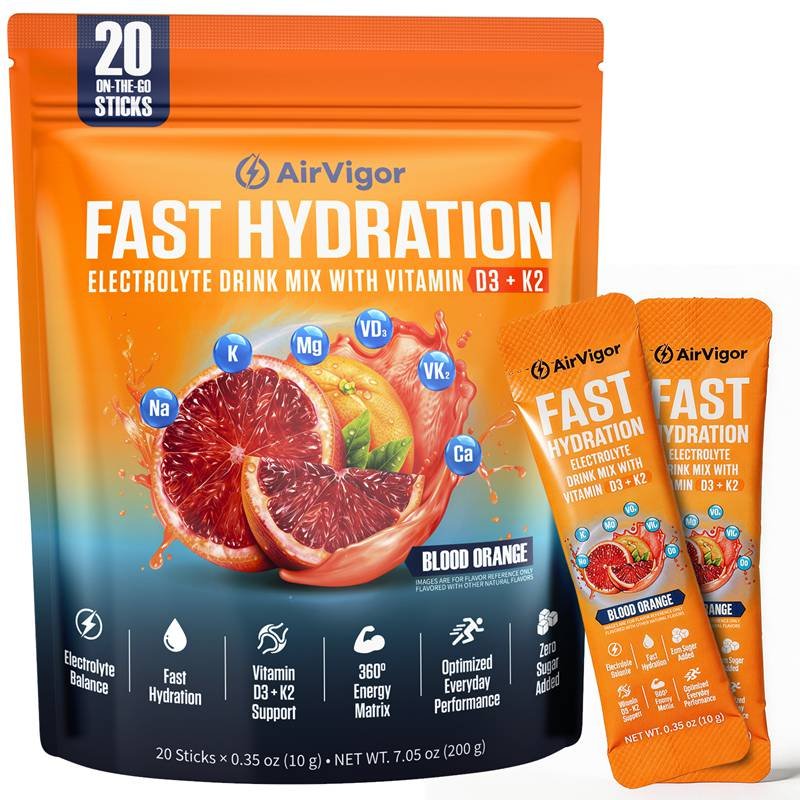
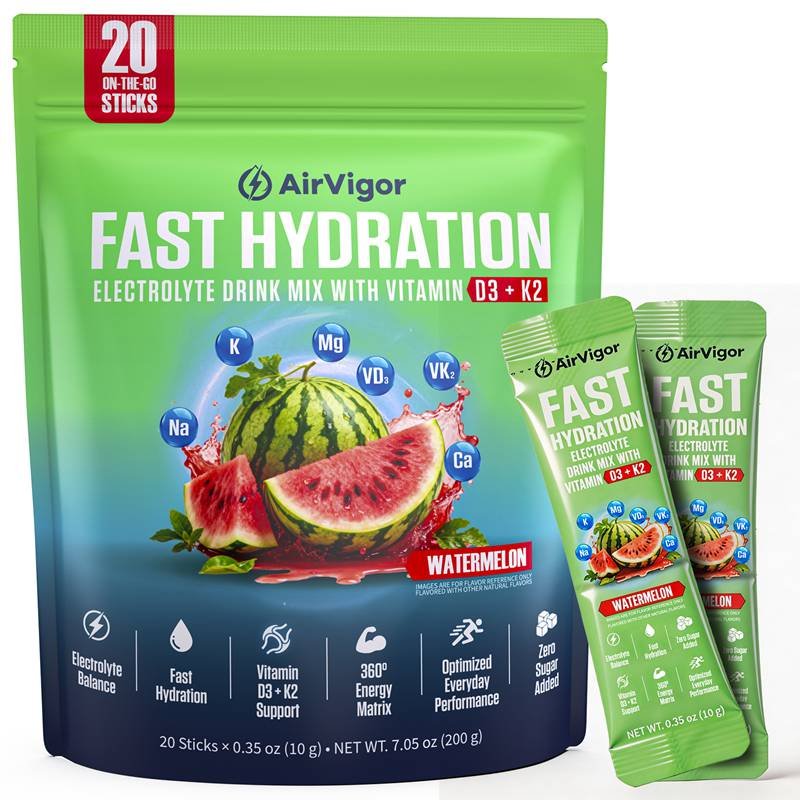
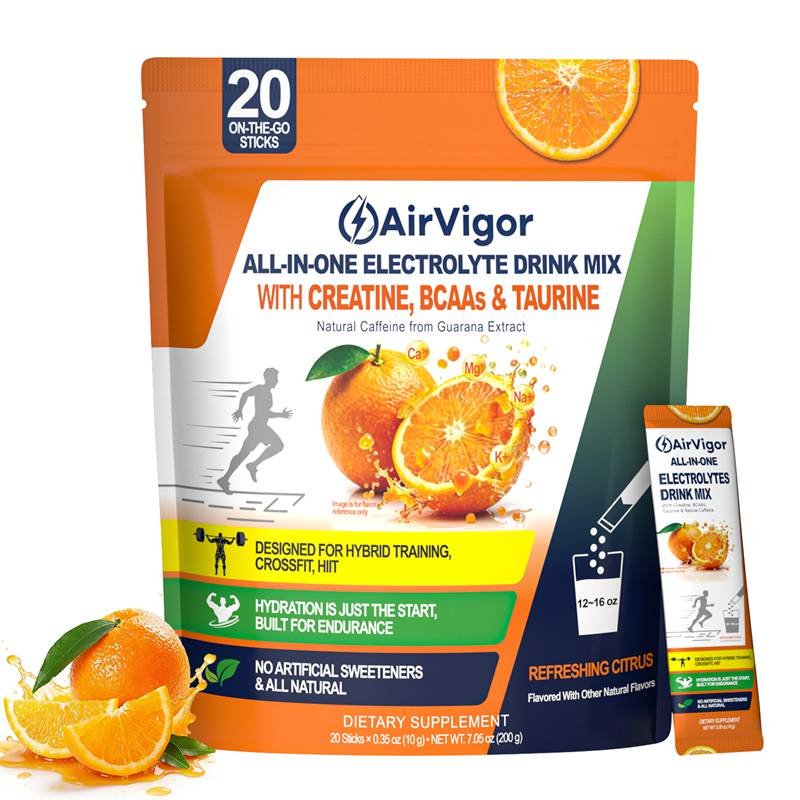
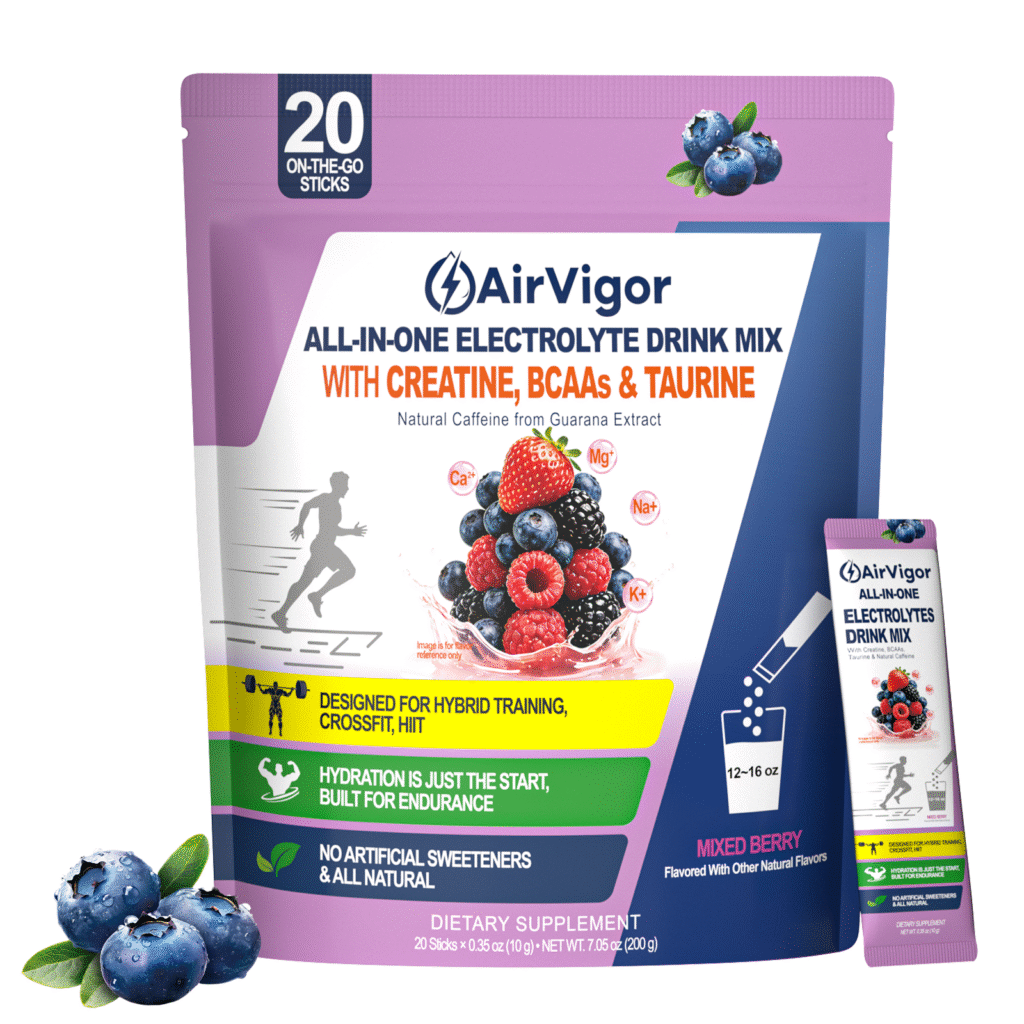
From a customer perspective, this is where electrolyte packets have a strong practical advantage. They are light, compact, and easy to keep in a carry-on or day bag. Even if they are not needed every day, they are one of those travel items that can feel very worthwhile on the day they are needed. That is also a strong positioning opportunity for a brand like AirVigor: not “use constantly,” but “bring it because some trips get more dehydrating than planned.” That message feels much more realistic and much more trustworthy.
Which Travel Situations Need Electrolytes Most?
Electrolytes are not necessary for every trip, but they can become much more useful when travel puts extra stress on hydration. The clearest examples are extreme heat, long days with heavy sweating, and illness-related fluid loss, especially vomiting or diarrhea. CDC travel guidance points most strongly to heat illness and traveler’s diarrhea as situations where stronger rehydration support matters more than usual, and the Cleveland Clinic also recommends oral rehydration solutions or rehydration drinks when diarrhea causes meaningful fluid loss.
Which travel situations make electrolytes more useful?
The strongest travel-related use cases are the ones where the body is losing more than water alone. That usually means hot destinations, long sightseeing days in the sun, beach or outdoor adventure travel, theme park days, and stomach illness during a trip. CDC’s Yellow Book notes that oral fluids containing glucose and salt can help in heat illness, and it separately recommends oral rehydration solutions for severe fluid loss from traveler’s diarrhea. That is exactly why electrolytes become easier to justify when travel includes heat or gastrointestinal fluid loss.
This matters because many travelers still think electrolyte products are mainly for workouts. In reality, a person can sweat heavily on a walking tour, lose fluids during a long day outdoors, or become dehydrated from diarrhea without doing any formal exercise at all. The more useful question is not “Was I exercising?” The better question is, “Is this trip creating enough fluid or mineral strain that water may not feel like the whole answer?” That framing is more practical and much easier for customers to trust.
A simple situation map helps separate low-need travel days from higher-need ones:
| Travel situation | Is exercise involved? | Are electrolytes often more useful? |
|---|---|---|
| Mild indoor business trip day | No | Often no |
| Long day in extreme heat | Not necessarily | Often yes |
| Traveler’s diarrhea | No | Often yes |
| Repeated heavy sweating while sightseeing | Not formal exercise | Often yes |
| Short low-stress city errands | No | Usually not necessary |
That pattern is what makes the category easier to explain: electrolytes are less about “sports” and more about hydration under strain.
How do heat and long travel days change hydration needs?
Heat is one of the clearest non-exercise reasons electrolytes may matter. CDC travel guidance on heat illness says that oral water or fluids containing glucose and salt are useful for rehydration, and it notes that commercial sports drinks can be effective for mild dehydration in heat-related situations. OSHA guidance also says that for work in heat lasting more than two hours, access to electrolyte-containing beverages is recommended because sweating can strip away salts over time.
Long travel days work a little differently. The issue is often less about obvious sweat loss and more about disrupted routines: delayed drinking, long walks through airports, dry environments, missed meals, extra caffeine, and hours of waiting before someone realizes they are already behind on hydration. That does not mean every flight requires electrolytes. It means some travel days become draining enough that a balanced electrolyte drink can feel more supportive than water alone. This middle-ground explanation is much more believable than pretending that every traveler needs a sports drink in hand at all times.
A useful comparison helps:
| Travel day type | What usually happens | Hydration support that often makes sense |
|---|---|---|
| Short routine flight | Mild disruption | Water first |
| Long airport + flight day | Delayed drinking and fatigue | Water first, electrolytes sometimes helpful |
| Hot outdoor travel day | Sweat and salt loss build up | Electrolytes often make more sense |
| Multi-hour active tour in heat | Repeated fluid strain | Electrolytes often more useful |
This is also why travel electrolyte formulas should feel practical rather than extreme. The best ones match real travel stress, not only endurance-sport scenarios.
Do stomach bugs and diarrhea make electrolytes more important?
Yes. This is one of the strongest and most defensible reasons to use electrolytes while traveling. CDC’s Yellow Book specifically recommends oral rehydration solution for severe fluid loss from traveler’s diarrhea and notes that travelers going to high-risk destinations may want to pack oral rehydration packets in advance. Cleveland Clinic gives similar advice, saying oral rehydration solutions or certain sports drinks can help replenish fluids and electrolytes when diarrhea becomes significant.
This matters because traveler’s diarrhea changes the hydration question completely. The issue is no longer “Should I upgrade my water?” The issue becomes “How do I replace both fluid and minerals when the body is losing both?” That is exactly why electrolyte support becomes much easier to explain in illness-related travel situations than in ordinary sightseeing. It is also one of the few non-exercise travel situations where the argument is especially clear and especially easy for customers to understand.
A symptom-oriented guide helps keep the message grounded:
| Situation | Signs hydration may be under strain | Why electrolytes may help |
|---|---|---|
| Traveler’s diarrhea | Strong thirst, dark urine, dizziness, dry mouth | Helps replace fluid plus lost minerals |
| Long hot day outdoors | Heavy sweating, weakness, cramps, headache | Helps replace what sweat removes |
| Ordinary travel day | Mild thirst only | Water is often enough |
This kind of table builds trust because it shows when electrolytes fit and when they probably do not.

Who May Benefit Most While Traveling?
Travelers who may benefit most from electrolytes are usually the ones dealing with heat, prolonged walking or sweating, or illness-related dehydration, not simply everyone who boards a plane. The strongest travel-health guidance points most clearly to heat illness and gastrointestinal fluid loss rather than routine travel by itself. That distinction matters because it keeps the advice practical and prevents the category from sounding overmarketed.
Who may benefit most from electrolytes while traveling?
The clearest groups are travelers going to hot climates, travelers doing long outdoor days, people with physically demanding itineraries, and travelers dealing with vomiting or diarrhea. CDC’s Yellow Book supports this directly through its heat-illness and traveler’s diarrhea guidance, both of which emphasize active fluid replacement and, when appropriate, glucose-and-salt fluids or oral rehydration solutions.
This matters because the audience is broader than athletes but narrower than “everyone.” A traveler walking ten miles a day in humid weather may have a stronger reason to use electrolytes than a person sitting comfortably indoors for meetings. A person losing fluids through diarrhea may have a much stronger reason than someone who is simply a little thirsty. That is why the best customer education focuses less on identity and more on what the body is going through right now. That approach feels more useful and much more honest.
A simple user map helps:
| Traveler type or situation | Why electrolytes may matter more |
|---|---|
| Outdoor traveler in heat | Hours of sweating and salt loss |
| Traveler with diarrhea or vomiting | Fluid and mineral loss together |
| Traveler on a mild indoor itinerary | Often does not need them |
| Traveler with repeated long hot days | Routine hydration stress builds up |
That is a far better decision frame than treating electrolytes like a universal travel essential.
Are electrolytes useful for non-athletes while traveling?
Yes, absolutely, but with context. Electrolytes can be useful for non-athletes when travel creates a meaningful hydration or mineral challenge. The strongest examples are heat, illness, and heavy sweating during sightseeing or outdoor activity, not formal training. Cleveland Clinic’s travel-diarrhea guidance and CDC’s heat guidance make it clear that electrolyte support is not just for sports performance. It becomes useful when travel creates real fluid strain.
This wider relevance is one of the biggest opportunities in the category. A non-athlete traveler may still say:
- “I’m not working out, but I’m sweating a lot.”
- “I’ve been walking outside all day in the heat.”
- “I’ve had diarrhea, and plain water isn’t enough.”
- “Travel threw off my routine, and I feel dry and depleted.”
Those are real use cases, and they are much easier to defend than trying to convince every healthy traveler to drink electrolytes daily. For a brand like AirVigor, that is actually a strength. The clearer the situational use case, the easier the product is to position naturally and credibly.
Which signs suggest water may not be available enough on a trip?
The most useful signs are the ones associated with dehydration or heat strain. CDC and clinical guidance on diarrheal illness point to signs such as strong thirst, very dark urine, little or no urination, dry mouth, dizziness, and lightheadedness. Heat-related guidance also adds weakness, headache, and sometimes muscle cramps when water and salt losses build up together. These are not automatic instructions to start drinking electrolyte products for every symptom, but they are strong clues that the body may be dealing with more than ordinary thirst.
This matters because many travelers only think about hydration when they feel obviously thirsty. In reality, the better question is whether the body seems to be under more strain than usual. If the trip includes heavy sweating, extreme heat, vomiting, or diarrhea, then electrolyte drinks become easier to justify. If the day is ordinary and the main issue is simply forgetting to drink enough water, then the better first step is often still plain water and more consistent intake. That distinction helps customers make better choices and builds much more trust than making electrolytes sound like the answer to every tired moment on a trip.
A practical sign-based guide helps:
| Sign or situation | What it may suggest | First thought |
|---|---|---|
| Mild thirst on a normal travel day | Ordinary fluid need | Water first |
| Dark urine, dizziness, strong thirst | Dehydration under strain | Electrolytes may help |
| Heavy sweating, weakness, headache in heat | Water and salt loss | Electrolytes often make more sense |
| Vomiting or diarrhea | Fluid and mineral loss together | Rehydration support matters more |
This is one of the clearest ways to explain the category. Electrolytes are not automatically necessary while traveling, but they can be very useful when the trip becomes more dehydrating than usual.
What Should You Look For in a Travel Electrolyte Formula?
A good travel electrolyte product should feel practical, not extreme. It should make sense for the real problems travelers face: heat, long walking days, disrupted routines, and stomach illness. The strongest formulas are usually the ones that are easy to carry, easy to mix, and clearly built for hydration support instead of performance marketing. CDC travel guidance is especially useful here because it points to oral rehydration solutions for diarrhea-related fluid loss and to fluids containing glucose and salt for heat-related dehydration. That tells you something important: a travel formula should help with fluid replacement plus mineral support, not just taste or branding.
Which electrolytes matter most while traveling?
For most travel situations, the most important electrolytes are usually sodium, potassium, and chloride, with magnesium often adding broader support value. The reason is simple: travel-related dehydration is often about fluid loss plus salt loss, especially in heat or during gastrointestinal illness. CDC’s Yellow Book specifically discusses oral fluids containing glucose and salt for heat illness, and it recommends oral rehydration solutions for more serious diarrhea-related fluid loss. That makes sodium especially important in travel formulas meant for real hydration support.
For travelers, this matters because not every product labeled “electrolytes” is built for the same job. A formula meant for intense endurance sports may not be the most comfortable or appropriate option for airport days, sightseeing, or stomach illness. A more balanced travel formula should feel like something you can use when the trip becomes physically draining, not something that only makes sense after a race. That is one reason simpler, hydration-focused formulas are often easier to trust in travel settings.
A practical label guide helps:
| Electrolyte | Why it matters during travel |
|---|---|
| Sodium | Helps replace salt lost in sweat or diarrhea |
| Potassium | Helps round out fluid and electrolyte balance |
| Chloride | Supports the hydration logic alongside sodium |
| Magnesium | Can make the formula feel broader and more balanced |
This kind of structure matters because the best travel products usually solve one problem clearly: hydration under strain.
Is sugar-free better for travel?
Often yes, but it depends on the situation. If the product is mainly for hot days, long flights, or general travel hydration support, a lower-sugar or sugar-free formula may feel easier to use and easier to repeat. But if the traveler is dealing with diarrhea-related dehydration or significant fluid loss, oral rehydration formulas that include glucose can make practical sense because the CDC specifically discusses oral solutions with glucose and salt for rehydration. That means the best answer is not “sugar is always bad” or “sugar is always necessary.” The better answer is that the formula should match the travel problem.
This matters because travel use is usually very different from sports use. Many travelers are not looking for a sweet performance drink. They want something that feels light, portable, and useful when water feels incomplete. A hot city walking day, an airport travel day, and a stomach bug are not the same situation, so the same sugar level will not feel equally appropriate in all three. That is why balanced travel formulas are easier to position when they sound thoughtful and situational instead of one-size-fits-all.
What makes a travel formula feel more balanced?
A balanced travel formula usually has three qualities: it has a clear hydration purpose, it is not overloaded, and it feels believable for real travel routines. The product should not sound like a sports-performance drink for every moment of the day, and it should not sound like a medical product for every mild travel inconvenience either. CDC and Cleveland Clinic guidance together suggest a useful middle ground: use stronger rehydration support when illness or heat clearly justifies it, and avoid treating electrolyte drinks like a universal answer for every normal travel day.
A simple checklist helps:
| What to check | Why it matters for travel |
|---|---|
| Sodium and potassium | Shows whether the product has real hydration value |
| Ease of mixing | Matters in airports, hotels, and day bags |
| Sugar level | Helps determine whether it fits routine use or illness support better |
| Clear use case | Helps the traveler know when to reach for it |
| Portable format | Important for flights, tours, and travel kits |
This is one reason the strongest travel formulas often feel calm rather than flashy. They solve a real problem clearly.
How Can Electrolytes Fit Travel Routines Naturally?
Electrolytes fit travel routines best when they are treated as a situational support tool, not as an all-day replacement for water. Travel creates hydration stress in very specific ways: heat, long walking days, delayed meals, illness, and inconsistent drinking habits. The product fits naturally when it is positioned for those moments instead of being sold like a beverage that every traveler should sip constantly. CDC’s travel guidance supports this middle-ground view by focusing on heat illness and diarrheal illness as the clearest cases for stronger rehydration support.
How can electrolytes fit flights and airport days?
Flights and airport days are often less about heavy sweat loss and more about broken routines. Travelers drink less consistently, eat irregularly, walk long distances through terminals, and often notice thirst only after they already feel depleted. In that setting, electrolytes can fit naturally when the traveler’s main problem is not “I exercised,” but “my hydration routine fell apart today.” That is a reasonable, real-life use case, even though it is less dramatic than heat illness or traveler’s diarrhea. The key is to keep the message practical: water is still the first step, but a balanced electrolyte product may feel more supportive on unusually long or draining travel days.
This is exactly why travel-friendly formulas should feel lighter and easier to use than sports drinks built for hard exertion. The traveler is usually not trying to perform. They are trying to stay functional, reduce that flat dehydrated feeling, and avoid arriving already run down. That is a much more believable use case, and it is one that a well-positioned product can support naturally.
How can electrolytes fit hot destinations and active itineraries?
Hot destinations are one of the clearest reasons to pack electrolytes, even if there is no formal exercise planned. CDC’s heat guidance for travelers specifically supports oral fluids containing glucose and salt for heat illness and notes that commercial sports drinks can help with mild dehydration in those settings. That makes electrolytes especially relevant for sightseeing-heavy trips, beach vacations, outdoor excursions, and any itinerary that includes long hours in the sun with repeated sweating.
This matters because many travelers underestimate how physically demanding a vacation can be. A day of walking through a hot city, standing in lines, carrying bags, and spending hours outdoors can create more hydration strain than a short workout back home. A balanced travel electrolyte formula fits naturally here because it supports a very specific problem: the body is losing more than water alone. That message is easier to trust than vague “travel wellness” language.
How can AirVigor position itself more naturally?
AirVigor can position a travel electrolyte product more naturally by staying anchored to real travel scenarios instead of broad generic claims. The strongest message is not “drink this every day, no matter what.” The stronger message is that the formula is built for the parts of travel that put hydration under more strain than usual: hot destinations, long walking days, disrupted routines, and stomach illness recovery support. That framing lines up much more closely with CDC and Cleveland Clinic guidance than a blanket “every traveler should drink electrolytes” pitch.
For direct customers, that creates several natural positioning angles:
- travel-friendly hydration support
- hot-climate daily support
- help for long sightseeing days
- practical support during routine disruption
- a cleaner alternative to sugary sports drinks
For OEM and ODM clients, it creates a stronger development story too. Instead of another athlete-focused formula, the concept becomes a travel hydration support product with a broader, more everyday audience. That is a strong commercial position because travel is one of the clearest non-exercise moments when electrolytes can make intuitive sense.
A positioning comparison helps:
| Positioning style | How it sounds | Commercial strength |
|---|---|---|
| Sports-only electrolyte drink | For workouts and athletes | Narrower audience |
| Daily electrolyte for everyone | Broad, but less credible | Weaker trust |
| Travel hydration support | For heat, long travel days, and illness-related disruption | Strongest balance |
That is exactly where AirVigor can stand out: not louder, but clearer.
Final Thoughts
Yes, electrolytes can make sense while traveling, but not because every trip automatically requires them. The more useful question is whether the trip creates a real hydration problem: heat, prolonged sweating, diarrhea, vomiting, or routines so disrupted that water feels incomplete. CDC and Cleveland Clinic guidance point most strongly to those situations, not to ordinary travel by default.
That is why the best travel electrolyte product is usually not the most extreme one. It is the one that feels balanced, portable, easy to understand, and appropriate for the moments when travel becomes more dehydrating than usual. For a brand like AirVigor, that opens a strong opportunity: not just another sports drink, but a better-designed hydration-support formula for modern travel.
Looking to Source a Better Formula or Build Your Own?
If you are looking for:
- a travel-friendly electrolyte product
- a balanced formula for heat, flights, and routine support
- a lighter alternative to sugary sports drinks
- a hydration support concept for non-exercise use
- an OEM or ODM partner for custom electrolyte development
AirVigor can support both finished branded products and private-label or custom formulation projects. The strongest products in this category are the ones that solve a real travel problem clearly, and that is exactly where a well-positioned, balanced electrolyte formula can win.