Skip to content

Travel can dehydrate the body faster than most people expect. A normal travel day often includes dry airplane air, airport coffee, salty snacks, long sitting time, reduced water intake, poor sleep, alcohol, heat, and thousands of extra steps. Even if someone drinks water, they may still arrive feeling tired, dry, foggy, or slightly headachy because travel does not only reduce fluid levels. It can also disturb the body’s mineral balance.
The easiest way to travel with electrolytes is to pack single-serving electrolyte powder packets in your carry-on, backpack, or daily travel bag. Use them before flights, during hot or walking-heavy travel days, and after long travel periods when your body needs better hydration support. Look for portable, low-sugar formulas with sodium, potassium, and magnesium.
For many travelers, electrolytes are not about turning a vacation into a fitness routine. They are about feeling normal. You want to land with enough energy to enjoy dinner, walk through a city without feeling drained, recover after a beach day, or wake up ready for the next part of the trip. That is why portable electrolyte powders have become a practical travel essential for frequent flyers, active travelers, families, business travelers, and wellness-focused consumers.
Why Travel with Electrolytes?
Travel with electrolytes because modern travel creates far more hydration stress than most people realize. Flights, heat exposure, poor sleep, walking-heavy schedules, caffeine, alcohol, and irregular meals can all reduce the body’s fluid balance throughout a trip. Electrolytes help support hydration efficiency by helping the body absorb and retain fluids more effectively during these situations.
What Happens Without Electrolytes While Traveling?
Most travelers do not notice dehydration immediately. The symptoms usually build gradually across the day, which is why many people mistake dehydration for “normal travel fatigue.”
A traveler may wake up early for a flight, drink coffee instead of water, sit inside a dry airplane cabin for several hours, eat salty airport food, then spend the afternoon walking outdoors after arrival. By evening, the body may already be noticeably behind on hydration.
The problem is that dehydration during travel rarely feels dramatic at first. Instead, people often notice:
- Low afternoon energy
- Mild headaches after flights
- Feeling unusually thirsty at night
- Dry skin or dry lips
- Heavy legs after walking all day
- Reduced appetite
- Muscle tightness
- Feeling tired despite excitement from the trip
These symptoms become even more common during hot-weather travel. Many popular vacation destinations naturally increase sweat loss, especially for travelers not adapted to the climate.
| Destination Type | Why Hydration Demand Increases |
|---|---|
| Beach vacations | Sun exposure and sweating |
| Theme parks | Long walking hours |
| Tropical destinations | Heat and humidity |
| Ski trips | Dry cold air and altitude |
| Big city travel | Walking 15,000–25,000 steps daily |
| Desert climates | Rapid fluid loss |
Walking-heavy travel is one of the biggest hidden dehydration triggers. At home, many people spend most of the day indoors sitting at desks or driving short distances. During travel, it is common to walk 8 to 12 miles in one day without realizing how much fluid the body is losing.
For example:
| Activity | Approximate Daily Steps |
|---|---|
| Normal office workday | 3,000–6,000 |
| Theme park day | 15,000–25,000 |
| European sightseeing trip | 18,000–30,000 |
| Airport + travel day | 10,000–18,000 |
At the same time, travelers often drink less water than normal because of convenience issues. People avoid drinking before flights, forget to hydrate while sightseeing, or prioritize coffee, cocktails, soda, and restaurant drinks during vacations.
Alcohol makes the situation worse because it increases fluid loss while also reducing hydration awareness. A traveler may spend the afternoon in the sun, drink alcohol at dinner, sleep poorly, and wake up the next morning already dehydrated before the next travel day even begins.
This layered dehydration pattern is extremely common during vacations.
Electrolytes become valuable here because hydration is not only about water volume. The body also needs minerals such as sodium and potassium to help regulate fluid balance.
Sodium is especially important during travel because sweating removes sodium along with water. When sodium levels fall, the body may struggle to maintain hydration efficiently. This is one reason travelers sometimes continue feeling thirsty even after drinking large amounts of plain water.
Are Electrolytes Better Than Water for Travel?
Water remains essential, but in many travel situations, electrolytes help the body use water more effectively.
Many travelers assume hydration simply means “drink more water,” but travel conditions often create mineral loss as well as fluid loss. Long flights, heat exposure, sweating, alcohol, and physically active travel schedules can all increase the body’s need for electrolyte support.
This is why some travelers notice that plain water alone does not always fully restore how they feel during demanding trips.
Electrolytes help support several important hydration functions:
| Electrolyte | Why It Matters During Travel |
|---|---|
| Sodium | Helps retain and balance fluids |
| Potassium | Supports hydration balance inside cells |
| Magnesium | Supports muscle comfort and recovery |
| Chloride | Works with sodium for fluid regulation |
This does not mean travelers need extremely high-dose sports formulas for every trip. In fact, many people now prefer lighter hydration products because traditional sports drinks can feel too sugary or too salty during flights and vacations.
The travel hydration market has changed significantly in recent years. Travelers increasingly look for products that feel:
- Easier to drink daily
- Less sugary
- More portable
- Better suited for flights and walking days
- More compatible with wellness-focused lifestyles
A good travel electrolyte product should feel practical, not overwhelming.
For example, many travelers now prefer sugar-free electrolyte powder sticks because they can:
- Carry them easily through airports
- Mix them anywhere
- Avoid heavy bottled drinks
- Use them before flights or after walking
- Support hydration without excess sugar intake
Hydration efficiency matters even more during long-haul travel. International flights often combine multiple dehydration triggers at once:
| Long-Haul Flight Factor | Potential Effect |
|---|---|
| Low cabin humidity | Increased water loss |
| Poor sleep | Slower recovery |
| Sitting long periods | Heavy body feeling |
| Alcohol or caffeine | Additional dehydration |
| Salty airplane food | Increased thirst |
| Time zone changes | Reduced recovery quality |
For many travelers, electrolytes are not about “sports performance.” They are about feeling functional after arrival.
People want enough energy to enjoy the first day of a trip instead of spending hours recovering at the hotel.
Who Should Travel with Electrolytes?
Not every traveler needs electrolytes every single day, but certain travel styles create much higher hydration demand than others.
Frequent flyers are one of the biggest groups benefiting from electrolyte support. Repeated flights can create ongoing low-level dehydration because travelers repeatedly experience:
- Dry cabin air
- Poor sleep
- Increased caffeine intake
- Irregular meals
- Stress and fatigue
- Reduced water intake during flights
Business travelers are especially vulnerable because many also combine flights with meetings, alcohol, restaurant food, and tight schedules.
Active travelers are another major category. Modern vacations increasingly involve movement rather than passive отдых. Many travelers now plan trips around hiking, cycling, walking tours, fitness classes, skiing, beach sports, or outdoor adventure activities.
This dramatically increases sweat and mineral loss compared to normal daily life.
| Travel Style | Hydration Demand |
|---|---|
| Resort vacation | Moderate |
| Hiking trip | High |
| Theme park travel | High |
| Beach vacation | Moderate to high |
| Ski vacation | Moderate |
| Business travel | Moderate |
| Fitness-focused travel | High |
Hot-weather travelers should also pay attention to hydration support. People traveling from cooler climates into tropical or desert environments often sweat much more than expected because the body is not adapted to the heat.
Another growing group is wellness-focused travelers. Many consumers now view hydration as part of a broader self-care routine during travel, similar to skincare, sleep support, stretching, or healthier eating.
These travelers are not necessarily athletes. They simply want to:
- Feel better during flights
- Reduce travel fatigue
- Recover faster after long days
- Maintain energy while sightseeing
- Avoid headaches and dryness
- Stay more comfortable during vacations
Families also increasingly use electrolyte products during travel, especially for children participating in sports tournaments, outdoor activities, theme park trips, or summer vacations.
Parents often notice that active children may sweat heavily while drinking less water than expected throughout busy travel days.
One important point is that electrolyte needs should match the trip itself.
A quiet weekend indoors in mild weather may require very little additional hydration support. But a long-haul flight followed by beach weather, walking-heavy sightseeing, outdoor dining, alcohol, and poor sleep creates a very different hydration situation.
This is why many travelers now pack electrolytes the same way they pack sunscreen, chargers, or travel snacks: not because they expect an emergency, but because the trip feels easier when hydration stays more stable.
Which Electrolytes Are Best for Travel?
The best electrolytes for travel are usually portable, easy to drink consistently, balanced with key minerals like sodium and potassium, and low in excessive sugar. Most travelers today are not looking for extremely aggressive sports formulas. They want hydration support that fits naturally into flights, sightseeing, beach days, workouts, road trips, and long active travel schedules without feeling heavy or unpleasant.
What Should Travel Electrolytes Include?
One of the biggest mistakes travelers make is assuming every electrolyte product works the same way. In reality, formulas can feel completely different depending on the ingredient balance, sugar level, mineral strength, and intended use.
Some electrolyte products are designed for endurance athletes losing very large amounts of sweat during intense exercise. Others are designed for lighter daily hydration. Travel hydration usually falls somewhere in the middle.
Most travelers need a formula that is strong enough to support hydration during flights, walking, heat, or outdoor activities, but still light enough to drink comfortably every day.
The first ingredient most travelers should pay attention to is sodium.
Sodium plays a major role in helping the body maintain fluid balance. During sweating, flights, heat exposure, or dehydration, sodium levels can gradually drop. This is one reason travelers sometimes feel thirsty even after drinking water throughout the day.
Many modern travelers used to avoid sodium completely because of its connection to processed foods. But hydration formulas are different. During travel, moderate sodium intake often helps the body hold and use fluids more effectively.
Potassium is another important mineral because it helps support fluid balance inside cells. Travelers often associate potassium with feeling more hydrated and less depleted after long active days.
Magnesium has also become increasingly popular in travel hydration formulas because travel itself creates physical stress. Long flights, heavy walking, carrying luggage, poor sleep, and gym sessions while traveling can all leave the body feeling tight or drained.
| Key Electrolyte | Why Travelers Need It |
|---|---|
| Sodium | Supports fluid retention and hydration efficiency |
| Potassium | Helps maintain fluid balance |
| Magnesium | Supports muscle comfort after long travel days |
| Chloride | Helps maintain hydration regulation |
Many premium travel electrolyte products now also include supportive ingredients that match wellness-focused travel lifestyles.
| Additional Ingredient | Why Travelers Like It |
|---|---|
| Coconut water powder | Natural hydration image |
| Sea minerals | Premium wellness positioning |
| Vitamin C | Popular for travel wellness support |
| B vitamins | Often associated with energy support |
| Trace minerals | Broad hydration support appeal |
Taste matters much more than many people expect. Travelers are unlikely to continue using an electrolyte product if it tastes too salty, too artificial, or too sweet.
This becomes especially important during:
- Long flights
- Hot-weather travel
- Walking-heavy sightseeing days
- Beach vacations
- Alcohol recovery mornings
- Repeated daily use across multi-day trips
A travel electrolyte should feel refreshing enough that someone actually wants to keep drinking it throughout the trip.
Are Electrolyte Powder Sticks Best for Travel?
For most travelers, powder stick packs are usually the most practical electrolyte format.
The reason is simple: travel already involves carrying too many things. Travelers juggle chargers, passports, snacks, laptops, skincare, headphones, medications, gym gear, and personal items. Hydration products need to fit into that reality without becoming inconvenient.
Bottled sports drinks create several common travel problems:
| Bottled Drinks Problem | Why Travelers Dislike It |
|---|---|
| Heavy to carry | Adds weight to bags |
| Airport liquid restrictions | Difficult for flights |
| Expensive at airports | Poor value |
| Takes up space | Less convenient for travel |
| Hard to pack in quantity | Bulky for long trips |
Powder sticks solve most of these issues.
A traveler can carry several days’ worth of hydration support inside one small pouch. Stick packs are lightweight, portioned, easy to organize, and simple to use with normal bottled water.
This portability becomes especially valuable during:
- Long-haul flights
- International travel
- Theme park trips
- Hiking vacations
- Beach travel
- Road trips
- Outdoor festivals
- Business travel
For example, many experienced travelers now keep electrolyte sticks in:
- Carry-on bags
- Backpack pockets
- Laptop bags
- Beach totes
- Gym bags
- Car center consoles
The easier electrolytes are to access, the more consistently travelers tend to use them.
Another important factor is portion control. Single-serving sticks simplify hydration because travelers do not need measuring scoops or shaker containers. One packet equals one serving, which fits naturally into busy travel schedules.
Travelers also increasingly prefer stick packs because they reduce mess. Loose powder containers can spill inside luggage, absorb humidity, or clump during travel. Stick packs feel cleaner and more organized.
| Electrolyte Format | Travel Convenience |
|---|---|
| Bottled sports drinks | Low |
| Large powder tubs | Medium |
| Loose powder bags | Medium |
| Single-serving stick packs | High |
| Ready-to-drink cans | Medium |
This convenience is one reason portable electrolyte powders have expanded rapidly beyond sports nutrition into mainstream travel and wellness routines.
Which Travel Electrolytes Are Easy to Drink?
The best travel electrolytes are usually the ones people can comfortably drink every day during the trip.
This sounds simple, but flavor experience strongly affects hydration consistency.
Many older sports drinks were designed mainly around aggressive sweat replacement for athletes. Because of this, they often taste:
- Extremely salty
- Very sugary
- Artificially flavored
- Thick or syrupy
- Heavy during hot weather
That may work after intense training sessions, but it does not always feel good during normal travel situations like flights, sightseeing, or relaxing beach days.
Travelers today usually prefer lighter hydration products that feel refreshing rather than overwhelming.
This is why flavor trends in the hydration market have changed significantly in recent years.
Popular travel-friendly flavor profiles now include:
| Popular Flavor Type | Why Travelers Like It |
|---|---|
| Tropical fruit | Feels refreshing during vacations |
| Citrus flavors | Light and clean taste |
| Berry flavors | Easy daily drinking |
| Coconut-inspired flavors | Vacation-style hydration feeling |
| Pineapple blends | Associated with freshness and travel |
Travelers also increasingly look for products that avoid:
- Excessive sweetness
- Artificial aftertaste
- Chalky texture
- Very salty finish
- Thick consistency
Another important issue is flavor fatigue.
During travel, someone may use electrolytes repeatedly over several days. A flavor that feels acceptable once may become unpleasant by the third or fourth serving if it is too intense.
This is why many modern hydration brands focus on smoother, lighter flavor experiences designed for repeated daily use.
Mixability also matters more during travel than at home.
Travelers often mix electrolytes in:
- Airport water bottles
- Hotel cups
- Plastic bottles from convenience stores
- Gym shaker bottles
- Beach tumblers
A travel electrolyte should dissolve reasonably well without requiring complicated preparation.
Many travelers also prefer formulas that taste good in both cold and room-temperature water. This matters because ice or refrigeration is not always available during flights or sightseeing.

How to Pack Electrolytes for Travel?
Packing electrolytes for travel sounds simple, but small decisions can make a big difference once the trip actually begins. Many travelers only think about hydration after they already feel exhausted, thirsty, or headachy. By that point, the body is often trying to recover from several hours of accumulated dehydration caused by flights, walking, heat exposure, caffeine, alcohol, or poor sleep.
This is why experienced travelers increasingly treat electrolyte packets the same way they treat chargers, sunscreen, or travel snacks: something small that helps the entire trip feel smoother and more comfortable.
For most people, the easiest option is portable single-serving electrolyte powder sticks. They take up very little space, work well in airports and hotels, and fit naturally into busy travel schedules without creating extra hassle.
Can You Bring Electrolytes on a Plane?
One reason electrolyte powders have become so popular for travel is because they are far easier to carry than bottled drinks. Travelers already deal with strict liquid rules, crowded carry-ons, and heavy bags. Very few people want to carry multiple sports drinks through an airport.
Powder stick packs solve this problem well because they are lightweight and compact. Most travelers simply place several packets inside a carry-on backpack, laptop bag, or small travel pouch and mix them with water after passing security.
This matters more than people expect because flight days are naturally dehydrating. A traveler may wake up early, drink coffee instead of water, rush through security, eat salty airport food, and then spend several hours inside a dry airplane cabin. Even before arriving at the destination, hydration levels may already be noticeably lower.
Long-haul flights create an even bigger challenge. Dry cabin air, limited movement, poor sleep, alcohol, and inconsistent water intake all combine together. Many travelers notice they arrive feeling unusually heavy, sluggish, or mentally foggy after international flights, even when the actual travel itself went smoothly.
Portable electrolyte packets help simplify hydration during these situations because they remove friction. Instead of searching for hydration drinks inside airports or carrying bulky bottles, travelers can hydrate almost anywhere using normal bottled water.
For flights, many travelers now prefer:
| Travel Option | Why Travelers Prefer It |
|---|---|
| Single-serving stick packs | Lightweight and easy to organize |
| Sugar-free formulas | Easier during long flights |
| Portable packets | Simple airport hydration |
| Lighter flavor profiles | Less overwhelming during travel |
The easier hydration feels during travel, the more consistently travelers usually maintain it.
How Many Electrolytes Should You Pack for Travel?
The number of electrolyte packets needed depends less on the flight itself and more on the overall travel style.
A quiet indoor business trip creates very different hydration demands compared to a beach vacation, hiking trip, or walking-heavy city vacation. Many travelers underestimate how physically demanding travel becomes once the trip actually starts.
At home, people often move less than they realize. During travel, daily activity levels can increase dramatically.
Someone visiting a major city may walk for hours between attractions, restaurants, hotels, museums, and transportation hubs. Theme park visitors often spend entire days outdoors in heat while averaging far more steps than a normal workday.
| Daily Activity Type | Approximate Daily Steps |
|---|---|
| Typical office day | 3,000–6,000 |
| Airport + sightseeing day | 12,000–18,000 |
| Theme park vacation | 18,000–30,000 |
| European city travel | 20,000+ |
This increase in movement naturally increases sweat and fluid loss, especially in warm climates.
A practical approach is to pack electrolytes based on travel intensity rather than exact formulas. Many travelers simply bring more packets than they expect to need because travel conditions can change quickly.
Heat waves, delayed flights, outdoor excursions, alcohol, poor sleep, or extra walking can all increase hydration demand unexpectedly.
A simple guideline many travelers follow looks like this:
| Travel Type | Common Hydration Approach |
|---|---|
| Domestic weekend trip | Several packets for flexibility |
| International travel | Daily hydration support |
| Beach vacation | Regular use during hot days |
| Hiking or active travel | Multiple servings during activity |
| Business travel | Flight-day hydration focus |
The good news is that electrolyte packets are lightweight. Carrying a few extra servings usually adds very little inconvenience while giving travelers much more flexibility throughout the trip.
Where Should You Store Travel Electrolytes?
Where travelers store electrolytes often determines whether they actually remember to use them.
If hydration packets stay buried inside luggage, many people simply forget about them until dehydration symptoms already appear. On the other hand, travelers who keep electrolytes visible and accessible tend to hydrate more consistently throughout the day.
Carry-on bags are usually the best place for flight-day hydration packets because they remain accessible during delays, boarding, layovers, and long flights. Many travelers also keep several packets inside backpack side pockets or small organizers used for daily sightseeing.
The goal is convenience. During busy travel days, people rarely stop and unpack luggage just to look for hydration products.
Some travelers also divide electrolyte packets across multiple locations. For example:
- Several packets in the carry-on
- A few packets inside a backpack
- Additional packets in the hotel room
- Backup packets inside checked luggage
This creates flexibility during long trips and prevents situations where hydration support becomes difficult to access at the wrong time.
Climate matters too. Hot cars, humid beach bags, or direct sunlight can gradually affect supplement quality over time. Travelers visiting tropical or high-heat destinations often prefer storing packets inside dry pouches or insulated bags whenever possible.
Modern travelers increasingly prefer products that fit naturally into movement-heavy lifestyles. This is one reason portable hydration powders continue growing rapidly within both the supplement and travel wellness industries.
What Is the Best Travel Hydration Routine?
The best travel hydration routine is usually simple enough to maintain consistently.
Many people fail hydration planning because they overcomplicate it. Travel schedules already change constantly. Flights get delayed, meal timing shifts, weather changes, and activity levels vary from day to day.
Instead of trying to follow strict hydration rules, most experienced travelers focus on maintaining steady hydration habits throughout the trip.
For example, many travelers hydrate more intentionally during:
- Flight mornings
- Long walking days
- Beach afternoons
- Outdoor activities
- Alcohol-heavy evenings
- The morning after poor sleep
This approach works better because travel dehydration usually develops gradually rather than all at once.
Many travelers now use electrolytes proactively instead of reactively. Rather than waiting until headaches or exhaustion appear, they support hydration earlier during physically demanding travel periods.
A simple travel hydration routine may look like this:
| Travel Moment | Common Hydration Habit |
|---|---|
| Before boarding | Water + electrolytes |
| During long flights | Regular hydration instead of large amounts at once |
| After arrival | Rehydration before activities |
| During walking-heavy days | Carry electrolyte packets daily |
| After heat exposure | Replace fluids steadily |
| Morning after alcohol | Early hydration support |
The goal is not perfect hydration. The goal is helping the body handle travel stress more comfortably.
For many travelers, electrolytes are no longer viewed only as fitness products. They are becoming part of the broader travel wellness routine alongside sleep support, recovery habits, skincare, and daily energy management.
When hydration stays more stable, travelers often notice the entire trip feels easier physically — especially during long, active, or high-temperature travel schedules.
When to Take Electrolytes While Traveling?
Most travelers do not think much about hydration timing until they already feel exhausted halfway through the trip. The problem is that travel dehydration usually builds slowly in the background. A traveler may feel perfectly normal in the morning, then suddenly develop a headache, heavy legs, dry mouth, or low energy later in the day after hours of flights, walking, heat exposure, coffee, alcohol, or poor sleep.
This is why many experienced travelers no longer use electrolytes only as a “recovery product.” Instead, they use them during the parts of travel that place the most stress on the body. The timing matters because staying ahead of dehydration usually feels much easier than trying to recover after the body already feels depleted.
For most trips, the highest-risk hydration periods are:
| Travel Situation | Why Hydration Drops Faster |
|---|---|
| Before and during flights | Dry cabin air and reduced water intake |
| Long outdoor days | Continuous sweat loss |
| Walking-heavy vacations | Higher physical output |
| Hot-weather travel | Increased fluid and sodium loss |
| After alcohol or poor sleep | Recovery becomes harder |
The goal is not drinking electrolytes constantly throughout the day. The goal is using them strategically during the moments travel naturally increases dehydration.
Should You Take Electrolytes Before a Flight?
For many travelers, before the flight is actually the most important hydration window of the entire trip.
Most people board airplanes already partially dehydrated without realizing it. Travel mornings are often rushed and physically draining long before takeoff even happens. A traveler may sleep poorly the night before, wake up earlier than normal, drink coffee instead of water, rush through traffic or security, and eat salty airport food while barely hydrating properly.
By the time boarding begins, the body may already be behind on fluids.
Once the flight starts, the environment becomes even more dehydrating. Airplane cabins are extremely dry compared to normal indoor environments, especially during long-haul international flights. Travelers often notice dry lips, dry eyes, headaches, or unusual fatigue after several hours in the air partly because of this low humidity environment.
Another issue is that many people intentionally avoid drinking enough water during flights because they do not want to use the airplane bathroom repeatedly. This makes hydration decline even faster over time.
This is why many frequent travelers now hydrate more intentionally before boarding instead of waiting until they already feel exhausted after arrival.
A simple pre-flight hydration routine may include:
- Drinking water steadily during the morning instead of all at once
- Using electrolytes 30–90 minutes before boarding
- Limiting excessive alcohol before flights
- Reducing heavy salty foods before long travel days
Travelers often notice the biggest difference during:
| Flight Type | Common Travel Experience |
|---|---|
| Early morning flights | Travelers often start dehydrated |
| Long-haul international routes | Dry air exposure lasts much longer |
| Multi-flight travel days | Fatigue accumulates throughout the day |
| Red-eye flights | Poor sleep increases recovery stress |
The benefit is usually not dramatic “energy boost” marketing claims. Instead, travelers often describe simply feeling more stable physically after landing — less dry, less sluggish, and better able to continue the day immediately after arrival.
Should You Drink Electrolytes During Travel?
Electrolytes during travel become more useful once the trip becomes physically active.
This is one reason many travelers underestimate hydration needs during vacations. At home, daily movement may stay relatively predictable. During travel, physical activity often increases sharply without people paying much attention to it.
A traveler spending the day exploring a city may easily walk 8 to 12 miles between attractions, restaurants, transportation, shopping, and sightseeing. Theme park visitors often spend entire days outdoors in heat while carrying backpacks, standing in lines, and sweating continuously.
The body does not always signal dehydration immediately during these situations. Instead, fatigue tends to build quietly across the day.
Many travelers only notice the effects later in the evening when they suddenly feel:
- Extremely thirsty
- Physically heavy
- Headachy
- Tight or sore
- Mentally drained despite excitement from the trip
Heat makes this even more noticeable. Destinations such as Florida, Mexico, Hawaii, Thailand, Southern Europe, Las Vegas, and Dubai naturally increase sweat loss, especially for travelers coming from cooler climates.
One challenge with vacation hydration is that people become distracted. During sightseeing or outdoor activities, hours may pass before someone realizes they have barely had water all afternoon.
This is why portable electrolyte packets have become so popular for active travel. Travelers can simply keep several packets inside a backpack or carry-on instead of depending on finding suitable hydration drinks throughout the day.
For active travel days, many travelers simply focus on maintaining steady hydration rather than waiting until dehydration becomes obvious.
This becomes especially useful during:
| Active Travel Situation | Why Electrolytes Become Helpful |
|---|---|
| Theme park days | Long walking hours in heat |
| Beach vacations | Continuous sweating and sun exposure |
| Hiking trips | Increased mineral loss through sweat |
| Road trips | Travelers often avoid drinking enough water |
| Outdoor festivals | Long hours outdoors with limited recovery |
Modern travel is simply more physically demanding than many people expect. This is one reason hydration products have expanded far beyond traditional sports nutrition into mainstream travel routines.
Should You Take Electrolytes After Travel?
For many travelers, the effects of dehydration become most noticeable after the activity ends rather than during the activity itself.
A traveler may feel relatively fine while sightseeing, walking, flying, or socializing throughout the day. Then later that evening — or the following morning — the body suddenly feels unusually drained.
This delayed fatigue is extremely common after:
- Long flights
- Beach days
- Alcohol-heavy evenings
- Walking-intensive travel
- Poor hotel sleep
- Consecutive active travel days
Many travelers wake up after busy travel days feeling dry, mentally foggy, heavy, or unusually tired despite getting several hours of sleep.
Part of this happens because recovery during travel is rarely ideal. Travelers often sleep less, eat differently, spend more time in heat, and move far more than normal daily life.
Business travelers experience this pattern frequently. Repeated flights, restaurant meals, caffeine, hotel air conditioning, and poor sleep can gradually create ongoing low-level dehydration across multiple travel days.
This is why many travelers now use electrolytes during recovery periods rather than only during activity itself.
Common recovery hydration moments include:
| Recovery Moment | Why Travelers Hydrate |
|---|---|
| After landing | Rehydration after dry flights |
| Evening after beach days | Sweat and sun exposure recovery |
| Morning after alcohol | Replace lost fluids |
| After long walking days | Support recovery before the next day |
| After workouts during travel | Replace sweat and fluids |
The goal is not “perfect hydration.” The goal is helping the body recover more smoothly so travelers continue enjoying the trip instead of spending valuable vacation time feeling depleted.
What Is the Best Daily Electrolyte Routine During Travel?
The best travel hydration routine is usually simple enough to maintain consistently without creating stress.
Many travelers fail hydration planning because they overcomplicate it. Travel schedules constantly change. Flights get delayed, weather shifts unexpectedly, walking increases, meals happen later than planned, and activity levels vary from day to day.
The most effective hydration routines are usually flexible rather than rigid.
Experienced travelers often think about hydration in terms of “high-stress travel moments” instead of exact schedules. They hydrate more intentionally around flights, long outdoor days, heavy activity, heat exposure, or poor sleep.
A simple routine may look like this:
| Travel Moment | Common Hydration Habit |
|---|---|
| Before flights | Water and electrolytes before boarding |
| During active days | Carry portable electrolyte packets |
| After heat exposure | Rehydrate steadily during recovery |
| Evening after long days | Restore fluids before sleep |
| Morning after poor sleep or alcohol | Start hydration early |
This approach works well because travel hydration needs are never exactly the same every day.
A cool indoor business conference may require very little additional hydration support. A tropical vacation with beach activities and long walking days may require much more consistent hydration attention.
Most travelers eventually discover the same thing: the easier hydration fits into the trip, the more likely they are to maintain it consistently.
That is why portable electrolyte powders have become increasingly common among modern travelers. They match the reality of how people actually move through airports, hotels, beaches, cities, hiking trails, and busy travel schedules without making hydration feel complicated.

Should You Take Electrolytes After Travel?
For many travelers, the real effects of dehydration do not appear during the trip itself. They appear afterward.
A traveler may spend the entire day moving through airports, walking in the heat, sightseeing for hours, eating irregular meals, drinking coffee or alcohol, and sleeping less than usual without feeling too bad in the moment. Then later that night — or more commonly the next morning — the body suddenly feels unusually drained.
This delayed fatigue is one reason so many people return from vacations needing “a vacation after the vacation.”
The body often handles travel stress surprisingly well while the trip is happening. Adrenaline, excitement, movement, caffeine, social activity, and busy schedules can temporarily hide dehydration and fatigue. But once the body slows down, recovery problems become much more noticeable.
Many travelers wake up after active travel days feeling:
- unusually thirsty
- physically heavy
- mentally foggy
- tight or sore from walking
- tired despite sleeping several hours
And in many cases, hydration is part of the reason.
Why Does Travel Recovery Feel So Draining?
Travel rarely stresses the body in one obvious way. Instead, it creates multiple small recovery problems at the same time.
A typical vacation day may involve waking up early, spending hours outdoors, walking far more than normal, eating restaurant meals higher in sodium, drinking less water than usual, and going to bed later than expected. None of these feels extreme individually, but together they create noticeable physical fatigue across several consecutive days.
This becomes especially obvious during walking-heavy travel.
At home, many people spend most of the day sitting indoors with predictable meals, stable sleep schedules, and easy access to water. During travel, activity levels often increase dramatically without travelers fully noticing it.
A sightseeing day in cities like Rome, Paris, Tokyo, or New York can easily involve 20,000 steps or more. Theme parks, beach vacations, hiking trips, and outdoor summer travel often create even higher physical demand.
| Travel Day Type | Approximate Daily Steps |
|---|---|
| Typical home routine | 3,000–6,000 |
| Airport + sightseeing | 12,000–18,000 |
| Theme park day | 20,000–30,000 |
| European city vacation | 20,000+ |
This increase in movement naturally increases fluid and sodium loss, especially in warm weather.
The challenge is that travelers rarely recover the same way they would at home. Hotel sleep may be lighter, meals less balanced, hydration inconsistent, and schedules packed tightly from morning until night.
That combination is often what creates the “why do I feel so exhausted?” feeling near the end of a trip.
Why Are Flights So Dehydrating?
Flights create one of the most common travel recovery problems because several dehydration triggers happen at the same time.
Most travelers begin flights already slightly dehydrated. Travel mornings often involve poor sleep, coffee, rushing through airports, and reduced water intake before boarding. Once the flight starts, airplane cabins become an extremely dry environment for several hours.
This is why many travelers notice:
- dry lips or dry skin
- headaches after landing
- unusual fatigue
- feeling mentally slow or foggy
- heavy legs despite sitting most of the day
Long-haul international flights make this even more noticeable because the body experiences dehydration, disrupted sleep, and time-zone stress together.
Many travelers also intentionally drink less water during flights because they want to avoid repeated bathroom trips. Alcohol and salty airplane food can make the situation worse.
The effects usually feel stronger after landing rather than during the flight itself. Travelers often arrive at the hotel feeling surprisingly drained even though they technically spent most of the day sitting.
This is one reason many experienced travelers now hydrate intentionally after flights instead of waiting until the next day.
For example, many travelers prefer:
| Recovery Moment | Common Hydration Habit |
|---|---|
| After hotel check-in | Water + electrolytes |
| Evening after landing | Steady hydration before sleep |
| Morning after overnight flights | Early rehydration before activities |
| Multi-flight travel days | Recovery hydration between flights |
The goal is not aggressive hydration. It is simply helping the body stabilize more comfortably after long travel periods.
Should You Take Electrolytes After Alcohol While Traveling?
Alcohol is one of the biggest reasons travelers wake up dehydrated during vacations.
Many trips naturally involve more drinking than normal daily life. Beach resorts, city nightlife, wine tastings, rooftop bars, sporting events, and vacation dinners often include alcohol several days in a row.
The problem is not only the alcohol itself. It is how alcohol combines with everything else already stressing the body during travel.
A traveler may spend the afternoon outside in the sun, walk extensively throughout the day, eat irregularly, drink cocktails at dinner, then sleep inside a dry hotel room overnight. By morning, dehydration often feels much stronger than expected.
Many travelers wake up feeling:
- extremely thirsty
- dry or overheated
- mentally foggy
- physically sluggish
- low energy despite being on vacation
This is especially common during warm-weather travel where sweat loss already increases fluid depletion before alcohol is even added.
Electrolytes are not a cure for overdrinking, but many travelers find hydration recovery feels smoother when fluids and minerals are restored earlier rather than ignored until symptoms worsen.
This is why portable electrolyte packets are now common in hotel rooms, travel backpacks, beach bags, and carry-ons. Travelers increasingly use them as part of a simple recovery routine after long active days or evenings involving alcohol.
Why Do Walking-Heavy Vacations Increase Recovery Needs?
One of the most underestimated parts of travel is how physically demanding sightseeing actually becomes.
People often think of vacations as “time off,” but many trips involve significantly more movement than normal life.
A traveler exploring large cities may spend hours:
- walking between attractions
- climbing stairs
- carrying shopping bags or backpacks
- standing in lines
- navigating public transportation
- spending entire afternoons outdoors
Unlike workouts, sightseeing does not feel like formal exercise, so many travelers fail to hydrate the same way they would during physical activity.
The body, however, still experiences the accumulated stress.
This is why travelers often notice recovery symptoms later in the evening rather than during the activity itself. Legs feel heavier, muscles tighter, and overall energy lower after several consecutive active days.
Hot-weather travel increases this effect even further because sweating may continue all day without travelers fully noticing how much fluid they are losing.
Many travelers now use electrolytes after:
- theme park days
- long sightseeing itineraries
- beach afternoons
- hiking excursions
- outdoor summer travel
not because they are athletes, but because recovery simply feels easier afterward.
What Is the Best Recovery Hydration Routine After Travel?
The best recovery hydration routine is usually simple and consistent rather than extreme.
Many travelers make the mistake of ignoring hydration completely until they already feel terrible. Others overcorrect by drinking huge amounts of water quickly late at night.
Most experienced travelers eventually realize that steady hydration throughout recovery works better.
Rather than treating electrolytes like an emergency solution, many now use them as part of a broader travel wellness routine alongside better sleep, recovery meals, stretching, and rest.
A simple recovery approach often includes:
- rehydrating after flights instead of waiting until morning
- drinking electrolytes after long outdoor days
- restoring fluids before sleep after alcohol
- starting hydration early the next morning
- carrying portable packets during consecutive active travel days
This approach matters because travel recovery rarely happens in one night. Most trips involve repeated days of physical stress layered together.
For many travelers, electrolytes are no longer viewed only as workout supplements. They have become part of traveling more comfortably, recovering faster, and maintaining energy throughout the entire trip instead of spending valuable vacation time feeling exhausted.
How to Choose Travel Electrolytes?
Choosing travel electrolytes has become surprisingly complicated in recent years. The market is now filled with hydration powders, sports drinks, mineral packets, recovery blends, sugar-free formulas, coconut-water products, and heavily marketed “performance” drinks. But once travelers actually start using these products during real trips, many realize that the strongest-looking formula is not always the one that works best for travel.
Travel hydration is very different from sports hydration.
Most travelers are not trying to recover from a two-hour competitive workout. They are trying to feel comfortable during flights, maintain energy while sightseeing, recover after walking all day, stay hydrated in hot weather, and avoid feeling exhausted halfway through a trip.
This changes what people actually want from an electrolyte product.
A formula that feels acceptable after an intense gym session may feel far too heavy during a flight or long sightseeing day. Very salty drinks, thick textures, excessive sweetness, or aggressive “sports performance” formulas often become difficult to drink repeatedly during travel.
This is one reason the hydration market has shifted strongly toward lighter, more portable, and more lifestyle-oriented electrolyte products over the last several years.
Are Sugar-Free Travel Electrolytes Better?
Many travelers now prefer sugar-free or lower-sugar electrolyte powders because travel already places enough stress on the body without adding large amounts of sugar throughout the day.
Traditional sports drinks were originally designed around endurance athletics where athletes lost large amounts of sweat and needed quick carbohydrate replacement. That made sense in competitive sports environments. But modern travel hydration is usually about maintaining steady hydration and energy across long active days rather than fueling intense physical performance.
This difference matters more than many people expect once they actually start traveling with electrolyte products.
A very sugary sports drink may feel fine immediately after exercise, but during flights, hot-weather travel, or long sightseeing days, many travelers begin noticing problems such as overly sweet taste, sticky mouthfeel, or flavor fatigue after repeated use.
This becomes especially noticeable during:
| Travel Situation | Why Heavy Drinks Feel Worse |
|---|---|
| Long flights | Sweet drinks feel less refreshing in dry air |
| Hot weather travel | Thick drinks feel heavier during heat |
| Walking-heavy vacations | Repeated use becomes tiring |
| Alcohol recovery mornings | Strong sweetness feels unpleasant |
| Beach travel | Lighter hydration feels easier to drink |
Travelers increasingly want hydration that feels clean, refreshing, and easy to continue using throughout the trip.
That does not mean every traveler needs completely sugar-free electrolytes. Someone spending the day hiking mountains, cycling for hours, or participating in high-output outdoor activities may still benefit from moderate carbohydrate intake. But for most average travel situations, lighter hydration formulas tend to fit more naturally into the day.
Many travelers eventually discover the same thing: consistency matters more than intensity. The best travel electrolyte is usually the product someone actually continues drinking comfortably over several consecutive days.
Which Ingredients Matter Most in Travel Electrolytes?
Once travelers move past marketing claims, they usually begin focusing on a few practical questions:
Does the product actually help hydration feel better?
Does it taste good enough to use repeatedly?
Does it feel light enough for flights and hot weather?
Can it fit easily into a backpack or carry-on?
This is where ingredient balance becomes more important than flashy labels.
Sodium remains one of the most important ingredients in travel electrolytes because it helps the body maintain fluid balance during sweating and dehydration. Travelers often lose sodium gradually through heat exposure, walking, flights, and outdoor activity without fully realizing it.
Potassium works alongside sodium and helps support hydration balance inside the body’s cells. Many travelers notice that hydration feels more complete when sodium and potassium are balanced properly instead of relying on water alone.
Magnesium has also become increasingly popular in travel hydration because travelers now think about hydration and recovery together. Long walking days, poor hotel sleep, beach exposure, workouts during travel, and flights can all leave the body feeling physically drained. Magnesium fits naturally into this broader recovery-focused wellness trend.
| Ingredient | Why Travelers Pay Attention to It |
|---|---|
| Sodium | Supports fluid balance during travel |
| Potassium | Helps maintain hydration efficiency |
| Magnesium | Supports recovery after active days |
| Coconut water powder | Popular in wellness-focused hydration |
| Vitamin C | Common in travel wellness routines |
At the same time, many travelers have started avoiding products that feel overly artificial. Neon-colored sports drinks, extremely salty formulas, syrupy textures, and powders with strong chemical aftertastes are becoming less appealing for everyday travel use.
This shift is especially visible among wellness-focused travelers, frequent flyers, and people who use electrolytes regularly rather than only during intense workouts.
The hydration market is gradually moving away from “extreme performance” positioning and closer toward daily lifestyle hydration.
Why Does Portability Matter So Much During Travel?
Portability is one of the biggest reasons electrolyte powders have expanded so rapidly in the travel market.
Travel already requires carrying enough things. Phones, chargers, passports, snacks, skincare, headphones, gym clothes, and travel documents already compete for space in backpacks and carry-ons. Travelers naturally prefer products that simplify routines rather than adding more inconvenience.
This is why individually portioned electrolyte stick packs have become so popular. They fit naturally into modern travel behavior.
Travelers can keep several packets inside a backpack pocket, carry-on organizer, gym bag, or beach tote without thinking much about it. The packets stay lightweight, easy to organize, and simple to use throughout the day.
By comparison, bottled sports drinks create several common travel frustrations. They are heavier, bulkier, harder to pack, and often inconvenient during flights because of airport liquid restrictions.
Many travelers also dislike depending on airport stores or hotel shops for hydration because prices are higher and product selection is inconsistent.
Portable electrolyte packets solve this problem well because travelers can hydrate almost anywhere using normal bottled water.
This convenience becomes especially valuable during:
- airport delays
- long sightseeing days
- beach afternoons
- hiking excursions
- road trips
- outdoor summer travel
The easier hydration feels during travel, the more likely travelers are to maintain it consistently throughout the trip.
Which Electrolytes Taste Best for Travel?
Taste becomes far more important during travel than many supplement companies realize.
At home, someone might tolerate a strong sports drink occasionally after workouts. During travel, however, electrolyte products may be used multiple times across several consecutive days. A flavor that feels acceptable once can quickly become unpleasant when repeated during flights, heat, walking, or recovery mornings.
This is why many travelers gradually move away from older sports drinks with extremely sugary or salty flavor profiles.
Modern travel hydration trends increasingly favor lighter flavor experiences that feel refreshing instead of overwhelming.
Tropical fruit flavors, citrus blends, berry flavors, and coconut-inspired hydration mixes have become especially popular because they fit naturally with warm-weather travel and repeated daily use.
Travelers also pay more attention to texture than before. Powders that feel chalky, syrupy, or difficult to dissolve often become frustrating during travel because people do not always have shaker bottles, ice, or ideal mixing conditions.
A good travel electrolyte usually feels easy enough to mix in:
- airport water bottles
- hotel cups
- convenience store bottles
- gym tumblers
- beach bottles
without becoming messy or unpleasant.
The best travel hydration products are often the ones travelers stop thinking about entirely. They simply become part of the daily routine because they taste good, travel easily, and fit naturally into busy travel schedules.
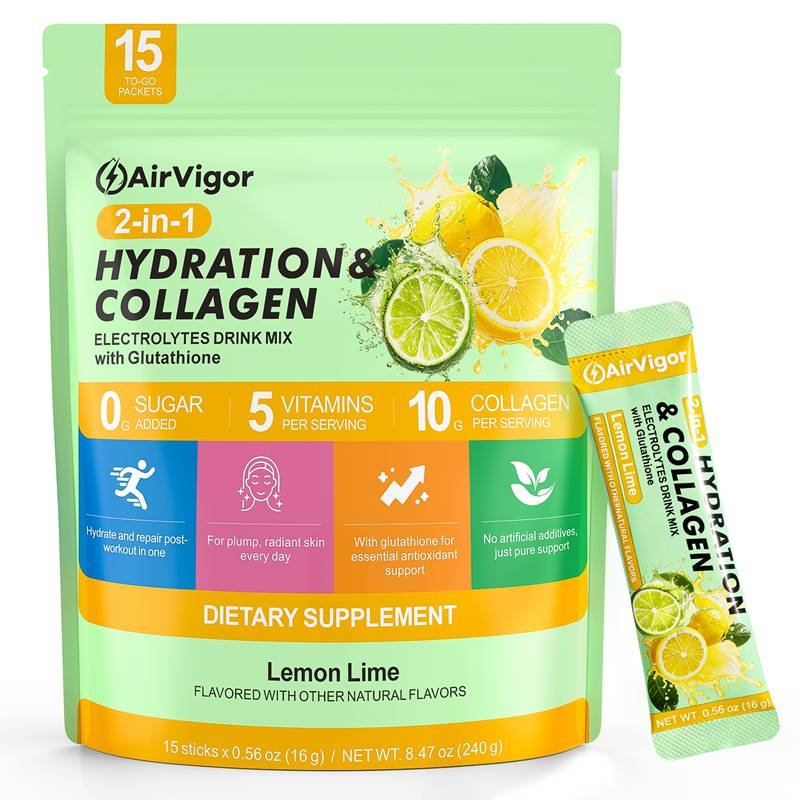
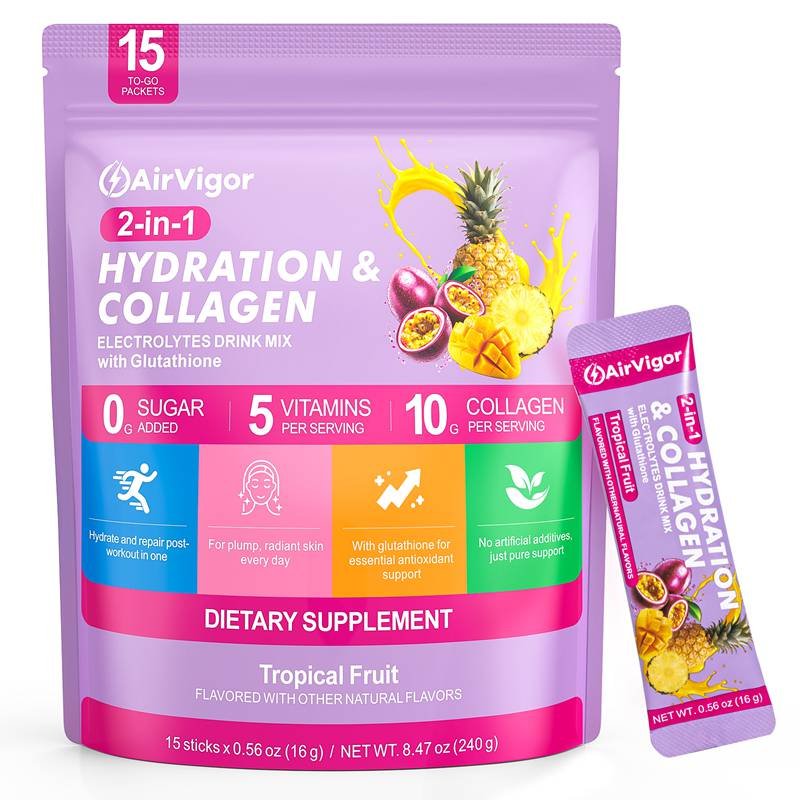
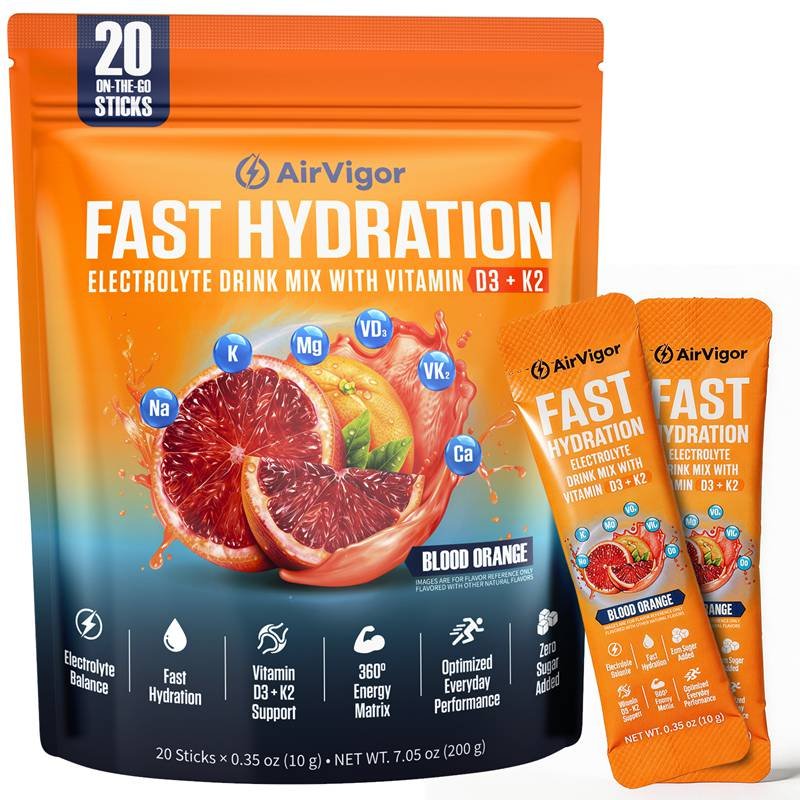
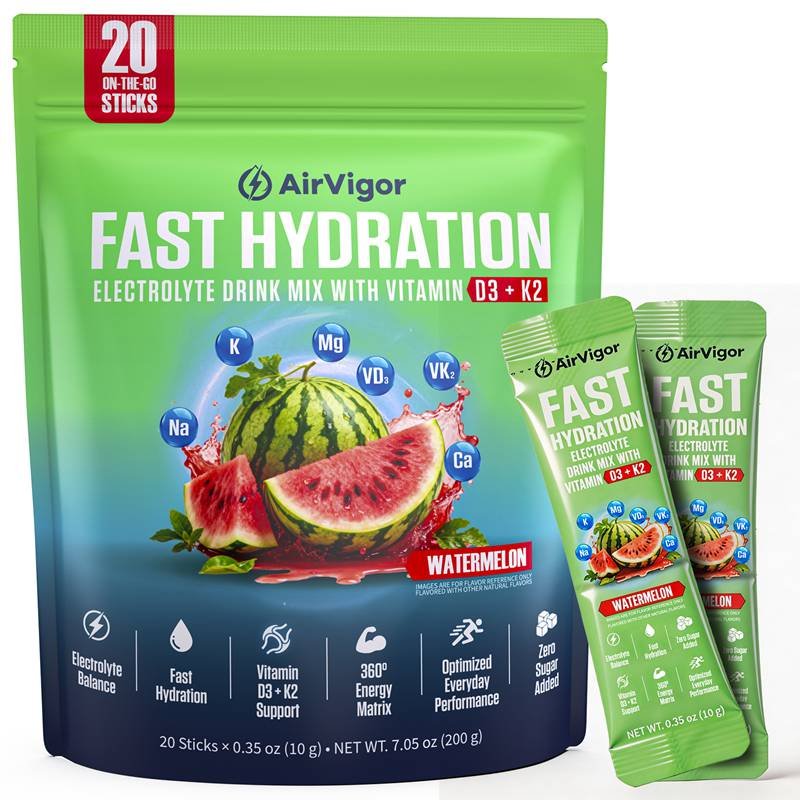
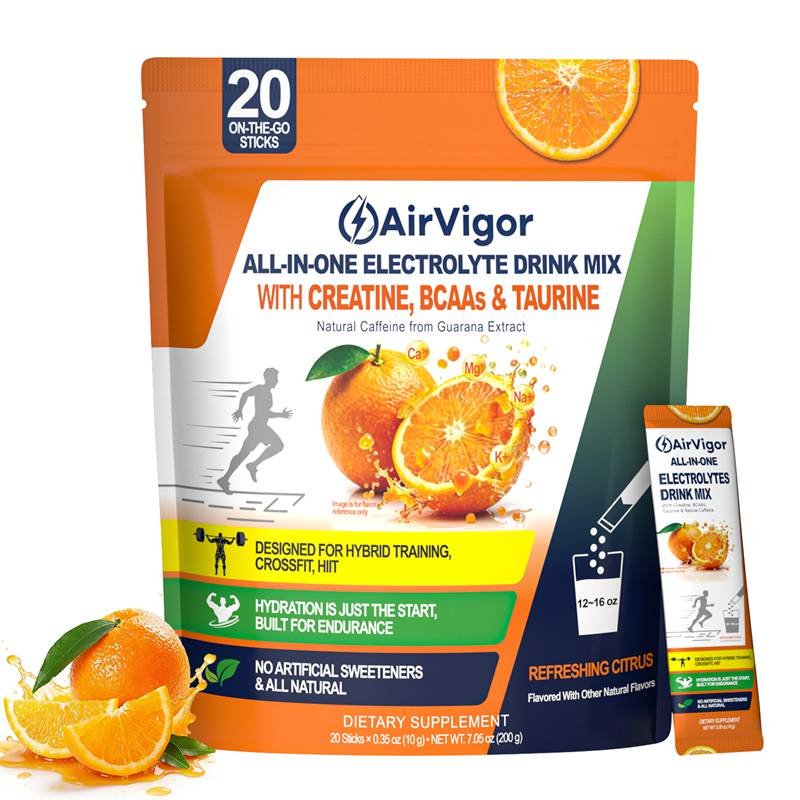
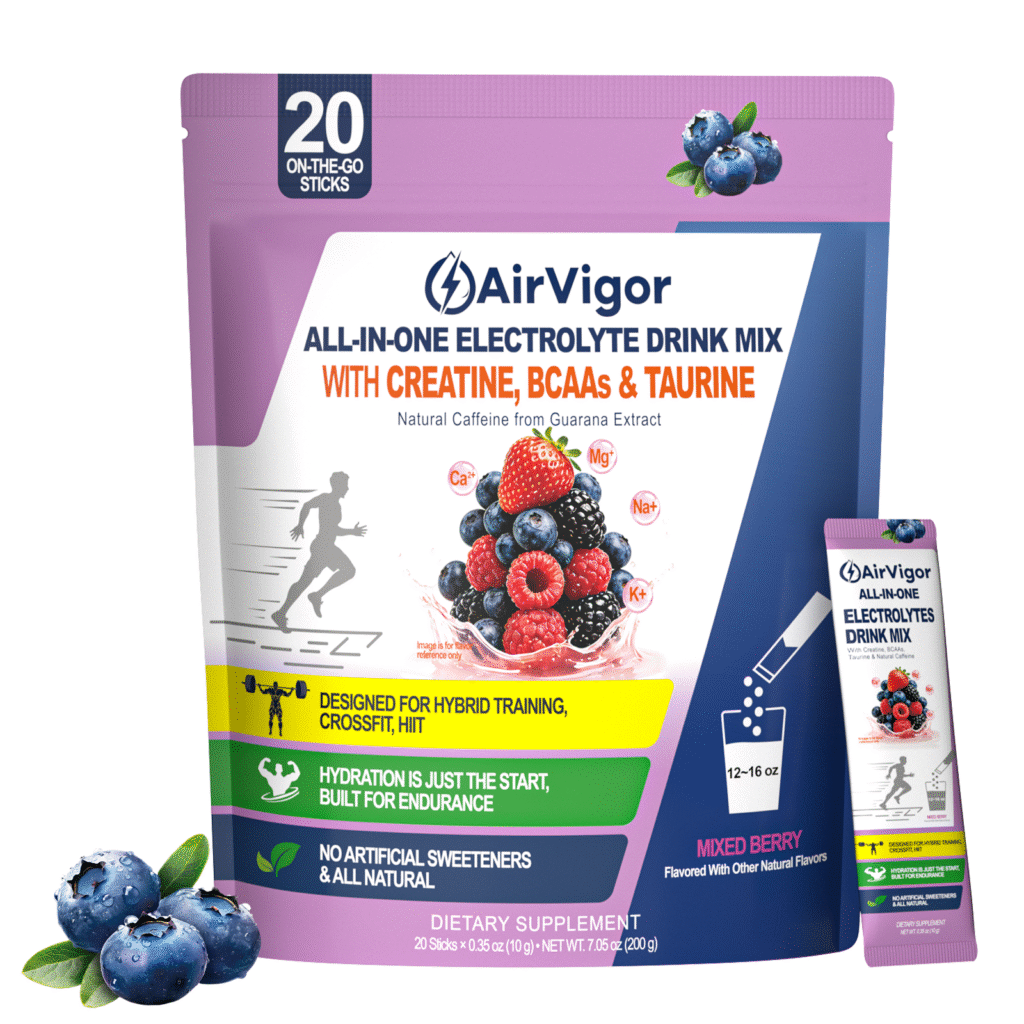
Is AirVigor a Good Electrolyte Powder for Travel?
AirVigor fits many of the qualities travelers now look for in modern hydration products because it focuses on portability, lighter flavor positioning, and practical daily use rather than extremely aggressive sports-drink styling.
One of the biggest advantages is convenience. Individually portioned stick packs fit naturally inside carry-ons, backpacks, gym bags, beach totes, or hotel travel kits without taking up much space.
For travel, convenience matters because hydration routines usually fail when products become difficult to carry or annoying to use.
AirVigor’s lighter flavor direction also fits current travel hydration preferences well. Many travelers no longer want thick or overly sugary sports drinks during flights, beach days, or walking-heavy vacations. They prefer hydration products that feel refreshing enough to use consistently throughout the trip.
This is especially important because travel hydration is rarely about one single workout or one moment of recovery. Most trips involve multiple smaller hydration challenges layered together across several days:
- flights
- heat exposure
- walking
- outdoor activities
- poor sleep
- alcohol
- inconsistent meals
Portable electrolyte powders work well in these situations because they adapt easily to changing schedules and travel conditions.
Conclusion
Modern travel places much more pressure on hydration than most people expect. Flights, heat exposure, walking-heavy days, alcohol, caffeine, poor sleep, outdoor activities, and irregular meals can all increase fluid and mineral loss throughout a trip.
Many travelers assume tiredness, headaches, sluggishness, or dry feeling after travel are simply unavoidable parts of the experience. In reality, hydration imbalance is often contributing far more than people realize.
This is why electrolytes have become increasingly popular outside traditional sports nutrition. Travelers now use electrolyte powders to support flights, road trips, beach vacations, outdoor adventures, business travel, gym routines, and everyday hydration while away from home.
The best travel electrolytes are usually the ones travelers can use consistently. Portable stick packs, balanced minerals, lower sugar formulas, refreshing flavors, and convenient mixing all matter because hydration routines only work when they fit naturally into real travel behavior.
AirVigor was developed around this modern hydration lifestyle. Portable electrolyte powder packets, travel-friendly convenience, lighter flavor positioning, and balanced hydration support make AirVigor suitable for travelers, active consumers, gym users, and wellness-focused daily routines.
For distributors, supplement brands, retailers, and private label buyers looking to expand into the growing travel hydration category, AirVigor also supports custom electrolyte formula development, branding customization, and manufacturing inquiries.
As travel becomes more active, wellness-focused, and physically demanding, hydration is no longer only a sports topic. It has become part of traveling comfortably, recovering faster, maintaining energy, and enjoying the overall travel experience more fully.