Skip to content
What Is Vitamin C in Electrolyte Powder: A Complete Guide
# Your Trusted Dietary Supplement Brand In US
- Emily

Table of Contents
Many people think electrolyte powder is only about replacing minerals lost through sweat. That is partly true, but modern hydration products are becoming more than simple sodium-and-potassium drink mixes. Consumers now want formulas that fit real life: workouts, busy schedules, hot weather, travel, long workdays, and inconsistent meals. This is why vitamin C often appears in electrolyte powders. It adds a wellness and recovery layer to a formula that is already designed to support fluid balance.
Vitamin C in electrolyte powder is not an electrolyte. It does not replace sodium, potassium, magnesium, or calcium. Instead, it works as a water-soluble nutrient that supports antioxidant protection, normal immune function, and collagen formation. In a hydration formula, vitamin C helps support the body during periods of physical stress, especially when sweat loss, training, heat exposure, or daily fatigue make recovery feel less consistent.
The important point is simple: vitamin C does not make water absorb better in the same way sodium does. Its value is different. Electrolytes help manage fluid balance. Vitamin C helps support the body’s response to stress after activity. When both are included in a balanced formula, the product feels more complete for users who want hydration plus daily wellness support.
Think about someone who finishes a workout, drinks plain water, and still feels flat later in the afternoon. The issue may not be water alone. It may also involve mineral loss, oxidative stress, and recovery demand. That is where vitamin C in electrolyte powder becomes useful—not as a magic ingredient, but as a practical part of a smarter daily hydration routine.
What Is Vitamin C in Electrolyte Powder?
Vitamin C in electrolyte powder is an added nutrient used to support antioxidant protection, immune function, and normal collagen formation. It is not an electrolyte, but it can complement minerals like sodium, potassium, and magnesium by supporting the body during exercise, heat exposure, and daily physical stress.
Is vitamin C in electrolyte powder an electrolyte?
Vitamin C is not an electrolyte. This is one of the most important points to explain clearly because many customers see vitamin C listed beside minerals and assume it performs the same job.
Electrolytes are minerals that carry an electrical charge when dissolved in body fluids. The main electrolytes used in hydration powders include sodium, potassium, magnesium, calcium, chloride, and sometimes phosphate. These minerals help regulate fluid balance, muscle contraction, nerve signaling, and normal cellular function.
Vitamin C works differently. It is a water-soluble vitamin, also known as ascorbic acid. It does not directly control fluid balance or muscle contraction. It does not replace minerals lost through sweat. Its main value is supporting antioxidant activity, immune health, and collagen formation.
A clear comparison helps users understand the difference:
| Ingredient | Is It an Electrolyte? | Main Role in the Body | Why It Appears in Hydration Products |
|---|---|---|---|
| Sodium | Yes | Fluid retention, nerve signaling | Helps the body hold and distribute water |
| Potassium | Yes | Cellular fluid balance, muscle function | Supports normal muscle and cellular activity |
| Magnesium | Yes | Muscle and nerve function | Supports relaxation, contraction, and energy metabolism |
| Calcium | Yes | Muscle contraction, nerve function | Supports normal signaling and contraction |
| Vitamin C | No | Antioxidant support, immune function, collagen formation | Supports recovery and wellness during physical stress |
This distinction matters because a product with vitamin C still needs enough electrolytes to work as a true hydration formula. A powder that contains vitamin C but has very little sodium may look attractive on the label, but it may not perform well for people who sweat heavily or train often.
For most active users, sodium is still the central mineral for hydration. Potassium and magnesium can support a more complete electrolyte profile. Vitamin C adds another layer, but it should not replace the core mineral structure.
What does vitamin C in electrolyte powder actually do?
Vitamin C in electrolyte powder mainly supports the body’s response to stress. This stress can come from exercise, heat, long work hours, travel, low fluid intake, or a busy lifestyle. When the body is under these conditions, hydration alone may not fully address how a person feels.
Vitamin C is best known for three practical functions:
| Function | Why It Matters to Users |
|---|---|
| Antioxidant support | Helps protect cells from oxidative stress caused by exercise and daily stress |
| Immune support | Helps support normal immune system function, especially during busy or active periods |
| Collagen formation | Supports normal collagen production, which is relevant for skin, joints, tendons, and connective tissue |
During exercise, the body uses more oxygen and produces more metabolic byproducts. This is normal, but it can contribute to oxidative stress. Vitamin C helps support the body’s antioxidant defenses. That does not mean it prevents soreness or eliminates fatigue, but it can support a more balanced recovery process when used consistently.
Vitamin C also plays a role in collagen formation. This matters because active people place repeated stress on joints, tendons, ligaments, and connective tissue. While electrolyte powder is not a joint supplement, adding vitamin C can make the formula more relevant for people who want daily hydration with broader body support.
For customers, the benefit is easy to understand:
- Electrolytes help replace minerals lost through sweat.
- Vitamin C helps support the body during and after physical stress.
- Together, they create a formula that feels more complete than plain water or a basic mineral-only drink.
This is why vitamin C is often included in products designed for fitness, wellness, outdoor activity, travel hydration, and daily energy routines.
Why is vitamin C in electrolyte powder added?
Vitamin C is added to electrolyte powder because consumers are looking for hydration products that do more than quench thirst. Many people do not want separate products for hydration, recovery, immune support, and daily wellness. They prefer one easy drink mix that fits into their routine.
From a product development point of view, vitamin C helps electrolyte powder meet several real customer needs:
| Customer Need | How Vitamin C Helps |
|---|---|
| “I feel tired after workouts even when I drink water.” | Supports antioxidant protection during recovery |
| “I want something for daily hydration, not just sports.” | Adds wellness value beyond minerals |
| “I want immune support during busy weeks.” | Supports normal immune system function |
| “I care about skin, joints, and active aging.” | Supports normal collagen formation |
| “I want a formula that feels complete.” | Adds a recognizable, trusted nutrient |
Vitamin C is also familiar to consumers. Many shoppers already associate it with wellness, immune support, and daily health. This makes the ingredient easier to understand compared with more technical compounds. For a hydration product, this can improve trust and make the formula feel more approachable.
However, the dose still matters. More is not always better. In daily electrolyte powders, vitamin C is usually most practical in a moderate range rather than a very high dose.
| Vitamin C Per Serving | Practical Meaning |
|---|---|
| Below 50 mg | Light label support, limited daily impact |
| 75–100 mg | Basic daily support range |
| 100–250 mg | Strong practical range for active hydration formulas |
| 500 mg+ | High dose, often unnecessary for daily electrolyte use |
| 1,000 mg+ | May be excessive for many daily-use formulas |
For a daily hydration powder, a moderate vitamin C dose often makes more sense than a megadose. Customers may use electrolyte powder several times per week, sometimes daily. A balanced amount supports regular use without making the formula feel overloaded.
This is especially important for brands building products for Amazon, retail, gyms, outdoor users, or wellness customers. A formula should feel useful, easy to understand, and safe for consistent use. Vitamin C can help achieve that when it is positioned correctly.
How Does Vitamin C in Electrolyte Powder Work?
Vitamin C in electrolyte powder works by supporting antioxidant defense, immune function, and normal collagen formation while electrolytes handle fluid balance. The two functions are different but complementary. Electrolytes help the body manage water and minerals, while vitamin C supports the body’s response to stress and recovery.
How does vitamin C in electrolyte powder support recovery?
Recovery is not only about replacing water. After exercise or heavy sweating, the body is dealing with several things at the same time: fluid loss, mineral loss, increased body temperature, higher oxygen use, and physical stress on muscles and connective tissue.
Electrolytes mainly support the fluid and mineral side of this process. Vitamin C supports the stress-response side.
After moderate or intense activity, the body produces more free radicals as part of normal metabolism. Vitamin C helps support antioxidant protection, which may help the body return to a more balanced state. This is especially relevant for people who train often, spend time outdoors, work in hot environments, or feel worn down after physical activity.
A practical recovery picture looks like this:
| Recovery Need After Activity | Main Support |
|---|---|
| Replace fluid loss | Water + sodium |
| Restore mineral balance | Sodium, potassium, magnesium |
| Support muscle and nerve function | Magnesium, potassium, calcium |
| Support antioxidant defense | Vitamin C |
| Support connective tissue | Vitamin C through collagen formation |
| Support daily wellness | Vitamin C + balanced hydration |
Customers usually do not describe recovery in scientific terms. They say things like:
- “I feel drained later in the day.”
- “Water does not seem like enough.”
- “I sweat a lot and feel flat after training.”
- “I want something lighter than a protein shake.”
- “I need a drink I can use every day.”
Vitamin C helps make an electrolyte powder more suitable for these situations. It does not replace protein, creatine, amino acids, or sleep. But it can support a more complete recovery routine, especially when the product is used consistently.
The best way to explain it to customers is this: electrolytes help restore what sweat takes away; vitamin C helps support the body as it recovers from the stress that caused the sweat.
How does vitamin C in electrolyte powder interact with electrolytes?
Vitamin C does not replace electrolytes, and it should not be presented as if it makes minerals unnecessary. Instead, it works beside them.
A balanced electrolyte formula usually starts with sodium because sodium is the main electrolyte lost in sweat and plays a major role in fluid retention. Potassium supports cellular balance. Magnesium supports normal muscle and nerve function. Vitamin C adds antioxidant and wellness support.
The relationship is best understood as a layered formula:
| Layer | Ingredients | Main Purpose |
|---|---|---|
| Hydration base | Water + sodium | Helps restore fluid balance |
| Mineral support | Potassium, magnesium, calcium | Supports muscle, nerve, and cellular function |
| Recovery support | Vitamin C | Supports antioxidant protection and collagen formation |
| Lifestyle support | Flavor, low sugar, convenient format | Helps users stay consistent |
This layered structure is important because many customers judge electrolyte powders only by taste or vitamin claims. But the best formulas are not built around one eye-catching ingredient. They are built around balance.
For example, a product may advertise “with vitamin C,” but if the sodium level is too low, it may not be ideal for workout hydration. Another product may include high sodium but no supportive nutrients, making it feel more like a basic rehydration drink than a daily wellness formula.
A practical formula should answer these questions:
- Does it contain enough sodium for real hydration support?
- Does it include potassium or magnesium for a broader electrolyte profile?
- Is the vitamin C dose useful but not excessive?
- Is the sugar level appropriate for daily use?
- Is the flavor easy to drink regularly?
Vitamin C works best when the electrolyte foundation is already strong. In that situation, it adds useful support without distracting from the main purpose of the product.
Does vitamin C in electrolyte powder affect hydration?
Vitamin C does not directly improve hydration the way sodium does. This is an important point because it keeps the article accurate and builds trust with informed customers.
Hydration depends mainly on water intake and electrolyte balance. Sodium is especially important because it helps the body retain fluid instead of simply passing water through quickly. Potassium helps maintain fluid balance inside cells. Magnesium supports normal muscle and nerve function, which can matter during activity and recovery.
Vitamin C’s role is indirect. It does not pull water into the bloodstream or significantly change fluid retention. Instead, it supports the overall condition of the body during periods when hydration needs are higher.
A simple ranking helps clarify this:
| Ingredient | Direct Hydration Impact | Recovery / Wellness Impact |
|---|---|---|
| Sodium | High | Medium |
| Potassium | Medium | Medium |
| Magnesium | Medium | Medium |
| Calcium | Low to Medium | Medium |
| Vitamin C | Low | High |
This does not make vitamin C less valuable. It simply means the product should not rely on vitamin C as the main hydration ingredient.

What Benefits Does Vitamin C in Electrolyte Powder Offer?
Vitamin C in electrolyte powder becomes relevant at the point where hydration alone no longer explains how the body feels. In most real-life scenarios, fluid balance can be restored relatively quickly, often within the first hour after intake. However, many users still notice a decline in energy later in the day, uneven recovery between sessions, or a general sense of fatigue building up across the week. This gap between “hydrated” and “fully recovered” is where vitamin C adds value.
Unlike electrolytes, which directly regulate fluid balance and muscle function, vitamin C works at a different level. Its primary role is to support the body during and after physical stress. This includes managing oxidative load, supporting immune function, and contributing to collagen formation. These processes are less visible in the short term, but they shape how consistently the body performs over time.
Does vitamin C in electrolyte powder reduce fatigue?
Fatigue is often experienced as a delayed effect rather than an immediate one. After training, many people feel fine for the first few hours, only to notice a drop in energy later in the day. This pattern is especially common among users who train in the morning or combine exercise with long working hours.
This delayed fatigue is not caused by hydration alone. Even when fluid and electrolyte levels are restored, the body is still processing the metabolic stress generated during activity. Vitamin C supports this phase by helping the body maintain balance under increased oxidative demand.
A practical way to understand this is to look at how energy levels tend to shift over time:
| Time After Activity | Electrolytes Only | Electrolytes + Vitamin C |
|---|---|---|
| 0–2 hours | Hydration improves quickly | Similar hydration response |
| 3–6 hours | Energy begins to decline | Energy remains more stable |
| End of day | Noticeable fatigue | Fatigue is less pronounced |
The difference is not a sudden increase in energy, but a reduction in how sharply energy levels drop. For users training multiple times per week, this effect becomes more noticeable across several days rather than within a single session.
Can vitamin C in electrolyte powder support immunity?
When activity levels increase, the demands placed on the body extend beyond hydration and muscle function. Frequent training, combined with work stress, travel, or irregular routines, can gradually affect immune stability. This does not usually appear as an immediate issue, but rather as reduced resilience over time.
Vitamin C contributes to normal immune function, helping the body maintain a more stable baseline under these conditions. Its role is not to create a noticeable short-term effect, but to support continuity. For active individuals, this continuity is often more important than peak performance in a single session.
Daily intake needs tend to shift depending on lifestyle:
| Activity Level | Practical Vitamin C Intake |
|---|---|
| Low activity | 75–90 mg |
| Moderate activity | 100–200 mg |
| High-frequency training | 200–400 mg |
Most electrolyte powders are formulated within the 100–250 mg range, which allows users to support daily needs without making the product difficult to use consistently.
The benefit is reflected in fewer disruptions. Users are more likely to maintain their routine, train consistently, and avoid the fluctuations that come with accumulated stress.
Does vitamin C in electrolyte powder improve recovery?
Recovery is a multi-step process that continues well beyond the initial hydration phase. While electrolytes play a central role in restoring fluid and mineral balance, they do not fully address the internal stress generated during activity. This is where vitamin C becomes more relevant.
Vitamin C supports recovery by contributing to antioxidant balance and collagen formation. These functions are particularly important for individuals engaged in repetitive or high-frequency training, where small inefficiencies in recovery can accumulate over time.
The difference becomes clearer when looking at recovery across multiple days:
| Recovery Aspect | Electrolytes Only | Electrolytes + Vitamin C |
|---|---|---|
| Immediate hydration | Strong | Strong |
| Same-day recovery | Moderate | Moderate |
| Next-day readiness | Variable | More consistent |
| Accumulated fatigue | More noticeable | Better controlled |
Rather than changing how the body feels immediately after one session, vitamin C influences how well the body maintains performance across repeated cycles of stress and recovery. Users often describe this as a more “predictable” recovery pattern, with less variation between training days.
Who Needs Vitamin C in Electrolyte Powder?
Vitamin C in electrolyte powder becomes relevant when a user’s routine creates repeated stress that goes beyond simple dehydration. For many people, hydration alone is enough in the early stages. However, as activity frequency increases or daily demands become more complex, a gap begins to appear between being “hydrated” and feeling fully recovered.
This gap is usually not obvious after a single session. It shows up over time, often across several days. Users may notice that even though they are drinking enough water or using electrolyte products, energy levels become less stable, recovery feels inconsistent, or fatigue accumulates more quickly than expected. In these situations, the body is not only dealing with fluid loss, but also with ongoing metabolic and physical stress. This is where vitamin C becomes a practical addition.
Which users need vitamin C in electrolyte powder most?
The need for vitamin C is closely tied to how often the body is exposed to stress and how much time it has to recover. Individuals with high-frequency training are one of the clearest examples. Training four to six times per week places repeated demands on the body, and even small inefficiencies in recovery can accumulate. In this context, hydration alone may restore fluid balance, but it does not fully address the broader recovery process.
A similar pattern appears in individuals with high sweat rates. During moderate to intense activity, fluid loss can reach 0.5 to 1.5 liters per hour, accompanied by significant sodium loss. While electrolytes are essential in this situation, users often report that hydration alone does not fully restore how they feel, especially later in the day or across consecutive sessions.
Beyond structured training, lifestyle factors also play an important role. People who combine long work hours with regular exercise often operate with limited recovery time. Sleep may be inconsistent, meals may be irregular, and physical activity is layered on top of these conditions. In this case, recovery is not just about what happens after a workout, but about how the body maintains stability throughout the week.
Outdoor workers and individuals exposed to heat represent another group where this pattern becomes more visible. Prolonged exposure to high temperatures increases both fluid loss and overall physiological strain. Over time, this combination makes it more difficult to maintain consistent energy and performance without additional support.
A simplified comparison highlights how demand changes across different user types:
| User Type | Main Demand | Where Vitamin C Adds Value |
|---|---|---|
| Occasional exercise | Basic hydration | Limited |
| Regular training (3–4x/week) | Hydration + recovery | Moderate |
| High-frequency training (4–6x/week) | Repeated stress + recovery consistency | High |
| Heat exposure / outdoor work | Fluid loss + physical strain | High |
Is vitamin C in electrolyte powder for daily use?
Whether vitamin C in electrolyte powder should be used daily depends less on the ingredient itself and more on the user’s routine. For individuals with consistent activity or ongoing stress, daily use often aligns naturally with their needs. In these cases, hydration is not an occasional requirement, but part of a daily system that supports performance and recovery.
For users training most days of the week or regularly exposed to physical demands, a daily intake of vitamin C within the 100–250 mg range fits well within practical usage. This range supports ongoing needs without creating excess, making it easier to maintain consistency over time.
However, for individuals with lower activity levels, the situation is different. If overall stress is low and dietary intake already provides sufficient vitamin C, additional intake through electrolyte powder may offer limited benefit. In these cases, usage tends to be more situational rather than routine.
The distinction is not about whether vitamin C is beneficial, but whether it is necessary on a daily basis. Matching intake to actual demand is what makes a product useful rather than excessive.
Do active people need vitamin C in electrolyte powder?
Active individuals generally have higher recovery demands, but the extent to which vitamin C is needed depends on both intensity and frequency. During exercise, oxygen consumption increases significantly, often reaching two to five times resting levels. This increase reflects higher metabolic activity and a greater need for the body to maintain internal balance after activity.
Over time, this repeated demand creates a pattern where recovery becomes just as important as performance. The difference is not always visible in a single session, but it becomes clearer across multiple sessions. Users may notice that their ability to maintain performance depends less on how they feel immediately after training and more on how consistently they recover between sessions.
| Daily Intake Level | Practical Meaning |
|---|---|
| Below 100 mg | Basic support, may be insufficient for active routines |
| 100–250 mg | Suitable for consistent daily use |
| 250–500 mg | Higher demand situations |
| Above 1000 mg | Limited additional benefit for most users |
For most active individuals, staying within a moderate range allows the product to be used regularly without unnecessary complexity. The goal is not to maximize intake, but to support a stable routine.

How to Choose Vitamin C in Electrolyte Powder?
Choosing an electrolyte powder with vitamin C is less about finding the longest ingredient list and more about understanding how the formula will perform in daily use. Most users do not evaluate products in a lab setting. They judge them based on simple outcomes: how quickly they feel hydrated, whether energy stays stable later in the day, and whether the product is easy to use consistently without discomfort.
A well-designed formula should match three practical conditions. It should hydrate effectively within the first hour, support recovery over the next several hours, and remain light enough to be used regularly. When any one of these is missing, the product tends to fall out of routine, regardless of how strong the label looks.
How much vitamin C in electrolyte powder is enough?
Vitamin C dosage is one of the most common areas of confusion. Higher numbers often look more appealing, but in daily-use products, they do not necessarily translate into better results. What matters more is whether the dose fits how often the product will be used.
For most active people, a moderate and consistent intake works better than occasional high doses. In electrolyte powders designed for regular use, vitamin C is typically positioned within a range that supports recovery without overwhelming the formula.
| Vitamin C per Serving | Practical Interpretation |
|---|---|
| Below 50 mg | Minimal effect in active scenarios |
| 75–100 mg | Basic daily support |
| 100–200 mg | Balanced range for regular use |
| 200–250 mg | Suitable for higher activity levels |
| 500 mg+ | High dose, often unnecessary for frequent use |
For users consuming electrolyte powder several times per week, the 100–250 mg range tends to be the most practical. It provides enough support to make a difference over time while remaining suitable for consistent use. Higher doses may look stronger on paper, but they do not significantly improve day-to-day outcomes and can make the formula feel less balanced.
Which formulas combine vitamin C in electrolyte powder best?
Vitamin C should not be evaluated on its own. Its value depends on how well it is integrated into the overall formula. The most important factor is still the electrolyte base, especially sodium.
Sodium is the primary driver of hydration. Without enough sodium, even a well-formulated product may struggle to retain fluid effectively. For users who sweat during exercise or work in warm environments, this becomes especially important.
A balanced electrolyte structure typically looks like this:
| Component | Role in the Body | Practical Range |
|---|---|---|
| Sodium | Fluid retention and distribution | 300–700 mg |
| Potassium | Cellular fluid balance | 100–300 mg |
| Magnesium | Muscle and nerve function | 50–100 mg |
| Vitamin C | Recovery and antioxidant support | 100–250 mg |
When these elements are aligned, the product can support both immediate hydration and longer recovery. If one element is out of balance, the overall performance tends to suffer.
Some formulas also include additional components such as amino acids, collagen, or creatine. These can be useful in specific contexts, but they are not essential for a general hydration product. In many cases, simpler formulations are easier to use consistently and are better tolerated over time.
The best formula is one that feels:
- Hydrating within the first hour
- Light and easy to drink
- Consistent in how it performs across multiple uses
What to avoid in vitamin C in electrolyte powder?
Understanding what to avoid can often make the selection process clearer. Many products appear similar at first glance but differ significantly in real-world use.
One common issue is excessive sugar content. Some electrolyte powders contain 10 to 20 grams of sugar per serving, which can lead to unnecessary calorie intake and energy fluctuations. For daily use, lower sugar levels are generally more practical.
| Sugar Level per Serving | Suitability |
|---|---|
| 0–2 g | Best for daily hydration |
| 3–6 g | Acceptable for active users |
| 10 g+ | More suitable for short-term energy, less ideal for daily use |
Another issue is low sodium content combined with heavy emphasis on vitamins. A product may highlight vitamin C or other nutrients but contain less than 200 mg of sodium, which limits its effectiveness for hydration. For users who sweat regularly, this type of formula often feels weak in practice.
Overly complex ingredient lists can also reduce usability. When too many ingredients are included without a clear purpose, it becomes harder to maintain consistency. Some users may also experience mild digestive discomfort, especially when multiple functional ingredients are combined at higher doses.
How to evaluate a product in real use
Labels can only provide part of the picture. In practice, users tend to evaluate a product based on how it performs over several days.
A practical way to assess an electrolyte powder with vitamin C is to observe three phases:
First hour after use
Hydration should improve quickly. Thirst should decrease, and the drink should feel light rather than heavy.
Midday or several hours later
Energy levels should remain relatively stable, without a sharp drop.
Next-day recovery
The body should feel ready for the next session, without excessive heaviness or fatigue.
If a product performs consistently across these phases, it is more likely to fit into a long-term routine.
Conclusion: Should You Choose Electrolyte Powder with Vitamin C?
Vitamin C in electrolyte powder is not a replacement for electrolytes, but it adds meaningful value for users who need more than basic hydration. For people who train regularly, experience fatigue after activity, or want a more complete daily hydration routine, vitamin C helps support recovery, stability, and overall consistency.
The most important factor is not choosing the product with the highest numbers, but choosing one that fits real usage. A balanced formula with the right electrolyte levels, moderate vitamin C, and good usability will always outperform a product built around marketing claims.
For most users, ready-to-use electrolyte powders are the most practical option. They remove the need to combine multiple supplements and make it easier to stay consistent over time. This is especially important for Amazon sellers, fitness brands, and wellness businesses looking to offer products that customers can actually use daily.
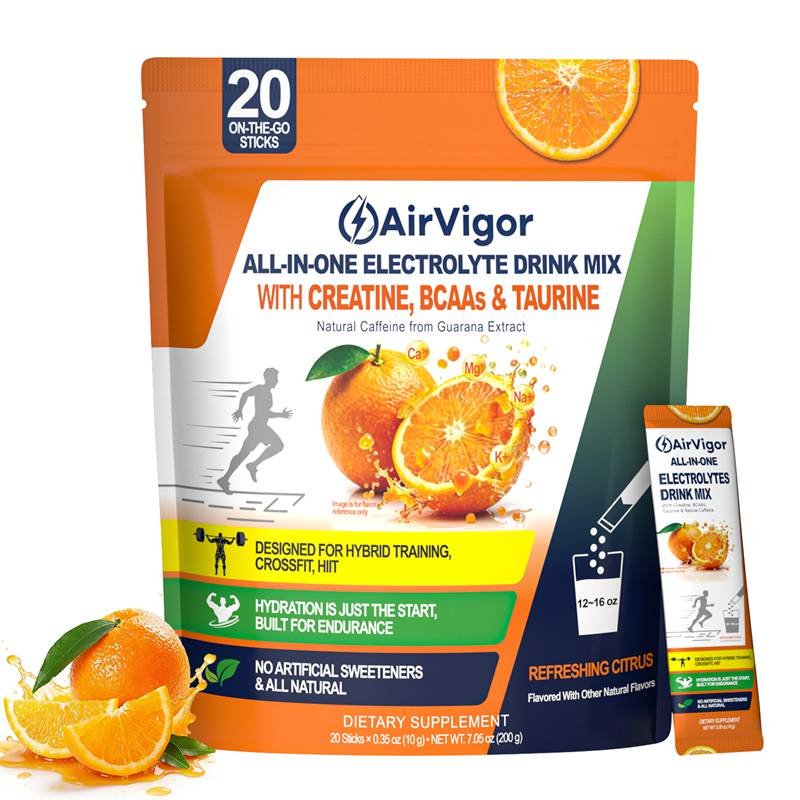
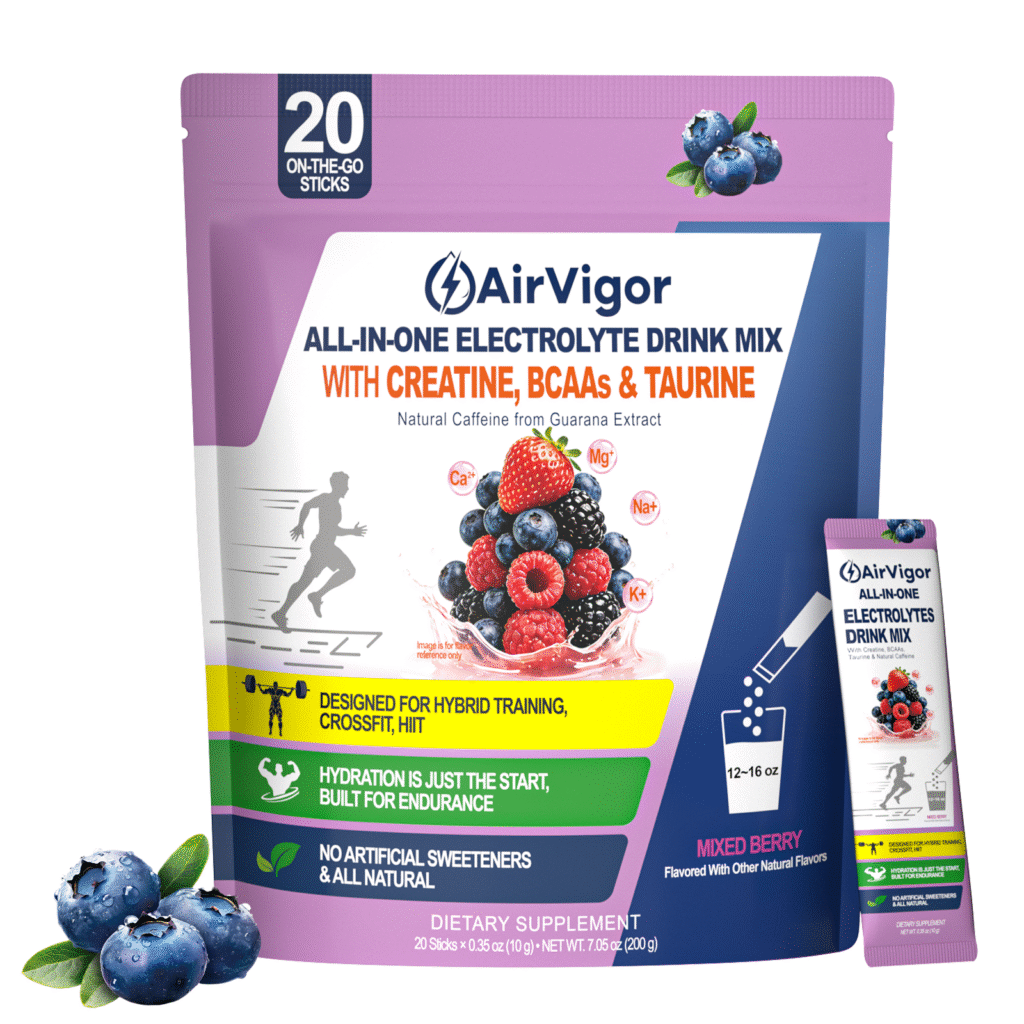
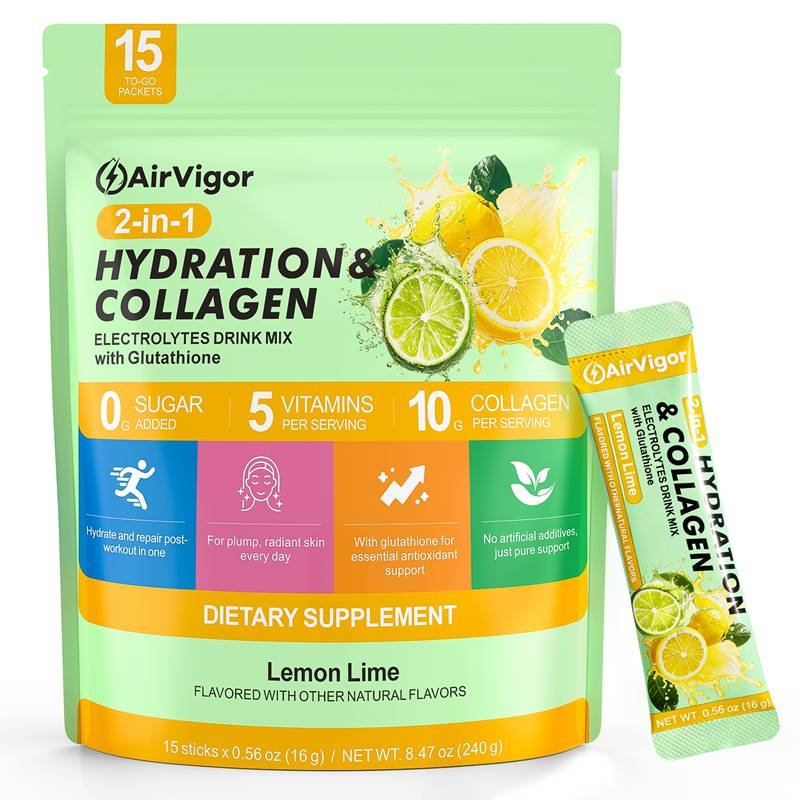
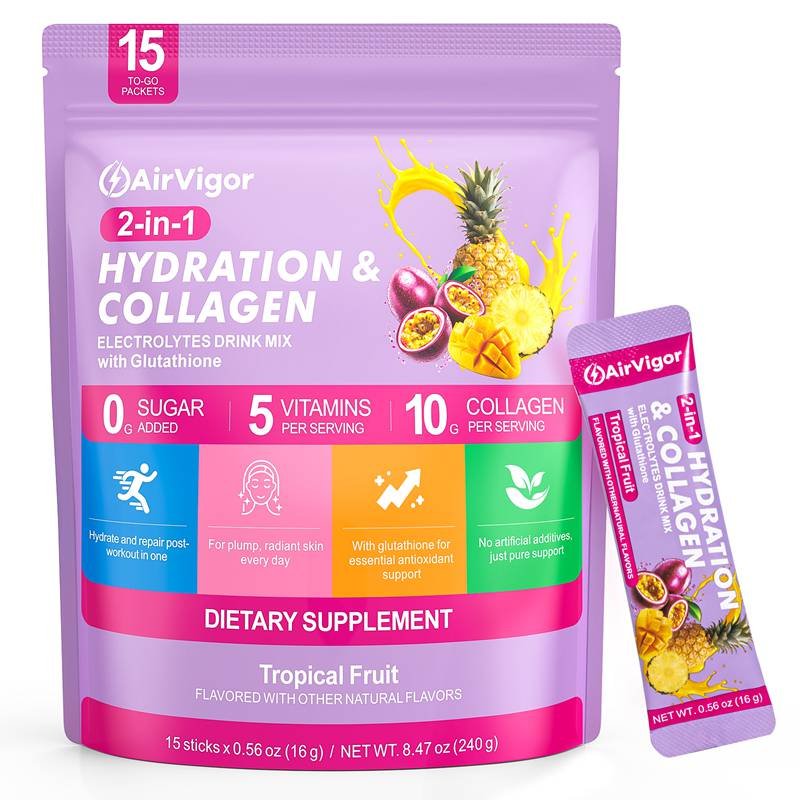
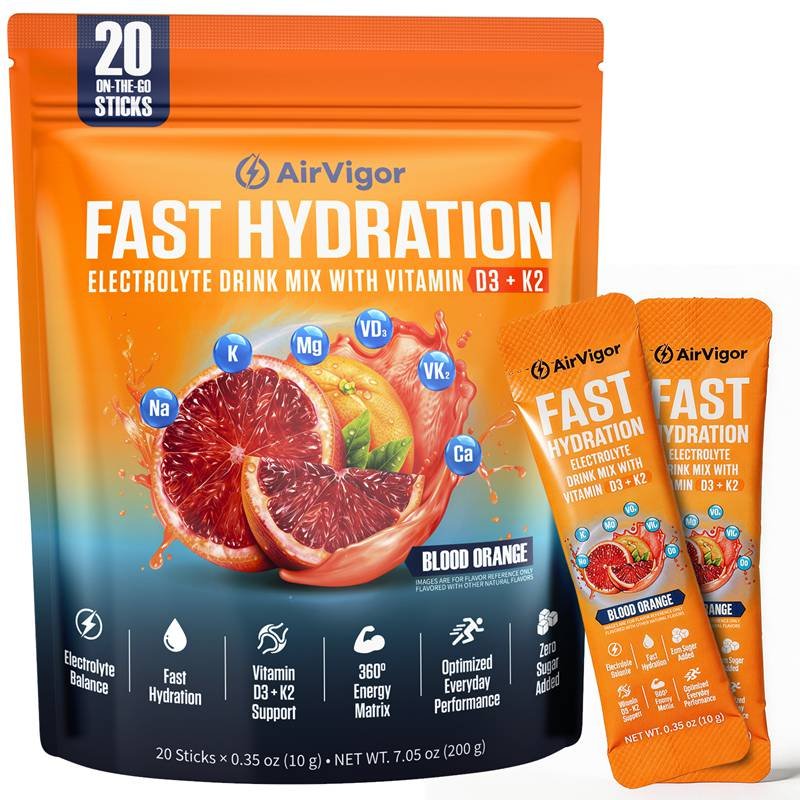
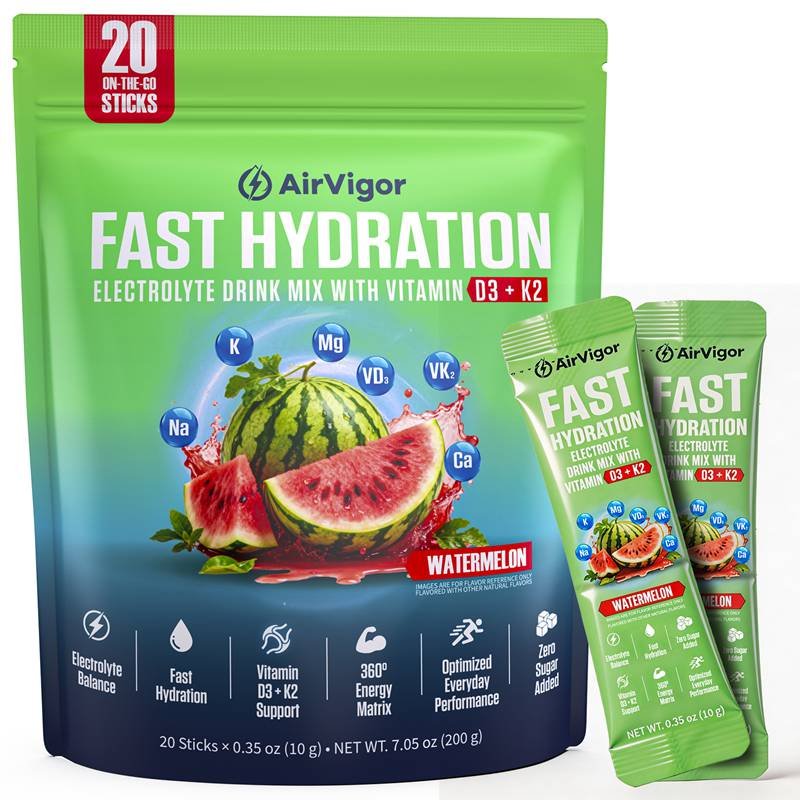
At AirVigor, electrolyte formulas are developed based on this exact principle. Each ingredient is selected and calibrated to work together, not just to appear on a label. Vitamin C is included where it adds real value—supporting recovery and daily performance without overwhelming the formula.
Whether you are looking to:
- Launch a ready-to-sell electrolyte product
- Upgrade an existing formula
- Develop a customized hydration solution for your brand
AirVigor provides both in-stock formulas and flexible customization options, allowing you to match your product to your target market.
If you are planning your next product or want to improve your current offering, reaching out for formulation guidance or pricing can help you move faster and avoid costly trial-and-error.
A well-designed electrolyte powder is not just about hydration. It is about how consistently it supports the user—and that is where the right balance of electrolytes and vitamin C makes a real difference.
Share:
Contact Expert Team
At AirVigor, performance becomes effortless. We transform advanced nutrition science into clean, effective supplements that help you hydrate, recover, and feel stronger every day. Shop AirVigor Supplements on Amazon and experience athlete-trusted formulas—backed by real science and supported by our world-class R&D and production capabilities.
Trust AirVigor
At AirVigor, turning your performance goals into reality is no longer a struggle—it’s a science-driven journey we build together. Whether you’re a runner, lifter, cyclist, yogi, outdoor athlete, or someone simply seeking better daily energy, AirVigor transforms advanced nutrition research into clean, effective, and trustworthy supplements you can feel.
Backed by our U.S. scientific team, global certifications, and world-class production standards, every formula is engineered to deliver real hydration, real recovery, and real performance. And when you’re ready to experience the difference, you’ll find AirVigor products available on Amazon and other major platforms—fast shipping, consistent quality, and a community of athletes already seeing results.
Behind the scenes, our R&D and manufacturing ecosystem also supports specialized formulation development, ensuring AirVigor continues to lead with innovation while keeping quality and safety uncompromised. But at the core, everything we create is built for you—your health, your performance, your momentum.
Choose AirVigor. Feel the science. Elevate your every day.


Subscribe to our newsletter
Sign up to our newsletter and we’ll keep you up to date with the latest arrivals.