Skip to content

Running a marathon is about more than just pace and endurance; it’s about maintaining your body’s energy, hydration, and electrolyte balance. Electrolytes—sodium, potassium, magnesium, and calcium—are critical for keeping your body functioning at its best during long runs. Without proper electrolyte management, you can experience fatigue, muscle cramps, and even dehydration, all of which can derail your race performance.
Electrolyte replenishment is necessary not only for preventing dehydration but also for ensuring that your muscles continue to work efficiently. By understanding how electrolytes affect hydration and performance, marathoners can strategically manage their intake before, during, and after the race to optimize results and recover faster.
Electrolytes are vital for marathon performance. Proper intake before, during, and after the race helps maintain hydration, muscle function, and energy.
Let’s dive deeper into why electrolytes are essential for marathoners, how you can prepare your body, and how to use them strategically on race day.
What Are Electrolytes for Marathon Runners?
Electrolytes are minerals in your body that carry an electric charge and are essential for maintaining a balance of fluids in your body, regulating muscle contractions, and supporting nerve function. For marathon runners, electrolytes play a critical role in maintaining hydration levels, optimizing muscle performance, and preventing fatigue during long-distance runs.
Electrolytes are lost through sweat during exercise, and during a marathon, you lose a significant amount of these crucial minerals. This is why replenishing them is so important to avoid muscle cramps, dehydration, and decreased performance. Proper electrolyte intake helps regulate the balance of fluids in your body, ensuring you remain energized and hydrated throughout the race.
Which Electrolytes Do Marathon Runners Need?
The three key electrolytes that marathon runners need to focus on are sodium, potassium, and magnesium. Below is a detailed breakdown of their roles:
| Electrolyte | Function | Why It’s Important for Marathon Runners | Sources in Food |
|---|---|---|---|
| Sodium | Maintains fluid balance, helps with nerve signaling | Sodium is the primary electrolyte lost in sweat. It helps regulate fluid levels and prevents dehydration. | Salt, sports drinks, pickles, olives, soup, salted nuts |
| Potassium | Regulates muscle contractions and nerve impulses | Potassium is vital for preventing muscle cramps and keeping the muscles working efficiently throughout the race. | Bananas, potatoes, tomatoes, spinach, avocados |
| Magnesium | Supports muscle relaxation and energy production | Magnesium helps relax muscles after they contract, preventing cramps and improving endurance during long runs. | Nuts, seeds, leafy greens, whole grains |
Why Electrolytes Matter for Hydration and Performance?
Electrolytes help regulate the amount of water in your body by ensuring it stays in the right places. They allow your muscles to contract and relax properly, enabling you to run longer and more efficiently. Without electrolytes, your muscles can become fatigued, cramped, or even stop functioning altogether.
When you sweat during a marathon, your body loses both water and electrolytes. If you don’t replenish these electrolytes, dehydration can set in, and your body won’t be able to regulate its temperature properly. This leads to reduced performance, an increased risk of heatstroke, and more severe muscle cramps. Maintaining a proper balance of electrolytes is essential for muscle function, avoiding cramping, and keeping you energized for the duration of the marathon.
Practical Impact of Electrolyte Loss:
- Sodium Loss: Sodium helps retain water in the body. Losing sodium can lead to a significant drop in blood volume, causing fatigue and decreased performance.
- Potassium Loss: Potassium is crucial for muscle contractions. A drop in potassium levels can result in painful cramps and weakness, making it difficult to continue running.
- Magnesium Loss: Magnesium supports muscle relaxation and energy production. Without adequate magnesium, your muscles may tighten, leading to cramps and reduced endurance.
How to Replenish Electrolytes Before, During, and After the Race?
- Before the Marathon: Ensure that you are well-hydrated the night before and consume a balanced intake of electrolytes, such as an electrolyte-infused drink.
- During the Marathon: Regularly consume electrolyte drinks (every 30-45 minutes) to replenish lost minerals and keep your hydration levels stable.
- After the Marathon: Drink electrolyte solutions to restore minerals lost during the race and support muscle recovery. You should aim to consume electrolytes within the first 30 minutes of completing the marathon for the best recovery results.
Preparing Electrolytes for Marathon Race Day
Proper preparation is key to ensuring your body has enough electrolytes for the race. By hydrating and replenishing electrolytes in the days leading up to the marathon, you can ensure that your body is ready to perform at its best.
Should You Drink Electrolytes the Day Before?
Yes, drinking electrolyte solutions the day before the race helps ensure that your body is well-hydrated and ready for the physical demands of the marathon. The day before the race is critical for top-off hydration. By drinking fluids that contain electrolytes, you’re helping your body store minerals such as sodium, potassium, and magnesium, which are essential for maintaining hydration and muscle function during the race.
- Why It Matters: Consuming electrolytes the day before ensures your body has reserves for the race and helps prevent dehydration or cramping during the marathon.
- What to Drink: A drink with a balanced mix of electrolytes—such as sports drinks or electrolyte powders—will be more effective than plain water alone.
How Much Electrolyte Should You Consume the Night Before?
The amount of electrolyte solution you should consume the night before the marathon depends on your individual needs, but a general guideline is to aim for 16-20 ounces of an electrolyte-rich drink. This will help replenish the sodium, potassium, and magnesium lost during training and ensure your muscles and tissues are hydrated and ready for race day.
- How to Hydrate: It’s best to drink this electrolyte solution 3-4 hours before bed to allow your body time to absorb the minerals and avoid feeling bloated during sleep.
- Important Note: Avoid drinking too much, as overhydration can lead to bloating or frequent bathroom trips during the night.
What Should You Eat Before the Race?
While electrolytes are essential for hydration, the food you consume the night before also plays a significant role in preparing your body for the marathon. The ideal pre-race meal should consist of easy-to-digest complex carbohydrates, lean protein, and a small amount of healthy fat to provide steady energy throughout the race.
| Food Type | Why It’s Important | Examples |
|---|---|---|
| Complex Carbs | Provide slow-releasing energy during the marathon. | Whole grains (brown rice, oatmeal), pasta, potatoes |
| Lean Protein | Helps with muscle repair and keeps energy levels stable. | Chicken, turkey, tofu, fish |
| Healthy Fats | Provide lasting energy and support brain function. | Avocados, nuts, seeds |
| Light Foods (Avoid Heavy/Fatty Meals) | Prevent digestive discomfort. | Bananas, low-fat yogurt, toast |
Avoid high-fat and high-fiber meals, as they can take longer to digest and cause discomfort during the race.
How Much Water Should You Drink the Day Before?
On top of drinking electrolyte solutions, it’s essential to drink enough water the day before the race to stay properly hydrated.
- Recommended Intake: You should aim to drink 50-75% of your body weight in ounces of water on the day before the race. For example, if you weigh 150 pounds, that would be about 75-112 ounces of water throughout the day.
- Timing: Spread your water intake throughout the day, sipping small amounts to prevent overhydration. Avoid drinking large quantities of water in one sitting.
It’s essential to strike a balance. Too little water will leave you dehydrated, while too much water can flush out electrolytes, leading to imbalances.
Electrolytes During the Marathon
Electrolytes play a critical role in keeping your body functioning optimally throughout the marathon. They help maintain hydration, prevent muscle cramps, and ensure your energy levels stay stable. Since you’ll be losing electrolytes through sweat over the course of the race, it’s essential to replenish them consistently to avoid fatigue and other issues.
Electrolyte Drinks vs. Water: What’s Best for Runners?
While water is crucial for hydration, it does not replace the electrolytes your body loses during a marathon. Electrolyte drinks, on the other hand, are designed to replenish sodium, potassium, and magnesium levels, helping you stay hydrated, energized, and ready to perform at your best.
| Water | Electrolyte Drinks |
|---|---|
| Hydrates but lacks essential electrolytes. | Replenishes sodium, potassium, and magnesium, helping to maintain fluid balance and muscle function. |
| Can lead to electrolyte imbalance if used alone. | Helps prevent dehydration and cramps, especially during long races. |
| Ideal for short, low-intensity exercise. | Designed for long-duration exercise (e.g., marathons). |
Why Electrolyte Drinks Are Better:
- They help replace lost minerals like sodium and potassium, preventing muscle cramps and maintaining fluid balance.
- Electrolyte drinks ensure your body absorbs water more effectively, while water alone can dilute electrolytes and cause dehydration.
How Often Should You Drink Electrolytes During the Race?
Consistent electrolyte intake is essential to avoid dehydration and maintain muscle function throughout the marathon. Drinking at regular intervals helps you stay hydrated and replenishes electrolytes lost through sweat.
| Timing | Action | Amount | Purpose |
|---|---|---|---|
| 30-45 minutes before the race | Drink a small amount of electrolyte drink | 4-6 ounces | To begin hydration and electrolyte replenishment before the race. |
| During the race (every 30-45 minutes) | Drink electrolyte drink regularly | 4-6 ounces per interval | To maintain fluid and electrolyte balance during the marathon. |
| Post-race (immediately after) | Drink an electrolyte drink | 16-20 ounces | To replenish electrolytes lost during the race and aid muscle recovery. |
Why Consistency Matters?
- Your body will lose electrolytes and fluids steadily during the race. By drinking at regular intervals, you help your body maintain a stable electrolyte balance and prevent issues like cramps and fatigue.
- Marathoners should aim to consume 4-6 ounces of an electrolyte drink every 30-45 minutes to keep electrolyte levels consistent throughout the race.
How to Choose the Right Electrolyte Drink During the Race?
Not all electrolyte drinks are the same. Some are high in sugar, while others contain a better balance of sodium, potassium, and magnesium. It’s important to choose a drink that fits your needs and doesn’t cause digestive issues or spikes and crashes in energy.
What to Look for in an Electrolyte Drink
| Feature | Why It’s Important | What to Choose |
|---|---|---|
| Sodium | Helps maintain fluid balance and prevents dehydration. | Look for drinks with 200-500 mg of sodium per serving. |
| Potassium | Vital for muscle function and preventing cramps. | Choose drinks that contain at least 200-300 mg of potassium per serving. |
| Magnesium | Helps with muscle relaxation and reduces cramps. | Select drinks with around 50-100 mg of magnesium per serving. |
| Minimal Sugar | High sugar content can cause energy crashes and dehydration. | Choose drinks with 3-6 grams of sugar per serving or less. |
| Flavor | Mild, non-overpowering flavor to avoid digestive discomfort. | Choose drinks with natural flavors and a balanced taste. |
Popular Electrolyte Drink Brands:
- Gatorade Endurance Formula: Offers a higher level of sodium and fewer carbs than regular Gatorade, designed for endurance athletes.
- Nuun Hydration: Low in sugar and offers a balanced electrolyte formula, ideal for runners who prefer lighter hydration options.
- Tailwind Nutrition: Provides a mix of electrolytes and carbohydrates, helping with both hydration and energy during long runs.
Should You Use Gel Packs with Electrolytes During the Race?
Many marathoners use electrolyte gels during the race as a quick way to get both energy and electrolytes in a small, easy-to-consume package. These gels are typically portable and can be taken during water breaks at hydration stations.

Benefits of Using Electrolyte Gels:
- Quick Energy: Most gels contain a small amount of sugar and carbohydrates, providing a quick energy boost during the race.
- Convenient: They are easy to carry and consume on the go, making them ideal for short breaks at water stations.
- Electrolyte Replenishment: Many gels contain key electrolytes such as sodium and potassium to help maintain balance during the marathon.
When to Use Electrolyte Gels:
- Use gels every 30-45 minutes during the race to supplement your electrolyte drink. Be sure to drink water after taking a gel to aid digestion and avoid stomach discomfort.
Summary of Electrolyte Strategy During the Marathon:
| Time | Action | Amount | Purpose |
|---|---|---|---|
| Pre-Race (30-60 minutes before) | Drink a small amount of electrolyte drink. | 4-6 ounces | Hydrate the body before the race begins, preventing early dehydration. |
| During the race | Drink electrolyte drink regularly. | Every 30-45 minutes, 4-6 ounces each time | Maintain fluid balance, prevent cramps, and sustain energy throughout the race. |
| Post-Race (Immediately after) | Drink electrolyte solution. | 16-20 ounces | Replenish lost electrolytes, support recovery, and reduce muscle soreness. |
Post-Race Recovery: Replenishing Electrolytes
After completing a marathon, your body will be depleted of both fluids and electrolytes. Proper electrolyte replenishment during recovery is crucial to restore your body’s balance, reduce muscle soreness, and speed up recovery. By focusing on electrolyte intake right after the race, you can recover faster and prevent issues like muscle cramps, fatigue, and dehydration.
Why Electrolyte Replenishment is Crucial After the Marathon
During the marathon, you lose vital electrolytes through sweat—mainly sodium, potassium, magnesium, and calcium. Replenishing these minerals after the race is essential for:
- Rehydration: Restoring lost fluids and electrolytes to avoid dehydration.
- Muscle Recovery: Preventing cramps and reducing muscle soreness by restoring sodium and potassium levels.
- Energy Restoration: Electrolytes help in the rebalancing of fluids in your muscles and organs, aiding in the restoration of energy levels.
Failure to replenish electrolytes after the race can delay recovery, increase muscle soreness, and prolong fatigue, which is why it’s important to act quickly.
How Electrolytes Help Muscle Recovery After the Marathon?
Replenishing electrolytes directly affects your muscle recovery after the race. During long endurance events like marathons, the muscles undergo extreme stress. Sodium, potassium, and magnesium are needed to maintain muscle function and prevent cramps.
Key Electrolytes and Their Role in Muscle Recovery:
- Sodium: Helps your body retain fluid, maintaining blood volume and preventing dehydration. It’s essential for muscle contraction and nerve function.
- Potassium: Works with sodium to maintain fluid balance and prevent cramps. Potassium also helps muscles relax after they contract, which is crucial for recovery.
- Magnesium: Essential for muscle relaxation and preventing spasms. Magnesium also helps reduce inflammation and support cellular repair after the race.
When to Start Replenishing Electrolytes After the Race?
You should begin replenishing electrolytes as soon as possible after finishing the marathon. Experts recommend consuming an electrolyte solution within the first 30 minutes post-race to optimize recovery. This is the window when your body is most responsive to hydration and replenishment.
| Time | Action | Amount | Purpose |
|---|---|---|---|
| Immediately post-race (within 30 minutes) | Drink an electrolyte drink with a mix of sodium, potassium, and magnesium. | 16-20 ounces | To replenish lost electrolytes and begin rehydration. |
| 1-2 hours post-race | Continue rehydrating with additional fluids. | 16-20 ounces of electrolyte water or a sports drink | To ensure steady electrolyte balance and muscle recovery. |
| 3-4 hours post-race | Light meal with electrolytes (e.g., soup or electrolyte-infused snacks). | A balanced mix of fluids + minerals | To continue restoring electrolytes and energy. |
This structured approach ensures that your body has the necessary electrolytes to kickstart the recovery process and reduce post-race fatigue.
What Type of Electrolyte Solution is Best for Post-Race Recovery?
When selecting an electrolyte solution after the marathon, it’s important to choose one that provides the right balance of electrolytes without excessive sugar or additives. Here’s what to look for:
| Key Factor | What to Look For | Why It’s Important |
|---|---|---|
| Sodium Content | Look for 500-700 mg of sodium per serving. | Sodium helps restore fluid balance and prevent dehydration. |
| Potassium | Aim for at least 200-300 mg of potassium per serving. | Potassium prevents muscle cramps and supports muscle recovery. |
| Magnesium | Around 50-100 mg of magnesium per serving. | Magnesium aids in muscle relaxation and prevents cramps. |
| Low Sugar | Choose drinks with 5-10 grams of sugar or less per serving. | Too much sugar can lead to energy crashes and digestive discomfort. |
| Additional Nutrients | Look for added calcium or amino acids for muscle repair. | These nutrients can support further recovery and reduce soreness. |
How Electrolyte Drinks Help Prevent Post-Race Cramps and Fatigue?
After a marathon, muscle cramps and fatigue are common issues due to electrolyte imbalances. Consuming an electrolyte drink helps prevent these issues by:
- Replenishing Sodium: Sodium is lost in large quantities through sweat. Replenishing sodium quickly after the race helps restore fluid balance and prevents muscle cramps.
- Balancing Potassium: Potassium plays a significant role in preventing cramps and maintaining muscle function. By restoring potassium levels, you can avoid post-race muscle spasms and promote relaxation.
- Reducing Muscle Inflammation: Magnesium helps reduce muscle inflammation, which is critical for recovery after long endurance events. It also prevents cramps by relaxing muscles.

Best Post-Race Electrolyte Foods and Drinks
In addition to electrolyte drinks, you can consume foods that are rich in electrolytes to further aid your recovery. Here’s a table with examples of post-race electrolyte foods:
| Food | Key Electrolytes | Why It’s Beneficial for Recovery |
|---|---|---|
| Bananas | Potassium | High in potassium, helping muscles recover and reducing cramps. |
| Avocados | Potassium, Magnesium | Rich in potassium and magnesium for muscle relaxation and recovery. |
| Coconut Water | Sodium, Potassium, Magnesium | Natural electrolyte balance, low in sugar, and hydrating. |
| Broth or Soup | Sodium, Magnesium | Provides sodium for fluid retention and magnesium for muscle relaxation. |
| Yogurt | Calcium, Potassium | Calcium helps muscle function and potassium aids muscle recovery. |
Summary of Post-Race Electrolyte Recovery Strategy:
Here’s a simple, actionable strategy to ensure you’re replenishing electrolytes after your marathon:
| Timing | Action | Amount | Purpose |
|---|---|---|---|
| Post-Race (within 30 minutes) | Drink an electrolyte solution with sodium, potassium, and magnesium. | 16-20 ounces | Replenish lost electrolytes and start the recovery process. |
| 1-2 hours post-race | Continue hydration with water or an electrolyte drink. | 16-20 ounces | Keep electrolytes balanced and support muscle recovery. |
| 3-4 hours post-race | Eat a recovery meal with electrolytes and protein. | Balanced meal + electrolytes | Promote further recovery and replenish energy stores. |
Choosing the Right Electrolyte Supplements for Marathoners
Selecting the right electrolyte supplement is crucial to ensuring optimal hydration, performance, and recovery during the marathon. Not all electrolyte supplements are created equal, and choosing the wrong product can result in poor hydration, digestive issues, or inadequate muscle function. With so many options available, it’s important to consider factors like mineral balance, sugar content, and added ingredients to make the best choice.
Key Factors to Consider When Choosing Electrolyte Supplements
When selecting an electrolyte supplement, there are several important factors that marathoners should consider to ensure they are choosing the best option for hydration and performance. These factors include the type and amount of electrolytes, sugar content, digestibility, and additional ingredients that may aid in recovery.
| Factor | What to Look For | Why It’s Important |
|---|---|---|
| Electrolyte Balance | Sodium, potassium, magnesium, calcium | These are the key electrolytes needed to maintain hydration, muscle function, and fluid balance during a marathon. |
| Sodium | 200-500 mg per serving | Sodium is essential for fluid retention, preventing dehydration and muscle cramps. |
| Potassium | 200-300 mg per serving | Potassium helps prevent muscle cramps and maintains proper muscle function. |
| Magnesium | 50-100 mg per serving | Magnesium aids in muscle relaxation and prevents cramps. |
| Sugar Content | Low to moderate (3-6 grams per serving) | Too much sugar can cause energy spikes followed by crashes. Choose drinks with low sugar for sustained energy. |
| Additional Ingredients | Amino acids, BCAAs, antioxidants | These ingredients help reduce muscle fatigue, inflammation, and promote faster recovery. |
| Digestibility | Easy-to-digest formulas that don’t cause stomach discomfort. | Marathon runners need a supplement that doesn’t upset the stomach and is easy to absorb. |
Why Sodium, Potassium, and Magnesium Matter?
Electrolyte balance is key to keeping your body functioning optimally during the marathon. Here’s a deeper look at why sodium, potassium, and magnesium are particularly important for marathon runners:
- Sodium: This electrolyte plays a crucial role in fluid balance and maintaining blood pressure. It helps prevent dehydration by retaining water and ensures that your muscles can contract and function properly. Sodium is the most important electrolyte to replace during endurance events like marathons.
- How It Works: Sodium helps maintain fluid levels in your body, so if you don’t replenish it, you may experience dizziness, fatigue, and muscle cramps.
- Potassium: Potassium is essential for proper muscle function. It helps maintain a healthy fluid balance inside your cells, supports nerve function, and works alongside sodium to prevent cramps.
- How It Works: When potassium levels drop, muscle cramps and fatigue become more likely, making it harder to maintain a steady pace during the marathon.
- Magnesium: Magnesium aids in muscle relaxation, energy production, and recovery. It is particularly useful after the marathon, helping to reduce cramps and muscle soreness.
- How It Works: Magnesium prevents muscle spasms and cramping, and also helps with the recovery process post-race.
What to Avoid in Electrolyte Supplements?
When choosing an electrolyte supplement, it’s important to avoid certain ingredients that can negatively affect performance and recovery. Here are a few things to watch out for:
| What to Avoid | Why to Avoid It |
|---|---|
| High Sugar Content | High sugar content can cause an energy spike followed by a crash, leading to fatigue and dehydration. |
| Artificial Colors or Flavors | These additives can irritate the stomach and may cause digestive discomfort during the race. |
| Excessive Calories | Many electrolyte drinks contain added calories that may not be necessary for the average marathoner. |
| Artificial Sweeteners | Some artificial sweeteners may cause digestive issues, including bloating or cramps during the race. |
Electrolyte drinks with low sugar, natural flavors, and minimal additives are usually better choices for marathoners looking for sustained energy and hydration.
Types of Electrolyte Supplements for Marathoners
There are several types of electrolyte supplements available, and the best type for you depends on your personal preferences, digestive tolerance, and the specific race conditions. Here’s an overview of the most common types:
| Type of Electrolyte Supplement | Description | Pros | Cons |
|---|---|---|---|
| Electrolyte Drinks | Ready-to-drink beverages with electrolytes, commonly sold in bottles. | Convenient, easy to consume, often balanced with other nutrients. | Can be heavy on sugar, and may not always be easily portable. |
| Electrolyte Tablets or Powders | Dissolvable powders or tablets that you mix with water. | Portable, customizable doses, typically low in sugar. | May take longer to dissolve, and some people may dislike the taste. |
| Electrolyte Gels | Portable gels containing electrolytes, often combined with carbs. | Convenient, easy to carry, great for quick energy and hydration. | Can be sticky or unpleasant for some runners, requires water. |
| Electrolyte Chews | Chewy, portable snacks packed with electrolytes. | Easy to consume during the race, offers a quick energy boost. | Can be tough to digest for some runners, often high in sugar. |
Best Electrolyte Supplements for Marathoners
Here are some of the best electrolyte supplements that marathon runners often use:
| Brand | Features | Why It’s Recommended |
|---|---|---|
| Nuun Hydration | Low in sugar, offers a variety of flavors, contains sodium, potassium, magnesium, and calcium. | Ideal for runners looking for a low-sugar, easy-to-digest option. |
| Tailwind Nutrition | Balanced carbs and electrolytes, easy to digest, no artificial ingredients. | Perfect for long-distance runners needing sustained energy and hydration. |
| Gatorade Endurance Formula | Higher sodium content than regular Gatorade, designed for endurance events. | Helps prevent dehydration, particularly in hotter conditions. |
| Skratch Labs | All-natural ingredients, low in sugar, contains sodium, potassium, and magnesium. | Great for athletes who prefer a cleaner, natural alternative. |
Summary of Choosing the Right Electrolyte Supplement:
When selecting an electrolyte supplement for your marathon, look for a product that:
- Provides a balanced mix of sodium, potassium, and magnesium to support hydration and muscle function.
- Minimizes sugar content to avoid energy crashes.
- Offers added nutrients, like calcium or amino acids, for muscle recovery.
- Is easy on the stomach to ensure it doesn’t cause discomfort during the race.
By considering these factors, you’ll choose an electrolyte supplement that helps you maintain energy, prevent dehydration, and recover faster after the marathon.
Conclusion
Completing a marathon requires not only physical endurance but also proper hydration and electrolyte management. From pre-race hydration to replenishing electrolytes during the race and supporting your recovery afterward, electrolytes like sodium, potassium, and magnesium play a crucial role in keeping you at your best.
By understanding the importance of electrolyte balance and incorporating a well-planned hydration strategy, you can enhance your performance, prevent muscle cramps, and recover faster after the race. Consistent electrolyte replenishment before, during, and after the marathon will ensure that you stay energized, hydrated, and ready to take on any challenge.
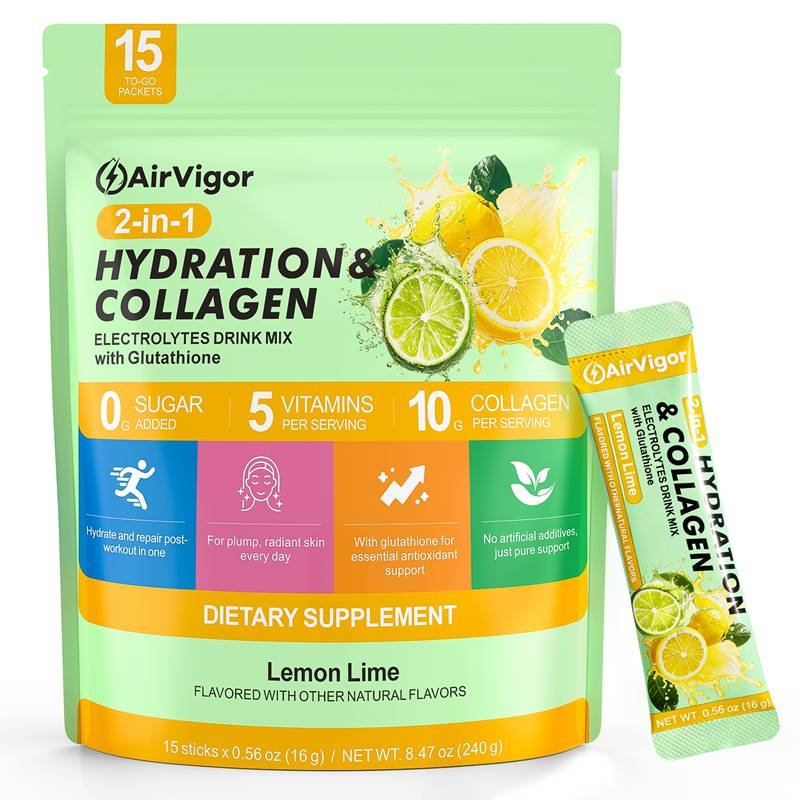
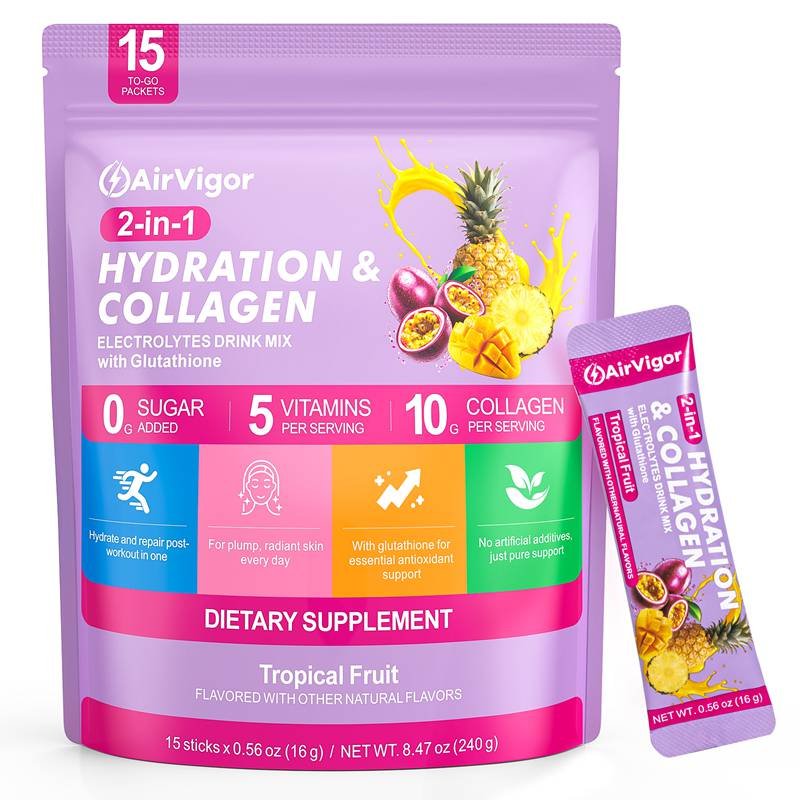
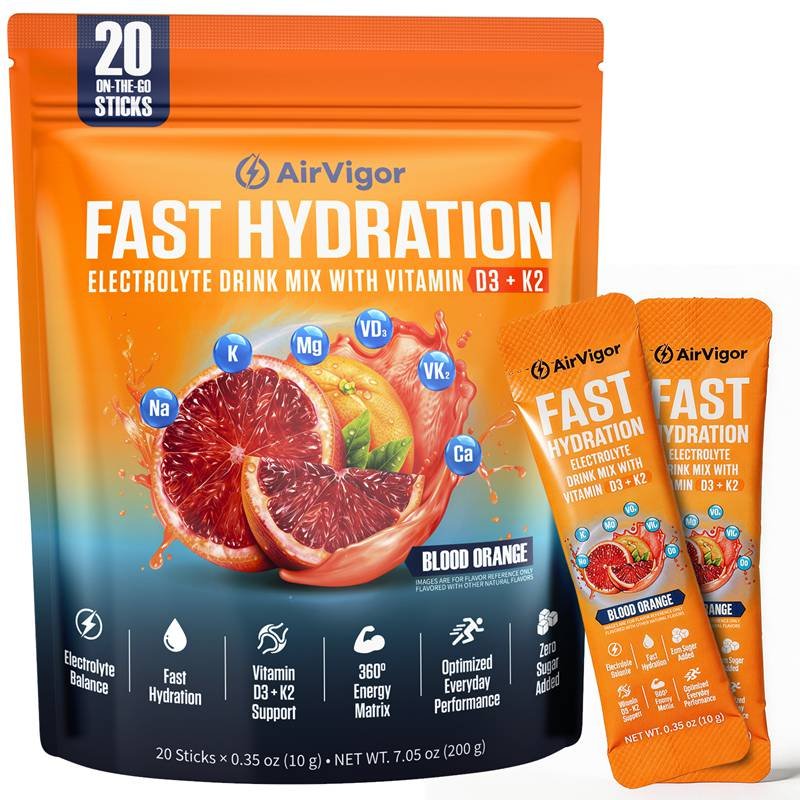
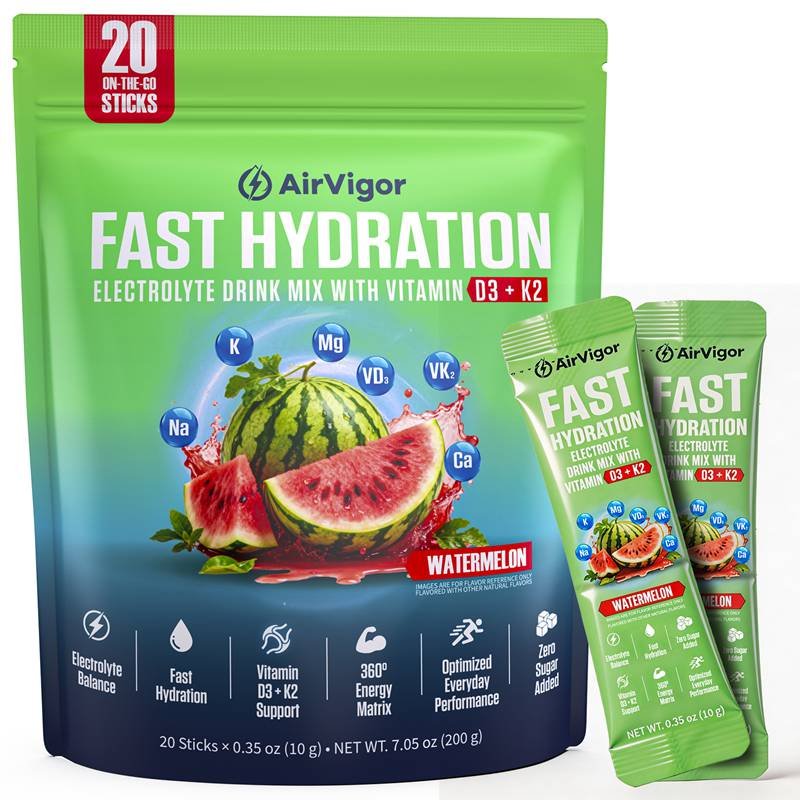
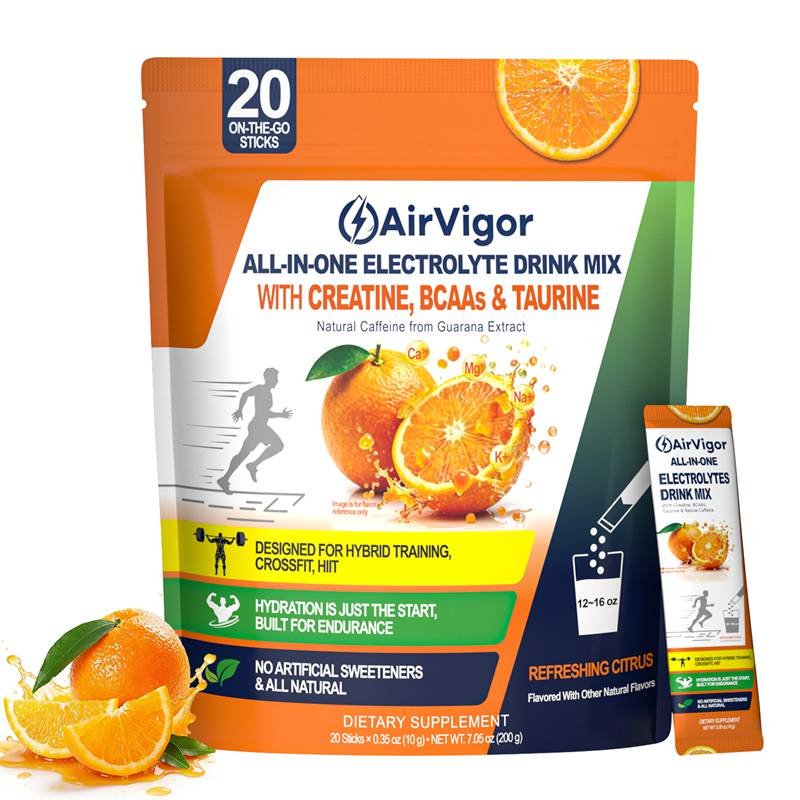
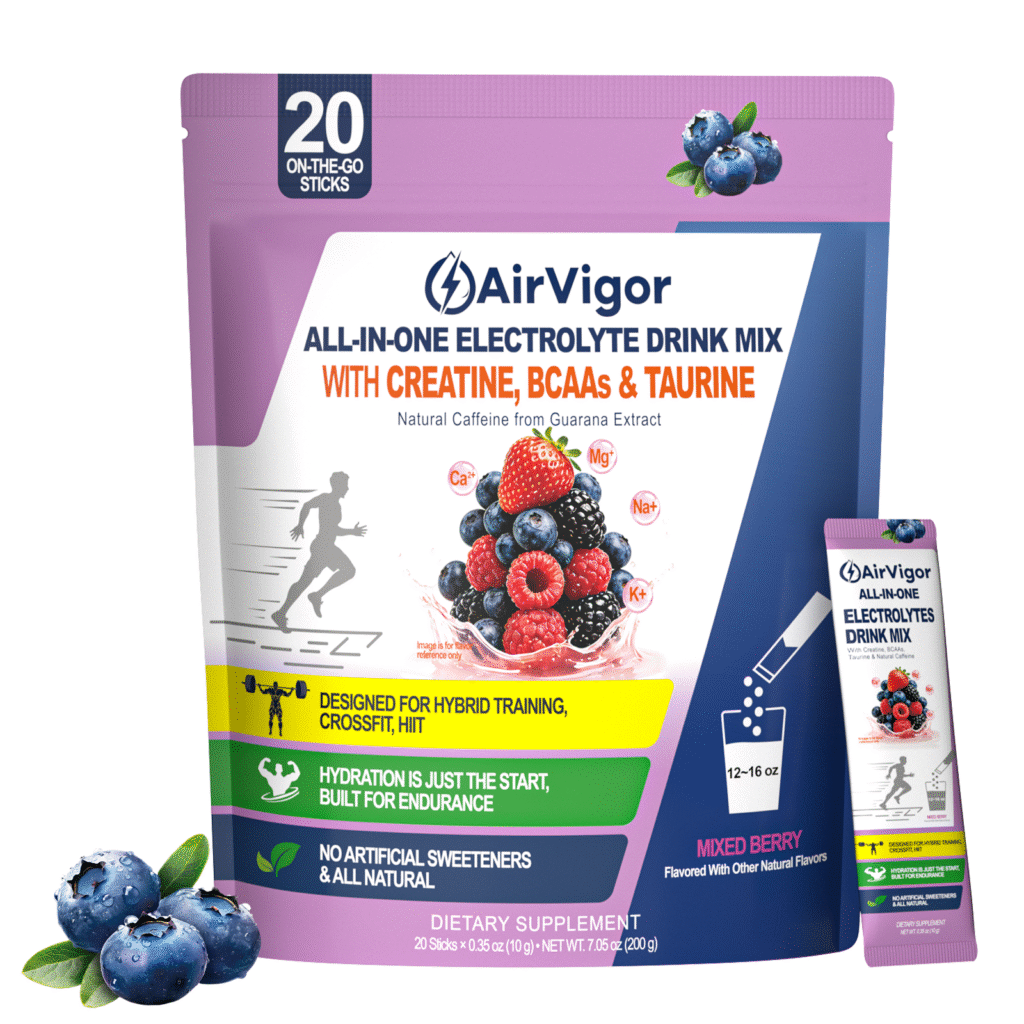
At AirVigor, we offer high-quality, scientifically formulated electrolyte supplements designed to support your marathon journey. Whether you’re preparing for race day, fueling during the marathon, or recovering post-race, our products are designed to provide the optimal balance of electrolytes and support your hydration needs.
Ready to optimize your race-day hydration and recovery? Contact AirVigor today to place your order or inquire about our custom electrolyte solutions. Let us help you perform your best and recover faster with the right electrolyte strategy!