Skip to content
Hydration sounds simple—until it stops working. You drink plenty of water, yet still feel fatigued, cramp during workouts, or struggle with headaches after sweating. Online advice only adds to the confusion: some say water is enough, others push daily electrolytes, and product labels list multiple minerals without explaining what actually matters. The truth is, electrolyte imbalance rarely feels dramatic—it shows up as subtle, recurring issues that are easy to ignore or misdiagnose. And it’s not just an athlete problem. Heat, travel, stress, low-carb diets, long workdays, and inconsistent meals can all quietly change how your body handles fluids and minerals. Understanding electrolytes isn’t about chemistry—it’s about recognizing when hydration needs more than water.
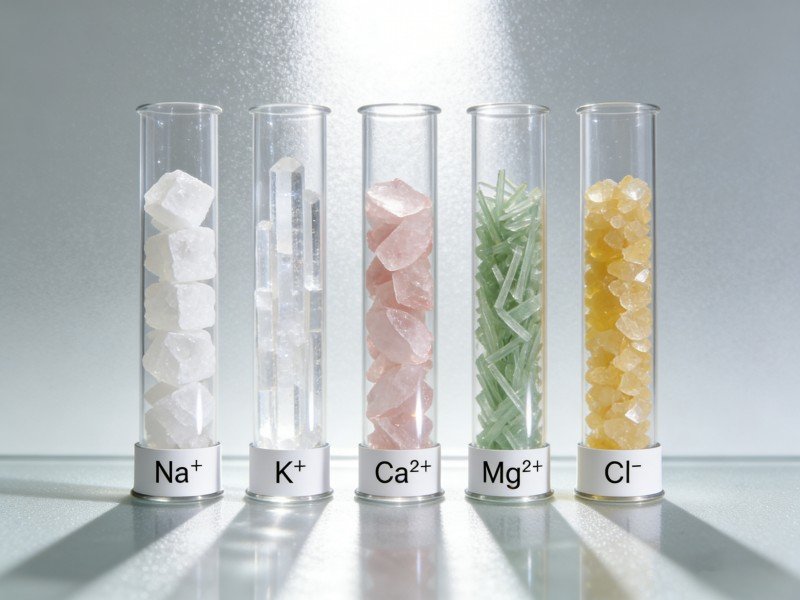
The main types of electrolytes are sodium, potassium, magnesium, calcium, and chloride. Each one supports hydration and performance in a different way: sodium and chloride regulate fluid retention and blood volume; potassium supports nerve signals and muscle contractions; magnesium helps muscles relax and supports energy metabolism; calcium drives muscle contraction and cellular communication. A “good” electrolyte supplement balances these types based on sweat loss, activity, climate, and diet—not hype.
Most people don’t need more electrolytes…they need the right mix, at the right time, in a form they’ll actually use consistently. Let’s make that simple—and actionable.
What Are Electrolytes?
Electrolytes are electrically charged minerals that are vital for various bodily functions. These minerals include sodium, potassium, calcium, magnesium, chloride, phosphate, and bicarbonate. When dissolved in water, these electrolytes become ions, which carry an electrical charge that allows them to participate in many important processes in the body, from regulating hydration to maintaining nerve function.
While water intake is crucial for hydration, electrolytes ensure that water is properly distributed and used in the body, particularly during physical exertion or heat exposure. An imbalance in electrolytes can lead to a range of symptoms, including cramps, fatigue, dizziness, and in extreme cases, heart irregularities. Understanding electrolytes is key to achieving optimal hydration and performance.
Electrolytes are electrically charged minerals, including sodium, potassium, calcium, and magnesium, that help regulate hydration, muscle contractions, nerve signals, and fluid balance. These minerals are essential for proper bodily function and are lost during physical activities like exercise, sweating, or illness. Replenishing electrolytes through drinks or powders helps the body maintain optimal fluid levels and ensures efficient performance and recovery.
What Makes Electrolytes Different from Minerals
Electrolytes are a subset of minerals that become electrically charged when dissolved in water. While all electrolytes are minerals, not all minerals are electrolytes. The key difference is that electrolytes carry an electrical charge (positive or negative) when they dissolve in water, whereas other minerals, like iron or zinc, do not carry an electrical charge and do not perform the same roles in the body.
The primary function of electrolytes is to help maintain fluid balance, support muscle contractions, and regulate nerve function, while other minerals support bodily processes such as immune function, bone health, and oxygen transport. For example:
- Sodium, potassium, and chloride are electrolytes that help regulate hydration levels and nerve impulses.
- Calcium and magnesium are electrolytes and also crucial for muscle contraction and bone health.
Understanding this distinction can help people realize why electrolytes are more than just salts or minerals but key players in sustaining critical body functions.
How Electrolytes Work in the Body
Electrolytes maintain vital functions in the body through their ability to conduct electrical charges. Their primary roles include:
- Regulating Fluid Balance: Electrolytes are essential for balancing the amount of water inside and outside cells. Sodium, for example, helps retain water in the bloodstream, while potassium ensures water is balanced inside cells. This balance helps prevent dehydration and keeps organs hydrated.
- Supporting Muscle Function: Electrolytes such as calcium, sodium, and potassium play a critical role in muscle contractions. When an electrical impulse is sent to a muscle, electrolytes help facilitate contraction and relaxation. Without sufficient electrolytes, muscles can cramp or fail to function properly.
- Regulating Nerve Signals: Electrolytes are integral to nerve impulse transmission. Nerve cells rely on ions like sodium and potassium to transmit signals throughout the body. An imbalance in electrolytes can impair nerve function, leading to symptoms like dizziness, tingling, or fatigue.
- Supporting pH and Acid-Base Balance: Electrolytes help maintain the body’s pH balance, keeping it within a narrow range that is necessary for enzymes and other chemical reactions to work efficiently. Bicarbonate is a key electrolyte involved in regulating the body’s acid-base balance.
What Is the Best Form of Electrolytes to Take?
Electrolytes are available in various forms, including tablets, powders, liquids, gels, capsules, and sports drinks. The best form depends on individual preferences, lifestyle, and hydration needs. Here’s a breakdown of the most common forms:
- Electrolyte Powders: One of the most effective and customizable options. They allow users to adjust the electrolyte concentration based on sweat loss or training intensity. Powders like AirVigor electrolyte powder are ideal for consistent hydration and post-workout recovery. They are also convenient for travel or people on the go.
- Electrolyte Drinks: Pre-mixed drinks offer convenience but are often higher in sugar and may contain excessive sodium. While great for instant hydration, they may not provide the most balanced or optimal electrolyte content for long-term hydration.
- Electrolyte Tablets: These are convenient, portable, and easy to store. However, they often don’t offer as much flexibility in terms of concentration compared to powders, and some may contain fillers or excess sugars.
- Sports Drinks: While popular, sports drinks often come with a high sugar content, which is not necessary for everyone, especially those seeking consistent hydration or recovery. They are designed for intense activities that require fast energy and hydration, but not for everyday use.
- Electrolyte Liquids: These liquids are similar to electrolyte drinks but come in more concentrated forms, often requiring dilution before consumption. They provide instant hydration with a higher electrolyte concentration than typical sports drinks, making them suitable for emergency hydration or high-intensity activities. Liquids are convenient for quick absorption but may lack the customizability of powders.
- Electrolyte Gels: Typically used for endurance athletes, gels are designed to provide rapid hydration and electrolytes during long-duration activities. They are compact, easy to carry, and offer a quick source of energy and hydration without the need for water. However, they often have high sugar content and can be difficult to use for everyday hydration needs.
- Electrolyte Capsules: Electrolyte capsules are another convenient and portable option. They are easy to carry and store, but they are less customizable and often provide lower electrolyte concentrations than other forms. Capsules are great for on-the-go hydration, but they might not be ideal for rapid hydration during or after intense physical exertion.
Electrolyte Forms Fast Comparison
| Form | Convenience | Customizability | Sugar Content | Best For | Example |
|---|---|---|---|---|---|
| Electrolyte Powders | High: Requires mixing with water | Very high: Can adjust concentration | Low or none | Daily hydration, post-workout recovery, travel, customizable hydration | AirVigor Electrolyte Powder |
| Electrolyte Drinks | Very high: Ready to drink | Low: Pre-mixed, no adjustments | Often high | Quick hydration during physical exertion, on-the-go use | Sports Drinks |
| Electrolyte Tablets | High: Portable, no mixing required | Low: Fixed concentration | Low to moderate | Convenient for travel, emergency use, daily hydration | Electrolyte Tablets |
| Sports Drinks | Very high: Ready to drink | Low: Set concentration | High | Intense, short-term activities requiring quick energy and hydration | Gatorade, Powerade |
| Electrolyte Liquids | High: Ready to use, but requires dilution | Moderate: Can adjust concentration | Low | Emergency hydration, high-intensity activities | Liquid Electrolyte Concentrates |
| Electrolyte Gels | Very high: Ready to consume | Low: Pre-packaged doses | High | Endurance athletes, long-duration hydration needs | GU Energy Gels, Clif Gels |
| Electrolyte Capsules | High: Portable, no mixing required | Low: Fixed concentration | Low | On-the-go use, moderate hydration needs | Electrolyte Capsules |
Ultimately, the best form of electrolyte replenishment depends on how much you sweat, how long and intensely you exercise, and your dietary preferences.
Electrolytes are essential minerals that support key bodily functions such as hydration, muscle contraction, and nerve signaling. Their role goes beyond simply replenishing lost fluids—electrolytes maintain balance within the body. To effectively support hydration, muscle function, and energy, choosing the right form of electrolytes is critical for long-term wellness and optimal recovery. Understanding the role of each electrolyte and how they work in your body is key to making informed choices for your health and fitness goals.

What Are the Main Types of Electrolytes?
The five main electrolytes are sodium, potassium, magnesium, calcium, and chloride. Sodium and chloride control fluid retention and blood volume; potassium supports nerve signals and muscle function; magnesium helps muscles relax and supports energy production; calcium drives muscle contraction and cellular communication. A quality electrolyte supplement provides multiple electrolyte types in usable amounts—so hydration works at the cellular level, not just as “more fluid.”
Sodium — fluid balance and endurance
Sodium is the electrolyte you lose the most in sweat, and it’s the primary reason electrolyte drinks “work” when water doesn’t. Sodium helps maintain blood volume, which affects endurance, temperature regulation, and how stable you feel during exertion.
But sodium is also where people get confused. If you pick a product that’s extremely high in sodium and use it every day without heavy sweating, you may experience bloating, thirst that doesn’t resolve, or feeling “puffy.” That’s not because sodium is bad—it’s because dose must match loss.
For most active users, a moderate sodium level paired with other electrolytes is often more sustainable.
Potassium — muscle and nerve signaling
Potassium is critical for the electrical gradient that allows muscles and nerves to “fire” correctly. If sodium is about holding fluid in the right place, potassium is about cell function and responsiveness.
Low potassium isn’t always dramatic; it can feel like weakness, heaviness, or inconsistent power output. Many people also underestimate potassium because it’s less salty and less talked about.
In product terms, potassium is a strong signal of formula seriousness. If a label barely contains potassium, it may be closer to flavored salt water than a true full-spectrum electrolyte supplement.
Magnesium — relaxation and recovery
Magnesium is the unsung hero for people who train hard, work long hours, or struggle with tight muscles. It’s involved in energy metabolism (ATP processes), nervous system regulation, and muscle relaxation after contraction.
A key buyer reality: magnesium is often underdosed in cheap formulas because it can affect taste and cost. If your audience cares about recovery quality—less tightness, smoother next-day feel, fewer nighttime cramps—magnesium becomes a “decision” electrolyte.
This is one reason many recovery-focused electrolyte powders highlight magnesium and bioavailable forms—because it supports the recovery experience, not just hydration.
Calcium — muscle contraction support
Calcium isn’t only for “bone health.” It plays a direct role in muscle contraction and cellular communication. Think of calcium as a “trigger” mineral that helps muscles contract effectively.
If calcium is missing entirely, you can still hydrate—but the formula may feel less complete for users who want support across the full contraction–relaxation cycle (calcium to contract, magnesium to relax). For active people doing strength training, HIIT, or high-frequency workouts, that balance matters.
Some modern electrolyte blends also add vitamin D3 and K2 to support calcium utilization and mineral handling.
Chloride — hydration and acid balance
Chloride rarely gets attention, but it’s a major electrolyte lost with sodium in sweat. It supports fluid balance and contributes to maintaining proper acid–base function in the body.
Most chloride intake comes from sodium chloride (table salt), but if a formula includes sodium without a chloride context, it may be incomplete. In practice, chloride is part of why “sodium + chloride” replenishment feels noticeably better after heavy sweating than water alone.
Quick Reference Table
| Electrolyte Type | What it mainly supports | What low levels can feel like | Common sources |
|---|---|---|---|
| Sodium | Fluid retention, blood volume, endurance | Light-headed, low drive, poor heat tolerance | Salt, electrolyte mixes |
| Potassium | Nerve signaling, muscle responsiveness | Weakness, heavy legs, cramping risk | Potatoes, beans, dairy |
| Magnesium | Relaxation, recovery, energy metabolism | Tight muscles, cramps, poor recovery | Nuts, greens, supplements |
| Calcium | Muscle contraction, cellular signals | Twitchy muscles, poor contraction quality | Dairy, fortified foods |
| Chloride | Fluid balance, acid balance | “Flat” hydration response | Salt, electrolyte mixes |
Which Electrolytes Are Lost Through Sweat?
When you sweat, your body releases essential electrolytes that are critical for maintaining hydration, muscle function, and overall health. Knowing which electrolytes are lost in sweat and how their levels change during physical activity can help you understand the importance of replenishing them for optimal hydration and performance. The major electrolytes lost through sweat include sodium, potassium, magnesium, and calcium. Below, we delve deeper into each of these and explore how they impact your body during exercise and recovery.
Why Is Sodium Lost the Fastest
Sodium is the most abundant and fastest lost electrolyte in sweat, making up the majority of the electrolytes expelled during physical exertion. This occurs due to sodium’s critical role in maintaining fluid balance and blood pressure regulation. The rapid loss of sodium happens for several reasons:
- Body’s Fluid Regulation System: Sodium plays a pivotal role in regulating water retention in the body. As sweat glands secrete fluid to cool the body, sodium is lost in large quantities to ensure that the extracellular fluid (fluid outside cells) remains at the correct osmolarity (balance of electrolytes and water). Sodium helps draw water into the bloodstream, stabilizing blood volume and pressure.
- Increased Sweating During Exercise: When you exercise, especially during prolonged or high-intensity workouts, sweat glands work overtime to cool the body down. This leads to higher sodium losses as it’s essential for maintaining electrolyte homeostasis. Sodium helps ensure the water you consume from drinking fluids stays in the bloodstream, preventing dehydration.
- Higher Concentrations in Sweat: Sweat contains a higher concentration of sodium compared to other electrolytes. This means the body tends to lose a disproportionate amount of sodium in sweat. Depending on the individual, sodium loss can range from 1,000 to 2,000 milligrams per liter of sweat, and this amount can increase in hot or humid conditions.
Why Replenishing Sodium Is Critical
If sodium isn’t replenished quickly after intense sweating, it can lead to electrolyte imbalances, resulting in hyponatremia (low blood sodium), causing symptoms like dizziness, muscle cramps, and confusion. This is why consuming electrolyte-rich fluids during and after exercise is important to restore sodium levels.
How Potassium and Magnesium Decline
While sodium is the dominant electrolyte lost through sweat, potassium and magnesium are also crucial for maintaining proper function during exercise. These electrolytes support muscle contraction, nerve signaling, and energy production. Let’s look at how they decline during physical exertion:
- Potassium Loss Potassium is the second most abundant electrolyte lost in sweat, and its levels drop significantly as exercise intensity increases. The loss of potassium during sweating can vary, but on average, potassium losses range from 200 to 400 milligrams per liter of sweat. Potassium plays a key role in maintaining the electrical charge of cells, regulating muscle contraction, and supporting proper heart function.
- During exercise, the body’s muscle cells rely on potassium to generate action potentials (electrical signals) for muscle contractions. Without sufficient potassium, muscles may experience cramps, weakness, or spasms.
- Potassium helps balance sodium levels in and out of cells, and its loss can disrupt fluid balance and contribute to fatigue.
- Magnesium Loss Magnesium is another important electrolyte that declines during sweat, albeit in smaller quantities compared to sodium and potassium. Magnesium loss in sweat can range from 20 to 60 milligrams per liter, but the role it plays in muscle relaxation and nerve function is critical.
- Magnesium is involved in hundreds of biochemical reactions in the body, including muscle function, protein synthesis, and energy production. A deficiency in magnesium can result in muscle cramps, twitching, fatigue, and poor recovery.
- Magnesium helps muscles relax after contraction, which is especially important after intense exercise. Without adequate magnesium levels, you may experience post-workout stiffness or tightness.

Does Sweat Loss Differ by Person
Yes, the amount and composition of sweat can vary greatly between individuals due to several factors, such as genetics, training history, and environmental conditions. Some people naturally lose more electrolytes than others, and there are key factors that influence this variation:
- Genetics Genetics plays a major role in how much sweat and electrolytes a person loses during exercise. Some people are genetically predisposed to sweat more, while others may sweat less. Genetic variations can also influence the sodium concentration in sweat. Some individuals sweat more sodium than others, making it crucial for them to replenish sodium more frequently during and after exercise.
- Acclimatization to Heat People who have been training in hot or humid environments for a long time (such as athletes in hot climates) tend to become more efficient at sweating. This means their bodies will sweat more and lose more electrolytes as a response to maintaining core temperature. Heat acclimatization increases sweat production but tends to make sweat less salty, helping the body conserve sodium. However, it also increases the loss of potassium and magnesium, so athletes may need to pay more attention to replenishing those electrolytes during prolonged activity.
- Exercise Intensity and Duration The intensity and duration of exercise will directly influence how much sweat a person produces. Endurance athletes, such as marathon runners or cyclists, tend to lose greater amounts of electrolytes due to longer exposure to heat and physical exertion. Short bursts of intense activity (like sprints) typically cause less sweat loss, but the intensity of the effort increases the need for electrolyte replenishment to prevent muscle fatigue and cramping.
- Fitness Level Well-trained athletes tend to sweat more efficiently and often lose more electrolytes. This is because trained bodies produce more sweat and are more capable of maintaining performance during exercise. However, these individuals must also ensure that they are replenishing electrolytes at a higher rate to compensate for the increased sweat loss.
- Dietary Factors A person’s diet can also influence how much sweat they lose during exercise. For example, people on low-carb diets or ketogenic diets may lose more sodium through urine, which can affect electrolyte balance. Additionally, those who consume high-sodium or high-potassium foods may see more consistent electrolyte levels when sweating.
Why It Matters
Understanding how individual factors impact electrolyte loss can help tailor a person’s hydration strategy. For instance, someone who sweats heavily during long runs or endurance cycling sessions may benefit from higher concentrations of sodium and potassium in their electrolyte drinks or powders to maintain performance and prevent cramping.
Practical “Sweat Day” Guide (Simple and Useful)
| Scenario | Sweat Level | Most important electrolytes | Practical approach |
|---|---|---|---|
| Light workout, cool environment | Low | Minimal | Water; optional light electrolytes |
| 45–75 min training, moderate sweat | Medium | Sodium + potassium | 1 balanced serving |
| Long workout, heat, or outdoor work | High | Sodium + chloride + potassium | 1–2 servings spaced |
| Multiple sessions/day | High cumulative | Full-spectrum | 1 per session as needed |
How Do Electrolytes Support Muscle Recovery and Performance?
Electrolytes are essential for muscle performance and recovery. These charged minerals — including sodium, potassium, magnesium, and calcium — play a critical role in muscle contraction, fluid balance, nerve signaling, and energy production. Whether you’re an athlete or someone engaging in regular physical activity, replenishing electrolytes is key to optimizing performance and speeding up recovery.
Electrolytes Help Maintain Fluid Balance
Proper fluid balance is essential to muscle performance and recovery. Electrolytes, particularly sodium and potassium, help regulate the amount of water within and outside of muscle cells, ensuring that muscles are adequately hydrated and functioning at their best.
- Sodium’s Role in Fluid Retention Sodium plays a crucial role in maintaining blood volume and supporting proper hydration by regulating how water moves into and out of cells. A reduction in sodium levels, often caused by sweating during exercise, can impair hydration, leading to fatigue, muscle cramps, and a decreased ability to perform at your best.
- Potassium’s Role in Cellular Hydration Potassium helps to regulate fluid inside muscle cells, which is crucial for muscle contraction and energy production. A lack of potassium can lead to muscle weakness and cramps, affecting your performance during exercise and slowing recovery afterward. Replenishing potassium helps maintain proper fluid balance, optimizing muscle function during and after physical exertion.
Fluid Balance Quick Facts:
| Electrolyte | Function | Consequence of Deficiency |
|---|---|---|
| Sodium | Maintains blood volume and fluid balance | Dehydration, muscle cramps, dizziness |
| Potassium | Regulates fluid in muscle cells | Muscle weakness, fatigue, cramping |
Why Electrolytes Are Essential for Muscle Contraction
Muscle contractions are driven by electrical impulses, which are generated by the movement of electrolytes in and out of muscle cells. Sodium and potassium are particularly vital for this process, as they help initiate muscle contraction and allow for muscle relaxation afterward.
- Sodium’s Role in Muscle Contraction Sodium is involved in the action potential that triggers muscle contractions. When sodium enters muscle cells, it creates an electrical charge that allows muscles to contract. However, without proper levels of potassium, muscles may not fully relax after contraction, leading to muscle tightness and fatigue.
- Potassium and Calcium for Muscle Relaxation After a contraction, potassium helps the muscle relax, and calcium plays a key role in regulating the contraction-relaxation cycle. Adequate levels of potassium ensure that muscles can both contract and relax efficiently, preventing spasms and cramping.
Sodium and Potassium’s Role in Muscle Hydration
Electrolytes like sodium and potassium are essential for maintaining muscle hydration during exercise. As you sweat, you lose these electrolytes, which can lead to reduced performance and slower recovery if not replenished properly.
- Sodium for Fluid Retention Sodium helps muscles retain fluid by attracting and holding water within muscle cells. Proper sodium levels help prevent dehydration, which can cause muscle cramps, weakness, and fatigue during intense or prolonged exercise.
- Potassium for Cellular Hydration Potassium works in tandem with sodium to ensure that muscles stay hydrated. It draws water into muscle cells, allowing them to function optimally. An imbalance in sodium and potassium can result in dehydration and impaired muscle performance.
Muscle Hydration Quick Facts:
| Electrolyte | Muscle Hydration Role | Deficiency Symptoms |
|---|---|---|
| Sodium | Maintains extracellular fluid balance and blood volume | Dehydration, cramps, dizziness |
| Potassium | Regulates water within muscle cells, supports nerve signaling | Muscle fatigue, weakness, cramps |
How Electrolytes Improve Muscle Recovery Post-Exercise
After a workout, muscles need to recover in order to rebuild and regain strength. Electrolytes help by replenishing lost minerals, promoting muscle repair, and reducing fatigue. Proper electrolyte intake post-exercise speeds up recovery and ensures that muscles are prepared for the next workout.
- Magnesium for Muscle Relaxation and Recovery Magnesium is crucial for muscle relaxation and reduces the likelihood of cramping and muscle soreness. It also helps with energy production, ensuring that muscles have the fuel needed for repair and rebuilding after exercise.
- Calcium for Muscle Repair Calcium supports the contraction-relaxation cycle, allowing muscles to recover more efficiently. It also helps in muscle tissue repair, especially after intense workouts that lead to muscle fiber damage.
Electrolytes Aid in Energy Production and Metabolism
Electrolytes also support energy production during exercise. The process of turning food into energy requires electrolytes to keep the body functioning efficiently. Magnesium, for example, plays a critical role in ATP production, the molecule responsible for providing energy to muscles.
- Sodium and Potassium’s Role in Energy Sodium and potassium help the body’s cells absorb nutrients and maintain proper fluid balance during energy production. Without sufficient electrolytes, cells may struggle to absorb nutrients effectively, leading to fatigue and reduced performance.
- Magnesium and Calcium for Metabolic Function Magnesium is involved in over 300 enzymatic reactions, including those that produce ATP. This makes it an essential nutrient for maintaining muscle energy levels during exercise and supporting the recovery process afterward.

The Importance of Rehydration During Recovery
Proper rehydration after exercise is essential for muscle recovery. Without the right balance of electrolytes and fluid, your body can struggle to return to a normal state after physical exertion. Rehydration helps restore electrolyte balance, prevent muscle cramps, and promote overall muscle recovery.
- Replenishing Lost Electrolytes During exercise, the body loses essential electrolytes through sweat. Replenishing these electrolytes with a quality product helps the body return to balance, preventing the onset of muscle fatigue and supporting faster recovery.
- The Role of Hydration in Post-Exercise Recovery Adequate fluid intake helps flush out toxins, restore nutrient balance, and reduce soreness. A combination of water and electrolytes ensures that muscle cells are properly hydrated, making it easier for the body to rebuild muscle tissue and restore energy stores.
Rehydration and Recovery Quick Facts:
| Electrolyte | Role in Rehydration | Effect on Recovery |
|---|---|---|
| Sodium | Maintains fluid balance in muscles | Prevents dehydration and cramps |
| Potassium | Regulates cellular hydration | Reduces muscle fatigue and cramps |
| Magnesium | Promotes muscle relaxation | Eases soreness and speeds recovery |
| Calcium | Supports muscle contractions | Aids in muscle tissue repair |
- Electrolytes like sodium, potassium, magnesium, and calcium are essential for muscle performance, recovery, and overall energy production.
- Sodium and potassium help maintain proper fluid balance in muscles, preventing dehydration and muscle cramps.
- Magnesium aids muscle relaxation and recovery, while calcium is crucial for muscle repair and contraction.
- Proper rehydration after exercise is critical for restoring electrolyte balance and ensuring efficient muscle recovery.
How to Choose the Right Electrolyte Drink for Your Needs?
To choose the right electrolyte drink, focus on the electrolyte profile (sodium, potassium, magnesium, calcium), sugar content, and serving size. Opt for products with a balanced mineral mix that supports your activity level, whether it’s regular training, intense workouts, or outdoor work. Look for drinks with minimal added sugar for long-term hydration, to provide consistent hydration without unnecessary additives.
Look for a balanced electrolyte profile
Not all electrolyte drinks are created equal. The key is balance—ensure the drink has the right mix of sodium, potassium, magnesium, and calcium. Each mineral serves a unique purpose: sodium and potassium for fluid balance and endurance, magnesium for muscle relaxation and recovery, and calcium for muscle contraction. A well-rounded formula supports consistent hydration and muscle function.
Choose the right sodium content for your needs
Sodium is one of the most important electrolytes for maintaining fluid balance, especially after intense workouts or high heat exposure. However, too much sodium can lead to bloating and discomfort. Look for products with moderate sodium levels (200–500 mg per serving) to prevent overconsumption while still effectively replenishing lost electrolytes. For high-intensity exercise or long endurance activities, higher sodium levels may be beneficial, but for daily hydration, moderate amounts are usually ideal.
Pay attention to sugar content
Electrolyte drinks often come with added sugars, which can be a concern for those looking for a long-term hydration solution. Sugar-free or low-sugar electrolyte drinks are ideal for everyday use, as they won’t cause blood sugar spikes or energy crashes. This makes them suitable for regular hydration and recovery without extra calories.
Consider your activity level and lifestyle
If you’re an athlete or someone who trains frequently, you need a formula that supports high levels of exertion, helping to replenish lost electrolytes and improve performance. However, if you’re primarily seeking hydration for regular activities or to counteract the effects of heat or stress, a simpler electrolyte profile may be sufficient.
Test flavors and solubility
Electrolyte drinks should be easy to consume and enjoyable to use regularly. Flavors and solubility are important factors to consider. Look for fast-dissolving, great-tasting electrolyte powders to make hydration enjoyable.
Choosing the right electrolyte drink is about matching the formula to your hydration needs. For most active individuals, a balanced profile with sodium, potassium, magnesium, and calcium is ideal. Opt for low-sugar or sugar-free options for daily hydration, and choose drinks with moderate sodium for effective fluid balance.
Electrolyte Drinks vs. Electrolyte Powders: Which Is Better for You?
Electrolyte drinks are convenient and ready-to-use, but electrolyte powders offer better customization, lower sugar, and more cost-effective hydration. Powders allow for flexible serving sizes, catering to different activity levels and sweat rates, while drinks are generally better for on-the-go use.
Convenience of ready-to-drink options
Electrolyte drinks are ultra-convenient: they require no mixing and are ready to go straight from the bottle. This makes them perfect for on-the-go hydration, travel, or post-workout refreshment when you don’t have time to mix powder. However, the convenience often comes at the cost of higher sugar content and fixed mineral ratios that may not suit every need.
Flexibility and control with powders
Electrolyte powders offer greater flexibility, allowing you to adjust the concentration based on your personal needs. You can customize the number of servings, the level of sodium, and the overall mix of minerals depending on how much you sweat or how long you exercise. This is particularly useful for athletes and people with specific recovery needs.
Price and value comparison
Electrolyte powders are generally more cost-effective than ready-to-drink beverages. A single container of powder can provide dozens of servings, whereas drinks are sold in individual bottles. If you’re looking for a long-term hydration solution, powders are typically the more economical choice.
Taste and solubility considerations
Powders can be more customizable in terms of flavor and solubility, and modern electrolyte powders are often formulated to dissolve easily without clumping. For people who prioritize taste or need a specific mineral balance, powders offer better control.
Both electrolyte drinks and powders have their advantages. Drinks are convenient and ready-to-go, perfect for quick hydration. However, electrolyte powders provide customization, cost-effectiveness, and more control over your hydration strategy. For anyone looking for consistent, flexible hydration—especially those training regularly or needing recovery support—AirVigor’s electrolyte powders are the superior choice for balancing performance, value, and taste.
Final Thoughts: How to Optimize Your Electrolyte Intake
Electrolytes aren’t just a supplement—they’re a crucial part of your body’s hydration, performance, and recovery systems. Whether you’re training hard, managing daily hydration, or recovering after intense exertion, choosing the right electrolyte formula is essential for optimal function.
Ready to try AirVigor?
- Explore AirVigor’s Electrolyte Powders on Amazon
- Looking for custom formulations or bulk orders? Contact us for OEM/ODM inquiries.
Hydrate smarter. Perform better.