Skip to content
How to Use Creatine:A Complete Guide
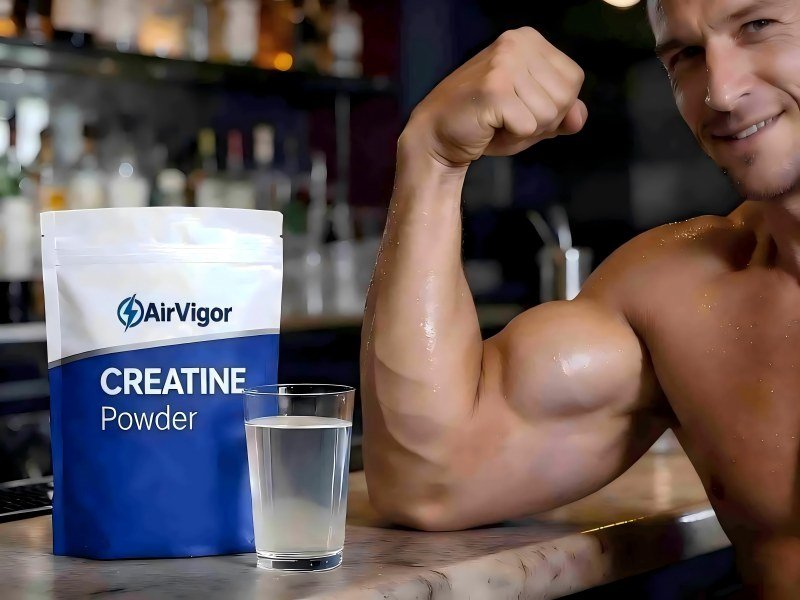
Creatine is one of the most researched and widely used supplements in sports nutrition—yet it remains one of the most misunderstood. Some people treat it like a shortcut to muscle gains. Others avoid it entirely, worried about bloating, kidney health, or “doing it wrong.” And many users try creatine once, feel nothing in the first week, and quietly give up—assuming it doesn’t work for them.
What Is Creatine Good For: A Science-Based Guide
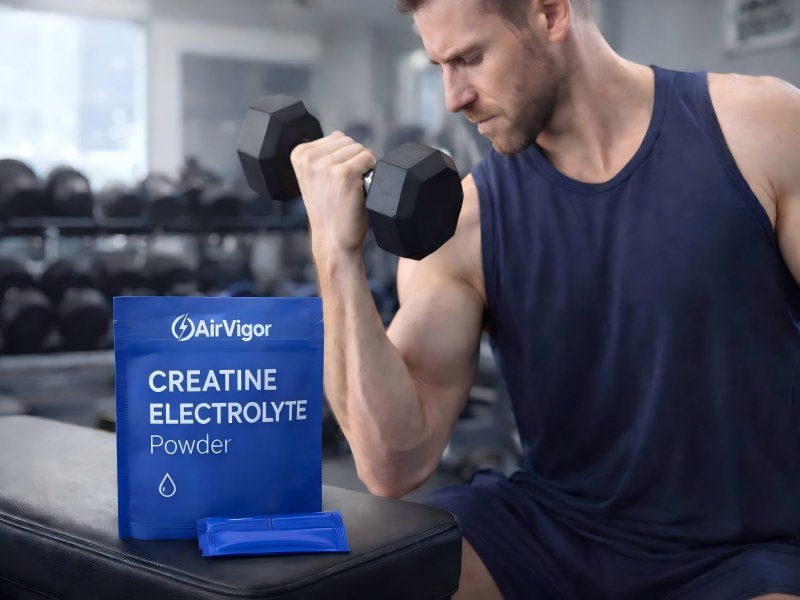
Creatine is good for improving strength, power, and repeated high-intensity performance by increasing the body’s ability to rapidly regenerate ATP (cellular energy). It can support training volume, lean mass gains over time, and faster recovery between hard efforts. Research also suggests potential benefits for brain energy and mental fatigue in certain situations. For most healthy adults, creatine monohydrate is considered safe to take daily at 3–5 grams.
What Does Creatine Do: Expert Guide
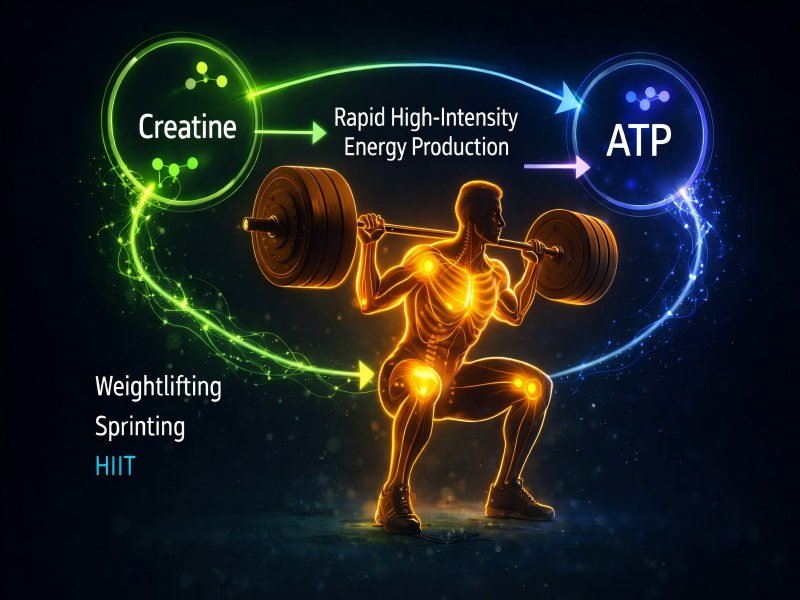
Most supplements promise energy. Creatine is one of the few that explains energy in a way your body actually recognizes—because it works with the same “instant battery” system your muscles already use when you sprint, lift, jump, or grind through a tough set. The funny part? People often start creatine for “bigger lifts,” then stay on it because training feels more consistent: fewer flat days, better repeat performance, and less of that “I’m gassed way too early” frustration.