Skip to content
What Dietary Supplements Help With Weight Loss: Science Guide
# Your Trusted Dietary Supplement Brand In US
- Emily

Table of Contents
Weight loss is no longer just a question of discipline—it’s a question of sustainability. Most people don’t fail because they lack motivation. They fail because hunger becomes overwhelming, energy drops too low to train consistently, or recovery slows to the point where progress stalls. This is where dietary supplements quietly—but meaningfully—enter the conversation.
Despite popular myths, supplements are not fat-burning shortcuts. They don’t override biology, replace calorie control, or eliminate the need for movement. What they can do is remove friction from the weight-loss process. The right supplements help control appetite, stabilize energy, preserve muscle mass, and maintain training quality during calorie deficits. When those barriers are reduced, fat loss becomes far more achievable—and far more sustainable.
Dietary supplements help with weight loss by supporting appetite control, hydration, muscle preservation, and training performance. Protein, electrolytes, creatine, and select stimulants do not burn fat directly, but they make calorie-controlled diets and exercise programs easier to follow. When used correctly, supplements improve consistency, which is the primary driver of long-term fat loss.
For example, someone who struggles with constant hunger may benefit more from protein support than from fat burners. Someone whose workouts suffer while dieting may see better results from creatine and electrolytes than from appetite suppressants. Understanding what’s holding you back is more important than chasing the most aggressive supplement on the market.
That distinction—between fat loss in theory and fat loss in real life—is what separates short-term results from long-term success. And it’s exactly why the role of dietary supplements deserves a clearer, more honest explanation.
What Do Dietary Supplements Do for Weight Loss?
Dietary supplements do not directly cause weight loss, but they support fat loss by improving appetite control, energy levels, hydration, muscle preservation, and workout performance. When used alongside proper nutrition and exercise, supplements reduce common obstacles—such as hunger, fatigue, and strength loss—that often derail weight-loss efforts, making fat loss more consistent and sustainable.
How do supplements support fat loss?
At its core, fat loss requires a sustained calorie deficit. The challenge is not creating that deficit—but maintaining it without burnout. Dietary supplements work by supporting the physiological systems that make calorie control possible over time.
For example, protein supplements increase satiety and reduce post-meal hunger, helping people naturally eat fewer calories without feeling deprived. Electrolytes support hydration and nerve signaling, which stabilizes energy levels and prevents fatigue that often masquerades as hunger. Performance-focused supplements like creatine help preserve strength and muscle output, ensuring workouts remain effective even when calories are reduced.
Rather than forcing fat loss, supplements improve the conditions under which fat loss can occur.
Do dietary supplements increase metabolism or burn fat?
This is one of the most misunderstood areas of weight loss. Most dietary supplements do not meaningfully increase resting metabolic rate or “burn fat” in isolation. Even ingredients marketed as fat burners typically produce only modest, short-term increases in energy expenditure.
Where supplements do help is indirectly:
- Protein increases the thermic effect of food
- Caffeine can slightly raise energy expenditure and focus
- Muscle-preserving supplements help prevent metabolic slowdown
In practical terms, supplements help you maintain behaviors—training, movement, consistency—that keep metabolism higher over time. This long-term effect is far more impactful than chasing short-lived metabolic spikes.
Do supplements work without diet and exercise?
No. Supplements cannot override poor nutrition or inactivity. However, this does not make them optional or ineffective. Supplements act as force multipliers—they enhance the results of habits already in place.
Even modest structure (regular meals, basic training, daily movement) can produce better outcomes when supported by supplements that reduce friction. Many people abandon weight-loss efforts not because they lack willpower, but because hunger, low energy, or poor recovery become unsustainable. Supplements help close that gap.
Which supplements are best for weight loss—and why the answer depends on you
There is no universally “best” supplement for weight loss. The most effective supplement is the one that addresses your primary limiting factor:
- If hunger is the problem → protein support matters most
- If energy crashes derail workouts → electrolytes and hydration matter
- If strength declines during dieting → creatine becomes critical
- If motivation and focus are low → limited stimulant support may help
What Dietary Supplements Actually Do in a Weight-Loss Context
| Supplement Category | Do They Burn Fat Directly? | Primary Role in Weight Loss | Long-Term Impact |
|---|---|---|---|
| Protein | No | Appetite control, muscle preservation | High |
| Electrolytes | No | Hydration, energy stability, workout quality | High |
| Creatine | No | Strength retention, lean mass support | High |
| Fat Burners | Minimal | Short-term stimulation | Low–Moderate |
Why this matters for real-world weight loss
Successful weight loss is rarely about finding a stronger supplement—it’s about removing the reasons people quit. By supporting appetite, energy, hydration, and performance, dietary supplements make fat loss more livable, more predictable, and more sustainable.
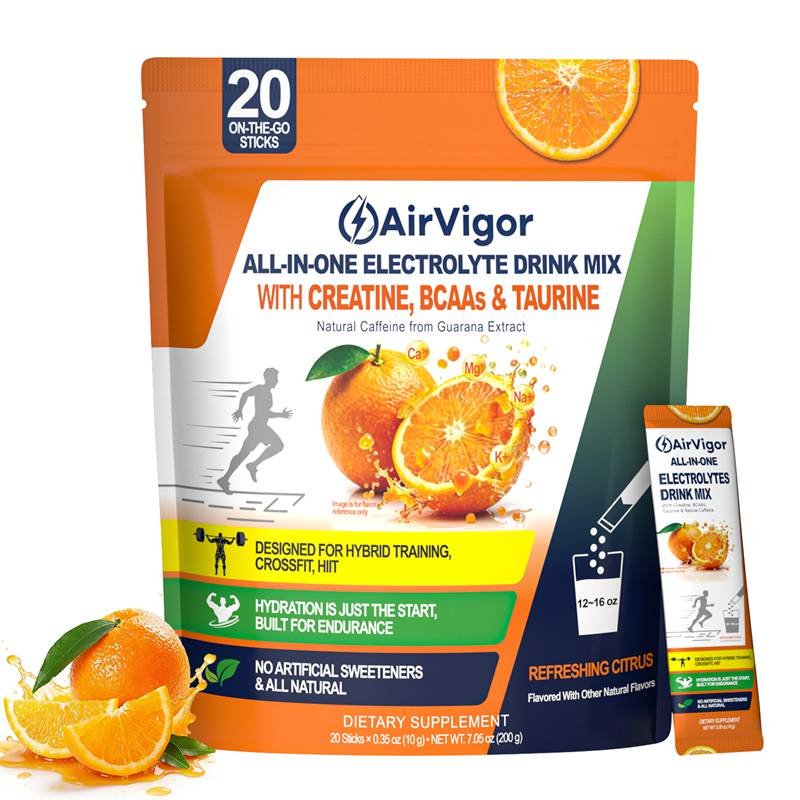
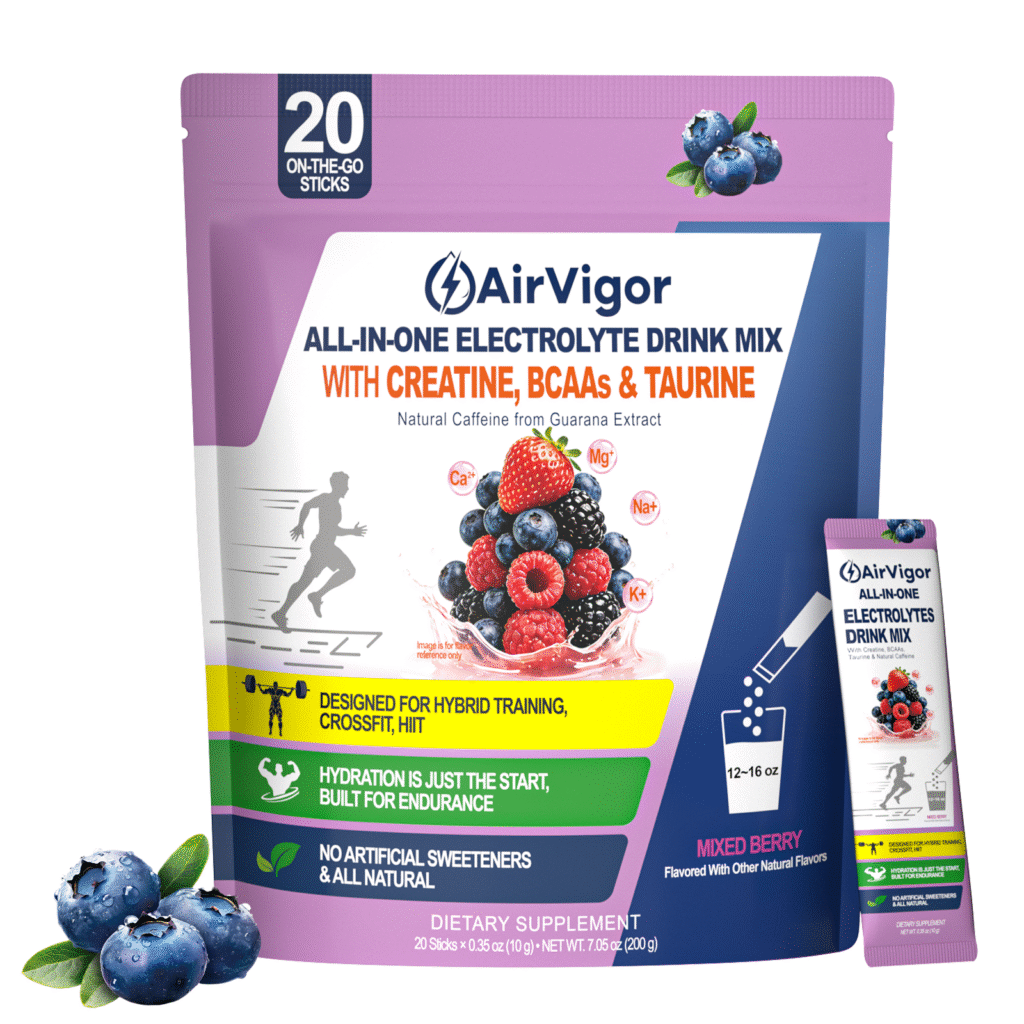
This systems-based view is also why brands like AirVigor focus on protein, electrolytes, and performance support rather than extreme fat-loss claims. When the foundation is solid, results follow naturally.

Which Types of Supplements Support Weight Loss?
Supplements that support weight loss fall into four main categories: appetite control, metabolic support, performance support, and hydration. Rather than directly burning fat, these supplements help reduce hunger, maintain energy, preserve muscle mass, and improve workout consistency—making fat loss easier to sustain over time when combined with proper diet and exercise.
Which supplements support metabolism?
Metabolic support supplements are often misunderstood. Most do not dramatically increase resting metabolic rate. Instead, they support metabolism indirectly by helping the body function efficiently during calorie restriction.
Protein plays a central role here. It has a higher thermic effect than carbohydrates or fats, meaning the body burns more calories digesting it. Maintaining muscle mass through adequate protein and resistance training also helps prevent metabolic slowdown, which is a common issue during prolonged dieting.
Some stimulant-based ingredients, such as caffeine, can modestly increase energy expenditure and fat oxidation. However, these effects are typically small and short-lived. From a long-term perspective, maintaining lean mass and consistent activity has a far greater impact on metabolism than chasing metabolic “boosters.”
Which supplements help reduce appetite?
Appetite control is one of the most valuable—and practical—ways supplements support weight loss. Hunger is the primary reason most diets fail.
Protein is the most reliable appetite-regulating supplement available. It promotes satiety by influencing hormones related to fullness and slows digestion, helping people feel satisfied on fewer calories. Unlike stimulant-based appetite suppressants, protein works with the body’s natural hunger signals rather than overriding them.
Fiber-based supplements may also help some individuals feel fuller, but tolerance varies, and results are less consistent. Supplements that rely heavily on stimulants may blunt appetite temporarily, but they often lead to rebound hunger once their effects wear off.
Which supplements support energy and training performance?
As calorie intake drops, energy levels and workout performance often decline. This can lead to reduced training intensity, muscle loss, and eventually stalled fat loss.
Creatine supports short-term energy production during resistance training, helping maintain strength even when calories are restricted. This preservation of performance signals the body to retain lean muscle mass. Electrolytes support nerve and muscle function, reducing fatigue, dizziness, and cramping—especially in people who sweat heavily or follow low-carbohydrate diets.
Together, performance-support supplements help keep workouts productive rather than simply “getting through” them.
Which supplements support hydration and daily consistency?
Hydration is often overlooked in weight loss discussions, yet even mild dehydration can increase perceived hunger, reduce energy, and impair focus.
Electrolyte supplements support fluid balance by replenishing sodium, potassium, and other minerals lost through sweat. Proper hydration improves exercise tolerance, cognitive clarity, and overall adherence to diet and training plans. For fat loss phases, sugar-free electrolyte formulations are typically preferred to avoid unnecessary calorie intake.
Consistent hydration supports consistent behavior—and consistency is the true driver of weight loss.
What is the 3 3 3 rule for weight loss—and how do supplements fit in?
The 3 3 3 rule is a simple framework often described as three structured meals, three strength-focused workouts per week, and three daily movement or hydration habits. Supplements integrate naturally into this model.
Protein supports meal structure and satiety. Creatine supports workout performance and muscle retention. Electrolytes support daily hydration and energy levels. Rather than replacing the rule, supplements reinforce it—making the system easier to follow over time.
Types of Supplements and Their Role in Weight Loss
| Supplement Type | Primary Function | How They Support Weight Loss | Sustainability |
|---|---|---|---|
| Protein | Appetite control | Reduces hunger, preserves muscle | High |
| Electrolytes | Hydration support | Maintains energy, reduces fatigue | High |
| Creatine | Performance support | Preserves strength and lean mass | High |
| Stimulants | Short-term energy | Temporary appetite and focus boost | Low–Moderate |
Why this classification matters
Understanding supplement types by function—rather than marketing labels—helps consumers make better decisions and avoid unrealistic expectations. Sustainable fat loss is not about aggressive suppression or extreme stimulation, but about supporting the body so consistent habits become easier to maintain.
This functional approach is also why performance-focused nutrition brands like AirVigor prioritize protein, electrolytes, and creatine-based formulations. These supplements align with real-world training, hydration needs, and long-term metabolic health—rather than short-lived weight loss hype.
Do Protein and Amino Acids Help With Fat Loss?
Protein supplements help with fat loss by increasing satiety, preserving lean muscle mass, and supporting metabolic rate during calorie restriction. Amino acids can support training and recovery in specific situations, but adequate total protein intake is far more important than isolated amino acid supplementation for sustainable fat loss.
How does protein support fat loss?
Protein is the most consistently effective nutritional tool for fat loss—not because it burns fat directly, but because it changes how the body responds to calorie restriction.
First, protein increases satiety more than carbohydrates or fats. Meals higher in protein reduce hunger hormones and slow gastric emptying, helping people feel fuller for longer. This often leads to a spontaneous reduction in calorie intake without deliberate restriction.
Second, protein has a higher thermic effect of food (TEF). The body expends more energy digesting protein than other macronutrients, slightly increasing daily energy expenditure. While this effect is modest, it becomes meaningful over time—especially when combined with consistent intake.
Third, and most importantly, protein preserves lean muscle mass during fat loss. Muscle tissue is metabolically active. Losing muscle while dieting can lower resting energy expenditure and make long-term fat loss harder to maintain. Adequate protein intake signals the body to prioritize fat loss rather than muscle loss.
Why muscle preservation matters more than scale weight
Many people judge progress by the scale alone. However, weight loss that includes significant muscle loss often leads to a “skinny fat” appearance and metabolic slowdown.
Protein helps prevent this outcome. When paired with resistance training, protein intake supports muscle protein synthesis even in a calorie deficit. This allows individuals to lose fat while maintaining strength, body composition, and metabolic health.
From a long-term perspective, preserving muscle makes future weight management easier. Diets that sacrifice muscle may show faster short-term results but often lead to rebound weight gain once normal eating resumes.
Is whey protein or plant protein better for fat loss?
Both whey and plant-based proteins can support fat loss, but they differ in efficiency.
Whey protein is rich in essential amino acids and particularly high in leucine, an amino acid that plays a key role in muscle protein synthesis. It is rapidly digested and well-suited for post-workout or meal replacement use.
Plant proteins can also be effective, but they often contain lower levels of certain essential amino acids. Blended plant proteins or higher total doses are typically needed to match the muscle-preserving effects of whey.
The “best” protein is ultimately the one a person can tolerate, digest, and use consistently. Adherence matters more than theoretical optimization.
Do BCAAs or EAAs help with fat loss?
Branched-chain amino acids (BCAAs) and essential amino acids (EAAs) are often marketed as muscle-protective supplements during dieting. However, their role is frequently overstated.
If total daily protein intake is adequate, additional BCAA supplementation offers little added benefit. EAAs may provide more value than BCAAs alone, but they still do not replace complete protein sources.
Amino acids can be useful in specific situations—such as fasted training or very low-calorie diets—but for most people, investing in sufficient high-quality protein is far more effective for fat loss than relying on isolated amino acids.
How much protein supports fat loss without slowing metabolism?
Protein needs vary by body weight, activity level, and training intensity. In general, higher protein intake during fat loss supports better body composition outcomes than minimal intake.
More important than hitting an exact number is consistency. Protein supplements make this easier by removing barriers like food prep, appetite fluctuations, or time constraints. When protein intake becomes predictable, fat loss becomes more manageable.
Protein vs Amino Acids in a Fat Loss Context
| Category | Protein Supplements | Amino Acid Supplements |
|---|---|---|
| Satiety | High | Low |
| Muscle preservation | High | Moderate |
| Metabolic support | Strong | Limited |
| Ease of use | High | Moderate |
| Long-term fat loss value | High | Low–Moderate |
Why protein is the foundation of smart fat loss supplementation
Unlike many weight-loss supplements, protein aligns with how the body actually adapts to dieting. It reduces hunger, protects muscle, and supports training performance—all without relying on overstimulation or extreme restriction.
This is why performance-focused nutrition systems, including AirVigor’s formulation philosophy, treat protein as a foundation rather than an add-on. When protein intake is stable, other supplements—such as electrolytes and creatine—become more effective, creating a cohesive, sustainable fat loss strategy instead of a collection of disconnected products.

Can Performance Supplements Support Fat Loss?
Performance supplements support fat loss indirectly by preserving strength, muscle mass, and training quality during calorie restriction. Supplements such as creatine help maintain workout intensity, which protects lean mass and metabolic rate. While they do not burn fat directly, performance supplements reduce the risk of muscle loss and metabolic slowdown, making long-term fat loss more effective and sustainable.
Why training performance matters during fat loss
Fat loss is often framed as a nutrition-only problem, but training quality plays a critical role in body composition outcomes. When calories drop, the body naturally adapts by conserving energy. This adaptation often shows up as reduced strength, lower training intensity, and decreased workout volume.
When training performance declines, the body receives a weaker signal to preserve muscle tissue. Over time, this can lead to muscle loss, a slower metabolic rate, and a plateau in fat loss. Performance supplements help counter this effect by supporting the physiological systems responsible for strength and power output.
In simple terms: better training performance = better muscle retention = better fat loss outcomes.
Does creatine cause weight gain or prevent fat loss?
Creatine is frequently misunderstood. Some people avoid it during fat loss because they associate it with weight gain. This perception comes from short-term water retention inside muscle cells—not fat gain.
Creatine increases phosphocreatine availability in muscle, improving short-duration energy production. This allows individuals to maintain or even improve strength while dieting. The scale may increase slightly at first, but body fat percentage can still decrease as muscle is preserved.
From a fat loss perspective, creatine is protective, not counterproductive.
How creatine supports fat loss indirectly
Creatine’s value lies in what it prevents rather than what it causes. During calorie restriction, it helps:
- Maintain strength and power output
- Preserve lean muscle mass
- Sustain workout intensity and volume
- Reduce perceived training fatigue
These effects help prevent the metabolic slowdown that often follows aggressive dieting. When muscle mass is preserved, resting energy expenditure remains higher, making fat loss easier to maintain over time.
This is why creatine is widely recommended during cutting and body recomposition phases—not just bulking.
Are performance supplements only for athletes?
No. While athletes benefit significantly from performance supplements, non-athletes often benefit just as much—especially during fat loss.
For recreational exercisers, maintaining training consistency is often harder than achieving peak performance. Creatine and similar supplements help workouts feel more productive and less draining, increasing adherence. This matters because consistency, not intensity, drives long-term fat loss.
Performance supplements are tools for anyone who wants their training to remain effective while eating fewer calories.
Is creatine useful during cutting or recomposition phases?
Yes—and arguably more so than during bulking. Cutting phases place the greatest stress on muscle tissue due to limited energy availability. Creatine helps buffer this stress, making it easier to retain strength and lean mass.
In body recomposition scenarios—where fat loss and muscle retention occur simultaneously—creatine supports the training stimulus needed to achieve both outcomes. This makes it one of the most evidence-backed supplements for improving body composition without extreme dieting.
Performance Supplements in a Fat Loss Context
| Factor | Without Performance Support | With Creatine Support |
|---|---|---|
| Strength retention | Declines | Maintained |
| Muscle mass | Gradual loss | Preserved |
| Training quality | Reduced | Consistent |
| Metabolic rate | Slows | Better maintained |
| Long-term fat loss | Harder to sustain | More sustainable |
Why performance support belongs in smart fat loss strategies
The goal of fat loss is not simply to weigh less—it’s to look better, feel stronger, and maintain results. Performance supplements align with this goal by protecting the systems that matter most: muscle mass, strength, and metabolic health.
This philosophy explains why AirVigor’s performance-focused formulations emphasize creatine and training support rather than aggressive fat-burning claims. When performance is protected, fat loss becomes a byproduct of consistency—not a constant struggle against fatigue and regression.
How Do Electrolytes Affect Weight Loss?
Electrolytes affect weight loss by supporting hydration, nerve signaling, muscle function, and energy levels. Proper electrolyte balance helps prevent fatigue, dizziness, and false hunger signals that often derail calorie-controlled diets. While electrolytes do not cause fat loss directly, they improve workout performance, recovery, and diet adherence—making fat loss more sustainable over time.
Why hydration is a hidden factor in weight loss success
Hydration is often treated as an afterthought in weight loss discussions, yet even mild dehydration can significantly impact fat loss outcomes. When the body lacks sufficient fluids and electrolytes, blood volume decreases, oxygen delivery to muscles declines, and perceived exertion increases during exercise.
In practical terms, this means workouts feel harder, fatigue sets in faster, and motivation drops. Many people interpret this fatigue as a lack of willpower, when it is actually a physiological response to poor hydration. Over time, this leads to reduced training frequency and intensity—both of which slow fat loss.
Electrolytes help maintain proper fluid balance inside and outside cells, allowing the body to function normally even during calorie restriction.
Can dehydration increase hunger and slow fat loss?
Yes. Dehydration is frequently misinterpreted by the brain as hunger. This leads to unnecessary snacking and overeating, especially during dieting phases when hunger sensitivity is already elevated.
Low sodium and potassium levels can also disrupt appetite regulation and increase cravings for salty or sugary foods. When electrolyte balance is restored, many people report improved appetite control and fewer “mystery cravings” that appear unrelated to actual calorie needs.
In this way, electrolytes indirectly support calorie control—not by suppressing appetite, but by preventing false hunger signals.
How electrolytes support energy and training performance
Electrolytes such as sodium, potassium, magnesium, and calcium are essential for nerve transmission and muscle contraction. During exercise—especially in hot environments or high-sweat conditions—these minerals are lost rapidly.
When electrolyte levels drop, symptoms such as muscle weakness, cramping, dizziness, and early fatigue become more likely. This reduces workout quality and shortens training sessions. Over time, inconsistent training undermines fat loss progress and muscle retention.
By replenishing electrolytes, the body maintains neuromuscular efficiency, allowing workouts to remain productive even when calories are reduced.
Why low-carb and calorie-restricted diets increase electrolyte needs
Low-carbohydrate and calorie-restricted diets accelerate water and sodium loss through the kidneys. This is one reason people often feel tired, lightheaded, or “flat” during the early stages of dieting.
Without adequate electrolyte intake, these symptoms persist and can lead to poor adherence or premature abandonment of the diet. Electrolyte supplementation helps offset these losses, stabilizing energy levels and making dietary changes easier to sustain.
This effect is particularly important for active individuals, frequent exercisers, and people who sweat heavily.
Are sugar-free electrolytes better for weight loss?
For most people focused on fat loss, sugar-free electrolyte formulas are preferable. They provide essential minerals without adding unnecessary calories that could undermine a calorie deficit.
Sugared sports drinks may be useful for endurance athletes or prolonged high-intensity activity, but for general weight loss and daily training, excess sugar is often unnecessary. Well-formulated sugar-free electrolytes support hydration, performance, and recovery without compromising fat loss goals.
Electrolyte Balance and Fat Loss Outcomes
| Condition | Poor Electrolyte Balance | Proper Electrolyte Support |
|---|---|---|
| Energy levels | Unstable, frequent fatigue | Stable, sustained |
| Workout quality | Reduced intensity | Maintained performance |
| Hunger signals | Increased false hunger | Improved appetite control |
| Cramping & dizziness | Common | Rare |
| Diet adherence | Inconsistent | More sustainable |
Why electrolytes matter more than most people realize
Weight loss rarely fails because people lack motivation—it fails because the process becomes physically uncomfortable. Fatigue, headaches, dizziness, and poor workouts accumulate until quitting feels inevitable.
Electrolytes reduce these stressors. By supporting hydration, energy, and neuromuscular function, they make calorie deficits and training routines more tolerable. This is why electrolyte supplementation is increasingly viewed not as a sports-only tool, but as a foundational support for modern fat loss strategies.
This perspective aligns with AirVigor’s formulation philosophy, which prioritizes electrolyte balance, clean hydration, and performance stability over short-term weight loss gimmicks. When the body is properly hydrated and supported, fat loss becomes a natural outcome of consistency rather than a constant battle.
Are Fat Burners and Appetite Suppressants Effective?
Fat burners and appetite suppressants may produce short-term effects by increasing stimulation or reducing hunger, but they are not required for fat loss and rarely support long-term results. Most over-the-counter products do not replicate prescription weight-loss drugs. Sustainable fat loss depends more on appetite control, muscle preservation, hydration, and training consistency than on aggressive suppression or stimulation.
How do fat burners actually work?
Most fat burners work through stimulant-driven mechanisms, primarily caffeine or caffeine-like compounds. These ingredients increase alertness, reduce perceived fatigue, and may slightly raise calorie expenditure for a short period of time.
However, the actual fat-burning effect is modest. The increase in daily energy expenditure is usually small compared to the impact of diet and activity. Over time, tolerance develops, meaning higher doses are required to achieve the same effect—often increasing side effects without improving results.
In practice, fat burners tend to change how people feel, not how much fat they lose.
Do appetite suppressants help with weight loss?
Appetite suppression can help reduce calorie intake—but how appetite is suppressed matters.
Stimulant-based appetite suppressants blunt hunger signals temporarily by activating the nervous system. While this can reduce food intake short term, it often leads to rebound hunger, irritability, poor sleep, and inconsistent adherence.
By contrast, nutritional appetite control—such as adequate protein intake and hydration—works by supporting the body’s natural satiety signals. This approach is slower, but far more sustainable and less disruptive to daily life.
For most people, managing appetite is more effective than suppressing it.
Is there anything over the counter like Ozempic?
No. Prescription GLP-1 medications like Ozempic work by altering hormonal signaling related to appetite and glucose regulation. These mechanisms cannot be replicated by over-the-counter supplements.
Some supplements may support appetite awareness or fullness, but claiming they work “like Ozempic” is misleading. Over-the-counter products lack the potency, medical supervision, and risk profile of prescription drugs—and should not be positioned as equivalents.
From a regulatory and safety standpoint, this distinction is critical.
Why fat burners often fail in the long term
The primary issue with fat burners is not safety—it’s sustainability.
Fat loss requires consistency over weeks and months. Products that rely on overstimulation often disrupt sleep, recovery, and stress balance. As these factors decline, training quality drops, cravings increase, and adherence breaks down.
In many cases, people regain weight not because fat burners stopped working—but because the system they relied on was never sustainable to begin with.
Who should avoid fat burners and suppressants?
Certain individuals should be especially cautious with stimulant-heavy products, including:
- People sensitive to caffeine
- Those with sleep issues or anxiety
- Individuals training frequently or dieting aggressively
- Anyone seeking long-term weight management rather than rapid loss
For these groups, foundational support—protein, electrolytes, hydration, and performance maintenance—is far safer and more effective.
Fat Burners vs Sustainable Weight Loss Support
| Aspect | Fat Burners & Suppressants | Foundational Supplements |
|---|---|---|
| Mechanism | Stimulation or suppression | Physiological support |
| Speed of effect | Fast | Gradual |
| Tolerance buildup | High | Low |
| Impact on sleep & recovery | Often negative | Neutral or positive |
| Long-term sustainability | Low | High |
| Suitability for daily use | Limited | Strong |
What actually works better than fat burners
The most reliable fat loss strategies don’t rely on forcing the body into extreme states. They focus on making good habits easier to maintain:
- Protein reduces hunger naturally
- Electrolytes stabilize energy and hydration
- Creatine preserves training quality and muscle mass
- Simple routines encourage consistency
This approach may feel less dramatic—but it works far more often, and far longer.
This is why brands like AirVigor intentionally avoid extreme fat-burner positioning. Instead, they focus on supporting the systems that allow fat loss to happen consistently—without sacrificing health, performance, or long-term results.
Conclusion
Weight loss is not about finding the strongest supplement—it’s about removing the obstacles that cause people to quit. Protein reduces hunger. Electrolytes maintain energy. Creatine protects performance. Together, they create a system that makes fat loss livable rather than miserable.
This is where AirVigor’s approach stands out. Our formulations are designed around real training demands, hydration needs, and long-term metabolic health—not marketing hype. All products are manufactured under strict quality systems, tested for consistency, and designed for daily use by active individuals and health-focused users.
For Consumers:
AirVigor products are available with stable Amazon inventory, fast delivery, and transparent labeling—making it easy to support your fat loss journey without guesswork.
For Brands & Distributors:
We offer OEM / ODM customization, rapid sampling, and global compliance support—ideal for building or expanding a supplement line with proven formulation logic.
Explore AirVigor. Optimize your fat loss strategy. Build something sustainable.
Share:
Contact Expert Team
At AirVigor, performance becomes effortless. We transform advanced nutrition science into clean, effective supplements that help you hydrate, recover, and feel stronger every day. Shop AirVigor on Amazon and experience athlete-trusted formulas—backed by real science and supported by our world-class R&D and production capabilities.
Trust AirVigor
At AirVigor, turning your performance goals into reality is no longer a struggle—it’s a science-driven journey we build together. Whether you’re a runner, lifter, cyclist, yogi, outdoor athlete, or someone simply seeking better daily energy, AirVigor transforms advanced nutrition research into clean, effective, and trustworthy supplements you can feel.
Backed by our U.S. scientific team, global certifications, and world-class production standards, every formula is engineered to deliver real hydration, real recovery, and real performance. And when you’re ready to experience the difference, you’ll find AirVigor products available on Amazon and other major platforms—fast shipping, consistent quality, and a community of athletes already seeing results.
Behind the scenes, our R&D and manufacturing ecosystem also supports specialized formulation development, ensuring AirVigor continues to lead with innovation while keeping quality and safety uncompromised. But at the core, everything we create is built for you—your health, your performance, your momentum.
Choose AirVigor. Feel the science. Elevate your every day.


Subscribe to our newsletter
Sign up to our newsletter and we’ll keep you up to date with the latest arrivals.