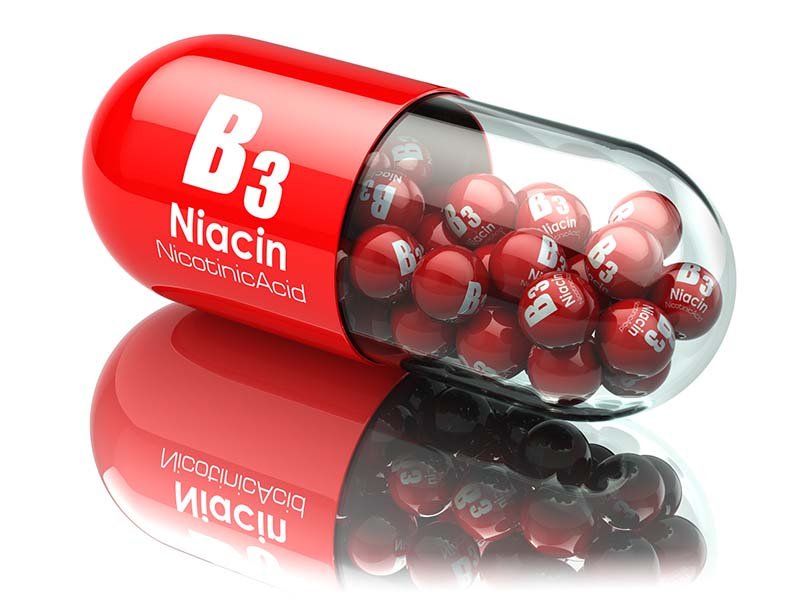
Most people associate niacin with “vitamin B3” and stop there. But in recovery drinks, niacin isn’t included to check a nutritional box—it’s added because recovery often slows down even when hydration, calories, and protein are already in place.
This shows up in familiar ways: workouts feel fine, but recovery lags. Energy returns, yet fatigue hangs around. Hydration is adequate, but the body doesn’t seem to “switch gears” efficiently after training. These experiences are common among people training regularly, working long hours, or exercising in heat.
Niacin plays a different role than most recovery ingredients. It doesn’t hydrate directly, and it doesn’t rebuild tissue. Instead, it helps regulate how efficiently the body processes energy, circulates nutrients, and transitions from stress back to balance. When that process is inefficient, recovery feels delayed rather than broken.
Niacin in electrolyte + collagen recovery drinks helps regulate energy metabolism and circulation after training. It supports the body’s ability to process nutrients efficiently, manage post-exercise fatigue, and restore balance once hydration and protein intake are already addressed. Rather than boosting energy, niacin helps recovery progress more smoothly and predictably, especially during frequent training or high-stress routines.
Recovery doesn’t fail loudly—it fades gradually. And niacin is often included for the moments when recovery feels almost complete, but not quite. Understanding that difference is what makes this ingredient worth a closer look.
What Does Niacin Do After Training?
After training, the body doesn’t immediately switch from “work mode” to “recovery mode.”
There is a transition phase—and that’s where many people feel stuck.
Niacin’s role after training is not to boost performance or add energy. Instead, it helps the body process what just happened, so recovery can move forward instead of stalling.
Niacin helps the body shift out of stress mode
Training pushes the body into a high-demand state:
- oxygen use rises
- blood flow is redirected to working muscles
- energy systems run at full speed
When training ends, the body has to reverse those changes. If that shift is slow, people often feel:
- tired but restless
- mentally foggy
- “flat” even after eating and hydrating
Niacin supports metabolic pathways involved in this transition. It contributes to the production of NAD and NADP, which are used in hundreds of reactions related to energy processing and cellular balance.
In simple terms: niacin helps the body slow down efficiently, rather than crashing or dragging.
Niacin supports energy use, not energy supply
One common misunderstanding is thinking niacin “gives energy.”
It doesn’t.
Niacin helps the body use energy more smoothly.
After training, the body needs to:
- process carbohydrates without sharp swings
- manage fat metabolism during rest
- stabilize energy availability
When this doesn’t happen well, people describe:
- energy coming back briefly, then dropping
- reliance on caffeine to feel normal
- poor tolerance for back-to-back training days
Niacin supports the systems that regulate this energy turnover, which is why its effect is usually described as steadier, not stronger.
Niacin helps recovery feel more predictable
Many active people don’t struggle with recovery once in a while—they struggle with recovery consistency.
Signs recovery isn’t consistent:
- some days feel fine, others feel unusually heavy
- rest days don’t fully reset energy
- fatigue builds across the week
Niacin doesn’t eliminate fatigue. What it helps with is reducing variability.
Users who benefit often report:
- fewer random low-energy days
- smoother transitions between sessions
- less need to “push through”
That predictability is especially valuable for people training 4–6 days per week or combining workouts with demanding schedules.
Niacin influences circulation after training
At higher doses, niacin is known for causing flushing due to increased peripheral blood flow. At the moderate doses used in recovery drinks, this effect is subtle but functional.
Improved circulation after training can help:
- redistribute nutrients
- dissipate heat
- move metabolic byproducts away from working tissues
This is one reason some people feel that recovery drinks with niacin help them “settle down” faster after hard or hot workouts—even though niacin doesn’t hydrate directly.
Niacin is not a stimulant—and that matters
Niacin does not:
- increase heart rate
- stimulate the nervous system
- create alertness spikes
That’s why it fits recovery products better than pre-workouts.
For people who:
- train in the evening
- avoid caffeine after workouts
- already feel overstimulated
niacin provides support without interfering with sleep or causing rebounds the next day.
When Niacin’s effects are most noticeable
Niacin tends to matter more when recovery demand is high:
| Situation | How Niacin helps |
|---|---|
| Frequent training | Stabilizes energy turnover |
| Long workdays + workouts | Reduces recovery drag |
| Heat or heavy sweating | Supports post-exercise circulation |
| Aging athletes | Improves recovery tolerance |
For low-frequency or low-stress routines, the effect may be minimal. That’s normal—it means recovery systems are already keeping up.
What Niacin does not do after training
To set expectations clearly, niacin does not:
- increase strength
- speed muscle growth
- replace protein or electrolytes
- mask poor recovery habits
Its value is supportive, not corrective. Niacin helps recovery work better, not work miracles.
After training, niacin helps the body:
- transition out of high demand
- process nutrients more efficiently
- stabilize energy and circulation
It doesn’t shout.
It smooths.
And for people who train often or live under constant pressure, that smoothing effect can be the difference between recovery that almost works—and recovery that actually does.
How Much Niacin Is Commonly Used?
When it comes to niacin, the right amount is about tolerance and consistency, not pushing the highest possible number.
In recovery drinks—especially those meant for daily use—niacin is typically included at low to moderate doses. The goal is to support metabolic recovery without triggering discomfort or making the product hard to use repeatedly.
Typical niacin amounts in recovery drinks
Most electrolyte or collagen recovery drinks fall into a narrow, intentional range:
| Niacin per serving | How it’s commonly used |
|---|---|
| 5–10 mg | Light daily recovery support |
| 10–20 mg | Regular training routines |
| 20–35 mg | High-demand lifestyles |
| 35 mg+ | Rare in drinks; higher flush risk |
For context, 35 mg per day is widely referenced as the upper intake level for niacin from supplements for healthy adults. Recovery drinks usually stay below or near this level, leaving room for niacin from food.
This range is not accidental—it’s chosen so the product can be used:
- every day
- before or after training
- without worrying about side effects
Why recovery drinks avoid high-dose niacin
High-dose niacin (often 50–100 mg or more) is typically discussed in clinical or therapeutic contexts, not sports recovery.
At higher doses, niacin is more likely to cause:
- flushing
- warmth or itching
- discomfort when taken on an empty stomach
For recovery drinks, those effects work against the main goal: habitual use.
A recovery product only works if people are comfortable using it regularly. That’s why most formulas avoid high-dose niacin—even if higher numbers might look impressive on a label.
How daily niacin intake actually adds up
One of the most overlooked points is that niacin doesn’t come only from supplements.
Many common foods already contain niacin:
| Source | Approx. niacin |
|---|---|
| Chicken, fish, beef | 5–10 mg per serving |
| Whole grains, fortified foods | 2–6 mg per serving |
| Typical daily diet | 15–25 mg |
When you add a recovery drink on top of that, total daily intake often looks like this:
| Intake source | Niacin |
|---|---|
| Food | 15–25 mg |
| Recovery drink | 10–20 mg |
| Total | 25–40 mg/day |
This is another reason recovery drinks don’t need aggressive dosing. Moderate supplement levels already bring many users close to optimal daily intake.
How niacin dosage affects user experience
Niacin doesn’t scale like electrolytes or protein. The experience changes with dose, but not in a linear way.
Here’s how users often describe different ranges:
| Dose range | Typical experience |
|---|---|
| 5–10 mg | Barely noticeable, very safe |
| 10–20 mg | Subtle support, good tolerance |
| 20–35 mg | Clear metabolic support, watch sensitivity |
| 35 mg+ | Higher chance of flush or warmth |
Most people who benefit from niacin do not want to feel it strongly. They want recovery to feel smoother over time, not dramatic after one drink.
Why “more niacin” doesn’t improve recovery
Niacin helps regulate metabolic processes, but those processes have a natural ceiling. Once basic needs are met:
- extra niacin doesn’t speed recovery
- it doesn’t enhance hydration
- it doesn’t improve muscle repair
What it can do is increase the chance of discomfort, which reduces compliance.
A simple comparison:
| Approach | Likely outcome |
|---|---|
| Moderate daily dose | Steady recovery support |
| High occasional dose | Little added benefit |
| Irregular use | Inconsistent results |
Recovery is about patterns, not spikes—and niacin works best when used that way.
When slightly higher niacin makes sense
Some people may sit toward the upper end of typical ranges:
- training 5–6 days per week
- frequent heat exposure
- physically demanding jobs
- high mental stress combined with exercise
Even in these cases, staying within 20–35 mg per serving is usually enough. Going beyond that rarely improves results.
Practical guidance for users
If you’re choosing or formulating a recovery drink, a simple rule works well:
- Daily use: 10–20 mg
- High demand: up to 35 mg
- Sensitive users: start low
The best niacin dose is the one that:
- doesn’t cause flushing
- fits with daily habits
- supports recovery without being noticeable
In recovery drinks, niacin is used deliberately, not aggressively.
Most effective formulas rely on:
- moderate dosing
- daily consistency
- comfort over intensity
When niacin is used this way, it doesn’t draw attention to itself.
It quietly helps recovery move along—day after day.

Does Niacin Cause Flush or Side Effects?
Niacin has a reputation problem—and it mostly comes from high-dose niacin used outside of sports nutrition.
In recovery drinks, niacin is typically used at much lower, more practical levels, and the experience is very different from what people read about online.
Understanding the difference between dose, form, and context is the key to knowing whether niacin is likely to cause issues for you.
What “niacin flush” actually is
Niacin flush is a temporary widening of blood vessels near the skin, which can cause:
- warmth (often in the face, neck, or chest)
- redness or blotchy skin
- mild tingling or itching
It usually:
- starts 15–30 minutes after intake
- peaks quickly
- fades within 30–60 minutes
Important clarifications:
- It is not an allergic reaction
- It is not dangerous for healthy adults
- It does not indicate toxicity
Flush feels uncomfortable, but it is generally harmless. The real issue is not safety—it’s tolerance and user experience.
How common is flushing at recovery-drink doses?
At the doses typically used in electrolyte and collagen recovery drinks, flushing is uncommon.
Here’s how flush risk generally breaks down:
| Niacin dose (per serving) | Flush likelihood |
|---|---|
| 5–10 mg | Very unlikely |
| 10–20 mg | Uncommon |
| 20–35 mg | Possible for sensitive users |
| 35 mg+ | Increasingly likely |
Most recovery drinks stay below or near 20 mg, precisely to avoid this issue.
This is why many people who “heard niacin causes flushing” are surprised when they feel nothing at all from recovery formulas.
Why niacin flush happens more in some products
Flush risk depends on three main factors:
- Dose Higher doses widen blood vessels more aggressively.
- Form of niacin
- Nicotinic acid → more likely to cause flush
- Niacinamide (nicotinamide) → much lower flush risk
- How it’s taken
- Empty stomach → higher chance
- With food or in a drink → lower chance
Most recovery drinks use non-flush or low-flush forms and moderate doses, which dramatically reduces the chance of discomfort.
What side effects people actually report
At recovery-level dosing, most users report no side effects at all.
When side effects do occur, they are usually mild and short-lived:
- warmth or redness
- slight itchiness
- mild stomach sensitivity (rare)
Serious side effects are associated with very high doses taken long-term, usually from standalone supplements—not from recovery drinks.
When flushing is more likely to happen
Even at moderate doses, flushing can be more noticeable if:
- taken on an empty stomach
- combined with alcohol
- the person is naturally sensitive
- the dose is near the upper limit
This is why recovery drinks are often recommended:
- after training
- with food
- as part of a routine, not in isolation
Does flushing mean the niacin is “working”?
This is a common myth.
Flush does not equal effectiveness.
Niacin supports metabolism and circulation regardless of whether flushing occurs. In fact, many people prefer formulations that provide benefits without any noticeable sensation.
In recovery products, the goal is:
- comfort
- repeat use
- long-term support
Not dramatic physical signals.
Other potential concerns people ask about
Does niacin affect sleep?
At recovery-drink doses, niacin is non-stimulant and does not interfere with sleep for most people.
Does niacin upset the stomach?
Rare at moderate doses, especially when taken in liquid form with other nutrients.
Can niacin build tolerance?
Flush tolerance can develop over time, but at low doses this is rarely relevant.
Who should be more cautious with niacin
Some people may want to limit intake or consult a professional if they:
- already take high-dose niacin supplements
- have liver-related conditions
- are on medications that affect liver function or blood lipids
At the levels used in recovery drinks, these concerns are uncommon—but caution is reasonable.
How recovery drinks are designed to avoid problems
Well-designed recovery formulas reduce risk by:
- using moderate niacin doses
- choosing low-flush forms
- spreading intake across the day
- balancing niacin with hydration and nutrients
This design approach is why most users can consume niacin-containing recovery drinks daily without thinking about it.
Yes, niacin can cause flushing—but dose and form matter more than the ingredient itself.
In electrolyte + collagen recovery drinks:
- flushing is uncommon
- side effects are usually mild or absent
- comfort and consistency are prioritized
If you can drink it daily without noticing it, the niacin is likely doing its job exactly as intended.
How Does Niacin Relate to Hydration?
Niacin does not hydrate the body in the same way water or electrolytes do—but it still plays a role in how hydration feels and functions during recovery.
Many people assume hydration is complete once thirst is gone and electrolytes are replaced. Yet they still experience:
- lingering fatigue
- heaviness after workouts
- difficulty cooling down
- slow recovery despite drinking enough
That gap is where niacin becomes relevant.
Niacin supports hydration use, not hydration supply
Hydration has two steps:
- Replacing fluids and minerals
- Using those fluids effectively
Electrolytes handle the first step. Niacin influences the second.
Niacin supports metabolic pathways that help the body:
- circulate fluids more efficiently
- deliver nutrients alongside hydration
- shift blood flow after exercise
This is why hydration can feel “complete” faster when niacin is present, even though it doesn’t add water or sodium.
How niacin works with electrolytes after training
After exercise, blood flow is still biased toward muscles, and body temperature may remain elevated. Electrolytes help restore fluid balance, but distribution takes time.
Niacin contributes by supporting circulation and metabolic recovery, which can influence:
- how quickly fluids move into tissues
- how fast heat dissipates
- how soon the body settles into recovery mode
Here’s how users often describe the difference:
| Recovery step | Electrolytes only | Electrolytes + niacin |
|---|---|---|
| Thirst relief | Fast | Fast |
| Cooling down | Gradual | Faster |
| “Heavy” feeling | May linger | Often reduced |
| Next-day hydration | Inconsistent | More stable |
This doesn’t mean niacin replaces electrolytes—it helps complete their job.
Does niacin affect fluid balance directly?
Niacin does not:
- increase fluid absorption
- act as a diuretic
- replace sodium or potassium
Its effect is indirect. By supporting metabolic activity and circulation, niacin helps the body make better use of the fluid it already has.
This is especially relevant during:
- high heat exposure
- back-to-back training days
- long sessions with heavy sweating
In those cases, hydration issues are rarely about water alone—they’re about distribution and recovery speed.
Why hydration can feel “off” without niacin
Some people describe hydration that never quite “sticks.” They drink enough, but still feel:
- dry or flat
- slow to recover
- mentally dull
This often happens when:
- training is frequent
- stress is layered
- recovery windows are short
Niacin helps address this by supporting energy turnover and circulation, which influences how hydration supports overall recovery rather than just quenching thirst.
When niacin’s hydration role matters most
Niacin tends to matter more for hydration when:
| Situation | Why niacin helps |
|---|---|
| Hot or humid training | Supports cooling and circulation |
| Heavy sweaters | Helps fluid distribution |
| Long workdays + training | Reduces recovery drag |
| Evening workouts | Helps settle the system |
In low-stress or infrequent training routines, hydration alone is often sufficient, and niacin may feel unnecessary.
Niacin is not a shortcut for poor hydration habits
It’s important to be clear about limits.
Niacin cannot:
- replace adequate fluid intake
- compensate for low sodium intake
- fix chronic dehydration
If hydration basics are missing, niacin won’t solve the problem. It works after the fundamentals are in place.
Why niacin fits better in recovery drinks than energy drinks
Hydration-focused recovery drinks are used when:
- the body is cooling down
- digestion should stay light
- sleep may be coming later
Niacin’s non-stimulant nature makes it compatible with these moments. It supports hydration-related recovery without interfering with rest, which is why it’s rarely emphasized in pre-workout or energy products.
Niacin doesn’t hydrate you—but it helps hydration work better.
By supporting circulation and metabolic recovery, niacin helps fluids and electrolytes do their job more efficiently after training. For people who hydrate well but still feel slow to recover, this is often the missing piece.
How Does Niacin Work with Other Ingredients?
Niacin is rarely included in recovery drinks as a standalone feature. Its value shows up when it works between other ingredients—helping the body connect hydration, nutrition, and repair into a smoother recovery process.
Think of niacin less as a “main ingredient” and more as a regulator. It doesn’t replace what other ingredients do; it helps them work in the right order and at the right pace.
Niacin and electrolytes: making hydration usable
Electrolytes solve a clear problem: they replace sodium, potassium, and fluids lost through sweat. That’s the fastest part of recovery.
Niacin supports what happens after fluids are back in the system.
Together, they help with:
- distributing fluids more evenly
- supporting circulation as the body cools down
- reducing the “heavy” or sluggish feeling post-workout
Here’s how users often describe the difference:
| Recovery feeling | Electrolytes only | Electrolytes + niacin |
|---|---|---|
| Thirst relief | ✔️ | ✔️ |
| Cooling down | Slow | Faster |
| Post-workout heaviness | Sometimes lingers | Often reduced |
| Next-day readiness | Variable | More consistent |
Niacin doesn’t hydrate—but it helps hydration do more than just quench thirst.
Niacin and collagen: supporting repair conditions
Collagen peptides supply amino acids used for connective tissue support—joints, tendons, and fascia. But supplying building blocks is only part of recovery.
Tissue repair also depends on:
- energy availability
- circulation
- metabolic balance
Niacin supports these background conditions. It doesn’t rebuild tissue itself, but it helps the body stay ready to repair, especially when training is frequent or repetitive.
This pairing tends to matter most for:
- strength training
- running and cycling
- people over 30
- physically demanding jobs
Users often describe the benefit not as “less soreness,” but as faster settling after stress.
Niacin and carbohydrates: smoothing energy swings
Some recovery drinks include carbohydrates, others don’t—but either way, niacin plays a role in how energy is processed after training.
Niacin supports metabolic pathways that:
- help manage post-exercise carbohydrate use
- reduce sharp energy swings
- support a smoother return to baseline
This is why niacin-containing recovery drinks often feel:
- less “spiky”
- easier to tolerate in the evening
- less dependent on sugar for effect
For people sensitive to energy crashes, this interaction is subtle but important.
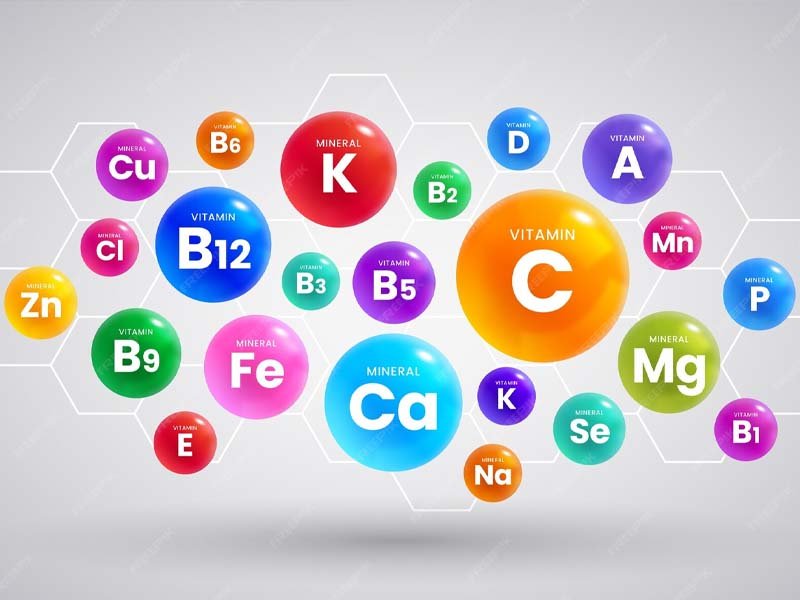
Niacin and other B vitamins: different jobs, same system
Niacin is often grouped with B vitamins, but its role is broader than most.
A simple comparison helps:
| B vitamin | Primary role |
|---|---|
| B1 (Thiamine) | Carbohydrate metabolism |
| B2 (Riboflavin) | Enzyme support |
| B6 | Amino acid metabolism |
| B12 | Red blood cell support |
| Niacin (B3) | Energy flow + circulation |
Because niacin supports overall metabolic flow, it acts as a connector rather than a specialist. That’s why it’s still included even when a formula already contains other B vitamins.
Niacin and glutathione: stress meets metabolism
When niacin is paired with glutathione, the recovery focus shifts from “refueling” to system balance.
- Glutathione helps manage internal stress and oxidative load
- Niacin helps regulate energy processing and circulation
Together, they support:
- smoother recovery between sessions
- fewer “off” days
- better tolerance for frequent training
This pairing is especially relevant for people whose recovery challenges come from stress stacking, not just physical effort.
Why niacin fits recovery drinks better than energy products
Recovery drinks are used when:
- appetite is low
- digestion should stay light
- stimulation is unwanted
Niacin fits this window because it is:
- non-stimulant
- effective at moderate doses
- compatible with daily use
That’s why niacin shows up far more often in recovery-focused formulas than in pre-workouts or energy drinks.
What niacin does not replace
It’s important to set clear expectations. Niacin does not replace:
- electrolytes
- protein or collagen
- adequate calories
- sleep
Its role is to help these inputs work together, not to stand in for them.
How this matters for real product design
Good recovery formulas aren’t built around single “hero” ingredients. They’re built around roles.
Niacin’s role is to:
- smooth transitions
- support circulation and energy flow
- reduce recovery friction
That’s why brands focused on long-term use and consistency include niacin quietly, at tolerable levels, alongside hydration and repair ingredients.
Niacin works best when it’s not the star.
By supporting how electrolytes, collagen, carbohydrates, and stress-support ingredients function together, niacin helps recovery feel coordinated instead of fragmented.
That coordination is what turns “I drank something” into “I actually recovered.”
Who Should or Shouldn’t Use Niacin?
Niacin is not a universal fix, and it’s not meant to be.
Some people feel its value clearly over time. Others may notice very little difference—and that’s completely normal.
The key factor isn’t fitness level or body size. It’s how much stress the body needs to process between workouts.
Who tends to benefit most from niacin
Niacin is most useful when recovery is frequent, layered, or constrained.
People who often benefit include:
- Regular trainers (4–6 days per week) Recovery systems rarely return to full baseline between sessions.
- People training under heat or heavy sweat conditions Metabolic and circulation demand stays elevated after workouts.
- Those combining training with long or stressful workdays Mental and physical stress compete for the same recovery capacity.
- Adults noticing slower recovery with age Energy turnover becomes less forgiving, even when training volume stays the same.
Common feedback from this group includes:
- steadier energy across the week
- fewer “almost recovered” days
- less reliance on caffeine
Niacin doesn’t add power—it restores margin.
Who may only notice subtle effects
Some people won’t feel a strong change, even though niacin is doing its job.
This often includes:
- moderate exercisers (2–3 sessions per week)
- people with long, high-quality sleep windows
- low-stress daily routines
In these cases, hydration, calories, and rest usually cover recovery needs. Niacin may feel like background support rather than a noticeable upgrade.
That doesn’t mean it’s useless—it means recovery systems are already keeping up.
Who likely doesn’t need niacin at all
Niacin may be unnecessary for:
- very low training frequency
- short, low-intensity workouts
- situations where recovery already feels easy and complete
If rest days fully reset energy and motivation, adding niacin probably won’t change much.
Who should limit or avoid niacin
Some individuals should be more cautious with niacin intake, especially at higher doses.
This includes people who:
- are sensitive to flushing
- already use high-dose niacin supplements
- have liver-related conditions
- are under medical treatment affecting lipid metabolism
At the moderate levels used in recovery drinks, these concerns are uncommon, but awareness matters.
Does niacin interact with medications?
High-dose niacin can interact with certain medications, particularly those related to:
- cholesterol management
- blood pressure
- liver function
At recovery-drink doses, interactions are rare. Still, people on long-term medication or with medical conditions should consult a professional before adding new supplements.
Niacin is more likely to help if you answer “yes” to two or more:
- Do you train most days of the week?
- Do workouts overlap with long or stressful days?
- Do you hydrate and eat well but still feel recovery lag?
- Does fatigue build gradually across the week?
- Do you rely on caffeine to stay consistent?
If yes, niacin often becomes noticeable within 2–4 weeks of regular use.
When to expect benefits
Here’s a realistic expectation guide:
| Situation | Likely outcome |
|---|---|
| High stress + frequent training | Clear benefit |
| Moderate training | Subtle support |
| Low stress, low frequency | Minimal change |
Niacin works by supporting recovery patterns, not by creating instant effects.
Niacin isn’t about doing more.
It’s about recovering better within the life you already have.
For people whose recovery is challenged by frequency, stress, heat, or age, niacin helps smooth the process. For those already recovering well, it may not add much—and that’s okay.
The right recovery plan isn’t the one with the most ingredients.
It’s the one that matches your actual recovery demand.
Conclusion
Niacin doesn’t make recovery louder.
It makes recovery move.
In electrolyte + collagen recovery drinks, niacin supports the transition from effort to balance—helping energy systems settle, circulation normalize, and nutrients get used efficiently. It doesn’t replace hydration, protein, or rest. It helps them work together.
That design philosophy is reflected in how AirVigor formulates recovery products: moderate dosing, clear roles for each ingredient, and real-world usability over short-term sensation.
- Explore AirVigor electrolyte + collagen recovery drink mixes designed for daily training and demanding routines
- Contact AirVigor to discuss bulk purchasing, private-label options, or custom formulation support
Recovery works best when every part of the system does its job—and niacin helps keep that system moving.