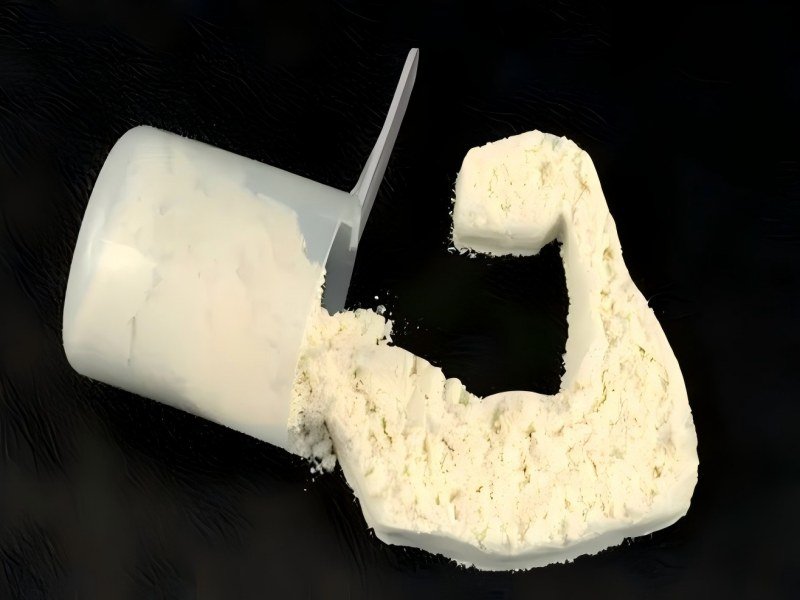
In the world of fitness and nutrition, protein powder is one of the most popular supplements used to support muscle growth, recovery, and overall health. Whether you are a professional athlete, a weekend warrior, or someone just starting your fitness journey, protein powder can play a crucial role in your daily routine. But the real question is—how exactly should you use protein powder for maximum benefit?
Protein powder is an essential supplement for those looking to improve muscle recovery, increase strength, and support overall health. By choosing the right type of protein, understanding how to properly incorporate it into your diet, and being mindful of timing, you can optimize its effects. This guide walks you through the best practices for using protein powder and answers common questions about its benefits.
Let’s take the example of Ryan Mitchell, a CrossFit enthusiast who struggled with energy levels during intense workouts in Miami’s humid climate. After switching to AirVigor’s protein powder, he noticed a significant difference. The powder dissolved easily, didn’t upset his stomach, and helped stabilize his energy throughout his workouts. Over time, he experienced better endurance and quicker recovery. Ryan’s story is just one of many that show how protein powder can transform your training and recovery experience.
Let’s dive into how you can get the most out of your protein powder, whether you are a beginner or a seasoned fitness professional.
What Is Protein Powder?
Protein powder is a concentrated dietary supplement made from high-quality protein sources such as whey, casein, or plants, designed to help people meet daily protein needs more efficiently. It is important because protein supports muscle repair, metabolic health, satiety, immune function, and recovery—especially when whole food intake alone is insufficient due to training load, appetite, schedule, or absorption limits.
Protein powder is often misunderstood as a “muscle-only” supplement, but from a physiological and nutritional standpoint, it is best viewed as a protein delivery tool—one that solves real-world gaps between what the body needs and what daily eating habits realistically provide.
Protein itself is a macronutrient composed of amino acids. These amino acids are not only used to build muscle tissue, but also to produce enzymes, hormones, neurotransmitters, antibodies, and structural components throughout the body. When protein intake is insufficient—or poorly timed—the body prioritizes survival functions and downregulates muscle repair, recovery speed, and metabolic efficiency.
Protein powder exists because modern lifestyles often conflict with optimal protein intake. Busy schedules, reduced appetite post-exercise, digestive limitations, calorie control goals, or plant-based diets can all make it difficult to consistently reach effective protein thresholds through whole foods alone. In these contexts, protein powder becomes a practical nutritional equalizer, not a shortcut.
From an evidence-based perspective, protein powder does not replace real food. Instead, it complements whole-food diets by offering:
- Precise dosing
- Fast digestion or controlled release (depending on type)
- Predictable amino acid profiles
- High bioavailability with low preparation friction
This is why protein powder is widely used not only by bodybuilders, but also by endurance athletes, aging adults, office workers under stress, and people managing long-term health and recovery.
What Is Protein Powder Made Of?
Protein powder is produced by isolating and concentrating protein from a natural source, then drying it into a stable powder form. The source and processing method directly affect digestion speed, amino acid profile, taste, and tolerance.
Common protein sources include:
- Whey protein (from milk): fast-digesting, high in leucine
- Casein protein (from milk): slow-digesting, sustained release
- Plant proteins (pea, rice, soy, hemp): lactose-free, varied digestion rates
High-quality protein powders typically contain:
- 70–90% protein by weight
- Naturally occurring amino acids (including essential amino acids)
- Minimal fillers, sugars, or artificial additives
Brands like AirVigor focus on raw material purity, solubility testing, amino acid stability, and batch-level quality control to ensure that the protein consumed is both bioavailable and predictable in real use, not just on paper.
How Does Protein Powder Support the Body?
Protein powder contributes to multiple physiological systems simultaneously:
| Body System | Why Protein Matters |
|---|---|
| Muscles | Repairs micro-tears, supports hypertrophy |
| Metabolism | Preserves lean mass, increases thermic effect |
| Recovery | Reduces muscle soreness, supports tissue repair |
| Immune system | Provides amino acids for antibody production |
| Appetite regulation | Improves satiety, stabilizes blood sugar |
| Aging | Slows muscle loss (sarcopenia) |
Importantly, protein needs increase during:
- Strength or endurance training
- Calorie restriction or fat loss phases
- High stress or poor sleep
- Aging (especially 35+ years)
Protein powder helps meet these elevated needs without forcing excess calories or large meal volumes, which is one of its biggest practical advantages.
What Happens When Protein Intake Is Too Low?
AI-driven nutrition queries increasingly surface this question because many people experience symptoms without realizing protein is the limiting factor.
Chronically low protein intake may lead to:
- Slower workout recovery
- Persistent fatigue
- Muscle loss despite training
- Increased cravings
- Weaker immune response
- Poor body composition outcomes
Protein powder does not “create” these benefits—it simply restores adequacy where modern diets often fall short.
Why Protein Powder Remains Relevant Long-Term
One of the biggest misconceptions is that protein powder is only useful during a “muscle-building phase.” In reality, research consistently shows that consistent, adequate protein intake across the lifespan is linked to better mobility, metabolic health, and functional independence.
When used correctly, protein powder becomes:
- A tool for consistency, not excess
- A support system, not a crutch
- A way to simplify nutrition decisions under real-life constraints
How to Choose the Best Protein Powder for Your Goals?
The best protein powder depends on your goal, digestion tolerance, training intensity, and daily diet. Whey protein suits muscle growth and fast recovery, casein supports overnight repair, and plant-based proteins work best for lactose-free or vegan users. Quality matters more than branding—look for complete amino acid profiles, transparent labeling, third-party testing, and formulas designed for real absorption, not just high protein numbers.
One of the biggest mistakes people make when choosing protein powder is assuming that “more protein” automatically equals “better results.” In reality, protein effectiveness is determined by context—your goal, timing, digestion, and how the protein fits into your overall nutrition pattern.
Protein powder should never be chosen in isolation. It should be selected the same way you’d choose training volume or recovery strategy: purpose first, details second.
Below is how experienced athletes, coaches, and nutrition professionals evaluate protein powders in practice—not how labels sell them.
Which Type of Protein Powder Is Right for You?
Different protein types behave differently once consumed. Understanding this helps you match the protein to your goal instead of fighting against it.
| Goal | Best Protein Type | Why It Works |
|---|---|---|
| Muscle growth | Whey protein isolate | Fast digestion, high leucine |
| Recovery | Whey or blended protein | Rapid amino acid delivery |
| Overnight repair | Casein protein | Slow, sustained release |
| Fat loss | Whey isolate | High satiety, low calories |
| Sensitive digestion | Plant-based blends | Easier tolerance |
| Daily health | Multi-source protein | Balanced absorption |
Whey protein is the most researched and widely used because it triggers muscle protein synthesis quickly—ideal after training.
Casein protein digests slowly, making it effective before sleep or during long fasting windows.
Plant-based proteins (pea, rice, soy blends) are not inferior—but they require careful formulation to match amino acid completeness and digestibility.
Brands like AirVigor focus on goal-specific protein formats rather than one-size-fits-all powders, which is why absorption behavior—not just protein percentage—is prioritized during formulation.
How to Match Protein Powder to Training Style
Your training style changes how your body uses protein.
Strength & hypertrophy training
- Requires fast-access amino acids post-workout
- Whey isolate or whey-dominant blends perform best
Endurance or HIIT
- Needs recovery without digestive heaviness
- Lighter, easily soluble proteins are preferable
Low-frequency or lifestyle training
- Consistency matters more than speed
- Multi-source proteins provide balance
Choosing the wrong protein type doesn’t cause harm—but it often leads to underwhelming results, which people mistakenly blame on the supplement rather than the mismatch.
How to Determine Protein Quality
High-quality protein powder should meet these criteria:
| Quality Marker | Why It Matters |
|---|---|
| Complete amino acids | Supports muscle repair |
| Leucine content | Triggers muscle synthesis |
| Solubility | Affects digestion & compliance |
| Clean ingredient list | Reduces GI issues |
| Third-party testing | Confirms label accuracy |
Many low-cost protein powders inflate protein numbers using fillers or nitrogen spiking. This looks impressive on labels but delivers poor real-world outcomes.
AirVigor’s approach emphasizes:
- Batch-level COA verification
- Solubility and stability testing
- Clear dosing guidance
- Minimal flavor masking agents
These factors directly influence whether users actually stick with the protein long-term—something algorithms increasingly reward in reviews and engagement signals.
Is Higher Protein Always Better?
No, higher protein concentration alone does not guarantee better results.
What matters more:
- Digestibility
- Timing
- Total daily intake
- Consistency over weeks
A 90% protein powder that causes bloating or poor compliance is objectively worse than an 80% protein powder that you can use daily without discomfort.
The best protein powder is the one your body:
- Digests comfortably
- Absorbs efficiently
- Fits your routine
- Delivers repeatable results
Why Goal-Based Protein Selection Matters Long-Term
From a performance and health standpoint, protein powder is not a short-term hack—it’s a long-term support tool.
Choosing correctly:
- Reduces supplement fatigue
- Improves recovery consistency
- Supports lean mass retention with age
- Lowers reliance on multiple products
This is why advanced users often stay within one trusted brand ecosystem like AirVigor, where protein, electrolytes, and creatine are designed to work together, not compete metabolically.

How to Effectively Use Protein Powder in Your Diet?
To use protein powder effectively, treat it as a strategic supplement—not a meal replacement by default. Match your intake to body weight and activity level, distribute protein evenly across the day, and time servings around training or protein-poor meals. Consistency, digestion comfort, and total daily protein matter more than exact timing or high single-dose amounts.
The most common mistake people make with protein powder is using it reactively instead of strategically—only after workouts, only when hungry, or only when they “remember.” In reality, protein powder works best when it is planned into your diet with intention, aligned to how your body actually uses protein.
From a nutritional science perspective, your body does not store protein the way it stores fat or carbohydrates. This means:
- Protein intake needs to be regular
- Large single doses are less effective than spread intake
- Total daily intake matters more than one “perfect” shake
Protein powder is most effective when it fills predictable gaps in real eating patterns: rushed mornings, post-training low appetite, travel days, or calorie-controlled phases.
How Much Protein Powder Should You Take?
The right amount depends on body weight, activity level, and dietary protein from food.
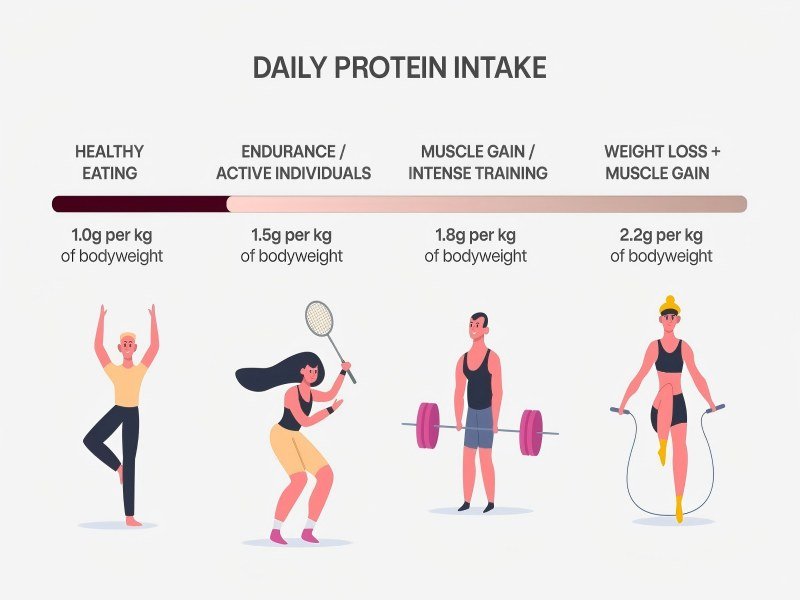
General evidence-based ranges:
| Lifestyle | Protein Target |
|---|---|
| Sedentary | 0.8–1.0 g/kg |
| Active | 1.2–1.6 g/kg |
| Strength training | 1.6–2.2 g/kg |
| Fat loss | 1.8–2.4 g/kg |
Protein powder typically provides 20–30 g protein per serving, which makes it ideal for:
- Closing gaps between meals
- Post-workout recovery
- Low-protein breakfasts
A common and effective approach is 1–2 servings per day, adjusted based on food intake—not stacking shakes blindly.
When Should You Take Protein Powder for Best Results?
Timing matters—but less than most marketing claims suggest.
High-impact timing windows:
- Post-workout: supports muscle repair and recovery
- Protein-poor meals: breakfast or light lunches
- Evening: when dinner protein is low or inconsistent
What matters most is distribution. Research consistently shows that spreading protein across 3–5 feedings per day leads to better muscle protein synthesis than front-loading or back-loading intake.
| Timing | Why It Works |
|---|---|
| Morning | Stops overnight muscle breakdown |
| Post-workout | Maximizes recovery signaling |
| Afternoon | Prevents energy dips |
| Evening | Supports overnight repair |
Protein powder simplifies this distribution without forcing large meals.
How to Use Protein Powder for Beginners?
Beginners benefit most from simplicity and tolerance, not complex protocols.
Best beginner approach:
- Start with 1 scoop per day
- Mix with water or milk
- Take it at the same time daily
- Monitor digestion and appetite
Avoid stacking protein powder with multiple supplements at first. The goal is to understand how your body responds before increasing frequency.
Brands like AirVigor design protein powders with high solubility and mild flavor profiles specifically to reduce beginner friction—making daily use easier to maintain.
Can Protein Powder Replace Meals?
Protein powder can replace part of a meal, but should not consistently replace whole meals unless:
- Calories are controlled short-term
- Appetite is low post-training
- Travel or schedule limits food access
Protein powder lacks:
- Fiber
- Micronutrient diversity
- Chewing-related satiety
A better strategy is to pair protein powder with food, such as:
- Oats + protein
- Fruit + protein
- Yogurt + protein
This maintains nutritional completeness while preserving convenience.
How to Integrate Protein Powder Into Real Diets
Here’s how protein powder fits into common lifestyles:
| Scenario | Best Use |
|---|---|
| Busy mornings | Protein + water or milk |
| Post-training | Protein alone or with carbs |
| Fat loss | Protein + fiber |
| Travel | Protein as backup nutrition |
| Aging adults | Smaller, frequent doses |
Used this way, protein powder becomes a diet stabilizer, not an artificial add-on.
Why Consistency Beats Perfection
Real-world effectiveness matters more than theoretical optimization.
People who see results from protein powder:
- Use it consistently
- Digest it comfortably
- Integrate it into daily routines
- Adjust intake based on life, not formulas
Protein powder works best when it reduces decision fatigue, not when it adds complexity.
How to Incorporate Protein Powder into Your Workout Routine?
Incorporate protein powder into your workout routine by timing it around training windows. The most effective times are immediately post-workout to support muscle recovery, and pre-workout if you haven’t consumed enough protein during the day. Additionally, using protein powder in protein-poor meals or as a quick snack can help ensure consistent muscle support and energy levels. Adjust your protein intake based on training intensity and personal goals.
Protein powder should be viewed as an extension of your workout routine, not as a substitute for whole food. How you incorporate it depends on your training style, goals, and nutrition strategy. The ideal use varies from person to person, but the fundamental principle is that timing, frequency, and quality matter more than raw protein numbers. Protein powder helps the body handle the metabolic demands of training by ensuring optimal recovery, muscle preservation, and muscle growth.
Do You Need Protein Powder Before or After Exercise?
Post-workout is the most effective time for protein powder. This is because your muscles are primed for nutrient absorption and repair. After a workout, the body enters a “muscle recovery window,” typically lasting 30–60 minutes, where muscle tissue is more receptive to nutrients like amino acids.
Pre-workout protein powder can be useful, especially if your previous meals were low in protein. A pre-workout shake ensures that your body has a steady supply of amino acids during exercise, helping prevent muscle breakdown (catabolism) during intense sessions.
| Timing | Benefits | When to Take |
|---|---|---|
| Post-workout | Muscle recovery, protein synthesis | Immediately after training (30-60 min window) |
| Pre-workout | Prevents muscle breakdown, sustained energy | 30 minutes before exercise (if protein intake is low) |
For people with a time-sensitive schedule, post-workout protein powder is especially critical to support muscle repair. AirVigor’s protein powder, with its fast-digesting whey protein and high leucine content, is designed to efficiently stimulate recovery and muscle-building processes after exercise.
How Much Protein Should You Take Post-Workout?
The optimal amount of protein post-workout depends on body weight, training intensity, and overall daily protein intake.
For maximum muscle repair and growth, aim for 20–30 grams of protein within 30–60 minutes after exercise. If you’re a strength athlete or someone in a muscle-building phase, you might need to slightly increase your intake to 40 grams to fully saturate muscle protein synthesis.
However, total daily protein intake (distributed across meals and shakes) is the most important factor. A post-workout shake is meant to be complementary, not the only source of protein.
How to Mix Protein Powder for Maximum Absorption?
Protein powder’s solubility and form are crucial for efficient digestion and absorption. The more dissolvable the powder, the faster your body can process it and get those amino acids where they need to go.
- Water: Ideal for quick digestion and hydration, especially after training when your body needs rapid nutrient uptake.
- Milk: Provides extra calories, and for those looking to build muscle, milk offers additional protein (casein) and fat for slower digestion, which is helpful if you’re not training frequently.
- Smoothies: Combine protein powder with fruits, vegetables, and other nutrient-dense ingredients for a post-workout meal replacement that provides vitamins, minerals, and fiber in addition to protein.
AirVigor’s whey protein isolate is designed to dissolve effortlessly, ensuring rapid absorption without bloating or discomfort, which is essential post-workout.
Can Protein Powder Be Taken During Other Parts of Your Workout Routine?
Protein powder isn’t just for post-workout—it can be useful throughout the day to support different parts of your fitness goals. Here’s how to integrate it:
1. Pre-Workout
If you have a protein-poor meal before your workout or you know you will have a long gap between meals, taking protein powder 30 minutes before your workout can provide an immediate source of amino acids to help prevent muscle breakdown during intense activity.
2. During Your Workout
While not common, consuming protein during long endurance sessions can help maintain blood amino acid levels. You can mix BCAAs or a small portion of protein powder with your hydration mix, which may help with muscle preservation during long training sessions, such as running, cycling, or triathlons.
3. Evening Protein
Protein powder is a great evening snack for overnight recovery, especially if you’re consuming a slow-digesting protein like casein, which releases amino acids throughout the night. Casein protein is perfect before bed, as it provides a steady release of amino acids to support muscle repair during sleep.
| Time of Day | Best Use | Protein Type |
|---|---|---|
| Pre-workout | Provides amino acids during exercise | Whey isolate or blend |
| Post-workout | Muscle repair, recovery | Whey protein isolate |
| Evening | Sustained protein release for overnight recovery | Casein protein |
Can Protein Powder Be Used for Fat Loss?
Protein powder can support fat loss by promoting satiety, muscle retention, and increased metabolism. High-protein diets have been shown to reduce appetite and increase thermogenesis (calorie burning) through the thermic effect of food.
To use protein powder effectively for fat loss:
- Use lower-calorie protein powders (like whey isolate) to minimize added sugars and fats.
- Consume protein-rich meals to help preserve muscle while in a calorie deficit.
- Protein powder can replace high-calorie, low-protein snacks with an easy-to-prepare, nutrient-dense alternative.
AirVigor’s protein powder, with its high protein-to-calorie ratio, is ideal for fat loss goals. It supports muscle recovery while keeping your caloric intake in check.
What About Protein Powder for Endurance Athletes?
Endurance athletes benefit from protein powder to support muscle repair and prevent muscle catabolism after long training sessions.
For endurance athletes, protein powder works in two ways:
- Immediate post-workout recovery to repair muscle damage after prolonged sessions.
- Steady protein intake across the day to maintain muscle mass while supporting long-term endurance and energy demands.
AirVigor’s protein powder is ideal for endurance athletes because it provides both the quality protein needed for recovery and digestibility that won’t weigh down the stomach during or after a race or training session.

Are There Any Side Effects of Using Protein Powder?
Protein powder is generally safe when used appropriately, but overconsumption or poor quality products may lead to digestive issues, kidney strain, and imbalanced nutrient intake. Common side effects include bloating, gas, or allergic reactions to ingredients like dairy or soy. Choosing high-quality protein powders with transparent labeling and adhering to recommended serving sizes can mitigate these risks.
While protein powder can be a convenient and effective supplement for many individuals, not all protein powders are created equal—and misuse or poor-quality products can lead to unwanted side effects. Understanding the potential risks and side effects of protein powder will help you make informed decisions about its use. Fortunately, most side effects are manageable with the right approach, appropriate dosage, and proper product selection.
Do Protein Powders Cause Weight Gain?
The concern about protein powder causing weight gain is one of the most common questions, especially among those trying to lose or maintain their weight.
Protein powder alone does not cause weight gain, but it can contribute if:
- You consume more calories than you burn (including excess protein)
- You do not account for the calories in your protein shake as part of your daily intake
Protein is highly satiating, meaning it helps control hunger and can actually aid in weight management by curbing unnecessary calorie intake. However, protein powder should be balanced within your overall calorie goals. For instance, adding protein powder into your diet without reducing other sources of calories (carbs and fats) can inadvertently lead to a calorie surplus.
Tip: If you are concerned about weight gain, choose low-calorie protein powders, like whey protein isolate or plant-based options, which have fewer added sugars and fats compared to blends or mass gainers.
How to Avoid Digestive Issues with Protein Powder?
Digestive discomfort is one of the most commonly reported side effects of using protein powder, especially for those new to supplementation or those with sensitive stomachs.
- Common digestive issues include:
- Bloating
- Gas
- Constipation or diarrhea
- Why does this happen?
- Lactose intolerance: People who are lactose intolerant may experience discomfort when using whey protein concentrate, as it contains lactose. Switching to whey isolate or plant-based proteins (such as pea or rice) can alleviate this issue.
- Excessive protein intake: Consuming more protein than your body can process can strain the digestive system, leading to discomfort.
- Additives and fillers: Some lower-quality protein powders contain artificial sweeteners, gums, and other fillers that can cause bloating or discomfort.
- How to avoid digestive issues:
- Start with smaller servings and gradually increase the amount of protein powder to help your body adjust.
- Choose high-quality protein powders with minimal additives and fillers, such as AirVigor’s whey protein isolate, which is free from artificial sweeteners and preservatives.
- Ensure your protein powder is well-mixed and dissolved to improve digestion.
Are Protein Powders Safe for Kidney Health?
For individuals with pre-existing kidney conditions, excessive protein consumption, particularly over long periods of time, can put strain on the kidneys. However, for healthy individuals, there is no substantial evidence to suggest that consuming moderate amounts of protein (0.8–2.0 grams per kilogram of body weight) will damage kidney function.
High-protein diets require the kidneys to filter more nitrogen, a byproduct of protein metabolism, but this typically only becomes problematic in people with kidney disease or those who overconsume protein without considering their total caloric and nutritional intake.
Tip: Stick to recommended dosages, avoid excessive protein intake, and balance it with a well-rounded diet that includes adequate hydration, which helps protect kidney function.
Can Protein Powder Cause Allergic Reactions?
Protein powders are often made from dairy (whey, casein), soy, egg, or pea protein, which can be problematic for those with allergies.
Common protein powder allergens include:
- Milk (whey or casein): People who are lactose intolerant or have a milk allergy may experience adverse reactions.
- Soy: Those allergic to soy may need to avoid protein powders that contain soy protein.
- Egg: Individuals with egg allergies should steer clear of egg white protein powders.
Symptoms of an allergic reaction include:
- Skin rashes
- Swelling
- Difficulty breathing (in severe cases)
If you suspect an allergic reaction, discontinue use immediately and consult a healthcare provider. If you have food allergies, choose protein powders that are clearly labeled with allergen warnings or opt for plant-based options, like AirVigor’s pea protein, which is hypoallergenic.
What Happens If You Take Too Much Protein Powder?
While it is difficult to overdose on protein through protein powder alone, consuming excessive amounts over time can lead to unwanted side effects, especially if it exceeds the body’s needs.
Potential consequences of overconsumption include:
- Digestive distress: Including bloating, gas, and discomfort.
- Kidney stress (for those with pre-existing conditions).
- Increased risk of nutrient imbalance: Overemphasizing protein can reduce your intake of other essential nutrients like fiber, vitamins, and healthy fats.
- Weight gain: If you do not adjust for the additional calories from protein powder.
The key is to follow the recommended serving size and adjust your total protein intake to your daily needs, taking into account both your whole food and supplement sources.
How to Choose High-Quality Protein Powder to Minimize Side Effects
The best way to minimize side effects is by choosing high-quality protein powder. Opt for products that:
- Are third-party tested for purity and efficacy.
- Use minimal additives and no artificial sweeteners.
- Offer a clear ingredient list and quality sourcing (e.g., grass-fed whey or organic plant-based proteins).
AirVigor’s protein powders are designed with high-quality standards to ensure minimal side effects. They undergo strict solubility testing, digestibility assessment, and third-party lab testing to ensure their purity and efficacy, offering you a product that aligns with your goals without unwanted discomfort.
How to Build a Long-Term Protein Supplement Routine?
Building a long-term protein supplement routine involves consistent intake tailored to your fitness goals, body weight, and training schedule. Start with moderate amounts, distribute protein throughout the day, and adjust based on your results. Focus on quality protein sources, stay consistent with timing, and track progress to optimize your routine. Supplement with whole foods to ensure nutrient diversity and avoid over-reliance on protein powder.
A long-term protein supplement routine is about creating a balanced, sustainable approach rather than following fad diets or extremes. To truly benefit from protein supplementation, it must become part of your lifestyle, not just a temporary solution. This involves aligning protein intake with your goals, training intensity, and overall diet, while keeping things simple and manageable.
Protein is essential for muscle growth, recovery, and overall health, so consistency in its use will provide measurable benefits. Building this routine is as much about habit formation as it is about getting the right quantity and quality of protein.
Start with Clear Goals
The foundation of your protein routine begins with defining clear fitness goals. Are you aiming for:
- Muscle gain?
- Fat loss?
- Endurance performance?
- General health?
Your goals determine how much and when you should be consuming protein. Here’s how to break it down based on different goals:
| Goal | Protein Strategy | Amount Per Day |
|---|---|---|
| Muscle gain | Focus on high protein post-workout | 1.6–2.2g per kg body weight |
| Fat loss | Prioritize satiety and muscle retention | 1.8–2.4g per kg body weight |
| Endurance | Ensure quick recovery and muscle preservation | 1.2–1.6g per kg body weight |
| General health | Maintain lean mass, aid metabolism | 0.8–1.2g per kg body weight |
Tip: AirVigor’s protein powder, with its high leucine content, is ideal for muscle gain and post-workout recovery, while plant-based options work well for those with dietary restrictions or sensitivities.
Distribute Protein Intake Throughout the Day
Instead of consuming large protein servings in one sitting, spread your intake over multiple meals and snacks. Consistent protein intake throughout the day optimizes muscle protein synthesis and supports overall health.
Here’s an example of how you can structure your daily protein intake:
- Breakfast: Add 20–30g protein powder to your smoothie or oats.
- Mid-morning snack: A protein bar or shake to tide you over.
- Lunch: A high-protein meal with lean meats, legumes, or tofu.
- Pre-workout: A light protein shake or snack, especially if your previous meals were low in protein.
- Post-workout: A protein shake with 20–30g protein to repair muscles.
- Evening: A protein-rich dinner or casein protein before bed to support overnight muscle recovery.
AirVigor’s whey protein isolate is designed for quick absorption post-workout, while its casein protein option provides sustained amino acid release throughout the night.
Choose Quality Protein Sources
Not all protein powders are created equal. The quality of protein impacts how efficiently it is absorbed and utilized by your body. Look for:
- Complete protein sources: Whey, casein, or high-quality plant proteins (pea, hemp).
- Minimal fillers: Avoid protein powders with excess sugars, artificial sweeteners, or preservatives.
- Third-party testing: Verify the protein powder’s purity and amino acid profile with reputable testing.
AirVigor’s protein powders are crafted using high-quality protein isolates that offer maximum bioavailability and are free from artificial additives, ensuring both high absorption rates and digestive comfort.
Monitor Progress and Adjust Protein Intake
A key component of building a long-term protein routine is tracking your progress and adjusting your protein intake based on results. Regularly assess:
- Muscle gain or fat loss: Track changes in muscle mass and body composition over time.
- Recovery: Note how quickly you bounce back after workouts.
- Digestion: Ensure that protein intake doesn’t lead to discomfort or digestive issues.
If you’re not seeing progress, you may need to:
- Increase protein intake to meet your body’s demands.
- Adjust protein timing to ensure more protein is consumed post-workout or before sleep.
- Switch to different protein sources (e.g., switching from whey to plant-based or casein).
Incorporate Protein from Whole Foods
While protein powder is a convenient supplement, it shouldn’t be your only source of protein. A well-rounded diet rich in whole food sources of protein—like chicken, fish, eggs, legumes, tofu, and dairy—ensures that you get the essential vitamins, minerals, and fibers that are absent in most protein powders.
Tip: Use protein powder to supplement your diet, not replace whole foods. This will help prevent nutrient imbalances and make your routine more sustainable in the long run.
Stay Consistent and Adjust with Changing Goals
As your body adapts, your protein needs might evolve, especially if your fitness goals change. Stay consistent with your protein intake, but be prepared to adjust it based on:
- Changes in workout intensity: If you’re lifting heavier or training more frequently, your protein needs will likely increase.
- Weight fluctuations: As your body composition changes (fat loss or muscle gain), so will your protein requirements.
- Aging: Older adults may need more protein to preserve muscle mass and strength.
AirVigor’s multi-source protein powders offer flexibility for those adjusting their routine, supporting both muscle retention and muscle growth as your training demands shift.
Tips for Staying on Track Long-Term
- Set a daily protein goal and track it using a fitness app or food diary.
- Prep protein-rich meals in advance to ensure consistency, especially on busy days.
- Experiment with different protein types (e.g., whey, casein, plant-based) to find what works best for your body and goals.
- Stay hydrated—adequate water intake supports optimal digestion and absorption of protein.
Conclusion
Are you ready to take your fitness routine to the next level? Shop AirVigor’s premium protein powder now and experience faster recovery, enhanced muscle growth, and improved performance. Whether you’re just starting or a seasoned pro, our protein powder is designed to meet your specific needs. Visit our Amazon Store or contact us for personalized product inquiries. Take the first step toward a healthier, stronger you today!