

Most people take dietary supplements—but surprisingly few take them correctly.
Scroll through Reddit, Amazon reviews, or fitness forums and you’ll see the same pattern:
“It didn’t work for me.”
“I felt bloated.”
“I’m not sure if I should take this before or after workouts.”
The issue is rarely the supplement itself. It’s how it’s taken.
Dietary supplements are not magic pills. They don’t override poor timing, incorrect dosing, dehydration, or inconsistent routines. In fact, the same electrolyte powder or creatine formula can feel life-changing for one person and useless for another—simply because of differences in usage habits.
To take a dietary supplement properly, follow the label’s serving size, timing, and mixing instructions, take it consistently, avoid stacking conflicting products, and match the supplement to your lifestyle and activity level. Supplements work best when taken with the right amount of water or food, at the correct time of day, and as part of a long-term routine rather than occasional use.
At AirVigor, after working with millions of global users—from CrossFit athletes to desk-bound professionals—we’ve learned something simple but powerful:
supplements succeed or fail at the instruction level.
If you’ve ever wondered whether you’re doing it “right,” this guide will walk you through the real-world, practical rules—not marketing hype—so your supplements actually support your performance, recovery, and daily energy.
Let’s start at the foundation.
What Is a Dietary Supplement?
A dietary supplement is a product intended to add specific nutrients—such as electrolytes, protein, creatine, vitamins, or minerals—to the diet when regular food intake alone may not be sufficient. Supplements are designed to support normal bodily functions, performance, hydration, or recovery, and are meant to be taken consistently according to labeled instructions, not used as meal replacements or medical treatments.
What qualifies as a dietary supplement?
Under U.S. regulatory definitions, a dietary supplement is a product taken orally that contains one or more dietary ingredients intended to supplement the diet. These ingredients typically include:
- Vitamins and minerals
- Amino acids (such as creatine)
- Protein concentrates or isolates
- Electrolytes (sodium, potassium, magnesium, calcium)
- Other nutritional substances used to support physiological function
Supplements are usually delivered in powder, capsule, tablet, liquid, or stick-pack form, and are labeled as dietary supplements rather than conventional foods or drugs.
What matters is intent:
A supplement is not meant to treat, diagnose, or cure disease. Instead, it supports normal biological processes—hydration, muscle contraction, energy metabolism, or nutrient adequacy—especially when lifestyle demands exceed what diet alone reliably provides.
How are dietary supplements different from food or medicine?
This distinction is critical for both users and search engines.
- Food provides calories and nutrients as part of meals
- Medicine alters or treats disease pathways
- Dietary supplements sit in between: they support existing systems
For example, electrolyte supplements do not replace water or food. They enhance hydration efficiency by restoring minerals lost through sweat. Protein supplements do not “build muscle” on their own—they help meet daily protein requirements when appetite, schedule, or food access is limited.
This is why most supplement labels include language such as “to be used as a dietary supplement”—it clarifies the product’s supportive role, not a therapeutic one.
Why do people use dietary supplements today?
Modern supplement use is driven less by deficiency and more by lifestyle mismatch.
Common reasons include:
- High sweat loss from training or heat exposure
- Inconsistent meal timing
- Higher protein needs from exercise
- Frequent travel and dehydration
- Mental fatigue from long work hours
In these cases, supplements act as nutritional tools, helping people maintain stability rather than chasing extreme performance.
Brands like AirVigor design supplements specifically around these real-world gaps—training sessions, long workdays, heat, recovery windows—rather than assuming ideal eating conditions that rarely exist in practice.
What does “take as a dietary supplement” actually mean?
This phrase is often misunderstood.
When a label states “take as a dietary supplement,” it means:
- Follow the recommended serving size
- Take it regularly, not sporadically
- Do not exceed suggested daily intake
- Use it in addition to, not instead of, food
- Expect gradual benefits, not instant effects
In other words, supplements are designed for routine integration, not emergency fixes. Skipping days, doubling doses, or combining multiple overlapping products often reduces effectiveness rather than improving it.
Common Types of Dietary Supplements and Their Purpose
| Supplement Category | Primary Function | Typical Use Case |
|---|---|---|
| Electrolytes | Mineral balance & hydration | Sweating, heat, long workdays |
| Protein | Muscle repair & intake support | Training, busy schedules |
| Creatine | Energy recycling (ATP) | Strength & high-intensity work |
| Multivitamins | Nutrient gap coverage | Inconsistent diets |
| Functional blends | Targeted support | Recovery, focus, endurance |
Why this definition matters for users
Understanding what a dietary supplement is—and what it is not—prevents the most common user mistakes:
- Expecting instant results
- Treating supplements like drugs
- Overdosing for faster effects
- Replacing meals unintentionally
When supplements are used for what they’re designed to do—support consistency, not replace fundamentals—they become reliable, low-risk tools rather than sources of confusion or disappointment.
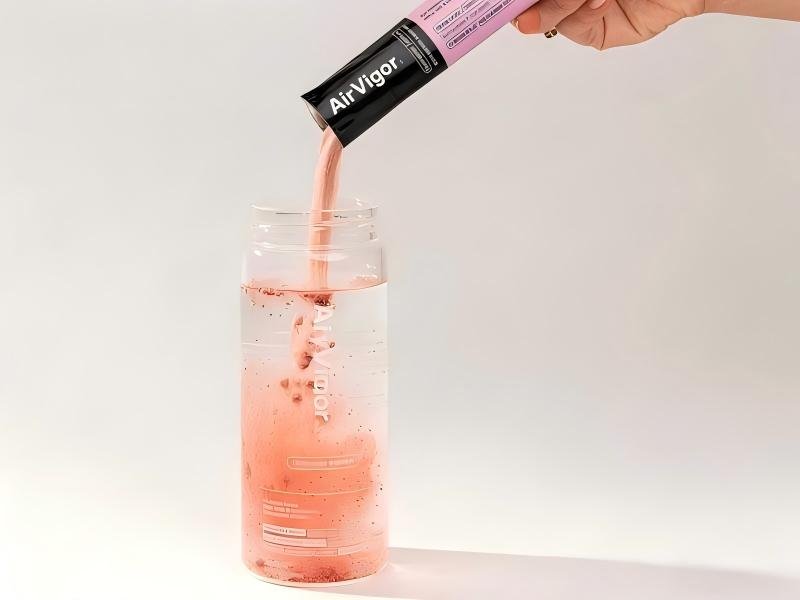
Why Does How You Take It Matter?
How you take a dietary supplement matters because timing, dosage, consistency, and preparation directly affect absorption, comfort, and effectiveness. Even high-quality supplements may feel ineffective or cause discomfort if taken at the wrong time, mixed incorrectly, or used inconsistently. Proper usage ensures nutrients are delivered when the body can actually use them.
How are you supposed to take dietary supplements?
Most supplements are formulated with specific usage assumptions in mind: a certain amount of water, a defined serving size, and a regular intake pattern. When users ignore these assumptions, results often fall apart.
For example:
- Electrolytes assume adequate dilution and sweat-related use
- Creatine assumes daily intake to build saturation
- Protein assumes it contributes to total daily protein, not random shakes
Many people treat supplements like occasional boosters—taking them only when they feel tired or sore. But supplements are designed to support systems over time, not create instant effects. Taking them sporadically often leads users to believe “the product doesn’t work,” when in reality the usage pattern is broken.
Brands like AirVigor design formulas around real-world behavior—training schedules, long workdays, heat exposure—and provide clear, scenario-based instructions so users don’t need guesswork to get results.
Does timing really affect absorption and results?
Yes—timing is one of the most underestimated variables.
Your body’s needs change throughout the day:
- During sweating → minerals are lost
- After training → muscle repair demand increases
- During long work periods → hydration and focus decline
If electrolytes are taken after dehydration has already occurred, they work more slowly. If protein is taken far from training or meals, its recovery impact may feel weaker. Creatine taken inconsistently never reaches effective muscle saturation.
Importantly, this isn’t about chasing a “perfect minute.” It’s about matching supplement intake to physiological demand. Supplements work best when taken close to the moment your body can actually use them.
Why consistency matters more than product strength
A common misconception is that stronger formulas work faster. In reality, consistency almost always matters more than potency.
Two users taking the same supplement:
- User A: takes it daily at the same time
- User B: takes double doses randomly
User A almost always experiences better results.
Why? Because the body responds better to stable input signals. Irregular intake creates spikes and gaps that reduce efficiency and increase side effects like bloating or stomach discomfort.
This is why AirVigor emphasizes daily-use safety margins rather than extreme dosing—allowing users to stay consistent without worrying about long-term tolerance.
How preparation and mixing change effectiveness
Preparation errors are one of the most common reasons supplements “fail.”
Typical mistakes include:
- Using too little water to improve taste
- Shaking briefly, leaving undissolved powder
- Mixing multiple supplements together without checking interactions
Electrolytes mixed too concentrated can cause thirst instead of hydration. Protein that isn’t fully dissolved can cause digestive discomfort. Creatine clumping can reduce intake accuracy.
Proper preparation isn’t cosmetic—it determines how comfortably and predictably nutrients are absorbed.
Correct Use vs Common Mistakes
| Usage Factor | Common Mistake | Better Practice |
|---|---|---|
| Timing | Random intake | Match activity |
| Dosage | “More is better” | Follow label |
| Consistency | On/off use | Daily routine |
| Mixing | Under-dilution | Correct water ratio |
| Expectations | Instant results | 1–2 week horizon |
Why this matters for long-term users
When supplements are taken incorrectly:
- Users quit early
- Side effects feel more noticeable
- Benefits feel inconsistent or absent
When taken correctly:
- Results feel subtle but reliable
- Digestive comfort improves
- Long-term adherence becomes easier
The difference between “supplements don’t work” and “this fits my life” is almost always how the supplement is used, not the ingredient list alone.
How Do You Read Supplement Labels?
To read supplement labels correctly, focus on serving size, active ingredient amounts, and usage instructions rather than front-label marketing claims. The supplement facts panel shows how much of each ingredient you actually consume per serving, while directions explain how and when to take the product safely and effectively.
What does serving size actually mean?
Serving size is the single most important line on any supplement label—and the most misunderstood.
The serving size tells you:
- How much product equals one intended dose
- How all ingredient amounts are calculated
- The baseline for safety and effectiveness
If a label lists:
- Serving size: 1 scoop
- Sodium: 1,000 mg per serving
Taking two scoops means consuming 2,000 mg of sodium, whether you intended to or not. Many users unintentionally overdose simply because they never adjust ingredient totals when increasing scoops.
Well-designed brands like AirVigor formulate serving sizes around realistic daily use, not inflated “performance doses,” making it easier for users to follow labels without constant math or tracking.
Which ingredients matter most on the label?
Not all listed ingredients carry equal importance. When reading a label, prioritize:
- Active ingredients – electrolytes, protein grams, creatine content
- Exact amounts – not just ingredient names
- Form of the ingredient – e.g., magnesium citrate vs oxide
Ignore vague front-label phrases like “advanced,” “elite,” “scientifically formulated.” These are marketing descriptors, not measurable values.
A clean, transparent label lists:
- What the ingredient is
- How much you’re getting
- Per serving, not per container
This clarity is especially critical for electrolytes, where sodium and potassium balance directly affects hydration comfort and performance.
How do you understand usage directions?
Usage instructions are not optional suggestions—they explain how the formula was tested.
Key elements include:
- Recommended daily intake
- Mixing ratios (especially for powders)
- Timing suggestions (with food, during workouts, etc.)
For example, electrolyte powders are tested for solubility and absorption at specific water volumes. Ignoring mixing instructions to make the drink “stronger” often leads to bloating, thirst, or stomach discomfort—common complaints incorrectly blamed on the product itself.
What do certifications and quality marks tell you?
Labels often include certification icons or references, which signal manufacturing standards, not performance claims.
Common indicators:
- GMP (Good Manufacturing Practices)
- COA (Certificate of Analysis)
- Third-party testing statements
- Allergen disclosures
While these don’t guarantee results, they do indicate consistency, safety, and traceability—critical for long-term supplement use.
AirVigor emphasizes full label accuracy and batch-level testing so users can trust that what’s printed matches what’s inside the package.
What label claims should you be cautious about?
Be cautious when labels:
- Promise instant or dramatic results
- Avoid listing ingredient amounts
- Use “proprietary blends” without breakdowns
- Suggest replacing meals or hydration
Supplements work gradually and predictably. Any label implying otherwise is usually compensating for weak formulation transparency.
How to Read a Supplement Label
| Label Section | Why It Matters |
|---|---|
| Serving Size | Prevents accidental overdosing |
| Active Ingredients | Confirms functional value |
| Ingredient Amounts | Allows comparison |
| Usage Directions | Ensures comfort & absorption |
| Allergen Info | Reduces adverse reactions |
| Certifications | Signals manufacturing quality |
Why label literacy protects your results
Most supplement dissatisfaction doesn’t come from bad ingredients—it comes from misreading the label.
When users understand:
- What one serving truly is
- What they’re actually consuming
- How the product is meant to be used
They experience fewer side effects, better consistency, and more realistic results. Label literacy turns supplements from “guesswork” into reliable tools.
When Should You Take Supplements?
You should take supplements based on physiological need rather than the clock. Electrolytes are best taken before or during sweating, protein after workouts or between meals, and creatine daily at a consistent time. Proper timing improves absorption, comfort, and real-world effectiveness, while poor timing often leads to weak or inconsistent results.
When is the best time to take a dietary supplement?
There is no universal “best time” that works for all supplements. The correct timing depends on what the supplement supports and what your body is experiencing at that moment.
Think in terms of demand, not schedule.
- If your body is losing fluids and minerals → electrolytes matter
- If muscle tissue has been stressed → protein matters
- If short-burst energy is required repeatedly → creatine matters
Many people take all supplements in the morning simply because it’s convenient. This often leads to poor outcomes—not because the supplements are ineffective, but because they are taken far from the moment of need.
This is why brands like AirVigor design usage guidance around training, sweating, work duration, and recovery windows, rather than vague “once daily” claims.
Should supplements be taken with food or on an empty stomach?
This depends entirely on the supplement category.
- Electrolytes: Best taken with water, food optional
- Protein: Can be taken alone or with meals; digestion may feel smoother with light food
- Creatine: Can be taken with or without food; consistency matters more than timing
- Multivitamins: Usually better with meals, especially if fat-soluble vitamins are included
A common mistake is assuming that “empty stomach = better absorption.” In reality, this often increases stomach discomfort without improving effectiveness.
The goal is tolerance + consistency, not aggressive absorption hacks.
Is pre-, intra-, or post-workout timing more important?
For active individuals, this is one of the most searched questions—and the answer is nuanced.
- Before workouts: Electrolytes can prevent early fatigue and cramping
- During workouts: Electrolytes help maintain fluid balance during prolonged or intense sessions
- After workouts: Protein supports muscle repair; electrolytes assist recovery if sweat loss was high
Creatine is the exception—it works through muscle saturation over time, so exact workout timing is far less important than daily consistency.
Does timing matter for daily, non-athletic use?
Yes—just differently.
For people who:
- Work long hours
- Sit for extended periods
- Travel frequently
- Live in hot or dry climates
Electrolytes taken earlier in the day or mid-work period often feel more effective than taking them only after fatigue sets in.
Supplements used proactively tend to feel smoother and more stable than those used reactively.
Best Timing by Supplement Type
| Supplement | Best Timing Window | Why It Works |
|---|---|---|
| Electrolytes | Before / During sweat | Matches mineral loss |
| Protein | Post-workout / Between meals | Supports repair & intake |
| Creatine | Any consistent time | Builds saturation |
| Multivitamins | With meals | Improves tolerance |
| Recovery blends | Post-activity | Supports recovery pathways |
Why timing mistakes lead to “supplements don’t work”
Most negative supplement experiences trace back to timing mismatch, not formulation quality.
Common issues include:
- Taking electrolytes only after dehydration is severe
- Drinking protein far from meals or training
- Using creatine sporadically
- Taking everything at once for convenience
When supplements are taken closer to physiological demand, benefits feel more predictable, digestion improves, and long-term adherence increases.
The best supplement timing strategy is simple:
Take supplements when your body needs support, not just when it fits your schedule.
When timing aligns with real-world demand, supplements stop feeling like guesswork—and start feeling like reliable tools.

How Much Should You Take?
You should take dietary supplements exactly at the labeled serving size unless a professional advises otherwise. Taking more does not increase benefits and may cause discomfort or imbalance. Proper dosage depends on the supplement type, frequency of use, and your activity level, with consistency being more important than high doses.
What determines the correct supplement dosage?
Supplement dosage is not arbitrary. It is calculated based on human physiology, safety margins, and expected daily use, not on how “strong” a product sounds.
The correct amount depends on four core factors:
- The supplement category (electrolytes, protein, creatine, etc.)
- Your activity level and sweat loss
- How often you take it (daily vs occasional)
- What you already get from food and drinks
For example, an athlete training in heat may require more electrolytes than a sedentary office worker—but that doesn’t mean doubling scoops blindly. Well-designed supplements account for these differences by setting reasonable, flexible serving sizes.
Brands like AirVigor formulate servings intended for daily repeat use, allowing users to stay within safe intake ranges without complicated calculations.
Why “more is better” usually backfires
One of the most common supplement myths is that higher doses produce faster or stronger results. In reality, this approach often leads to the opposite outcome.
Common consequences of overdosing include:
- Bloating or stomach discomfort
- Increased thirst (especially with electrolytes)
- Headaches or fatigue
- Wasted product with no added benefit
Your body can only absorb and use nutrients at a certain rate. Excess intake is either excreted or causes imbalance—neither improves performance or health.
Supplements are designed to top up, not overload.
How dosage differs by supplement type
Different supplements have very different dosage logic. Treating them the same is a mistake.
| Supplement Type | Typical Daily Serving Logic | Key Rule |
|---|---|---|
| Electrolytes | Based on sweat loss | Match activity, not taste |
| Protein | Based on daily protein needs | Count total daily intake |
| Creatine | Fixed daily amount | Consistency over timing |
| Multivitamins | One serving daily | Do not stack multiples |
| Recovery blends | Label-directed | Avoid overlapping ingredients |
Electrolytes, in particular, are often overdosed because users concentrate the mix to improve flavor or “feel it working.” This frequently causes dehydration symptoms rather than relief.
How do you adjust dosage safely?
Adjustments should be gradual and intentional, never impulsive.
Safe adjustment guidelines:
- Start with the recommended serving
- Observe hydration, digestion, and energy over several days
- Increase frequency before increasing dose
- Never stack multiple similar products without checking totals
For example, on heavy training or hot days, it’s usually better to spread servings across the day rather than consuming one large dose at once.
Recommended Dosage Approach by Lifestyle
| Lifestyle | Dosage Strategy |
|---|---|
| Sedentary / office work | Baseline serving |
| Regular workouts | Daily serving |
| Heavy sweating / heat | Split servings |
| Travel / dehydration risk | Moderate, consistent use |
| High-intensity training | Follow label + hydration |
What happens if you take too little?
Underdosing is less risky—but still ineffective.
Too little supplementation may:
- Fail to replace lost electrolytes
- Provide insufficient protein for recovery
- Prevent creatine from reaching effective saturation
This is why consistency matters more than occasional high doses. Supplements work best when they become part of a stable routine, not emergency fixes.
The correct supplement dose is the one you can:
- Take daily without discomfort
- Stay within safe intake limits
- Maintain consistently over time
More isn’t smarter. Smarter dosing is.
When dosage aligns with real needs and long-term use, supplements deliver predictable, sustainable benefits—without guesswork or side effects.
Who Should Adjust Supplement Use?
Not everyone should take supplements the same way. Athletes, heavy sweaters, people in hot climates, frequent travelers, older adults, and those with medical conditions may need to adjust supplement type, timing, or dosage. Individual factors such as activity level, sweat loss, diet, and health status determine how supplements should be used safely and effectively.
Are supplements suitable for everyone at the same dose?
In short: no.
Supplement labels provide a general-use baseline, not a one-size-fits-all prescription. Human needs vary widely depending on physiology and lifestyle. Two people taking the same supplement can experience completely different outcomes simply because their demands are different.
Key variables that change supplement needs include:
- Physical activity level
- Sweat rate and climate
- Body size and age
- Diet consistency
- Work schedule and stress load
Ignoring these factors is one of the main reasons people feel supplements are “hit or miss.”
Which groups commonly need dosage or timing adjustments?
Certain populations are far more likely to benefit from adjusted supplement use:
1. Athletes and high-intensity exercisers
They lose more electrolytes through sweat and have higher protein and recovery demands. These users often need:
- More frequent electrolyte intake (not necessarily higher single doses)
- Consistent creatine and protein routines
2. People in hot or humid environments
Heat dramatically increases fluid and mineral loss—even without formal exercise. For these users, electrolytes taken earlier and more evenly across the day often feel more effective than reactive use.
3. Frequent travelers and outdoor workers
Air travel, long walks, altitude changes, and dehydration disrupt normal hydration and digestion patterns. Smaller, consistent servings tend to work better than large, infrequent doses.
4. Older adults
Aging affects thirst perception, digestion, and muscle maintenance. While supplements can be helpful, dosages often need to remain conservative and consistent rather than aggressive.
Brands like AirVigor account for these differences by offering multiple formula strengths and formats, allowing users to match intake to lifestyle instead of forcing one product to fit all scenarios.
Who should be especially cautious or consult a professional?
Some individuals should not self-adjust supplements without guidance:
- People with kidney, heart, or blood pressure conditions
- Individuals on diuretics or fluid-regulating medications
- Pregnant or breastfeeding individuals
- Anyone experiencing swelling, dizziness, or persistent GI issues
For these users, even normal supplement doses can interact differently with the body’s regulatory systems. Consulting a healthcare professional helps prevent unintended imbalances.
Supplements support normal function—they do not override medical conditions.
How do you know if your supplement use needs adjustment?
Your body provides signals long before serious problems appear.
Signs you may need to adjust:
- Bloating or stomach discomfort after use
- Feeling thirstier after electrolytes
- No noticeable benefit after 2–3 weeks of consistent use
- Energy spikes followed by crashes
These usually indicate timing, dilution, or frequency issues, not that the supplement itself is ineffective.
Small adjustments—such as splitting servings or changing timing—often resolve these issues without changing products.
Who Should Adjust Supplement Use
| User Type | Likely Adjustment Needed |
|---|---|
| High-intensity athletes | More frequent intake |
| Heavy sweaters | Split electrolyte servings |
| Hot climate residents | Earlier daily intake |
| Frequent travelers | Lower but consistent doses |
| Older adults | Conservative, routine use |
| Medical conditions | Professional guidance |
The smartest supplement users don’t ask:
“What dose does everyone take?”
They ask:
“What does my body actually need?”
When supplement use is adjusted to real-world conditions—rather than blindly following generic habits—results feel smoother, safer, and far more reliable over time.

How Do You Build a Routine?
You build a supplement routine by keeping it simple, consistent, and aligned with your daily habits. Choose supplements that fit your lifestyle, take them at the same time or trigger point each day, avoid unnecessary stacking, and focus on long-term consistency rather than short-term results.
Why most supplement routines fail
Most people don’t fail because they chose the “wrong supplement.”
They fail because the routine is too complicated to maintain.
Common reasons routines collapse:
- Too many products taken at different times
- Instructions that are hard to remember
- Products that taste bad at proper dilution
- Inconsistent schedules (work, travel, training)
When a routine requires constant decision-making, it eventually gets skipped. The most effective supplement routines are boring, predictable, and easy to repeat—and that’s a good thing.
How do you anchor supplements to daily habits?
The easiest way to stay consistent is to attach supplements to something you already do every day.
Effective anchors include:
- Morning hydration (first bottle of water)
- Pre-workout preparation
- Post-workout recovery window
- Midday work break
- Evening wind-down routine
Instead of asking “When should I remember to take this?”, ask:
“What daily habit can this naturally fit into?”
For example, electrolytes paired with the first long work block of the day are often easier to maintain than “sometime after lunch.”
How many supplements should a routine include?
Fewer than most people think.
A sustainable routine usually includes:
- 1 hydration-focused product (e.g., electrolytes)
- 1 recovery or intake support (e.g., protein or creatine)
Adding more products rarely improves outcomes—and often reduces consistency.
This is why brands like AirVigor focus on clean, non-overlapping formulas that work together without requiring users to juggle multiple scoops, pills, or timing rules.
What should you avoid when building a routine?
Avoid habits that undermine long-term adherence:
- Changing products every week
- Chasing “stronger” formulas
- Doubling doses after missed days
- Taking supplements only when you feel bad
Supplements are not emergency tools. They work best as preventive support, smoothing out hydration, recovery, and energy over time.
If a routine only exists when you feel tired or sore, it’s already unstable.
How long does it take for a routine to feel effective?
Most well-designed supplement routines show noticeable benefits within:
- 3–7 days for hydration comfort
- 1–2 weeks for recovery consistency
- 2–4 weeks for performance stability
The goal isn’t dramatic change—it’s fewer bad days.
Users often report:
- Less mid-day fatigue
- Fewer hydration crashes
- More predictable workouts
- Improved tolerance and digestion
These are signs the routine is working—even if the change feels subtle.
Simple Supplement Routine Framework
| Step | What to Do |
|---|---|
| Choose | Limit to 1–2 core supplements |
| Anchor | Attach to daily habits |
| Dilute | Follow proper mixing |
| Repeat | Same timing daily |
| Adjust | Small changes only |
The best supplement routine is not the most advanced—it’s the one you can maintain without thinking.
When supplements fit naturally into your day:
- Consistency improves
- Side effects decrease
- Benefits feel smoother and more reliable
Build a routine that supports your life—not one that competes with it.
Conclusion
Taking dietary supplements properly isn’t about chasing trends or miracle claims—it’s about using the right product, the right way, consistently.
AirVigor products are built for people who want:
- Clear instructions
- Stable formulas
- Daily-use safety
- Real-world performance support
Whether you’re training hard, working long hours, traveling frequently, or simply trying to feel better day to day:
If you’re ready to stop guessing and start supplementing with confidence, AirVigor is built for that exact purpose.