Skip to content
How Do I Get Electrolytes:A Comprehensive Guide
# Your Trusted Dietary Supplement Brand In US
- Emily

Table of Contents
Hydration advice often sounds deceptively simple: drink more water. But if hydration were only about water volume, people wouldn’t still struggle with headaches, muscle cramps, dizziness, sudden fatigue, or that vague “off” feeling—even while carrying a water bottle everywhere. The missing piece, for many people, isn’t effort. It’s electrolytes.
Electrolytes are the charged minerals—like sodium, potassium, magnesium, and calcium—that regulate how water moves in and out of your cells. Without them, water doesn’t hydrate efficiently. It can pass straight through you without restoring balance. That’s why athletes, outdoor workers, travelers, and even office professionals can feel dehydrated despite drinking plenty of fluids.
At the same time, electrolyte advice online is chaotic. One source says fruit is enough. Another pushes sugary sports drinks. Others warn that electrolytes are dangerous if used daily. The result? Many people either underuse electrolytes and feel depleted—or overuse them without understanding what their body actually needs.
You get electrolytes from whole foods, electrolyte-containing drinks, or supplements—depending on your activity level, sweat loss, and daily demands. Fruits and vegetables cover basic needs, but heavy sweating, exercise, heat, travel, or long workdays often require electrolyte drinks or powders. The right approach balances sodium, potassium, and magnesium without excess sugar, helping water hydrate more effectively and reducing fatigue, cramps, and headaches.
Before diving into what to drink or which supplement to choose, there’s a more important question: how do you know if you even need electrolytes in the first place? Let’s start there.
What Are Electrolytes and Why Do I Need Them?
Electrolytes are charged minerals—mainly sodium, potassium, magnesium, calcium, chloride, and phosphate—that help your body control fluid balance, nerve signaling, and muscle contraction. You need them because water alone can’t hydrate cells efficiently without these minerals. When electrolytes drop (from sweating, heat, illness, or low intake), you may feel headaches, cramps, fatigue, dizziness, or “brain fog,” even if you’re drinking plenty of water.
What Electrolytes Really Are
Electrolytes aren’t a trendy “sports” ingredient—they’re basic physiology. When minerals dissolve in fluid, they split into ions with electrical charges. That charge is what lets your body run the “electrical system” behind everyday functions like heartbeat rhythm, muscle movement, and nerve communication.
Here’s the key idea most hydration advice misses:
Hydration isn’t just about how much water you drink. It’s about whether water can move into the right places—bloodstream, muscles, and cells—without throwing your mineral balance off. Electrolytes create the gradients (osmotic + electrical) that guide water to where it’s needed and help your kidneys decide what to keep vs. flush out.
If you’ve ever chugged water and still felt “dry,” heavy, or foggy, that’s often a sign your body doesn’t need more water—it needs better water management, which is electrolyte-driven.
What Are Electrolytes in the Body?
Electrolytes include:
- Sodium (Na⁺): the main electrolyte in your blood/extracellular fluid
- Potassium (K⁺): the main electrolyte inside your cells
- Chloride (Cl⁻): pairs with sodium to maintain fluid balance and stomach acid
- Magnesium (Mg²⁺): supports muscle relaxation, nerve function, and energy pathways
- Calcium (Ca²⁺): essential for muscle contraction, nerve signaling, and bone health
- Phosphate (PO₄³⁻): involved in ATP (cellular energy) and pH balance
You’re constantly losing these minerals through:
- Sweat
- Urine
- Digestive losses (diarrhea/vomiting)
- Breathing (water loss, which can shift electrolyte needs)
Your body replaces them mainly through food—until loss outpaces intake.
Why Do Electrolytes Matter for Hydration?
Electrolytes help control three hydration “levers”:
Fluid retention (mainly sodium + chloride)
Sodium helps you hold onto the water you drink—especially during sweating or heat. Without enough sodium, you can drink water and still end up peeing it out quickly.
Water movement into cells (sodium–potassium balance)
Sodium dominates outside the cell; potassium dominates inside the cell. That difference is part of what drives water distribution.
Kidney regulation (all electrolytes, especially sodium + potassium)
Your kidneys continuously adjust electrolyte excretion to keep blood pressure, circulation, and hydration stable. If electrolytes are low, your kidneys may struggle to keep fluid balance optimal—even if water intake is high.
In plain terms: electrolytes make hydration “stick.”
Why Do Electrolytes Matter for Muscles, Cramps, and Recovery?
Muscles don’t move on willpower alone—they rely on precise electrical signals to contract, relax, and recover properly. Electrolytes act as the charged minerals that carry and regulate these signals, ensuring communication between nerves and muscle fibers stays smooth and coordinated. When electrolyte levels are even slightly off, muscle function becomes less efficient, making fatigue and cramping more likely—especially during or after sweating.
- Calcium helps muscles contract.
- Magnesium helps muscles relax.
- Sodium and potassium enable nerve impulses and muscle firing.
When electrolytes are low, you may notice:
- cramps or twitching
- heavy legs
- early fatigue in workouts
- slower recovery
- disrupted sleep after training (common with sweat loss + magnesium deficit)
Not all cramps are purely electrolyte-related (training load, conditioning, and neuromuscular fatigue also matter), but electrolyte balance is a frequent hidden contributor—especially when sweating increases.
What Are the First Signs You Might Need Electrolytes?
Early signs are often mild and easy to misread as “stress” or “bad sleep”:
- frequent thirst even after drinking
- headaches (especially after sweating or travel)
- lightheadedness when standing
- muscle twitching or mild cramps
- fatigue that feels “flat,” not sleepy
- brain fog or trouble focusing
- unusually salty sweat / salt stains on clothing
- peeing clear and often (sometimes a sign you’re flushing minerals)
These symptoms don’t automatically mean “take more electrolytes,” but they are strong hints that hydration isn’t functioning efficiently.
How Do I Tell If I Need Electrolytes?
Use this quick decision logic :
You’re more likely to benefit from electrolytes if:
- you sweat a lot (training, heat, sauna, outdoor work)
- you’re traveling/flying often (dry air + disrupted intake)
- you drink lots of water but still feel off
- you’re on a lower-carb diet (initial water + sodium loss is common)
- you’ve had vomiting/diarrhea
- you cramp easily during workouts
You’re less likely to need extra electrolytes if:
- you’re sedentary in a cool environment
- you eat balanced meals and don’t sweat much
- you already consume high-sodium processed foods regularly
Electrolytes vs. Water: A Simple Way to Think About It
- Water = volume
- Electrolytes = control system
If you only increase volume without the control system, your body can’t always use that water effectively—especially under stress (exercise, heat, travel, illness). That’s why electrolytes matter.
What Each Electrolyte Helps With
| Electrolyte | Main Job | Common “Low” Feelings |
|---|---|---|
| Sodium | Holds water in circulation | headache, dizziness, low stamina |
| Potassium | Balances water inside cells | weakness, cramps, irregular heartbeat concerns |
| Magnesium | Muscle relaxation, nerve calm | cramps, twitching, poor sleep |
| Calcium | Muscle contraction, signaling | spasms, muscle tightness |
| Chloride | Fluid balance, stomach acid | low appetite, digestion issues |
| Phosphate | Energy (ATP), pH balance | fatigue, low drive |
How Do I Get Electrolytes From Food Naturally?
You can get electrolytes naturally from whole foods such as fruits, vegetables, dairy products, nuts, seeds, legumes, and salted meals. Potassium comes mainly from fruits and vegetables, magnesium from leafy greens and seeds, calcium from dairy and fortified foods, and sodium from salt-containing foods. Food-based electrolytes are ideal for baseline daily needs but are often insufficient to rapidly replace electrolytes lost through heavy sweating, heat, or intense exercise.
Why Food Is the Foundation—but Not Always the Full Solution
Whole foods are the most natural and safest long-term source of electrolytes. They provide minerals in moderate doses, packaged with carbohydrates, fiber, vitamins, and phytonutrients that support digestion and metabolic health. For people with light activity levels, stable indoor routines, and balanced diets, food alone may cover most electrolyte needs.
However, food-based electrolytes work slowly and indirectly. Minerals must be digested, absorbed, and distributed—processes that take time and depend on gut function, meal timing, and appetite. When electrolyte losses are rapid (sweat, heat, illness, travel), food often can’t keep pace. Understanding both the strengths and limits of food helps avoid frustration and under-hydration.
Which Foods Are High in Key Electrolytes?
Different electrolytes come from different food groups because each mineral plays a distinct role in hydration, muscle function, and nerve signaling. No single food provides all electrolytes in meaningful amounts, which is why dietary variety matters more than chasing one “superfood.” Understanding where each electrolyte naturally occurs helps you build a diet that supports baseline hydration and mineral balance.
Potassium-rich foods
- Bananas
- Potatoes and sweet potatoes
- Avocados
- Spinach, Swiss chard
- Beans and lentils
Potassium helps move water into cells and supports muscle and nerve function. Most people fall short of potassium intake, especially if they eat few fruits and vegetables.
Magnesium-rich foods
- Pumpkin seeds, almonds, cashews
- Leafy greens (spinach, kale)
- Whole grains
- Dark chocolate (in moderation)
Magnesium is involved in hundreds of enzymatic reactions. Low intake is common and often linked to muscle tightness, twitching, and poor sleep.
Calcium-rich foods
- Milk, yogurt, cheese
- Fortified plant milks
- Tofu (calcium-set)
- Sardines with bones
Calcium works alongside magnesium—one triggers contraction, the other relaxation. Balance matters.
Sodium-rich foods
- Salted meals
- Soups and broths
- Pickled or fermented foods
- Cheese and breads
Sodium is often misunderstood. While excess sodium from ultra-processed foods can be problematic, adequate sodium is essential—especially for people who sweat or exercise regularly.
Are Fruits and Vegetables Enough for Electrolytes?
For baseline needs, often yes. Fruits and vegetables provide potassium, magnesium, and small amounts of calcium in a hydration-friendly context. They are excellent for everyday maintenance.
But fruits and vegetables are very low in sodium. During sweating, sodium is the primary electrolyte lost. This is why people who “eat clean” but train hard sometimes experience headaches, fatigue, or cramps—they’re replacing potassium but not sodium.
In practice:
- Fruits/vegetables → great for daily balance
- Salt + fluids → critical when sweating
Can Food Replace Electrolytes Lost From Sweat?
Only partially—and usually not fast enough.
Sweat losses vary widely, but many active individuals lose 500–1,500 mg of sodium per hour in hot or intense conditions. Replacing that amount through food alone during or immediately after activity is difficult and often uncomfortable.
Food also requires appetite. After workouts or in heat, appetite is often low—precisely when electrolyte needs are highest.
This is the key limitation of food-based electrolytes:
- Excellent for long-term health
- Inefficient for rapid replacement
Common Situations Where Food Falls Short
Food alone may not meet electrolyte needs when:
- You train or work in hot environments
- You sweat heavily or have salty sweat
- You’re traveling or flying (low humidity + disrupted meals)
- You’re under high mental stress (fluid shifts increase)
- You’re eating less due to appetite loss
- You need hydration during activity, not hours later
In these cases, food should still be part of the strategy—but not the only tool.
Food-Based Electrolytes vs. Other Sources
| Source | Strength | Limitation |
|---|---|---|
| Whole foods | Safe, nutrient-dense, sustainable | Slow, low sodium |
| Fruits & vegetables | High potassium, hydration-friendly | Incomplete for sweat loss |
| Dairy | Calcium + sodium | Not portable for activity |
| Soups/broths | Sodium-rich | Not practical on the go |
| Electrolyte drinks/powders | Fast, precise, portable | Must choose balanced formulas |
The Smart Way to Use Food for Electrolytes
A practical, evidence-based approach:
- Use food to build your daily baseline
- Use salt intentionally, not accidentally
- Add electrolyte drinks or powders when losses increase
Food and supplements are not competitors—they’re complementary. Whole foods keep your system nourished. Targeted electrolytes keep hydration functional when demands rise.

How Do I Get Electrolytes From Drinks?
You get electrolytes from drinks by consuming fluids that contain minerals such as sodium, potassium, and magnesium. These include sports drinks, coconut water, electrolyte-enhanced water, homemade electrolyte solutions, and electrolyte powders mixed with water. Compared with food, electrolyte drinks are absorbed faster and are most useful during exercise, heavy sweating, heat exposure, illness, or travel—when fluid and mineral losses happen quickly.
Why Drinks Are the Fastest Way to Replenish Electrolytes
Electrolytes delivered in liquid form reach circulation far more quickly than those from solid foods. There’s no chewing, minimal digestion, and faster gastric emptying. That’s why electrolyte drinks are the primary hydration tool during workouts, outdoor activity, or situations where dehydration risk rises suddenly.
However, speed alone doesn’t guarantee effectiveness. Many drinks marketed as “electrolyte” products contain unbalanced minerals, excessive sugar, or trace amounts too low to meaningfully support hydration. Understanding what actually works helps avoid common pitfalls like bloating, thirst rebound, or energy crashes.
What Is the Best Drink to Replenish Electrolytes?
The best electrolyte drink depends on sweat loss, activity level, and timing, but effective options share three traits:
- Adequate sodium to help retain fluid
- Potassium to support cellular hydration
- Low to moderate sugar, or none at all, depending on energy needs
For most people, a drink that delivers sodium + potassium + magnesium without excessive sugar offers the most consistent hydration benefits.
There is no single “best” drink for everyone. The right choice matches your loss rate, not a marketing claim.
Are Sports Drinks Effective for Electrolytes?
Traditional sports drinks were designed for endurance athletes performing long-duration, high-intensity exercise. They typically contain:
- Sodium (moderate)
- Potassium (low)
- Sugar/carbohydrates (high)
Pros
- Provide quick energy
- Replace some sodium
- Useful during long endurance events
Cons
- Often too much sugar for casual workouts or daily use
- Can cause stomach discomfort
- May lead to blood sugar spikes and crashes
For modern lifestyles—short workouts, indoor training, office hydration—sports drinks are often more sugar than necessary.
Is Coconut Water a Good Electrolyte Drink?
Coconut water is often perceived as “natural electrolyte water,” and it does provide potassium. However, it is very low in sodium, the main electrolyte lost through sweat.
Good for
- Light activity
- Mild dehydration
- People avoiding added sugars
Limitations
- Incomplete electrolyte profile
- Insufficient for heavy sweating or heat
- May need added salt to be effective
Coconut water works best as a hydration base, not a complete electrolyte solution for active users.
What About Electrolyte-Enhanced Water?
Electrolyte waters often contain trace minerals added for taste or marketing. Many provide very small amounts—sometimes too low to meaningfully affect hydration.
They may be helpful for:
- People transitioning from plain water
- Mild daily hydration support
But they are often not strong enough for workouts, heat exposure, or recovery.
How Do I Make My Own Electrolyte Water?
A basic homemade electrolyte drink typically includes:
- Water
- A pinch of salt (sodium)
- Citrus juice or coconut water (potassium)
This can work in simple scenarios, but homemade mixes have limitations:
- Inconsistent dosing
- Often missing magnesium
- Easy to under- or overshoot sodium
DIY solutions are fine occasionally, but they lack the precision and reliability many active people need.
Are Electrolyte Powders Better Than Ready-to-Drink Options?
Electrolyte powders mixed with water offer several advantages:
- Adjustable strength
- Better mineral balance
- Lower shipping weight and waste
- Longer shelf life
High-quality powders dissolve quickly, taste light, and allow users to control intake based on activity level.
This is why many athletes, travelers, and daily users prefer powders over bottled drinks.
How Fast Do Electrolyte Drinks Work?
Electrolyte drinks typically begin supporting hydration within minutes, especially when consumed during or immediately after fluid loss. Sodium plays a critical role here—it slows fluid loss through urine and improves overall hydration efficiency.
Drinks without enough sodium may hydrate briefly but fail to sustain balance.
Common Electrolyte Drinks
| Drink Type | Strength | Limitation |
|---|---|---|
| Sports drinks | Energy + sodium | High sugar |
| Coconut water | Potassium-rich | Very low sodium |
| Electrolyte water | Light support | Often under-dosed |
| Homemade mix | Simple, cheap | Inconsistent |
| Electrolyte powder | Balanced, adjustable | Quality varies by brand |
How to Choose the Right Electrolyte Drink for You
Ask three simple questions:
- Am I sweating or losing fluids quickly?
- Do I need energy, or just hydration?
- Can I tolerate sugar right now?
Your answers guide the best choice more accurately than brand names.
Bottom Line on Electrolyte Drinks
Electrolyte drinks are not a replacement for food—they’re a hydration tool. When used correctly, they help water work better, reduce fatigue, and support recovery. When used carelessly, they add unnecessary sugar or minerals.
The smartest strategy combines:
- Food for baseline electrolytes
- Drinks for speed and timing
- Supplements for precision when needed
When Do I Need Electrolyte Supplements?
You need electrolyte supplements when your electrolyte losses are higher than what food and plain water can replace—such as during intense exercise, heavy sweating, heat exposure, illness, fasting, or frequent travel. Supplements deliver minerals quickly and in controlled ratios, helping maintain hydration, muscle function, and energy when timing and precision matter more than digestion speed.
Why Electrolyte Supplements Exist in the First Place
Electrolyte supplements are not designed to replace a healthy diet. They exist to solve a timing and efficiency problem.
Food provides electrolytes slowly and depends on appetite, digestion, and meal timing. Water provides volume but no mineral control. When losses accelerate—or when hydration needs to work right now—both food and water can fall short.
Electrolyte supplements, especially powders mixed with water, allow precise delivery of sodium, potassium, magnesium, and sometimes calcium without digestive load or excess calories. This makes them particularly useful in modern lifestyles where stress, training, travel, and irregular schedules are common.
The question isn’t “Should I take electrolytes?” but “Does my current situation create an electrolyte gap?”
Do You Need Electrolyte Supplements If You Exercise or Sweat Regularly?
If you sweat, you lose electrolytes—especially sodium. The more you sweat, the larger the loss.
Sweat sodium loss commonly ranges from 500 to over 1,500 mg per hour, depending on genetics, fitness level, climate, and intensity. Potassium and magnesium are also lost, though in smaller amounts.
If you train several times per week and rely only on food afterward, you may notice:
- post-workout headaches
- leg cramps at night
- fatigue that lingers into the next day
- declining workout quality over time
These are signs that recovery isn’t keeping up. In this context, electrolyte supplements don’t “boost” performance—they restore baseline function, allowing training to feel repeatable instead of draining.
When Is Food and Drink Alone Not Enough?
Food and drinks alone may be insufficient when:
- Loss is rapid: intense workouts, hot environments, saunas
- Appetite is low: post-exercise, heat stress, illness
- Timing matters: hydration needed during or immediately after activity
- Volume is limited: you can’t comfortably eat or drink large amounts
For example, replacing 1,000 mg of sodium through food alone requires multiple meals or heavily salted foods—often unrealistic in the moment. Supplements fill this gap efficiently.
High-Risk Scenarios Where Electrolyte Supplements Are Especially Useful
Electrolyte supplements are often beneficial in the following situations:
- Endurance or high-intensity training (running, cycling, CrossFit, HIIT)
- Outdoor work or heat exposure
- Travel and flying (dry air, disrupted meals)
- Illness with vomiting or diarrhea
- Low-carbohydrate or fasting periods (initial sodium loss is common)
- Long workdays with mental fatigue and low fluid intake
In these cases, supplements reduce the risk of dehydration-related symptoms without requiring large meals.
Do You Need Electrolyte Supplements Every Day?
Not necessarily.
Daily use depends on daily losses, not habit. Many people use low-dose electrolytes daily during training blocks or hot seasons, then reduce intake during lighter periods.
Think in terms of maintenance vs. replacement:
- Maintenance: food + light electrolyte use if needed
- Replacement: targeted supplementation during high loss
Electrolytes work best when matched to actual demand.
Signs You May Benefit From Electrolyte Supplements
You may benefit if:
- water doesn’t seem to “hydrate” you
- you feel thirsty often despite drinking
- you cramp easily or feel muscle heaviness
- your energy drops suddenly during workouts
- you feel worse in heat or after travel
- recovery feels slower than expected
These signs suggest imbalance—not weakness.
Can Electrolyte Supplements Be Overused?
Yes—especially when taken without loss.
Overuse may cause:
- bloating or water retention
- headaches
- thirst rebound
- digestive discomfort
This usually happens when sodium intake is high without sweating or fluid loss. The solution is not avoidance, but adjustment—lower dose, better timing, or a more balanced formula.
Electrolyte Supplements vs. Other Sources
| Source | Best Use Case | Limitation |
|---|---|---|
| Whole foods | Daily baseline | Slow, low sodium |
| Sports drinks | Long endurance | High sugar |
| Coconut water | Light activity | Low sodium |
| Electrolyte supplements | Precision & speed | Must match dose to need |
When Electrolyte Supplements Make Sense
Electrolyte supplements make sense when hydration needs are immediate, losses are high, or digestion can’t keep up. They are tools—not crutches—and work best when used intentionally.
Used correctly, they help:
- stabilize hydration
- support muscle and nerve function
- reduce fatigue and cramps
- make training and daily life more sustainable
How Do I Choose the Right Electrolyte Supplement?
The right electrolyte supplement matches your activity level and sweat loss, provides sodium, potassium, and magnesium in balanced ratios, avoids unnecessary sugar, dissolves easily, and lists transparent ingredient dosages. For daily or frequent use, low-sugar or sugar-free formulas with moderate sodium and added magnesium are generally safer and better tolerated than high-sugar sports drinks or extreme high-sodium blends.
Why “Choosing the Right One” Matters More Than Taking More
Electrolyte supplements are not interchangeable. Two products can both say “electrolytes” on the label yet behave very differently in your body. Many hydration problems don’t come from lack of electrolytes—but from poor formulation choices: too much sugar, missing minerals, or ratios that don’t match real-world sweat loss.
Choosing the right supplement is less about branding and more about understanding what problem you’re solving:
- Are you trying to stay hydrated at a desk all day?
- Are you replacing sweat during training?
- Are you preventing cramps or headaches after workouts?
- Are you traveling, fasting, or working in heat?
A good supplement supports hydration quietly and consistently. A bad one creates new symptoms—bloating, thirst rebound, stomach upset, or energy crashes.
Which Electrolytes Matter Most in a Supplement?
Most effective electrolyte supplements focus on three core minerals:
Sodium: the hydration anchor
Sodium is the primary electrolyte lost in sweat and the key driver of fluid retention. Without enough sodium, water passes through you quickly instead of staying in circulation.
- Too little sodium → water doesn’t “stick”
- Too much sodium (without sweat loss) → bloating, headaches
For most active people, moderate—not extreme—sodium levels work best for daily use.
Potassium: cellular balance
Potassium works inside cells and balances sodium’s effects. It supports nerve signaling, muscle function, and intracellular hydration.
Many diets are already low in potassium, which is why supplements that include potassium often feel more “smoothing” and less harsh than sodium-only products.
Magnesium: the overlooked differentiator
Magnesium doesn’t directly hydrate, but it strongly influences muscle relaxation, nerve calm, and fatigue resistance. This is why magnesium-containing electrolyte supplements are often better tolerated for:
- cramp-prone individuals
- nighttime use
- recovery after training
Supplements without magnesium may hydrate but still leave muscles feeling tight or restless.
Do You Need Calcium or Other Minerals?
Calcium can be useful in recovery-focused or long-duration formulas, but it’s usually less critical for immediate hydration. Phosphate and chloride are typically present naturally when sodium and potassium salts are used.
A good rule:
- Daily hydration: sodium + potassium + magnesium
- Endurance / recovery: sodium + potassium + magnesium + optional calcium
What Is the Right Electrolyte Ratio?
There is no single “perfect” ratio, but effective supplements share these principles:
- Sodium is present in the highest amount
- Potassium is present, but lower than sodium
- Magnesium is present in meaningful but modest doses
Extremely high sodium formulas may be useful for ultra-endurance athletes, but they are often too aggressive for daily use and can cause headaches or thirst rebound in average users.
Sugar-free or low-sugar electrolytes are better when:
- hydration is the main goal
- workouts are under ~90 minutes
- you use electrolytes daily
- you’re sensitive to blood sugar swings
Electrolytes with sugar may help when:
- doing long endurance sessions
- energy depletion is a concern
- electrolytes are replacing both fluids and calories
Many people mistakenly use high-sugar sports drinks when they only need hydration, not fuel.
Should I Avoid Artificial Sweeteners?
Artificial sweeteners are not inherently bad, but tolerance varies widely.
Some people experience:
- bloating
- digestive discomfort
- lingering aftertaste that discourages drinking
If hydration compliance matters (you need to want to drink it), a lightly flavored or naturally sweetened option is often more sustainable. The best supplement is one you can use consistently without discomfort.
How Important Is Solubility and Taste?
More important than most people think.
Poor solubility can signal:
- inferior mineral forms
- inadequate processing
- uneven dosing
Taste matters because it affects how much you actually drink. Overly sweet or salty formulas may look good on paper but reduce real-world intake.
High-quality electrolyte powders dissolve quickly, leave minimal residue, and taste light—not aggressive.
Powder vs. Ready-to-Drink
| Format | Pros | Cons |
|---|---|---|
| Powder | Adjustable dose, better ratios, portable | Requires mixing |
| Ready-to-drink | Convenient | Fixed dose, often high sugar |
| Tablets | Portable | Slow dissolve, limited minerals |
For most people, powders offer the best balance of precision, cost, and flexibility.
What Should I Look for on the Label?
Look for:
- Clear sodium, potassium, magnesium amounts
- No “proprietary blend” hiding doses
- Moderate sodium, not extreme unless needed
- Minimal additives
- Usage instructions that match real scenarios
Be cautious of:
- Vague “electrolyte complex” claims
- Heavy reliance on marketing buzzwords
- Very high sugar for non-endurance use
Matching the Supplement to Your Use Case
| Your Situation | Best Choice |
|---|---|
| Daily hydration | Low-sugar, balanced formula |
| Heavy sweating | Moderate sodium + potassium |
| Cramp-prone | Includes magnesium |
| Travel / office | Light, easy-to-drink formula |
| Endurance training | Higher sodium + optional carbs |
How to Choose Without Overthinking It
The right electrolyte supplement:
- matches your losses, not someone else’s
- supports hydration without causing new symptoms
- feels easy to use, not heavy or harsh
If a supplement helps you feel steadily hydrated, reduces cramps or headaches, and fits naturally into your routine, it’s likely a good match. If it makes hydration feel complicated or uncomfortable, it’s probably the wrong tool—even if the label looks impressive.

How Do I Use Electrolytes Safely Every Day?
You can use electrolytes safely every day by matching your intake to your actual electrolyte losses from sweat, activity, heat, and lifestyle. Daily use is safe when doses are moderate, formulas are balanced (sodium, potassium, magnesium), and electrolytes are not added unnecessarily to every drink. Problems arise from chronic overuse without loss—not from responsible, needs-based supplementation.
Daily Safety Is About Matching, Not Avoidance
A common misconception is that electrolytes are either “only for athletes” or “dangerous if taken daily.” Neither is true.
Electrolytes are essential nutrients, not drugs. Your body requires them every day to regulate fluid balance, nerve signaling, muscle contraction, and blood pressure. The real safety question isn’t whether to use electrolytes—but how to align intake with demand.
Daily electrolyte use becomes unsafe only when:
- intake consistently exceeds loss
- formulas are overly aggressive (very high sodium)
- users add electrolytes to every bottle of water regardless of activity
When electrolytes are used intentionally, they are one of the safest and most well-tolerated nutrition tools available.
How Much Electrolytes Do I Actually Need Per Day?
There is no single daily electrolyte dose that works for everyone. Needs vary based on:
- sweat rate
- activity level
- climate and temperature
- diet (especially sodium and potassium intake)
- body size and genetics
Instead of chasing a fixed number, focus on ranges and signals.
Practical Daily Guidance
| Scenario | Typical Electrolyte Strategy |
|---|---|
| Sedentary, cool environment | Food-based electrolytes only |
| Light activity / office work | Low-dose electrolytes 1× daily |
| Regular workouts | Electrolytes during or after training |
| Heavy sweating / heat | Higher sodium intake around activity |
| Endurance training | Structured electrolyte plan |
If hydration feels stable, thirst is normal, urine is light yellow, and energy is steady—you’re likely in range.
Can I Take Electrolytes Every Day?
Yes—if daily losses justify daily intake.
People who often benefit from daily electrolyte use include:
- individuals who exercise most days
- people who sweat easily
- outdoor workers
- frequent travelers
- those in hot or dry climates
- people on lower-carb diets (early sodium loss is common)
Daily use does not require high doses. Many people do best with low-to-moderate daily intake, then increasing electrolytes only on harder days.
When Should I Take Electrolytes During the Day?
Timing matters more than many people realize, because electrolytes are most effective when they align with actual fluid and mineral loss. Taking electrolytes at the right moment helps your body retain fluids, support muscle function, and stabilize energy—while taking them at the wrong time may provide little benefit.
Best times to use electrolytes:
- during or immediately after workouts
- after heavy sweating
- during long periods of mental or physical stress
- while traveling or flying
- after sauna or heat exposure
Less useful times:
- adding electrolytes to every glass of water “just in case”
- high-sodium intake late at night (for some people)
Electrolytes work best when paired with fluid loss or demand, not random intake.
Can Electrolytes Cause Headaches, Bloating, or Other Side Effects?
Yes—but usually due to misuse, not normal use. Electrolytes are essential minerals, but problems can arise when intake consistently exceeds actual needs or when formulas are poorly balanced. In most cases, side effects are signals that dosage, timing, or mineral ratios need adjustment rather than reasons to avoid electrolytes altogether.
Common causes of side effects:
- too much sodium without sweating
- electrolytes added to already high-sodium diets
- poor mineral balance (sodium-only formulas)
- inadequate water intake alongside electrolytes
Typical symptoms of overuse:
- headaches
- bloating or puffiness
- thirst rebound
- digestive discomfort
If this happens, reduce dose, adjust timing, or switch to a more balanced formula. Side effects usually resolve quickly.
How Do I Avoid Overusing Electrolytes?
Use these daily safety rules:
- Don’t add electrolytes to every drink by default
- Increase intake only when losses increase
- Choose balanced formulas, not extreme ones
- Let your body guide adjustments
Electrolytes should make hydration feel easier—not heavier.
Are Electrolytes Safe for Long-Term Use?
Yes. Electrolytes are among the most studied and regulated nutrients in human physiology. Long-term safety depends on:
- moderate dosing
- balanced mineral composition
- avoiding chronic excess
Unlike stimulants or hormones, electrolytes do not create dependency or tolerance. Your body simply uses what it needs and excretes the rest—within reason.
Special Considerations
If you have high blood pressure or kidney issues:
Consult a healthcare professional before using high-sodium products.
If you’re pregnant or breastfeeding:
Electrolyte needs may increase, but dosing should remain moderate and balanced.
If you’re older or prone to cramps:
Magnesium-containing formulas are often better tolerated.
Daily Electrolyte Use: Food vs. Supplements
| Source | Best Role | Safety Note |
|---|---|---|
| Whole foods | Baseline intake | Very safe |
| Electrolyte drinks | Rapid replacement | Match dose to sweat |
| Electrolyte powders | Precision & control | Avoid excess |
| Sports drinks | Energy + hydration | Watch sugar |
How to Use Electrolytes Safely Every Day
Daily electrolyte use is safe when it is:
- intentional, not automatic
- moderate, not extreme
- matched to lifestyle, not marketing claims
If electrolytes help you feel more hydrated, reduce cramps, stabilize energy, and recover better—without causing bloating or headaches—you’re using them correctly.
If they start to feel like a problem, it’s not a reason to quit—it’s a signal to adjust.
Conclusion
Understanding how to get electrolytes is not about choosing between food, drinks, or supplements—it’s about using the right tool at the right time.
Whole foods build a foundation. Drinks provide speed. Supplements offer precision. When these elements work together, hydration becomes effortless instead of confusing.
For those who train regularly, sweat often, travel frequently, or simply want hydration that works, structured electrolyte supplementation can remove friction from daily life—without adding unnecessary complexity.
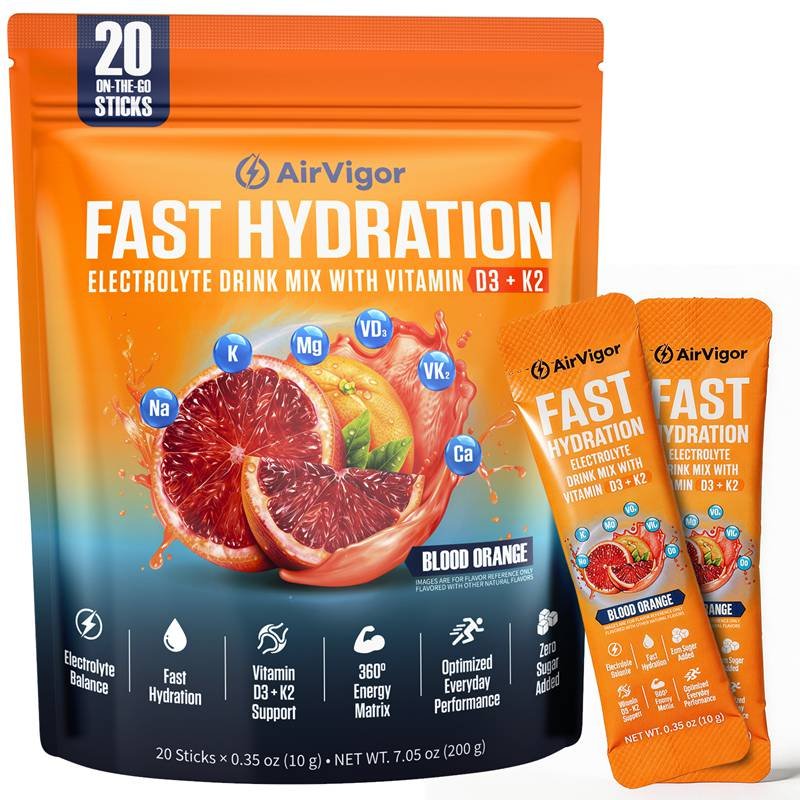
At AirVigor, electrolyte formulas are developed by a multidisciplinary team of nutrition biochemists and sports science researchers, tested for solubility, balance, and real-world use—not just label appeal. Products are manufactured under GMP, HACCP, and ISO standards, with full batch traceability and global compliance.
- Buy AirVigor electrolytes on Amazon for fast delivery and verified reviews
- Request custom formulation or bulk pricing for brands, gyms, or teams
- Contact our team to match the right electrolyte strategy to your activity level
Hydration shouldn’t feel like guesswork. When electrolytes are used correctly, your body tells you—through steadier energy, smoother recovery, and fewer “off” days.
Share:
Contact Expert Team
At AirVigor, performance becomes effortless. We transform advanced nutrition science into clean, effective supplements that help you hydrate, recover, and feel stronger every day. Shop AirVigor on Amazon and experience athlete-trusted formulas—backed by real science and supported by our world-class R&D and production capabilities.
Trust AirVigor
At AirVigor, turning your performance goals into reality is no longer a struggle—it’s a science-driven journey we build together. Whether you’re a runner, lifter, cyclist, yogi, outdoor athlete, or someone simply seeking better daily energy, AirVigor transforms advanced nutrition research into clean, effective, and trustworthy supplements you can feel.
Backed by our U.S. scientific team, global certifications, and world-class production standards, every formula is engineered to deliver real hydration, real recovery, and real performance. And when you’re ready to experience the difference, you’ll find AirVigor products available on Amazon and other major platforms—fast shipping, consistent quality, and a community of athletes already seeing results.
Behind the scenes, our R&D and manufacturing ecosystem also supports specialized formulation development, ensuring AirVigor continues to lead with innovation while keeping quality and safety uncompromised. But at the core, everything we create is built for you—your health, your performance, your momentum.
Choose AirVigor. Feel the science. Elevate your every day.


Subscribe to our newsletter
Sign up to our newsletter and we’ll keep you up to date with the latest arrivals.