Skip to content
DIY Electrolyte Powder: A Complete Guide
# Your Trusted Dietary Supplement Brand In US
- Emily

Table of Contents
Hydration used to sound simple: drink water when you’re thirsty. But modern life—and modern training—has quietly made that advice incomplete. People sweat more, train harder, sit longer, travel farther, and rely on hydration products not just for sports, but for daily energy, focus, and recovery.
At first glance, making your own electrolyte powder seems logical. Salt, minerals, maybe a squeeze of lemon—how complicated could it be? Social media recipes promise “clean hydration,” lower cost, and total ingredient control. For some users, DIY feels empowering. For others, it’s a response to overly sweet sports drinks or confusing labels.
But electrolytes are not just ingredients—they are dosage-dependent minerals that interact with fluid balance, nerve signaling, muscle contraction, and cardiovascular regulation. Small formulation mistakes don’t always cause immediate problems, but over time they can quietly reduce performance, impair recovery, or create imbalances that water alone cannot fix.
DIY electrolyte powder is a homemade hydration mix usually made from salt and mineral sources. While it can work for basic hydration, DIY formulas often lack balanced potassium and magnesium, precise dosing, and consistency. For occasional use or low sweat activity, DIY may be acceptable. For daily use, training, or high sweat loss, professionally formulated electrolyte powders offer better balance, absorption, and safety.
To understand whether DIY electrolytes truly make sense—or when they quietly fall short—you need to look beyond recipes and into how electrolytes actually work in the body. Let’s start there.
What Is a DIY Electrolyte Powder?
A DIY electrolyte powder is a homemade mineral mix designed to replace electrolytes lost through sweat, heat, or dehydration. It typically contains sodium (salt), potassium, and sometimes magnesium, mixed manually and dissolved in water. While DIY electrolyte powders can support basic hydration, they often lack precise dosing, balanced mineral ratios, and consistency compared to professionally formulated electrolyte supplements.
What Does “DIY Electrolyte Powder” Actually Mean?
A DIY electrolyte powder refers to any electrolyte mix that is self-made rather than commercially formulated. Instead of purchasing a ready-to-use electrolyte supplement, the user sources individual ingredients—most commonly salt and mineral powders—and combines them manually at home.
The goal is simple:
to recreate the hydration benefits of an electrolyte drink without sugar, additives, or brand dependency.
However, unlike commercial electrolyte powders, DIY versions:
- Are not standardized
- Are not tested for consistency
- Depend entirely on user measurement and mixing accuracy
In other words, DIY electrolyte powder is a process, not a product.
What Electrolytes Are Usually Included in DIY Powders?
Most DIY electrolyte powders attempt to replace the same core minerals lost through sweat:
| Electrolyte | Typical DIY Source | Role in the Body |
|---|---|---|
| Sodium | Sea salt / table salt | Fluid retention, blood volume |
| Potassium | Potassium chloride | Muscle contraction, nerve signaling |
| Magnesium (optional) | Magnesium citrate / oxide | Muscle relaxation, recovery |
| Calcium (rare) | Rarely included | Muscle firing, bone support |
In practice, most DIY recipes heavily favor sodium and under-deliver potassium and magnesium. This imbalance is one of the most common weaknesses of homemade electrolyte powders.
How Is DIY Electrolyte Powder Different From Sports Drinks?
DIY electrolyte powder is often created in reaction to traditional sports drinks, which many users perceive as:
- Too sweet
- Too high in sugar
- Over-flavored
- Unclear in ingredient purpose
However, eliminating sugar and flavor also removes compliance advantages. Many users stop drinking DIY electrolyte mixes simply because they taste unpleasant or feel harsh on the stomach.
Unlike sports drinks, DIY electrolyte powder:
- Provides no calories
- Offers minimal taste masking
- Requires active user discipline to measure and mix correctly
This makes DIY more appealing to minimalists—but less reliable for long-term use.
Is a DIY Electrolyte Powder the Same as an Electrolyte Supplement?
No. This distinction is critical.
An electrolyte supplement is:
- Formulated using defined mineral ratios
- Mixed with industrial blending equipment
- Tested for solubility, stability, and uniformity
- Designed for repeatable daily use
A DIY electrolyte powder:
- Uses estimated ratios
- Relies on household tools
- Has no batch-to-batch consistency
- Delivers variable doses per scoop
Both may contain “electrolytes,” but the outcome is not the same—especially when used daily or during training.
Why the Term “Electrolyte” Can Be Misleading in DIY Contexts
Many people assume that any salty drink equals electrolytes. This is not accurate.
Electrolytes work as a system, not as isolated ingredients. Sodium without potassium increases fluid retention but does not support muscle firing properly. Potassium without magnesium can worsen cramps. Magnesium without sodium may not improve hydration at all.
DIY electrolyte powder often delivers partial electrolyte support, not a complete hydration solution.
When Does a DIY Electrolyte Powder Actually Make Sense?
DIY electrolyte powder can be reasonable in limited situations:
- Short-term dehydration
- Light sweating
- Emergency hydration
- Ingredient experimentation
- Occasional use during travel
It becomes less effective—and riskier—when used:
- Daily
- During high-intensity training
- In hot environments
- As a long-term hydration strategy
DIY electrolyte powder is not inherently bad, but it is inherently imprecise.
It can support basic hydration in low-demand scenarios, but it lacks the balance, consistency, and testing required for reliable daily or athletic use.
Understanding this difference helps users make informed choices—rather than assuming “homemade” automatically means “better.”
Why Do People Make Their Own Electrolyte Powder?
People make their own electrolyte powder to reduce sugar intake, control ingredients, lower perceived costs, and avoid overly sweet sports drinks. DIY electrolytes appeal to users who want transparency and simplicity. However, these motivations often overlook challenges like precise dosing, mineral balance, taste, and long-term consistency—especially for frequent or athletic use.
The Rise of DIY Electrolytes: What’s Driving the Trend?
The popularity of DIY electrolyte powder didn’t appear in a vacuum. It’s part of a broader shift toward self-managed nutrition, fueled by fitness content, minimalist health trends, and skepticism toward mass-market sports drinks.
Many people searching “DIY electrolyte powder” are not trying to become chemists. They’re responding to friction points in existing products—taste fatigue, sugar concerns, or unclear labeling—and looking for a solution that feels more aligned with their lifestyle.
Importantly, this trend spans both athletes and non-athletes. Office workers, travelers, and wellness-focused users now think about electrolytes as part of daily health, not just sports recovery.
Is It Really About Avoiding Sugar and Additives?
For many users, yes.
Traditional sports drinks are often associated with:
- High sugar content
- Artificial colors and flavors
- Calories that don’t fit low-carb or fasting lifestyles
DIY electrolyte powder offers a way to separate hydration from energy intake. Users can drink electrolytes without worrying about sugar spikes or unnecessary calories, which is especially appealing to people following keto, low-carb, or intermittent fasting routines.
However, removing sugar also removes palatability and absorption aids. Without some form of taste masking, many DIY mixes are difficult to drink consistently—leading users to under-consume fluids or abandon the habit entirely.
Is It Cheaper to Make Your Own Electrolytes?
Cost is one of the most searched motivations behind DIY electrolytes—but it’s also one of the most misunderstood.
At first glance, salt and mineral powders seem inexpensive. But when users calculate:
- Food-grade mineral sourcing
- Wasted batches from poor taste
- Trial-and-error adjustments
- Inconsistent usage
…the savings often shrink.
For occasional or emergency use, DIY can be cheaper. For daily hydration or training, the cost difference between DIY and a well-formulated electrolyte powder is often marginal—especially when consistency and usability are factored in.
In many cases, DIY is perceived as cheaper, not dramatically cheaper in practice.
Is DIY About Trust and Ingredient Transparency?
This is one of the most powerful—but least discussed—motivations.
Many users simply want to know:
- What exactly am I putting into my body?
- Why is this ingredient here?
- Do I actually need all of this?
DIY electrolyte powder feels transparent. There’s psychological comfort in seeing the ingredients on your counter rather than decoding a label. For users who’ve been burned by overhyped supplements or vague claims, DIY feels like taking control back.
That desire for transparency is legitimate—but it also places full responsibility for accuracy, balance, and safety on the user.
Do Athletes and Everyday Users Have Different Reasons?
Yes—and this matters for how DIY performs in real life.
- Athletes often turn to DIY after experiencing bloating, sweetness fatigue, or GI distress from sports drinks.
- Everyday users (office workers, travelers, wellness users) are more likely motivated by simplicity, sugar avoidance, or curiosity.
The problem is that athletes also have higher electrolyte losses, making DIY mistakes more impactful. What feels “fine” during light use can become inadequate or counterproductive under heavy sweat conditions.
The Hidden Trade-Off: Control vs. Consistency
DIY electrolyte powder offers maximum control, but minimum built-in safeguards.
There is:
- No standard dose per scoop
- No guarantee of uniform mixing
- No testing for long-term tolerance
Users often underestimate how much consistency matters in hydration. The body adapts best to predictable mineral intake. Variability—even small—can lead to fluctuating performance, digestion issues, or hydration that feels hit-or-miss.
This is the trade-off most DIY users don’t fully anticipate at the start.
People make their own electrolyte powder to avoid sugar, control ingredients, reduce perceived costs, and regain trust in what they consume. DIY solutions can work for occasional hydration, but they trade convenience and consistency for control. For frequent use, athletic performance, or long-term hydration, this trade-off becomes increasingly significant.
How Do You Make a DIY Electrolyte Powder at Home?
To make a DIY electrolyte powder at home, you combine sodium (salt), potassium (usually potassium chloride), and optionally magnesium, then dissolve the mix in water. Accurate measurement is critical. While simple recipes can support basic hydration, DIY electrolyte powders often struggle with mineral balance, taste, and consistency—especially for daily or athletic use.
Step 1: Understand What a DIY Electrolyte Powder Is Trying to Do
Before mixing anything, it’s important to understand the goal.
A DIY electrolyte powder is not meant to “boost energy” or replace meals. Its purpose is to:
- Replace minerals lost through sweat
- Improve fluid retention compared to plain water
- Support basic muscle and nerve function
This means your DIY mix must focus on minerals, not calories or stimulants. Most DIY failures happen because people chase taste or trends instead of physiological function.
Step 2: Identify the Core Electrolytes You Need
A functional DIY electrolyte powder usually includes three key minerals:
| Electrolyte | Why It Matters | DIY Reality |
|---|---|---|
| Sodium | Fluid balance, blood volume | Easy to add, often overused |
| Potassium | Muscle & nerve signaling | Harder to dose, bitter taste |
| Magnesium (optional but important) | Muscle relaxation, recovery | Difficult to measure accurately |
Calcium is rarely included in DIY powders because it adds complexity without clear hydration benefit for most users.
Step 3: Choose Common DIY Ingredient Sources
Most DIY electrolyte powders rely on the following ingredient types:
Sodium source:
Sea salt, kosher salt, or table salt
Potassium source:
Potassium chloride (often sold as “salt substitute”)
Magnesium source (optional):
Magnesium citrate or magnesium glycinate powder
Flavor (optional):
Lemon powder, citric acid, or a small amount of stevia
Each ingredient has trade-offs. Potassium chloride and magnesium powders often introduce bitterness or GI discomfort if overdosed—even slightly.
Step 4: Use a Basic DIY Electrolyte Powder Formula
Below is a commonly used DIY baseline recipe. It is not optimized—but it reflects what many users start with.
| Ingredient | Typical Amount | Purpose | Common Issue |
|---|---|---|---|
| Sea salt | 1/4 tsp | Sodium replacement | Can be too much sodium |
| Potassium chloride | 1/8 tsp | Potassium support | Bitter taste |
| Magnesium powder | Very small pinch | Muscle support | Easy to overdose |
| Flavor (optional) | To taste | Drinkability | Inconsistent results |
Important:
Terms like “pinch” and “to taste” introduce major dosing variability. Two scoops from the same jar can deliver very different mineral amounts.
Step 5: Mix the Powder Correctly
DIY electrolyte powders do not self-mix evenly.
To reduce inconsistency:
- Measure ingredients with a digital scale, not spoons
- Mix powders thoroughly in a large, dry container
- Avoid humidity—minerals clump easily
- Shake or stir before every use
Even with care, perfect uniformity is nearly impossible without professional blending equipment.
Step 6: Dissolve in the Right Amount of Water
Most DIY electrolyte powders are intended for:
- 500–750 ml (16–25 oz) of water
Using too little water:
Increases stomach irritation
Makes bitterness worse
Using too much water:
Dilutes electrolytes below effective levels
Unlike professional products, DIY powders do not include solubility optimization, so residue and settling are common.
Step 7: Test Tolerance Before Regular Use
Never assume a DIY electrolyte powder is “safe” just because it’s homemade.
When testing:
- Start with half strength
- Use only once per day at first
- Monitor digestion, bloating, headaches, or cramps
Many users tolerate DIY electrolytes initially but develop issues with daily use, especially when sodium intake creeps upward over time.
Common DIY Electrolyte Mistakes
- Relying on salt alone
- Skipping potassium or magnesium
- Using volume measures instead of weight
- Making large batches that separate over time
- Assuming “natural” means balanced
These mistakes don’t always cause immediate symptoms—but they reduce effectiveness and increase long-term risk.
When DIY Electrolyte Powder Can Work Well
DIY electrolyte powder may be reasonable if:
- You sweat lightly
- You use it occasionally
- You understand mineral dosing
- You prioritize simplicity over precision
It becomes less suitable with daily use, high sweat loss, or performance goals.
Making a DIY electrolyte powder at home involves combining sodium, potassium, and optional magnesium—but success depends on accurate measurement, proper mixing, and realistic expectations. DIY mixes can support basic hydration but often lack the balance, consistency, and tolerance needed for regular or athletic use.

Which Ingredients Are Hard to Control in DIY Electrolytes?
The hardest ingredients to control in DIY electrolytes are potassium and magnesium. Both require precise dosing, have narrow tolerance ranges, and can cause bitterness or digestive issues when mismeasured. Unlike sodium, these minerals are difficult to balance accurately at home, making DIY electrolyte powders inconsistent and less reliable for regular or athletic use.
Why Ingredient Control Is the Core Weakness of DIY Electrolytes
DIY electrolyte recipes often look simple—salt, minerals, water—but simplicity is deceptive. Electrolytes interact with fluid balance, nerves, muscles, and digestion. Small errors don’t always feel dramatic, but over time they reduce effectiveness and tolerance.
Professional electrolyte formulas are designed around:
- Precise mineral ratios
- Uniform distribution
- Predictable absorption
DIY mixes lack all three by default.
The challenge isn’t intention—it’s execution.
Sodium: Easy to Add, Easy to Overdo
Sodium is the easiest electrolyte to add because it’s familiar, cheap, and dissolves well. Most DIY users rely on sea salt or table salt.
The problem is overcorrection. Many people equate “hydration” with “more salt,” especially if they feel tired or lightheaded. Without potassium and magnesium to balance sodium’s effects, excess intake can lead to:
- Bloating or water retention
- Headaches
- Thirst that doesn’t resolve
- Elevated blood pressure sensations
DIY recipes rarely scale sodium appropriately to sweat rate, climate, or activity intensity.
Potassium: Necessary, Bitter, and Easy to Misjudge
Potassium is critical for muscle contraction, nerve signaling, and counterbalancing sodium—but it is not DIY-friendly.
Most people use potassium chloride (“salt substitute”), which:
- Tastes bitter at relatively low doses
- Causes GI upset when overused
- Is often under-dosed because users avoid the taste
This creates a paradox:
DIY electrolyte powders often include potassium on paper, but deliver too little in practice to be effective.
Unlike sodium, potassium has a narrower comfort range. Too little does nothing. Too much feels immediately unpleasant.
Magnesium: The Most Commonly Missing Electrolyte
Magnesium is essential for:
- Muscle relaxation
- Cramp prevention
- Nervous system regulation
- Sleep quality
Yet it’s the most frequently omitted or misused electrolyte in DIY mixes.
Why?
- Magnesium powders are harder to source
- Absorption varies dramatically by form
- Small dosing errors can cause diarrhea or cramping
Cheap forms (like magnesium oxide) are poorly absorbed. Better forms (citrate, glycinate) require precise dosing—something most home setups can’t reliably achieve.
As a result, many DIY electrolytes function without magnesium, reducing recovery benefits significantly.
Mineral Form: The Hidden Variable Most DIY Recipes Ignore
DIY discussions often focus on what minerals to include—but not which forms.
Two electrolyte powders with identical labels can behave very differently depending on:
- Particle size
- Chemical form
- Solubility characteristics
Professional formulations select mineral forms specifically to:
- Dissolve quickly
- Reduce stomach irritation
- Improve bioavailability
DIY users rarely account for this, leading to sediment, poor absorption, or inconsistent effects.
Mixing and Distribution: Why One Scoop ≠ the Next
Even if ingredient amounts are correct, distribution is not guaranteed.
DIY electrolyte powders:
- Separate during storage
- Settle unevenly
- Clump in humidity
This means:
- One serving may be sodium-heavy
- The next may be potassium-light
Over time, this variability undermines hydration reliability—especially for daily users.
Can I Just Add Salt to Water for Electrolytes?
This is one of the most searched questions—and one of the most misunderstood.
Salt water replaces sodium only. It does not replace potassium or magnesium, both of which are lost through sweat and required for muscle and nerve function.
Salt water can:
- Help short-term dehydration
- Reduce dizziness from sodium loss
It cannot:
- Support sustained performance
- Prevent cramps reliably
- Serve as a complete electrolyte solution
For regular use, salt alone is incomplete hydration.
Why Professional Electrolyte Powders Avoid These Problems
Professionally formulated electrolyte powders:
- Use tested mineral ratios
- Select bioavailable forms
- Blend for uniformity
- Test for solubility and stability
This isn’t about complexity—it’s about removing guesswork.
For users who hydrate daily or train regularly, removing guesswork often matters more than having total control.
Potassium and magnesium are the hardest ingredients to control in DIY electrolytes due to dosing sensitivity, taste, absorption differences, and mixing inconsistency. While sodium is easy to add, it is also easy to overuse. These challenges make DIY electrolyte powders less reliable for daily or athletic hydration.
If you want, the next strongest section to optimize is:
- “Is DIY Electrolyte Powder Safe for Daily or Athletic Use?”
- Or a science-based DIY vs Professional Electrolyte comparison table designed for high conversion
Just let me know which one to continue with.
Is DIY Electrolyte Powder Safe for Daily or Athletic Use?
DIY electrolyte powder can be safe for occasional, low-intensity use when carefully measured. However, for daily hydration or athletic use, DIY formulas carry higher risk due to dosing errors, mineral imbalance, and inconsistent mixing. Frequent use increases the chance of excess sodium, inadequate potassium or magnesium, and digestive issues—making professionally formulated electrolytes a safer long-term option.
Why “Safe” Depends on Frequency, Not Just Ingredients
Many people assume DIY electrolytes are safe because the ingredients—salt and minerals—are familiar. The issue isn’t what they are, but how often and how consistently they’re used.
Safety risk scales with:
- Frequency (daily vs occasional)
- Sweat loss (training, heat, humidity)
- Measurement accuracy
- Overall diet context
A DIY mix that feels fine once or twice a week can quietly become problematic when used every day, especially during training blocks or hot seasons.
Can DIY Electrolytes Be Safe for Occasional Daily Use?
For low-sweat, low-intensity users, DIY electrolytes may be reasonably safe when:
- Used once per day or less
- Measured accurately with a scale
- Balanced with a mineral-rich diet
- Dissolved in sufficient water
Examples include office workers, light walkers, or travelers using electrolytes intermittently.
Even here, safety depends on not increasing salt intake reflexively when tired or thirsty—one of the most common DIY mistakes.
Why Daily Use Increases Risk Over Time
Daily electrolyte use creates cumulative effects. Small imbalances that go unnoticed on day one can matter by week three.
Common long-term DIY issues include:
- Gradually rising sodium intake
- Persistent potassium under-consumption
- Magnesium deficiency due to omission or poor absorption
- Digestive irritation from repeated dosing errors
Unlike professional formulas, DIY mixes lack built-in safeguards to prevent these drifts.
Is DIY Electrolyte Powder Safe for Athletes?
For athletes, the margin for error is much smaller.
Training increases:
- Sweat volume
- Electrolyte loss rate
- GI sensitivity
- Need for consistency
DIY electrolyte powders struggle here because:
- Sweat rates vary by workout and climate
- One fixed recipe can’t adapt
- Uneven mixing creates dose variability
Athletes often feel “hit or miss” hydration—good one day, off the next—because the formula itself is inconsistent
Can You Take Too Much Sodium by Accident?
Yes—and this is the most common safety issue with DIY electrolytes.
Symptoms of excess sodium intake without proper balance include:
- Bloating or puffiness
- Headaches
- Thirst that doesn’t resolve
- Elevated blood pressure sensations
- Poor sleep quality
Because sodium is easy to add and hard to feel immediately, users often increase it gradually without realizing the cumulative load.
What About Potassium and Magnesium Safety?
Potassium
- Too little: cramps, fatigue, poor muscle firing
- Too much (rare but serious): heart rhythm disturbances
- DIY risk: under-dosing due to bitterness or fear
Magnesium
- Too little: tight muscles, poor recovery, sleep issues
- Too much: diarrhea, cramping
- DIY risk: inaccurate “pinch” dosing
These minerals have narrower tolerance windows than sodium, making DIY control difficult.
Who Should Avoid Daily DIY Electrolyte Use?
DIY electrolytes are not ideal for:
- High-intensity or endurance athletes
- People training in heat or humidity
- Daily electrolyte users
- Individuals with sensitive digestion
- Anyone with blood pressure or kidney concerns
- Users seeking recovery or sleep benefits
For these groups, precision and predictability matter more than simplicity.
Warning Signs Your DIY Electrolyte Isn’t Working Safely
Stop or reassess DIY use if you notice:
- Increasing bloating or GI upset
- Thirst that persists despite drinking
- More frequent cramps
- Headaches after hydration
- Sleep disruption
These are often signs of imbalanced mineral intake, not dehydration itself.
Why Professional Electrolyte Formulas Are Safer for Routine Use
Professionally designed electrolyte powders are:
- Tested for mineral ratios
- Balanced for absorption
- Mixed for uniform dosing
- Designed for repeated daily use
Safety here doesn’t come from “stronger ingredients,” but from removing variability.
DIY electrolyte powder can be safe for occasional, low-demand hydration. However, daily or athletic use increases the risk of sodium excess, potassium or magnesium deficiency, and inconsistent dosing. For regular hydration or training, professionally formulated electrolyte powders provide greater safety, balance, and reliability.

How Does DIY Electrolyte Powder Compare to Professional Formulas?
DIY electrolyte powder offers ingredient control and simplicity but lacks precise dosing, balanced mineral ratios, and consistency. Professional electrolyte formulas use tested ratios, bioavailable mineral forms, and standardized mixing to ensure reliable hydration, better tolerance, and safer daily or athletic use. DIY may work occasionally, while professional formulas perform better for routine hydration and performance.
The Core Difference: Guesswork vs. Design
The fundamental difference between DIY electrolyte powder and professional formulas is intentional design.
DIY electrolytes are built around:
- Approximation
- Personal preference
- Trial and error
Professional electrolyte formulas are built around:
- Human physiology
- Sweat composition data
- Absorption and tolerance testing
- Repeated, predictable use
Both aim to deliver electrolytes—but they do so with very different levels of precision.
Mineral Ratios: Why Balance Matters More Than Ingredients
DIY recipes often focus on including electrolytes, not balancing them.
In reality, hydration depends on ratios, not presence alone:
- Sodium drives fluid retention
- Potassium balances cellular signaling
- Magnesium supports muscle relaxation and nervous system stability
Professional formulas are developed with target mineral ratios designed to work together. DIY mixes commonly skew toward sodium, under-deliver potassium, and omit or misdose magnesium—leading to hydration that feels incomplete or inconsistent.
Mineral Form and Bioavailability
Mineral form is one of the most overlooked factors in DIY electrolyte discussions, yet it has a direct impact on absorption, digestive tolerance, and real-world effectiveness. Two electrolyte mixes with the same mineral names can perform very differently depending on their chemical form. Without understanding mineral form, many DIY electrolyte powders appear correct on paper but underperform once consumed.
- Sodium chloride dissolves easily and is well tolerated
- Potassium chloride is effective but bitter and often underused
- Magnesium oxide is cheap but poorly absorbed
- Magnesium citrate/glycinate absorb better but require precise dosing
Professional formulas intentionally select mineral forms that:
- Dissolve cleanly
- Reduce GI irritation
- Absorb reliably across users
DIY users often choose based on availability, not absorption.
Consistency and Dose Uniformity
One of the biggest performance gaps lies in dose consistency.
DIY electrolyte powders:
- Separate during storage
- Settle unevenly
- Deliver different mineral amounts per scoop
Professional electrolyte powders:
- Are blended with controlled equipment
- Tested for uniformity
- Deliver consistent doses every serving
For daily or athletic use, consistency matters as much as total intake.
Taste, Compliance, and Long-Term Use
Hydration only works if people actually drink the solution.
DIY electrolyte powders often suffer from:
- Excessive saltiness
- Potassium bitterness
- Metallic magnesium notes
Professional formulas are designed for neutral or light taste, improving compliance without relying on heavy sugar. Over weeks and months, this difference determines whether hydration becomes a habit—or is abandoned.
Safety and Tolerance Over Time
DIY electrolytes rely on user judgment to manage:
- Sodium creep
- Potassium under- or over-dosing
- Magnesium GI tolerance
Professional formulas build safety margins into their design, accounting for daily use, sweat variability, and digestion differences. This makes them more suitable for long-term hydration strategies.
DIY vs Professional Electrolyte Powder
| Aspect | DIY Electrolyte Powder | Professional Formula |
|---|---|---|
| Mineral ratios | Estimated | Tested & validated |
| Mineral forms | Convenience-based | Bioavailability-driven |
| Dose consistency | Variable | Standardized |
| Taste & compliance | Inconsistent | Optimized |
| Daily use safety | User-dependent | Designed for routine use |
| Athletic performance | Limited reliability | High reliability |
When DIY Can Be “Good Enough”
DIY electrolyte powder may be acceptable for:
- Occasional dehydration
- Light sweating
- Short-term or emergency use
- Ingredient experimentation
In these cases, the lower precision may not cause noticeable issues.
When Professional Formulas Clearly Perform Better
Professional electrolyte powders outperform DIY when:
- Used daily
- Used during training or heat exposure
- Used for recovery or sleep quality
- Consistency and tolerance matter
For these users, hydration is not just about minerals—it’s about repeatable outcomes.
DIY electrolyte powder offers control and simplicity but sacrifices precision, consistency, and long-term reliability. Professional electrolyte formulas are designed around balanced mineral ratios, bioavailable forms, and predictable dosing, making them better suited for daily hydration, athletic performance, and sustained use.
DIY or Ready Electrolyte: Which Should You Choose?
DIY electrolyte powder may work for occasional, low-sweat hydration when simplicity is the priority. For daily use, frequent training, or performance and recovery goals, a ready-made electrolyte formula is the better choice due to balanced mineral ratios, consistent dosing, better absorption, and long-term safety. The right option depends on how often you use electrolytes and how precise your hydration needs are.
The Right Question Isn’t “Can I DIY?”—It’s “How Do I Actually Use Electrolytes?”
Most people ask this question the wrong way.
The real decision is not whether DIY electrolyte powder can work.
It’s whether it works for your lifestyle, frequency, and goals.
Electrolytes are not a one-time fix. They’re a pattern-based supplement.
And patterns—daily routines, training cycles, work schedules—are where DIY and ready formulas separate very quickly.
When DIY Electrolyte Powder Might Be Right for You
DIY electrolyte powder can make sense if all of the following are true:
- You sweat lightly or inconsistently
- You use electrolytes occasionally, not daily
- You’re comfortable measuring ingredients precisely
- You prioritize ingredient minimalism over convenience
- You’re experimenting, not optimizing performance
Typical DIY-friendly users include:
- Light exercisers
- Travelers dealing with short-term dehydration
- Office workers using electrolytes a few times per week
- People testing how electrolytes feel before committing to a product
In these cases, imperfect precision may not create noticeable downsides.
When a Ready-Made Electrolyte Formula Is the Smarter Choice
A professional electrolyte powder is usually the better option if any of the following apply:
- You use electrolytes daily or near-daily
- You train regularly (strength, endurance, HIIT, classes)
- You sweat heavily or train in heat
- You care about recovery, sleep, or cramp prevention
- You want hydration to feel reliable, not hit-or-miss
For these users, hydration isn’t casual—it’s infrastructure.
And infrastructure fails when it’s inconsistent.
A Simple Decision Guide
| Your Situation | Better Choice |
|---|---|
| Occasional use, low sweat | DIY electrolyte |
| Daily hydration habit | Ready formula |
| Athletic training | Ready formula |
| Ingredient experimentation | DIY electrolyte |
| Convenience & consistency | Ready formula |
| Long-term safety | Ready formula |
Why Frequency Changes Everything
DIY electrolyte powder often feels fine at first.
The problems usually show up after weeks, not days:
- Sodium intake creeps upward
- Potassium remains under-dosed
- Magnesium is skipped or inconsistently absorbed
- Taste fatigue reduces fluid intake
Ready formulas are designed specifically to avoid these slow-burn issues.
Not because users are careless—but because humans are not dosing machines.
Control vs. Cognitive Load: An Overlooked Factor
DIY offers control—but also adds:
- Measurement decisions
- Adjustment decisions
- Constant second-guessing
Ready formulas remove cognitive load.
You don’t think about ratios, forms, or balance—you just hydrate.
For busy professionals, athletes, and long-term users, mental friction matters more than ingredient purity debates.
What Do You Want Hydration to Feel Like?
Ask yourself this:
Do I want hydration to be an experiment—or a baseline?
DIY hydration often feels like:
- “Is this working today?”
- “Should I add more salt?”
- “Why does this taste different?”
Professional hydration feels boring—and that’s a compliment.
It’s predictable, repeatable, and quietly effective.
DIY electrolyte powder may be suitable for occasional, low-demand hydration. However, for daily use, athletic performance, or long-term consistency, a ready-made electrolyte formula is the better choice due to balanced mineral ratios, consistent dosing, better tolerance, and reduced user error. The more frequently you rely on electrolytes, the more valuable a professional formula becomes.
Conclusion — How to Get Started With AirVigor
DIY electrolyte powder can be educational and occasionally useful—but it’s rarely optimal for consistent performance, recovery, or daily hydration. Hydration works best when mineral balance, absorption, and dosing are predictable.
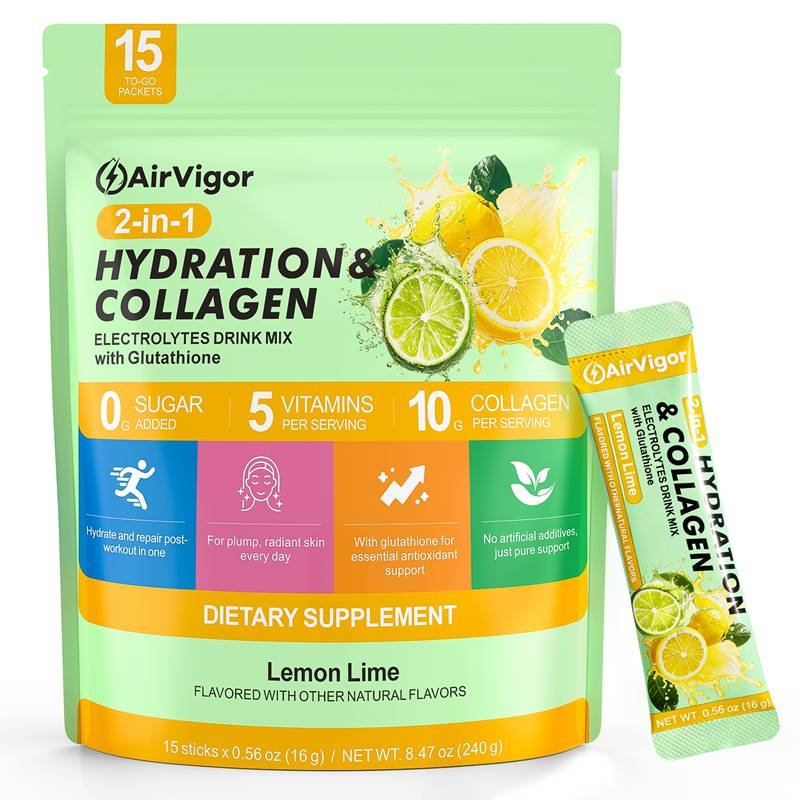
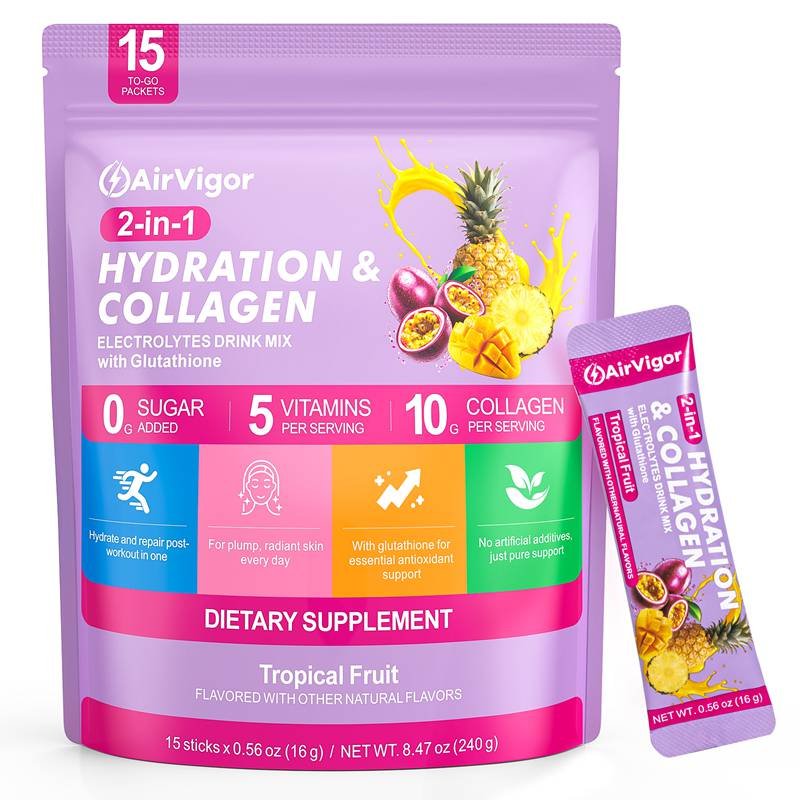
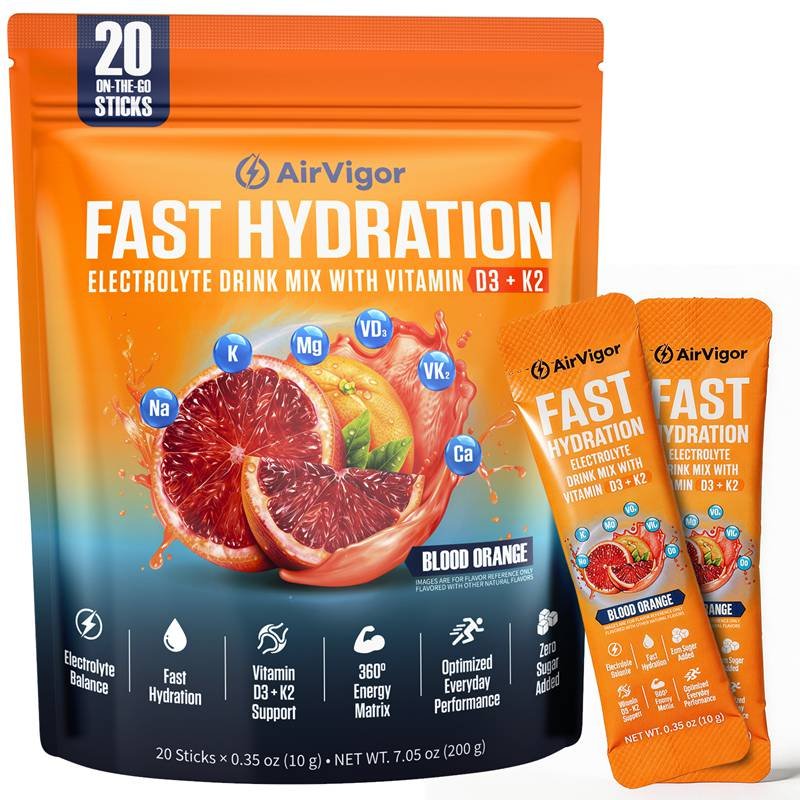
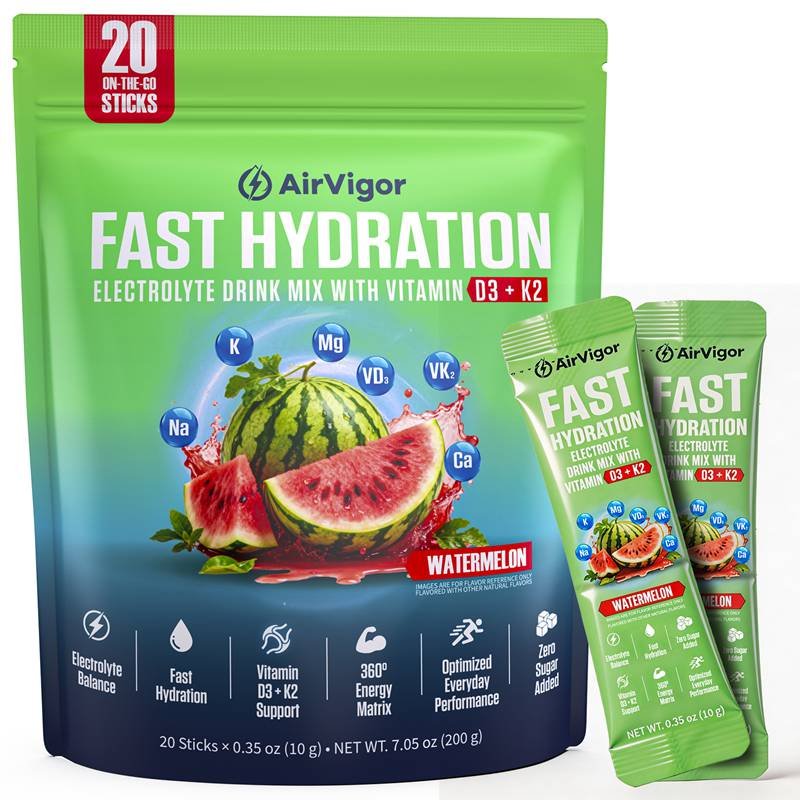
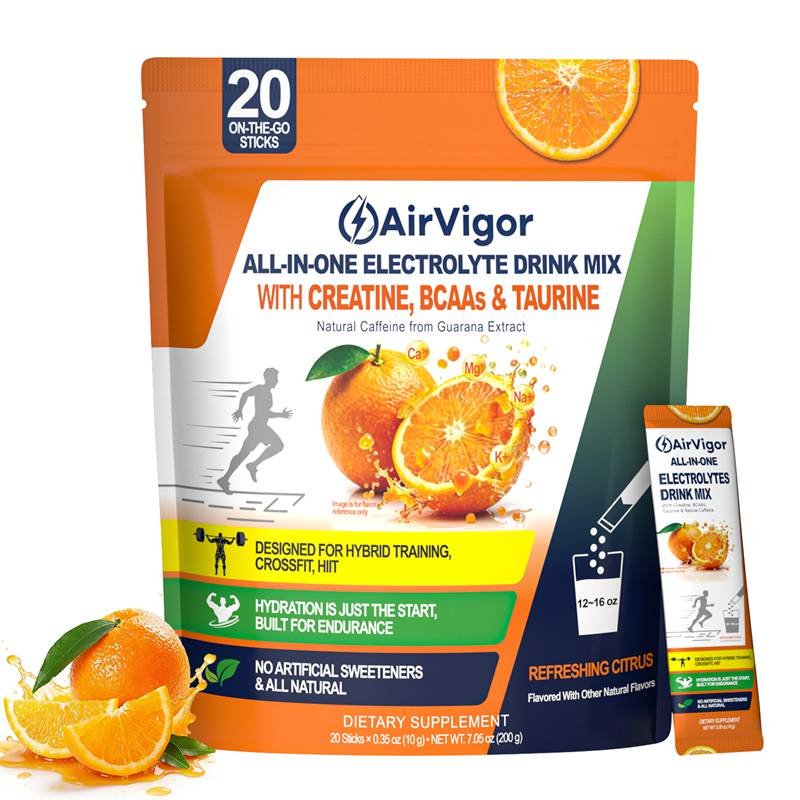
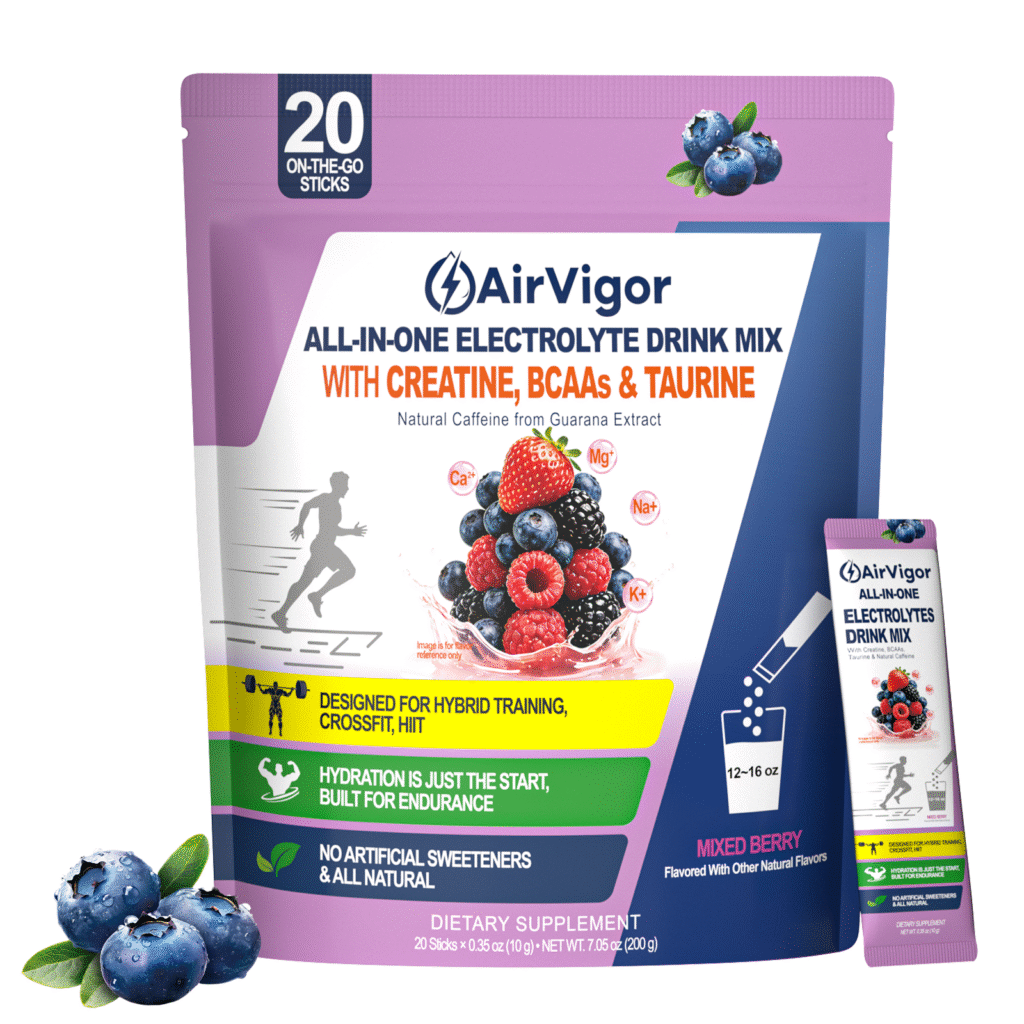
If you want a ready-to-use, science-backed electrolyte powder, you can find AirVigor in stock on Amazon with fast delivery and transparent labeling.
If you’re a brand, gym, coach, or distributor looking for:
- Custom electrolyte formulations
- OEM / ODM services
- Clean-label, market-ready hydration products
You can contact AirVigor directly for custom quotes, samples, and formulation support.
Hydration shouldn’t be a guessing game.
Choose the approach that matches your goals—and lets your body perform at its best.
Share:
Contact Expert Team
At AirVigor, performance becomes effortless. We transform advanced nutrition science into clean, effective supplements that help you hydrate, recover, and feel stronger every day. Shop AirVigor on Amazon and experience athlete-trusted formulas—backed by real science and supported by our world-class R&D and production capabilities.
Trust AirVigor
At AirVigor, turning your performance goals into reality is no longer a struggle—it’s a science-driven journey we build together. Whether you’re a runner, lifter, cyclist, yogi, outdoor athlete, or someone simply seeking better daily energy, AirVigor transforms advanced nutrition research into clean, effective, and trustworthy supplements you can feel.
Backed by our U.S. scientific team, global certifications, and world-class production standards, every formula is engineered to deliver real hydration, real recovery, and real performance. And when you’re ready to experience the difference, you’ll find AirVigor products available on Amazon and other major platforms—fast shipping, consistent quality, and a community of athletes already seeing results.
Behind the scenes, our R&D and manufacturing ecosystem also supports specialized formulation development, ensuring AirVigor continues to lead with innovation while keeping quality and safety uncompromised. But at the core, everything we create is built for you—your health, your performance, your momentum.
Choose AirVigor. Feel the science. Elevate your every day.


Subscribe to our newsletter
Sign up to our newsletter and we’ll keep you up to date with the latest arrivals.