Skip to content
Does Creatine Help Brain Performance & Brain Fog:Complete Guide
# Your Trusted Dietary Supplement Brand In US
- Emily

Table of Contents
Creatine has a reputation problem: most people file it under “gym supplement,” yet the question people now search is about brain performance—focus, mental fatigue, reaction time, and brain fog. The bridge between those worlds is simple: the brain is an energy-hungry organ, constantly burning ATP to stay sharp, regulate mood, and process information fast. When sleep debt, travel, heavy workloads, aging, or menopause shrink your energy margin, you don’t feel “less smart”—you feel slower and easier to mentally drain.
That’s where creatine becomes interesting. Not as a miracle nootropic, but as an energy buffer that may help protect cognition when the brain is under stress. Research signals are strongest in “challenged” conditions like sleep deprivation and high mental demand, where creatine can support performance drop-off (processing speed, reaction time, some memory tasks). This guide explains who benefits most, what dose actually makes sense, how long to test it, and how to stack creatine with hydration (electrolytes) so results feel consistent in real life.
Should You Use Creatine for Brain Performance?
If you want a fast, honest decision… start here.
The “most likely to benefit” checklist
You’re a strong candidate if 2+ are true:
- You’re often sleep-deprived or travel/shift-work regularly
- You’re in a high-demand season (deadlines, exams, launches, caregiving)
- You train hard (strength, CrossFit, endurance) and feel mentally drained afterward
- You’re perimenopausal/menopausal and noticing fog/fatigue shifts
- You’re 35+ and want long-term performance stability (body + brain)
- You eat little/no meat (lower dietary creatine intake; response may be bigger)
What to take
- 3–5 g/day creatine monohydrate, consistently
- Hydration matters. If you sweat a lot, pair with electrolytes.
What to expect
- Usually subtle, not a “buzz”
- More like less mental drop-off under stress
- Best noticed during sleep loss, heavy workload, or hormonal transition windows
When to pause and talk to a professional
- Known kidney disease, pregnancy/breastfeeding, or complex medical history
- Persistent “brain fog” with red flags (new severe headaches, fainting, major mood changes)
| If you are… | Try this | Expect | Do this first |
|---|---|---|---|
| Sleep-deprived adult | 3–5 g/day | Better resilience, less lag | Fix sleep schedule basics |
| High-stress knowledge worker | 3–5 g/day + hydration | Less afternoon crash | Eat enough protein/calories |
| Athlete in heavy training | 3–5 g/day + electrolytes | More stable output + clarity | Stop under-hydrating |
| Menopause/perimenopause | 3–5 g/day + strength training | Potential fog/fatigue support | Check iron, sleep quality |
| “Brain fog” with unknown cause | Don’t guess | Creatine may be secondary | Consider medical workup |
What Is Creatine in the Brain?
Creatine is a naturally occurring compound stored in brain tissue that helps maintain cellular energy. In the brain, creatine supports ATP recycling through the phosphocreatine system—acting like an energy buffer when demand spikes. Because brain transport is regulated, brain creatine may increase more slowly and variably than muscle creatine. This is why cognitive effects can be subtle and often most noticeable during stress (sleep loss, fatigue, aging, menopause).
Creatine is part of your normal biology. Your body makes it from amino acids, and you can also get it from foods like red meat and fish. Most creatine is stored in skeletal muscle (that’s where the “gym supplement” reputation comes from). But creatine is also present in the brain, where it plays a similar fundamental role: supporting energy buffering.
The key concept is the phosphocreatine system. ATP is your cell’s spendable energy. When demand spikes, ATP gets used quickly. Phosphocreatine can donate a phosphate group to help regenerate ATP rapidly. In muscle, this supports short bursts of power. In the brain, it supports moments where neural demand jumps: sustained attention, complex decision-making, fast processing, emotional regulation under fatigue, and “keeping up” when you’re under-slept.
But here’s the nuance that separates a great article from a generic one:
The brain is selective.
The brain regulates what gets in, and creatine transport into brain tissue is controlled. That means:
- Not everyone raises brain creatine the same way
- The cognitive effect size may be smaller than muscle effects
- Benefits are most visible when baseline energy resilience is strained
This maps perfectly onto what we see in research. A standout 2024 study (Scientific Reports) used brain spectroscopy (¹H/³¹P MRS) during sleep deprivation and found a single dose of creatine influenced brain bioenergetic markers and improved cognitive performance and processing speed.
That doesn’t mean creatine is a guaranteed nootropic for everyone. It means: when brain energy is stressed, creatine’s buffering function becomes more relevant.
This is the exact frame AirVigor builds around: supplements should be tools that solve specific real-life problems. For many customers, the problem isn’t “I want to be smarter.” It’s “I want to feel consistent—less mental lag, fewer crashes, more stable output.”
That consistency matters in daily life:
- You train early, work all day, then need to make decisions in the evening
- You travel and still need to perform
- You’re in a hormonal transition and feel mentally less predictable
- You’re 40+ and notice fatigue hits earlier
Creatine doesn’t replace sleep, nutrition, or stress management. But it can be part of a system that protects your performance margin when those fundamentals aren’t perfect.
If you want to build a simple performance routine:
- Creatine = energy buffering foundation
- Electrolytes = hydration stability (especially for heavy sweaters)
- Protein = recovery + brain function support via overall nutrition
What does creatine do in brain cells?
In brain cells, creatine supports energy buffering by helping maintain ATP availability through the phosphocreatine system. Neurons spend ATP constantly to maintain electrical gradients and signal transmission. When demand spikes—complex thinking, sustained focus, stress, sleep loss—creatine helps the system regenerate ATP more efficiently so performance declines less sharply.
A practical translation: creatine doesn’t “stimulate” your brain like caffeine. It can help your brain keep up when you’re depleted. That’s why many users report benefits as “less mental drag” rather than “instant focus.”
How is brain creatine different from muscle creatine?
Muscle creatine is easier to load and easier to “feel.” You can measure improvements in reps, sprint output, or training volume. Brain creatine is more regulated by transport mechanisms, so changes can be slower, smaller, and more variable across individuals.
That’s why a power athlete often notices creatine quickly, while a knowledge worker might only notice it during stressful weeks (sleep loss, heavy cognitive workload). Both experiences can be valid.
Where is creatine stored in the brain?
Creatine is distributed across brain tissue. Modern research uses magnetic resonance spectroscopy to measure changes in brain creatine-related markers, especially when studying sleep deprivation or menopause-related neurocognitive shifts.
You don’t need to memorize brain regions—what matters is that creatine can influence measurable brain energy markers under certain conditions.
| Feature | Muscle | Brain |
|---|---|---|
| Main job | Power output ATP recycling | Neural energy buffering |
| Uptake speed | Typically fast | More regulated/variable |
| “Feel it” | Often obvious | Often subtle |
| Strongest evidence context | Training performance | Stress states (sleep loss, fatigue) |
| Best user mindset | Performance enhancer | Performance stabilizer |

How Does Creatine Support Brain Energy?
Creatine supports brain energy by helping regenerate ATP through the phosphocreatine system. Under stress—especially sleep deprivation—creatine can influence brain bioenergetic markers and reduce cognitive performance decline. A 2024 spectroscopy study during sleep deprivation found a single creatine dose improved cognitive performance and processing speed while affecting high-energy phosphate measures and pH stability. Benefits are typically modest and most relevant when mental energy is challenged.
If you’ve ever felt mentally sharp in the morning but “laggy” by late afternoon, you’ve experienced what it feels like when your brain’s energy system is running with less buffer. This is where creatine’s value is easiest to understand.
Creatine is not a stimulant. It doesn’t push neurotransmitters to give you a sudden jolt. Instead, it supports ATP recycling capacity. That matters because a lot of what we call “brain performance” is actually brain endurance: the ability to keep producing high-quality thinking for hours, not minutes.
The cleanest proof-of-concept: sleep deprivation
Sleep deprivation disrupts brain energy metabolism and attention networks. In the 2024 Scientific Reports trial, researchers used brain spectroscopy and cognitive tests during 21 hours of sleep deprivation. A single dose of creatine (0.35 g/kg) led to changes in brain energy-related measures and improved cognitive performance and processing speed compared with placebo.
That result is important because it ties together:
- a real-world stressor (sleep deprivation)
- measurable brain bioenergetic changes
- measurable performance outcomes
But the evidence is mixed overall
A separate 2024 systematic review in Behavioural Brain Research concluded that creatine research does not consistently support the theoretical basis for cognitive effects across all contexts, and pointed out design issues like supplementation regimen differences and lack of brain creatine measurement.
In plain English: some studies show benefit, some don’t—often because they test different populations under different conditions with different cognitive tasks.
This is why the “who benefits” question matters more than the “does it work” question.
Realistic expectation framework
If you’re a healthy adult with great sleep, low stress, and stable routine, creatine might not change your cognitive test scores much. But if you’re:
- under-slept
- mentally overloaded
- training hard
- transitioning hormonally
- aging and noticing fatigue earlier
…then creatine can be a strategic way to protect performance margin.
Where AirVigor fits naturally?
AirVigor is built for active, high-output people. Many of our customers use creatine for training. Brain support becomes an added benefit—especially in the real-life conditions where cognitive performance matters most (busy weeks, travel, deadlines, training blocks). If you want a routine that’s easy to execute:
- AirVigor Creatine daily
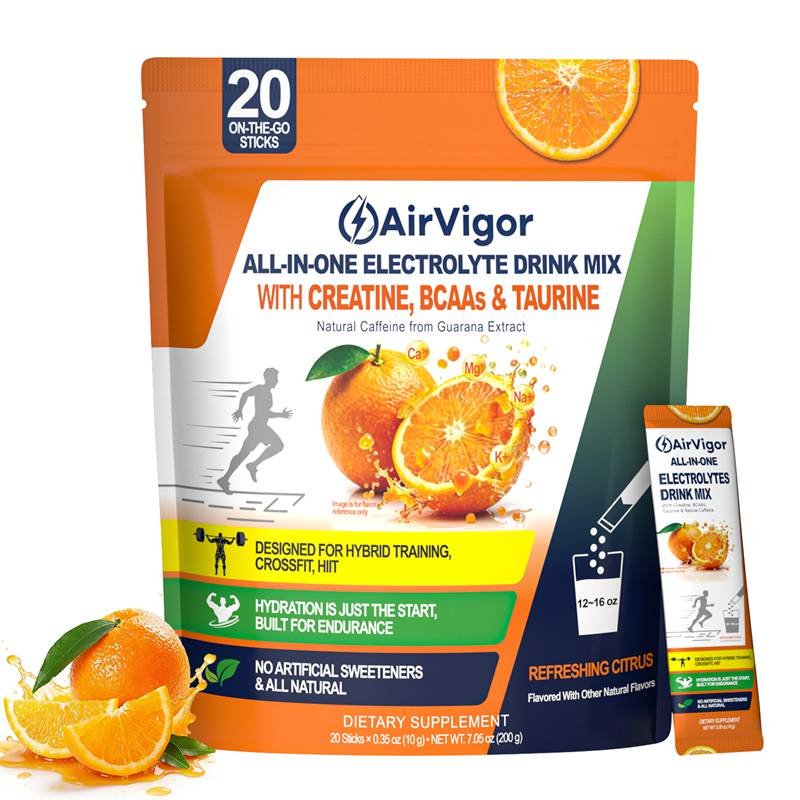
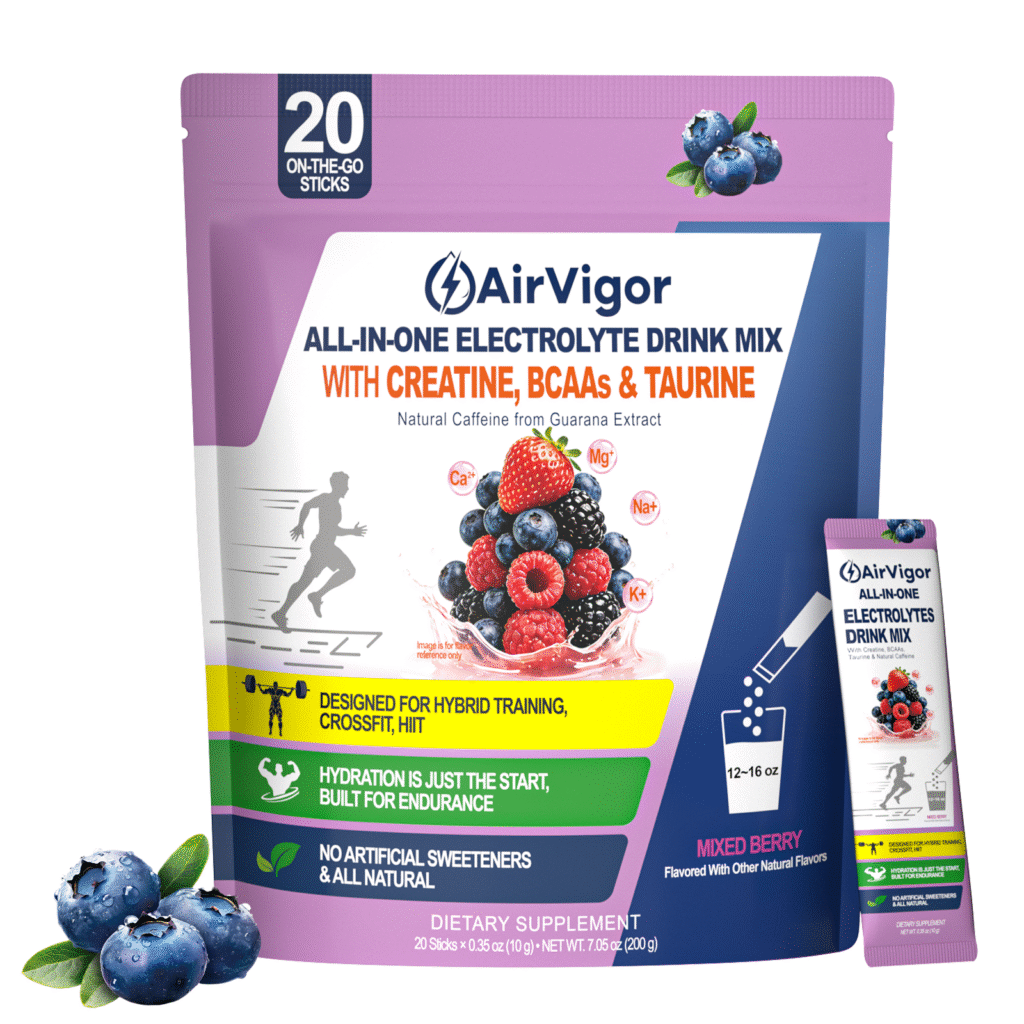
- AirVigor Electrolytes when sweating/heat/stress hydration needs rise
- Keep your basics (sleep, protein, calories) non-negotiable when possible
How does creatine affect ATP in neurons?
Neurons burn ATP continuously to maintain electrical gradients and support neurotransmission. When demand spikes—complex thinking, sustained focus, stress—the brain relies on energy buffering. Creatine supports rapid ATP regeneration via phosphocreatine.
In the 2024 sleep-deprivation spectroscopy study, creatine influenced brain high-energy phosphate measures and improved processing speed and cognitive performance under sleep loss.
That doesn’t mean creatine is a universal “focus booster.” It means creatine supports the underlying energy system that attention depends on.
Does creatine do anything for your brain?
Biologically: yes. The brain uses creatine. Supplementation can influence measurable brain energy markers—especially under stress.
Practically: it depends on your situation. Many people only notice mental benefits during periods of depletion: sleep debt, high workload, intense training, or hormonal shifts.
A useful reframe: creatine is like adding a little extra “buffer capacity” to a system that sometimes runs close to empty.
Can creatine reduce mental fatigue?
Creatine may help reduce mental fatigue primarily when the brain is challenged—sleep deprivation is the clearest example. It’s less about producing a new peak and more about preventing performance from dropping as hard.
If your mental fatigue is driven by dehydration, under-eating, chronic stress, or a medical issue, creatine may be secondary. In those cases, fundamentals matter more than any supplement.
| Situation | Stress on brain energy | Likely outcome with creatine |
|---|---|---|
| Great sleep, low stress | Low | Subtle/variable |
| Heavy workload week | Medium | More stable output |
| Sleep deprivation/travel | High | Higher chance of noticeable help |
| Exam / deep work sprint | Medium–high | Less mental drop-off |
| Hot training / heavy sweating | Medium | Better “clarity” if hydration is fixed |
| Menopause transition | Medium–high | Emerging evidence; may support resilience |
| Older adults | Medium | Potential benefit; evidence developing |
Does Creatine Improve Cognitive Performance?
Creatine may improve aspects of cognition—especially memory, attention time, and information processing speed—though effects are inconsistent across studies and may depend on stress level and test methods. A 2024 review found potential benefits in those domains, while a 2024 systematic review argued evidence doesn’t consistently support cognitive improvement across contexts. In practice, creatine is best viewed as a resilience supplement: helpful for maintaining performance when tired, stressed, or in demanding phases.
This is where most readers want a yes/no. The most honest answer is:
Creatine can improve certain cognitive outcomes for some people—especially under stress—but it’s not guaranteed, and it’s not a “smart pill.”
Let’s unpack what the science actually supports without overpromising.
What the supportive evidence says?
A 2024 review (Frontiers in Nutrition) concluded that creatine monohydrate supplementation may confer beneficial effects on cognitive function in adults, particularly in the domains of memory, attention time, and information processing speed, while calling for larger, robust trials.
This aligns with the practical observation: people are more likely to notice benefits in tasks that depend on sustained mental energy or speed rather than creative insight.
What the skeptical evidence says?
A 2024 systematic review in Behavioural Brain Research concluded that creatine supplementation research fails to consistently support the theoretical basis for an effect on cognition across the broader literature, even though creatine can increase brain creatine content; it emphasized study design issues and the need to focus more on stressed populations and direct brain measurements.
Why both can be true?
Cognition is tricky to measure. Study outcomes vary because:
- cognitive tests aren’t standardized (different tasks = different results)
- baseline differences matter (some participants already perform highly)
- sleep, diet, and stress are hard to control in humans
- brain creatine uptake is regulated and may vary by person
So instead of thinking “creatine works/doesn’t work,” use a better question:
When is creatine most worth trying?
If you want a supplement with a strong safety profile, low cost, and potential upside for both body and brain, creatine is a practical option. But you’ll get the best ROI if your issue is:
- mental fatigue from long days
- cognitive drop from sleep debt
- menopause transition symptoms
- performance instability during hard training phases
“Brain fog” deserves special honesty
Brain fog is a symptom, not a diagnosis. It can come from sleep loss, dehydration, under-fueling, iron deficiency, thyroid issues, anxiety, perimenopause/menopause, medication side effects, and more. Creatine doesn’t fix all causes. It can support energy buffering, which helps one slice of that reality.
Where AirVigor fits for cognition?
AirVigor customers rarely have a “supplement problem.” They have a consistency problem: busy life, training, work, stress. Creatine is valuable because it’s:
- easy to take daily
- well-studied for performance and safety
- potentially helpful for brain resilience in the exact situations our customers live in
If you want a frictionless routine:
- AirVigor creatine daily
- AirVigor electrolytes on training/hot days
- keep protein and sleep basics strong
What does creatine do to you mentally?
Most real-world “mental” reports fall into these categories:
- mental stamina (less fade later in the day)
- clarity (less sluggishness when tired)
- steadier mood under fatigue (some users)
These experiences map to creatine’s energy-buffering role. But self-reports are not proof. If you want to know whether creatine is helping you, track something measurable: afternoon productivity, reaction time apps, or how you feel during sleep-restricted weeks—while keeping caffeine consistent.
Does creatine help memory and focus?
Evidence suggests creatine may support memory, attention time, and processing speed in some adults, but effects vary.
Also: focus is heavily influenced by sleep quality, blood sugar stability, hydration, and anxiety. Creatine is not a substitute for those fundamentals.
A good “stack logic” is: creatine + hydration consistency (electrolytes if you sweat) + enough calories/protein. Many people accidentally sabotage cognition with under-eating and under-hydrating, then blame their brain.
Can creatine clear brain fog?
Creatine may help brain fog when brain fog is driven by mental fatigue or sleep restriction, because those are conditions where creatine’s energy buffering is most relevant.
But if brain fog is driven by a medical issue (thyroid, anemia, depression), creatine won’t be the primary fix. Don’t use supplements to ignore persistent symptoms.

What Creatine Can’t Do?
| If your problem is… | Creatine likely won’t “solve it” because… | Better first move |
|---|---|---|
| Chronic <6h sleep nightly | Sleep debt overwhelms any buffer | Sleep schedule + light exposure |
| Dehydration | Fog is fluid/electrolyte-related | Hydration + electrolytes |
| Under-eating / low protein | Brain/body under-fueled | Calories + protein target |
| Iron deficiency / thyroid issues | Root cause is medical | Lab work + clinician plan |
| High anxiety / panic | Focus disrupted by arousal | Stress tools, clinical support |
| Expecting instant stimulant feel | Creatine isn’t a stimulant | Use caffeine wisely; fix sleep |
How Long Does It Take to Notice Brain Benefits?
Most people don’t ask this early enough, and it drives disappointment.
- For “daily life” cognition: give it 2–4 weeks of consistent use before judging.
- For “stress scenarios” (sleep deprivation): some studies show acute effects with higher dosing under controlled stress, but that’s a special-case scenario—not the standard daily routine.
If you want a clean self-test:
- Pick one measurable outcome (afternoon focus rating, reaction time, deep work duration).
- Keep caffeine and sleep schedule stable.
- Run 2 weeks baseline → 4 weeks creatine.
- Compare averages, not single days.
Who Benefits Most From Brain Creatine?
Creatine is most likely to help brain performance in people under higher cognitive or physiological stress: sleep-deprived adults, heavy-workload professionals, older adults, and women in perimenopause/menopause. In these groups, energy efficiency and resilience can be challenged, making creatine’s ATP-buffering role more relevant. Evidence suggests benefits are usually modest but meaningful—supporting steadier processing speed, reaction time, and mental stamina rather than dramatic intelligence gains.
The smartest supplement strategy is not “what’s trendy?” It’s “what fits my reality?”
Creatine’s cognitive value is strongest when your brain has less energy margin. Here are the highest-ROI groups—explained in real-life language.
Does creatine help sleep-deprived adults?
Yes—this is the clearest use case.
The 2024 Scientific Reports study used brain spectroscopy during sleep deprivation and found a single creatine dose improved cognitive performance and processing speed while shifting brain energy markers.
For real humans, this matters if you:
- travel
- do shift work
- have young kids
- train early and work long
- regularly accumulate sleep debt
Creatine won’t replace sleep, but it may reduce the “how bad” factor when sleep is compromised.
Is creatine good for menopause?
This is one of the highest-growth search topics—and it’s not just hype.
A 2025 clinical trial abstract reports an 8-week creatine HCl protocol in perimenopausal/menopausal women increased brain creatine concentrations and may improve clinical outcomes, describing it as a practical strategy (study registered NCT06660004).
A 2025 women’s health review also discusses creatine’s benefits in postmenopausal women and notes cognitive function as a potential domain, especially alongside resistance training.
Important nuance: menopause brain fog has multiple causes (sleep disruption, stress, metabolic changes). Creatine is non-hormonal; it may support energy buffering, not “fix hormones.”
Does creatine help aging brains?
Evidence in older adults is developing. A 2025 systematic review suggests creatine may be associated with cognitive benefits in healthy older adults while emphasizing the need for stronger trials.
But the practical reason older adults consider creatine is the dual payoff:
- supports muscle/strength and healthy aging
- may support cognitive resilience in some contexts
If you’re 40+ and want “performance consistency,” creatine is one of the most practical tools because it also supports training adherence and recovery.
If you want the simplest “body + brain” routine many AirVigor customers stick with:
- AirVigor Creatine daily (3–5 g)
- AirVigor Electrolyte Powder on training days / hot days / heavy sweat days
- Keep protein intake and sleep anchors consistent
This combination supports performance stability from both sides: energy buffering + hydration consistency.
Is Creatine Safe for Brain Health?
Creatine is widely considered safe for healthy adults when used at recommended doses (commonly 3–5 g/day). The ISSN position stand concludes there is no evidence that short- or long-term creatine monohydrate use has detrimental effects in otherwise healthy individuals. Side effects are usually mild (GI upset, transient water-related weight changes) and often reduced by smaller daily doses and adequate hydration. Product purity and testing matter.
Supplements that touch “brain” topics trigger understandable caution. Let’s handle safety like a professional, not like marketing.
What the consensus says?
The International Society of Sports Nutrition (ISSN) position stand on creatine (2017) states creatine monohydrate is safe and effective and reports no evidence of detrimental effects from short- or long-term use in healthy individuals when taken within recommended guidelines.
That’s a big deal because ISSN position stands summarize broad research, not single studies.
The kidney myth, explained simply
Creatine can increase creatinine levels on blood tests. Creatinine is commonly used as a kidney function marker, so people see a number change and panic. But a creatinine change doesn’t automatically equal kidney damage—context matters. For healthy individuals, the safety consensus remains strong. If you have known kidney disease, don’t self-prescribe—ask a clinician.
The most common side effects
Most issues come from how people take creatine, not creatine itself:
- Taking too much at once → GI upset
- Not hydrating well → headaches, “off” feeling
- Loading aggressively → transient bloating/water shifts
Best practice for most people: skip loading and use 3–5 g/day consistently.
Quality matters more than people realize
A “creatine supplement” is not automatically equal across brands. The real long-term risk is poor quality control: contamination, inaccurate dosing, or inconsistent batches. This is where AirVigor’s manufacturing system matters (GMP + batch QC + COA practices). Consistency builds trust and reduces unpleasant surprises.
Is creatine safe for daily use?
For healthy adults, daily creatine use at typical doses is widely considered safe by major sports nutrition bodies and long-term research.
Daily dosing is also the simplest for habit adherence. If you’re taking creatine to support both training and cognitive resilience, routine beats “perfect timing.”
Are there cognitive or mood side effects?
Creatine is not a stimulant, so it typically doesn’t cause jitters or anxiety. Most cognitive/mood “side effect” reports are actually symptoms of:
- sleep deprivation
- dehydration/sodium imbalance
- caffeine changes
- under-eating
If you feel worse after starting creatine, try reducing the dose, taking it with meals, and stabilizing hydration (electrolytes if sweating). If symptoms persist, stop and assess.
Does long-term creatine affect mental health?
There’s no strong evidence that creatine harms mental health in healthy adults. If anything, current interest is moving toward how creatine may support brain bioenergetics in certain stress contexts—but that’s still an evolving science space, not a clinical claim.
How Should Creatine Be Used for the Brain?
For brain performance, creatine works best when taken consistently at moderate daily doses (typically 3–5 g/day). Timing is flexible because creatine supports tissue stores rather than producing an immediate stimulant effect. Loading is optional and often unnecessary for everyday cognitive goals. Many people tolerate creatine better with meals and adequate water, and pairing with electrolytes can improve hydration stability—especially for athletes and heavy sweaters.
If your goal is long-term SEO and real customer trust, you need a dosing section that doesn’t read like a forum post. Here’s the clean, modern approach.
Step 1: Choose the form that matches evidence
Creatine monohydrate is the most studied form by far. That doesn’t mean other forms never work, but if you want the strongest evidence + best value, monohydrate is the default standard referenced in major position stands and reviews.
Step 2: Use the simplest dose that you’ll actually sustain
For most people:
- 3–5 g/day, every day
This supports stable tissue availability and makes the routine “low friction.” If you’re sensitive:
- start at 2–3 g/day for a week, then move to 5 g/day as tolerated
Step 3: Don’t overcomplicate timing
Creatine is not like caffeine. It’s about stores and buffering. Take it when you’ll remember:
- breakfast, lunch, post-workout, or dinner
Step 4: Fix hydration if you want to feel good
A surprising number of “creatine made me feel weird” stories are hydration stories. Creatine can shift water into cells, and if your sodium and fluid intake are inconsistent, you may feel off.
This is where an electrolyte routine is not a gimmick—it’s practical:
heavy sweater?
training in heat?
long sessions?
travel dehydration?
Pairing creatine with AirVigor Electrolyte Powder helps keep hydration consistent, which supports both physical performance and perceived mental clarity.
Step 5: Evaluate results like an adult (not a hype video)
Track:
- energy stability across the day
- deep work duration
- reaction time performance during tired weeks
- training consistency and recovery
Because the “brain benefit” often shows up as “I didn’t crash,” not “I became a different person.”
How much creatine supports cognition?
Most people should start with 3–5 g/day. Higher doses have been used in specific stress-condition research (like sleep deprivation), but that’s not the standard daily protocol.
For long-term use, the best dose is the one you can keep consistent without GI issues.
When should creatine be taken?
Timing is flexible. Creatine supports energy buffering over time, so take it with a consistent daily anchor:
- with breakfast if mornings are consistent
- post-workout if training is consistent
- with dinner if evenings are reliable
Consistency > timing hacks.
Should creatine be combined with electrolytes?
If you sweat a lot or train frequently, yes—this is one of the easiest ways to improve tolerance and overall performance stability. Electrolytes support hydration efficiency and reduce “headache/off” feelings that often come from fluid/sodium mismatch rather than creatine itself.
For AirVigor customers, the simplest approach is:
- creatine daily
- electrolytes on training/hot/sweaty days
- keep water intake consistent
| Goal | Daily plan | Optional add-on | What “success” looks like |
|---|---|---|---|
| General brain resilience | 3–5 g/day | None | Less mental drop-off |
| Busy season (work/exams) | 3–5 g/day | Electrolytes | More consistent afternoons |
| Sleep-debt weeks | 3–5 g/day | Electrolytes | Less lag during tired days |
| Menopause support | 3–5 g/day | Strength training + electrolytes | Better stability + training adherence |
| Sensitive stomach | 2–3 g/day → 5 g/day | Take with meals | No GI issues, steady routine |
Conclusion
Creatine can support brain performance when your mental energy is under pressure—sleep loss, heavy workloads, hard training blocks, aging, or menopause-related shifts. Expect subtle, practical benefits: less mental drop-off, steadier processing speed, and better resilience on tired weeks—not an instant “smart drug” effect. For most people, the simplest plan is also the best: 3–5 g creatine monohydrate daily, taken consistently for 2–4 weeks, with hydration kept stable (especially if you sweat or travel often).
If you want an easy routine that’s built for repeatable results, AirVigor makes the stack straightforward: daily creatine as the foundation, plus electrolytes on sweaty training days or during travel to keep hydration and performance stable—so you feel more consistent in both workouts and workdays.
Buy AirVigor or Build Your Custom Formula
If your goal is consistent performance—in the gym and in your head—creatine is one of the most practical tools you can add. Not because it’s magical, but because it’s simple, well-studied, and easy to sustain.
Option 1: Buy AirVigor
- AirVigor Creatine (daily foundation)
- AirVigor Electrolyte Powder (hydration stability on training/hot days)
This is the routine most high-output customers actually keep.
Option 2: Bulk Inquiry
AirVigor (Atom Nexus Inc.) supports custom supplement development for creatine, electrolytes, protein, and multi-functional blends, with GMP systems and global compliance experience.
Share:
Contact Expert Team
At AirVigor, performance becomes effortless. We transform advanced nutrition science into clean, effective supplements that help you hydrate, recover, and feel stronger every day. Shop AirVigor on Amazon and experience athlete-trusted formulas—backed by real science and supported by our world-class R&D and production capabilities.
Trust AirVigor
At AirVigor, turning your performance goals into reality is no longer a struggle—it’s a science-driven journey we build together. Whether you’re a runner, lifter, cyclist, yogi, outdoor athlete, or someone simply seeking better daily energy, AirVigor transforms advanced nutrition research into clean, effective, and trustworthy supplements you can feel.
Backed by our U.S. scientific team, global certifications, and world-class production standards, every formula is engineered to deliver real hydration, real recovery, and real performance. And when you’re ready to experience the difference, you’ll find AirVigor products available on Amazon and other major platforms—fast shipping, consistent quality, and a community of athletes already seeing results.
Behind the scenes, our R&D and manufacturing ecosystem also supports specialized formulation development, ensuring AirVigor continues to lead with innovation while keeping quality and safety uncompromised. But at the core, everything we create is built for you—your health, your performance, your momentum.
Choose AirVigor. Feel the science. Elevate your every day.


Subscribe to our newsletter
Sign up to our newsletter and we’ll keep you up to date with the latest arrivals.