Skip to content
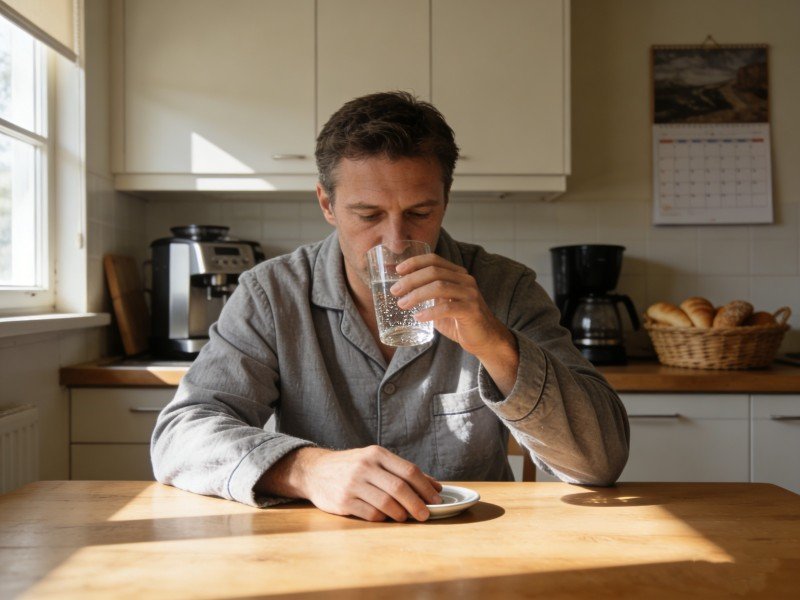
Most people do not have a hydration knowledge problem. They have a hydration execution problem. They know water matters, they know sweating changes fluid needs, and they know sports drinks or electrolyte products exist. But daily life makes hydration messy. Coffee replaces water. Meetings replace breaks. Travel dries people out without warning. Workouts start before intake is adequate. Then people try to solve the whole problem at once by chugging water late in the day or reaching for the wrong drink. That is why hydration mistakes are so common: the body’s needs change with heat, activity, diet, sleep, caffeine, travel, and sweat loss, but habits often stay the same. Mayo Clinic notes that healthy adults often meet fluid needs at roughly 2.7 liters per day for women and 3.7 liters per day for men from all beverages and foods combined, but actual need varies with body size, environment, and activity.
The most common hydration mistakes are waiting too long to drink, drinking too little throughout the day, drinking too much too fast, and using the wrong drink for the situation. These mistakes not only affect thirst. They can lower energy, reduce attention, make exercise feel harder, and in some cases even become a health risk. Mild body-water losses can already hurt mental and physical performance, while too much water can dilute sodium and contribute to hyponatremia.
That is why this topic matters so much for AirVigor readers. A person sitting at a desk all day, a traveler crossing time zones, a CrossFit athlete in a hot gym, and a runner finishing a long summer session are not asking the same hydration question. Once you understand the mistakes people make most often and how those mistakes show up in the body, hydration stops being vague wellness advice and becomes a real performance tool. Think about the person who starts the day with coffee, forgets water until lunch, goes into training slightly behind, and then wonders why the session feels flat and recovery feels slower than expected. That is not an extreme case. It is a very normal one.
What Are the Most Common Hydration Mistakes?
The biggest hydration mistakes are not only “not drinking enough.” They also include waiting for a strong thirst, drinking large volumes too quickly, assuming urine color tells the whole story, and ignoring how heat, workouts, caffeine, and sweat loss change fluid needs. Good hydration is about timing, total intake, and context, not just bottle size.
Is Waiting for Thirst Too Late?
For many people, yes. Thirst is useful, but it is not always an early signal. Mayo Clinic lists thirst as one sign of dehydration, but it also lists dark urine, tiredness, dizziness, and confusion. That means the body may already be showing consequences by the time thirst feels obvious. This matters even more in older adults, because thirst perception can be weaker and fluid regulation can become less reliable with age.
In real life, thirst often loses the race against routine. People get busy, travel, sit in air conditioning, work through meetings, drink coffee, or exercise after work. None of those situations guarantees that thirst will show up at the right moment. A person may not feel strongly thirsty but still be underhydrated enough to notice lower energy, reduced concentration, or worse workout quality later in the day.
A practical way to look at it is this:
| Situation | Is thirst alone enough? |
|---|---|
| Normal low-stress day | Sometimes close |
| Long workday with few breaks | Less reliable |
| Travel or flights | Less reliable |
| Heat exposure | Less reliable |
| Training day | Less reliable |
The better habit is not to ignore thirst. It is to stop treating thirst as your only guide. Drinking with meals, between meals, and around activity is usually a stronger strategy than waiting for a strong signal and trying to catch up later.
Are You Drinking Too Little Water?
This is still the most common hydration mistake because it often looks harmless. Most people are not becoming severely dehydrated every day. They are simply underdrinking in small ways that accumulate: coffee instead of water in the morning, low intake during work hours, no pre-workout hydration plan, then too little recovery fluid afterward. Mayo Clinic notes that water is generally the best fluid for most people, and Cleveland Clinic points out that low fluid intake can show up as dark urine, dry mouth, headache, dizziness, or fatigue.
That low-grade pattern matters because it quietly affects the whole day. People often interpret the result as low motivation, poor sleep, or weak focus when hydration is part of the picture. This is especially relevant for AirVigor’s audience: office workers, travelers, active adults, and gym users all face routines where underdrinking is easy to normalize.
A simple check helps:
| Sign | What it may suggest |
|---|---|
| Dry mouth | Intake may be too low |
| Afternoon fatigue | Intake may be too low |
| Darker urine through the day | Intake may be too low |
| Workout feels unusually hard | Intake may be too low |
| Headache without clear reason | Intake may be too low |
One of the most useful corrections here is rhythm. People do better when intake is spread across the day instead of delayed until evening. Small, repeated intake usually works better than trying to fix the entire day with one large bottle after dinner.
Are You Drinking Too Much Water?
Yes, and this mistake deserves more attention. “Drink more water” sounds safe, but more is not always better. Mayo Clinic warns that although rare in healthy adults, overdrinking can occur, especially in athletes or people who take in large fluid volumes too fast. When water intake exceeds what the kidneys can clear, blood sodium can become dangerously diluted, leading to hyponatremia. Symptoms can include nausea, headache, confusion, muscle cramps, low energy, seizures, and in severe cases, coma.
The real problem is not simply “drinking a lot.” It is drinking far more than the situation requires, often too quickly, and sometimes without any attention to sodium balance during long sweating. This can happen when people become afraid of dehydration and start treating constant water intake as a universal safety rule.
A better comparison looks like this:
| Pattern | Better or worse idea? |
|---|---|
| Even intake across the day | Better |
| Chugging large amounts once or twice | Worse |
| Matching fluids to heat, sweat, and activity | Better |
| Assuming more water is always safer | Worse |
This is one reason balanced hydration advice matters so much. A normal workday does not need an endurance-event strategy. And an endurance event should not be managed like a normal office day. Good hydration is not about maximizing fluid volume. It is about matching intake to need.
Is Dark Urine Always a Warning Sign?
Dark urine is useful, but it is not a perfect test. Mayo Clinic identifies dark urine as a common sign of dehydration, and Cleveland Clinic explains that darker urine often means urine is more concentrated because fluid levels are lower than they should be. But both sources also make it clear that context matters. Morning urine is often darker. Vitamins, medications, and other factors can also change color.
This is where many people oversimplify. One dark bathroom visit after a workout or first thing in the morning does not always mean there is a serious hydration problem. But repeatedly dark urine across the day is much more meaningful, especially if it appears alongside fatigue, thirst, dizziness, or reduced exercise tolerance.
A more useful way to read urine color:
| Urine pattern | Better interpretation |
|---|---|
| Light yellow most of the day | Often a good sign |
| Darker first thing in the morning | Often normal |
| Repeatedly dark during the day | Intake may be low |
| Odd color after supplements or medication | May not be hydration-related |
The key is not to ignore urine color. It is time to stop pretending that one visual clue answers the whole hydration question.
How Do Hydration Mistakes Affect the Body?
Hydration mistakes affect more than thirst. They influence energy, concentration, exercise quality, heat tolerance, and recovery. Research reviews show that even 1% to 2% body-water loss can negatively affect mood, cognitive performance, and physical performance, while exercise-focused research shows that dehydration above about 2% of body mass can impair endurance performance and recovery.
How Do Hydration Mistakes Affect Energy?
Low hydration often shows up first as lower energy. Mayo Clinic lists tiredness as a common symptom of dehydration, and research on hydration and wellness reports that low body water can worsen fatigue and mood. This matters because many people do not recognize hydration as an energy variable. They blame motivation, poor sleep, or a bad day before they think about fluid balance.
For a reader, the pattern is familiar: the afternoon feels heavier, the body feels slower than expected, and simple tasks take more effort. That does not prove hydration is the only cause, but it makes hydration one of the smartest first variables to check because it is easy to fix and easy to overlook.
A practical table helps:
| Energy complaint | Could hydration be involved? |
|---|---|
| Midday slump | Yes |
| Heat-related fatigue | Yes |
| Travel-day exhaustion | Yes |
| Heavy legs in training | Sometimes |
| “Flat” feeling after a long workday | Often |
This is exactly why hydration should be treated as a daily performance habit, not just a sports issue.
Do Hydration Mistakes Affect Focus?
Yes. HealthyChildren reports that being well hydrated supports mood, memory, and attention in children, and hydration research in adults shows that mild dehydration can impair attention, short-term memory, and other aspects of cognitive function. Even when the effect feels subtle, it still matters in work, study, driving, and decision-making.
For adults, this usually does not feel dramatic. It feels like mental drag. Focus breaks sooner. Patience gets shorter. Reading and desk work feel heavier. In hot conditions or busy schedules, people often blame stress alone and miss the hydration piece entirely.
A useful interpretation table:
| Situation | Why hydration matters for focus |
|---|---|
| Long desk work | Attention drops faster when intake is low |
| Meetings and calls | Easy to forget to drink |
| Travel days | Dry environments increase losses |
| Heat exposure | Mental sharpness can fall with fluid loss |
That is why hydration belongs in the same conversation as sleep, nutrition, and routine management. It is not a niche sports topic.
How Do Hydration Mistakes Affect Exercise?
Hydration mistakes can make exercise feel harder, reduce output, and slow recovery. GSSI notes that dehydration can reduce acute endurance performance and that rehydration supports better subsequent exercise quality. It also notes that dehydration can worsen thermoregulation and blood flow responses during training.
For most readers, the effect shows up in very practical ways:
| Workout problem | Hydration may play a role |
|---|---|
| Pace drops faster than expected | Yes |
| Rest periods feel less effective | Yes |
| Heat feels unusually hard | Yes |
| Recovery feels slower | Yes |
| Session quality feels inconsistent | Yes |
This does not mean every bad workout is a hydration failure. It means hydration is one of the simplest hidden variables that can make a good plan feel worse than it should. For active users, that is a big deal.
Are Cramps Always a Hydration Problem?
No, and this is one of the biggest myths in sports nutrition. GSSI’s review on exercise-associated muscle cramp explains that cramps are often linked to muscle fatigue and altered neuromuscular control, while sodium depletion may also contribute in some situations. The evidence does not support the idea that every cramp is caused by dehydration alone.
This matters because many people answer every cramp the same way: “I need more water.” Sometimes that helps. Sometimes it misses the real issue. A localized cramp late in a hard session may reflect fatigue or overload more than simple fluid loss. Generalized cramping in prolonged heat may point more toward sodium and broader hydration stress.
A better way to look at cramps:
| Cramp pattern | More likely issue |
|---|---|
| One muscle late in a hard session | Fatigue may be central |
| Repeated cramping in heat | Sodium/fluid stress may matter more |
| Severe widespread cramping | Bigger hydration-electrolyte problem may be involved |
| Random isolated cramp | Context matters |
The smart takeaway is not “hydration does not matter for cramps.” It is “cramps are more complex than hydration alone.”

Which Drinks Cause the Biggest Hydration Mistakes?
The biggest drink-related hydration mistakes happen when people choose a product based on image instead of need. Water is still the best starting point for many daily situations. Sports drinks make more sense when exercise is long, hard, or very sweaty. Electrolyte drinks fit the middle ground when fluid and mineral replacement matter more than extra sugar. Caffeine is not automatically dehydrating in moderate use, but it can still weaken hydration habits when it replaces water throughout the day.
A simple comparison helps show where the mistakes usually begin:
| Drink choice | What it does well | Where people often misuse it |
|---|---|---|
| Water | Daily hydration, short workouts, low-sweat activity | People assume it is enough even for long, hot, high-sweat sessions |
| Sports drink | Fluid + electrolytes + carbohydrates | People use it for short, easy activity that does not need extra sugar |
| Electrolyte drink | Fluid support + electrolyte replacement | People expect it to solve fatigue, poor diet, or weak recovery by itself |
| Coffee / caffeinated drinks | Can contribute to fluid intake | People use it as their main daytime fluid source |
Is Water Always Enough?
For many people, yes. Mayo Clinic says water is generally the best way to replace lost fluids. It also notes that sports drinks become more useful when exercise lasts more than 60 minutes because they help with electrolyte balance and provide carbohydrates. That means water is still the right first choice for most normal days, most lighter activity, and many shorter workouts.
This matters because hydration marketing often makes basic water seem incomplete. In reality, many readers do not need a more complicated drink. They need a steadier water habit. Office workers, students, travelers on normal activity days, light exercisers, and people doing short gym sessions often do well with water as long as intake is spread through the day. The mistake is not choosing water. The mistake is choosing water and then not drinking enough of it until they are already behind.
A practical table shows where water fits best:
| Situation | Is water often enough? |
|---|---|
| Normal desk day | Yes |
| Light to moderate daily activity | Yes |
| Workout under 60 minutes | Often yes |
| Long hot workout | Not always |
| Repeated intense intervals with heavy sweat | Often not by itself |
For customers, this is useful because it reduces unnecessary complexity. Water is not the “basic” option in a bad sense. It is often the correct option. The problem starts when people keep using the right drink past the point where the situation has changed.
Are Sports Drinks Overused?
Yes, very often. Mayo Clinic states that sports drinks can help when exercise lasts more than 60 minutes because they help support electrolyte balance and provide carbohydrates. HealthyChildren also notes that electrolyte-supplemented beverages may be necessary, mainly when vigorous exercise extends beyond an hour or when sweating is heavy. That means sports drinks have a real place, but it is much narrower than everyday use.
The overuse pattern is easy to spot. A person does a 25-minute treadmill walk, a short gym session, a light neighborhood bike ride, or a normal afternoon outside, then grabs a sports drink because they think “I sweat, so I need one.” In many of those cases, the session did not actually create a meaningful carbohydrate need. The result is extra sugar, extra calories, and a hydration habit that sounds athletic but is not well matched to the real demand of the activity.
A clearer use table helps:
| Use case | Sports drink fit |
|---|---|
| 20–30 minute light workout | Usually unnecessary |
| 45-minute moderate session in mild conditions | Often unnecessary |
| 75–90 minute hard run or ride | Often useful |
| Repeated team training in heat | Often useful |
| Daily sipping at work | Usually poor fit |
For customers, the question should not be “Are sports drinks good or bad?” The better question is “Did this session actually create a reason for extra carbohydrate and electrolytes in the bottle?” That one change in thinking prevents a lot of unnecessary product use.
Do Electrolyte Drinks Solve Every Problem?
No. Electrolyte drinks solve a specific problem: they help support fluid balance when sweat loss and electrolyte loss matter. They do not automatically solve low energy from poor sleep, weak meals, long work stress, or inconsistent training structure. Cleveland Clinic notes that electrolytes can also come from food, which is a useful reminder that a hydration product is not a replacement for an overall nutrition pattern.
This matters because “electrolytes” has become a catch-all wellness word. People use it to explain afternoon fatigue, headaches, poor training, travel stress, and general low mood. Sometimes that is partly correct. Sometimes hydration is only a small piece of the picture. A person who slept badly, skipped lunch, drank too much coffee, and trained in the evening may benefit from better hydration, but the real fix is broader than minerals in water.
Still, electrolyte drinks do fill a very useful space. They often make sense when the body needs more support than plain water, but does not necessarily need the sugar of a sports drink. That can include hot days, travel, sweaty commutes, outdoor work, long meetings in dry environments, and shorter but sweat-heavy sessions.
A practical fit table:
| Main issue | Better fit |
|---|---|
| Mild daily thirst | Water first |
| Heavy sweat without major fuel demand | Electrolyte drink may fit well |
| Long hard workout with clear fuel demand | Sports drink may fit better |
| General tiredness with no clear fluid loss | Electrolytes may not be the main answer |
For readers, the biggest value of electrolyte drinks is not that they solve everything. It is that they solve one narrow but very common problem well: daily or exercise-related fluid support when water alone feels insufficient, and sports drinks feel like too much.
Is Caffeine Really Dehydrating?
Not in the simple way many people think. Cleveland Clinic explains that coffee is mostly water and, in moderate amounts, is unlikely to dehydrate a regular coffee drinker on its own. It also notes that habitual coffee drinkers develop tolerance to much of caffeine’s diuretic effect. At the same time, the Cleveland Clinic warns that excessive caffeine can contribute to dehydration, especially if people rely on caffeinated drinks all day and neglect plain water.
This distinction is important because many readers swing between two extremes. Some believe coffee “does not count” at all. Others assume coffee hydrates exactly like water in every situation. A more useful answer is this: coffee can contribute to total fluid intake, but it should not become the foundation of a hydration plan, especially on hot days, training days, or long travel days. In those settings, caffeine can make people feel more alert while quietly distracting them from the fact that they still need water or a more targeted hydration strategy.
A practical caffeine table helps:
| Caffeine habit | Better interpretation |
|---|---|
| 1–3 cups of coffee with steady water intake | Usually manageable |
| Coffee plus a normal water routine | Often fine |
| Coffee all morning, little plain water | Hydration pattern may suffer |
| Caffeinated drinks as main daytime fluid source | Poor strategy |
| Coffee before sweaty training with no extra fluid plan | Easy way to fall behind |
For customers, the best rule is simple: coffee is not the enemy, but it is not a hydration plan. It works best when it sits beside water, not instead of it.
How Can You Fix Common Hydration Mistakes?
Most hydration mistakes improve when people stop chasing one big answer and build a better routine. The most useful fixes are simple: start the day with fluid, drink before you feel clearly behind, match drink choice to workout length and sweat loss, and rehydrate with more structure after harder sessions. Sports-hydration guidance also emphasizes avoiding both clear underdrinking and overdrinking.
A practical correction table looks like this:
| Common mistake | Smarter fix |
|---|---|
| Waiting for strong thirst | Drink earlier and more regularly |
| Low intake before training | Start the session better hydrated |
| Using the same drink for every workout | Match the drink to the demand |
| Chugging water late in the day | Spread intake across the day |
| Drinking huge amounts during long exercise | Use a measured plan and monitor body weight change |
How Much Should You Drink Before Activity?
A good hydration plan starts before exercise. GSSI cites sports-nutrition guidance suggesting about 400 to 600 mL of fluid, roughly 14 to 22 ounces, about two hours before exercise. HealthyChildren gives a very practical consumer version: around 12 to 20 ounces of water about 2 to 3 hours before activity, plus another 6 to 8 ounces closer to the session.
This matters because many bad workout hydration outcomes are not really workout mistakes. They are pre-workout mistakes. A person who starts a hard, hot, or long session already behind often feels the cost later in the session, even if they try to drink during it. That is why pre-activity hydration is one of the highest-value habits for performance and comfort.
A simple pre-activity guide:
| Pre-workout habit | Better or worse? |
|---|---|
| Drinking steadily 2–3 hours before | Better |
| Relying on coffee alone | Worse |
| Drinking very little until activity begins | Worse |
| Starting with water as baseline | Better |
For customers, this is one of the easiest fixes because it is mostly about timing, not buying a new product. A basic routine before activity often improves the workout feel more than people expect.
What Should You Drink During Long Workouts?
During long workouts, the right drink depends on what the session is taking out of you. Mayo Clinic says that when exercise lasts more than 60 minutes, a sports drink can help maintain electrolyte balance and provide carbohydrates. That means there are really three common options during training: water, electrolyte support, or a sports-drink-style formula with carbohydrate.
A practical decision table makes this easier:
| During-workout need | Best fit |
|---|---|
| Short or light session | Water |
| Sweaty session without strong fuel demand | Electrolyte drink |
| Long, hard session with sweat plus energy demand | Sports drink |
This is where many readers improve fastest. They stop searching for one “best hydration drink” and start using one simple rule: use the drink that matches the session. Water for lighter demand. Electrolytes when mineral loss matters. Sports drinks are when both fluid and fuel matter. That change alone prevents a lot of unnecessary sugar intake and a lot of under-fueled long workouts.
How Should You Rehydrate After Sweat Loss?
After sweat loss, rehydration works better when it is more deliberate. GSSI guidance notes that post-exercise rehydration can be guided by body-weight change, and one practical rule is about 16 ounces of fluid for each 1 pound of sweat lost during a workout. GSSI also notes that sodium helps stimulate thirst, replace sweat losses, and retain ingested fluids.
This matters because many people “drink after training” without really rehydrating. They sip a little water, move on, and treat a high-sweat session the same way they would treat a light walk. For a small sweat loss, that may be fine. For harder sessions, repeated training, or high-heat days, it is not enough.
A practical post-session table helps:
| After-exercise situation | Better rehydration idea |
|---|---|
| Light sweat | Water may be enough |
| Heavy sweat | Water plus sodium-containing foods or drinks may help |
| Long, hard session | More structured rehydration helps |
| Back-to-back sessions | Rehydration becomes much more important |
For customers, the real lesson is that sweat loss deserves a response that matches its size. The body handles recovery better when fluid replacement is not random.
Which Signs Should Make You Adjust?
Hydration works better when people watch patterns instead of chasing perfect numbers. Useful warning signs include repeated thirst late in the day, dark urine through the afternoon, headaches, dizziness, low energy, unusual heat intolerance, workouts that fall apart early, or feeling bloated from trying to “catch up” too fast. Mayo Clinic’s dehydration guidance points to many of these same signals.
A useful adjustment table looks like this:
| Sign you notice | What to adjust |
|---|---|
| Strong thirst late in the day | Start drinking earlier |
| Dark urine through the afternoon | Increase steady intake |
| Long workouts feel flat | Review fluids, sodium, and carbohydrate timing |
| Feeling bloated from overdrinking | Slow intake and reassess volume |
| Heat feels harder than usual | Review fluid and electrolyte support |
For readers, this is the long-term answer. Hydration improves most when it becomes responsive. The body gives clues. The habit gets better when people actually use them.
Which AirVigor Product Fits Your Hydration Needs?
The most practical way to choose a hydration product is to stop asking which formula sounds more advanced and start asking what the body is actually missing. Some people mainly need fluid. Some people need fluid plus electrolytes because sweat loss is high. Some people need hydration support during hard training, where performance, focus, and repeat output matter. Others need recovery support after the session, when thirst, fatigue, and post-workout depletion all show up at once. That is why one hydration product rarely fits every person equally well.
For AirVigor, this distinction matters because the brand is not built around a single narrow hydration idea. Based on the product information and company profile you provided, the brand is positioned around real formula expression, real ingredient inclusion, clear dosage logic, and long-term quality stability. That makes the product discussion more useful for customers. Instead of forcing every consumer into one bottle or one stick pack, the structure allows different hydration needs to map to different formula directions.
A simple comparison makes that clearer:
| Main hydration need | Best-fit direction |
|---|---|
| Basic daily hydration support with electrolytes | Recovery Electrolytes |
| Hard training with hydration + performance support | Peak Performance |
| Post-workout hydration + nutrition support | Recovery + Collagen |
| Brand launch or market-specific hydration project | OEM / ODM custom formula |
This way of choosing is more helpful than chasing trends. It keeps the focus on real routine needs, real use scenarios, and real product fit.

Which Product Fits Hard Training?
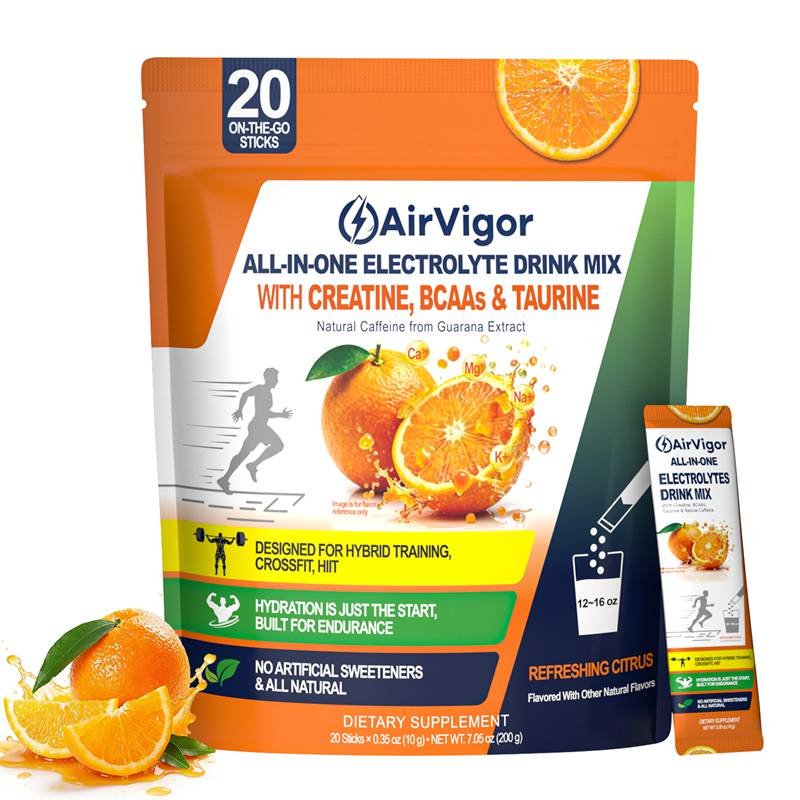
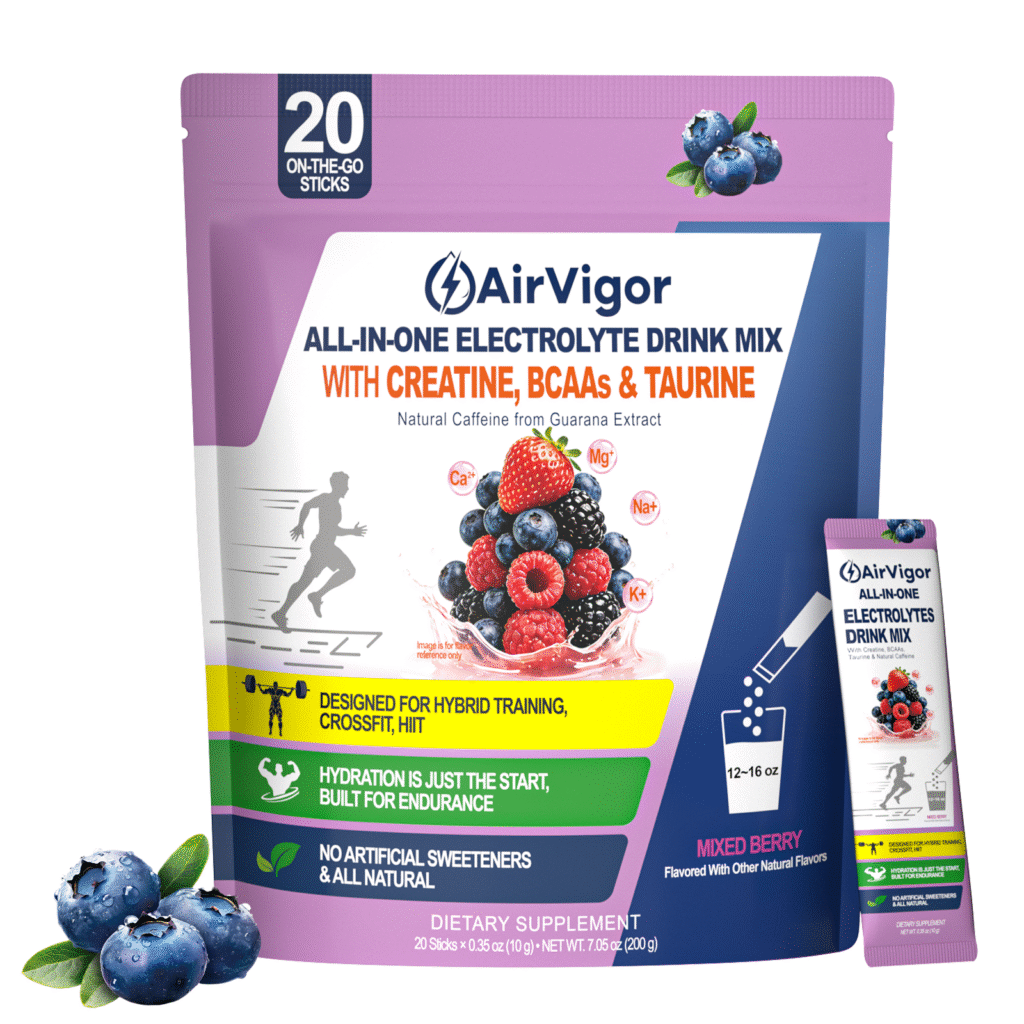
Hard training creates a different hydration problem from daily life. The issue is not only thirst. The issue is whether the person can maintain output, hold focus, keep movement quality stable, and avoid dropping sharply in the second half of the session. That is why AirVigor’s Peak Performance Pre-Workout Powder fits best for customers whose workouts are demanding, mixed, and sweat-heavy.
Based on the formula direction you shared, this product combines electrolytes with creatine, taurine, BCAA, amino acids, citrulline, guarana extract, and supportive minerals such as sodium, potassium, calcium, and magnesium. That means it is not positioned as a simple hydration powder. It is closer to a multi-function training support product that uses hydration as one important part of a larger performance structure.
For many customers, this solves a very practical problem. They are not just asking, “How do I drink more?” They are asking, “How do I stop fading halfway through the session?” or “How do I stop carrying three separate products to one workout?” That is especially relevant for people doing CrossFit, HIIT, hybrid strength-endurance sessions, long gym blocks, repeated interval training, and high-sweat sport-specific work.
A product-fit table helps show the difference:
| Customer problem | Why Peak Performance fits |
|---|---|
| Training output drops too early | Formula is built for more than hydration alone |
| Sweat loss affects later sets or intervals | Electrolytes are already built into the structure |
| Too many separate powders to manage | Multi-function design reduces stacking |
| Need performance support during hard mixed training | Better fit than a simple electrolyte product |
This is also where AirVigor has a useful positioning advantage. According to the brand profile you provided, the company is working from a development base of 25+ nutrition and food-science researchers, more than 20,000 formulation models, and 300+ nutrition-related patents. For a serious training customer, that kind of structure supports a more credible performance product story. The message is not just “hydration plus more ingredients.” The message is “a formula built with a clearer use-case logic.”

Which Product Fits Recovery?
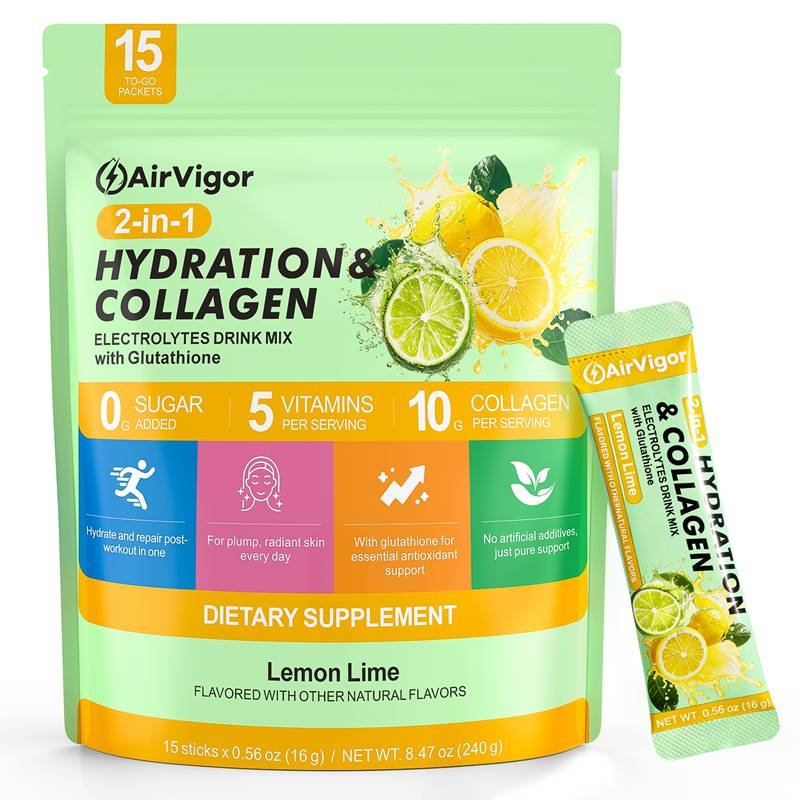
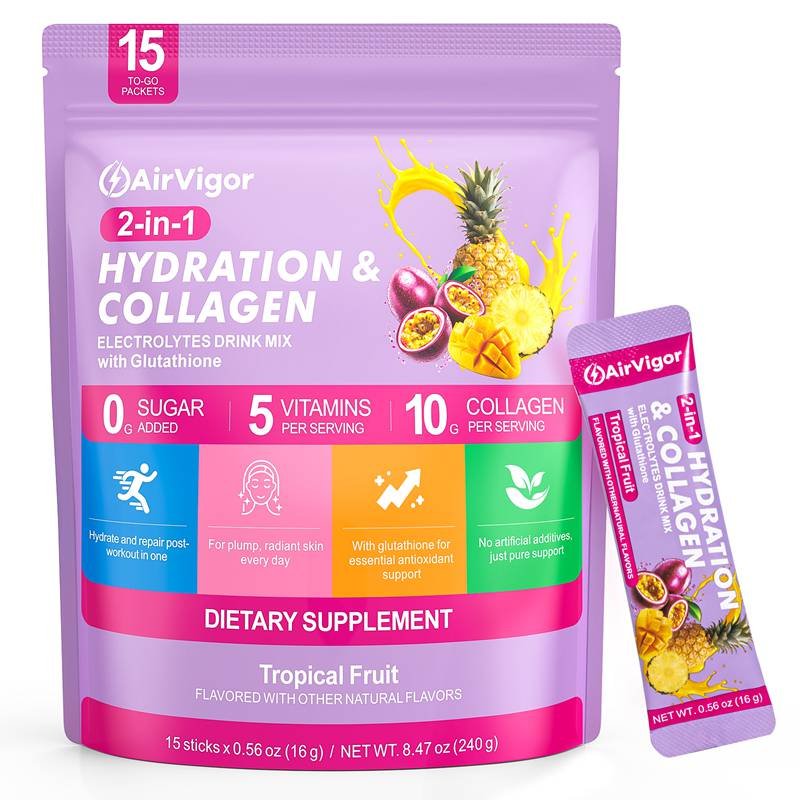
Recovery hydration is different from performance hydration. After exercise, many people are not only thirsty. They are also tired, slightly depleted, and sometimes not ready for a heavy meal. That is where AirVigor’s Recovery + Collagen direction becomes more useful than either water alone or a more performance-driven product.
Based on the product details you shared, this formula combines electrolytes with collagen, vitamin C, B vitamins, glutathione, and a broader recovery-oriented support profile. That makes it especially useful for users who finish training or physical activity needing more than simple fluid replacement. The recovery window is not only about replacing water. It is also about making the next few hours feel better and helping the person return to work, commute, family routine, or the next session with less disruption.
This product fits especially well for people in moderate-to-regular training who want something smoother and easier to sustain than a hardcore performance stack. It also fits people who value daily usability. A Pilates user, a yoga user, a long-shift worker, a traveler, or a general wellness customer may not want a very aggressive pre-workout profile, but may respond well to a calmer recovery-support format.
A clearer comparison looks like this:
| Post-activity need | Best-fit direction |
|---|---|
| Only mild thirst | Water may be enough |
| Sweat loss + clear recovery demand | Recovery + Collagen |
| Heavy training with strong in-session performance needs | Peak Performance |
| Daily hydration without larger recovery demand | Recovery Electrolytes |
This category also has strong commercial value. Many customers understand recovery more easily than performance chemistry. “I feel drained after training,” “I want something easy after sweating,” and “I do not want a complicated recovery routine” are very clear consumer problems. A formula that meets those needs in one step is easier to explain, easier to use, and easier to repeat. That matters because repeat use is one of the strongest indicators of whether a hydration product has truly found its place in a customer’s life.

Which Product Fits Daily Hydration?
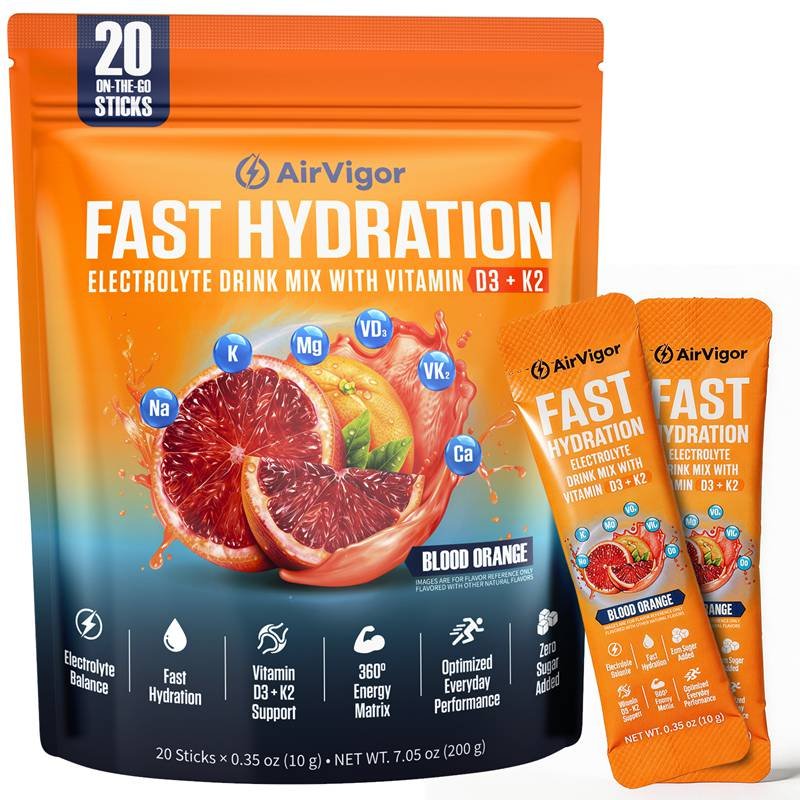
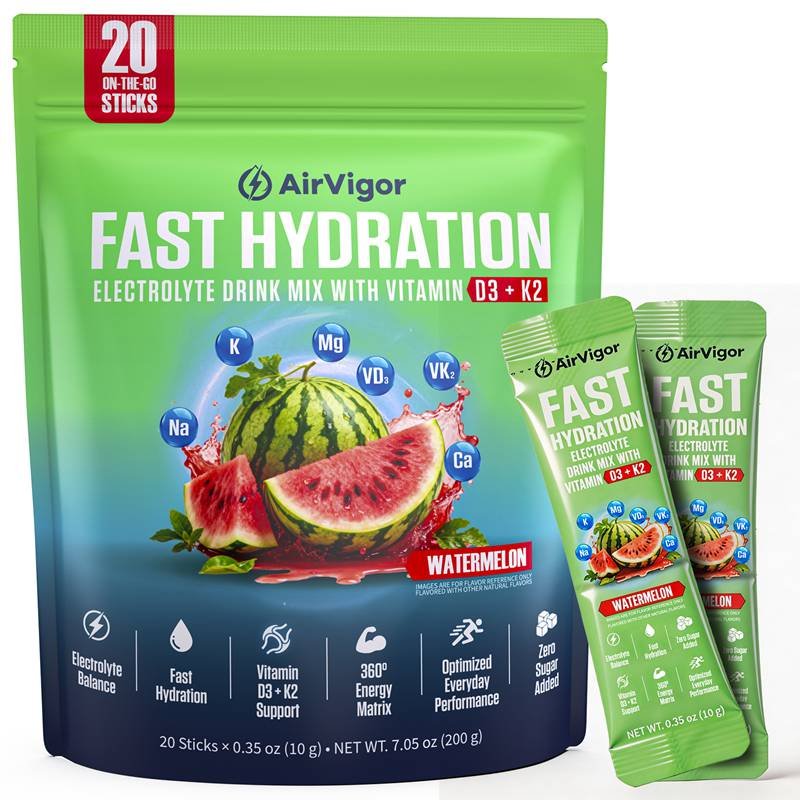
Daily hydration is where many brands overcomplicate the answer. Not every person needs a sports-style formula. Not every person needs a multi-benefit training stack. Many people simply want cleaner hydration support that feels more functional than plain water but still fits daily life. That is where AirVigor’s Recovery Electrolytes formula becomes the most natural choice.
Based on the product information you provided, this formula centers on sodium, potassium, chloride, calcium, magnesium, and vitamin D3 + K2. That gives it a simpler and broader everyday use case. It is easier to position around general hydration support, sweat-related fatigue, warm-weather routines, commuting, travel, outdoor use, and lighter training days. It also fits consumers who want more structure than plain water but less complexity than a performance formula.
This type of product is commercially important because the addressable audience is much larger. Not every customer is a hard-training athlete, but many customers do experience hydration-related drag in daily life. They feel flat on hot afternoons, dry after flights, heavy after light workouts, or generally under-recovered during busy weeks. A straightforward electrolyte formula is easier to integrate into those real-world situations.
A practical fit table:
| Daily-life situation | Best-fit direction |
|---|---|
| Normal day with low sweat | Water first |
| Hot day, commute, long meeting day, travel | Recovery Electrolytes |
| Outdoor activity with noticeable sweat loss | Recovery Electrolytes |
| Hard training session | Peak Performance |
| Recovery-focused post-workout need | Recovery + Collagen |
This is also where AirVigor’s broader brand direction helps. The company profile you provided shows that the brand is not limited to one supplement segment. It is building across electrolytes, proteins, collagen, creatine, vitamins, minerals, botanicals, probiotics, and multi-function formulas. That wider category base gives daily hydration products a better ecosystem around them. Customers can start with a hydration product, then stay within the same brand logic as their needs expand into performance, recovery, or broader nutrition support.
How Can AirVigor Support Custom Formulas?
For B2B customers, the hydration conversation is not only about choosing among finished formulas. It is also about building the right product for a market, channel, or audience. This is where AirVigor’s OEM and ODM capabilities become highly relevant.
According to the company information you shared, AirVigor supports powdered supplements, capsules, tablets, gummies, drops, and other formats through a production and supply framework that includes GMP, HACCP, ISO-related systems, FSSC22000, FDA registration context, packaging coordination, printing and labeling management, and multi-market compliance adaptation. You also noted 30,000+ square meters of factory space, 1000+ personnel, 30+ quality staff, and sample development timelines of roughly 3–7 days for standard projects, with more complex custom work extending toward 7–12 days. Standard MOQ begins at 500 pieces. Those numbers are commercially meaningful because they make the brand easier to evaluate not only as a product supplier but as a product-development partner.
A B2B fit table makes that clearer:
| Business need | AirVigor support |
|---|---|
| Launch a hydration product quickly | Existing product logic and category depth |
| Build a private-label electrolyte line | OEM service |
| Create a market-specific formula | ODM and formulation support |
| Test flavor, dosage form, or positioning | Sampling capability |
| Sell into multiple countries | Label and packaging adaptation support |
| Expand beyond one SKU | Multi-category supplement development base |
This matters because hydration is no longer one category. Some markets want sports hydration. Some want recovery hydration. Some want daily electrolyte support. Some want beauty-linked hydration, travel hydration, or multifunction lifestyle hydration. A factory and brand system that can develop across those directions has a real advantage.
For potential partners, the strongest point is not only capacity. It is alignment. AirVigor’s stated emphasis on real ingredient inclusion, clear formula expression, stable quality management, packaging practicality, and long-term product experience gives custom development a more credible foundation. That is especially useful for emerging brands that want to avoid vague formulations and weak product storytelling.
Final Thoughts
Most hydration mistakes do not come from ignorance. They come from a mismatch. People use the right rule in the wrong situation. They wait too long to drink. They drink too little throughout the day. They try to catch up too fast. They choose sports drinks for low-demand situations, or they expect electrolyte products to fix problems that are really about bigger routine gaps. That is why hydration works best when it becomes a decision system instead of a slogan.
The most useful rule in this whole article is very simple:
| Main problem | Smarter answer |
|---|---|
| Low basic daily intake | Improve water routine first |
| Sweat-related daily drag | Add targeted electrolyte support |
| Hard training with output demands | Use a stronger training-support formula |
| Post-workout depletion and recovery need | Use a recovery-oriented formula |
| Market-specific hydration opportunity | Build a custom solution |
For retail customers, that means choosing the formula that matches your real routine instead of the loudest trend. For distributors, retailers, and private-label brands, it means choosing a partner that can support both immediate product supply and long-term product development.
AirVigor is positioned to support both sides of that need. If you want a finished hydration product with clearer formula logic and broader use-case fit, the brand already has a strong product direction across daily electrolytes, performance hydration, and recovery hydration. If you want to build your own hydration formula for Amazon, eBay, Walmart, Shopify, specialty retail, or regional distribution, the company also offers OEM and ODM development support with practical sample timelines, flexible dosage formats, packaging options, and international market adaptation.
If you are ready to move forward, the next step is straightforward. You can contact Emily and the AirVigor team to discuss product recommendations, sample requests, OEM planning, ODM development, packaging formats, flavor direction, and launch timing.
| Request type | What to ask for |
|---|---|
| Brand product order | Product recommendation, specs, availability |
| Sample request | Sampling options and timeline |
| OEM inquiry | Formula, dosage form, packaging, MOQ |
| ODM inquiry | Full concept, formula development, packaging, launch support |
| Channel expansion inquiry | Region-specific compliance and packaging adaptation |
For customers who want better daily hydration support, and for partners who want to build stronger hydration products for real markets, AirVigor gives both a product solution and a development path.