Skip to content
How to Drink Recovery Electrolyte with D3K2 After Workout
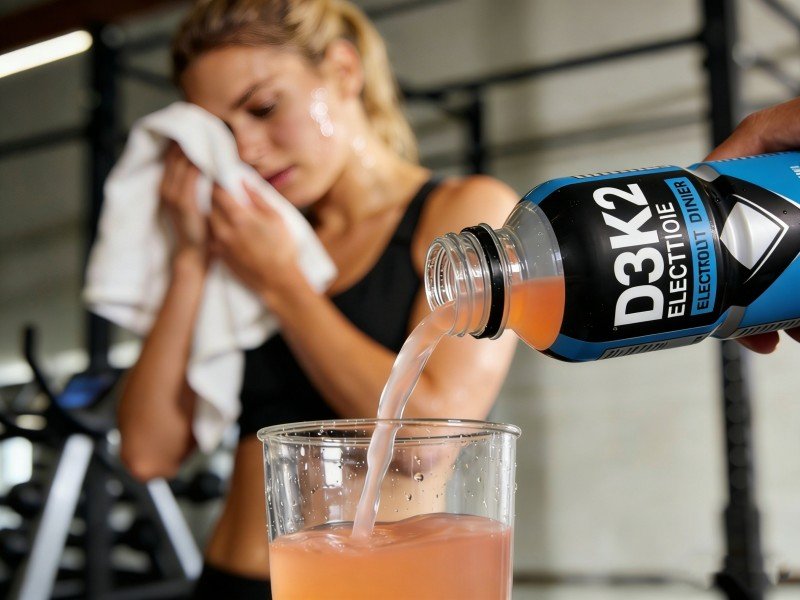
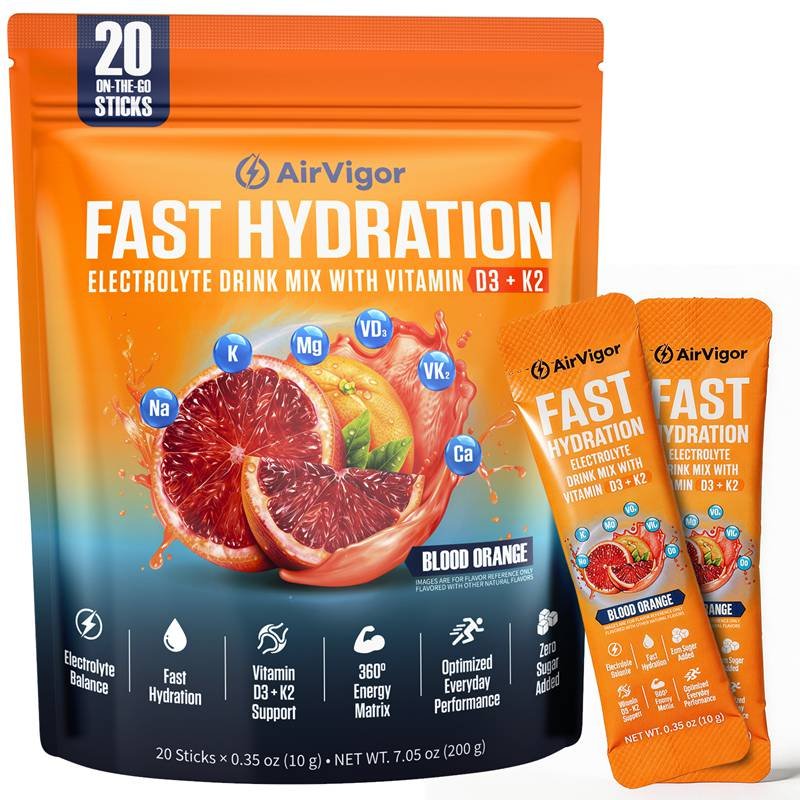
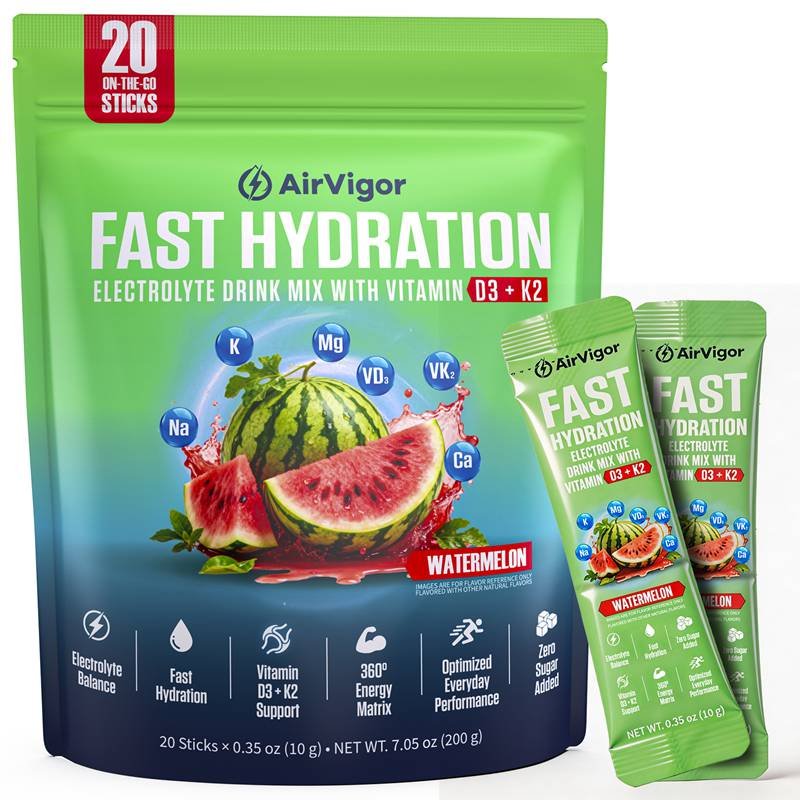
Recovery Electrolyte with D3K2 is best used after training by matching the serving to sweat loss, mixing it with an appropriate amount of water, and drinking it within the early recovery window rather than randomly hours later. For most post-workout situations, one serving in roughly 400–700 mL of water works as a practical starting point, while heavier sweat loss may require more fluid and sometimes more than one serving over time.
Potassium in Recovery Electrolytes: Benefits, Dose & Safety

Potassium in a recovery electrolyte helps support intracellular fluid balance, muscle function, nerve signaling, and the sodium–potassium system that keeps cells working under physical stress. It does not replace sodium’s role in sweat replacement, but it helps complete the hydration picture—especially in formulas designed for training recovery, repeated sweating, and more balanced electrolyte support.
Electrolyte Powder Ingredients: What Matters Most?

Electrolyte powders typically contain sodium, chloride, potassium, magnesium, and sometimes calcium, plus supporting ingredients like citric acid, flavoring, and sweeteners. The most important ingredients for real-world hydration are usually sodium + chloride (fluid retention), potassium (cellular balance), and magnesium (muscle/nerve function). “Best” depends on sweat loss, diet, and tolerance, not hype.
Electrolyte Powder Benefits: Recovery, Hydration & Fatigue Relief
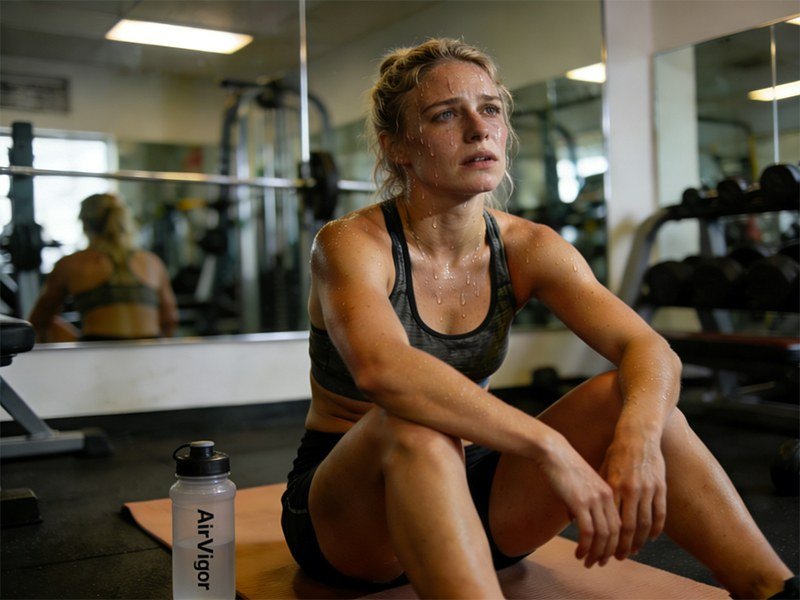
Electrolytes don’t just help you feel hydrated. They help your body maintain performance during activity, recover more efficiently afterward, and adapt to repeated physical stress over time — so each session builds on the last instead of breaking you down.
How Does Beetroot Work in Pre-Workout Performance:A Clear Explained Guide
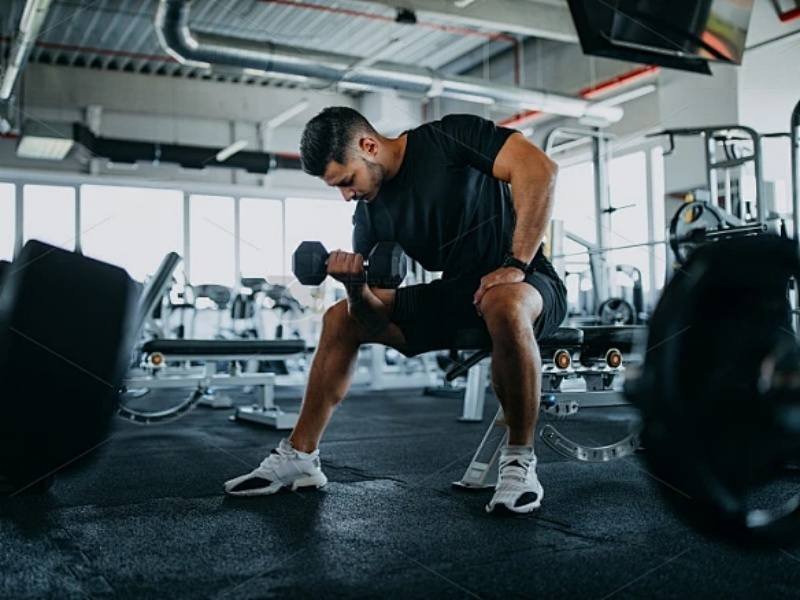
Most pre-workouts try to “flip a switch”: caffeine up, heart rate up, sweat starts early, and you feel ready fast. That can be useful—until it isn’t. Many athletes who train often (endurance, CrossFit, strength blocks) find the same pattern: great first 10 minutes, then a drop, or sleep issues later, or tolerance building week by week.
12 Best Gym Supplements for Women: A Practical Guide

Women train with different physiological realities. Hormonal cycles influence recovery. Sweat rate and electrolyte loss vary more than most people realize. Muscle-building potential is real—but often underestimated or poorly supported. Yet many supplements marketed to women focus more on aesthetics than performance, leaving serious gym-goers under-fueled, under-recovered, and frustrated by stalled progress.