What Is a Nutritional Supplement: A Science-Based Guide

A nutritional supplement is a product designed to complement the diet by providing nutrients such as vitamins, minerals, or functional compounds that support normal bodily functions. In the U.S., supplements are regulated as foods, not drugs, and are intended to fill nutritional gaps rather than replace meals or treat disease. Their usefulness depends on individual needs, lifestyle factors, and responsible use.
Electrolyte Powder Ingredients: What Matters Most?
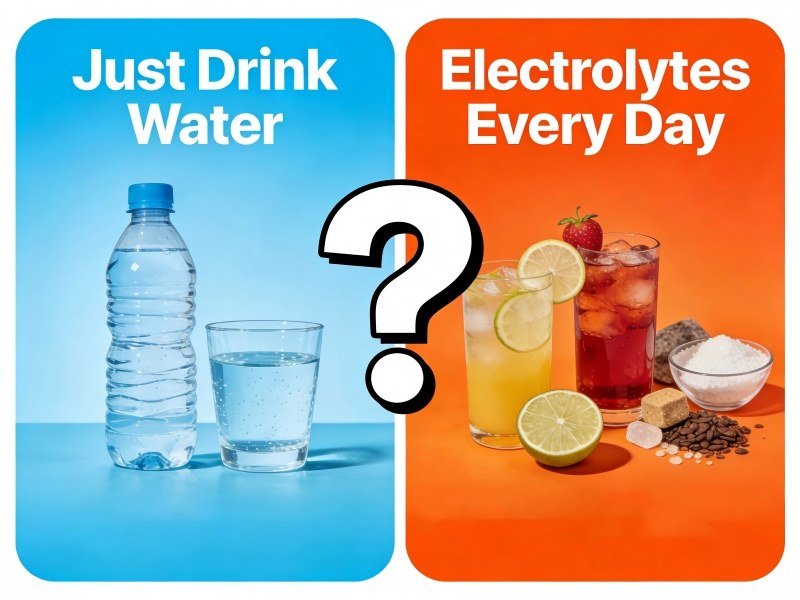
Electrolyte powders typically contain sodium, chloride, potassium, magnesium, and sometimes calcium, plus supporting ingredients like citric acid, flavoring, and sweeteners. The most important ingredients for real-world hydration are usually sodium + chloride (fluid retention), potassium (cellular balance), and magnesium (muscle/nerve function). “Best” depends on sweat loss, diet, and tolerance, not hype.
Types of Electrolytes: What They Do and How to Choose
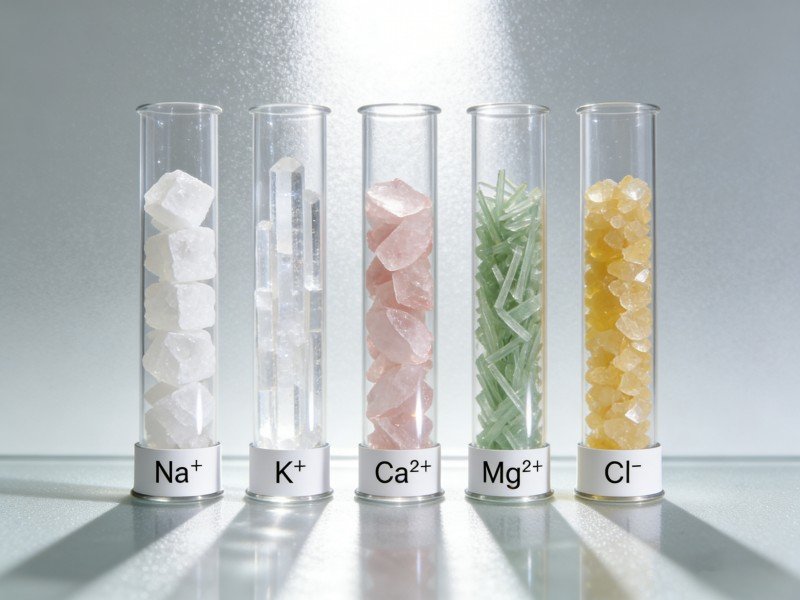
The main types of electrolytes are sodium, potassium, magnesium, calcium, and chloride. Each one supports hydration and performance in a different way: sodium and chloride regulate fluid retention and blood volume; potassium supports nerve signals and muscle contractions; magnesium helps muscles relax and supports energy metabolism; calcium drives muscle contraction and cellular communication. A “good” electrolyte supplement balances these types based on sweat loss, activity, climate, and diet—not hype.
Types of Food Supplements: A Science-Based Guide

Food supplements used to be a “gym thing.” Now they’re everywhere—electrolyte sticks in office drawers, protein tubs in kitchens, creatine next to the coffee machine. The problem isn’t a lack of options. It’s that most people buy based on buzzwords, then wonder why they feel no difference—or why they feel worse.
20 Best Sports Supplements Brands: A Complete Guide
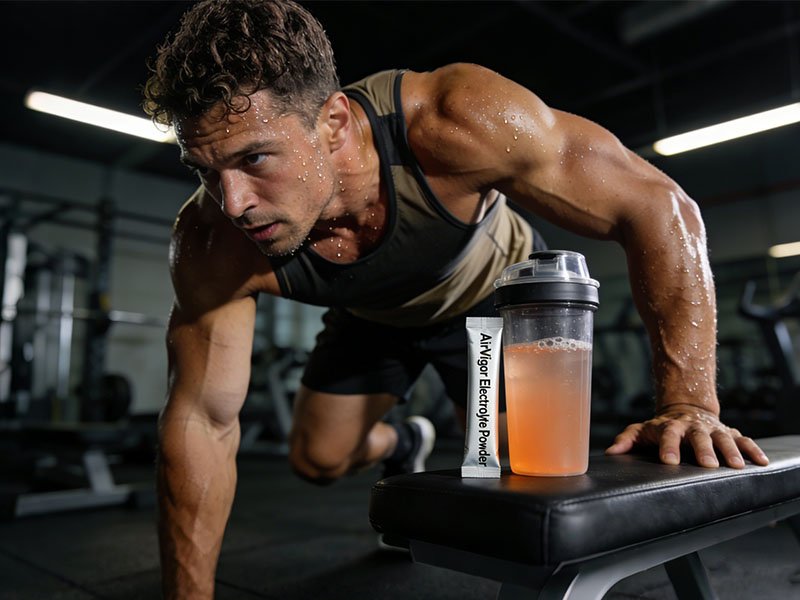
The brands worth trusting tend to win in boring places: accurate dosing, clean ingredient profiles, credible manufacturing standards (like GMP), and transparent batch testing (COAs). This guide gives you a repeatable way to evaluate sports supplement brands across the three foundations that matter most—electrolytes, protein, and creatine—so you can build a routine that holds up through heat, travel, and heavy training blocks.
Top Supplement Manufacturers in USA: Who to Trust & Why

The U.S. supplement industry sits at a unique intersection of innovation and regulation. While the FDA does not pre-approve dietary supplements, American manufacturers operate under some of the world’s most structured quality frameworks, including cGMP, HACCP, and ISO-based systems. The difference between an average manufacturer and a top-tier one is not marketing scale—it’s process control, scientific validation, and repeatable execution.
Electrolyte Powder Brands: A Complete Guide

Electrolyte powders sit at the intersection of hydration, performance, and daily health. They are used by athletes, office workers, travelers, and people simply trying to feel less drained by heat, stress, or long days. But popularity has outpaced understanding. Many brands market aggressively without explaining how electrolytes actually work, how formulations differ, or who should use them—and when.
How Many Electrolyte Drinks Per Day Is Safe and Effective?
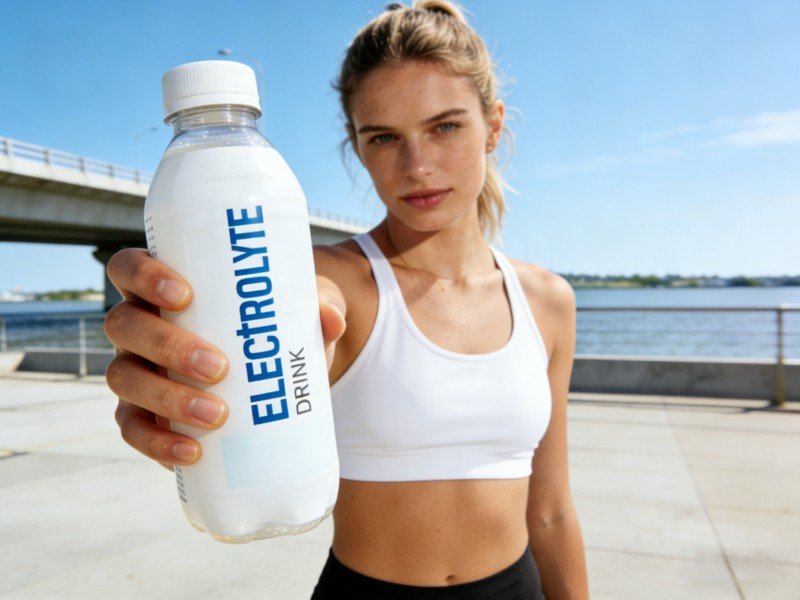
Most active adults can safely consume one electrolyte drink per day, and up to two on high-sweat or intense training days. Daily use makes sense if you train frequently, sweat regularly, or live in hot environments. Problems usually occur only when intake exceeds actual electrolyte loss, especially with high-sodium or high-sugar formulas. Smart hydration depends on balance, formulation, and context—not frequency alone.
How Pantothenic Acid Supports Long-Term Recovery: Science Guide
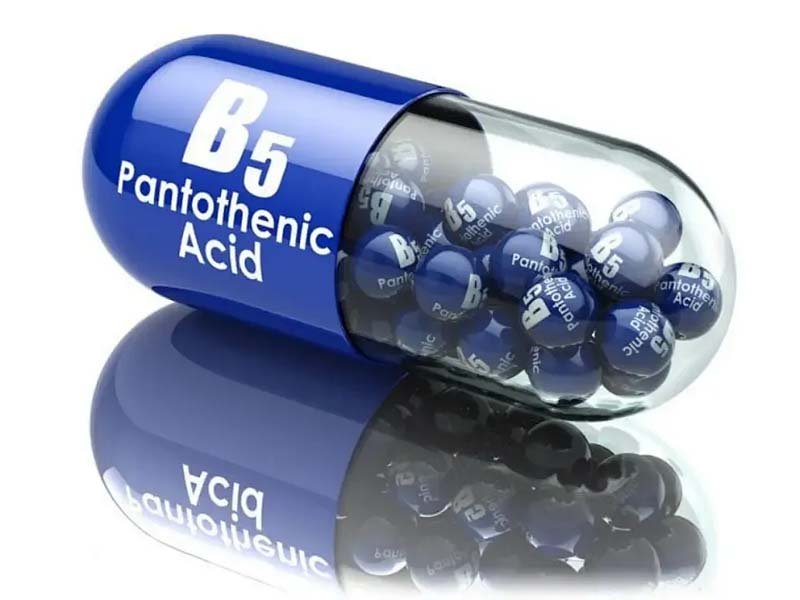
Pantothenic acid supports long-term recovery by helping the body process energy, manage training stress, and maintain metabolic stability between sessions. Rather than boosting performance, it helps prevent gradual fatigue buildup by supporting the systems that convert nutrition and hydration into usable, repeatable energy—especially during frequent training, high stress, or extended recovery demand.
What Does Niacin Do in Electrolyte Collagen Recovery Drinks: Deep Guide
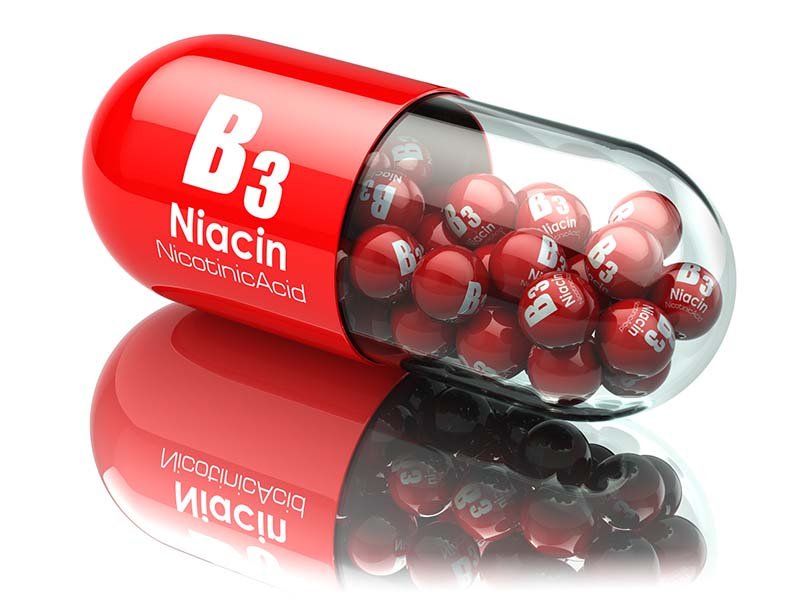
Niacin plays a different role than most recovery ingredients. It doesn’t hydrate directly, and it doesn’t rebuild tissue. Instead, it helps regulate how efficiently the body processes energy, circulates nutrients, and transitions from stress back to balance. When that process is inefficient, recovery feels delayed rather than broken.
List of Supplements to Take Daily: What Really Matters

A smart daily supplement routine focuses on essentials your body consistently uses: hydration support (electrolytes), protein for tissue repair, creatine for energy metabolism, and select vitamins or minerals based on diet gaps. Not everyone needs the same supplements daily. The best approach is minimal, evidence-based, and tailored to activity level, sweat loss, and recovery needs—rather than following generic “one-size-fits-all” lists.
Electrolyte Powder Benefits: Recovery, Hydration & Fatigue Relief

Electrolytes don’t just help you feel hydrated. They help your body maintain performance during activity, recover more efficiently afterward, and adapt to repeated physical stress over time — so each session builds on the last instead of breaking you down.