20 Best Sports Supplements Brands: A Complete Guide
The brands worth trusting tend to win in boring places: accurate dosing, clean ingredient profiles, credible manufacturing standards (like GMP), and transparent batch testing (COAs). This guide gives you a repeatable way to evaluate sports supplement brands across the three foundations that matter most—electrolytes, protein, and creatine—so you can build a routine that holds up through heat, travel, and heavy training blocks.
Top Supplement Manufacturers in USA: Who to Trust & Why

The U.S. supplement industry sits at a unique intersection of innovation and regulation. While the FDA does not pre-approve dietary supplements, American manufacturers operate under some of the world’s most structured quality frameworks, including cGMP, HACCP, and ISO-based systems. The difference between an average manufacturer and a top-tier one is not marketing scale—it’s process control, scientific validation, and repeatable execution.
Electrolyte Powder Brands: A Complete Guide

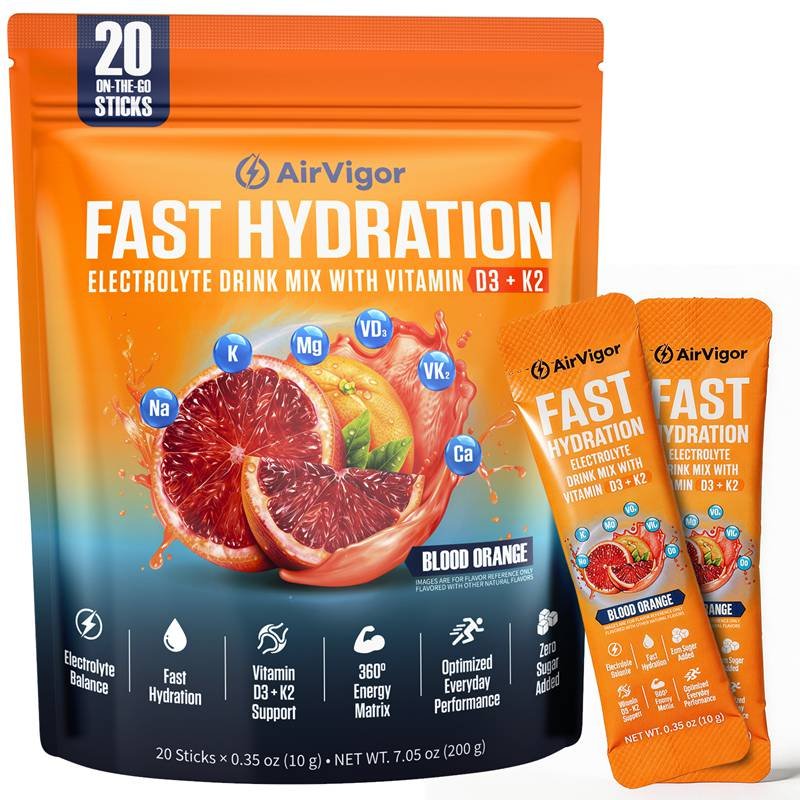
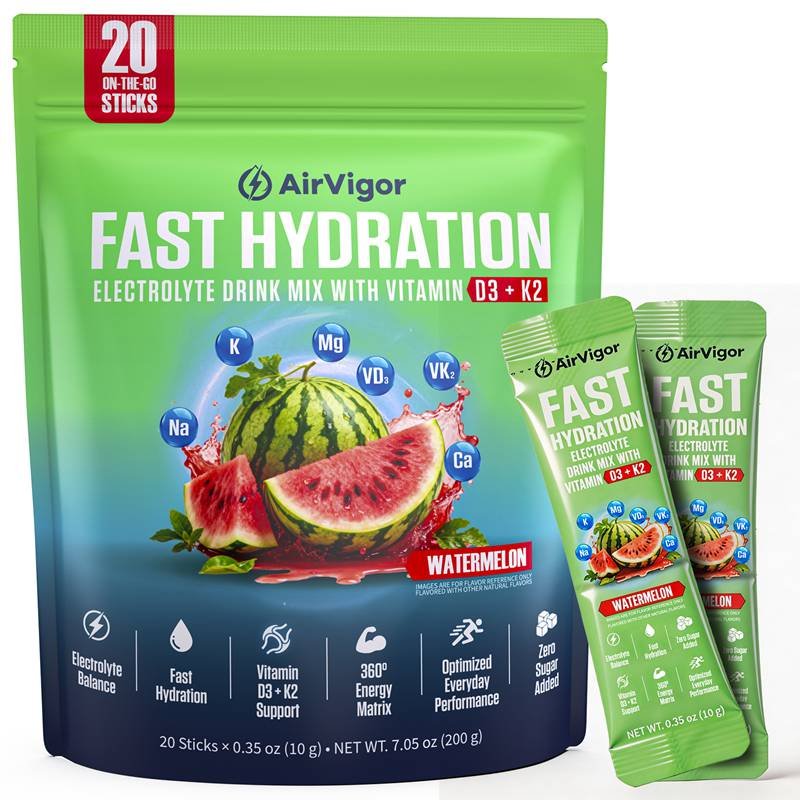
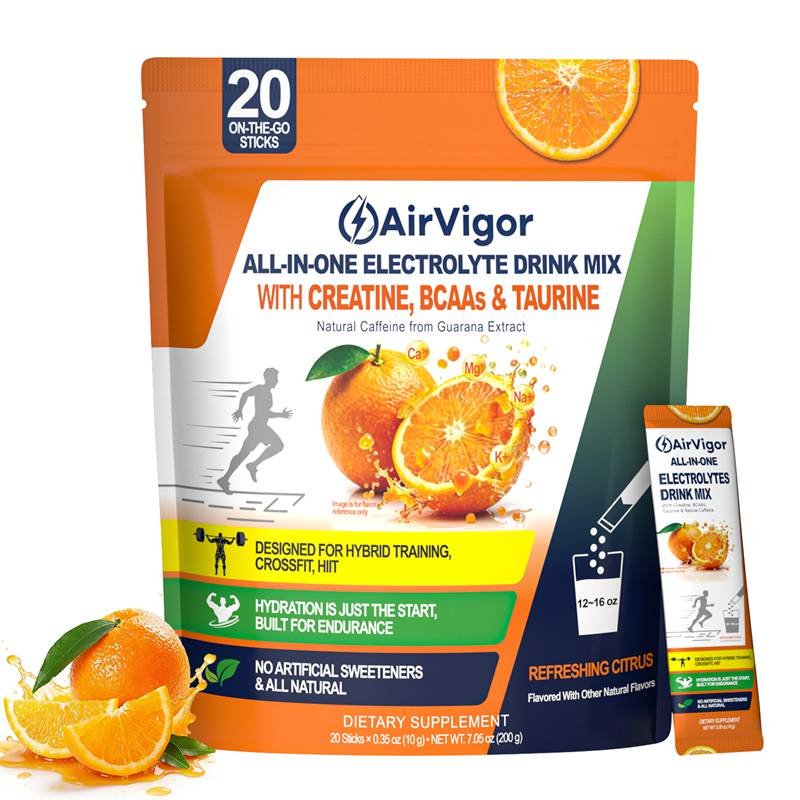
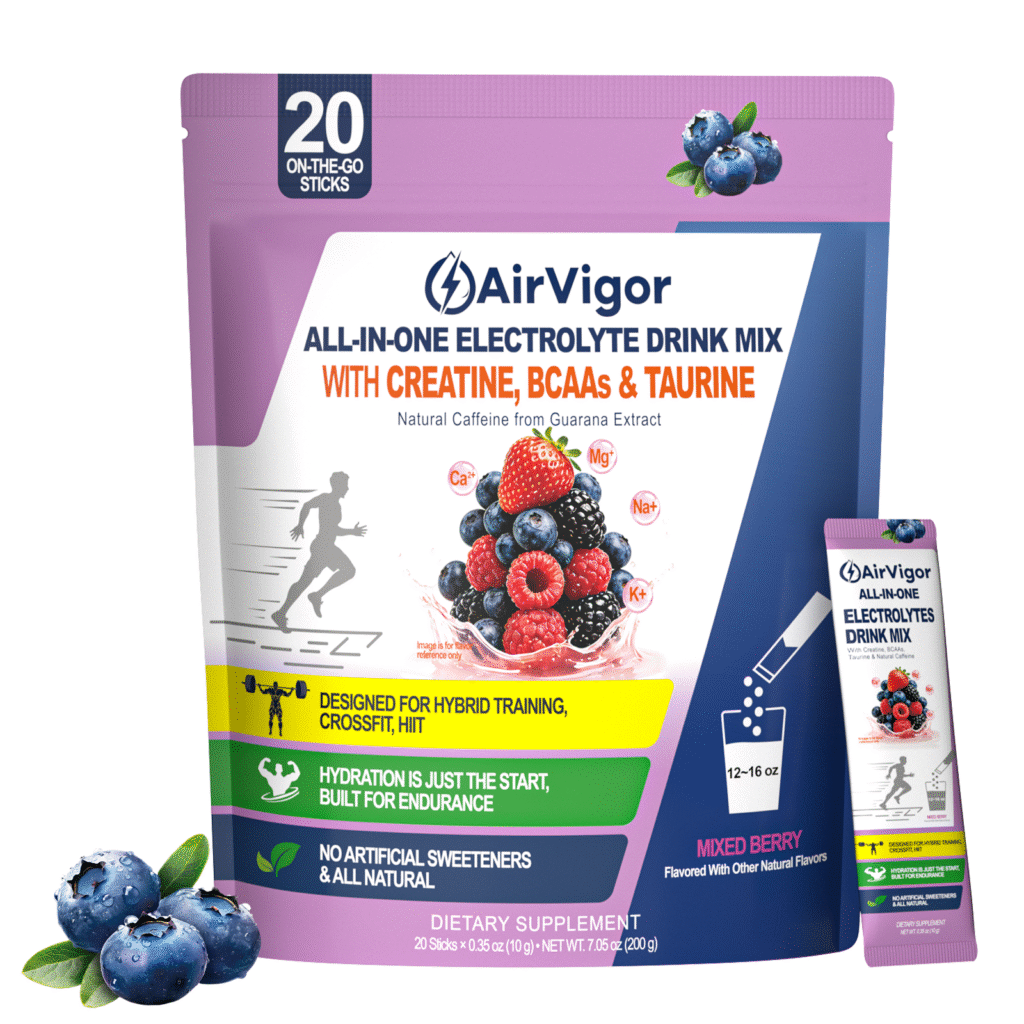
Electrolyte powders sit at the intersection of hydration, performance, and daily health. They are used by athletes, office workers, travelers, and people simply trying to feel less drained by heat, stress, or long days. But popularity has outpaced understanding. Many brands market aggressively without explaining how electrolytes actually work, how formulations differ, or who should use them—and when.
How Many Electrolyte Drinks Per Day Is Safe and Effective?
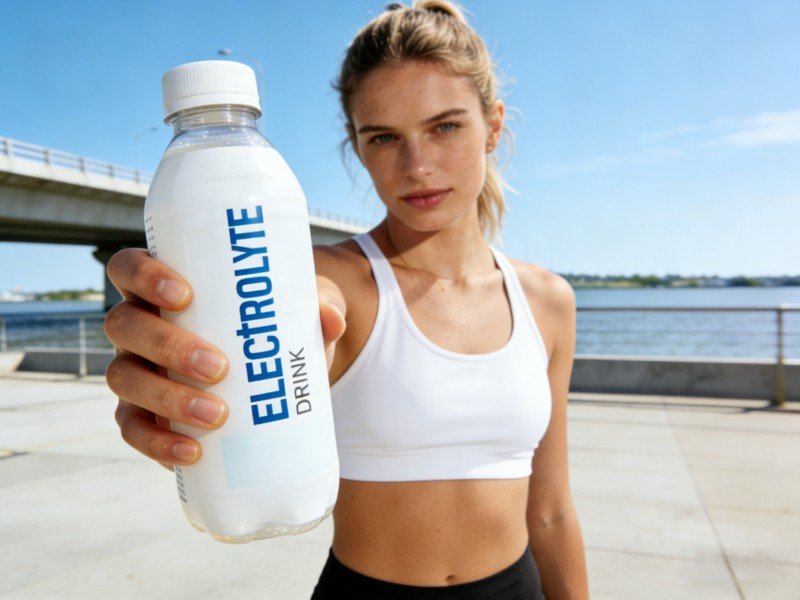
Most active adults can safely consume one electrolyte drink per day, and up to two on high-sweat or intense training days. Daily use makes sense if you train frequently, sweat regularly, or live in hot environments. Problems usually occur only when intake exceeds actual electrolyte loss, especially with high-sodium or high-sugar formulas. Smart hydration depends on balance, formulation, and context—not frequency alone.
How Pantothenic Acid Supports Long-Term Recovery: Science Guide
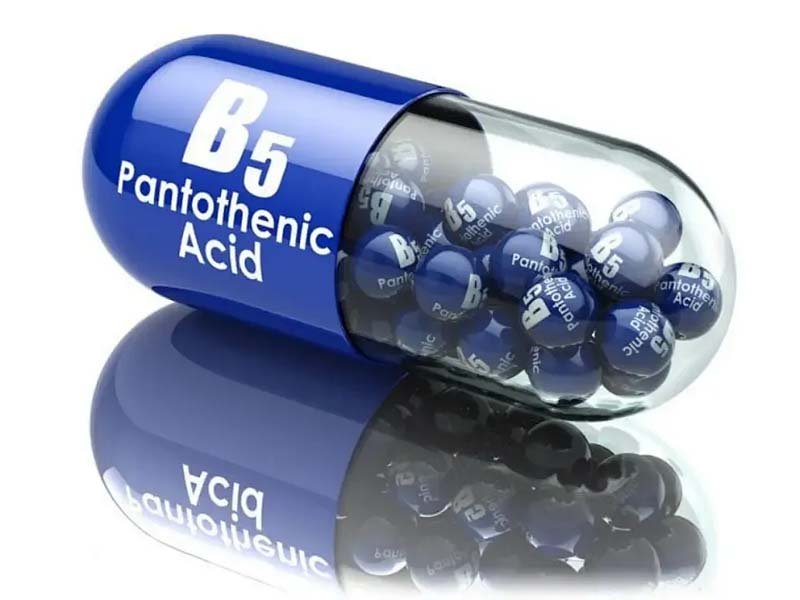
Pantothenic acid supports long-term recovery by helping the body process energy, manage training stress, and maintain metabolic stability between sessions. Rather than boosting performance, it helps prevent gradual fatigue buildup by supporting the systems that convert nutrition and hydration into usable, repeatable energy—especially during frequent training, high stress, or extended recovery demand.
Why Do Some Recovery Drinks Add Glutathione: A Complete Guide
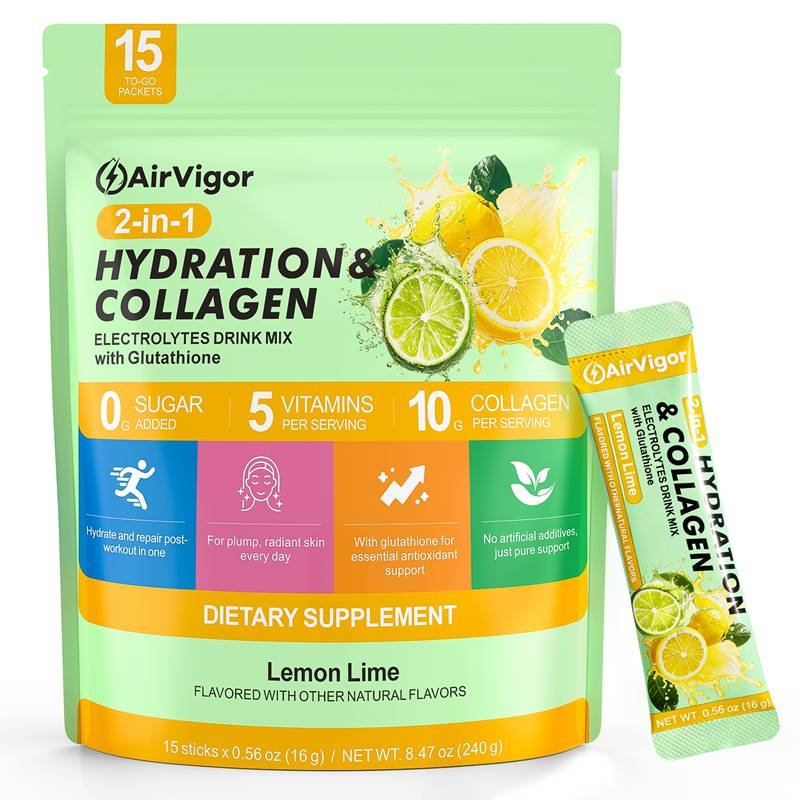
Glutathione is added to some recovery drinks to help the body manage internal stress that remains after hydration and energy recovery. It supports balance at the cellular level, where fatigue, oxidative load, and training stress accumulate. Rather than boosting energy, glutathione helps recovery feel more complete, especially for frequent training and high-demand lifestyles.
Why Collagen Peptides Are Used in Electrolyte Recovery Drinks: A Science Guide
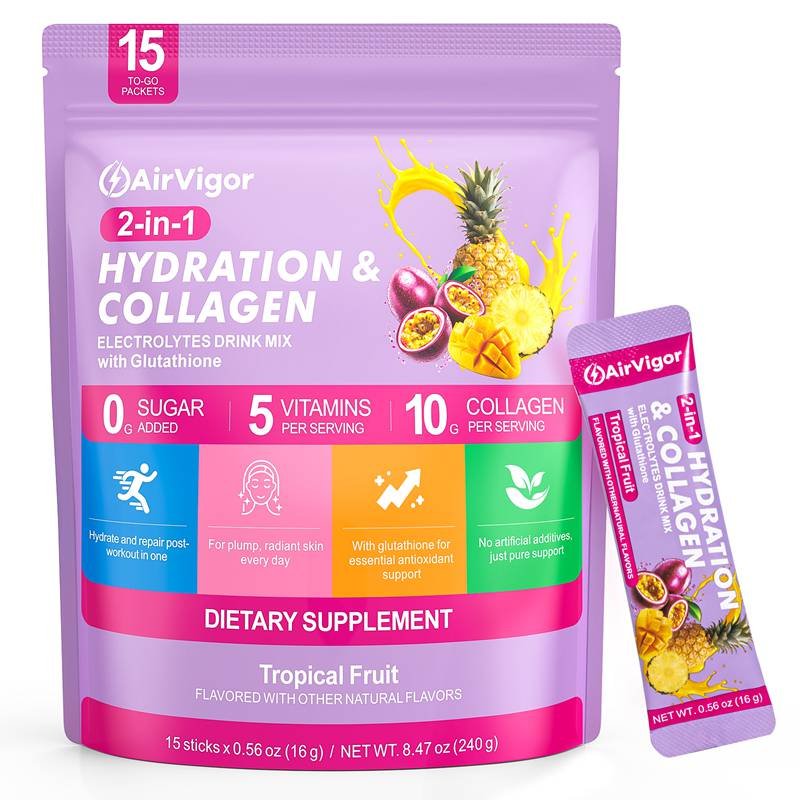
Collagen peptides are added to electrolyte recovery drinks to support connective tissue, joint structures, and overall recovery quality after training. Unlike standard protein, collagen peptides focus on tissue repair and structural support.
Why Citric Acid Matters in Electrolyte Collagen Drinks: A Practical Guide

Citric acid is used in electrolyte and collagen recovery drinks because it improves mineral solubility, supports hydration efficiency, stabilizes flavor, and makes collagen-based formulas easier to drink. Beyond taste, citric acid helps electrolytes dissolve evenly, enhances the overall drinking experience, and supports consistent post-workout hydration—especially during training, heat exposure, or heavy sweating.
List of Supplements to Take Daily: What Really Matters

A smart daily supplement routine focuses on essentials your body consistently uses: hydration support (electrolytes), protein for tissue repair, creatine for energy metabolism, and select vitamins or minerals based on diet gaps. Not everyone needs the same supplements daily. The best approach is minimal, evidence-based, and tailored to activity level, sweat loss, and recovery needs—rather than following generic “one-size-fits-all” lists.
What Are Essential Daily Vitamins for Women: A Science Guide

Most women benefit daily from vitamin D, B-complex (especially B6 and B12), folate, vitamin C, and vitamin E. These vitamins support hormone balance, energy metabolism, bone health, immune function, and skin integrity. Needs vary based on age, activity level, pregnancy, and stress. A targeted supplement routine—rather than random pills—helps fill real nutritional gaps safely and effectively.
How to Use Protein Powder Effectively: A Complete Guide
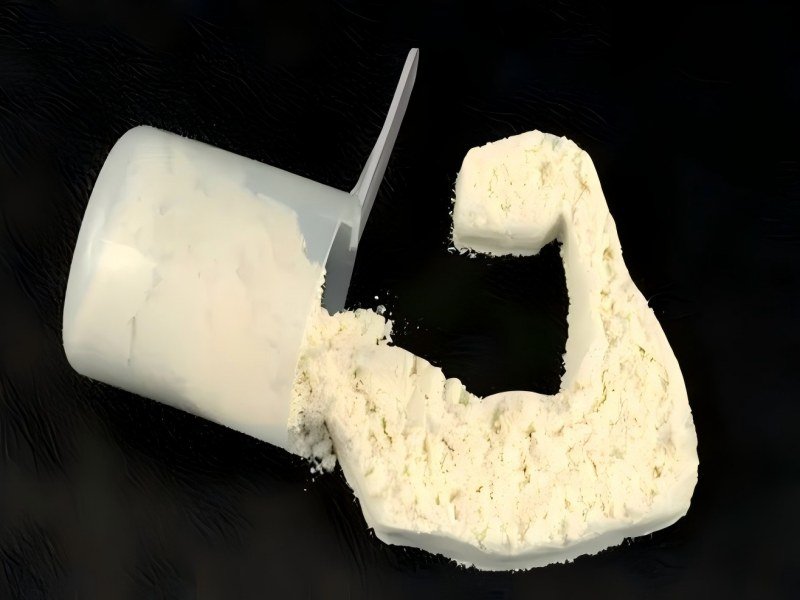
Protein powder is an essential supplement for those looking to improve muscle recovery, increase strength, and support overall health. By choosing the right type of protein, understanding how to properly incorporate it into your diet, and being mindful of timing, you can optimize its effects. This guide walks you through the best practices for using protein powder and answers common questions about its benefits.
How to Take a Dietary Supplement Properly: A Practical Guide

Dietary supplements are not magic pills. They don’t override poor timing, incorrect dosing, dehydration, or inconsistent routines. In fact, the same electrolyte powder or creatine formula can feel life-changing for one person and useless for another—simply because of differences in usage habits.