What Does Niacin Do in Electrolyte Collagen Recovery Drinks: Deep Guide
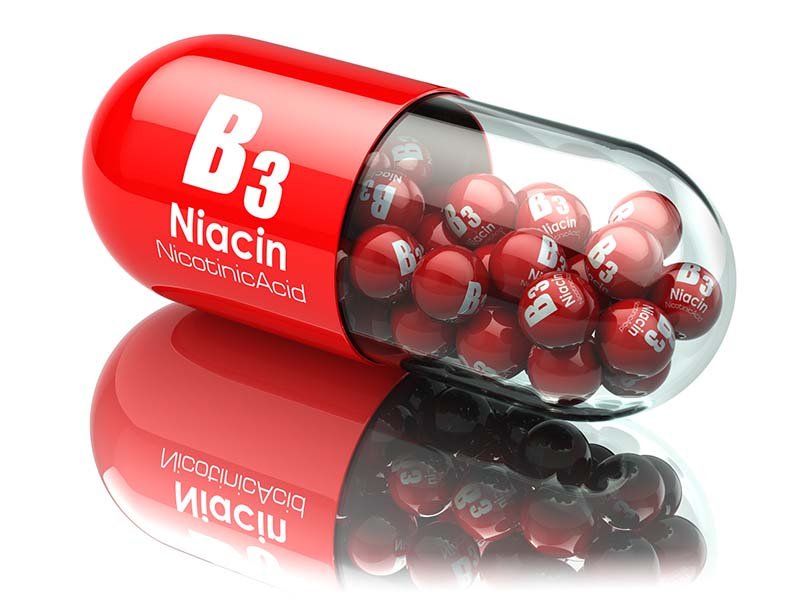
Niacin plays a different role than most recovery ingredients. It doesn’t hydrate directly, and it doesn’t rebuild tissue. Instead, it helps regulate how efficiently the body processes energy, circulates nutrients, and transitions from stress back to balance. When that process is inefficient, recovery feels delayed rather than broken.
Why Do Some Recovery Drinks Add Glutathione: A Complete Guide
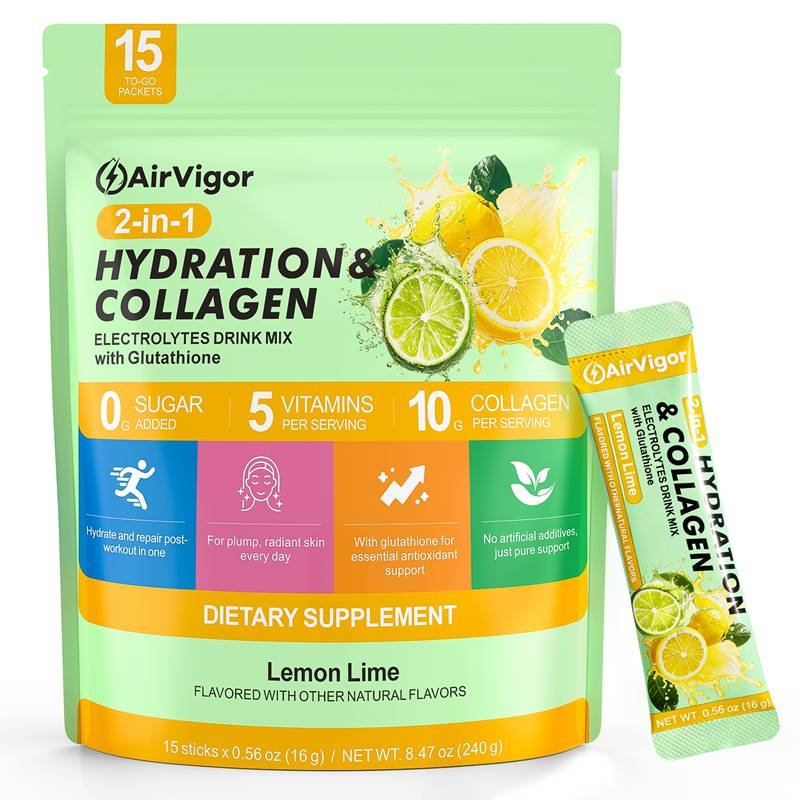
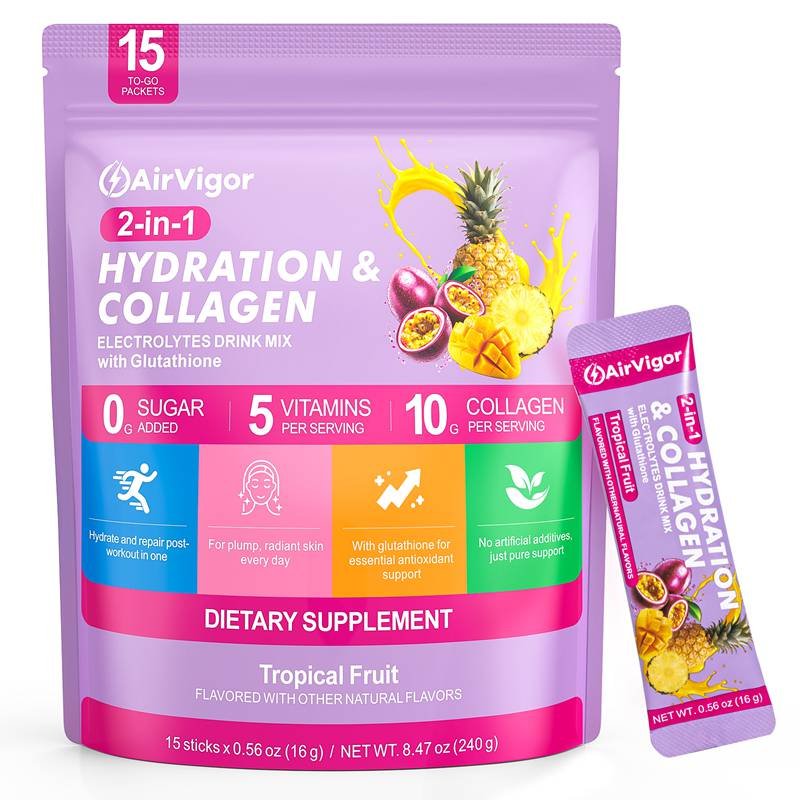
Glutathione is added to some recovery drinks to help the body manage internal stress that remains after hydration and energy recovery. It supports balance at the cellular level, where fatigue, oxidative load, and training stress accumulate. Rather than boosting energy, glutathione helps recovery feel more complete, especially for frequent training and high-demand lifestyles.
Why Collagen Peptides Are Used in Electrolyte Recovery Drinks: A Science Guide
Collagen peptides are added to electrolyte recovery drinks to support connective tissue, joint structures, and overall recovery quality after training. Unlike standard protein, collagen peptides focus on tissue repair and structural support.
List of Supplements to Take Daily: What Really Matters
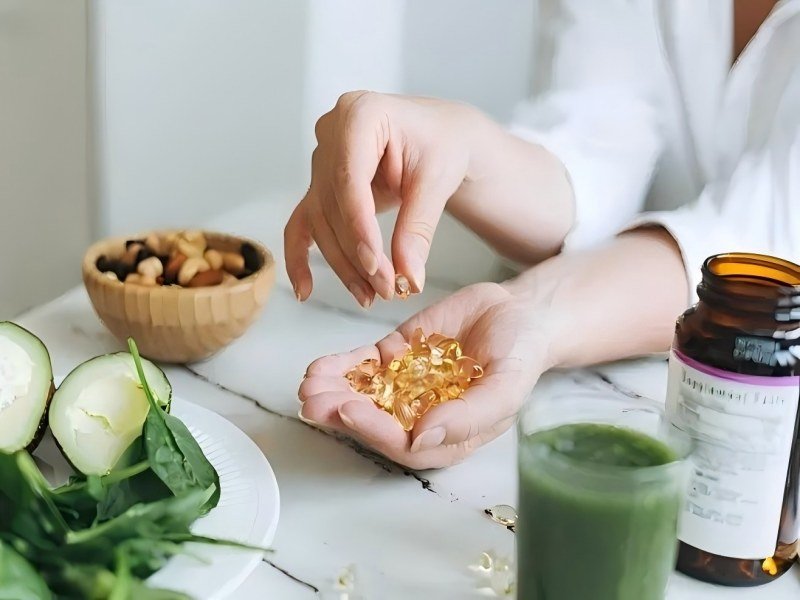
A smart daily supplement routine focuses on essentials your body consistently uses: hydration support (electrolytes), protein for tissue repair, creatine for energy metabolism, and select vitamins or minerals based on diet gaps. Not everyone needs the same supplements daily. The best approach is minimal, evidence-based, and tailored to activity level, sweat loss, and recovery needs—rather than following generic “one-size-fits-all” lists.
What Are Essential Daily Vitamins for Women: A Science Guide
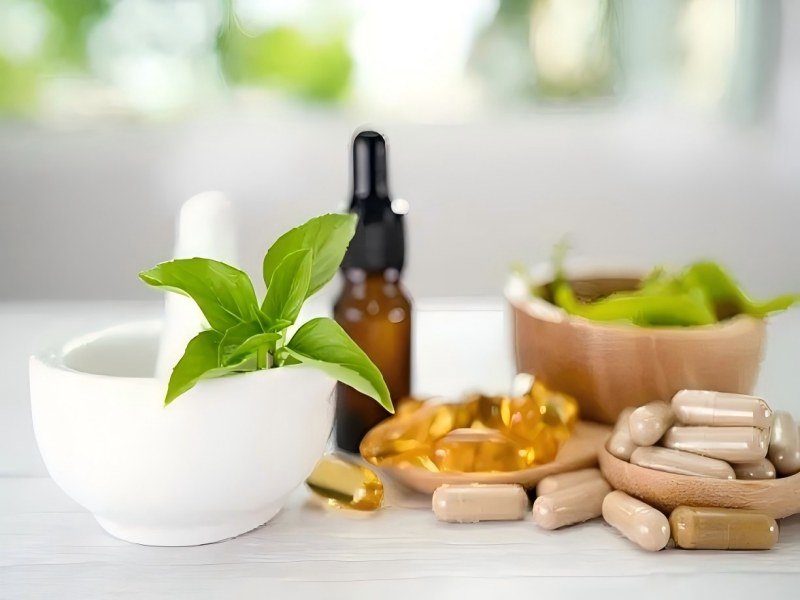
Most women benefit daily from vitamin D, B-complex (especially B6 and B12), folate, vitamin C, and vitamin E. These vitamins support hormone balance, energy metabolism, bone health, immune function, and skin integrity. Needs vary based on age, activity level, pregnancy, and stress. A targeted supplement routine—rather than random pills—helps fill real nutritional gaps safely and effectively.
How Vitamin C Improves Recovery Efficiency After Training: Explained Guide
Vitamin C isn’t a “performance vitamin,” and it’s not just an immune supplement. In training recovery, its real value shows up after fueling is done, when the body begins repairing tissue, managing internal stress, and resetting itself for the next session. If that internal repair environment isn’t clean and efficient, recovery slows—no matter how well you refuel.
How Does Beetroot Work in Pre-Workout Performance:A Clear Explained Guide

Most pre-workouts try to “flip a switch”: caffeine up, heart rate up, sweat starts early, and you feel ready fast. That can be useful—until it isn’t. Many athletes who train often (endurance, CrossFit, strength blocks) find the same pattern: great first 10 minutes, then a drop, or sleep issues later, or tolerance building week by week.
12 Best Gym Supplements for Women: A Practical Guide

Women train with different physiological realities. Hormonal cycles influence recovery. Sweat rate and electrolyte loss vary more than most people realize. Muscle-building potential is real—but often underestimated or poorly supported. Yet many supplements marketed to women focus more on aesthetics than performance, leaving serious gym-goers under-fueled, under-recovered, and frustrated by stalled progress.
What Are Liquid Supplements: A Science-Based Guide

Liquid supplements are dietary supplements delivered in a ready-to-drink liquid, shot, syrup, or concentrated drop form. They can feel faster and easier to take because they don’t require tablet breakdown, and they’re convenient for hydration and training routines. However, liquid supplements aren’t always “more effective”—results depend on the ingredient, dose, stability, and timing. Choose liquids when they improve consistency, digestion comfort, or on-the-go use.
7 Types of Protein Powder for Muscle Gain: A Complete Guide
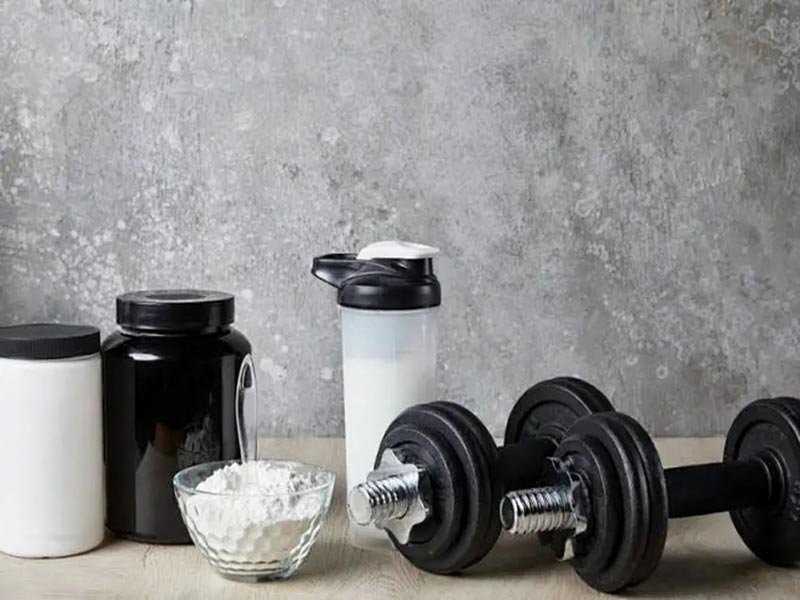
Most people searching for protein powder are not confused because there are too few options — they are overwhelmed because there are too many. Whey, isolate, casein, plant-based blends, slow-digesting proteins, fast-absorbing proteins… every label claims to be “best for muscle.” Here’s the uncomfortable truth: muscle gain doesn’t fail because of lack of protein — […]