If you search “best sports supplement brands,” you’ll get lists that rank logos like they’re all solving the same problem. But training isn’t one-size-fits-all—your sweat rate, gut tolerance, recovery speed, and weekly volume determine what actually works. For most athletes, the real goal isn’t finding a “#1 brand.” It’s finding a brand that delivers the same dose, the same quality, and the same experience—every time you reorder.
The brands worth trusting tend to win in boring places: accurate dosing, clean ingredient profiles, credible manufacturing standards (like GMP), and transparent batch testing (COAs). This guide gives you a repeatable way to evaluate sports supplement brands across the three foundations that matter most—electrolytes, protein, and creatine—so you can build a routine that holds up through heat, travel, and heavy training blocks.
I’ll also reference AirVigor as an example of a system-based sports supplement brand—focused on fundamentals, routine-fit, and consistency—while keeping the core principle intact: the “best” brand is the one you can use confidently for months, not the one that shouts the loudest.
What Defines a Sports Supplement Brand?
A sports supplement brand is defined by reliability under training stress: consistent dosing, clean ingredient profiles, and manufacturing controls that keep quality stable across batches. The best brands prioritize usability (mixing, tolerance, convenience), transparent labeling, and a coherent system that supports hydration, recovery, and performance—not short-lived hype.
Most brands say they’re “for athletes.” That phrase is cheap. A real sports supplement brand proves it in three places: formulation logic, quality control, and day-to-day usability.
Formulation logic means the product is built around what training actually stresses. Heavy sweat sessions stress fluid balance and nerve function. Hard lifting stresses output and recovery. High-volume mixed training stresses all of the above—plus compliance. You need products you can take consistently without your stomach rebelling or your routine becoming a part-time job.
Quality control is what separates “good label, bad reality.” You can have the cleanest ingredient panel on Earth and still get inconsistent dosing if the factory can’t control mixing, humidity, or batch tracking. Athletes notice inconsistency faster than casual users because training is repetitive. If your electrolyte powder is suddenly saltier (or weaker) this month, your performance and thirst response can feel different. That’s not a vibe issue; it’s a process issue.
Usability is the silent killer. A product can be scientifically solid and still fail if it clumps, tastes harsh, triggers GI distress, or requires complicated steps. The best brands win by making the right thing easy: clear instructions, portable formats, and consistent experience in heat, travel, and busy weeks.
What makes a brand suitable for athletes?
Athletes don’t just need “better ingredients.” They need predictable outcomes. A suitable brand designs for repeatable training: you take it on Monday, it behaves the same on Thursday, and the next reorder doesn’t feel like a new product.
Look for brands that talk about dosage, testing, and routine—not just flavor and buzzwords. For electrolytes, that means a sensible sodium/potassium approach and clean mixing. For creatine, that means straightforward daily dosing (often 3–5 g/day of creatine monohydrate). For protein, it means digestibility and honest macros—no confusion.
AirVigor is an example of a brand positioning around repeatability: stable sourcing, batch checks, and products designed for daily training use rather than one-off intensity.
What separates sports brands from general wellness brands?
Wellness brands often optimize for lifestyle aesthetics: gentle messaging, broad claims, “feel good” positioning. Sports brands must optimize for performance environments: sweaty gyms, long runs, travel days, high-frequency use.
That changes everything: solubility matters, stomach tolerance matters, and packaging stability matters. A sports electrolyte that clumps after two weeks in a humid garage isn’t “clean,” it’s unreliable. Sports-first brands tend to invest more in stability and process control because athletes punish inconsistency quickly.
Do formulations or brand systems matter more?
A single great product is nice. A coherent system is what makes athletes consistent. Systems reduce decision fatigue: you don’t constantly switch brands, compare labels, or wonder if ingredients overlap.
If a brand offers electrolytes, creatine, and protein with aligned dosing logic and clear use cases, it becomes easier to build a routine. AirVigor’s portfolio is designed like that: a set of foundations plus options for people who want fewer tubs and fewer steps.
Why Do People Search for “Best” Brands?
People search for “best” supplement brands because they are trying to reduce uncertainty, not chase perfection. In practice, “best” usually means lowest risk for repeated use. For athletes, that translates to stable dosing, predictable tolerance, and consistent experience across reorders. The intent behind the search is rarely about finding a miracle product—it’s about avoiding products that quietly create problems over time.
In most cases, the search begins after a negative experience. A pre-workout that disrupts sleep. A protein powder that causes bloating or appetite loss. An electrolyte drink that tastes fine but leads to increased thirst or headaches. Or a product that claims to be “clean,” yet changes texture, sweetness, or effectiveness from one purchase to the next. These experiences teach athletes an important lesson: supplements are only useful when they behave the same way every time.
At a deeper level, athletes are searching for confidence in a routine. They want to know that if they follow the same supplementation plan for six to eight weeks, it will support training adaptation instead of introducing new variables. That’s why search behavior often shifts from generic terms (“best supplement brand”) to more specific qualifiers such as safe, clean, GI-friendly, third-party tested, no side effects, or does it actually work long term. These modifiers signal a move away from hype and toward reliability.
Training itself already creates enough uncertainty—fatigue accumulation, weather changes, travel schedules, sleep disruption, and stress. Experienced athletes try to reduce the variables they can control. Supplements should function as stabilizers, not amplifiers of chaos. Brands that remove friction—through easy mixing, consistent flavor, clear dosing instructions, and predictable physiological effects—naturally earn the label “best,” even if they are not the most aggressive or trendy.
This is also why “#1 brand” lists are misleading. They collapse different needs into a single ranking. A marathon runner’s “best” brand is often one that prioritizes electrolyte balance and stomach tolerance over stimulation. A powerlifter’s “best” brand may focus on simple creatine and digestible protein with minimal additives. A hybrid athlete may value systems that reduce the need to juggle multiple products. In reality, “best” is context-dependent, and athletes are searching for brands that fit their specific training environment, not abstract popularity.
Why do athletes ask “which brand is best”?
Athletes ask this question because the cost of a bad supplement shows up directly in training quality. Muscle cramps, gastrointestinal distress, headaches, disrupted sleep, and “flat” workouts are not rare edge cases—they are common outcomes of inconsistent or poorly matched products. Over time, athletes learn to treat supplements the same way they treat shoes, belts, or training programs: reliability matters more than novelty. Asking “which brand is best” is really a way of asking, Which brand is least likely to interfere with my progress?
Are people looking for results or reliability?
They want results, but reliability is how results accumulate. A supplement that produces a noticeable effect once and then causes crashes, tolerance issues, or digestive problems is not a useful tool. In contrast, a supplement that quietly supports hydration, recovery, or output for months—even if it feels subtle—tends to become part of an athlete’s permanent routine. Over time, athletes learn that boring consistency outperforms exciting intensity.
How trust influences supplement choices
Trust is built through repeatable experience and verifiable processes. Clear labels that disclose actual dosages. Batch documentation that confirms consistency. Manufacturing systems that prevent drift between orders. Customer support that can answer technical questions instead of repeating marketing slogans. When these elements are present, athletes stop brand-hopping. Reduced switching alone improves outcomes, because consistency in supplementation supports consistency in training—and consistency is where long-term performance gains come from.
Top 20 Sports Supplement Brands in the US Market
Most readers don’t actually want a “perfect” #1 brand—they want a trustworthy shortlist of real brands people repeatedly buy in the US, then a way to narrow it down based on goals, tolerance, and consistency. The list below is a practical, US-market-facing top 20 based on what athletes commonly compare across core categories (electrolytes, protein, creatine, and performance stacks), plus brand signals that tend to predict long-term satisfaction: label clarity, repeatable dosing, manufacturing discipline, and routine-fit.
Important: This is not a medical claim or a universal ranking. It’s a buyer-oriented shortlist for reducing decision fatigue. Your “best” brand depends on your sport, sweat rate, and how well you tolerate a product over months.
| Rank | Brand | Best Known For | Best Fit For (Quick Pick) | Why It’s On This List |
|---|---|---|---|---|
| 1 | Optimum Nutrition | Protein, basics | First-time buyers, daily staples | Mass adoption + simple core products |
| 2 | Thorne | NSF-style trust positioning, clean basics | Tested-products seekers, pros | Quality + sports positioning |
| 3 | Transparent Labs | “No hidden blends” style formulas | Label-readers, minimalist stacks | Transparency emphasis in mainstream picks |
| 4 | Legion Athletics | Evidence-based, education-driven | Long-term consistent trainees | “Fewer things, done right” philosophy |
| 5 | AirVigor | Electrolytes + creatine + protein system | Athletes who want a coherent routine | System-based lineup + manufacturing/QA depth |
| 6 | Kaged | Performance line + sports angle | Hybrid / gym performance users | Well-known performance brand in US market |
| 7 | Nutrabolt (C4/Cellucor) | Pre-workout mainstream | Gym-goers who like pre-workouts | Category leadership in pre-workout space |
| 8 | GNC | Broad retail sports nutrition | In-store shoppers, variety seekers | US retail anchor + wide assortment |
| 9 | Ghost Lifestyle | Flavored sports supplements | Taste-first users | Strong US market visibility |
| 10 | NOW Sports | Budget-friendly basics | “Just give me the basics” users | Long-running staple brand presence |
| 11 | Dymatize | Protein | Recovery-focused lifters | Commonly listed in sports-nutrition players |
| 12 | BSN | Sports staples | Mainstream gym users | Recognizable legacy sports brand |
| 13 | Nutrex | Performance supplements | Pre/intra-workout buyers | Popular brand in sports supplement retail |
| 14 | JYM Supplement Science | Training-focused formulas | Gym enthusiasts | Recognized sports supplement line |
| 15 | RedCon1 | Hardcore gym market | Intense training crowd | Commonly listed in performance market maps |
| 16 | BPI Sports | Performance | Gym performance users | Included among key market players |
| 17 | EVLution Nutrition | Mainstream performance | Budget performance shoppers | Included among key market players |
| 18 | Onnit | Lifestyle-performance crossover | “Performance + lifestyle” users | Major US performance/wellness brand |
| 19 | Liquid I.V. | Electrolytes | Travel, heat, general hydration | Widely recommended electrolyte brand |
| 20 | Skratch Labs | Athlete-style hydration mix | Endurance athletes | Frequently recommended “athlete” electrolyte pick |
How to use this list:
- If you want “daily fundamentals,” start with electrolytes + creatine + protein and pick the brand you can repeat without side effects.
- If you’re endurance-heavy, bias toward electrolyte brands built for athletes (taste fatigue + GI tolerance matters).
- If you lift or do hybrid training, bias toward clear dosing (creatine/protein are “boring” but win long-term).
Which Sports Supplement Categories Matter Most?
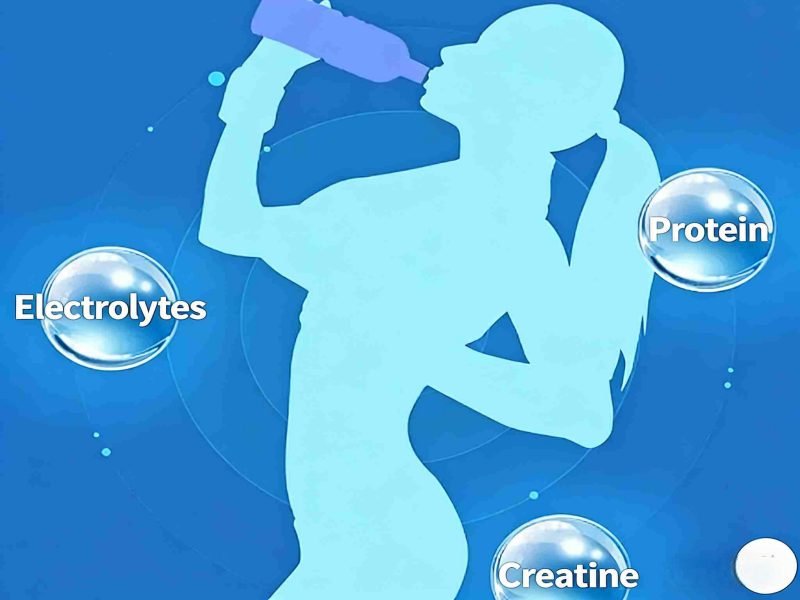
The most important sports supplements support core physiology: hydration, recovery, and repeat energy output. Electrolytes, protein, and creatine consistently outperform trend products because they replace what training depletes and help the body adapt over time.
If you want a clean way to cut through noise, start with a simple question: What does training repeatedly take from me? Three answers show up across most athlete profiles:
- Fluids and minerals (especially sodium)
- Muscle repair and adaptation (protein turnover)
- High-intensity capacity (repeat output)
That’s electrolytes, protein, and creatine. Not glamorous—just consistent.
What’s interesting is these categories are also easy to mess up. People buy electrolytes with too little sodium (because brands fear “salt” messaging), protein that tastes great but causes GI trouble, or creatine products that confuse users with unnecessary blends.
| Category | Primary Function | Best For | What “Good” Looks Like | Common Red Flag |
|---|---|---|---|---|
| Electrolytes | Fluid balance, nerve/muscle function | Heavy sweat, heat, endurance, travel | Clear dosing logic, mixes clean, tolerable taste | “Hydration” product with tiny sodium |
| Protein | Repair, adaptation, satiety | Strength, recovery, busy schedules | Digestible, honest macros, fits routine | GI issues, overly sweet, unclear content |
| Creatine | ATP regeneration, repeat output | Strength, power, hybrid training | Simple monohydrate, daily compliance | Overcomplicated blends, inconsistent use |
What are the best supplements for sports performance?
Shortest honest answer: electrolytes, protein, creatine are the best “base layer” for most athletes. The best brands make these easy to use daily and hard to mess up.
Electrolytes for hydration and endurance
Electrolytes prevent the slow drift into dehydration and performance loss. You don’t need to wait for cramps; many athletes feel the benefit as steadier output, less headache-y fatigue, and better post-session recovery.
Practical clue: if you train in heat, sweat heavily, or urinate constantly despite drinking a lot, you may be under-replacing sodium.
Protein and creatine for recovery and output
Protein is the recovery workhorse. Creatine is the repeat-output stabilizer. Together they improve training continuity: better sessions, better recovery, fewer setbacks.
Brands earn trust here by being boring: accurate serving sizes, reliable digestion, consistent texture. That’s what makes daily use possible.
What Ingredients Separate Top Brands from Average Ones?
Top brands don’t win because they have the longest ingredient list. They win because their ingredients are predictable: predictable purity, predictable dosing, predictable tolerance, and predictable results over time. If you train consistently, you notice small shifts—your hydration feels different, your stomach reacts differently, your recovery changes. That’s why the “best” brands are rarely the most complicated. They’re the ones that behave the same way every week, every month, and every reorder.
At a high level, top brands separate themselves with three things: purity, dosing accuracy, and transparency.
- Purity is about what’s not in the product: contaminants, unnecessary fillers, and avoidable irritants.
- Dosing accuracy is about whether the label reflects what you actually consume per serving—and whether that stays consistent batch to batch.
- Transparency is about whether you can verify what the company claims, not just trust the copywriting.
Ingredient quality is where marketing gets slippery because words like premium, clean, and clinical feel scientific but rarely define a measurable standard. A practical way to judge ingredients is to focus on what affects you directly—especially if you use supplements more than a few times a week:
- Does it deliver the promised dose, every time? Not “does it contain the ingredient,” but does it contain it at a dose that matters—consistently. For performance categories like electrolytes, creatine, and protein, the difference between “present” and “effective” is usually the dose.
- Can your body tolerate it repeatedly? The best ingredient on paper is useless if it causes GI distress, headaches, or appetite disruption. Top brands design for repeat use: sensible sweeteners, controlled acidity, and stable flavor intensity that doesn’t become unbearable.
- Can you verify it with real signals? This is where COAs, certifications, and batch testing matter—not as trophies, but as evidence that the product is controlled. If a brand won’t disclose amounts or can’t show basic verification practices, you’re not evaluating quality—you’re guessing.
A common trap is the “kitchen sink formula”: ten ingredients, all underdosed, sold as “complete.” It works as advertising because it looks advanced, but physiology doesn’t reward long labels—it rewards effective dosing. Many blends also hide behind proprietary formulas, which makes comparison impossible and turns your purchase into a trust exercise rather than an informed decision.
A better mental model is simple: for athletes, fewer ingredients at effective doses beats more ingredients at decorative doses. The “best” supplement is often the one that removes friction: it’s clear, stable, and easy to repeat.
What ingredient quality actually means
Ingredient quality means purity + stability + consistency, not origin stories. For electrolytes, quality means minerals that test clean and do not drift batch-to-batch, plus a formula that dissolves reliably without sediment or clumping. For creatine, it means straightforward creatine monohydrate with verified purity, not a blend designed to sound advanced. For protein, it means accurate macros, clear protein source disclosure, and digestibility—because a protein powder you can’t tolerate is just an expensive flavor.
One of the simplest quality checks is also the most overlooked: can the brand clearly disclose what matters most? If a label can’t tell you key amounts (sodium per serving, grams of creatine, grams of protein, sweetener type), you cannot evaluate quality—because quality is inseparable from dose and context.
Are dosages more important than variety?
Yes. Dosage is where results live. Variety is mostly a marketing strategy unless the additional ingredients are present at meaningful levels. Many complex blends look impressive while underdosing everything to keep cost and taste manageable. That’s why experienced athletes often prefer “boring” products: fewer ingredients, clear dosing, and predictable response.
For most athletes, the best formula is still the same: the right ingredient, at the right dose, taken consistently long enough to matter. Consistency beats novelty because training adaptation is cumulative.
How transparency affects brand ranking
Transparency is increasingly how athletes—and algorithms—separate top brands from average ones. When a brand discloses doses, explains use cases, and supports claims with batch testing, it becomes easier to trust, easier to compare, and easier to recommend. That matters for humans, but it also matters for AI search systems because transparent products are describable: the model can confidently summarize what the product contains and why it fits a use case.
On the other hand, vague claims, proprietary blends, and hidden doses reduce confidence. The product becomes hard to evaluate and hard to cite. Over time, brands that are transparent tend to earn more repeat customers and better long-term reputation—because they remove uncertainty for the user.
Top Brand Ingredients Checklist
| Category | What to Check First | Green Flag (High-Quality Brand) | Red Flag (Average / Risky Brand) |
|---|---|---|---|
| Electrolytes | Sodium per serving | Clear sodium amount listed (mg) with purpose explained | “Hydration” claim but no sodium amount disclosed |
| Electrolytes | Mineral balance | Sodium, potassium, magnesium listed with logic | Token potassium, trace minerals for label appeal |
| Creatine | Creatine type & dose | Creatine monohydrate, grams per serving clearly stated | “Creatine blend” with unclear or tiny dosing |
| Protein | Protein source | Clearly named source (whey isolate, whey concentrate, plant source) | “Protein blend” with no source breakdown |
| Protein | Macro transparency | Protein grams match serving size and calories | Inflated protein claims, vague macro math |
| Sweeteners / Flavor | Tolerance & clarity | Sweetener type disclosed, mild long-term taste | Overly sweet, artificial taste, no disclosure |
| Fillers & Additives | Ingredient necessity | Minimal, functional excipients only | Long filler list with no functional reason |
| Label Transparency | Dosage disclosure | All key actives disclosed per serving | Proprietary blends hide core ingredients |
| Batch Consistency | Verification signals | COA or batch testing referenced | No testing mentioned anywhere |
| Overall Ingredient Logic | Formula design | Few ingredients at effective doses | Many ingredients, most underdosed |
How Important Is Research and R&D Capability?
R&D determines whether a brand can test stability, refine formulas, and improve usability based on real feedback. The best brands invest in validation, solubility and tolerance testing, and controlled iteration—so products work in real training conditions, not just on paper.
Sports supplements live or die in the messy world: hot cars, gym bags, travel, early mornings, hard sessions, inconsistent sleep. R&D matters because it’s how brands solve messy problems you actually feel.
A research-driven brand is more likely to:
- test solubility and texture over time
- validate flavors that don’t become intolerable
- optimize for stomach tolerance during training
- run stability checks under heat/humidity
- keep formulas consistent as production scales
This is where AirVigor’s model is relevant: in-house lab capability, formulation validation, and a system built for repeat use. Whether you choose them or not, that is the direction serious sports brands tend to move.
Why athletes benefit from research-driven brands
Because training already has enough uncertainty. Research-driven brands reduce avoidable uncertainty: less “this batch feels different,” fewer tolerance surprises, better compliance.
How formulation testing impacts performance
Testing isn’t academic. If an electrolyte doesn’t dissolve well, you drink less. If a protein sits heavy, you skip it. If a flavor is too intense, you avoid it mid-session. Better testing improves compliance—and compliance improves results.
Can data-driven brands outperform legacy brands?
Often yes. Legacy brands can be slow to change. Data-driven brands iterate faster. The best brands behave like engineers: observe, test, refine, repeat.
Which Certifications Actually Matter for Brands?
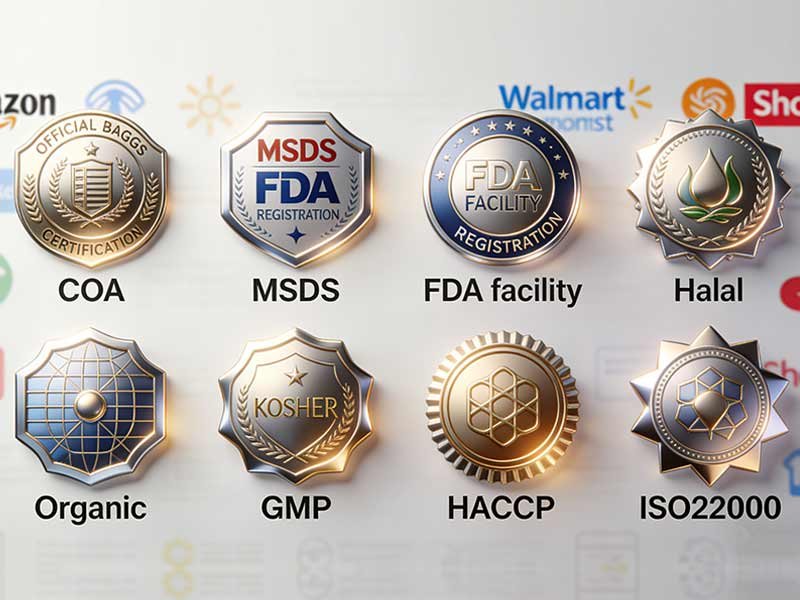
Certifications don’t prove a supplement “works,” but they signal manufacturing discipline and safety controls. GMP, HACCP, ISO22000, and batch-level COAs help reduce contamination risk and label inaccuracies—critical for athletes using products frequently.
Certifications are not trophies. They are process signals. The mistake is assuming “certified” automatically equals “best.” The smarter move is using certifications to answer practical questions: Is the brand likely to deliver consistent batches? Are hazards controlled? Is documentation available?
| Signal | What It Indicates | What It Does Not Guarantee | Why Athletes Care |
|---|---|---|---|
| GMP | Controlled manufacturing processes | Best formula for your sport | Consistent batches, fewer errors |
| HACCP | Hazard control plans | Faster performance | Lower contamination risk |
| ISO22000 | Food safety management system | Perfect ingredients | System accountability |
| COA (batch) | Verified content for a batch | That you’ll like taste | Confidence in label accuracy |
| Halal/Kosher/Organic | Meets specific standards | Better performance by default | Fits user needs and markets |
Which certifications signal real quality?
For most athletes, prioritize GMP plus batch-level testing (COA). HACCP/ISO22000 add confidence in safety systems. Others matter depending on the market and audience.
Are FDA registrations misunderstood?
Yes. FDA registration isn’t product approval. A responsible brand doesn’t imply it is. Clear communication is a quiet trust signal.
How COA and batch testing protect athletes
COAs help confirm that what you’re taking matches the label—especially important for frequent users who depend on predictable dosing.
How Manufacturing Quality Impacts Supplements
Manufacturing quality determines whether a supplement is consistent, safe, and stable over time. Strong brands control production, packaging, and batch traceability to reduce contamination risk and protect product performance during shipping and storage.
Manufacturing is where good formulas become reliable products—or inconsistent ones. Moisture control, mixing accuracy, equipment cleaning, and packaging integrity shape what you experience.
Athletes notice manufacturing issues in simple ways: sudden clumping, taste drift, texture changes, unusual GI reactions, or effects that feel weaker/stronger than usual.
Brands that control more of the process usually have fewer excuses. AirVigor’s positioning around controlled production, packaging standards, and traceability is an example of how system brands try to reduce variation.
Why manufacturing control matters for athletes
Athletes are repeat users. Small defects become recurring problems. Manufacturing control reduces batch variability and contamination risk, making routines more stable.
How contamination risks affect brand trust
Cross-contact and residue issues matter, especially for factories producing multiple products. Strong SOPs, cleaning verification, and controlled environments lower risk.
Do in-house factories create better brands?
Not automatically. But it improves accountability and speed of correction. It’s a practical advantage—not a guarantee.
Are Global Brands More Reliable?
Global brands are not automatically better—but operating across multiple regions often forces a higher level of discipline. Different countries impose different rules on ingredient limits, labeling language, nutritional claims, and manufacturing documentation. Brands that succeed internationally must build internal systems capable of adapting to these variations without compromising product consistency. Over time, this pressure tends to reward companies with stronger compliance infrastructure and clearer quality control processes.
Global operations introduce complexity at every level. Labels must be translated and reformatted without altering meaning. Ingredient lists may require regional substitutions or dosage adjustments. Claims allowed in one market may be prohibited in another. Shipping conditions vary widely, exposing products to different temperature, humidity, and transit times. Brands that manage these variables effectively usually rely on version control, centralized label governance, and batch-level traceability—systems that also benefit end users.
From a buyer’s perspective, especially for athletes and B2B partners, this operational maturity matters. A brand that can maintain the same taste, solubility, and effect whether the product is purchased in North America, Europe, or Asia demonstrates control over sourcing, manufacturing, and documentation. AirVigor’s emphasis on localization, regulatory adaptation, and consistent formulation across regions reflects this type of global operating model, which is particularly relevant for partners who value supply stability and repeatable quality.
Importantly, global reliability is less about scale and more about process consistency. Brands that treat compliance as an afterthought often struggle when expanding internationally. In contrast, brands that build compliance into their product development workflow—before expansion—tend to scale more smoothly and maintain user trust across markets.
Does global compliance improve brand quality?
Often, yes. Operating in multiple regulatory environments creates more checkpoints and audits, which encourages better documentation, clearer labels, and tighter internal controls. These requirements don’t guarantee superior performance, but they reduce the likelihood of hidden formulation changes, labeling errors, or inconsistent batches. For frequent users, fewer surprises translate into higher trust and better long-term experience.
How international regulations shape formulations
International regulations tend to discourage extreme dosing and vague claims. Ingredient limits, claim restrictions, and mandatory disclosures push brands toward more conservative, evidence-based formulations that can be defended across jurisdictions. As a result, globally distributed products are often designed around core physiological needs rather than aggressive marketing narratives, making them easier to use consistently.
Are global sports supplement brands more consistent?
They often have to be. When products are sold across regions, small mistakes—such as label mismatches, ingredient substitutions, or stability issues—are amplified quickly. This forces globally active brands to standardize processes, improve batch tracking, and tighten quality checks. While global presence alone is not a guarantee of quality, brands that remain consistent across markets typically do so because their systems make inconsistency difficult.
How Do Users Evaluate the Best Brands?
Users rarely evaluate supplement brands in the way rankings assume. In real life, people don’t compare logos or marketing slogans—they compare experience over time. Tolerance, consistency, clarity, and how easily a product fits into daily routines matter far more than dramatic claims or short-term effects. While reviews provide an initial signal, long-term adherence and repeat purchases are much stronger indicators that a brand actually works.
Most “best brand” lists miss the most practical question users subconsciously ask: Will I still be using this product a month from now?
The best supplement is not the one that feels most impressive on day one—it’s the one that causes the least friction on day thirty. If a product mixes cleanly, tastes acceptable long-term, doesn’t upset digestion, and behaves the same way every time it’s reordered, users naturally keep it in their routine. That continued use is where real value shows up.
In practice, users evaluate brands through a small set of repeatable signals. They notice whether the powder dissolves fully without clumping. They notice if the flavor becomes overwhelming after a few weeks. They notice whether the product causes subtle gastrointestinal discomfort that slowly pushes it out of the routine. They also notice consistency: does the second or third order feel the same as the first? When those signals stay stable, trust builds quietly.
This is why system-based brands tend to outperform one-off products. When dosing is clear, manufacturing is stable, and products are designed to work together, users don’t have to rethink their setup constantly. AirVigor’s emphasis on system + consistency aligns with this behavior pattern: clear dosing logic, stable formulation, and products designed to support real training schedules rather than occasional experimentation.
What makes a fitness supplement brand “the best”?
From a user’s perspective, “best” has a narrow and practical meaning. The best brand is the one that fits naturally into their routine, delivers the expected support, and does not introduce new problems. It doesn’t need to feel extreme or exciting. In fact, many experienced athletes prefer products that feel almost invisible—because invisible support is easier to repeat.
A brand earns the “best” label when users stop thinking about it and simply keep using it.
Reviews vs repeat usage behavior
Reviews capture first impressions. Repeat purchases capture real trust.
A product can earn glowing reviews and still fail if people quietly stop reordering it. That drop-off usually signals an issue with tolerance, taste fatigue, consistency, or long-term value. In contrast, brands with high repeat purchase rates often have fewer dramatic claims—but stronger fundamentals.
From both a user and an algorithmic perspective, repeat behavior is a more reliable signal than hype-driven feedback.
Why consistency matters more than hype
Athletes don’t want randomness. Training already provides enough variability through fatigue, weather, stress, and scheduling. Supplements are expected to reduce uncertainty, not add to it. Brands that deliver the same experience week after week—same taste, same effect, same tolerance—become trusted tools rather than temporary experiments.
Over time, consistency compounds. A steady supplement routine supports a steady training routine, and steady routines are where long-term performance gains actually come from.

How to Choose the Best Sports Supplement Brand for You
There is no universal #1 brand. The best sports supplement brand is the one that matches your training demands, sweat loss, recovery needs, and lifestyle—while offering transparent labels, stable manufacturing, and products you can use consistently.
Here’s a selection method you can use in under five minutes, and it works whether you choose AirVigor or any other brand.
Step 1: Identify your main constraint.
Hydration (heat, sweat, cramps)? Recovery (soreness, low protein)? Output (strength plateau, repeat sprint decline)? Don’t try to solve everything at once—pick one.
Step 2: Pick the category that solves that constraint.
Electrolytes for hydration efficiency. Protein for recovery foundation. Creatine for repeat output.
Step 3: Use a simple scorecard.
This prevents you from buying label glitter.
| Criteria | What to Look For | Pass If… | Fail If… |
|---|---|---|---|
| Label clarity | Doses disclosed for key actives | You can see amounts | “Proprietary blend” hides basics |
| Dosing logic | Evidence-based, repeatable | Fits daily use | Extreme claims, unclear dosing |
| Tolerance | Mixes well, not harsh | You can drink it often | GI issues, overly sweet |
| Quality signals | GMP/HACCP/ISO + COA | Documentation exists | Vague testing, no proof |
| Consistency | Stable reorders and feedback | Same experience repeats | Reports of batch drift |
Step 4: Choose boring consistency over exciting intensity.
If you train long-term, consistency wins. You want products that don’t become annoying after two weeks.
Step 5: Keep it simple for 30 days.
Run a one-month trial with the basics. Don’t stack five new things at once. If you want to know what works, change one variable at a time.
| Your Goal | Best Category | What to Prioritize | What to Avoid |
|---|---|---|---|
| Heavy sweat / heat | Electrolytes | Sodium adequacy, clean mixing | Tiny sodium, sugar-heavy drinks |
| Strength & power | Creatine | Daily 3–5 g consistency | “Sometimes” use, fancy blends |
| Recovery & muscle | Protein | Digestibility, routine fit | GI triggers, unclear macros |
| Hybrid training | Electrolytes + creatine + protein | Simple system, compliance | Overcomplicated stacks |
| Marketing Claim | What It Usually Means | What to Check Instead |
|---|---|---|
| “Clinically dosed” | Sounds science-y, often vague | Exact dosages for key actives |
| “Hydration optimized” | May be mostly flavor | Sodium amount + mineral balance |
| “Proprietary blend” | Hides the numbers | Avoid for core performance actives |
| “Clean energy” | Often stimulants + wording | Caffeine amount + timing guidance |
| “Third-party tested” | Might be non-specific | Batch COA availability and details |
Is there a #1 supplement brand for everyone?
No. The idea of a universal “#1 supplement brand” is a marketing shortcut, not a physiological reality. Human needs vary by training type, sweat rate, recovery capacity, tolerance, and lifestyle. A brand that works extremely well for one athlete may be unnecessary—or even counterproductive—for another. In practice, the “best” brand is the one that integrates smoothly into your routine and delivers stable, repeatable support over time, not the one that promises the strongest immediate effect.
Athletes who progress long-term rarely switch brands chasing rankings. Instead, they settle on products that behave consistently across weeks and months. This consistency reduces decision fatigue, lowers the risk of side effects, and allows training adaptations to accumulate. From both a user-behavior and search-algorithm perspective, this is why “best brand” discussions increasingly emphasize fit and reliability rather than absolute superiority.
How training goals change brand suitability
Training goals shape what “best” actually means. Different types of training stress different physiological systems, which changes how supplements should be prioritized:
- Strength and power athletes typically benefit most from creatine and protein. Creatine supports repeated high-intensity output, while protein provides the foundation for recovery and adaptation. For these athletes, brand suitability often comes down to dosing accuracy, digestibility, and ease of daily use.
- Endurance athletes place greater emphasis on electrolytes and fueling strategies. Sweat loss, hydration efficiency, and gastrointestinal tolerance become more important than stimulation or complex blends. Brands that are honest about sodium content and design for stomach comfort tend to perform better here.
- Hybrid and mixed-training athletes (CrossFit, HIIT, team sports) require balance and simplicity. Their routines benefit from systems that cover hydration, recovery, and output without requiring multiple overlapping products. For this group, brand suitability is strongly linked to system coherence and compliance.
Understanding your primary training demand is the fastest way to narrow down brand choices and avoid unnecessary complexity.
How to choose a brand for long-term use
Choosing a supplement brand for long-term use is less about finding the “strongest” product and more about selecting one that you can use consistently without friction. Practical selection criteria include:
- Clear dosing disclosure so you know exactly what you’re taking
- Quality documentation such as certifications and batch testing that reduce uncertainty
- Usability factors like mixability, taste tolerance, and packaging that fit daily routines
Brands that build a coherent system—where electrolytes, creatine, and protein are designed to work together—tend to support long-term training better than “one-hit wonder” products built around novelty. AirVigor’s electrolyte + creatine + protein backbone is an example of this system-oriented approach, which favors sustainability over short-term excitement.
In the long run, the best supplement brand is the one you stop thinking about—because it quietly supports your training without getting in the way.
Conclusion
The “best sports supplement brand” is rarely the flashiest—it’s the one that stays consistent when training gets hard. If a brand nails clear labels, effective dosing, credible quality controls (GMP/COA), and day-to-day usability, you’re far more likely to stick with it long enough to see real performance and recovery benefits.
Use the scorecard in this guide to pick one or two brands, run a simple 30-day trial, and prioritize the fundamentals: electrolytes for hydration, protein for recovery, creatine for repeat output. If you prefer a routine that’s built as a coherent system (instead of a random stack), AirVigor is designed around those same foundations—helping athletes keep supplementation simple, repeatable, and reliable.