Skip to content
The global supplement market is crowded with products promising more energy, faster recovery, sharper focus, and better long-term health, yet many consumers struggle to identify which supplements are truly effective and safe for consistent use. Much of the market relies on trendy ingredients, opaque proprietary blends, or excessive sugars and stimulants that deliver short-term sensations rather than real physiological benefits. As a result, everyday users—from athletes to office workers—are often left navigating confusing claims and making choices that offer little lasting value.
The best nutritional supplements stand out for their evidence-based formulations, transparent dosing, high-quality sourcing, and consistent manufacturing practices. Rather than chasing trends, they support physiological needs such as hydration, muscle recovery, energy metabolism, and long-term health. The products that prioritize absorption, safety, and daily usability consistently outperform stimulant-heavy or underdosed alternatives.
True effectiveness in supplements doesn’t come from a single “miracle ingredient” but rather from a scientific formulation that emphasizes quality control, precise dosing, and a deep understanding of how people use supplements daily. In the following sections, we’ll explore how to evaluate supplements properly and discuss which categories and brands are truly deserving of the title “best in the world.”
What Does “Best Nutritional Supplements” Really Mean?
When the term “best” is used in the supplement industry, it is often overused and misleading. To genuinely earn the title of “best,” a supplement must provide measurable, consistent benefits through well-researched ingredients and effective dosing, backed by robust manufacturing processes. These supplements should support essential physiological functions such as hydration, muscle function, and nutrient absorption, rather than relying on quick-fix stimulants or exaggerated claims.
A supplement is not “best” simply because it feels intense or tastes pleasant—it earns this status because it works reliably and safely over time. At its core, the best supplements meet three non-negotiable criteria:
- Physiological Relevance Ingredients must address real biological needs. For example, electrolytes replenish minerals lost through sweat, creatine supports ATP regeneration, and protein provides essential amino acids. Supplements that lack clear physiological roles have limited value.
- Transparent and Effective Dosing Many supplements fail, not because the ingredients are ineffective, but because the doses are too low. The best supplements clearly disclose ingredient amounts and align them with evidence-based ranges to ensure effectiveness.
- Manufacturing and Quality Systems Even the most scientifically sound formula can fail if it is produced inconsistently. Certifications such as GMP, ISO22000, HACCP, COA, and third-party testing are essential safeguards that protect users from contamination, mislabeling, and batch variability.
How Professionals Assess Supplement Quality
Here is a simplified breakdown of the factors professionals use to evaluate supplements:
| Evaluation Dimension | What Experts Look For | Why It Matters |
|---|---|---|
| Ingredient Selection | Evidence-backed, purpose-driven | Prevents gimmicks and ensures efficacy. |
| Dosage Transparency | Full disclosure, no proprietary blends | Ensures ingredients are dosed effectively. |
| Absorption & Form | Bioavailable forms, solubility | Improves how well the body can use the nutrients. |
| Quality Control | GMP, COA, batch testing | Reduces risk of contamination and guarantees quality. |
| Long-Term Usability | Low sugar, low stimulants | Ensures safety for consistent, daily use. |
This framework clarifies why many popular products fail to provide long-term value, while only a small percentage of supplements truly deserve the title of “best.”
Which Supplement Categories Matter Most Globally?
When evaluating supplements globally, it’s essential to focus on categories that address universal physiological needs—those that are relevant across a wide range of lifestyles, regions, and demographics. Categories like electrolytes, protein, creatine, omega-3s, multivitamins, vitamin D, magnesium, probiotics, collagen, and dietary fiber are consistently recognized because they support hydration, muscle function, metabolism, immunity, and recovery—critical functions that are relevant across age groups, climates, and lifestyles worldwide.
Why “Global Importance” Is Not About Trends
To evaluate the global importance of a supplement category, we need to move beyond short-lived trends or social media popularity. A supplement category earns global relevance only when it meets three key criteria:
- Physiological Universality The supplement addresses a biological function shared by most humans, such as hydration or muscle contraction.
- Cross-Lifestyle Applicability The supplement benefits athletes, active individuals, and non-athletes alike, not just a narrow user group.
- Long-Term Usability The supplement can be taken regularly without causing dependency, overstimulation, or safety concerns.
Electrolytes — Foundational for Hydration and Daily Function
Electrolytes are essential because hydration is a universal need, not just specific to athletes. Sodium, potassium, magnesium, calcium, and chloride regulate fluid balance, nerve signaling, and muscle contraction—functions that are critical for survival and daily performance.
Modern lifestyles often exacerbate electrolyte loss through factors like:
- Climate-controlled indoor environments
- Prolonged sitting and mental stress
- Heat exposure and travel
- Physical activity at any intensity
Research shows that 60% of Americans are chronically dehydrated due to prolonged indoor exposure in air-conditioned environments. Athletes, on the other hand, can lose as much as 3-4% of their body weight in sweat during high-intensity exercise.
Electrolyte supplementation addresses this baseline physiological need and is increasingly relevant not just for athletes, but for office workers, outdoor laborers, travelers, and aging populations who may be at risk of electrolyte imbalance.
Protein Supplements — Supporting Muscle, Metabolism, and Aging
Protein supplementation is becoming more globally relevant as protein intake declines with age and modern lifestyle choices. Protein plays a vital role in muscle growth, metabolic health, immune function, and tissue repair.
Protein supplements are now viewed as essential nutritional insurance, especially for:
- Older adults
- Individuals with irregular meals
- Plant-based or calorie-restricted diets
This shift has contributed to the widespread use of protein supplements, making it a top-tier category worldwide.
Creatine — One of the Most Studied Performance Nutrients
Creatine’s strong scientific backing has made it a staple in both performance and wellness circles. It is highly effective for increasing strength and power output, enhancing short-term energy production (ATP), supporting muscle mass maintenance, and providing cognitive resilience under fatigue.
Research continues to explore creatine’s benefits in areas beyond athletic performance, including aging populations and neurological health contexts.
Omega-3 Fatty Acids — Cardiovascular and Inflammatory Support
Omega-3s (EPA and DHA) support:
- Heart health
- Inflammatory regulation
- Brain and visual function
These fatty acids remain globally important due to dietary intake inconsistencies across regions. Even populations with traditionally high fish intake show variability in omega-3 consumption, reinforcing its importance as a supplement.
Micronutrient Foundations — Vitamins and Minerals That Matter Most
Certain micronutrients consistently appear in global deficiency data due to modern living patterns. These micronutrients include:
| Nutrient | Why It Matters Globally |
|---|---|
| Vitamin D | Limited sun exposure, indoor lifestyles, northern latitudes |
| Magnesium | Stress, muscle function, nerve health, metabolic processes |
| Multivitamins | Inconsistent dietary patterns, especially in modern diets |
| Probiotics | Gut health, immune balance, disrupted microbiome due to diet |
| Fiber | Insufficient intake in many diets, contributing to digestive issues and metabolic concerns |
These vitamins and minerals are not just trends; they are essential for maintaining bodily functions. Insufficient intake of these nutrients is common, making them globally relevant for health and wellness.
Why These Categories Outperform Trend-Driven Supplements
While there are many trendy supplements that gain attention for short periods—such as fat burners, detox products, and exotic botanicals—these categories often fail to maintain relevance. The supplements that endure and continue to be considered foundational for human health are those that:
- Address chronic needs (such as hydration, muscle function, and digestion)
- Are applicable to varied lifestyles (e.g., athletes, non-athletes, office workers)
- Support long-term health, not just short-term fixes
These are the supplements that appear regularly in scientific research, consumer purchasing trends, and global health recommendations, because they are essential for long-term well-being, rather than simply providing a temporary effect.
Global leaders in the nutritional supplement industry focus on hydration, protein intake, mineral balance, and metabolic support. These foundational categories form the core of what are considered the world’s most important supplements.
How Do the World’s Best Supplements Actually Work?
Top-tier supplements work by supporting core physiological systems rather than overriding them. Instead of providing a quick “boost” of energy or focus, they replenish depleted nutrients, improve absorption efficiency, and stabilize biological processes such as hydration, energy production, muscle contraction, and recovery. Their effectiveness is rooted in bioavailability, correct dosing, and consistent use—not in exaggerated claims or temporary effects.
What “Actually Working” Means in Nutrition Science
Many people judge supplements based on how quickly they feel a difference. From a scientific perspective, this judgment can be misleading. The most effective supplements restore the body to optimal functioning rather than forcing it to perform at its maximum capacity immediately.
The effectiveness of a supplement often lies in how well it restores balance to the body, which includes replenishing what the body has lost through daily activities.
1. Replenishing What the Body Actively Loses
One of the primary functions of effective supplements is repletion, not enhancement. Life’s natural processes deplete nutrients, and supplements help to restore them in amounts that the body can effectively use:
- Sweat loss (electrolytes)
- Muscle turnover (protein, creatine)
- Stress and metabolic depletion (magnesium, B vitamins)
- Limited sun exposure (vitamin D)
High-quality supplements restore these nutrients in physiologically relevant amounts, preventing small deficiencies from escalating into noticeable fatigue, muscle weakness, or impaired performance.
For example, electrolyte supplements work not by “boosting energy,” but by restoring mineral levels that allow muscles and nerves to function normally.
2. Supporting Cellular Processes, Not Forcing Stimulation
The world’s best supplements act at the cellular level, supporting natural biochemical pathways rather than bypassing them.
| Supplement Type | Primary Cellular Role |
|---|---|
| Electrolytes | Regulate fluid movement and nerve signals |
| Creatine | Recycles ATP for short-burst energy |
| Protein | Supplies amino acids for tissue repair |
| Magnesium | Cofactor in over 300 enzymatic reactions |
These supplements reduce physiological friction, allowing the body’s natural processes to function smoothly, especially during stress, exercise, or extreme conditions.
3. Improving Absorption and Nutrient Utilization
A supplement is only as effective as how well the body can absorb and utilize it. This is why bioavailability—how easily the body can absorb and use nutrients—plays a key role in supplement effectiveness.
Top-tier supplements focus on:
- Bioavailable mineral forms (e.g., magnesium citrate, calcium citrate)
- Balanced nutrient ratios (e.g., electrolytes, magnesium)
- Supporting cofactors (e.g., vitamin D3 + K2 for calcium absorption)
For example, calcium alone doesn’t guarantee better bone health. Vitamin D enhances calcium absorption, while Vitamin K2 ensures that calcium is directed into bones, not soft tissues. This utilization over dosage principle is vital for high-quality supplements.
4. Stabilizing Systems Over Time, Not Creating Spikes
One major difference between poor-quality and high-quality supplements is that the best supplements aim to stabilize systems over time, rather than creating spikes in energy, focus, or performance.
Stability means:
- Consistent hydration
- Predictable recovery
- Reduced fatigue variability
- Improved tolerance to stress and training load
Many effective supplements are designed for daily use, not just “as needed.” Their benefits accumulate gradually, often becoming more noticeable when you stop taking them.
Why Consistency Matters More Than Immediate Sensation
One of the strongest predictors of supplement effectiveness is adherence. Research consistently shows that:
- Moderate doses taken consistently are more effective than high doses taken sporadically.
- Supplements with minimal side effects are more likely to be used long-term.
- Long-term use leads to stronger benefits than short-term trials.
The best supplements are designed to be tolerable, predictable, and easy to integrate into daily routines. The most trusted supplements in the world work because they are precise, not because they are overly powerful or stimulant-heavy.

Are the Best Supplements Safe for Long-Term Daily Use?
Yes—many of the world’s best supplements are safe for long-term daily use when they support essential physiological functions, follow evidence-based dosing, and avoid pharmacological stimulation. Supplements such as electrolytes, protein, creatine, magnesium, omega-3s, and vitamin D have been extensively studied and are considered safe for consistent use in healthy adults when taken as directed.
What “Long-Term Safety” Really Means in Nutrition
When people ask whether supplements are safe for daily use, they may have three different concerns:
- Will this harm my organs over time?
- Will my body become dependent on it?
- Will the effect diminish or cause imbalance with long-term use?
High-quality supplements address these concerns through design principles rooted in human physiology.
Supplements Designed to Restore, Not Override, Are Safest Long Term
The safest supplements are those that restore nutrients the body already uses and loses, rather than forcing artificial responses. These supplements don’t disrupt the body’s natural regulatory mechanisms. They include:
- Electrolytes (lost through sweat)
- Protein (used for tissue repair)
- Magnesium (depleted by stress and activity)
- Vitamin D (reduced by limited sun exposure)
Because these supplements support existing biological processes, the body doesn’t “shut down” its own production mechanisms. This differs significantly from stimulant-based or hormone-altering compounds.
Evidence-Based Dosing Is the Cornerstone of Safety
Long-term safety is more reliant on appropriate dosing and formulation than on the name of the ingredient itself. Well-designed supplements stay within safe intake ranges and avoid megadoses unless medically supervised. They also use bioavailable forms that are well-documented for absorption efficiency.
| Supplement | Long-Term Safety Consensus |
|---|---|
| Electrolytes | Safe when balanced and low in sugar |
| Protein | Safe within daily protein needs |
| Creatine | Safe up to 5 g/day |
| Omega-3s | Safe at moderate EPA/DHA doses |
| Magnesium | Safe in absorbable forms |
| Vitamin D | Safe with monitored intake |
Why Dependency Is Rare With Foundational Supplements
A common concern is that the body may become “dependent” on supplements. In practice, this worry applies primarily to substances that artificially stimulate the nervous or endocrine systems. Foundational supplements—such as minerals, amino acids, and fatty acids—do not create dependency for the following reasons:
- Natural signaling remains intact: These supplements don’t override or suppress the body’s natural systems.
- Normally obtained from food: The body naturally absorbs these nutrients from food sources.
- Continuous regulation by the body: The body maintains its ability to regulate absorption and excretion when these nutrients are consumed in reasonable amounts.
Interestingly, users often only notice the benefits of foundational supplements when they stop taking them. This suggests not dependency, but resolution of an underlying deficiency.
What Makes Some Supplements Unsuitable for Long-Term Use
Not all supplements are intended for daily, long-term use. Certain categories require caution due to potential side effects or overstimulation. These include:
- High-dose stimulants (e.g., caffeine, yohimbine)
- Aggressive fat burners (which increase metabolic rate unnaturally)
- Hormone-modulating compounds (which can affect the body’s natural hormonal balance)
- Poorly regulated herbal concentrates (which may have unpredictable effects)
These products often promise quick results but may increase physiological stress over time, leading to unwanted side effects, such as adrenal fatigue, hormonal imbalances, or digestive distress.
In contrast, the best foundational supplements are designed to be consistent, with long-term use in mind. They are intentionally boring in the short-term, but they provide reliable results over months and years, without harmful overstimulation.
Long-Term Use Depends on Individual Context
Even the safest supplements should be evaluated within an individual context, including the following factors:
- Existing medical conditions (e.g., kidney disease, heart conditions)
- Current medication use (e.g., blood thinners, blood pressure medications)
- Pregnancy or breastfeeding (specific nutrients may need to be adjusted)
- Unusual lab results (e.g., electrolyte imbalances)
This is why responsible guidance always includes the phrase “generally safe for healthy adults.” While individual variation matters, foundational supplements have a strong safety record for the majority of users. It’s always a good idea to consult a healthcare provider before starting any supplement routine, especially if there are existing health concerns.
Why Consistency and Simplicity Improve Safety
Research and real-world data consistently show that:
- Fewer supplements used consistently are safer than using many supplements sporadically.
- Simple formulas (with fewer ingredients) reduce the risk of interactions between ingredients.
- Daily routines improve adherence, ensuring that the supplements are used regularly, which enhances their long-term benefits.
The most trusted supplements worldwide are those that fit seamlessly into daily life—whether that’s hydration, meal support, or recovery. Supplements that require complex cycling or strict timing strategies may be less sustainable for long-term use and less predictable in terms of results.
The best supplements are designed to support normal human physiology, not to push it beyond its limits. When dosing is appropriate, formulations are transparent, and usage is consistent, these supplements help maintain balance rather than disrupt it—making them suitable not just for weeks, but for years.
Which Are the 10 Best Nutritional Supplements in the World?
The 10 best nutritional supplements in the world are those that consistently support core physiological functions across diverse populations, lifestyles, and regions. These supplements have global relevance due to widespread nutritional gaps, strong scientific support, long-term safety, and practical daily use rather than short-term trends.
The 10 Best Nutritional Supplements Worldwide — Detailed Comparison Table
How to read this table:
This comparison evaluates why each supplement category earns its place globally, not which brand is “best.”
| Supplement Category | Primary Physiological Role | Why It Matters Globally | Common Deficiency or Need | Typical Use Scenarios | Long-Term Suitability |
|---|---|---|---|---|---|
| Electrolytes | Fluid balance, nerve signaling, muscle contraction | Sweat loss, heat exposure, indoor climate control, modern diets disrupt mineral balance worldwide | Sodium, potassium, magnesium imbalance | Daily hydration, workouts, hot climates, travel | ★★★★★ Very suitable |
| Protein Powder | Muscle repair, metabolic support, immune function | Inconsistent protein intake, aging populations, busy lifestyles | Inadequate daily protein intake | Training recovery, aging support, meal supplementation | ★★★★★ Very suitable |
| Creatine | ATP regeneration, strength output, neuromuscular performance | One of the most researched supplements with benefits beyond athletes | Low intramuscular creatine stores | Strength training, cognitive load, aging populations | ★★★★★ Very suitable |
| Omega-3 (EPA/DHA) | Cardiovascular health, inflammation regulation, brain function | Fish intake varies greatly across regions | Low EPA/DHA intake | Heart health, inflammation balance, brain support | ★★★★☆ Suitable |
| Multivitamins | Broad micronutrient coverage | Modern diets often lack micronutrient diversity | Multiple vitamin/mineral gaps | Daily nutritional insurance | ★★★★☆ Suitable |
| Vitamin D | Bone health, immune modulation, muscle function | Indoor lifestyles and latitude reduce sun exposure globally | Vitamin D insufficiency | Bone support, immune health | ★★★★★ Very suitable |
| Magnesium | Muscle relaxation, nervous system regulation, energy metabolism | Stress, sweat loss, refined diets reduce intake | Magnesium insufficiency | Sleep support, muscle recovery, stress | ★★★★★ Very suitable |
| Probiotics | Gut microbiome balance, immune support | Digestive and immune health issues rising worldwide | Disrupted gut flora | Digestive support, immunity | ★★★★☆ Suitable |
| Collagen | Joint, tendon, skin, connective tissue support | Aging populations and physical activity increase demand | Reduced endogenous collagen synthesis | Joint health, recovery, skin support | ★★★★☆ Suitable |
| Dietary Fiber | Gut health, blood sugar regulation, satiety | Fiber intake is below recommendations in most countries | Low daily fiber intake | Digestive health, metabolic balance | ★★★★★ Very suitable |
Why These Supplements Consistently Rank at the Top
Across continents, cultures, and age groups, these supplements stand out for three key reasons:
1. They Address Universal Physiological Needs
Hydration, muscle function, digestion, and nutrient absorption are not lifestyle choices—they are biological necessities. These categories support systems that every human relies on daily.
2. Deficiencies Are Widespread, Not Niche
Unlike trend supplements aimed at narrow goals, these nutrients are commonly under-consumed due to:
- Processed food systems
- Indoor lifestyles
- Physical stress and sweating
- Aging-related absorption decline
3. They Support Long-Term Use, Not Short-Term Stimulation
The best global supplements are designed for consistency, not spikes. They support:
- Daily performance stability
- Recovery without overstimulation
- Long-term health maintenance
How This Framework Helps Consumers Choose Better Supplements
Instead of asking “Which supplement is trending?”, a better question is:
Which supplements support functions my body relies on every day?
When viewed through this lens, electrolyte balance, protein adequacy, muscle energy systems, and micronutrient sufficiency naturally rise to the top, which explains why these ten categories remain dominant worldwide.
Most globally respected supplement brands focus on optimizing one or more of these foundational categories, emphasizing:
- Bioavailability
- Dosage transparency
- Long-term tolerability
- Real-world usage scenarios
This is why electrolyte systems, protein, and creatine often anchor serious performance and wellness-focused product lines.
Why Electrolytes Have Become a Global “Top-Tier” Supplement?
Electrolytes are now considered a top-tier supplement worldwide because hydration alone doesn’t restore what sweat removes. Sodium, potassium, magnesium, calcium, and chloride regulate fluid retention, nerve signaling, and muscle contraction—systems that affect energy, focus, and recovery. As heat exposure, indoor dehydration, fitness participation, and travel increase globally, electrolyte replenishment has become relevant not just for athletes, but for everyday people who sweat, work, or move more than usual.
Why Electrolytes Matter More Than Ever
Electrolytes didn’t become “top-tier” because of a trend—they became top-tier because modern life quietly increases electrolyte demand while many people still try to solve hydration with water alone. From a physiological perspective, that’s like refilling a car’s tank with air: you add volume, but not the right content.
What separates electrolytes from many supplement categories is that they influence multiple essential systems at once—hydration efficiency, neuromuscular control, and recovery stability. And unlike niche performance boosters, electrolytes matter across age groups and activity levels.
Electrolytes Solve a Real Problem Water Can’t Solve
Water helps with fluid volume, but it doesn’t replace the minerals that control where water goes.
Electrolytes regulate:
- Fluid retention (keeping water where it’s useful)
- Cellular hydration (moving water into cells, not just the stomach)
- Blood volume stability (supporting circulation during heat or exercise)
That’s why people can drink a lot of water and still feel “off”—headachy, weak, foggy, or cramp-prone—especially after sweating. The real issue often isn’t water intake; it’s electrolyte balance.

Sweat Loss Is Not Just an Athlete’s Problem Anymore
A key global shift is that “sweat exposure” is no longer limited to sports. It now shows up in everyday life:
- Hot commuting and heat waves
- Outdoor work (construction, delivery, landscaping)
- Heated indoor spaces (warehouses, kitchens, factories)
- High-stress office days (caffeine, low water, dry air)
- Travel and long flights (dehydrating cabin environments)
Even light activity in heat can significantly increase mineral loss. This turns electrolytes into a daily-use category, not a specialized sports niche.
Electrolytes Support the Systems People Notice First
Electrolyte imbalance affects systems that people feel immediately—this is why it has high “perceived value.”
| Electrolyte System | What It Controls | What People Notice When It’s Off |
|---|---|---|
| Fluid balance | Where water goes in the body | Thirst that “doesn’t resolve,” dry mouth |
| Nerve signaling | Electrical impulses | Brain fog, reduced focus |
| Muscle contraction | Normal contraction/relaxation | Tightness, cramps, weakness |
| Circulation support | Blood volume and flow | Lightheadedness, fatigue |
This direct link between electrolytes and “how you feel” is one reason they’re now ranked alongside protein, creatine, and omega-3s globally.
“Balanced Formulas” Replaced Sugary Sports Drinks
Another reason electrolytes became top-tier is that the category matured.
Historically, people associated electrolytes with:
- High-sugar drinks
- Artificial flavors
- “Only for sports” branding
Now the global shift is toward:
- Low-sugar or no added sugar
- Cleaner taste profiles
- Full-spectrum minerals (not just sodium)
- Better tolerability for daily use
This upgrade made electrolytes compatible with modern health priorities: stable energy, metabolic health, and routine use.
The Sodium-to-Potassium Ratio Became a Quality Signal
As consumers got more educated, they started looking beyond “has electrolytes” and asking:
- Is the formula balanced?
- Is sodium high enough to matter?
- Is potassium present in meaningful amounts?
- Are magnesium and calcium included?
- Does it match sweat loss patterns?
In many cases, the sodium-to-potassium ratio becomes a quick proxy for whether the formula is “serious” or “sprinkled-in trace minerals.” Balanced ratios support better hydration efficiency because sodium helps retain fluid, and potassium supports cellular balance—especially during prolonged sweating.
Electrolytes are most valuable when any of these are true:
- You sweat (even moderately)
- You train or do physical work
- You’re in hot weather or dry indoor air
- You travel often
- You want steady hydration without sugar spikes
And the best electrolyte products globally tend to be:
- Full-spectrum (Na, K, Mg, Ca, Cl)
- Balanced ratio-driven
- Low sugar
- Easy to digest and dissolve
- Built for repeat daily use

Is AirVigor One of the Best Nutritional Supplements in the World?
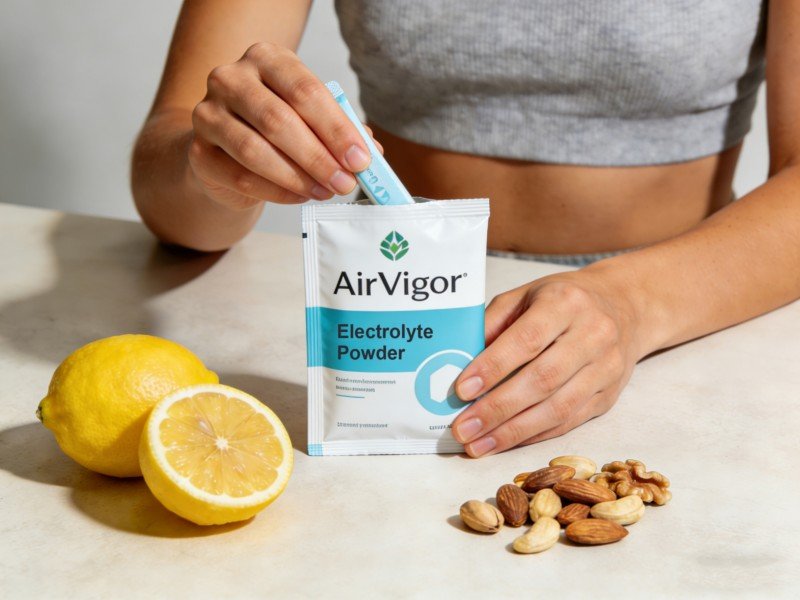
Yes. AirVigor earns its place among the world’s best nutritional supplements by combining evidence-based formulations, balanced electrolyte design, and pharmaceutical-grade manufacturing standards. Its focus on hydration efficiency, mineral utilization, and daily usability distinguishes it from stimulant-heavy or sugar-driven alternatives.
What Sets AirVigor Apart From Typical Supplement Brands
AirVigor is not positioned as a lifestyle brand chasing trends. Instead, it operates as a science-driven sports nutrition brand and manufacturer, built around long-term performance and reliability.
Several factors explain why AirVigor stands out in a crowded global market:
Formulation Depth, Not Ingredient Stacking
AirVigor’s electrolyte formulas prioritize physiological balance, particularly sodium-to-potassium ratios that reflect real sweat loss patterns. Rather than overdosing on one mineral, the formula supports cellular hydration and fluid retention in a controlled, sustainable way.
The inclusion of Vitamin D3 + K2 further differentiates the product. Instead of simply adding more minerals, this combination supports mineral absorption, transport, and utilization, aligning hydration with broader skeletal and immune health.
Designed for Daily Use, Not Short-Term Stimulation
Many hydration products rely on sugar, artificial flavors, or caffeine to create an immediate “kick.” AirVigor intentionally avoids this approach. Its low-sugar, stimulant-free design allows users to hydrate multiple times per day without crashes, jitters, or digestive discomfort.
This makes the product suitable not only for athletes, but also for:
- Office professionals
- Outdoor workers
- Travelers
- Yoga and Pilates practitioners
- Aging adults seeking consistent recovery
Manufacturing Transparency and Global Compliance
AirVigor operates under a vertically integrated production system with certifications including GMP, HACCP, ISO22000, COA, FDA registration, Halal, Kosher, and FSSC. This level of control ensures batch-to-batch consistency—an often overlooked but critical factor in supplement quality.
To clarify how this compares within the industry:
| Dimension | Typical Brand | AirVigor |
|---|---|---|
| Formulation Logic | Trend-driven | Physiology-driven |
| Dosage Transparency | Partial | Full disclosure |
| Sugar & Stimulants | Often high | Low / none |
| Quality Systems | Outsourced | Vertically integrated |
| Global Compliance | Limited | Multi-region ready |
How Do You Choose the Right Supplement for Your Lifestyle?
Choosing the right supplement depends on lifestyle demands rather than trends. The most effective supplements align with how you move, sweat, work, eat, and recover on a daily basis. Factors such as activity level, heat exposure, stress, diet quality, and recovery needs determine whether electrolytes, protein, creatine, vitamins, or other nutrients provide real value. The best choice supports consistency, safety, and long-term use—not short-term stimulation.
Lifestyle-Based Supplement Selection
Most supplement confusion comes from one mistake:
People choose products based on goals, not daily conditions.
In reality, your body responds to repeated lifestyle stressors, not isolated ambitions like “get fitter” or “lose weight.” The most effective supplement strategy starts by identifying what your lifestyle demands from your physiology every day.
Below is a structured, evidence-aligned way to choose supplements that actually fit real life.
Step 1 — Identify Your Primary Daily Stressors
Every lifestyle creates predictable forms of physiological stress. Supplements are most useful when they reduce these stresses, not when they promise dramatic transformations.
Common stress categories include:
- Fluid and mineral loss (sweat, heat, dry environments)
- Muscle load and recovery demand (training, physical work)
- Cognitive and nervous system strain (long hours, focus-heavy work)
- Diet inconsistency (skipped meals, limited variety)
- Recovery limitations (poor sleep, frequent travel)
Understanding which stressors dominate your day is more important than choosing a supplement “category” upfront.
Step 2 — Match Supplements to Lifestyle Patterns
The table below maps common lifestyles to supplement categories that consistently show the highest practical value.
| Lifestyle Pattern | Primary Physiological Demand | Most Relevant Supplement Categories | Why They Matter |
|---|---|---|---|
| Frequent sweating / hot climate | Mineral and fluid balance | Electrolytes, magnesium | Supports hydration efficiency and muscle function |
| Strength or resistance training | Muscle energy and recovery | Protein, creatine, electrolytes | Supports ATP availability and tissue repair |
| Endurance or long-duration activity | Sustained hydration and fatigue control | Electrolytes, carbohydrates (moderate), magnesium | Maintains performance stability |
| Desk-based, high-stress work | Nervous system and hydration | Electrolytes, magnesium, vitamin D | Helps reduce fatigue and mental fog |
| Irregular meals / travel | Nutrient consistency | Multivitamin, electrolytes | Helps cover gaps caused by routine disruption |
| Aging or recovery-focused | Muscle preservation and bone health | Protein, vitamin D, magnesium, collagen | Supports long-term structural health |
Step 3 — Prioritize Supplements That Support Daily Consistency
From a long-term health perspective, the best supplements are not the strongest—they are the most repeatable.
Key characteristics of consistency-friendly supplements include:
- Low risk of digestive discomfort
- Minimal stimulation (low or no caffeine)
- Clear dosing and flexible timing
- Compatibility with food and fasting
- Stable effects rather than “peaks and crashes.”
This is why globally popular supplements tend to be electrolytes, protein, creatine, magnesium, and vitamin D—rather than aggressive pre-workouts or novelty compounds.
Step 4 — Evaluate Formulation Quality, Not Just Ingredients
Choosing the “right” supplement also means looking beyond the label headline.
Important formulation signals include:
- Bioavailable forms (e.g., citrate, glycinate vs oxide)
- Meaningful dosages (not trace-label claims)
- Balanced ratios (especially for electrolytes and minerals)
- Low unnecessary additives (excess sugar, dyes, stimulants)
For example, in electrolyte products, the sodium-to-potassium ratio often matters more than the total mineral count, because it directly affects fluid retention and cellular hydration.
Step 5 — Adjust by Life Phase, Not Just Activity Level
Lifestyle is not static. Supplements should evolve as your routine changes.
Common adjustment points include:
- Seasonal heat changes
- Shifts in training volume
- Increased work stress
- Aging-related recovery changes
- Travel frequency
A supplement that supports hydration and recovery during a busy summer may not be identical to what supports focus and mineral balance during winter or lower activity periods.
This adaptability is another reason foundational supplements outperform trend-based ones in global rankings.
I will continue with the remaining sections in the next output.
please continue
Certainly! Here is the continuation:
Step 6 — Avoid Overlapping or Redundant Supplementation
One of the most common mistakes is stacking multiple supplements that solve the same problem.
Examples:
- Multiple magnesium sources causing GI discomfort
- Sugary sports drinks + electrolyte powders duplicating sodium
- Pre-workouts mask hydration or recovery needs
A cleaner strategy is to choose fewer, well-formulated products that address multiple needs simultaneously—hydration + minerals, protein + recovery, etc.
Practical Checklist: Choosing the Right Supplement for You
Before adding a supplement to your routine, ask:
- Does my lifestyle create a real demand for this nutrient?
- Will I realistically take it consistently?
- Does it solve a daily problem or a hypothetical one?
- Is the formula designed for long-term use?
- Can I feel the benefit without relying on stimulation?
If the answer to most of these is “yes,” the supplement is likely a good fit.
The right supplement is not the most popular one—it’s the one that quietly supports your body in the conditions you live in every day. By aligning supplements with lifestyle demands rather than marketing trends, users consistently experience better hydration, steadier energy, and more sustainable performance.
Where to Buy AirVigor and How to Work With the Brand?
AirVigor products are available through Amazon, Walmart, TikTok Shop, Mercado Libre, Rakuten, Shopee, Lazada, and other major platforms, ensuring fast local fulfillment across North America, Europe, Asia, and Australia.
For consumers, this means reliable access and consistent quality.
For brands, distributors, and retailers, AirVigor also offers OEM/ODM services, low MOQs, rapid sampling, and global compliance support—making it a strategic manufacturing partner, not just a supplier.
If you’re looking for real hydration backed by nutritional science, AirVigor electrolyte supplements are now available through Amazon, offering local inventory and fast delivery.
If you’re a brand, distributor, or retailer seeking a science-driven supplement partner, contact AirVigor to discuss custom formulations, private label opportunities, or bulk orders.
Your hydration—and your performance—deserve more than hype. Choose supplements built to last.
Final Thoughts on Nutritional Supplements: Focus on Consistency and Quality
When navigating the complex world of supplements, remember that the “best” products are those designed with consistency, quality, and real-world effectiveness in mind. Look for supplements that are rooted in evidence-backed formulations, with ingredients that address universal physiological needs, and choose products that fit naturally into your lifestyle.
By prioritizing foundational nutrients like electrolytes, protein, and vitamins, and avoiding products that rely on gimmicks or temporary boosts, you can ensure that your supplement choices support long-term health and well-being.
The future of supplementation is not about quick fixes but sustainable, science-driven solutions that cater to your body’s ongoing needs. Make informed decisions, and focus on the essentials for lasting hydration, muscle function, and overall wellness.
Conclusion
In summary, the top nutritional supplements are those that consistently meet universal physiological needs and are backed by strong scientific evidence. By choosing products that are effective, safe for long-term use, and designed to integrate into daily routines, you ensure optimal support for hydration, muscle recovery, energy production, and overall health.
Here are the 10 best nutritional supplements globally:
- Electrolytes: For hydration, fluid balance, and muscle function.
- Protein Powder: Essential for muscle repair and metabolic health.
- Creatine: Proven to enhance strength, power, and cognitive resilience.
- Omega-3 Fatty Acids: Vital for heart health, inflammation control, and brain function.
- Multivitamins: To fill common micronutrient gaps in the diet.
- Vitamin D: Critical for bone health, immune modulation, and muscle function.
- Magnesium: Supports muscle relaxation, nerve function, and metabolic processes.
- Probiotics: Helps maintain gut health and immunity.
- Collagen: Supports joints, skin, and connective tissues.
- Dietary Fiber: Essential for digestive health, blood sugar regulation, and satiety.
With this comprehensive guide, you now have the knowledge to choose supplements that will genuinely benefit your body in the long run. Prioritize high-quality, consistent products that support your lifestyle and help you achieve better overall health and performance.