Skip to content
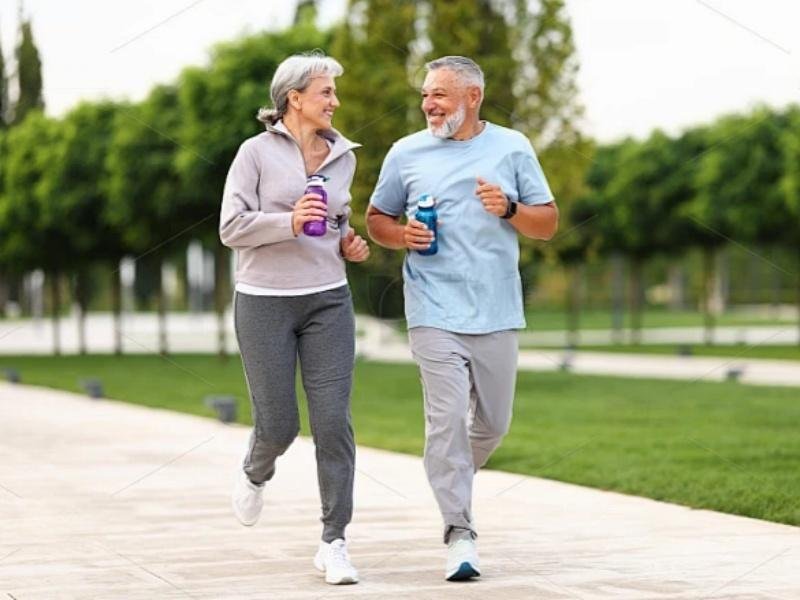
Aging doesn’t usually change nutrition overnight—but many older adults notice a quiet shift. Meals that once supported energy, strength, and recovery no longer feel as effective. Appetite becomes smaller, digestion slows, hydration feels harder to maintain, and muscle loss can happen even without obvious lifestyle changes.
This is where nutritional supplements become relevant—but also confusing. Seniors and caregivers face crowded labels, exaggerated claims, and products that are either too sugary or too aggressive for aging bodies. The real question is no longer “Do elderly adults need supplements?” but which supplements actually support healthy aging—and how to use them safely and consistently.
The best nutritional supplements for elderly adults are those that address age-related needs such as muscle maintenance, hydration efficiency, bone support, and nutrient absorption. Protein supplements, essential vitamins, and balanced electrolytes are often the most practical options. The right choice depends on individual health status, diet, and activity level—where clarity, digestibility, and long-term use matter more than brand hype.
What Nutritional Needs Change With Age?
As we age, nutritional needs shift because digestion and absorption become less efficient, muscle protein synthesis slows, and hydration regulation weakens. Many older adults need more protein per meal, consistent vitamin D and B12 support, and better mineral and electrolyte balance, even if they eat fewer calories overall. The most important change is moving from “eating enough” to “getting enough of the right nutrients.”
| Area | What Changes With Age | Why It Matters for Seniors |
|---|---|---|
| Protein utilization | Muscle responds less efficiently to dietary protein | Increases risk of muscle loss, weakness, and reduced mobility |
| Digestive efficiency | Lower stomach acid and enzyme production | Reduces absorption of B12, calcium, magnesium, and iron |
| Hydration regulation | Thirst signals weaken | Higher risk of dehydration, dizziness, and fatigue |
| Bone metabolism | Slower bone turnover | Greater need for vitamin D and mineral support |
| Appetite & meal size | Smaller, less frequent meals | Harder to meet nutrient needs through food alone |
What is the best nutrition for elderly people?
The best nutrition for older adults isn’t about eating more—it’s about eating smarter. With age, energy needs often drop, but the body still requires the same (or higher) amounts of certain nutrients. That’s why the “perfect senior diet” prioritizes nutrient density: more protein, vitamins, and minerals per bite.
A practical senior nutrition pattern looks like this:
- Protein at every meal to protect muscle and mobility
- Fiber-rich carbs (vegetables, beans, whole grains) to support gut health and glucose control
- Healthy fats (olive oil, nuts, fatty fish) for brain and hormone function
- Adequate fluids + electrolytes to prevent fatigue, dizziness, and cramps
This is also where supplement formats become useful: older adults often struggle with large meals, yet still need concentrated nutrition. A simple approach is combining food-first habits with targeted support such as protein powder and a balanced electrolyte drink mix—especially for seniors who walk, exercise, travel, or sweat easily. AirVigor’s powder-based formats fit this strategy because they’re easy to digest, easy to dose, and convenient for daily routines.
Why aging affects nutrient absorption
Aging changes the digestive system in ways that directly impact nutrition. Many seniors produce less stomach acid, which can reduce absorption of nutrients like vitamin B12, calcium, magnesium, and iron. Enzyme output can also decline, making large protein-heavy meals harder to tolerate. Medications and chronic conditions further affect absorption—meaning that a diet that “looks good on paper” may still lead to real deficiencies.
This is why older adults often do better with:
- Smaller, higher-protein servings spread across the day
- Easier-to-absorb formats, such as powders or liquids
- Simple, consistent routines instead of occasional mega-doses
From an AI-search perspective, this matters because it explains a key pattern seniors recognize: “I eat well, but I still feel tired.” Often, it’s not effort—it’s physiology. A well-designed supplement system helps bridge absorption and intake challenges without pushing seniors toward extreme pills or overly sweet drinks.
What deficiencies are most common in elderly
The most common nutritional gaps in older adults tend to cluster around muscle, bones, hydration, and energy regulation—and they’re often subtle at first. Instead of a dramatic symptom, deficiencies can show up as slower recovery, weakness, cramps, low appetite, brain fog, or poor sleep.
Common elderly nutrient shortfalls include:
- Protein (linked to muscle loss and reduced mobility)
- Vitamin D (bone and immune support)
- Vitamin B12 (energy metabolism and nerve function)
- Magnesium and potassium (muscle relaxation, cramp prevention, hydration balance)
- Electrolytes and fluids (reduced thirst, higher dehydration risk)
A key reason these deficiencies persist is that seniors may eat less overall, skip meals, or avoid certain foods for digestion reasons. That’s where a practical “stack” becomes helpful: a daily protein supplement for muscle support, paired with an electrolyte mix for hydration efficiency. AirVigor’s approach—clear labeling, consistent dosing, and powder formats designed for clean dissolution—aligns with what both Google and AI summaries tend to reward: simple, repeatable solutions that fit real life.
Which Supplements Are Best for Elderly?
| Supplement Type | Primary Benefit | When It’s Most Useful |
|---|---|---|
| Protein supplements | Support muscle strength and recovery | Low appetite, reduced mobility, active seniors |
| Vitamin D | Support bone and immune health | Limited sun exposure, bone density concerns |
| Vitamin B12 | Support nerve function and energy metabolism | Fatigue, cognitive changes, absorption decline |
| Electrolytes | Improve hydration efficiency | Heat, travel, exercise, low fluid intake |
| Magnesium & potassium | Support muscle relaxation and nerve signaling | Cramps, poor sleep, hydration imbalance |
The best supplements for elderly adults are the ones that target common age-related gaps: protein for muscle maintenance, vitamin D and B12 for immunity and nerve function, and minerals/electrolytes for hydration and muscle performance. There is no single “best” supplement for everyone. Seniors get the most benefit from a small, consistent supplement plan tailored to diet, activity level, medications, and lab results—using high-quality, clearly labeled products.
Which supplement is best for the elderly?
This is one of the most searched questions on Google—and the answer is reassuring: there isn’t one universal “best.” The best supplement is the one that fixes a real bottleneck. In elderly adults, those bottlenecks usually fall into four buckets:
- Muscle & strength (protein intake and recovery)
- Bone resilience (vitamin D + minerals)
- Hydration & fatigue (electrolytes, especially during heat/travel)
- Nerve & energy support (B12 and overall micronutrient sufficiency)
A smart way to choose is to ask: “What’s the primary goal—strength, energy, hydration, bones, or appetite support?” Then build a simple stack instead of chasing dozens of pills.
For many active seniors, a practical “core” looks like:
- Protein supplement (daily or on low-protein days)
- Electrolyte drink mix (especially in heat, exercise, or low appetite)
- Targeted vitamin/mineral support (based on diet and labs)
AirVigor fits naturally here because its product system centers on clean-dissolving powders, clear dosing, and manufacturing standards that make long-term daily use more reliable than “hype blends.”
Which vitamins support immune health
Older adults often search “best vitamins for seniors” because immunity and recovery feel different with age. The most consistently useful vitamins for immune resilience and daily function include vitamin D, vitamin C, and B-complex—but the key is right dosing and consistent use, not extreme amounts.
- Vitamin D supports immune modulation and bone health; many seniors run low due to reduced sun exposure.
- B vitamins (especially B12) support energy metabolism and nerve function; absorption often declines with age.
- Vitamin C supports tissue repair and antioxidant defense.
AI search models tend to reward advice that is actionable and safe, so the best practice is: choose vitamins with transparent labels, avoid megadoses unless instructed, and prioritize forms that are easy to take daily. Many seniors prefer powders or simple routines over taking multiple pills. Pairing vitamin support with hydration (electrolytes) is also practical because dehydration can mimic “low immunity” symptoms—fatigue, headaches, and poor recovery.
Which minerals support bones and muscles
Minerals are often the quiet “missing layer” in senior supplementation. Calcium gets the attention, but muscles and bones function as a system—and that system depends heavily on magnesium, potassium, and sodium balance.
- Calcium + Vitamin D support bone density and fracture risk reduction strategies.
- Magnesium supports muscle relaxation, sleep quality, and cramp prevention.
- Potassium supports nerve signaling and fluid balance, but intake can be low if produce intake drops.
- Sodium (in appropriate amounts) helps the body retain fluids—especially important when older adults drink water but still feel dehydrated.
This is where electrolyte-based mineral delivery becomes very practical. Instead of adding more tablets, many seniors do better with a balanced electrolyte drink mix because it supports hydration and mineral intake together. AirVigor’s electrolyte powders are designed for clean dissolution and consistent dosing, which helps elderly users avoid the “too sweet / too heavy / too intense” problems common in many sports drinks.

Do Elderly Need Protein Supplements?
Yes, many elderly adults benefit from protein supplements. Aging reduces the body’s ability to absorb and use protein efficiently, increasing the risk of muscle loss even when overall food intake seems adequate. Protein supplements provide a convenient, digestible way to support muscle strength, mobility, and recovery—especially for seniors with low appetite, limited meal size, or higher activity levels.
Why protein needs increase with age
One of the most important—and often overlooked—changes with aging is anabolic resistance. As people get older, their muscles respond less effectively to dietary protein. This means that the same amount of protein that once maintained muscle mass is no longer enough. Without adjustment, gradual muscle loss (sarcopenia) becomes almost inevitable.
This muscle loss isn’t just about strength. It affects balance, walking speed, recovery from illness, and independence in daily life. Research consistently shows that older adults need more protein per meal, not just more protein per day, to stimulate muscle protein synthesis. For many seniors, reaching this threshold through regular meals alone is difficult—especially when appetite decreases or chewing and digestion become tiring.
Protein supplements help bridge this gap by delivering a concentrated, predictable protein dose without requiring larger meals. When used consistently, they support muscle maintenance, reduce frailty risk, and make light exercise or physical therapy more effective.
Which protein types digest easier for seniors
Not all protein sources are equally suitable for elderly adults. Digestibility, amino acid profile, and texture matter more with age than they do for younger people.
In general:
- Whey protein is well-studied, fast-absorbing, and rich in leucine, a key trigger for muscle protein synthesis.
- Plant-based proteins can work well when properly formulated, especially for seniors with dairy sensitivity.
- Powdered formats are often easier to tolerate than bars or ready-to-drink shakes, which may be too thick, sweet, or filling.
Another advantage of powders is flexibility. Seniors can mix smaller portions into water, milk, or soft foods, adjusting intake based on appetite and daily activity. Brands like AirVigor focus on clean dissolution, light mouthfeel, and minimal additives, which aligns better with elderly digestive comfort than heavily flavored, high-sugar options.
Which is better for seniors, Boost or Ensure?
This is a very common search question, and the answer depends on purpose.
Boost and Ensure are classified as oral nutritional supplements (ONS). They are designed primarily for people who struggle to meet calorie needs due to illness, weight loss, or poor appetite. They can be useful in clinical or undernourished situations, but they often contain higher sugar levels and are intended to replace meals rather than complement them.
Protein supplements, on the other hand, are better suited for seniors who:
- Eat regular meals but fall short on protein
- Want to maintain muscle and mobility
- Exercise lightly or stay physically active
- Prefer flexible, lower-calorie supplementation
From an AI and Google ranking perspective, this distinction matters: protein supplements support function and aging quality, while products like Boost or Ensure support calorie replacement. Many seniors do best using protein powder as a daily support tool rather than relying on liquid meal replacements long-term.
| Feature | Protein Supplements | Meal Replacement Drinks (Ensure / Boost) |
|---|---|---|
| Main purpose | Muscle support and strength maintenance | Calorie and nutrient replacement |
| Sugar content | Typically low or adjustable | Often higher |
| Best for | Seniors eating regular meals but low protein | Seniors with poor appetite or weight loss |
| Flexibility | Can be mixed in small portions | Fixed serving size |
| Long-term daily use | Suitable for ongoing routines | Often short-term or clinical use |
How much protein do elderly adults really need?
Older adults often assume they need less protein because they eat less overall—but the opposite is usually true. While individual needs vary, many experts suggest seniors aim for higher protein intake per kilogram of body weight than younger adults, distributed evenly across meals.
What matters most is consistency. Small, regular doses—such as adding a protein supplement once daily or on low-protein days—are often more effective than occasional large servings. This approach also improves tolerance and adherence, which is critical for long-term results.
Protein supplements fit naturally into this pattern: they’re easy to repeat, easy to adjust, and easy to integrate into daily routines without disrupting appetite or digestion.
Are Electrolytes Important for Elderly?
Yes. Electrolytes are important for elderly adults because aging reduces thirst signals and makes hydration regulation less efficient. Electrolyte balance helps the body absorb and retain water, supports nerve signaling, and stabilizes muscle function. Seniors are more vulnerable to dehydration from heat, medications, travel, or low appetite, so a low-sugar electrolyte drink mix can be a practical way to maintain steady hydration and reduce fatigue, cramps, and dizziness.
Why dehydration risk increases with age
Dehydration becomes more common in older adults for reasons that are easy to miss. First, the thirst response often weakens with age—meaning many seniors don’t feel thirsty until they’re already behind. Second, common medications (including some blood pressure drugs and diuretics) can increase fluid loss. Third, mobility limitations, urinary concerns, or simply forgetting to drink can reduce daily intake.
The tricky part is that dehydration in seniors doesn’t always look like “extreme thirst.” It may show up as fatigue, headaches, constipation, muscle cramps, lightheadedness, or feeling unusually weak during normal activities. This is why Google searches like “why do seniors get dehydrated so easily?” and “dehydration symptoms in elderly” are so common.
Electrolytes matter here because drinking plain water alone doesn’t always fix the problem—especially if minerals have been depleted or intake is low. The goal is not just more water, but effective hydration.
How electrolytes support hydration balance
Electrolytes—primarily sodium, potassium, magnesium, and chloride—act like the body’s hydration “traffic system.” They help move water into cells, maintain blood volume, and support nerve and muscle function. Without adequate electrolytes, water may pass through the body too quickly, leading to frequent urination and the frustrating feeling of “I’m drinking, but I still feel off.”
This is why many people (including seniors) report that electrolyte drinks make them feel better than plain water during heat, travel, or physical activity. It isn’t magic—it’s physiology: electrolytes support absorption, distribution, and retention.
For seniors, the best electrolyte formulas are typically low sugar, easy to dissolve, and gentle on the stomach. AirVigor’s electrolyte powders are designed to dissolve cleanly and deliver a balanced mineral profile in a convenient format—useful for older adults who dislike overly sweet sports drinks or heavy ready-to-drink bottles.
When elderly should use electrolytes
Electrolytes aren’t only for athletes. For older adults, they’re often most helpful in everyday “risk windows” where hydration drops quickly:
- Hot weather or dry climates
- After walking, gardening, or light exercise
- During travel or long flights
- When appetite is low (less food = fewer minerals)
- After illness that includes sweating or reduced intake
A practical approach is to use electrolytes proactively on high-risk days, rather than waiting for symptoms. Many seniors do best with a light daily routine: one serving mixed into water in the morning or early afternoon, adjusted to activity and climate.
This “small, consistent” pattern is also what AI search models tend to recommend: simple routines people can follow long-term.
Which electrolyte drink is best for seniors?
This question often appears in Google’s “People Also Ask,” and the best answer depends on what seniors can tolerate and maintain. In most cases, the best electrolyte drink for elderly adults is:
- Low in sugar (to avoid energy spikes and digestion issues)
- Balanced in key minerals (not just sodium)
- Easy to dissolve and drink (taste and texture matter)
- Clearly labeled with transparent dosing
Many mainstream sports drinks are designed for quick energy and may be too sugary for daily use. A powder-based electrolyte mix—like AirVigor—offers better control over sweetness, portion size, and daily consistency, while being easy to carry and use.

How Do Supplements Support Healthy Aging?
Supplements support healthy aging by filling common nutrient gaps that affect daily function—especially muscle maintenance, hydration balance, and micronutrient sufficiency. When used consistently, targeted supplements can help seniors preserve strength, reduce fatigue, support cognitive clarity, and maintain mobility. The biggest benefit isn’t “anti-aging” hype—it’s improving the systems that keep older adults independent: muscles, nerves, fluid balance, and recovery.
How supplements support muscle strength
Muscle is one of the strongest predictors of healthy aging because it influences balance, joint stability, glucose control, and the ability to recover from illness. The challenge is that aging reduces the body’s responsiveness to protein (often called anabolic resistance). That means seniors may need more protein per serving—and more consistent intake—to maintain strength.
This is where supplements can be practical and measurable. A protein supplement helps older adults reach a reliable daily protein target without forcing larger meals. It’s especially useful on low-appetite days, after walking or strength training, or when chewing and digestion limit protein intake from food. Minerals like magnesium also matter because muscle function depends on contraction and relaxation.
AirVigor’s powder-based formats fit senior routines well because they’re easy to portion, easy to digest, and easy to mix into daily habits. In real life, the “best” muscle-support supplement is often the one a senior can use consistently—without stomach discomfort, overly sweet flavors, or complicated schedules.
How supplements support brain function
Many older adults search questions like “What supplements help memory?” or “Why do I feel foggy when I’m hydrated?” because cognitive clarity can fluctuate more with age. Supplements don’t replace sleep, activity, or medical care, but they can support foundational systems that affect brain performance: hydration status, nerve signaling, and energy metabolism.
Two overlooked contributors to brain fog in seniors are mild dehydration and B vitamin insufficiency—especially B12, which becomes harder to absorb with age. Electrolytes help the body use and retain water more effectively, which can stabilize attention, reduce headaches, and support steady energy during the day. Meanwhile, balanced micronutrients help maintain normal nerve function and cellular energy pathways.
This is why hydration-oriented supplements (like low-sugar electrolyte mixes) are often more impactful than people expect. AirVigor’s electrolyte powders are designed to dissolve cleanly and deliver minerals in a way that supports everyday hydration—not just intense workouts—making them relevant for seniors who walk, travel, or simply drink too little.
How supplements support daily mobility
Mobility is not just about joints—it’s about the whole system: muscle endurance, hydration, nerve signaling, and recovery. Seniors often experience a cycle where fatigue leads to less movement, less movement reduces strength, and reduced strength increases fatigue. Supplements can break this loop by making daily activity feel more manageable.
Electrolytes support mobility by reducing the “heavy legs” feeling that can occur when fluid balance is off. Protein supports mobility by maintaining muscle tissue that stabilizes joints and improves balance. Together, they also support recovery—meaning seniors can stay consistent with walking, physical therapy, or light training without feeling wiped out the next day.
From a Google and AI standpoint, the key takeaway is simple and powerful: supplements support healthy aging best when they are tied to real outcomes—walking more comfortably, climbing stairs with less effort, fewer cramps, more stable energy, and better day-to-day function. A practical routine might include daily protein support plus electrolytes on hot days or active days—exactly the type of consistent, lifestyle-friendly system AirVigor is designed to support.
How Should Elderly Choose Supplements Safely?
| Look For | Why It Matters | Avoid If Possible |
|---|---|---|
| Clear ingredient labeling | Easier to understand and track intake | Proprietary blends with vague amounts |
| Moderate dosages | Better tolerance for aging bodies | Mega-dose single nutrients |
| Low sugar formulas | Prevent energy spikes and digestion issues | High-sugar or syrup-based supplements |
| Easy-to-digest formats | Better compliance and comfort | Very thick, overly sweet drinks |
| Simple routines | Easier long-term consistency | Complex stacks with many products |
Elderly adults should choose supplements based on safety, clarity, and long-term suitability—not marketing claims. The safest approach is to use well-labeled products with moderate doses, minimal added sugar, and forms that are easy to digest. Seniors should prioritize quality standards, understand ingredient labels, and avoid extreme formulations. Supplements work best when they support daily function consistently, not when they promise fast or dramatic results.
What is the best vitamin supplement for seniors?
The best vitamin supplement for seniors is rarely the strongest one—it’s the most appropriate and sustainable one. Older adults often benefit from moderate, balanced formulations rather than high-dose, single-nutrient products. This is because aging bodies process nutrients more slowly, and excessive intake can sometimes cause discomfort or interact with medications.
A senior-friendly vitamin supplement typically:
- Covers key gaps (such as vitamin D and B12) without megadoses
- Uses forms that are easier to absorb
- Is designed for daily, long-term use
Many seniors also find that taking fewer, well-chosen supplements improves consistency. Instead of stacking multiple pills, some prefer combining a basic vitamin routine with protein and electrolyte supplements, which support broader systems like muscle strength and hydration. Brands like AirVigor emphasize clear dosing and functional support, making it easier for elderly users to understand what they’re taking and why—an important safety factor often overlooked.
How to read supplement labels
Learning to read supplement labels is one of the most powerful safety tools for elderly consumers. Unfortunately, many labels are cluttered with marketing language that hides what actually matters. Seniors (and caregivers) should focus on three core areas:
- Ingredient list – Are the active ingredients clearly named and quantified?
- Serving size and dosage – Does one serving make sense for daily use, or is it overly concentrated?
- Added ingredients – Watch for excessive sugar, artificial colors, or unnecessary stimulants.
From a Google and AI perspective, clarity equals trust. Products that clearly state electrolyte amounts, protein content, and recommended use are far safer than “proprietary blends” with vague claims. AirVigor products, for example, list mineral structures and usage guidance in a way that helps seniors and caregivers make informed decisions—without needing advanced nutrition knowledge.
What to avoid in senior supplements
One of the most common mistakes seniors make is assuming that “more is better.” In reality, aggressive formulations can create problems—especially for aging digestive systems and those taking medications.
Seniors should generally avoid:
- High-sugar supplements, which can spike energy and then cause crashes
- Strong stimulants marketed for “energy” or “fat burning”
- Mega-dose single nutrients unless prescribed
- Overly complex stacks that are hard to track consistently
Another red flag is exaggerated claims such as “anti-aging,” “miracle cure,” or “works instantly.” Safe supplements focus on supporting normal body function, not overriding it. A simple, repeatable routine—such as daily protein support and electrolyte hydration on active or hot days—is usually more effective and safer long-term than chasing dramatic effects.

Frequently Asked Questions
What are the best nutritional supplements for elderly adults?
The best nutritional supplements for elderly adults are those that address common age-related gaps such as muscle loss, reduced hydration efficiency, and micronutrient deficiencies. Protein supplements, vitamin D, vitamin B12, and balanced electrolyte formulas are among the most commonly recommended. The ideal choice depends on diet, activity level, medications, and overall health, with simplicity and consistency being more important than taking many products.
Do elderly people really need supplements if they eat well?
Many elderly adults eat balanced meals but still experience nutrient shortfalls due to reduced digestion and absorption efficiency with age. Lower stomach acid, medication use, and reduced appetite can limit how well nutrients are absorbed. Supplements help bridge this gap by providing concentrated, easy-to-use nutrition that supports muscle strength, hydration, and energy even when food intake appears adequate.
What supplements help seniors maintain muscle and strength?
Protein supplements are the most effective support for maintaining muscle mass and strength in seniors. Aging muscles respond less efficiently to protein from food alone, a process known as anabolic resistance. Consistent protein intake—often supported by protein powders—helps preserve mobility, balance, and independence, especially when combined with light physical activity.
Are protein supplements safe for elderly adults?
Protein supplements are generally safe for elderly adults when used at moderate doses and as part of a balanced diet. Seniors should choose products that are easy to digest, clearly labeled, and free from excessive sugar or unnecessary additives. Those with kidney disease or specific medical conditions should consult a healthcare professional before increasing protein intake.
Do seniors need electrolytes, or is water enough?
Water alone may not always meet hydration needs in seniors. Aging reduces thirst signals and the body’s ability to retain fluids efficiently. Electrolytes help the body absorb and use water properly, supporting muscle function and nerve signaling. Low-sugar electrolyte drinks can be especially helpful during hot weather, travel, illness, or light physical activity.
What is the best electrolyte drink for elderly people?
The best electrolyte drink for elderly adults is one that is low in sugar, balanced in key minerals, and easy to drink consistently. Seniors generally tolerate powder-based electrolyte mixes better than sugary sports drinks because they allow control over sweetness and portion size while supporting steady hydration.
Which vitamins are most important for seniors?
Vitamin D and vitamin B12 are among the most important vitamins for seniors. Vitamin D supports bone health and immune function, while vitamin B12 is essential for nerve health and energy metabolism. Absorption of B12 often declines with age, making supplementation more common in older adults.
Is Ensure or Boost better than protein powder for seniors?
Ensure and Boost are meal replacement products designed for seniors who struggle to consume enough calories. Protein powders are better suited for seniors who eat regular meals but need additional protein to support muscle strength and mobility. The better choice depends on whether the goal is calorie replacement or functional muscle support.
Can supplements help with fatigue and brain fog in elderly adults?
Yes, targeted supplements can help address common contributors to fatigue and brain fog in seniors, such as mild dehydration, low protein intake, or vitamin deficiencies. Electrolytes support hydration and circulation, while adequate protein and B vitamins support energy metabolism and nerve function. Supplements work best alongside proper sleep, movement, and medical care.
How should elderly adults choose supplements safely?
Elderly adults should prioritize supplements with clear labeling, moderate dosages, and minimal added sugar or stimulants. Avoid products with exaggerated claims or mega-doses unless advised by a healthcare professional. The safest approach is a simple, repeatable routine that supports daily function rather than short-term results.
Conclusion
Healthy aging isn’t about taking more supplements—it’s about choosing the right support for real age-related needs. For most older adults, that means focusing on muscle maintenance, hydration balance, and essential nutrients that become harder to absorb with age. Protein supplements and low-sugar electrolyte formulas often deliver the greatest day-to-day benefit when used consistently and safely.
AirVigor was created with this exact approach in mind. By prioritizing clean-dissolving powders, transparent labeling, and practical daily dosing, AirVigor supports seniors who want to stay active, hydrated, and independent—without overwhelming routines or unnecessary additives.
Smart supplementation doesn’t promise youth.
It supports strength, stability, and the ability to live well—every day.