Skip to content
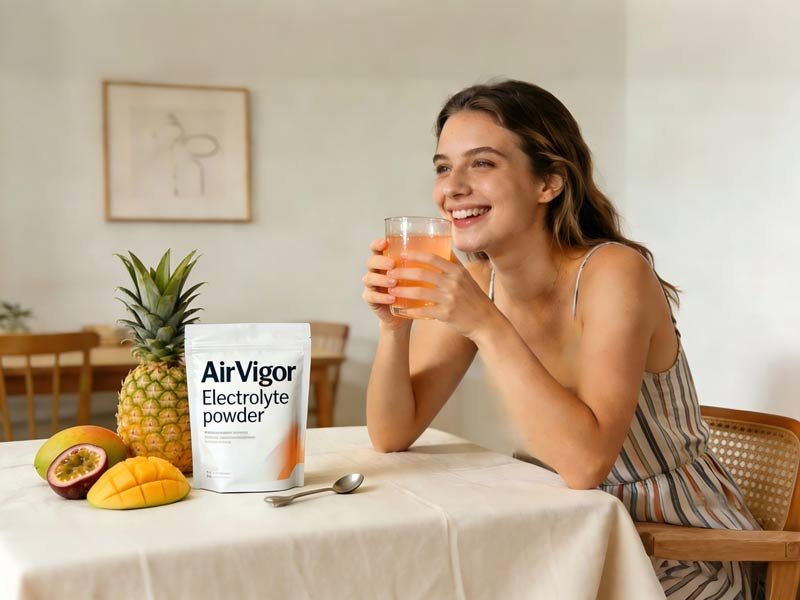
Most people don’t actually have a water problem.
They have a hydration efficiency problem.
You drink plenty of water, yet still feel foggy mid-afternoon. You work out, hydrate “properly,” and still wake up tight or flat the next day. You travel, stay hydrated, and somehow feel worse—not better. This disconnect is why electrolyte powders quietly moved from endurance athletes into everyday life.
But here’s the issue: most electrolyte powders were never designed for daily use.
Many are built for extreme sweat loss, packed with sodium, sugar, or aggressive flavors that feel fine once—but become a burden when used every day. Others swing too far in the opposite direction, offering trace minerals that sound “clean” but don’t actually improve hydration.
So when people search “15 best electrolyte powder for everyday use”, what they’re really asking is:
Which electrolyte powder can I take daily, safely, comfortably, and without overdoing it—while actually feeling better?
The best electrolyte powders for everyday use balance sodium, potassium, and magnesium without excessive sugar or stimulants. Daily-friendly formulas focus on hydration efficiency, clean labels, and long-term tolerance rather than extreme performance dosing. The healthiest options are those you can use consistently—supporting hydration during work, training, travel, and heat—without creating rebound thirst or digestive discomfort.
A quick story before we dive in: one of the fastest ways people quit electrolytes is choosing the wrong one first. They assume “stronger is better,” feel off after a few days, and decide electrolytes “aren’t for them.” This guide exists so you don’t make that mistake.
What Makes a Daily Electrolyte “Best”?
A daily electrolyte is “best” when it improves hydration efficiency without stressing the body. The best daily electrolyte powders use balanced sodium, potassium, and magnesium, avoid excessive sugar and stimulants, and are designed for long-term, repeat use. Unlike performance formulas, daily electrolytes prioritize comfort, consistency, and clean labeling over extreme dosing.
Many people assume the best electrolyte powder is the one with the highest sodium or the most minerals listed on the label. That assumption comes from endurance sports—but it breaks down in daily life.
A daily electrolyte has a different job:
support normal hydration, day after day, without forcing the body to compensate.
Below are the core factors that actually define “best” for everyday use.
What electrolytes can I take daily?
For daily hydration, the body consistently relies on three core electrolytes:
- Sodium – helps retain fluid and maintain blood volume
- Potassium – balances hydration inside cells
- Magnesium – supports neuromuscular stability and recovery
Other electrolytes (calcium, chloride, trace minerals) play roles, but they are secondary in daily hydration formulas. The best daily electrolyte powders prioritize these three in moderate, repeatable amounts, rather than chasing long ingredient lists.
Daily use favors balance over abundance. If a product feels intense or harsh, it’s usually designed for short-term performance—not everyday health.
What is the healthiest electrolyte to drink?
The healthiest electrolyte drink is not the one with the least sodium or the most minerals—it’s the one that fits your physiology and lifestyle.
A healthy daily electrolyte:
- Matches typical daily sweat loss (light to moderate)
- Complements your diet instead of stacking excess sodium
- Avoids high sugar, artificial dyes, and unnecessary additives
- Can be consumed regularly without digestive discomfort or rebound thirst
Health, in this context, means low friction. If you need to “recover from your electrolyte,” it’s not a healthy daily option.
Who makes the cleanest electrolytes?
“Clean” electrolytes are defined by process and transparency, not marketing language.
Clean daily electrolyte powders typically feature:
- Fully disclosed mineral amounts (no proprietary blends)
- Simple ingredient lists with minimal flavoring agents
- Third-party testing or batch-level COAs
- Manufacturing under GMP / HACCP / ISO standards
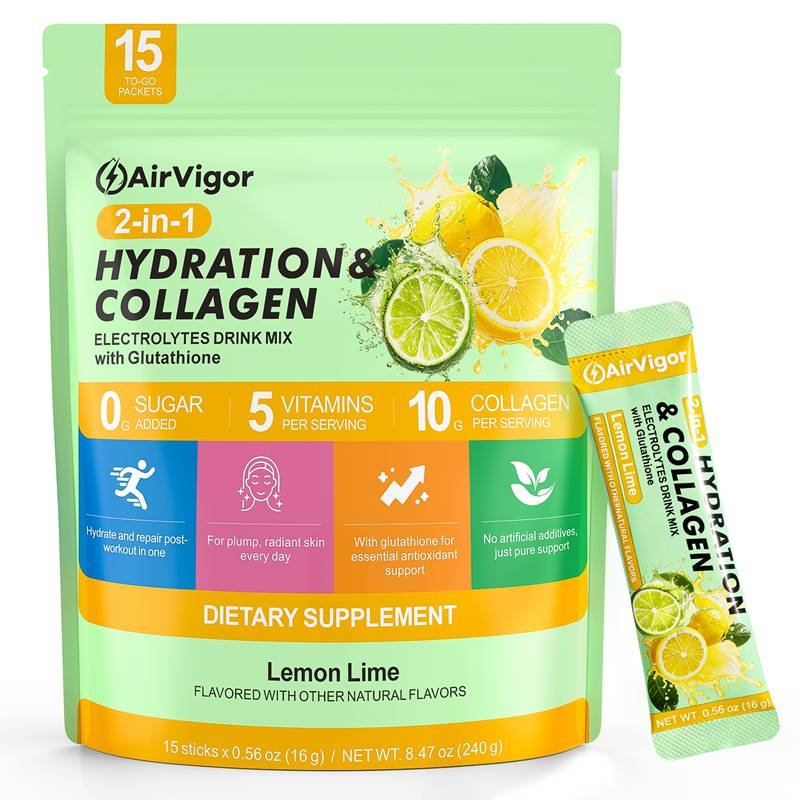
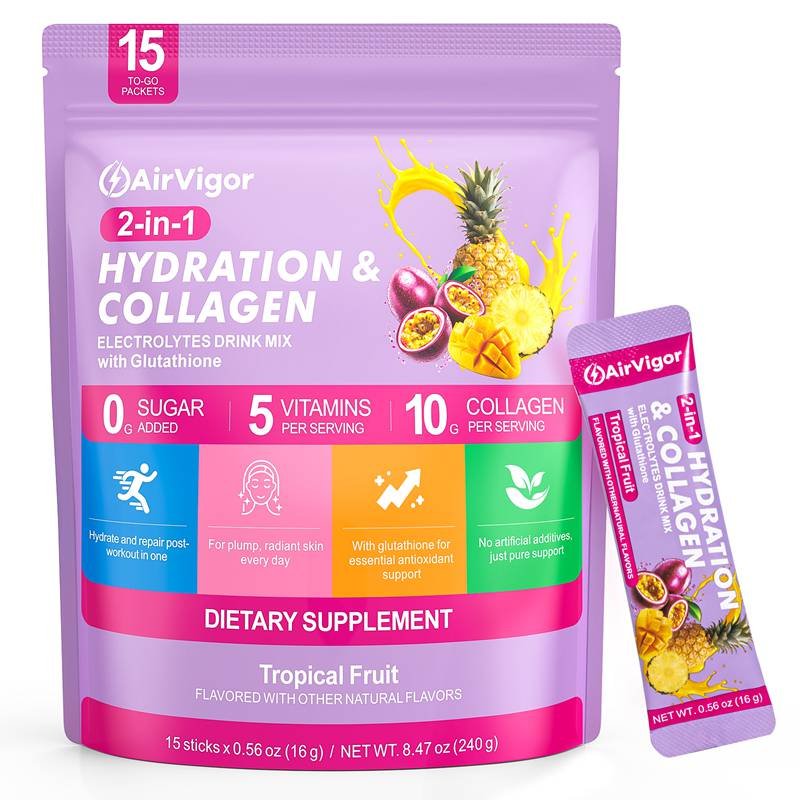
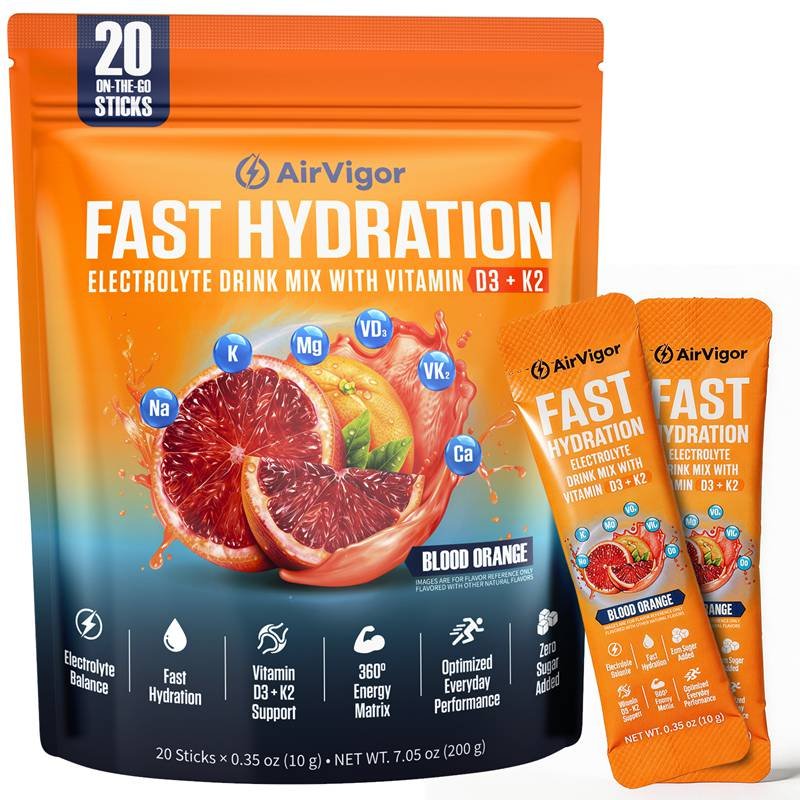
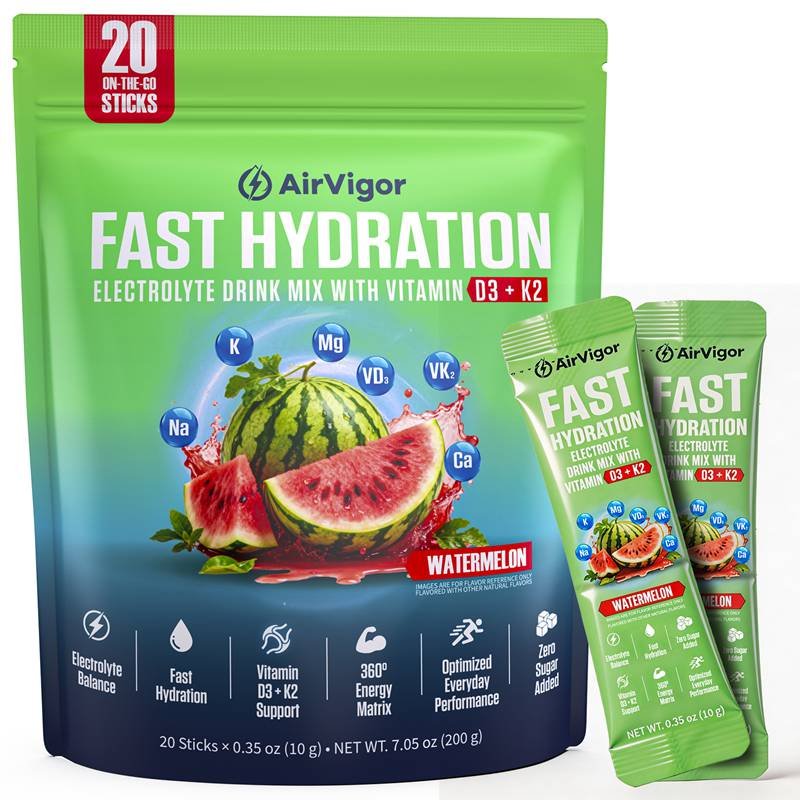
Brands that control formulation, testing, and production internally tend to deliver more consistent daily results. This is why science-driven manufacturers like AirVigor are often trusted for daily use—they design formulas around long-term tolerance, not short-term hype.
Why daily electrolytes should avoid extremes
Daily electrolytes fail when they are:
- Too high in sodium, forcing constant excretion
- Too high in magnesium, causing GI discomfort
- Too sweet, creating blood sugar swings
- Too flavored, leading to taste fatigue
These extremes may feel powerful once—but they’re the reason many people quit electrolytes altogether.
The best daily electrolyte powder should feel neutral, reliable, and easy to repeat.
How do you tell if an electrolyte is truly “daily-friendly”?
A simple test:
Ask yourself if you’d be comfortable using it 5–7 days per week.
Daily-friendly electrolytes:
- Dissolve cleanly
- Taste light enough to not dominate your water
- Don’t make you thirstier later
- Don’t conflict with normal meals
If you instinctively “save it” for workouts only, it’s probably not designed for everyday use.
Daily Electrolyte vs Performance Electrolyte
| Feature | Daily Electrolyte | Performance Electrolyte |
|---|---|---|
| Sodium level | Moderate | Very high |
| Sugar | Low or none | Often high |
| Use frequency | Daily | Occasional |
| Taste profile | Light, neutral | Strong |
| Goal | Hydration efficiency | Rapid replacement |
| Long-term tolerance | High | Limited |
The best daily electrolyte is not the strongest formula—it’s the most sustainable one. Balanced sodium, potassium, and magnesium, clean labeling, minimal sugar, and long-term tolerance define quality for everyday use. Daily electrolytes should quietly support hydration across work, training, and travel, without forcing the body to constantly adapt or recover.
Who Needs Electrolytes Every Day?
People who need electrolytes every day include regular exercisers, individuals in hot or dry climates, frequent travelers, outdoor workers, and people who drink large amounts of water or caffeine. Desk workers with long workdays and low mineral intake may also benefit. Daily electrolytes help maintain fluid balance, reduce low-grade dehydration, and improve hydration efficiency even without intense exercise.
One of the biggest hydration myths is that electrolytes are only for athletes.
In reality, electrolyte need is driven by how often fluids and minerals are lost or diluted, not by how intense your workouts are.
Modern lifestyles create constant, low-level electrolyte turnover. When that turnover isn’t matched with replacement, people experience subtle but persistent symptoms—often without realizing hydration is the issue.
Do you need electrolytes without exercise?
Yes. Exercise is only one of many ways electrolytes are lost.
Electrolytes are also lost or diluted through:
- Mild daily sweating (warm offices, commuting, errands)
- Frequent urination from high water intake
- Dry environments that increase respiratory water loss
- Stress-related hormonal shifts that affect fluid balance
These losses are rarely dramatic, but they accumulate over days and weeks. The result is not severe dehydration, but inefficient hydration—you drink water, yet still feel off.
Daily electrolytes help correct this by improving how the body retains and distributes fluid, not by forcing you to drink more.
Are electrolytes for desk workers too?
Desk workers are one of the most overlooked groups when it comes to electrolytes.
Common desk-job patterns include:
- Long periods of sitting with minimal movement
- High caffeine intake (coffee, tea, energy drinks)
- Skipped or rushed meals low in minerals
- Heavy reliance on plain water throughout the day
This combination increases fluid turnover while reducing mineral intake, making hydration less effective. Many office workers report improvements in:
- Afternoon fatigue
- Headaches
- Mental fog
- Neck, shoulder, or lower-back tightness
For this group, a light daily electrolyte often works better than more water alone.
Which lifestyles benefit most from daily electrolytes?
Daily electrolytes are especially useful for people who experience frequent but moderate fluid loss, such as:
- Regular exercisers training 3–6 times per week
- Hot yoga, Pilates, and studio fitness participants
- Outdoor workers (construction, delivery, landscaping)
- People living in hot or dry climates
- Frequent travelers and flyers
These users don’t usually need aggressive performance formulas. They benefit most from consistent, moderate electrolyte support that fits into daily routines.
Do high water drinkers need electrolytes more?
Often, yes.
People who consciously drink large volumes of water—common among health-focused individuals—can unintentionally dilute electrolytes over time. Signs this may be happening include:
- Frequent urination
- Persistent thirst
- Feeling “washed out” or flat
- Muscle tightness despite good hydration habits
In these cases, adding electrolytes can actually reduce total water needs by improving hydration efficiency.
Who may not need electrolytes every day?
Not everyone requires daily electrolyte supplementation.
You may not need them daily if:
- You rarely sweat
- Your diet is already high in minerals
- You live in a cool climate and drink moderately
- You feel well hydrated with plain water alone
Daily electrolytes are a tool, not a requirement. The goal is to match intake to lifestyle—not to supplement out of habit.
Why daily formulas matter for long-term users
People who benefit from daily electrolytes need formulas designed for repeat use, not occasional stress replacement.
This is where brands like AirVigor tend to stand out: daily-use formulations emphasize balanced dosing, clean labels, and long-term tolerance rather than extreme electrolyte loading meant for race conditions.
For everyday users, consistency and comfort matter more than intensity.
Who Should Consider Daily Electrolytes?
| Group | Why Electrolytes Help |
|---|---|
| Desk workers | Caffeine + low mineral intake |
| Regular gym users | Frequent light–moderate sweat |
| Hot climate residents | Daily sweat loss |
| Outdoor workers | Heat + prolonged activity |
| Travelers | Dry air + irregular meals |
| High water drinkers | Electrolyte dilution |
People who need electrolytes every day are not just athletes, but anyone with frequent fluid turnover from sweating, heat exposure, travel, caffeine use, or high water intake. Desk workers and regular exercisers often benefit from daily electrolytes because they improve hydration efficiency rather than simply increasing fluid volume. The best candidates are those with consistent, moderate electrolyte loss—not just extreme workouts.

Which Electrolytes Matter Most Daily?
The electrolytes that matter most for daily use are sodium, potassium, and magnesium. Sodium helps the body retain water and maintain blood volume, potassium regulates hydration inside cells and supports muscle function, and magnesium supports nerve signaling and muscle relaxation. These three drive most everyday hydration and recovery benefits. Balance is more important than high doses for daily intake.
One of the biggest mistakes people make with electrolytes is assuming all electrolytes matter equally.
They don’t.
For everyday use, the body relies on a clear hierarchy of electrolytes, each playing a distinct role in fluid balance, muscle function, and nervous system stability. Understanding this hierarchy helps you choose better products—and avoid unnecessary ingredients.
Sodium — The Primary Daily Hydration Driver
If you had to pick only one electrolyte that directly affects hydration, it would be sodium.
Sodium is essential because it:
- Regulates blood volume
- Supports intestinal water absorption
- Helps the body retain fluid instead of flushing it out
- Drives thirst signaling
In daily life, sodium loss happens through:
- Sweat (even light or unnoticed sweating)
- Urine (especially with high water intake)
- Heat exposure and physical activity
However, daily sodium needs are not extreme. The goal is adequate replacement, not aggressive loading. Too much sodium daily—especially on top of a salty diet—can create thirst rebound, bloating, or discomfort.
Daily electrolytes work best when sodium is moderate and adjustable, not locked at endurance-race levels.
Potassium — The Cellular Balance Electrolyte
While sodium works mostly outside cells, potassium works inside cells.
Potassium is critical for:
- Regulating intracellular fluid balance
- Supporting normal muscle contraction
- Maintaining stable nerve signaling
Many people underestimate potassium’s importance because:
- Modern diets often lack fruits and vegetables
- Potassium loss increases when sodium intake is high
- Fluid shifts from caffeine and exercise increase potassium demand
For daily electrolytes, potassium helps ensure hydration actually reaches cells—rather than staying only in circulation. A good daily formula includes meaningful potassium, not just trace amounts for label appeal.
Magnesium — The Stability and Recovery Electrolyte
Magnesium doesn’t control hydration directly like sodium, but it plays a crucial supporting role.
Magnesium contributes to:
- Muscle relaxation and reduced tightness
- Nerve transmission stability
- Recovery quality and sleep support
From a daily-use perspective, magnesium should be:
- Present, but conservative
- Easy to tolerate
- Not pushed toward upper supplemental limits
Excess magnesium doesn’t improve hydration and often causes digestive discomfort. The best daily electrolyte powders include magnesium to support comfort and recovery, not to maximize dosage.
Do You Need Chloride, Calcium, or Trace Electrolytes Daily?
Chloride
Chloride usually accompanies sodium (as sodium chloride). It supports fluid balance and stomach acid production. If sodium is present, chloride usually is too.
Calcium
Calcium is vital for muscle contraction and bone health, but it plays a minor role in daily hydration and is typically better obtained from food.
Trace electrolytes (phosphate, zinc, etc.)
These are nutritionally important but not hydration drivers. They don’t need emphasis in a daily electrolyte powder.
For everyday hydration, adding too many minerals increases complexity without increasing benefit.
Why Balance Matters More Than High Doses
Daily electrolytes fail when formulas chase extremes:
- Too much sodium → thirst rebound
- Too much magnesium → GI upset
- Too many minerals → poor tolerance
The body prefers steady input, not spikes. This is why daily-use formulas differ from competition or endurance formulas.
Brands focused on long-term use—such as AirVigor—design electrolytes around repeatability, tolerance, and physiological relevance rather than headline numbers.
Core Electrolytes and Their Daily Roles
| Electrolyte | Primary Daily Role | Daily Importance | Daily Strategy |
|---|---|---|---|
| Sodium | Fluid retention, blood volume | Very High | Moderate, adjustable |
| Potassium | Cellular hydration, muscle | High | Consistent support |
| Magnesium | Neuromuscular stability | Moderate | Conservative dosing |
| Chloride | Fluid balance (with sodium) | Moderate | Usually paired |
| Calcium | Muscle contraction | Lower | Mostly from diet |
For daily use, sodium, potassium, and magnesium are the electrolytes that matter most. Sodium supports fluid retention, potassium ensures hydration reaches cells, and magnesium stabilizes nerve and muscle function. Other electrolytes play supporting roles but are not essential for daily hydration. The most effective daily electrolyte powders prioritize balance, transparency, and long-term tolerance rather than high-dose extremes.
Which Are the 15 Best Picks?
The 15 best electrolyte powders for everyday use are those that balance sodium, potassium, and magnesium, avoid unnecessary sugar, and are designed for regular, long-term intake. The top daily picks prioritize hydration efficiency, clean labeling, and tolerance, while others are better reserved for heavy sweat or endurance days. Below is a ranked, use-case–based list to help you choose correctly.
This is not a popularity contest.
Each product was evaluated using criteria that matter for daily use:
- Electrolyte structure – sodium, potassium, magnesium balance
- Daily tolerance – can it be used 5–7 days/week?
- Sugar & sweeteners – low, none, or context-appropriate
- Label transparency – exact mineral amounts disclosed
- Manufacturing credibility – testing, quality systems
- Use-case clarity – daily vs endurance vs recovery
Products that are excellent but not daily-friendly are clearly labeled as such.
Top Tier — Best for Everyday Use
These are the safest, most sustainable options for most people, most days.
1. AirVigor Electrolyte Powder
- Why it ranks #1: balanced daily formula, moderate sodium, meaningful potassium, conservative magnesium
- Clean label, no unnecessary additives
- Designed for repeat use across work, training, and travel
- Backed by in-house R&D, GMP/HACCP/ISO manufacturing, batch testing
Best for: people who want one electrolyte they can actually use every day without thinking about it.
(This daily-use philosophy is exactly where science-driven brands like AirVigor stand out.)
2. Thorne Daily Electrolytes
- Very conservative, clinical approach
- Excellent tolerance, very clean label
- Slightly lighter on sodium
Best for: low-sweat days, desk workers, supplement-sensitive users.
3. Hydrant
- Low sugar, light flavor
- Easy to drink repeatedly
- Moderate electrolyte profile
Best for: office hydration, travel, light activity.
Strong Daily Options
Good for daily use, especially for sugar-sensitive users.
4. Ultima Replenisher
- Sugar-free, many flavors
- Light mineral profile
Watch out: sodium may be too low for frequent sweaters.
5. Nectar Daily Hydration
- No sugar, no artificial colors
- Gentle on digestion
Best for: sensitive stomachs, light daily hydration.
6. Waterboy Daily Hydration
- Functional blend with B-vitamins
- Moderate electrolyte content
Best for: people who like “functional” hydration beyond minerals.
Mid-Range — Good, But Context Matters
These work well some days, not necessarily every day.
7. Skratch Labs Hydration Mix
- Includes carbs
- Good electrolyte balance
Best for: longer workouts; not ideal for sedentary days.
8. Liquid I.V. Hydration Multiplier
- Effective ORS-style formula
- Higher sugar content
Best for: post-workout or illness recovery, not daily routine.
9. DripDrop ORS
- Medical-style oral rehydration
- Higher sodium and sugar
Best for: acute dehydration, travel sickness.
High-Sodium / Athlete-Only
Excellent products—if used correctly.
10. LMNT
- Extremely high sodium
- No sugar
Best for: heavy sweaters, endurance athletes, hot environments
Not for: daily casual use.
11. Transparent Labs Hydrate
- Athlete-focused dosing
- Includes performance-oriented ingredients
Best for: training days, not rest days.
12. Kaged Hydration
- Designed for performance and workouts
- Strong flavor profile
Best for: gym sessions, not all-day sipping.
Specialty / Niche Picks
Useful, but not universal.
13. Nuun Sport
- Tablets, convenient
- Light electrolyte profile
Best for: portability, mild supplementation.
14. Cure Hydration
- Uses sugar + fruit powders
- ORS-style
Best for: acute rehydration, not daily low-sugar users.
Sports Research Hydration
- Clean sourcing focus
- Moderate profile
Best for: ingredient-conscious buyers who don’t sweat heavily.
15 Best Electrolyte Powders for Everyday Use
| Tier | Brand | Daily-Use Fit | Sugar | Sodium Level | Best Use Case |
|---|---|---|---|---|---|
| Top | AirVigor | ⭐⭐⭐⭐⭐ | Low | Moderate | Everyday routine |
| Top | Thorne | ⭐⭐⭐⭐⭐ | None | Low-Mod | Clean daily |
| Top | Hydrant | ⭐⭐⭐⭐ | Low | Moderate | Work & travel |
| Daily | Ultima | ⭐⭐⭐⭐ | None | Low | Sugar-free daily |
| Daily | Nectar | ⭐⭐⭐⭐ | None | Low | Sensitive stomach |
| Context | Skratch | ⭐⭐⭐ | Some | Moderate | Longer workouts |
| Context | Liquid I.V. | ⭐⭐ | High | Moderate | Post-exercise |
| Athlete | LMNT | ⭐ | None | Very High | Heavy sweat only |
The best electrolyte powder for everyday use is not the strongest or most popular—it’s the one designed for repeat use without side effects. Top daily picks balance sodium, potassium, and magnesium, keep sugar low, and emphasize clean labeling and tolerance. Performance formulas like LMNT or Liquid I.V. can be excellent tools, but they are best reserved for heavy sweat or recovery days, not everyday hydration.

Are Electrolyte Powders Safe Daily?
For most healthy adults, electrolyte powders are safe to use daily when the formula is designed for everyday hydration and taken in appropriate amounts. Safety issues usually arise from excessive sodium, high supplemental magnesium, added stimulants, or stacking multiple electrolyte products. Choosing a balanced, transparent formula and matching intake to sweat and diet makes daily electrolyte use both safe and beneficial.
Electrolyte powders often get lumped into two extremes:
either “completely harmless” or “dangerous if used daily.”
The truth sits in the middle.
Electrolytes are essential nutrients, not drugs. But like any supplement, safety depends on dose, frequency, and purpose. Products designed for endurance races or medical rehydration are not automatically appropriate for daily use.
Understanding why problems happen is the key to using electrolytes safely long term.
Is it okay to drink electrolyte powder every day?
Yes—if the electrolyte powder is formulated for daily use.
Daily use is generally safe when:
- Sodium is moderate, not extreme
- Magnesium is present conservatively
- Sugar and stimulants are low or absent
- The product is not stacked with other electrolyte sources
Many people already consume electrolytes daily through food. A daily electrolyte powder simply supports hydration efficiency, especially when lifestyle factors increase fluid turnover.
The body handles steady, moderate electrolyte intake far better than sporadic high doses.
What causes electrolyte powders to feel “unsafe”?
Most negative experiences are not true safety issues—they’re dose mismatches.
Common causes include:
- Using high-sodium endurance formulas every day
- Combining multiple electrolyte products unknowingly
- Consuming large supplemental magnesium doses
- Drinking electrolytes on top of a very salty diet
Symptoms of overdoing it may include thirst rebound, bloating, stomach discomfort, or feeling “off.” These are signals to adjust the formula or frequency, not to avoid electrolytes entirely.
How much sodium is safe daily from electrolytes?
There is no single number that fits everyone.
Safe daily sodium from electrolytes depends on:
- Sweat rate
- Climate and heat exposure
- Physical activity
- Dietary sodium intake
For everyday users, moderate sodium supplementation—not race-level dosing—is the safest approach. Daily electrolytes should complement food intake, not compete with it.
This is why daily-use brands like AirVigor design formulas with balance and adjustability rather than fixed, aggressive sodium loads.
Is magnesium in electrolytes safe daily?
Yes, in appropriate amounts.
Magnesium supports muscle relaxation, nerve signaling, and recovery—but excess supplemental magnesium is one of the most common causes of GI upset.
Daily electrolyte powders should:
- Include magnesium conservatively
- Avoid pushing toward upper supplemental limits
- Use bioavailable forms that are well tolerated
More magnesium does not equal better hydration. For daily safety, less is often more.
Who should be cautious with daily electrolytes?
Daily electrolyte use may require medical guidance if you:
- Have kidney disease
- Are on sodium-restricted diets
- Take diuretics or blood pressure medications
- Have been advised to limit mineral intake
For the majority of healthy adults, however, daily electrolytes are safe when used thoughtfully.
How do you use electrolytes safely long term?
A simple safety framework:
- Match the formula to your lifestyle (daily vs endurance)
- Avoid stacking products
- Pay attention to how you feel
- Use electrolytes to support water—not replace it
If electrolytes improve energy, hydration, and comfort without side effects, you’re using them correctly.
Daily Electrolyte Safety
| Aspect | Safe Daily Practice | Risky Practice |
|---|---|---|
| Sodium | Moderate, adjustable | Extreme daily dosing |
| Magnesium | Conservative | High-dose daily |
| Sugar | Low or none | High sugar daily |
| Product use | One main formula | Stacking multiple |
| Purpose | Hydration efficiency | “More is better” mindset |
Electrolyte powders are safe for daily use when they are formulated for everyday hydration and used in appropriate amounts. Problems usually come from excessive sodium, high magnesium, sugar-heavy formulas, or product stacking. Choosing a balanced, transparent electrolyte powder and matching intake to lifestyle makes daily use both safe and effective for most healthy adults.
How Do You Choose Your Best One?
To choose the best electrolyte powder for everyday use, match the formula to your routine: sweat level, diet sodium, sugar tolerance, and how often you’ll take it. The best daily electrolytes contain moderate sodium, meaningful potassium, conservative magnesium, low sugar, and transparent labeling. Avoid endurance-only formulas for routine use. Choose a product you can tolerate and repeat consistently.
Most people don’t fail at electrolytes because they chose a “bad brand.”
They fail because they chose a formula designed for someone else.
The goal isn’t to find the strongest electrolyte powder.
It’s to find the one that fits your daily physiology and real habits—so you actually keep using it and feel the benefits.
Below is a decision system you can follow in under two minutes.
How do you match electrolytes to your routine?
Start with your sweat reality, not your identity (“I’m an athlete”).
Pick the category that matches most of your days:
- Low sweat days (office work, cool climate, light movement) → choose a light-to-moderate daily formula
- Moderate sweat days (gym 3–6x/week, hot yoga, brisk walking) → choose a daily formula with moderate sodium and solid potassium
- Heavy sweat days (heat exposure, outdoor work, endurance training) → consider a higher-sodium product only on those days
Most people live in the middle category. That’s why daily-use electrolyte powders should be balanced, not extreme.
What should you look for on labels?
A daily electrolyte powder should be easy to evaluate in 10 seconds.
Look for:
- Exact sodium, potassium, and magnesium amounts (not a proprietary blend)
- Low or no sugar unless you’re doing long endurance sessions
- Minimal dyes and unnecessary additives
- Clear serving size and mixing instructions
If the label hides mineral amounts, you can’t dose responsibly. For daily use, transparency is a safety feature.
Brands built for repeat customers—like AirVigor—tend to emphasize clean, readable labels because daily users don’t tolerate guesswork for long.
How do you choose sugar-free vs low sugar vs carbs?
This is one of the biggest daily-use decisions.
- Sugar-free Best for most people using electrolytes daily for hydration, workdays, or light training. Pros: no calories, no spikes, easier to use daily. Watch for: overly salty taste, aggressive sweeteners.
- Low sugar Good for regular gym-goers who want a mild “boost” without heavy sugar. Pros: better taste for some, still daily-friendly. Watch for: hidden sugar totals if you drink multiple servings.
- Carb-inclusive (higher sugar) Best for long-duration endurance or acute dehydration scenarios. Pros: faster absorption in certain conditions. Watch for: not ideal for everyday, especially sedentary days.
If your main goal is everyday hydration, sugar-free or low sugar is usually the best match.
What is the cleanest electrolyte powder?
“Cleanest” doesn’t mean trendy—clean means predictable and testable.
Cleaner daily electrolyte powders typically feature:
- Fully disclosed minerals
- No artificial colors
- Minimal ingredient list
- Quality systems (GMP / HACCP / ISO)
- Batch consistency and traceability
You don’t need a hundred “superfood” ingredients. In electrolytes, cleaner usually means simpler and more transparent.
How do you know you chose the right one?
The best electrolyte powder should make your day easier—not create a new routine problem.
Signs you chose well:
- Less “dry thirst” even with normal water intake
- Better workout steadiness (less sudden drop)
- Fewer headaches or afternoon crashes
- Less muscle tightness on repeat training weeks
- No bloating, no rebound thirst, no digestive issues
If you feel worse, it’s usually because:
- Sodium is too high for daily use
- Magnesium is too high for your digestion
- You’re stacking products
- The flavor is so intense you stop drinking water normally
Choose Your Daily Electrolyte in 30 Seconds
| Your Routine | Best Formula Type | What to Avoid |
|---|---|---|
| Office + light activity | Light/moderate daily | High-sodium endurance |
| Gym 3–6x/week | Balanced daily | High sugar daily |
| Hot climate/outdoor work | Moderate to higher sodium | Ultra-low sodium |
| Endurance training | Carb-inclusive on workout days | Using it every day |
| Sugar sensitive | Sugar-free daily | Hidden sugars |
To choose your best daily electrolyte powder, match the formula to your sweat level, diet sodium, and how often you’ll use it. The best daily options have transparent labeling, moderate sodium, meaningful potassium, conservative magnesium, and low sugar. Avoid endurance-only formulas for everyday routines. The best product is the one you can tolerate and use consistently, because consistency is what creates real hydration benefits.

Conclusion
Finding the best electrolyte powder for everyday use isn’t about chasing extremes. It’s about choosing something you can trust—nutritionally, logistically, and long term. When hydration supports your day instead of disrupting it, you stop thinking about it. That’s the goal.
If you’re looking for electrolyte powders, creatine, protein, or multi-functional supplements designed for active lifestyles—with transparent labels and stable quality—AirVigor products are available on major platforms including Amazon (FBA / Prime) for fast delivery.
If you need custom creatine blends, reach out to AirVigor for a fast quotation and sampling timeline.
Hydration shouldn’t be complicated. Done right, it quietly makes everything else easier.