Skip to content
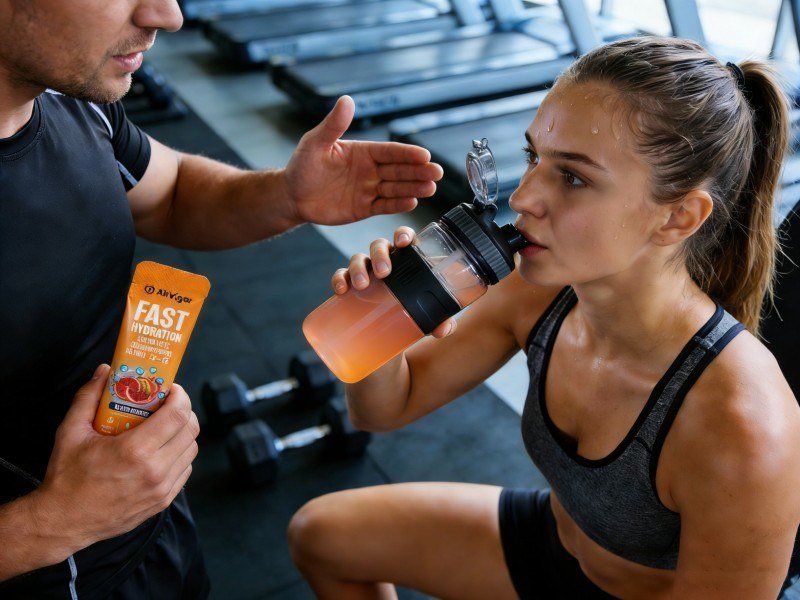
A lot of people now buy electrolyte products for reasons that sound sensible on the surface. They feel tired during workouts. They sweat more in summer. They travel often. They sit in air conditioning all day and feel flat by the afternoon. They hear that electrolytes help hydration, so they assume more must be better. But that is exactly where confusion starts. Many people use electrolytes when plain water would have been enough. Others wait until they are already drained, dizzy, or underperforming before they think about hydration at all. Some treat electrolyte powders like daily insurance regardless of heat, sweat, or activity. Others avoid them completely because they think electrolytes are only for marathon runners. In real life, the right answer sits in the middle. Water still covers a large part of daily hydration. Electrolytes become more useful when fluid loss and mineral loss start to matter in a practical way. Mayo Clinic’s exercise guidance still draws that line clearly: water is generally the best fluid for most exercise, while sports drinks become more useful once exercise goes beyond about 60 minutes because they help with electrolyte balance and carbohydrates.
Electrolytes are charged minerals such as sodium, potassium, chloride, magnesium, and calcium. They help regulate the amount of fluid in the body, support nerve and muscle function, and keep many basic body systems running normally. Using them correctly means matching them to the real demand in front of you. On a normal low-sweat day, water may be enough. During longer, hotter, or sweat-heavy conditions, electrolyte support becomes more useful because the body is losing more than water alone.
That is why this topic matters so much for AirVigor readers. A commuter doing a 30-minute gym session after work, a CrossFit user training in a hot box gym, a traveler finishing a long flight, and an office worker trying to stay sharp through a dry afternoon are not asking the same hydration question. Once you understand what electrolytes actually do and when they are truly needed, the category becomes much easier to use correctly. Instead of chasing trends, you start making decisions based on sweat, session length, heat, routine, and recovery. That shift is what turns a supplement from a random purchase into a useful tool.
What Do Electrolytes Actually Do?
Electrolytes are not “extra” ingredients that only matter to athletes. They are basic minerals the body already depends on every day to regulate fluid balance, support nerve signaling, help muscles contract, and maintain normal body function. In practical terms, electrolytes matter most when fluid turnover increases, sweat loss rises, or the body is under more physical or environmental stress.
What Are Electrolytes?
Electrolytes are minerals in body fluids that carry an electrical charge. MedlinePlus explains that these minerals are present in blood and other body fluids, and that they help control the amount of water in the body, acid-base balance, and the function of nerves and muscles. That makes electrolytes a physiology topic first and a sports-nutrition topic second. Many people first meet the word on a drink label, but the body has been using electrolytes long before any product enters the picture.
This matters because the word “electrolytes” often gets flattened into a vague hydration buzzword. In reality, it refers to a group of specific minerals that do specific jobs. Sodium and chloride help regulate fluid balance and blood volume. Potassium supports cells, heart function, and muscle activity. Magnesium and calcium support nerve and muscle function. When a hydration product works well, it is not because the word electrolytes sounds impressive. It is because the formula supplies minerals the body already uses in measurable ways.
A simple reference table helps clarify the category:
| Electrolyte | Main practical role in the body |
|---|---|
| Sodium | Fluid balance, nerve function, muscle function |
| Chloride | Fluid balance, blood volume support |
| Potassium | Cell function, heart function, muscle support |
| Magnesium | Nerve and muscle support |
| Calcium | Muscle contraction and nerve support |
For readers, the most useful takeaway is that electrolytes are not a performance trend. They are part of the body’s normal operating system. The real question is not whether they matter. The real question is when a supplement is useful because the body’s normal losses or needs have increased beyond what food and plain water can cover well in that moment.
Why Do Electrolytes Matter?
Electrolytes matter because hydration is not only about water volume. It is also about how the body holds, distributes, and uses that water. MedlinePlus notes that electrolytes help balance the amount of water in the body, move nutrients into cells, move wastes out, and support muscle and nerve function. In other words, water and electrolytes work together. Water without the right context is not always enough, especially when loss is high.
This becomes much easier to understand once sweat enters the picture. Sweat is not just water leaving the body. Sweat also contains sodium and chloride, along with smaller amounts of other minerals. That is why a long, sweaty session in the heat feels different from sitting at a desk and drinking the same total fluid volume. The body is not simply losing fluid. It is losing fluid with a mineral pattern attached to it. This is the core reason electrolyte products can be useful in the right setting, and unnecessary in the wrong one.
A practical comparison shows the difference:
| Situation | Main hydration issue |
|---|---|
| Normal indoor workday | Mostly total fluid intake |
| Short light workout | Mostly fluid intake |
| Long hot workout | Fluid plus electrolyte loss |
| Repeated sweat-heavy training | Fluid plus electrolyte loss plus recovery demand |
| Travel day with dry cabin air | Fluid intake consistency and dryness |
This is also where customers make better product decisions. If the problem is mostly low daily water intake, a more expensive electrolyte formula may not solve very much. If the problem is repeated sweat loss, heat, or long training, electrolytes become much more relevant. Correct use starts by identifying which of those situations you are actually in.
Which Electrolytes Matter Most?
Consumers often assume all electrolytes matter equally in hydration products, but in real use, sodium usually deserves the most attention. MedlinePlus identifies sodium as one of the main electrolytes involved in controlling fluid in the body and supporting nerve and muscle function. Sports-hydration guidance also consistently emphasizes sodium because it is lost in sweat in meaningful amounts and helps the body retain ingested fluid more effectively.
Potassium also matters, especially for cell and muscle function, and chloride matters because it works closely with sodium in fluid balance. Magnesium and calcium have value too, especially for overall muscle and nerve support, but consumers often overfocus on them because they are familiar wellness ingredients. If the main question is hydration during or after meaningful sweat loss, sodium should usually be the first mineral people look at on the label.
A label-reading table can make that more practical:
| If your main goal is… | Pay closest attention to… |
|---|---|
| Hydration after sweat loss | Sodium first |
| Daily fluid support with mild sweat | Sodium and potassium |
| Broader mineral support | Sodium, potassium, magnesium, calcium |
| Long-duration sweat-heavy activity | Sodium, then the overall formula structure |
That does not mean the other minerals do not matter. It means customers usually make better decisions when they stop treating the word “electrolytes” like one ingredient and start understanding the hierarchy inside the formula. A product with a clear sodium amount is often easier to evaluate than one that simply sounds complete without showing the numbers that matter.
Do Electrolytes Give You Energy?
Not in the same way as carbohydrates or caffeine do. Electrolytes do not directly supply calories. They do not “boost” energy like a stimulant. What they can do is support the body’s normal fluid balance and function, which can make a person feel better when hydration was part of the problem. Mayo Clinic’s exercise guidance explains that sports drinks can give “a bit more energy” because they contain carbohydrates. That distinction is important. The energy comes from the carbs, not from electrolytes alone.
This matters because many consumers say electrolytes “give them energy.” Sometimes that experience is real, but the explanation is often more subtle. A person may feel less flat because they were underhydrated. They may feel more comfortable because sodium and fluid intake were better matched to sweat loss. Or they may feel better because the product also includes carbohydrates. In each case, the improvement is understandable, but it should not be confused with electrolytes acting like stimulants.
A useful comparison table:
| Product type | Direct calorie energy? | Main value |
|---|---|---|
| Plain water | No | Baseline hydration |
| Plain electrolyte drink | Minimal or none | Fluid balance support |
| Sports drink with carbs | Yes | Hydration plus fuel |
| Performance formula with multiple actives | Depends on full formula | Broader workout support |
For customers, this is one of the most important mindset shifts. Electrolytes are support minerals. They help the body work better when fluid balance is part of the issue. That is valuable, but it is different from saying they are a direct energy source by themselves.

When Do You Really Need Electrolytes?
You do not need electrolytes every time you drink water. For many people, water is enough for normal daily hydration and shorter activity. Electrolytes become more useful when sweat loss rises, sessions get longer, heat exposure increases, or travel and routine disruption make plain water less effective for the moment. The correct choice depends on the demand, not on the popularity of the category.
Is Water Enough for Most Days?
For many people, yes. Mayo Clinic states that water is generally the best way to replace lost fluids, and its daily hydration guidance notes that the average healthy adult may get enough total fluid at about 11.5 cups, or 2.7 liters, for women and 15.5 cups, or 3.7 liters, for men from all sources combined. Those are not rigid goals for everybody, but they reinforce an important point: plain water remains the main hydration tool for a very large part of daily life.
This is useful because many consumers now feel that plain water is somehow incomplete. In reality, for a regular indoor day, mild temperatures, and lower sweat loss, the bigger problem is usually not that water is inadequate. It is that people do not drink enough of it, or they drink it too inconsistently. That is a habit problem, not a product problem.
A practical table makes this easier to judge:
| Day type | Is water often enough? |
|---|---|
| Normal desk day | Yes |
| Light activity day | Yes |
| Short indoor gym session | Often yes |
| Long hot workout day | Not always |
| Heavy outdoor sweat day | Often not by itself |
For readers, this is reassuring. Correct electrolyte use actually begins with not overusing them. Water still deserves to be the baseline for many situations.
Do You Need Electrolytes for Workouts?
Sometimes, but not automatically. Mayo Clinic says sports drinks can be useful when exercise lasts more than 60 minutes because they help with electrolyte balance and carbohydrates. HealthyChildren gives similar guidance, saying water is sufficient for activities under an hour, while longer activities or very hot environments can make sports drinks more useful for carbohydrate and electrolyte replacement.
This is where many people go wrong in both directions. They overuse electrolytes by assuming every short workout needs a more advanced hydration product. Or they underuse them by relying on plain water during longer, sweaty sessions where water alone is no longer addressing the full loss pattern. The right question is not “Am I working out?” It is “How long, how hot, how sweaty, and how repeated is this effort?”
A workout-fit table helps:
| Workout type | Best first choice |
|---|---|
| 20–45 min, mild conditions | Water |
| 45–60 min, moderate effort | Usually water |
| 60+ min, sweaty effort | Electrolytes or sports drink may help |
| Long hard session with clear fuel need | Sports drink often makes more sense |
That is the real logic behind correct use. Electrolytes are not for “exercise” as one giant category. They are for the kinds of exercise that change fluid and mineral needs enough to justify them.
Are Electrolytes Useful in Heat?
Yes, heat is one of the clearest situations where electrolytes become more relevant. Hotter conditions usually increase sweat rate, and sweat contains sodium and chloride. That means a hot day changes the hydration equation even if the activity is not elite-level training. It may be a long walk, outdoor work, a field sport, commuting, or a gym session in poor ventilation. The body is still losing more fluid and minerals than it would in a cooler environment.
HealthyChildren notes that sports drinks can help during very hot conditions when activity goes longer, and its heat guidance also emphasizes taking water breaks even before strong thirst appears because thirst may be delayed until a person is close to dehydration. That is especially relevant for people who routinely underestimate how much heat changes their hydration demand.
A practical heat table:
| Heat situation | Electrolyte usefulness |
|---|---|
| Mild warmth, low sweat | Low |
| Hot day, moderate sweat | Moderate |
| Heavy outdoor sweat | Higher |
| Long training in heat | Higher |
For customers, heat is one of the simplest clues that electrolyte use may become more justified. Not because every warm day needs a special drink, but because heat makes the body’s losses less ordinary.
Are Electrolytes Useful for Travel?
Often, yes. Travel creates hydration problems in ways people do not always notice. Long flights mean dry cabin air, disrupted routines, more caffeine, less water, poor sleep, and often saltier food. Cleveland Clinic notes that airplane travel can leave people dehydrated and more fatigued, and travel-health guidance points out that dehydration can worsen how people feel during jet lag and long-haul trips.
This is useful because travel is one of the biggest non-sports use cases for electrolytes. A person does not need to be training hard to arrive at a destination feeling flat, dry, or heavier than expected. If fluid intake has been poor and the day includes dry air, long sitting, and irregular meals, an electrolyte drink can be more useful than people expect, especially when it helps them re-establish a hydration routine faster.
A travel table makes that clearer:
| Travel situation | Why electrolytes may help |
|---|---|
| Long flight | Dry air and low fluid routine |
| Jet lag day | Better hydration support may improve overall comfort |
| Hot-weather arrival | Sweat loss can rise quickly |
| Busy business travel | Easy to miss normal water intake |
For many readers, travel is one of the most realistic times to keep electrolytes available because the routine disruption is real, even when no workout is involved.
How Should You Use Electrolytes Correctly?
Using electrolytes correctly is mostly about matching the drink to the situation. A normal office day, a 30-minute workout, a long run in the heat, and a travel day with poor sleep do not create the same hydration problem. Water is still the base habit for many people. Electrolytes become more useful when sweat loss is meaningful, exercise lasts longer, heat rises, or recovery has to happen quickly. Mayo Clinic’s exercise guidance keeps the line simple: water is generally best for most exercise, while drinks with electrolytes become more useful once exercise goes beyond about 60 minutes.
The easiest mistake to make is treating electrolytes like an all-day default. The second easiest mistake is waiting until you already feel drained, cramp-prone, or flat before thinking about hydration at all. Correct use sits in the middle. Build your routine around water first, then use electrolytes more deliberately when the session, environment, or daily demand justifies them.
A practical framework looks like this:
| Situation | Best first choice | Why |
|---|---|---|
| Normal daily routine | Water | Usually enough for low sweat conditions |
| Short workout in mild weather | Water | Losses are often modest |
| Sweaty training without major fuel need | Electrolytes | Helps match fluid and sodium loss |
| Long hard session | Sports drink or performance hydration | Fluid + electrolytes + carbs may matter |
| Heavy sweat after training | Water plus electrolytes or sodium-containing fluids/foods | Better rehydration support |
This is also where product education matters for customers. A good formula can still be used badly if timing is poor or expectations are unrealistic. The goal is not to “take electrolytes more often.” The goal is to use them where they solve a real problem.
How Should You Use Electrolytes Before Exercise?
Before exercise, the main job is simple: do not start behind. Sports-hydration guidance supports beginning activity in a well-hydrated state, and pediatric sports guidance suggests a practical range of about 12–20 ounces of fluid 2–3 hours before activity, plus a smaller amount closer to the session. That does not mean everyone needs electrolytes before every workout. It means pre-exercise hydration matters more than many people realize.
Electrolytes before exercise make the most sense when one or more of these conditions are true: you sweat heavily, you are training in heat, the session will be long, you are starting after a dehydrating day, or you know your water intake has been weak for several hours. In those situations, relying on plain water at the last minute may not be the best fit. A more structured pre-workout fluid plan usually works better than trying to fix the problem once the workout has already started.
A useful decision table:
| Pre-workout situation | Better approach |
|---|---|
| Normal short workout | Water is often enough |
| Hot-weather session | Electrolytes may help more |
| Heavy sweater | Electrolytes become more useful |
| Long evening workout after a busy day | Electrolytes may be worth considering |
| Well-hydrated short indoor session | Water usually remains fine |
For many readers, this is one of the highest-value corrections in the whole article. They do not necessarily need more product. They need to stop showing up underhydrated and expecting the session to feel good anyway.
How Should You Use Electrolytes During Exercise?
During exercise, the question is not “Am I moving?” It is “What is this session taking out of me?” Mayo Clinic says water is usually sufficient for most exercise, but that sports drinks become more useful when exercise lasts more than 60 minutes because they help maintain electrolyte balance and provide carbohydrates. HealthyChildren gives a similar message: under an hour, water is usually sufficient; longer activity or very hot conditions justify more support.
That means in-session electrolyte use makes the most sense when sweat loss is high enough to matter. A short lift, easy mobility work, or a moderate indoor session often does not require a special drink. A long run, a hot field practice, repeated intervals, or a long cycling session creates a very different demand. This is where electrolyte drinks or sports drinks start to earn their place.
A practical in-session table:
| Workout type | Better in-session choice |
|---|---|
| 20–45 minutes, mild conditions | Water |
| 45–60 minutes, moderate conditions | Usually water |
| 60+ minutes, higher sweat loss | Electrolytes may help |
| Long hard training with carb demand | Sports drink may fit better |
| Very hot or humid session | Electrolytes become more useful sooner |
Consumers often overcomplicate this. They ask for the “best electrolyte product” before they ask whether the session even needs one. Correct use starts with session length, heat, sweat, and effort, not with label design.
How Should You Use Electrolytes After Exercise?
After exercise, electrolytes are most useful when sweat loss was meaningful, and recovery needs to happen with more structure. GSSI guidance explains that after a session with body mass loss, the goal is to replace sweat losses and restore body fluid balance, and sodium helps stimulate thirst and support fluid retention. In practice, that means post-workout hydration is not only about drinking something. It is about drinking something that fits the size of the loss.
One practical number helps here. Sports-hydration guidance often works from the idea that a 1-pound drop in body mass during exercise is roughly equal to about 16 ounces of sweat loss. For faster rehydration, especially if another session is coming soon, fluid replacement often needs to go above that loss rather than merely match it. That is why casual sipping may feel insufficient after a very sweaty session.
A practical recovery table:
| Post-exercise situation | Better approach |
|---|---|
| Light session, low sweat | Water may be enough |
| Heavy sweat, no quick turnaround | Water plus sodium-containing drink or foods may help |
| Hard session with same-day training again | More deliberate fluid and sodium replacement helps |
| Poor appetite after training | Liquid recovery support can be more practical |
This matters for AirVigor’s audience because many users need to recover in real life, not just into another workout. They need to get through work, commuting, family time, and the next day’s training with less drag. Post-exercise electrolyte use is often about that bigger recovery picture.
Can You Use Electrolytes Every Day?
Yes, but daily use should still follow need rather than habit alone. Daily electrolytes can make sense for people who sweat often, train regularly, travel frequently, work outdoors, or feel consistently under-recovered in hot or dry conditions. They are less essential for someone with low activity, mild climate exposure, normal food intake, and a good water habit. Mayo Clinic still frames water as the standard first choice for most people.
The better way to judge daily use is by pattern. Some users genuinely have a daily demand that is higher than average. Others simply have poor water habits and expect an electrolyte powder to fix them. Those are not the same thing. An electrolyte product can support a good routine, but it is not a substitute for one.
A practical daily-use guide:
| Daily pattern | Daily electrolytes? |
|---|---|
| Sedentary day, mild weather | Often optional |
| Frequent exercise | Sometimes useful |
| Outdoor work or heavy heat exposure | More useful |
| Frequent travel | Often useful |
| Repeated heavy sweat loss | More useful |
For customers, this is where responsible product education matters. A brand earns more trust when it helps people understand when a product is useful and when plain water is still enough.
Which Mistakes Should You Avoid?
Most electrolyte mistakes are not about choosing the wrong label. They are about using a reasonable product in the wrong context, in the wrong amount, or for the wrong goal. Some people use electrolyte products for every short workout. Some avoid them even during long, sweaty sessions. Some drink too much fluid too fast. Others trust thirst alone in situations where thirst is a delayed signal. Good hydration support can still fail when the habit around it is poor.
A practical mistake table makes this clearer:
| Mistake | What usually goes wrong |
|---|---|
| Using electrolytes for everything | Adds cost and complexity without solving a real need |
| Never using electrolytes in heavy sweat conditions | Water may not fully match the demand |
| Overdrinking fluids | Can dilute sodium and increase risk |
| Waiting for strong thirst | Often too late in heat or training |
| Assuming sports drinks are always better | Extra sugar may be unnecessary |
Can You Drink Too Many Electrolytes?
The more immediate real-world problem is often not “too many electrolytes” in isolation. There is too much total fluid, especially low-sodium fluid, relative to sweat losses. GSSI’s discussion of hyponatremia explains that excessive drinking is a major risk factor and that drinking far beyond sweat loss can dilute blood sodium. Mayo Clinic and GSSI both emphasize balance rather than simply pushing more intake.
This matters because many consumers still think hydration is a quantity contest. They assume the safest plan is to keep drinking constantly just in case. But when fluid intake clearly overshoots need, especially during long exercise, risk can rise rather than fall. The smarter rule is to drink in a way that roughly tracks losses instead of dramatically exceeding them.
A simple table helps:
| Intake pattern | Better or worse? |
|---|---|
| Measured intake matched to sweat | Better |
| Large catch-up chugging | Worse |
| Moderate electrolyte use with clear need | Better |
| Constant high-volume drinking “for safety” | Worse |
The useful lesson for readers is balance, not fear. Electrolytes are helpful tools, but they work best inside a smarter overall hydration strategy.
Are Sports Drinks Always Better?
No. Sports drinks are useful in some situations, but not automatically better in all situations. Mayo Clinic clearly says they become more useful when exercise lasts more than 60 minutes because they help with electrolytes and carbohydrates. That same point also tells you when they are less necessary: short, lighter, or lower-sweat sessions.
The overuse pattern is common. A person does a short walk, a light gym session, or casual activity and chooses a sports drink because it sounds more functional than water. In many of those cases, the body did not need the extra carbohydrate load. The result is more sugar without a clear performance or hydration benefit.
A practical comparison:
| Situation | Sports drink the better choice? |
|---|---|
| Normal daily hydration | No |
| Short easy workout | Usually no |
| Long hard training | Sometimes yes |
| High-sweat prolonged activity | Often more useful |
This is one of the easiest corrections a customer can make: stop treating water, electrolyte drinks, and sports drinks as if they are interchangeable.
Do Short Workouts Need Electrolytes?
Often not. For many short workouts in mild conditions, water is enough. HealthyChildren says activities under an hour are generally fine with water, and Mayo Clinic’s more-than-60-minutes rule supports the same direction. Duration is not the only factor, but it is still a very practical starting point.
That said, “short” does not always mean “easy.” A short, brutal interval session in summer heat may create more sweat loss than a longer, easy indoor workout. So the better rule is not “short workouts never need electrolytes.” It is “short workouts often do not need them unless heat and sweat are clearly higher than normal.”
A practical short-session table:
| Short workout type | Electrolytes usually needed? |
|---|---|
| Light indoor workout | Usually no |
| Moderate session in mild weather | Usually no |
| High-sweat short session in heat | Sometimes yes |
| Back-to-back short sessions | Sometimes yes |
That kind of distinction helps readers avoid both overuse and underuse.
Is Thirst Enough to Guide You?
Not always. Thirst is useful, but it is not a complete strategy, especially in heat, travel, long activity, or busy workdays, where people ignore early signals. Planned drinking strategies are often used in sports nutrition specifically to reduce both underdrinking and overdrinking, rather than relying on one sensation alone. GSSI’s discussion of planned drinking versus thirst-based drinking makes that tradeoff clear.
This is a very common real-life problem. People say they will drink when they feel they need it, but then hours pass in meetings, on flights, at work, or during outdoor activity. By the time thirst becomes obvious, they are already behind. Thirst is helpful, but it works better when combined with routine and context.
A practical guide:
| Signal | Use alone? |
|---|---|
| Thirst | Helpful, but not enough by itself |
| Urine color pattern | Useful clue |
| Sweat level | Very useful |
| Heat and session length | Very useful |
For many readers, this is the rule that improves hydration fastest: do not ignore thirst, but do not make thirst your only system.

Which AirVigor Product Fits Best?
Choosing the right electrolyte product is not about picking the one with the most aggressive label or the longest ingredient panel. It is about matching the formula to the real hydration job in front of you. Some people mainly need steady daily hydration support. Some need help during hard, sweat-heavy training. Some need a smoother recovery option after workouts, outdoor activity, or long days in the heat. Others are not shopping for themselves at all. They are building a private-label product and need a manufacturing partner that can turn a market idea into a stable, repeatable formula.
That is why product selection should start with one simple question: What is your real use case?
A practical comparison looks like this:
| Main need | Better fit |
|---|---|
| Daily hydration support | A cleaner electrolyte formula |
| Hard training support | A performance-oriented electrolyte formula |
| Post-workout recovery support | A recovery-focused electrolyte formula |
| New brand or private-label project | OEM / ODM electrolyte development |
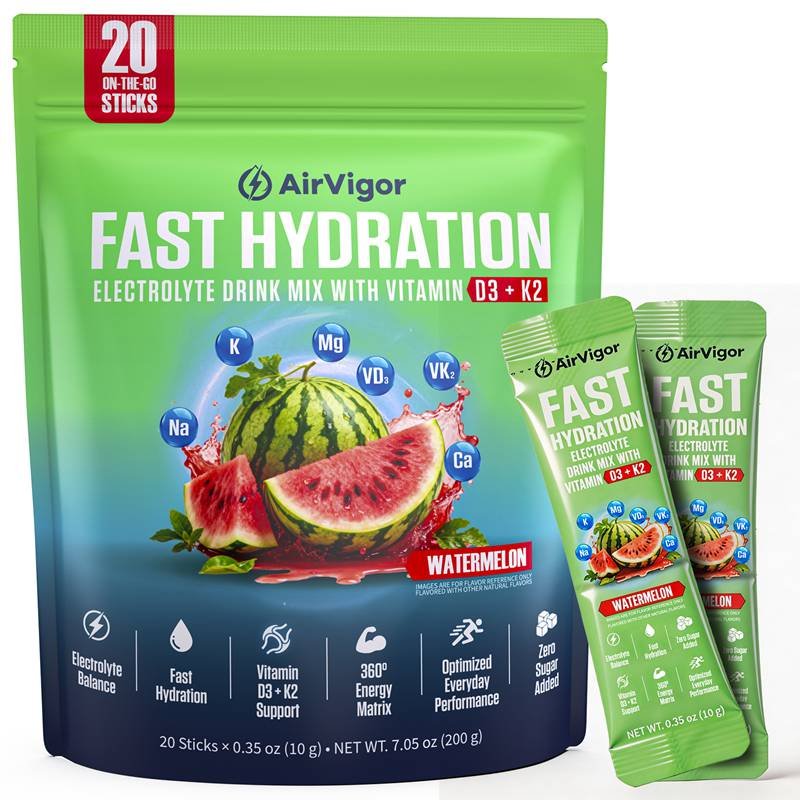
For AirVigor, this product logic is especially important because the brand is not built around vague positioning. Based on the company profile you provided, AirVigor is built around real formula expression, real ingredient inclusion, stable quality systems, and long-term product consistency. That gives consumers a clearer reason to choose. It also gives B2B clients a stronger base for product development, because the conversation starts with actual needs, not empty claims.
Which Product Fits Hard Training?
Hard training creates a different hydration problem from normal daily life. The issue is not only thirst. It is also training quality, muscle output, focus, repeat performance, and how stable the body feels in the second half of the session. A person doing CrossFit, HIIT, hybrid strength-cardio work, or long gym sessions is usually not asking, “How do I drink more water?” The real question is, “How do I stop fading?”
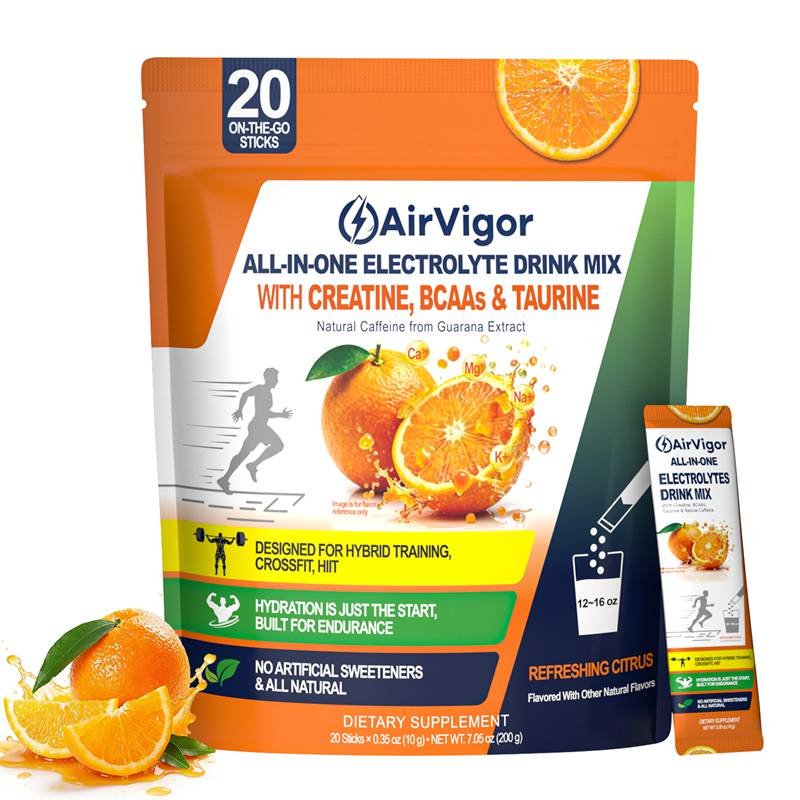
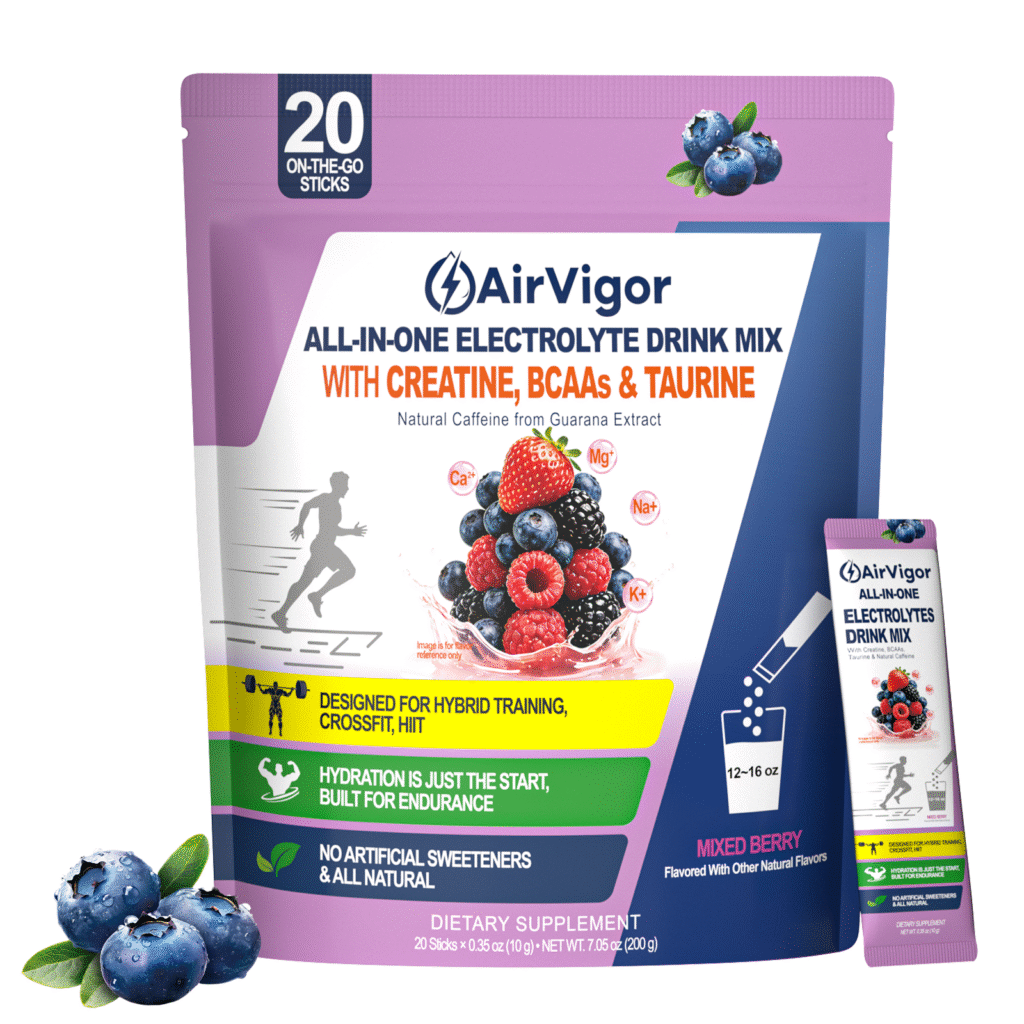
That is where AirVigor’s performance-oriented electrolyte direction fits best. A product like Peak Performance Pre-Workout Powder is more suitable for users whose training demands go beyond basic hydration. Based on the formula profile you shared earlier, this kind of product combines electrolytes with creatine, taurine, amino acids, BCAA, citrulline, and additional performance-support ingredients. That gives it a broader role than a plain hydration stick.
This kind of formula fits people who deal with:
| Training problem | Why a performance electrolyte formula fits |
|---|---|
| Output drops too early | Hydration alone may not solve the full issue |
| Sweat loss affects later sets | Electrolytes support fluid balance during harder sessions |
| Too many separate powders | One formula can simplify the routine |
| Mixed training demand | Better suited than a basic electrolyte-only product |
This is also commercially important because many active consumers now want fewer products, not more. They want a cleaner routine they can actually follow. A performance-focused electrolyte formula helps reduce stacking complexity while still addressing hydration, training support, and session durability in one system. That makes it easier to explain on a product page, easier to position on Amazon or Shopify, and easier for the user to stay consistent over time.
Which Product Fits Recovery?
Recovery hydration is different from performance hydration. After exercise, many people are not just thirsty. They are tired, slightly drained, and often not ready for a heavy meal. Some want to rehydrate without drinking something very sugary. Some want more support than plain water, but something calmer than a hard-training formula. This is where a recovery-oriented electrolyte product becomes more useful.
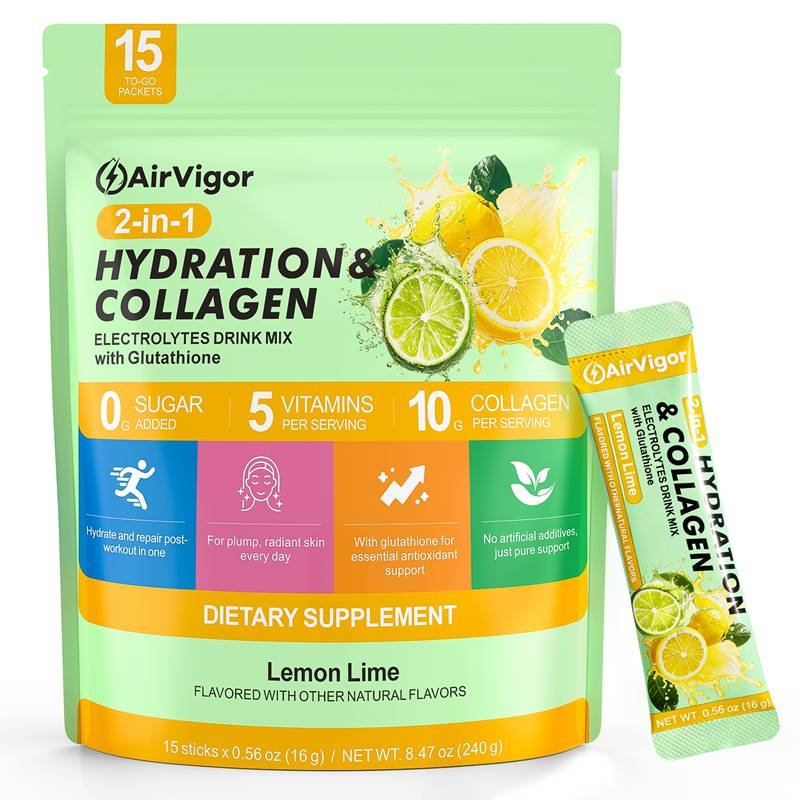
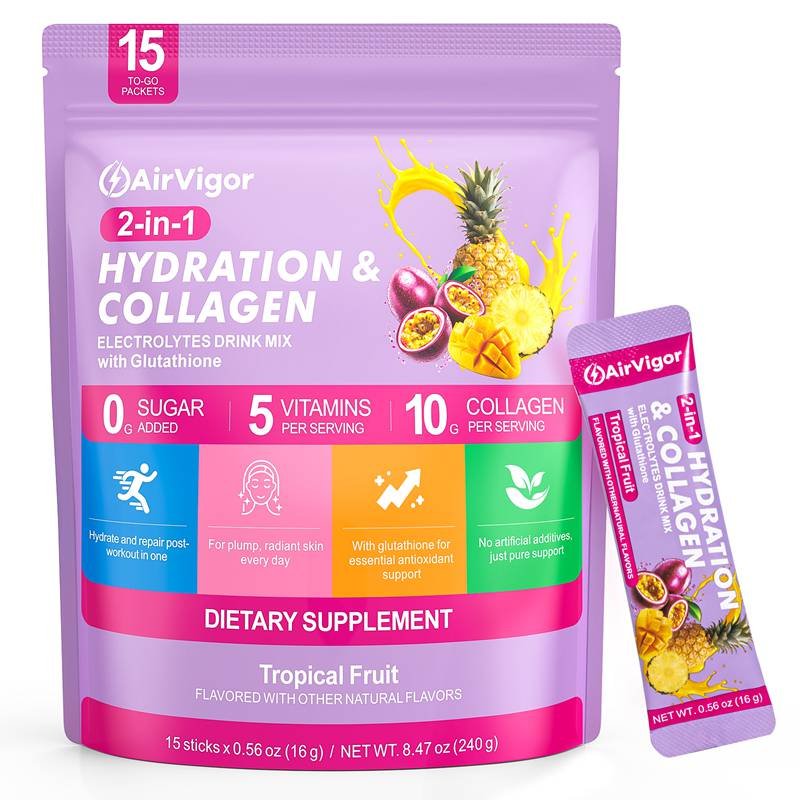
Based on the formula direction you provided, AirVigor’s recovery-focused electrolyte concept with collagen and supportive nutrients fits this role very well. It gives the customer a more complete post-activity option without pushing the feel of a high-stim or heavy pre-workout category. That is especially useful for people who train consistently but do not identify as extreme athletes. It also works well for lifestyle users who want recovery support after Pilates, yoga, hiking, cycling, long walks, or physically demanding workdays.
A recovery-fit table makes that easier to see:
| Post-activity need | Better fit |
|---|---|
| Mild thirst only | Water may be enough |
| Sweat loss plus recovery support | Recovery electrolyte formula |
| Heavy training with performance demand | Performance formula may fit better around the workout |
| Light training with a recovery focus | Recovery electrolyte formula fits well |
This kind of product also solves a very practical customer problem: many users do not want separate hydration and recovery products. They want one easy step after the activity. From a conversion perspective, that makes the category easier to understand and easier to commit to. “Hydration plus recovery” is a very intuitive use case, which is why recovery-focused formulas often have strong long-term repeat potential when the flavor, texture, and convenience are handled well.
Which Product Fits Daily Hydration?
Daily hydration is where many brands make things too complicated. Not every customer needs a sports drink. Not every customer needs a performance stack. Many simply want something more functional than plain water on the days when life pulls them off track: hot weather, long office hours, dry indoor air, travel, commuting, or light-to-moderate sweat loss.
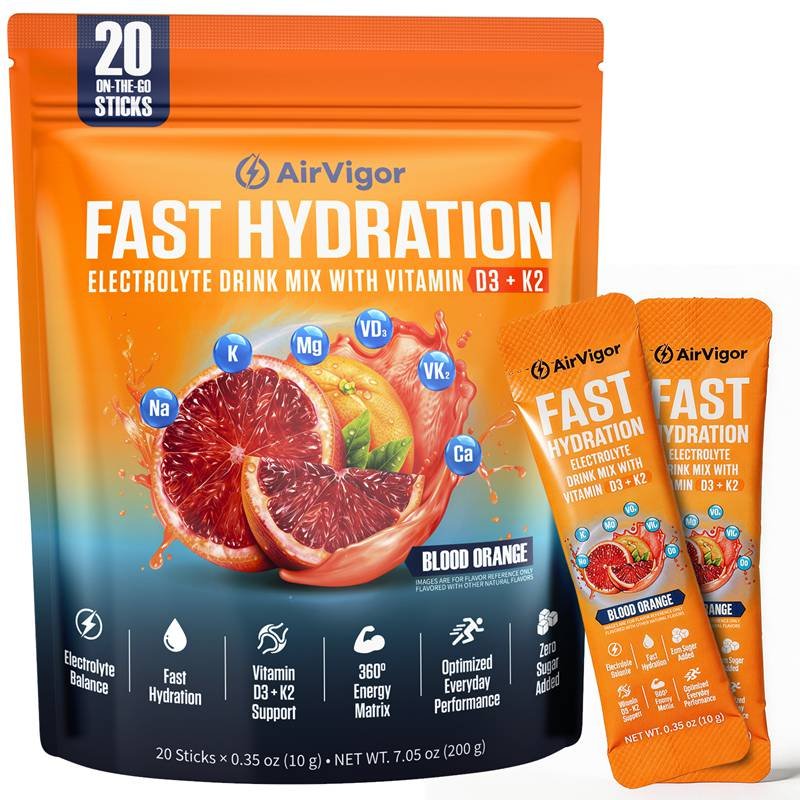
That is where a simpler daily electrolyte formula makes the most sense. Based on your earlier product structure, AirVigor’s broader daily-use electrolyte direction is the most natural fit for this role. It is easier to position for people who want hydration support without stepping into a very athletic or niche formula category.
This daily-use fit is especially strong for:
| Daily-life situation | Why a daily electrolyte formula fits |
|---|---|
| Warm workdays | Helps support hydration when plain water intake is inconsistent |
| Travel days | Easy to carry and easy to use when routine breaks |
| Mild sweat loss | More targeted than a sugary sports drink |
| Afternoon flatness after long days | Practical support when hydration habits are weak |
This is also where AirVigor’s wider brand story helps. Since the brand covers multiple supplement categories and emphasizes real ingredient use, it becomes easier for a customer to start with a daily hydration product and stay within the same brand logic as their needs grow. That matters for trust, cross-sell potential, and long-term retention.
How Can AirVigor Support Custom Formulas?
For B2B clients, the question is not only which existing product fits best. The bigger opportunity is often building the right formula for a specific market, channel, or customer type. This is where AirVigor’s OEM and ODM capability becomes highly valuable.
Based on the company details you provided, AirVigor brings together a strong development and production structure:
| Capability area | AirVigor support |
|---|---|
| R&D team | 25+ researchers |
| Formula base | 20,000+ formulation models |
| Technical assets | 300+ patents |
| Quality staff | 30+ people |
| Factory scale | 30,000+ square meters |
| Team scale | 1000+ personnel |
| MOQ | 500 pcs |
| Standard sample time | 3–7 days |
| More complex sample time | 7–12 days |
| Typical production cycle | 15–30 days |
This matters because the electrolyte category is no longer one simple product line. Different markets want different things. Some want clean hydration. Some want performance hydration. Some want recovery hydration. Some want beauty-linked hydration, travel hydration, or daily-use powder sticks designed for office workers and lifestyle users. A company that can support those directions with product development, packaging coordination, label adaptation, and market-ready manufacturing has a much stronger commercial role than one that only offers a few stock formulas.
For private-label clients, AirVigor’s value is not only production capacity. It is the ability to help shape a product that is easier to position and easier to scale. That includes:
| Business need | Why AirVigor fits |
|---|---|
| Fast product launch | Existing formula development base speeds direction |
| Market-specific positioning | OEM / ODM structure allows better customization |
| Multi-format expansion | Powders, capsules, gummies, drops, and more |
| Cross-border selling | Packaging and labeling can be adapted by market |
| Channel-fit product planning | Useful for Amazon, eBay, Walmart, Shopify, and regional channels |
For serious buyers, this creates two clear paths. One is to order a finished AirVigor product that already fits a defined use case. The other is to use AirVigor as a long-term product development partner for a custom hydration line.
Final Thoughts
Learning how to use electrolytes correctly is really about learning how to stop using the same hydration answer for every situation. Water is still enough for many normal days and many shorter activities. Electrolytes become more useful when sweat loss rises, heat becomes a real factor, travel breaks your routine, or recovery has to happen more efficiently. Sports drinks fit a narrower use case where both fluid and carbohydrate replacement matter. Performance formulas fit hard-training users. Recovery formulas fit the post-workout or post-exertion window. Daily electrolyte formulas fit lifestyle hydration support when plain water is not always enough in practice.
A simple closing table brings the full logic together:
| Real-world situation | Smarter choice |
|---|---|
| Normal day, low sweat | Water first |
| Warm day, travel, long office routine | Daily electrolyte support may help |
| Hard training with sweat and output demand | Performance electrolyte formula |
| Post-workout recovery need | Recovery-focused electrolyte formula |
| Private-label opportunity | OEM / ODM formula development |
For retail customers, the next step is straightforward: choose the formula that fits your real routine, not the loudest trend. For distributors, ecommerce operators, and private-label brands, the next step is just as clear: work with a partner that can support both stable finished products and custom product development with real manufacturing depth.
AirVigor is positioned to support both needs. If you want a branded electrolyte product with clearer formula logic and better use-case fit, the brand already has strong direction across daily hydration, performance support, and recovery support. If you want to build your own electrolyte formula for Amazon, eBay, Walmart, Shopify, or cross-border retail channels, AirVigor also offers OEM and ODM support with practical sample timelines, flexible formats, packaging coordination, and scalable production support.
If you are ready to move forward, you can contact Emily and the AirVigor team to discuss:
| Request type | What to ask for |
|---|---|
| Brand product order | Product recommendation, specs, availability |
| Sample request | Sample options and timeline |
| OEM inquiry | Formula, flavor, format, packaging, MOQ |
| ODM inquiry | Product concept, development, packaging, launch support |
| Market expansion inquiry | Labeling, packaging, and channel adaptation |
For customers who want better hydration support, and for partners who want to build a stronger electrolyte product line with clearer product logic and more stable execution, AirVigor offers both a finished-product path and a development path.