Skip to content

When people look at an electrolyte label, they usually pay attention to sodium, potassium, or magnesium first. That makes sense, because those are the minerals that do the real hydration work. But if the drink tastes harsh, too salty, too flat, or strangely heavy, many users will not finish the bottle often enough for the formula to matter. That is where stevia becomes important. In a recovery electrolyte, stevia is not the ingredient that replaces sweat minerals. It is the ingredient that often decides whether the product feels light enough, pleasant enough, and practical enough to use again tomorrow.
Stevia in Recovery Electrolyte with D3K2 is mainly there to provide sweetness without adding much sugar or many calories. Purified steviol glycosides are commonly described by FDA materials as about 200 to 400 times sweeter than table sugar, so even a very small amount can noticeably change the drinking experience. Major safety authorities also continue to use an acceptable daily intake of 4 mg per kg body weight per day, expressed as steviol equivalents.
That matters more than it may seem. Research on hydration beverages keeps pointing to one practical truth: people drink more when the beverage is more pleasant. Palatability is a major driver of fluid consumption, and pleasant-tasting drinks can support better fluid balance than drinks people do not enjoy finishing. So if an electrolyte formula is designed for repeat use — after workouts, during travel, at work, or across hot days — stevia is not just a label choice. It is part of the reason the product may actually get used. And in real life, the best formula is rarely the one with the flashiest ingredient list. It is the one people are still happy to drink after the first week.
What Is Stevia in Recovery Electrolyte with D3K2?
Stevia in Recovery Electrolyte with D3K2 is a high-intensity sweetener used to make the drink sweet without relying on large amounts of sugar. Its main job is to improve taste, keep calories and sugar lower, and make repeated hydration use easier for people who want something lighter than a conventional sports drink. Because steviol glycosides are far sweeter than sugar, the actual ingredient amount in one serving is usually very small.
What Does Stevia in Recovery Electrolyte with D3K2 Do?
In a finished electrolyte product, stevia mainly does four practical jobs.
It adds sweetness without adding meaningful sugar. That helps brands build a product that tastes enjoyable without turning it into a sugary sports drink.
It helps the drink feel lighter. Many users want an electrolyte that tastes refreshing rather than syrupy. Stevia helps deliver sweetness without the body and calorie load that comes with sugar.
It improves repeat drinkability. This is a bigger point than many customers realize. A drink that tastes acceptable once but becomes tiring after several servings is not a strong long-term hydration product.
It supports product positioning. A formula sweetened with stevia is often easier to place into a “daily hydration,” “light recovery,” or “lower-sugar” routine than a formula built around a larger sugar load.
A simple table helps show its role:
| Ingredient role | What stevia mainly helps with |
|---|---|
| Sweetness | Adds sweetness at very low use level |
| Sugar reduction | Helps lower or avoid added sugar |
| Calorie control | Keeps sweetness from driving calories up |
| Repeat use | Makes regular hydration feel lighter |
For customers, the most useful way to think about stevia is this: it is not there to make the formula stronger. It is there to make the formula easier to keep using.
Why Is Stevia in Recovery Electrolyte with D3K2 Important?
Stevia matters because electrolyte products are judged in real life, not just on paper.
A formula may look excellent in a comparison chart. It may contain the right minerals, clean sourcing, and a strong nutrition story. But if the taste is too salty, too sharp, or too heavy, users start skipping servings, diluting it too much, or switching products. That is why sweetness matters. Not because sweetness is the main performance driver, but because sweetness helps determine whether the product gets used often enough to deliver any real benefit.
Research supports this practical point. Palatability is a major determinant of fluid intake, and pleasant-tasting flavored beverages can increase voluntary consumption and improve fluid balance compared with less appealing options. In exercise settings, cool and pleasant drinks have been shown to enhance fluid consumption.
A useful product-goal table looks like this:
| Product goal | Why stevia matters |
|---|---|
| Sugar-free positioning | Adds sweetness without sugar load |
| Daily-use hydration | Keeps the drink lighter than sugary sports drinks |
| Lower-calorie formula | Supports sweetness with little calorie impact |
| Better compliance | Makes the bottle easier to finish |
For many users, stevia is important for a very simple reason: it helps the product feel less like a chore.
Is Stevia in Recovery Electrolyte with D3K2 Better Than Sugar?
That depends on what the product is trying to do.
If the goal is carbohydrate fueling during long endurance exercise, sugar can make sense because it provides usable energy. But if the goal is a lighter, lower-sugar recovery electrolyte that people can use often, stevia often has clear advantages.
Stevia is generally the better fit when the product is meant to offer:
- sweetness without a large sugar load
- sweetness without many added calories
- a lighter drinking experience
- lower-sugar positioning for frequent use
A practical comparison:
| Question | Stevia | Sugar |
|---|---|---|
| Adds meaningful sweetness at low dose | Yes | No |
| Adds meaningful calories | No or very little | Yes |
| Adds carbohydrate fuel | No | Yes |
| Better fit for low-sugar hydration | Usually yes | Often no |
| Better fit for endurance energy delivery | Usually no | Usually yes |
This is why stevia works especially well in recovery electrolytes aimed at hydration support, light recovery, office use, travel use, or repeat daily use. It is not automatically “better” in every category. It is better when the product goal is sweetness without sugar weight.
Which Users Prefer Stevia in Recovery Electrolyte with D3K2?
Stevia tends to appeal most to users who want a drink that is sweet enough to enjoy but not heavy enough to feel like a conventional sports drink.
That often includes:
- office workers using electrolytes several times a week
- travelers wanting lighter hydration options
- light-to-moderate exercisers
- users trying to reduce added sugar
- customers who dislike syrupy sports drinks
- people who want sweetness without a large calorie contribution
At the same time, preference is personal. Some users are more sensitive to lingering sweetness or aftertaste. This is why the ingredient list alone never tells the full story. The same stevia sweetener can feel very different depending on how it is balanced with acids, salts, and flavor compounds.
A preference table makes that easier to read:
| User type | Why stevia may appeal |
|---|---|
| Office workers | Easier repeat use without sugary feel |
| Daily hydration users | Lighter profile for regular intake |
| Low-sugar shoppers | Sweetness without much sugar |
| Light exercisers | Better fit than many traditional sports drinks |
| Highly taste-sensitive users | Depends strongly on formula quality |
For customers, the most practical takeaway is simple: stevia usually fits best when the product is meant to be easy to drink often, not just impressive on a label.
How Much Stevia in Recovery Electrolyte with D3K2 Is Common?
Stevia is used in very small amounts because it is extremely sweet. In a finished electrolyte formula, the stevia number may look tiny next to sodium, citric acid, or flavor ingredients, but that does not mean it is unimportant. Since steviol glycosides are commonly described as around 200 to 400 times sweeter than sugar, small formulation changes can noticeably affect sweetness, aftertaste, and overall balance.
How Much Stevia in Recovery Electrolyte with D3K2 Per Serving?
In real drink powders, stevia is usually present at a very low milligram level per serving. The exact number varies depending on:
- which steviol glycosides are used
- how sweet the finished drink is meant to be
- whether the formula also includes other sweeteners
- how much sodium, citric acid, and flavor load needs balancing
Because stevia is so potent, even a small shift in use level can change how the drink feels. A few milligrams may be enough in a light formula, while stronger acid or salt systems may require more sweetness support.
A practical interpretation table:
| Stevia level in serving | What it often suggests |
|---|---|
| Very low milligram range | Enough for light sweetness |
| Low-to-moderate milligram range | Common in balanced electrolyte formulas |
| Higher use within formula context | Often reflects strong acid or salt balancing needs |
For most customers, the key point is this: with stevia, small numbers can still have a large sensory effect.
What Is the Upper Limit for Stevia in Recovery Electrolyte with D3K2?
The main safety benchmark is the acceptable daily intake.
Major food-safety authorities continue to use an ADI of 4 mg/kg body weight/day expressed as steviol equivalents. EFSA reaffirmed that benchmark in recent evaluations.
A practical body-weight table helps make this easier to understand:
| Body weight | ADI as steviol equivalents per day |
|---|---|
| 50 kg | 200 mg/day |
| 60 kg | 240 mg/day |
| 70 kg | 280 mg/day |
| 80 kg | 320 mg/day |
For most users, one normal electrolyte serving is unlikely to approach that level on its own. The ADI matters more as a total daily exposure guide, especially if someone uses several stevia-containing products throughout the day.
Can You Get Too Much Stevia in Recovery Electrolyte with D3K2?
In ordinary use, most people are unlikely to exceed the ADI from one electrolyte drink alone. The more realistic issue is stacked intake across the day.
That can come from:
- electrolyte powders
- flavored waters
- protein drinks
- yogurts or snacks with stevia
- tabletop sweeteners
A practical risk table:
| Intake pattern | Practical concern |
|---|---|
| One normal electrolyte serving | Usually low |
| Several stevia products in one day | Higher total exposure |
| Frequent daily use across many products | Worth tracking |
| Lower-body-weight users with heavy intake | More relevant |
For customers, the smartest question is not “Is stevia unsafe?” It is “How much total stevia am I getting from everything I use?”
How Do You Read Stevia in Recovery Electrolyte with D3K2 on a Label?
Labels can make stevia harder to interpret than it should be.
You might see:
- stevia leaf extract
- steviol glycosides
- specific names such as Reb A or other rebaudiosides
- stevia listed alongside other sweeteners or flavor modifiers
What matters most is not only whether stevia appears. It is also:
- whether stevia is the main sweetener
- whether it is blended with other sweeteners
- whether the product is truly low sugar or just “less sugar.”
- how the whole ingredient system supports taste
A practical label-reading table:
| What to check | Why it matters |
|---|---|
| Stevia naming | Shows what sweetener form is used |
| Other sweeteners | Changes sweetness profile and aftertaste |
| Sugar content | Shows whether stevia replaces sugar or just supports it |
| Acids and flavor load | Affects how clean the sweetness feels |
For customers, the simplest rule is this: do not judge stevia only by its name — judge it by the full taste system around it.

How Does Stevia in Recovery Electrolyte with D3K2 Work?
Stevia works by giving the formula sweetness without relying on much sugar, but its real value in a recovery electrolyte is bigger than its sweetness alone. In practical use, stevia helps shape whether the drink feels light or heavy, clean or lingering, pleasant or tiring after repeated use. That matters because hydration products are judged one sip at a time. If the drink is too salty, too sharp, or too flat, many users stop finishing it consistently. Research on exercise beverages keeps showing that palatability strongly influences how much people voluntarily drink, and better-tasting fluids can support better fluid intake and fluid balance.
For customers, stevia’s role is easy to understand in real-life terms. It helps the drink feel sweet enough to enjoy without turning it into a sugary sports drink. That is especially important in products meant for repeat use: after training, during long workdays, while traveling, or across several hot days in the same week. Since FDA materials continue to describe steviol glycosides as about 200 to 400 times sweeter than table sugar, even very small formulation changes can noticeably affect the final taste.
A practical way to read stevia’s job is this:
| What the user cares about | What stevia helps with |
|---|---|
| “I don’t want a sugary drink.” | Sweetness without much sugar |
| “I want it to taste light.” | Lower sweetness weight than many sugar drinks |
| “I need to keep using it.” | Better repeat drinkability |
| “I don’t want it to taste empty.” | Helps round out acid and mineral sharpness |
So, stevia does not replace electrolytes, and it does not drive hydration biology directly. What it often does is make the formula usable enough that the real hydration ingredients actually get consumed.
How Does Stevia in Recovery Electrolyte with D3K2 Affect Taste?
Taste is where stevia either earns its place or creates problems.
Because stevia is very sweet at low use levels, it can soften the salty edge of sodium, smooth the sharpness of acids, and help fruit flavors feel more complete. That is one reason it works well in recovery electrolytes that want to feel refreshing rather than syrupy. FDA materials continue to place steviol glycosides in the roughly 200–400 times sweeter than sugar range, which explains why a tiny change in formula can noticeably change sweetness and aftertaste.
At the same time, stevia can create problems when it is not balanced well. Customers usually notice this in simple ways:
- the sweetness feels lingering
- the finish tastes slightly bitter
- the drink seems sweet at first, but less satisfying later
- the flavor feels “almost good” but not clean enough to keep using
A practical taste table:
| Taste outcome | What it often means |
|---|---|
| Clean, light sweetness | Sweetness, acid, and flavor are balanced well |
| Lingering sweetness | Stevia level or sweetener profile may be too strong |
| Slight bitterness | Flavor system may not fully cover stevia notes |
| Flat sweetness | Acid and flavor lift may be too weak |
For customers, the key idea is this: stevia is not judged by sweetness alone. It is judged by whether the whole formula feels pleasant from the first sip to the last sip.
How Does Stevia in Recovery Electrolyte with D3K2 Affect Hydration Use?
Stevia does not hydrate the body the way sodium does, but it can improve hydration behavior, and that matters a lot.
A drink only works if people actually want to keep drinking it. Research in exercise settings has shown that pleasant-tasting beverages can increase fluid intake, and beverage palatability is repeatedly described as a major driver of fluid consumption. In simple terms, people are more likely to drink enough when the beverage feels enjoyable.
This is where stevia becomes more important than it looks on the label. It can help make the formula:
- easier to finish after sweating
- easier to use across multiple days
- less heavy than a sugar-based sports drink
- more practical for office workers, travelers, and light-to-moderate exercisers
A hydration-use comparison makes this easier to see:
| Drink style | Real-life use pattern |
|---|---|
| Plain water | Clean, but some users get tired of it during repeated use |
| Sugary sports drink | Easy to like early, but can feel heavy |
| Stevia-sweetened electrolyte | Often lighter and easier for repeat use |
For many customers, this is the real value of stevia. It helps the formula stay drinkable enough to support consistency, and consistency is one of the biggest reasons hydration routines succeed or fail.
How Does Stevia in Recovery Electrolyte with D3K2 Affect Training?
Stevia is not there to fuel training the way carbohydrates do. It is there to help the product fit users who want hydration support without a sugar-heavy formula.
That makes stevia especially relevant in products aimed at:
- daily hydration
- light-to-moderate training
- post-workout use
- office or travel hydration
- users who do not want a sugary sports-drink profile
This is a very different goal from a long-endurance carb drink. If the workout requires carbohydrate fueling, sugar or mixed carbs may make more sense. But if the product is meant to support hydration, recovery, and easier repeat use, stevia often becomes a better fit.
A practical training-use table:
| Training goal | Why stevia may fit |
|---|---|
| Hydration without sugar load | Sweet taste with little or no sugar |
| Repeated weekly use | Less heavy than many sports drinks |
| Post-workout refreshment | Lighter drinking experience |
| Endurance carb delivery | Usually not the main advantage |
So stevia does not “boost” training. What it does is help the formula fit a user who wants the product to feel clean, lower in sugar, and easy to drink regularly.
What Evidence Supports Stevia in Recovery Electrolyte with D3K2?
The evidence supporting stevia in this kind of formula is strongest in three areas: sweetness efficiency, established safety, and beverage usability.
First, stevia is highly efficient as a sweetener. FDA materials continue to describe steviol glycosides as around 200 to 400 times sweeter than table sugar, which is why they can sweeten a drink without adding much sugar, bulk, or calories.
Second, the safety benchmark remains well established. EFSA materials continue to support an acceptable daily intake of 4 mg/kg body weight/day expressed as steviol equivalents, and recent evaluations have retained that benchmark.
Third, palatability matters in hydration. Exercise beverage research continues to show that pleasant-tasting drinks can improve voluntary fluid intake, which is one of the most practical reasons a sweetener matters in an electrolyte product.
A practical evidence summary:
| Question | Practical answer |
|---|---|
| Is stevia mainly a sweetener? | Yes |
| Is it very potent at low levels? | Yes |
| Is there an accepted daily safety benchmark? | Yes |
| Does it replace electrolytes? | No |
| Can it help make the drink easier to use? | Yes |
That is the strongest case for stevia in a recovery electrolyte: it helps the product stay light, sweet, and easy enough to keep using, which supports the real hydration ingredients already in the formula.

How Does Stevia in Recovery Electrolyte with D3K2 Work With Other Ingredients?
Stevia works best when it is not judged alone. In a finished electrolyte powder, it is part of a larger taste-and-function system that includes sodium, acids, flavors, and the broader D3K2 positioning. Customers do not taste ingredients one by one. They taste the whole formula. That means stevia’s success depends on how well it balances the saltiness of electrolytes, the brightness of acids, and the character of the flavor system. Beverage palatability research supports that the overall sensory experience strongly affects drinking behavior, not just one single ingredient.
How Does Stevia in Recovery Electrolyte with D3K2 Work With Sodium?
This is one of the most important relationships in the whole formula.
- Sodium gives the product real hydration value.
- Stevia helps make that sodium level easier to drink.
Sodium is often the ingredient that tells you whether an electrolyte drink is built for actual sweat replacement. But sodium can also make a drink taste briny, flat, or harsh if the flavor system is weak. That is where stevia becomes useful. It helps soften the sensory edge of sodium without turning the formula into a sugar-heavy sports drink.
A practical pairing table:
| Ingredient | Main job |
|---|---|
| Sodium | Hydration and sweat-replacement support |
| Stevia | Sweetness and drinkability support |
For customers, the takeaway is simple: if sodium makes the drink useful, stevia often helps make it pleasant enough to keep using.
How Does Stevia in Recovery Electrolyte with D3K2 Work With Citric Acid?
Citric acid and stevia shape a huge part of the user experience.
Citric acid brings:
- tartness
- brightness
- freshness
- fruit lift
Stevia brings:
- sweetness
- lower-sugar sweetness perception
- softness against salty or sour notes
- the possibility of lingering aftertaste if not balanced well
When these two are used well together, the drink feels bright, clean, and refreshing. When they are not balanced well, the product can taste too sharp, too sweet, or oddly unfinished.
A sensory-balance table makes this easier to see:
| Formula balance | What the user usually notices |
|---|---|
| Stevia + citric acid balanced well | Clean, bright, refreshing taste |
| Too much stevia | Lingering sweetness or aftertaste |
| Too much citric acid | Drink feels too sharp or sour |
| Weak balance overall | Less enjoyable repeat use |
This is why many customers who think they “don’t like stevia” are actually reacting to poor acid-sweetness balance, not necessarily to stevia itself.
How Does Stevia in Recovery Electrolyte with D3K2 Work With Flavor?
Flavor is where stevia either succeeds or fails in the eyes of the user.
Stevia is not a complete taste system by itself. It needs the flavor system around it to do several jobs:
- shape the first impression
- support the middle of the sip
- reduce any harsh edges
- cover or soften any lingering sweetener notes
This is why the same stevia ingredient can feel very different in two products. One formula may taste fresh and clean. Another may taste bitter, unfinished, or too sweet, even if the sweetener source is technically similar.
A practical flavor table:
| Flavor quality | User experience |
|---|---|
| Strong flavor balance | Stevia feels cleaner and more natural |
| Weak flavor balance | Aftertaste is easier to notice |
| Bright fruit profile | Often works well with stevia |
| Dull or muddy profile | Sweetness can feel less satisfying |
For customers, the most useful rule is this: do not judge stevia only by its name on the label — judge how well the flavor system around it has been built.
How Does Stevia in Recovery Electrolyte with D3K2 Work With D3K2?
Stevia does not directly “work with” vitamin D3 or K2 in the same way it works with sodium or citric acid. Their relationship is more about product purpose than direct sensory chemistry.
In practical terms:
- Stevia helps the drink feel light, low-sugar, and easy to use.
- D3K2 helps the formula feel broader than a basic electrolyte, with added value around active-lifestyle and mineral-support positioning.
A practical role table:
| Ingredient group | Main role in the product |
|---|---|
| Stevia | Sweetness and drinkability |
| Electrolytes | Hydration support |
| D3K2 | Broader recovery and wellness positioning |
For customers, the simplest way to understand this is:
- if you want to know whether the product tastes light and lower in sugar, look at the sweetener system
- if you want to know whether the formula has a broader wellness and recovery identity, look at the D3K2 positioning
That is what makes the whole product feel coherent. Stevia helps the drink go down easily. The electrolytes do the hydration work. D3K2 helps give the formula a broader recovery and active-lifestyle identity.
Who Should Use Stevia in Recovery Electrolyte with D3K2?
Stevia in Recovery Electrolyte with D3K2 is usually the best fit for people who want a drink that feels light, lower in sugar, and easy to use often. That makes it especially relevant for users who care more about hydration and repeat drinkability than about carbohydrate fueling. In practical terms, stevia tends to fit office workers, travelers, light-to-moderate exercisers, and people who want sweetness without turning the formula into a sugary sports drink. Since steviol glycosides are commonly described as 200 to 400 times sweeter than table sugar, formulators can create noticeable sweetness with very small amounts, which helps keep total sugar and calories low. The accepted safety benchmark also remains favorable for normal use, with an ADI of 4 mg/kg body weight/day as steviol equivalents.
That does not mean stevia is automatically the right choice for everyone. Some users love the lighter profile and lower-sugar positioning. Others are very sensitive to aftertaste and would rather use a lightly sugared product or even plain water. So the real question is not “Is stevia good?” The better question is: does stevia make this electrolyte product easier for me to keep using in real life? That is the standard that matters most for a recovery drink.
Who Benefits Most From Stevia in Recovery Electrolyte with D3K2?
The people who usually benefit most are the ones who want a recovery electrolyte that tastes sweet enough to enjoy but still feels clean, not heavy.
That often includes:
- office workers using electrolytes several times a week
- travelers who want a lighter hydration option
- light-to-moderate exercisers
- users actively reducing added sugar
- people who dislike syrupy sports drinks
- customers who want sweetness without a meaningful calorie load
For these users, stevia usually solves a very practical problem. They want the drink to feel pleasant and refreshing, but they do not want it to feel like soda, juice, or a high-sugar sports beverage. Because stevia is so sweet at low levels, it allows the formula to stay lighter while still tasting complete enough to use repeatedly.
A practical fit table:
| User type | Why stevia often fits well |
|---|---|
| Office workers | Easier repeat use without sugary feel |
| Daily hydration users | Lighter profile for regular intake |
| Low-sugar shoppers | Sweetness without much sugar |
| Light exercisers | Better fit than many traditional sports drinks |
| Travelers | Easy to pack and easier to use often |
For these customers, stevia is less about a “natural sweetener trend” and more about making the product easier to live with.
Who May Not Like Stevia in Recovery Electrolyte with D3K2?
Not every customer likes stevia, and it is better to say that clearly.
The most common reasons people do not enjoy stevia-based products are:
- they notice a lingering sweetness
- they are sensitive to bitter or licorice-like notes
- they prefer the fuller body of sugar
- they dislike high-intensity sweeteners in general
This is one reason taste testing matters so much in electrolyte development. Some people say they “do not like stevia,” but what they often mean is that they do not like poorly balanced stevia systems. A drink with weak flavor support or poor acid balance can make stevia feel much more obvious. A better-built formula can feel lighter and cleaner.
A simple preference table:
| User response | What it often means |
|---|---|
| “It tastes clean and light.” | Stevia is balanced well |
| “It lingers too long.” | Sweetener profile may feel too strong |
| “I still prefer sugar.” | User prefers fuller sweetness and mouthfeel |
| “It tastes almost good, but not quite.” | Flavor-acid-sweetness balance may be off |
For customers, the useful takeaway is this: stevia preference is individual, and formula quality matters as much as the ingredient itself.
Who Should Be Careful With Stevia in Recovery Electrolyte with D3K2?
For most healthy adults, normal intake from one electrolyte product is usually not the main concern. The more relevant question is total exposure across the day, especially if the person uses multiple low-sugar products that all contain steviol glycosides. Major authorities continue to support an ADI of 4 mg/kg body weight/day as steviol equivalents, which gives a useful safety framework. For example, that works out to about 200 mg/day for a 50 kg adult and 280 mg/day for a 70 kg adult.
The users who may want more awareness include:
- people using many stevia-containing drinks or foods every day
- lower-body-weight users with heavy cumulative intake
- very taste-sensitive users
- people who want close control over every sweetener in their routine
A practical ADI table:
| Body weight | ADI as steviol equivalents per day |
|---|---|
| 50 kg | 200 mg/day |
| 60 kg | 240 mg/day |
| 70 kg | 280 mg/day |
| 80 kg | 320 mg/day |
For most electrolyte users, one serving is usually far below that level. The bigger issue is not one scoop or one stick pack. It is stacking intake without realizing it.
What Drug Interactions Matter for Stevia in Recovery Electrolyte with D3K2?
Stevia is not usually treated like a high-risk ingredient, but some credible clinical sources still advise caution in people taking medications for blood sugar or blood pressure. Memorial Sloan Kettering notes that stevia may increase the risk of low blood sugar in people taking antidiabetic drugs and may increase the risk of low blood pressure in people taking antihypertensive drugs. That does not mean a normal serving is automatically unsafe. It means these users should think about the whole treatment plan, not just the drink.
The main medication-related situations where extra awareness makes sense are:
- diabetes medications
- blood-pressure medications
- routines where several sweetened low-sugar products are used every day
A practical awareness table:
| Situation | Why extra attention may help |
|---|---|
| Diabetes medication use | Watch total routine and consistency |
| Blood-pressure treatment | Watch total routine and consistency |
| Heavy sweetener stacking | Total intake matters more |
| No relevant medical issues | Usually easier to manage |
For customers, the safest message is simple: if your care plan already focuses on blood sugar or blood pressure, treat the sweetener system on the label as part of that same conversation.

Working With AirVigor
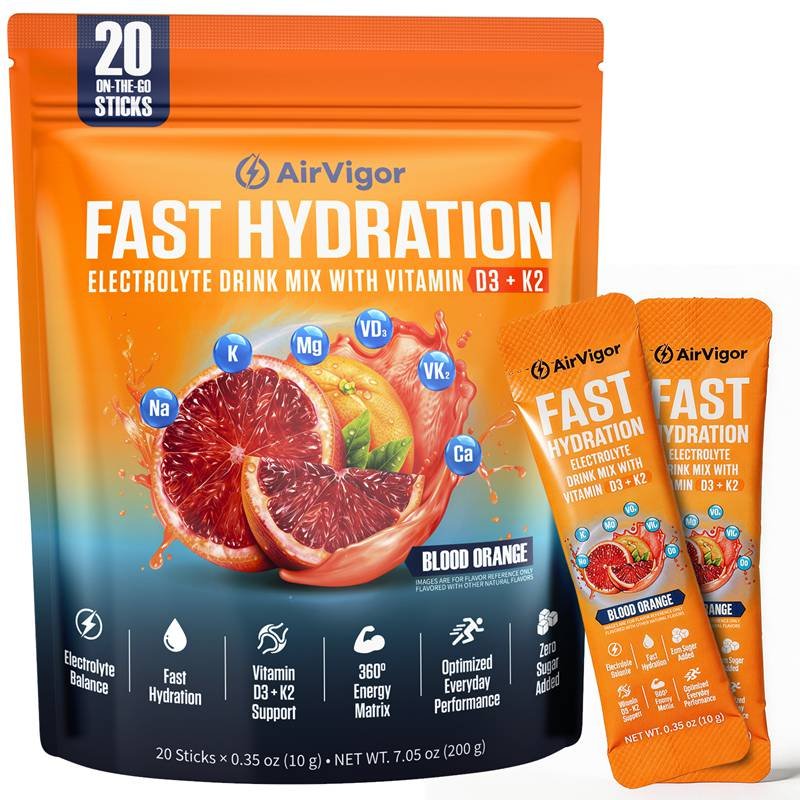
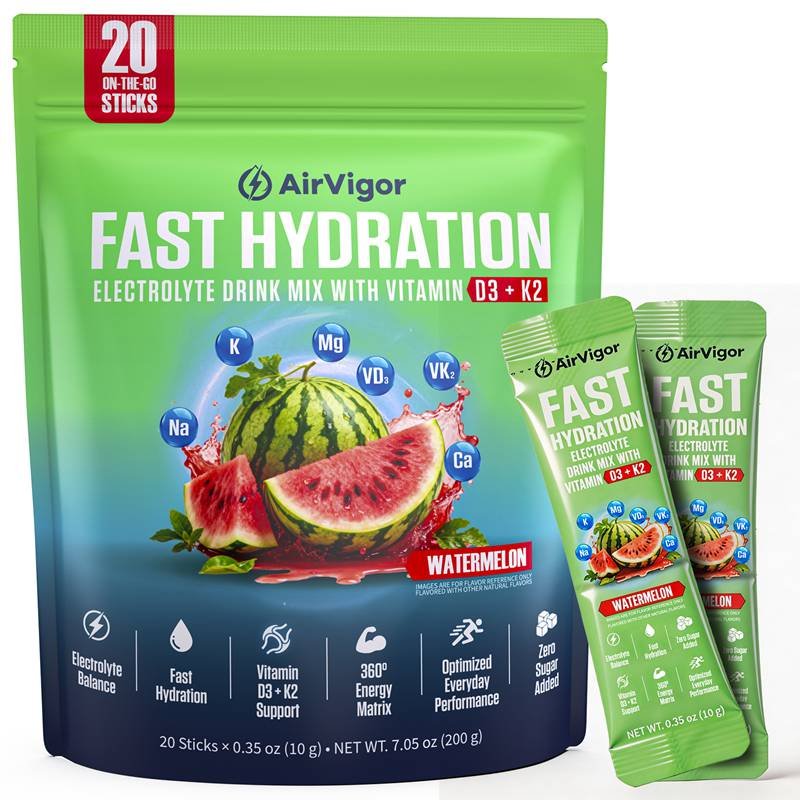
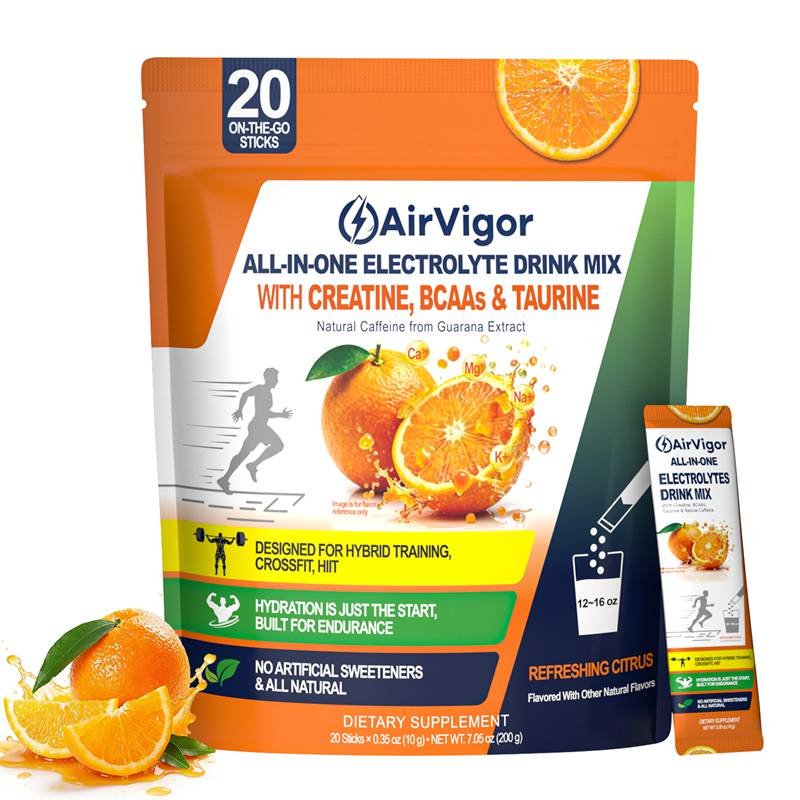
Once you understand what stevia really does, Recovery Electrolyte with D3K2 becomes much easier to evaluate. Stevia is not there to replace sodium, potassium, or magnesium. It is there because a real hydration product needs to do more than look impressive on a label. It needs to be easy to drink, easy to repeat, and easy to fit into daily life.
That matters for both end users and brand owners.
For end users, the practical questions are:
- Does the product taste light enough to keep using?
- Does it avoid the heavy feel of sugary sports drinks?
- Is the sweetness level balanced with sodium, acids, and flavor?
- Can I use it regularly without getting tired of it?
For businesses, stevia is one of the most important sensory-positioning decisions in the formula. A strong electrolyte product is not built by adding a sweetener at the end. It has to answer real development questions such as:
- Is the formula meant for daily hydration or harder sports use?
- Does the sodium level need stronger sweetness support?
- Will stevia work best alone or with a broader flavor system?
- Is the target customer looking for low sugar, no sugar, or just a lighter taste?
- How much sweetness is enough without causing aftertaste fatigue?
Based on the company profile you provided, AirVigor is well-positioned to support both finished-product ordering and custom formula development. With in-house R&D, internal testing systems, manufacturing standards, OEM/ODM support, and multi-market supply capability, AirVigor can help build stevia-sweetened electrolyte products that are not only technically compliant but also pleasant enough for real repeat use.
So whether you are:
- looking to order AirVigor branded products
- developing a private-label electrolyte formula
- planning a custom Recovery Electrolyte with D3K2 product built around a stevia-based sweetness system
The next useful step is to define the real use case clearly. Is the formula meant for office workers and daily hydration? Travelers and lifestyle users? Light-to-moderate training? Lower-sugar recovery support? Once that use case is clear, the right stevia level, acid balance, sodium strength, flavor profile, and packaging format become much easier to build correctly.
If you want to explore product ordering, OEM/ODM development, or custom formula pricing, contacting the AirVigor team is the most practical next step. The best stevia-sweetened electrolyte product is not the one that only says “sugar-free.” It is the one people still enjoy drinking after the first box.