Skip to content

Recovery after exercise is essential for muscle repair, energy replenishment, and overall well-being. But did you know that hydration plays a critical role in how effectively your body recovers? Many athletes and fitness enthusiasts focus on post-workout meals or protein shakes but overlook the importance of electrolytes, specifically calcium citrate, in maintaining hydration balance and ensuring optimal recovery.
What is Calcium Citrate?
Calcium citrate is a bioavailable form of calcium that the body can absorb and utilize more effectively than other forms of calcium. It is often included in electrolyte supplements because of its ability to help regulate fluid balance, support bone health, and assist in muscle function. It’s an essential mineral for those involved in strenuous physical activities or anyone recovering from a workout session.
Calcium citrate is a key ingredient in recovery electrolytes, helping with hydration, muscle recovery, and overall bodily function. It supports fluid balance and is absorbed efficiently by the body, making it essential for effective post-workout recovery.
As an example, imagine finishing a tough workout, feeling exhausted and sore. You’ve rehydrated with water, but you still feel sluggish, and your muscles are aching. This is where calcium citrate plays a pivotal role. It supports your hydration, helps relieve cramps, and reduces that feeling of post-workout fatigue. Let’s explore how it works and why it should be a key component of your recovery routine.
Recommended Dosage and Upper Limits of Calcium Citrate
Calcium is a vital mineral that plays a crucial role in bone health, muscle function, and nerve signaling. However, it’s important to take the correct amount to maximize its benefits while avoiding negative side effects from overuse. Calcium citrate is a widely used form of calcium supplement, known for its high bioavailability, meaning it’s easily absorbed by the body.
Recommended Daily Intake (RDI) for Calcium Citrate
The recommended dosage of calcium varies depending on factors like age, gender, and specific health conditions. Generally, adults need around 1,000 mg of calcium per day, with the amount increasing for older adults and pregnant or breastfeeding women.
The table below provides a quick reference for the RDI of calcium based on age and gender:
| Age Group | Recommended Daily Intake (RDI) of Calcium |
|---|---|
| Adults (19-50) | 1,000 mg |
| Women 51+ | 1,200 mg |
| Men 51+ | 1,200 mg |
| Pregnant/Breastfeeding Women (Under 19) | 1,300 mg |
| Pregnant/Breastfeeding Women (19+) | 1,000 mg |
These values are general recommendations and can be adjusted depending on specific health concerns, such as osteoporosis or calcium deficiencies.
Upper Tolerable Intake Limits (UL)
While calcium is essential, taking too much can lead to adverse health effects such as kidney stones, constipation, and interference with the absorption of other important minerals like magnesium and iron. The upper tolerable intake limits (UL) represent the maximum daily intake of calcium that is considered safe for most individuals.
Here’s a summary of the ULs for calcium based on age:
| Age Group | Upper Limit (UL) of Calcium (mg/day) |
|---|---|
| Adults (Under 50) | 2,500 mg |
| Adults (Over 50) | 2,000 mg |
| Children (1-3 years) | 2,500 mg |
| Children (4-8 years) | 2,500 mg |
| Children (9-18 years) | 3,000 mg |
It’s crucial to stay within these limits to avoid the risks of excessive calcium intake, particularly if you’re using calcium citrate supplements long-term.
Factors Influencing Calcium Dosage
Several factors can impact the ideal dosage of calcium citrate for an individual. These include age, health conditions, and diet.
- Age and Gender: As people age, calcium absorption becomes less efficient, which is why older adults typically require more calcium. Women who are postmenopausal or pregnant also need higher amounts.
- Health Conditions: Certain conditions, such as osteoporosis, may require a higher daily calcium intake to support bone density. Always consult with a healthcare provider for specific recommendations tailored to your condition.
- Dietary Intake: If you consume a diet rich in calcium-rich foods like dairy, leafy greens, and fortified foods, you may need a lower dosage of calcium supplements. Conversely, if your diet is low in calcium, supplements will be more necessary.
Calcium citrate is particularly beneficial for individuals with digestive issues, as it is less likely to cause stomach discomfort or require acidic environments for absorption compared to other calcium supplements, such as calcium carbonate.
Dosage for Specific Health Concerns
Some individuals may need a more tailored approach to their calcium intake, depending on their health goals or conditions:
- Osteoporosis: People with osteoporosis often require higher doses of calcium and vitamin D to enhance bone strength and reduce fracture risk.
- Pregnancy and Breastfeeding: Pregnant and breastfeeding women have increased calcium needs to support fetal development and milk production.
In these cases, your healthcare provider may recommend 1,200 to 1,500 mg of calcium citrate daily, depending on your dietary intake and individual needs.
Calcium Citrate and Hydration: What’s the Connection?
When we think of hydration, we often focus solely on water intake, but true hydration goes beyond just drinking fluids. Electrolytes, such as sodium, potassium, and calcium, are essential for maintaining the balance of fluids in the body. Calcium citrate, a highly bioavailable form of calcium, plays an important role in hydration, especially when paired with other electrolytes.
How Calcium Citrate Contributes to Hydration
Calcium is not only essential for bone health, but it also plays a significant role in regulating water balance within cells and throughout the body. It helps control the movement of water and minerals into and out of cells, ensuring proper hydration at a cellular level.
While calcium’s primary role is in bone and teeth health, its relationship with hydration is linked to its involvement in muscle contraction and nerve signaling. For example, proper calcium levels help muscles contract effectively and prevent cramping, which is critical for athletes and individuals experiencing physical activity-induced dehydration.
When calcium citrate is consumed as part of an electrolyte supplement, it helps regulate the fluid balance, supporting hydration efficiency during intense physical exertion, sweating, or heat exposure.
Calcium Citrate vs Other Forms of Calcium for Hydration
Calcium citrate is a preferred choice for many people due to its superior absorption compared to calcium carbonate. This is particularly important for hydration, as effective absorption means that calcium can reach the bloodstream quickly, aiding in fluid balance and muscle function.
| Form of Calcium | Absorption Rate | Best for |
|---|---|---|
| Calcium Citrate | 30-40% absorption | People with digestive issues, higher calcium needs |
| Calcium Carbonate | 20-25% absorption | People with normal stomach acidity, affordable option |
Calcium citrate’s easier absorption makes it an ideal choice for those looking to maintain optimal hydration during and after exercise or outdoor activities.
Calcium Citrate’s Role in Hydration During Physical Activity
Hydration needs increase significantly during physical activities such as exercise, especially for those involved in endurance sports or heavy lifting. Sweat loss leads to a depletion of electrolytes, including calcium. Calcium citrate, when taken alongside other electrolytes, can help maintain the balance of fluids and prevent dehydration during long workouts.
Hydration during exercise involves both replenishing water loss and rebalancing the body’s electrolyte levels. Calcium citrate works synergistically with sodium, potassium, and magnesium to help absorb water into cells and muscle tissue. Without adequate calcium levels, the body struggles to maintain hydration, leading to increased fatigue and muscle cramping.
For example, athletes who take calcium citrate before or after intense physical activity report fewer instances of cramps and dehydration-related symptoms, as calcium helps ensure better muscle function and hydration efficiency.

When is Calcium Citrate Most Beneficial for Hydration?
- During Intense Physical Activity: When sweating profusely during exercise, the body loses more than just water. Key electrolytes like calcium are lost through sweat. Supplementing with calcium citrate helps replace this loss, supporting hydration efficiency.
- In Hot Environments: In hot weather, individuals can lose large amounts of fluid through sweat. Since calcium also plays a role in regulating fluid balance, supplementation with calcium citrate can help maintain hydration levels and prevent dehydration.
- After Exercise: Following physical activity, the body needs to restore its hydration levels. A recovery supplement containing calcium citrate helps the body effectively absorb and retain fluids, allowing for better muscle recovery and preventing dehydration symptoms.
Who Should Consider Calcium Citrate for Hydration?
Calcium citrate supplementation can be beneficial for several groups, especially those involved in intense physical activity or with increased hydration needs. Here are some examples:
- Athletes and Fitness Enthusiasts: Those who engage in intense physical activity or long workouts often lose substantial electrolytes, including calcium. Calcium citrate can help maintain hydration and muscle function during these activities.
- Outdoor Workers and Heat-Exposed Individuals: People working in hot environments or under the sun for extended periods (such as construction workers or athletes in outdoor events) tend to lose more fluids and electrolytes. Calcium citrate supplementation can support hydration in these settings.
- Individuals with Dehydration Issues: Anyone who experiences frequent dehydration, particularly those who sweat a lot or have low electrolyte levels, can benefit from calcium citrate to help maintain fluid balance.
Hydration Tips for Using Calcium Citrate
If you are using calcium citrate as part of a hydration strategy, consider the following tips to optimize its effectiveness:
- Combine with Other Electrolytes: Calcium citrate is most effective when paired with other electrolytes like magnesium and potassium. Look for electrolyte supplements that contain a full spectrum of electrolytes to support comprehensive hydration.
- Hydrate Before, During, and After Exercise: Make sure to hydrate before your workout to maintain optimal hydration levels, consume electrolytes during exercise, and continue hydrating afterward to replenish fluids and minerals.
- Monitor Dosage: Too much calcium can cause issues, so ensure you’re following the recommended dosage. Typically, 300-600 mg of calcium citrate per day is adequate for most individuals. Adjust based on your specific needs.
The Science Behind Calcium Citrate’s Role in Recovery
Calcium citrate plays a significant role in the body’s recovery process, particularly in the context of physical activity. Whether you’re an athlete, someone who exercises regularly, or just someone working through a physically demanding job, understanding how calcium citrate aids recovery can make a noticeable difference in how your body responds to exertion.
How Calcium Citrate Aids Muscle Recovery
Calcium is well-known for its involvement in bone health, but its role extends far beyond that. It plays a crucial part in muscle contraction, nerve function, and fluid balance within the body, all of which are key components for recovery after physical activity. When we exercise, muscles are put under stress, leading to small tears that need to heal. Calcium citrate helps with muscle recovery by supporting muscle contraction and relaxation, preventing cramps and spasms, and contributing to overall muscle repair.
Additionally, calcium is involved in the release of neurotransmitters and enzymes that are responsible for repairing muscle tissue after exercise. This is particularly important for those engaged in high-intensity workouts or endurance sports, where muscle breakdown is significant.
Calcium Citrate’s Impact on Bone Health During Recovery
Another critical aspect of recovery is ensuring that the bones remain strong and healthy after physical activity, particularly after weight-bearing exercises like running, strength training, or cycling. Calcium citrate is often used in supplements to maintain bone density and strength, which is important for preventing injuries and fractures that can occur during high-impact or repetitive movements.
For individuals recovering from a bone injury or those looking to strengthen bones over time, calcium citrate ensures that the body is getting an adequate amount of calcium to support bone regeneration and maintain proper bone density.
Calcium Citrate in Fluid Balance and Rehydration
After intense physical activity, rehydration is a crucial step in the recovery process. When you sweat, you lose water and important electrolytes such as sodium, potassium, and calcium. Calcium citrate helps with fluid balance by aiding in the retention of fluids within the body. This is crucial for overall hydration and helps prevent dehydration, which can impede the recovery process and lead to fatigue or cramping.
Without adequate electrolyte balance, the body struggles to absorb and retain water, which can lead to prolonged dehydration and slower recovery. Calcium citrate plays a key role in helping to restore fluid balance quickly, particularly in the muscle tissues, ensuring optimal recovery after physical exertion.
The Mechanism of Calcium Citrate’s Action in Recovery
Calcium citrate works by supporting multiple physiological processes involved in muscle contraction, hydration, and bone repair. Here’s how it works at a deeper biological level:
- Muscle Contraction and Relaxation: Calcium ions are released into the muscle fibers during contraction. This process facilitates the interaction between actin and myosin, the proteins responsible for muscle contraction. Post-exercise, calcium helps muscles relax and return to a rested state, reducing the risk of cramps and stiffness.
- Fluid Regulation: Calcium citrate contributes to the regulation of osmotic pressure and water retention within muscle cells, promoting hydration at the cellular level. This ensures that water is absorbed and retained where it’s needed most — in the muscles and surrounding tissues.
- Bone Remodeling and Strength: Calcium is also involved in the ongoing process of bone remodeling, helping the body replace old bone cells with new ones. This is important for long-term recovery, particularly after bone-related injuries or high-impact exercises.
- Enzyme Activation and Muscle Repair: Calcium activates enzymes that are critical in the repair of muscle fibers after damage caused by physical exertion. This supports faster recovery and reduces delayed onset muscle soreness (DOMS).
How Much Calcium Citrate is Needed for Recovery?
The amount of calcium citrate needed can vary depending on individual factors such as age, activity level, and overall health. For those involved in regular physical activity, the recommended dose typically ranges between 300-600 mg per day. However, athletes or individuals undergoing intense physical activity may require higher doses, and it’s always best to consult with a healthcare provider for personalized recommendations.
Here’s an overview of typical calcium citrate dosages for different levels of activity:
| Activity Level | Recommended Calcium Citrate Dosage |
|---|---|
| Moderate Physical Activity | 300-400 mg per day |
| High-Intensity Exercise (e.g., CrossFit, Endurance Sports) | 400-600 mg per day |
| Post-Injury Recovery | 500-600 mg per day |
It’s important to balance calcium intake with other electrolytes and minerals, such as magnesium and potassium to ensure a well-rounded recovery supplement.
Who Should Use Calcium Citrate for Recovery?
Calcium citrate can benefit a wide range of individuals, especially those with specific recovery needs:
- Athletes and Fitness Enthusiasts: For those involved in strenuous workouts or endurance sports, calcium citrate aids in muscle repair, reducing the risk of muscle cramps and improving fluid balance during recovery.
- People with Bone-Related Concerns: Individuals recovering from bone injuries or those looking to prevent bone-related issues during recovery may find calcium citrate to be beneficial.
- Those in High-Stress or Outdoor Environments: Outdoor workers or people living in hot climates who sweat excessively benefit from calcium citrate’s ability to help retain hydration and replenish lost electrolytes.
- Older Adults: As people age, calcium absorption can become less efficient. Supplementing with calcium citrate supports bone density and overall recovery during physical activity.
Precautions, Side Effects, and Interactions of Calcium Citrate
While calcium citrate offers several health benefits, especially for recovery and bone health, it’s essential to be aware of certain precautions, potential side effects, and drug interactions. Understanding these aspects ensures that calcium citrate can be used safely and effectively within a balanced wellness routine.
Precautions for Using Calcium Citrate
Before starting calcium citrate supplementation, it’s important to consider certain factors that can impact its effectiveness and safety:
- Kidney Health: Calcium supplementation should be used cautiously in individuals with kidney disease or those prone to kidney stones. Excess calcium intake can lead to the formation of kidney stones, especially if combined with dehydration or inadequate fluid intake.
- Hypercalcemia Risk: Hypercalcemia is a condition where calcium levels in the blood become too high. This can occur if calcium citrate is consumed in excess or if there are other underlying health conditions. Symptoms include nausea, vomiting, constipation, and confusion. People with conditions like hyperparathyroidism or sarcoidosis should consult a healthcare professional before using calcium citrate.
- Pre-existing Medical Conditions: Individuals with certain medical conditions, such as heart disease, high blood pressure, or gastrointestinal issues, should consult a healthcare provider before using calcium citrate. In some cases, calcium may interfere with blood pressure medication or exacerbate certain heart conditions.
- Pregnancy and Lactation: Pregnant and breastfeeding women need to be cautious about calcium intake. While calcium is vital during pregnancy, excessive calcium can cause complications. It’s important to stay within the recommended daily intake.
Common Side Effects of Calcium Citrate
When used correctly and within the recommended dosage, calcium citrate is generally safe. However, there can be some side effects, particularly when taken in excess. Here are some of the most common side effects to watch for:
- Gastrointestinal Issues: The most common side effects of calcium citrate include bloating, gas, constipation, and stomach upset. These side effects tend to be mild but can be uncomfortable for some individuals.
- Kidney Stones: Long-term use of calcium supplements, especially without sufficient hydration, can increase the risk of kidney stone formation. Calcium citrate is generally less likely to cause kidney stones than other forms of calcium (like calcium carbonate), but the risk still exists, especially if taken in excess.
- Heart Issues: In rare cases, excessive calcium supplementation has been linked to an increased risk of heart disease. This risk is particularly higher in individuals who are already prone to heart problems or those who take calcium supplements without sufficient magnesium, which works in balance with calcium in the body.
- Interactions with Other Minerals: Taking too much calcium can interfere with the absorption of other essential minerals, such as iron, magnesium, and zinc. It’s important to space out your calcium supplement from other mineral supplements to avoid absorption issues.
Drug Interactions with Calcium Citrate
Calcium citrate can interact with a variety of medications, potentially reducing their effectiveness or leading to unwanted side effects. It’s crucial to speak with a healthcare provider if you’re taking any of the following medications:
- Antacids: Calcium citrate is often used in antacids, but if you’re using other antacids that contain calcium, you may risk overdosing on calcium. Be cautious and check the total amount of calcium you’re consuming.
- Antibiotics (Tetracycline or Quinolones): Calcium can interfere with the absorption of certain antibiotics like tetracycline and quinolones. If you are taking these antibiotics, it’s recommended to take calcium supplements at least two hours before or after the antibiotics.
- Diuretics: Medications such as thiazide diuretics can increase calcium levels in the blood. When combined with calcium citrate, this can raise the risk of hypercalcemia. Monitoring calcium levels is crucial for those on diuretics.
- Blood Pressure Medications (Calcium Channel Blockers): Calcium citrate may have interactions with calcium channel blockers, which are commonly used to manage high blood pressure. Always check with a healthcare provider before combining calcium supplements with these medications.
- Thyroid Medications: Calcium citrate may interfere with the absorption of thyroid medication. It’s advised to space out the intake of calcium and thyroid medication to avoid reduced effectiveness of the thyroid treatment.
When to Avoid Calcium Citrate
There are a few cases where calcium citrate might not be suitable:
- People with Hypercalcemia: If you have too much calcium in your blood, using calcium citrate could worsen this condition. Blood calcium levels should be regularly monitored, especially if you have any underlying conditions that could affect calcium metabolism.
- Individuals with Severe Kidney Disease: People who have severe kidney disease or those with a history of kidney stones should avoid calcium supplementation or use it under strict medical supervision. Excess calcium can increase the likelihood of kidney stone formation.
- People on Certain Medications: As mentioned, individuals who take certain medications, such as thiazide diuretics, blood pressure medication, or antibiotics, should be cautious about adding calcium citrate to their routine. Always consult with a healthcare provider to ensure safe usage.
Managing Side Effects and Maximizing Benefits
To minimize the risk of side effects, it’s recommended to take calcium citrate with food. This can help reduce gastrointestinal discomfort and increase absorption. Additionally, staying hydrated and balancing calcium intake with other essential nutrients like magnesium and vitamin D can enhance the benefits of calcium citrate and reduce the likelihood of kidney stone formation.
It’s also helpful to choose calcium citrate formulations that are designed for easy absorption and minimal digestive distress. Products that include magnesium or vitamin D may offer better results in terms of supporting muscle function, bone strength, and overall recovery.
What to Do If Side Effects Occur
If you experience any adverse effects, such as severe constipation, stomach cramps, or unusual symptoms like excessive thirst or confusion, it’s important to reduce the dose or stop taking the supplement and seek medical advice. If kidney stones are a concern, staying hydrated and ensuring you don’t exceed the recommended dosage of calcium citrate is essential.

How Calcium Citrate Works with Other Ingredients?
Calcium citrate is an effective form of calcium supplementation that is widely used to support hydration, muscle recovery, and overall bone health. However, it doesn’t work alone. The way calcium citrate interacts with other ingredients in a supplement or diet can influence its effectiveness and overall health benefits. Let’s explore how calcium citrate works in combination with other ingredients commonly found in recovery supplements, such as magnesium, vitamin D, electrolytes, and protein.
1. Calcium Citrate and Magnesium: A Balanced Duo
Calcium and magnesium are two essential minerals that work together to support various functions in the body, especially for recovery and muscle function. Both of these minerals have complementary roles, and when taken together, they can optimize each other’s absorption and effectiveness.
- Synergistic Benefits: Magnesium helps regulate calcium levels within cells, muscles, and bones. It assists in preventing calcium from building up in muscles, which can lead to muscle cramps or spasms. This synergy helps maintain proper muscle relaxation and contraction, essential for effective recovery after exercise.
- Absorption: Calcium citrate, when combined with magnesium, enhances both minerals’ bioavailability. Magnesium helps transport calcium into cells, while calcium, in turn, can improve the absorption of magnesium in the bones.
- Dosage Recommendations: Typically, a 2:1 ratio of calcium to magnesium is recommended, though it can vary depending on individual needs. For example, a supplement might contain 600 mg of calcium citrate and 300 mg of magnesium, as this ratio ensures proper mineral balance for bone and muscle health.
Calcium and Magnesium Interaction for Recovery
| Mineral | Function | Recommended Dosage | Benefits for Recovery |
|---|---|---|---|
| Calcium | Supports bone health, muscle function | 600 mg (daily) | Helps with muscle contraction and nerve function |
| Magnesium | Regulates calcium levels, relaxes muscles | 300 mg (daily) | Prevents muscle cramps, promotes relaxation |
2. Calcium Citrate and Vitamin D: Enhancing Absorption and Effectiveness
Vitamin D plays a crucial role in the effectiveness of calcium supplements, including calcium citrate. It enhances the absorption of calcium in the intestines, ensuring that the body can utilize the calcium provided by supplementation effectively.
- Synergistic Role in Bone Health: Vitamin D ensures that calcium is absorbed from the gut and transported into the bloodstream for optimal bone health. Without sufficient vitamin D, calcium absorption can be impaired, potentially leading to weak bones and a higher risk of fractures.
- Muscle Recovery: Vitamin D also supports muscle function by improving calcium’s role in muscle contraction and relaxation. It helps prevent the muscle weakness that can occur when calcium levels are low in the body.
- Optimal Dosage: The combination of calcium citrate and vitamin D is often found in various supplements, with typical dosages of 600 mg of calcium and 800-1000 IU of vitamin D per serving. This combination ensures proper absorption and promotes muscle recovery and bone density.
Calcium Citrate and Vitamin D Synergy for Recovery
| Ingredient | Function | Recommended Dosage | Benefits for Recovery |
|---|---|---|---|
| Calcium Citrate | Bone health, muscle function | 600 mg (daily) | Optimizes bone density and muscle contraction |
| Vitamin D | Enhances calcium absorption | 800-1000 IU (daily) | Improves calcium absorption, supports muscle function |
3. Calcium Citrate and Electrolytes: Supporting Hydration and Recovery
In recovery, electrolytes play a crucial role in replenishing minerals lost during exercise, sweating, and heat exposure. Calcium citrate is one of the key electrolytes, but it works in tandem with others, such as sodium, potassium, and magnesium, to optimize hydration and muscle function.
- Hydration: Calcium citrate helps maintain proper fluid balance within cells, preventing dehydration and muscle cramping. When combined with other electrolytes like sodium and potassium, it helps restore lost minerals and water balance, ensuring optimal hydration during and after exercise.
- Muscle Function: Calcium is involved in muscle contraction, while magnesium helps relax muscles. This balance is essential for both preventing muscle cramps and supporting efficient muscle recovery post-exercise.
- Optimal Formulation: Many recovery drinks combine calcium citrate with other key electrolytes (e.g., potassium and sodium) to provide a well-rounded solution for hydration and muscle recovery. These products ensure that the body receives all necessary electrolytes to perform effectively and recover quickly after strenuous activity.
Calcium Citrate and Electrolytes for Recovery and Hydration
| Electrolyte | Function | Recommended Dosage | Benefits for Recovery & Hydration |
|---|---|---|---|
| Calcium Citrate | Muscle contraction, bone health | 600 mg (daily) | Supports muscle function and bone health |
| Sodium | Fluid retention, electrolyte balance | 500 mg (per serving) | Enhances hydration and fluid balance |
| Potassium | Fluid balance, heart function | 200-300 mg (per serving) | Supports muscle function and hydration |
| Magnesium | Muscle relaxation, energy production | 300 mg (daily) | Prevents muscle cramps, aids recovery |
4. Calcium Citrate and Protein: Muscle Repair and Growth
Calcium citrate and protein are often found in recovery supplements, especially those targeting muscle repair and growth. Protein is essential for rebuilding muscle fibers after exercise, while calcium helps regulate muscle contraction and relaxation.
- Muscle Recovery: After intense workouts, protein supplementation is crucial for repairing and building muscle tissues. Calcium citrate enhances muscle function and prevents cramping during recovery, which is essential for sustained muscle health.
- Synergistic Effects: Combining calcium citrate with protein helps balance muscle repair with the necessary nutrients to promote muscle strength and recovery. This synergy ensures that muscle fibers can regenerate effectively and that calcium is available to support proper muscle function during recovery.
- Effective Dosage: A typical supplement may combine 600 mg of calcium citrate with 20-25 grams of protein per serving, which is ideal for supporting muscle recovery and promoting muscle health.
Calcium Citrate and Protein Synergy for Muscle Recovery
| Ingredient | Function | Recommended Dosage | Benefits for Muscle Recovery |
|---|---|---|---|
| Calcium Citrate | Muscle contraction, bone health | 600 mg (daily) | Supports muscle function, prevents cramps |
| Protein | Muscle repair, muscle growth | 20-25 grams (per serving) | Rebuilds muscle tissue, supports muscle recovery |
5. Combining Calcium Citrate with Other Supplements for Enhanced Recovery
Calcium citrate can be combined with a variety of other recovery-focused ingredients to create a more comprehensive supplementation strategy. For example, combining calcium with amino acids like BCAAs (Branched-Chain Amino Acids) can enhance muscle recovery by providing the essential building blocks for muscle tissue.
- BCAAs: Branched-chain amino acids (leucine, isoleucine, and valine) are known for their role in muscle protein synthesis. When combined with calcium citrate, they support faster muscle recovery and reduce muscle breakdown during intense training.
- Creatine: Creatine, another popular supplement, increases the body’s ability to produce energy during high-intensity exercise. Combining creatine with calcium citrate can help enhance performance, support hydration, and promote recovery post-exercise.
Calcium Citrate and Common Supplements for Enhanced Recovery
| Supplement | Function | Benefits for Recovery |
|---|---|---|
| BCAAs | Muscle protein synthesis, energy production | Enhances muscle recovery, reduces soreness |
| Creatine | Energy production, performance enhancement | Boosts performance, supports recovery |
| Calcium Citrate | Muscle contraction, hydration balance | Supports muscle health, prevents cramps |
Calcium citrate is an essential component in many recovery supplements, playing a crucial role in muscle function, hydration, and overall recovery. When combined with other key ingredients like magnesium, vitamin D, protein, and electrolytes, calcium citrate enhances the overall effectiveness of the supplement, making it an excellent choice for those looking to support recovery after intense physical activity. Understanding how calcium citrate interacts with other ingredients allows you to optimize its benefits for your unique needs and lifestyle.
Whether you’re looking to recover faster from workouts, stay hydrated, or maintain muscle health, calcium citrate’s role in these processes is indispensable.

Who Should Use and Avoid Calcium Citrate for Recovery?
Calcium citrate plays a critical role in recovery, especially for muscle function, hydration, and bone health. However, it is not suitable for everyone. To determine whether calcium citrate is right for you, it’s important to understand who can benefit from it and who should avoid it based on specific health conditions or lifestyle factors. Here’s a clear comparison to guide you:
Who Should Use Calcium Citrate for Recovery?
- Active Individuals and Athletes Active individuals, including athletes and fitness enthusiasts, can greatly benefit from calcium citrate, particularly after intense workouts or endurance activities. During physical activity, calcium is lost through sweat, and the depletion of electrolytes, including calcium, can lead to muscle cramps and spasms. Calcium citrate’s bioavailability makes it an excellent choice for post-workout recovery, ensuring that the body gets the right amount of calcium to help muscles contract and relax efficiently. Additionally, it supports optimal hydration and helps balance fluid in cells, preventing dehydration-related performance issues.
- Individuals with Low Calcium Intake (e.g., Vegans or Vegetarians) For those following plant-based diets, such as vegans or vegetarians, calcium intake may be inadequate, especially since non-dairy foods tend to provide lower levels of calcium. Calcium citrate is highly bioavailable, meaning it is easily absorbed by the body, making it a preferred choice for individuals who don’t consume dairy products. This form of calcium is less likely to cause digestive discomfort compared to other forms like calcium carbonate, making it ideal for individuals who need a supplemental source of calcium to support bone health and muscle function.
- Older Adults As we age, calcium absorption becomes less efficient, and the risk of developing osteoporosis increases. Calcium citrate is a great option for older adults because it is easier to absorb and gentler on the stomach compared to other calcium salts. Adequate calcium intake can help prevent bone loss, maintain bone density, and reduce the risk of fractures. For individuals with age-related muscle weakness, calcium citrate also helps support muscle function, reducing the likelihood of falls or injuries due to muscle instability.
- People with Osteoporosis or Bone Density Issues Osteoporosis is a condition that leads to weakened bones and an increased risk of fractures. Calcium plays a crucial role in maintaining bone mass, and calcium citrate is particularly beneficial for people with osteoporosis or those at risk of bone density loss. Unlike calcium carbonate, calcium citrate does not require stomach acid for absorption, which makes it a better choice for individuals with reduced stomach acid production, a common issue in older adults. Calcium citrate can help prevent further bone loss and support overall bone health.
Who Should Avoid Calcium Citrate for Recovery?
- Individuals with Hypercalcemia (High Calcium Levels in the Blood) Hypercalcemia is a condition characterized by an abnormally high level of calcium in the blood, which can lead to kidney stones, bone pain, fatigue, and even more serious complications like kidney failure. People with hypercalcemia should avoid taking calcium citrate supplements because they can worsen the condition by further increasing calcium levels in the bloodstream. Individuals with hypercalcemia must work with their healthcare provider to manage calcium intake and consider alternative recovery strategies.
- People with Kidney Disease or Kidney Stones Calcium citrate is generally a safe form of calcium for most people, but individuals with kidney disease or a history of kidney stones should approach it with caution. Excessive calcium intake can exacerbate kidney problems, as the kidneys are responsible for filtering out excess calcium. If calcium levels are too high, it can lead to calcium deposits in the kidneys, causing kidney stones. People with kidney issues should consult their doctor before taking calcium citrate to ensure it won’t negatively impact kidney function.
- Individuals with Digestive Sensitivities While calcium citrate is known for being gentler on the stomach compared to other forms like calcium carbonate, some individuals with sensitive digestive systems may still experience mild gastrointestinal discomfort, including bloating or constipation. If you have a history of digestive issues like acid reflux, irritable bowel syndrome (IBS), or a sensitive stomach, it’s important to start with smaller doses and see how your body reacts. For those with digestive concerns, considering a more gradual increase or seeking alternative forms of recovery supplementation might be necessary.
- People Taking Certain Medications Calcium citrate can interact with several medications, which could affect calcium absorption or lead to unwanted side effects. For instance, calcium supplements can interfere with the effectiveness of some antibiotics, particularly tetracyclines and quinolones. Additionally, diuretics and corticosteroids may increase calcium excretion or affect calcium balance. Individuals on medications like these should speak to their healthcare provider before taking calcium citrate to avoid potential drug interactions and ensure that it will not interfere with their treatment.
Who Should Use vs. Avoid Calcium Citrate for Recovery
| Category | Who Should Use | Who Should Avoid |
|---|---|---|
| Active Individuals & Athletes | Replenish lost calcium from sweat, prevent cramps, and support muscle recovery | Individuals with hypercalcemia or kidney issues should avoid supplementation |
| Low Calcium Intake (e.g., Vegans) | Ideal for individuals with plant-based diets, vegans, or vegetarians | No concerns unless digestive issues or kidney conditions exist |
| Older Adults | Supports bone density, reduces the risk of osteoporosis, helps with muscle function | Avoid if kidney function is compromised |
| Osteoporosis/Bone Density Issues | Maintains bone density and supports bone health | Not suitable for people with hypercalcemia or kidney stones |
| Hypercalcemia | No benefit, may worsen the condition | Should avoid due to risk of calcium overload in the blood |
| Kidney Disease or Stones | Not suitable due to potential kidney strain | Avoid if kidney disease or kidney stones are present |
| Digestive Sensitivities | Easily absorbed, gentle on the stomach | Avoid if calcium causes digestive discomfort or bloating |
| Certain Medications | No issues unless medication interferes with calcium absorption | Avoid if on medications like antibiotics or diuretics that interact with calcium |
Calcium citrate is a highly beneficial supplement for many individuals, particularly those with active lifestyles, older adults, and those with low calcium intake. However, it is crucial to understand who can benefit from it and who should avoid it. If you’re considering incorporating calcium citrate into your recovery routine, make sure to consult with your healthcare provider, especially if you have a history of kidney issues, hypercalcemia, or digestive sensitivities.
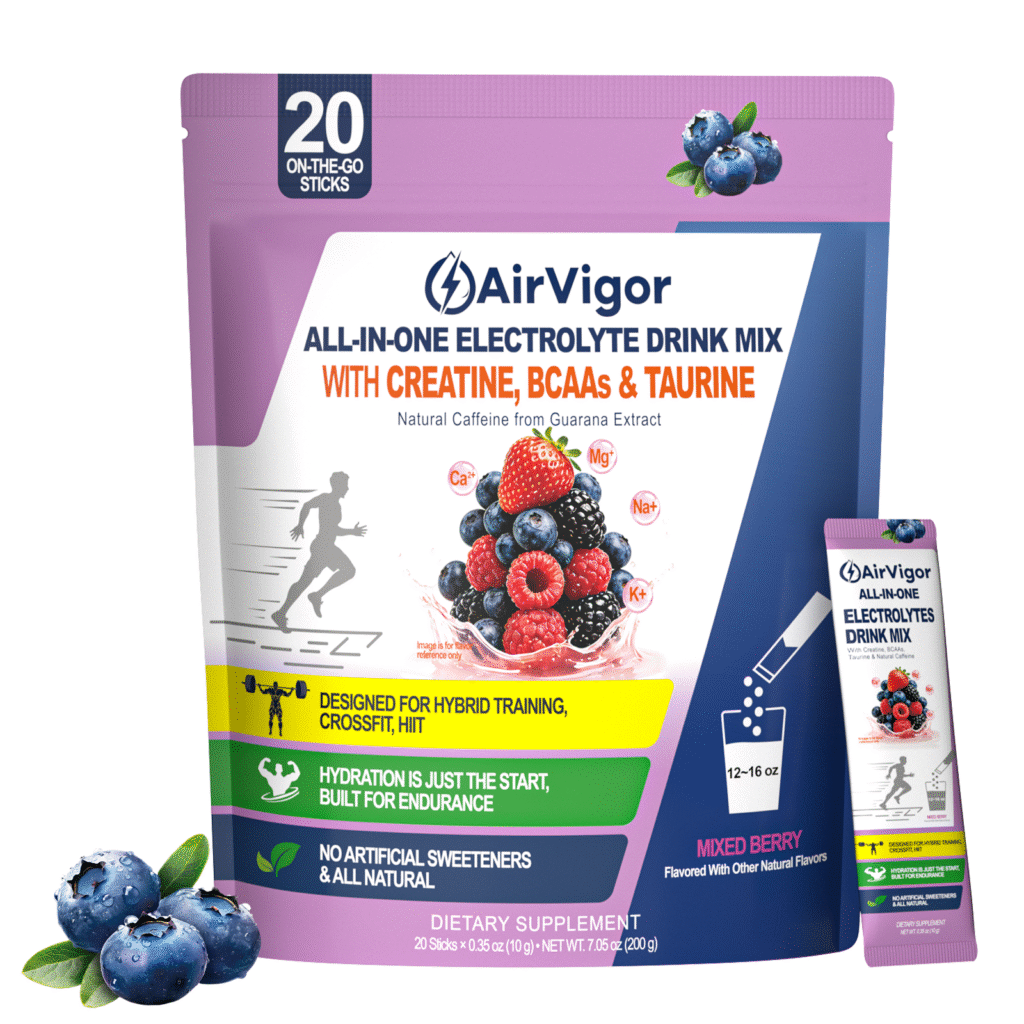
At AirVigor, we prioritize delivering high-quality, scientifically backed supplements designed to enhance your recovery. Contact us today to explore our range of recovery solutions or to inquire about custom formulations tailored to your specific needs.
Conclusion: How to Use Calcium Citrate for Effective Recovery
Calcium citrate is a vital electrolyte for anyone looking to improve hydration, support muscle function, and enhance recovery after intense physical activity. By understanding how it works in the body and its optimal usage, you can ensure that your recovery routine is scientifically sound and effective. For those looking to incorporate calcium citrate into their supplement regimen, AirVigor offers high-quality, transparent electrolyte formulations to meet your specific needs.
Interested in experiencing the benefits of Calcium Citrate for recovery? Contact AirVigor today for customized supplement solutions and start enhancing your hydration and recovery with our scientifically-backed formulas. Whether you’re an athlete, fitness enthusiast, or someone simply looking for better hydration, our products are designed to meet your needs.