Skip to content
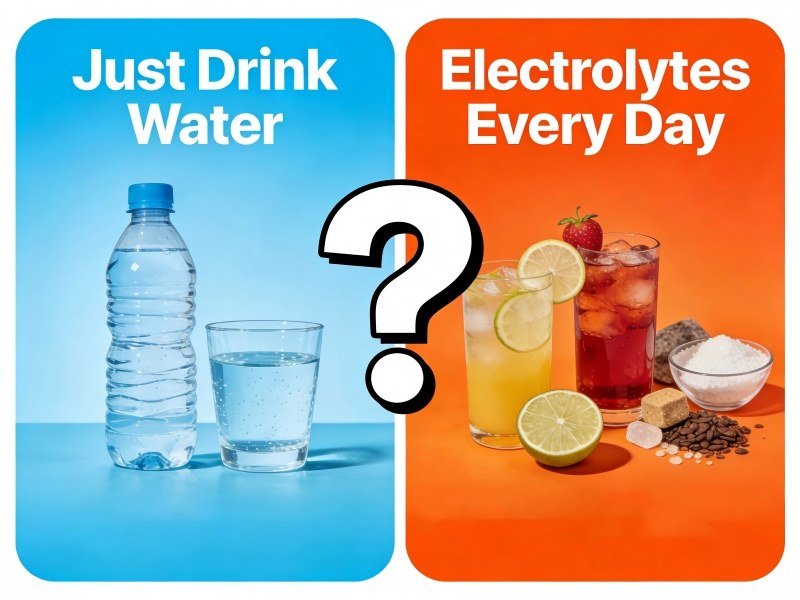
Hydration advice can be confusing—some say “Just drink water,” others recommend daily electrolytes. When you look at an electrolyte powder label, you’ll see ingredients like sodium, potassium, magnesium, calcium, chloride, and sweeteners. So, is it all necessary? The truth is, electrolyte powders work best when formulated for your needs. If you sweat a lot, train hard, work in heat, or travel, the right electrolytes can make a real difference. But the wrong formula can leave you feeling underwhelmed.
Electrolyte powders typically contain sodium, chloride, potassium, magnesium, and sometimes calcium, plus supporting ingredients like citric acid, flavoring, and sweeteners. The most important ingredients for real-world hydration are usually sodium + chloride (fluid retention), potassium (cellular balance), and magnesium (muscle/nerve function). “Best” depends on sweat loss, diet, and tolerance, not hype.
If you’ve ever finished a workout feeling “hydrated but still off,” or you’ve had headaches, cramps, or weird fatigue after sweating—keep reading. The label matters, but the physiology matters more, and we’re going to make it simple.
What Does Electrolyte Powder Contain?
Electrolyte powder usually contains a blend of electrolyte minerals (most often sodium, chloride, potassium, and magnesium), plus acid/base ingredients (like citric acid) to improve taste and stability, and optional flavors/sweeteners for drinkability. Some formulas also add vitamins (like D3/K2), amino acids, or small amounts of carbohydrate. The core purpose is to support fluid retention and cellular hydration more effectively than water alone.
Electrolyte powders look simple, but the label usually includes three layers:
- The electrolytes (the minerals that actually do the hydration job)
- The carriers/bases (what the minerals are attached to, which affects solubility and stomach comfort)
- The “experience” ingredients (taste, sweetness, and sometimes add-ons that may or may not help)
This is why two electrolyte products can feel completely different even if they both claim “hydration.”
A useful way to think about ingredients is:
- Core hydration ingredients = what moves water and keeps it there
- Support ingredients = what improves mixing, tolerance, and routine consistency
- Marketing extras = what sounds good, but often adds more cost than benefit
What are electrolytes made of?
Electrolytes are minerals that carry an electrical charge when dissolved in water. In the body, that charge is how nerves fire, muscles contract, and fluids move between compartments (blood, cells, and the space between cells). In powders, “electrolytes” are delivered as mineral salts—for example, sodium chloride (table salt), sodium citrate, potassium citrate, magnesium citrate, and similar forms.
A key point: the label may list “sodium” and “potassium” as nutrition facts, but the ingredient list shows the form (chloride vs citrate vs bicarbonate, etc.). The form matters for mixing, taste, and sometimes tolerance.
If you’re buying an electrolyte powder for real-world performance (training, heat, travel), the goal isn’t “more minerals.” It’s the right minerals in usable amounts, in forms you’ll actually drink consistently.

Which minerals appear most?
Core Electrolytes Commonly Found in Electrolyte Powders
| Electrolyte | Primary Role | Why It Matters in Electrolyte Powders |
|---|---|---|
| Sodium | Fluid retention & sweat replacement | The main driver of hydration effectiveness; helps the body retain water and replace sodium lost through sweat |
| Chloride | Fluid balance & stomach acid support | Works alongside sodium to maintain proper fluid distribution and supports normal digestive function |
| Potassium | Cellular hydration & nerve signaling | Helps regulate fluid balance inside cells and supports normal nerve and muscle communication |
| Magnesium | Muscle & nerve function | Plays a role in muscle relaxation and nerve signaling; may reduce cramp risk in some users, especially during prolonged activity |
| Calcium | Muscle contraction & signaling | Supports muscle contraction and intracellular signaling; more commonly emphasized in recovery-focused or multi-mineral formulas |
What you don’t see much of: phosphorus/phosphate and trace minerals in meaningful doses, because electrolyte powders are primarily built for hydration performance, not full-spectrum mineral replacement.
A simple rule: if the product is positioned for sweating, sodium should not be an afterthought. Many “wellness” electrolyte powders underdose sodium because it tastes salty. That’s fine for light daily sipping—but not for real sweat.
What ingredients act as carriers or bases?
“Carriers” or “bases” are the compounds attached to minerals (and the supporting acids/buffers) that influence:
- Solubility (does it dissolve cleanly?)
- Taste profile (salty, sour, metallic, etc.)
- Stomach comfort (some forms feel gentler)
- Stability (how the powder behaves over time)
Common examples include citrate, chloride, bicarbonate, and sometimes glycinate (more common for magnesium in capsules than drink mixes due to taste and cost).
You’ll also see citric acid frequently. It’s not an electrolyte, but it helps with tartness, flavor balance, and sometimes mineral compatibility. Think of it as part of the “drink engineering” layer—important for making something people can use daily.
Are flavors and sweeteners necessary?
Strictly speaking, no electrolytes can work without flavors and sweeteners. But in real life, compliance is everything. If a product tastes unpleasant, people underdose it or stop using it altogether, and then they say “electrolytes don’t work.”
Flavors and sweeteners solve a practical problem: making minerals drinkable without loading the product with sugar. The best approach depends on the user:
- Athletes/heat workers: often prefer lighter sweetness to drink more volume
- Sensitive digestion: may do better with simpler flavors and fewer sugar alcohols
- Daily wellness users: usually want low or no sugar and an easy taste
The risk is when sweeteners become the “main event,” and the electrolyte dosing becomes secondary. A good formula is still built around electrolyte logic first, flavor second.
Which Electrolytes Matter Most?
For most people, the electrolytes that matter most are sodium + chloride for fluid retention and sweat replacement, potassium for cellular hydration balance, and magnesium for muscle and nerve function. Calcium can be useful in certain performance or recovery contexts, but many users already get significant calcium from food. The “best” electrolyte blend depends on sweat loss, diet style, and how sensitive your stomach is to different mineral forms.
What actually changes how you feel?
It’s tempting to treat electrolyte labels like a checklist—more minerals must mean better. But the body doesn’t reward “more.” It rewards balance and context.
If you sweat, the mineral you lose the most (by far) is usually sodium and chloride. That’s why people can drink plenty of water and still feel off—because water alone doesn’t restore the mineral gradient that helps the body hold onto fluid. Potassium and magnesium matter too, but they play different roles: potassium helps distribute fluid inside cells, and magnesium supports neuromuscular function and enzymatic processes that influence performance and recovery.
A practical way to rank “importance” for most active adults:
- Sodium + chloride (foundation)
- Potassium (balance)
- Magnesium (support)
- Calcium (situational)
- Phosphate (rarely the key variable in powders)
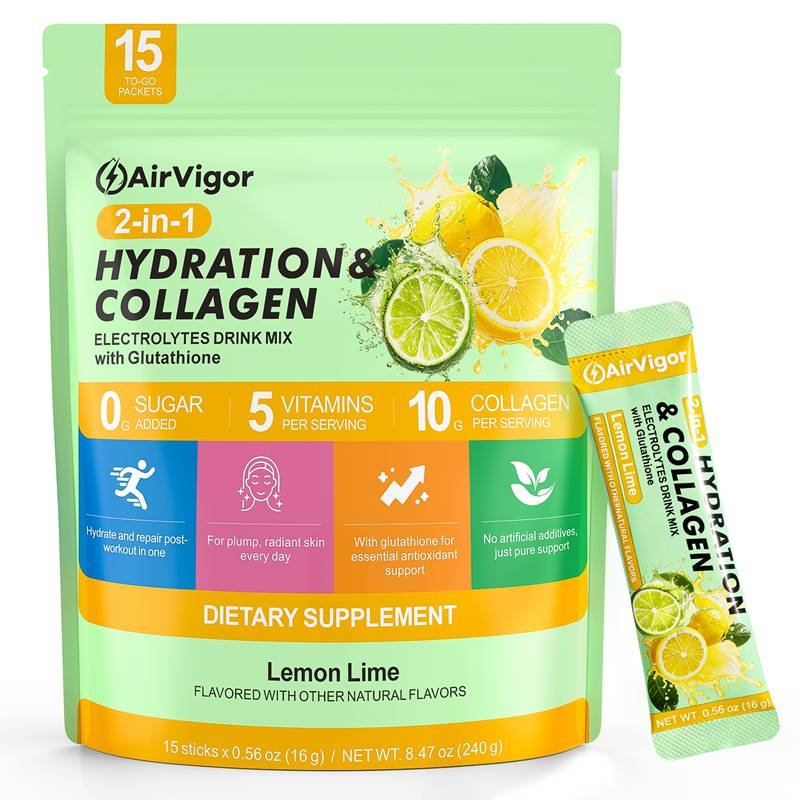
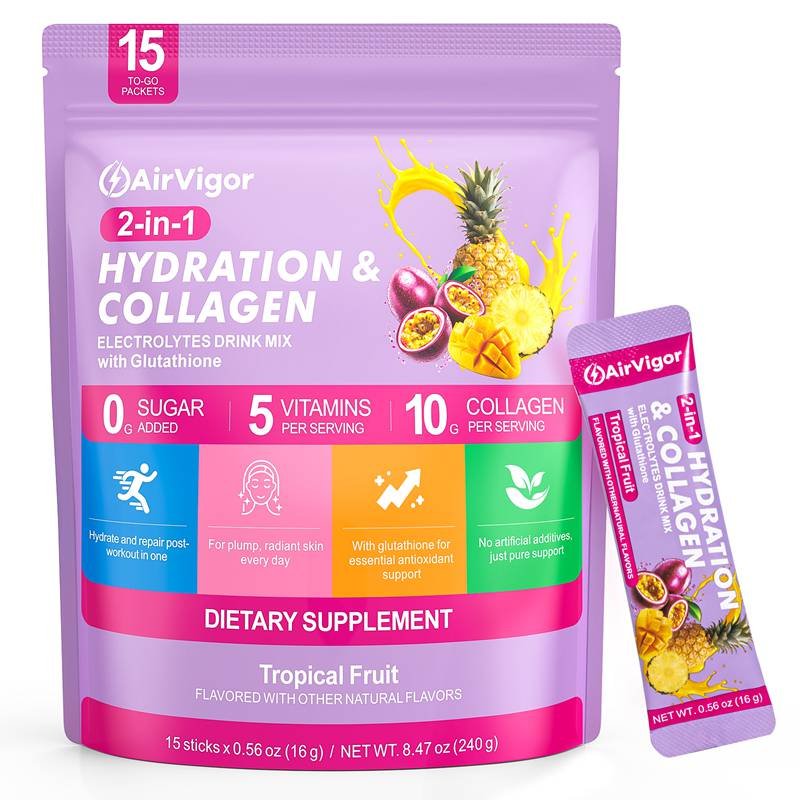
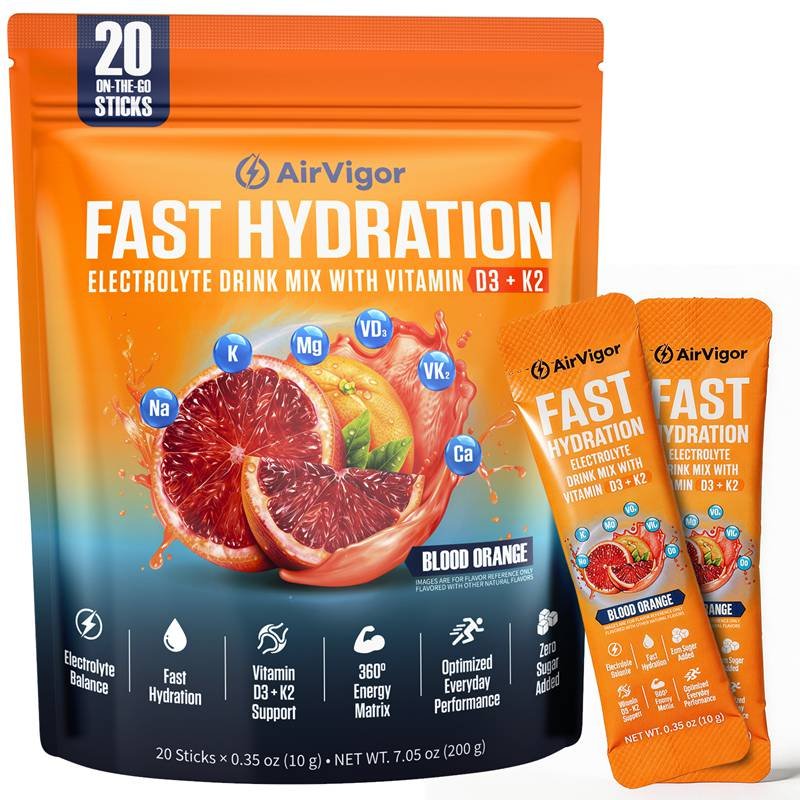
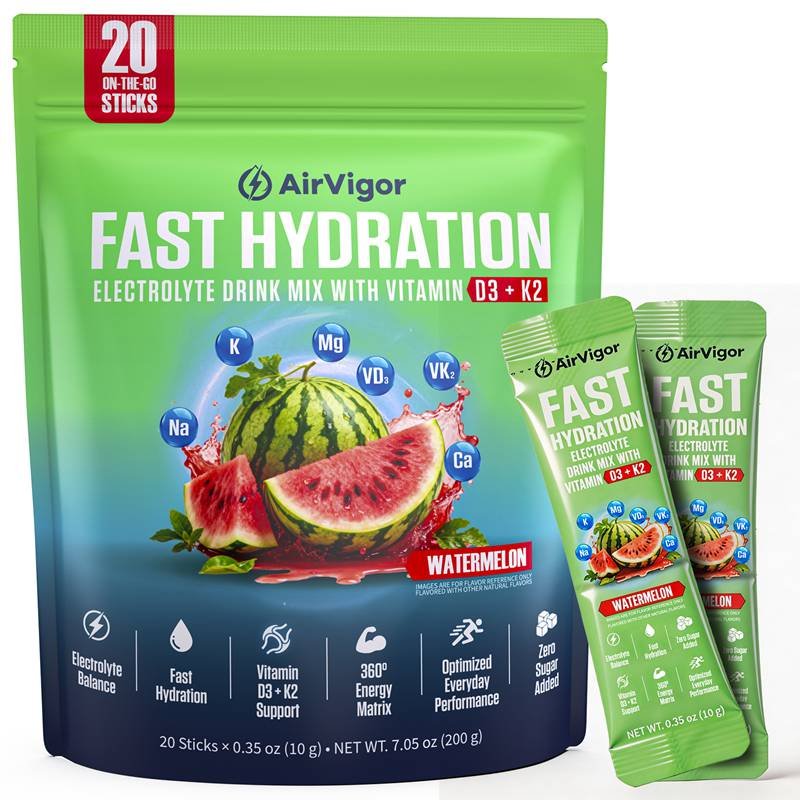
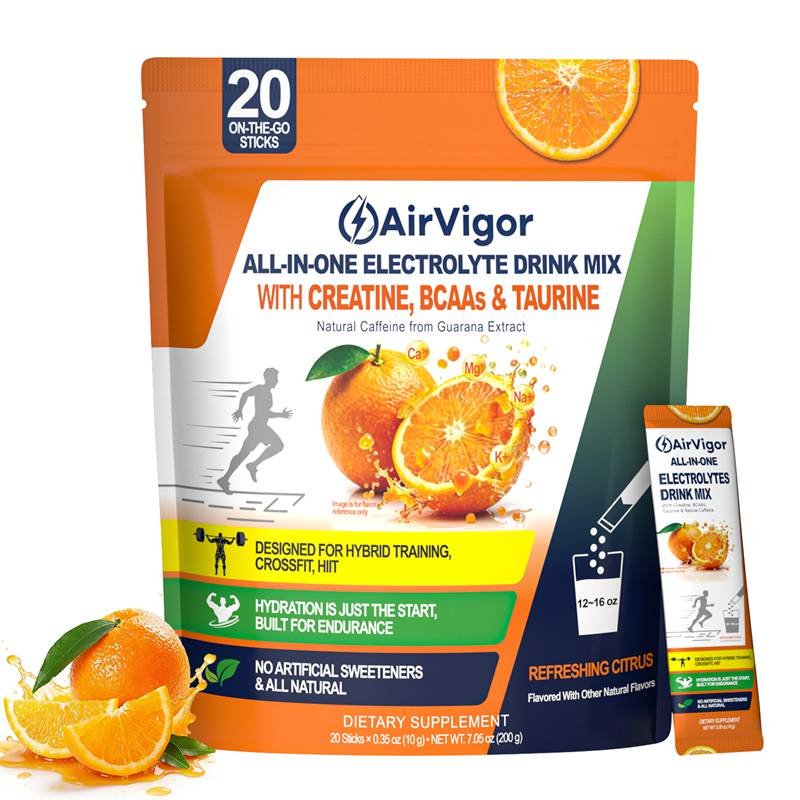
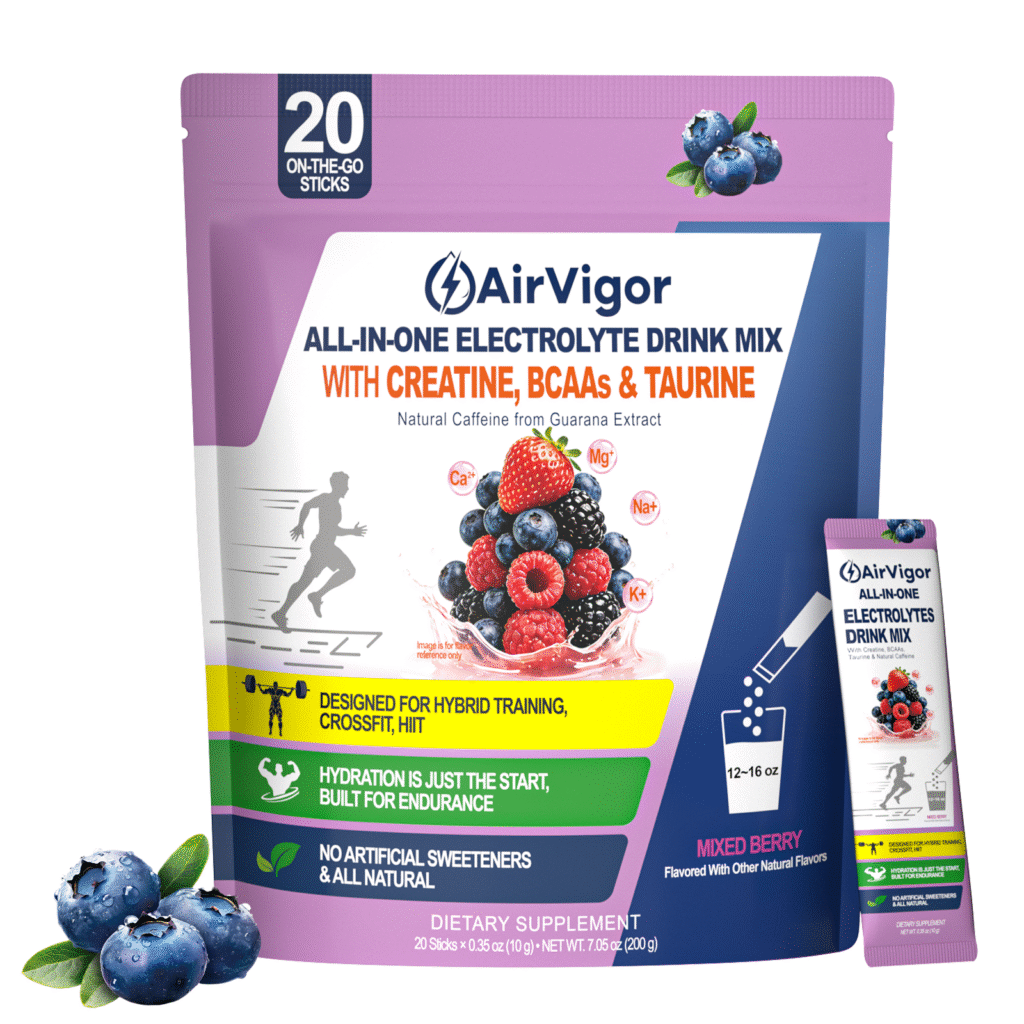
AirVigor formulations are designed around this reality: prioritize electrolytes that match sweat loss and real-world performance demands, then build a formula that’s tolerable enough to use consistently.
What do sodium and chloride do?
Sodium is the electrolyte that most directly changes hydration outcomes because it helps your body retain fluid rather than flushing it out quickly. It supports blood volume, sweat response, and the movement of water across tissues. Chloride usually comes along for the ride because it pairs naturally with sodium and helps maintain acid-base balance and digestive function.
If you’ve ever had “headache + fatigue + low energy” after sweating, sometimes it’s not dehydration alone—it’s low sodium relative to water intake. That’s why “just drink more water” can backfire in heavy sweat situations.
For training, heat, sauna use, long shifts, and travel, a formula that underdoses sodium often feels like it “does nothing.” For many users, sodium is the difference between “I drank it” and “I felt it.”
How does potassium support cells?
Potassium is a key intracellular electrolyte—meaning it’s heavily involved in fluid balance inside cells, nerve signaling, and normal muscle function. In hydration terms, potassium helps support the “inside-the-cell” side of the fluid equation, while sodium is more dominant in the “outside-the-cell/blood” side.
But potassium is not a replacement for sodium. A common mistake is choosing a product with high potassium and low sodium because it feels “healthier.” In sweat-heavy contexts, that can be the wrong trade-off.
Potassium becomes more meaningful when your diet pattern increases loss or reduces intake (for example, inconsistent meals, heavy processed foods, or intense training blocks). A smart electrolyte powder includes potassium as part of a balanced system—not as the headline.
Why is magnesium important?
Magnesium supports hundreds of enzymatic reactions in the body and plays a role in neuromuscular function, energy metabolism, and normal nerve signaling. In practice, people associate magnesium with muscle cramps, sleep, and recovery.
Here’s the nuance: cramps are not always “magnesium deficiency.” Cramps can be fatigue-driven, sodium-related, or training-load related. But magnesium can still matter because it supports the nervous system environment that influences muscle firing and relaxation.
The biggest practical win of magnesium in electrolyte powders is often long-term routine support—especially for users with high training volume, high stress, or diets that don’t reliably include magnesium-rich foods.
Which minerals directly support muscles?
Muscle contraction and relaxation involve a team:
- Sodium + potassium: nerve impulses and muscle signaling
- Calcium: triggers contraction mechanisms
- Magnesium: supports relaxation and neuromuscular balance
That said, electrolyte powders are usually not a “muscle builder.” They’re a performance stability tool—helping you avoid the drop-off that happens when hydration and mineral balance drift.
If your goal is training performance, muscle support from electrolytes shows up as:
- steadier output late in the workout
- fewer “random” fatigue crashes
- less post-sweat headache or fog
This is why well-built electrolyte powders often feel like a “performance smoother,” not a stimulant.
Do calcium and phosphate matter?
Calcium matters for muscle contraction and signaling, but many people already get significant calcium from food (dairy, fortified foods). In electrolyte powders, calcium is often included in recovery-focused formulas or for users who sweat heavily and want broader mineral coverage.
Phosphate is essential biologically, but it’s rarely the limiting factor for hydration in day-to-day life. Most diets provide phosphate widely, and electrolyte powders don’t typically need to emphasize it unless the product has a very specific performance rationale.
So yes—calcium can matter in certain scenarios, and phosphate matters in physiology. But for hydration outcomes, sodium + chloride + potassium + magnesium usually drive the “felt difference” the most.
Which Forms of Electrolytes Absorb Best?
Electrolyte absorption depends less on total mineral quantity and more on mineral form, solubility, and tolerance. Sodium and potassium dissolve fastest in chloride or citrate forms, while magnesium is generally better tolerated as citrate or glycinate. Highly soluble forms improve hydration speed and reduce stomach discomfort, making them more suitable for daily or high-frequency use than poorly dissolving mineral salts.
Absorption is about usability, not theory
One of the biggest misconceptions in electrolyte supplementation is that absorption is only about biochemistry. In reality, absorption is also about how the product behaves in a glass, in your stomach, and across repeated use.
A mineral that is “well absorbed” on paper but tastes awful, clumps, or causes bloating will not be used consistently—and therefore fails in real life.
That’s why professional formulations focus on three layers of absorption:
- Chemical bioavailability
- Physical solubility in water
- Gastrointestinal tolerance over time

Which sodium forms dissolve fastest?
Comparison of Sodium Forms in Electrolyte Powders
| Sodium Form | Key Features | Dissolution Speed | Taste Profile | Gastrointestinal Tolerance | Practical Impact |
|---|---|---|---|---|---|
| Sodium Chloride | – Fast dissolution- Closest to sweat composition | Fast | Aggressively salty at high doses | Can cause mild irritation at higher doses | Common in sports drinks; natural salt balance, quick hydration |
| Sodium Citrate | – High solubility- Milder taste- Slight buffering effect | Slower, Milder | Milder, less salty | Generally gentler on the stomach | Often used in formulations designed for longer usage or more frequent consumption |
- Sodium Chloride:
- Research indicates that sodium chloride is one of the fastest dissolving salts, with dissolution times as quick as <30 seconds in water.
- It’s often used for rapid electrolyte replenishment, but high doses (e.g., >1000 mg per serving) can result in saltiness that some users find unpleasant.
- Sodium Citrate:
- Sodium citrate dissolves more slowly than sodium chloride but still achieves >95% solubility in water. Its taste is less intense, making it more palatable in larger servings.
- It’s especially beneficial for users with sensitive stomachs because its buffering effect helps reduce irritation, with some formulations increasing GI tolerance by 20–40%.
From a hydration standpoint, both forms work well. The decision is rarely about “better absorption” and more about taste, compliance, and dosage strategy.
Are citrate forms easier on the stomach?
For many users, yes—especially with magnesium and potassium.
Citrate salts tend to:
- Dissolve more cleanly
- Reduce the metallic aftertaste
- Causes less gastric heaviness compared to oxide or carbonate forms
That said, citrate is not “universally better.” At very high doses, citrate forms can have a mild laxative effect, especially for magnesium. This is why dose design matters as much as ingredient choice.
Do chelated minerals improve absorption?
Chelated minerals (such as magnesium glycinate) are often praised for absorption, but they come with tradeoffs in taste, cost, and formulation flexibility.
In capsules, chelates can be excellent. In powders, they:
- Often tastes bitter
- Increase formulation complexity
- Are harder to balance in multi-electrolyte drinks
For this reason, chelated minerals are not automatically superior in electrolyte powders. Well-chosen citrate or chloride forms often deliver better real-world outcomes because users actually drink them consistently.
How does solubility affect real-world use?
Solubility is the hidden performance factor.
Poor solubility leads to:
- Gritty texture
- Uneven dosing
- Minerals left at the bottom of the bottle
This creates inconsistent intake and undermines hydration benefits.
Highly soluble electrolyte powders:
- Deliver minerals evenly
- Reduce GI complaints
- Improve hydration speed
What Extras Are Common in Electrolyte Formulas?
Many electrolyte powders include optional extras such as carbohydrates, B vitamins, vitamin D3/K2, amino acids, or enzymes. Some additions—like small amounts of glucose—can improve hydration speed, while others mainly support marketing claims. The value of extras depends on dose, context, and user needs, not their presence alone.
Electrolytes already do a lot. Extras should support hydration, not turn the product into a crowded multivitamin.
Do carbs or glucose improve hydration?
Yes—in specific situations.
Glucose helps activate sodium-glucose co-transporters (SGLT1), which can:
- Speed water absorption
- Improve fluid retention during intense sweating
However:
- The effect plateaus quickly
- Excess sugar adds calories and GI load
For daily hydration or desk-based users, sugar is often unnecessary. For endurance athletes or long heat exposure, small, precise amounts can be helpful.
Are B vitamins actually useful?
B vitamins support energy metabolism, but they do not hydrate you.
In electrolyte powders, B vitamins:
- Rarely address a deficiency
- They are often underdosed for therapeutic effect
- Mainly add label appeal
They are not harmful, but they are rarely the reason a hydration product works.
When is vitamin D3 helpful?
Vitamin D3 supports:
- Muscle function
- Mineral absorption
- Immune regulation
But it is not an acute hydration ingredient.
D3 becomes relevant in:
- Long-term supplementation
- Users with low sun exposure
- Recovery-oriented formulas
Why add K2 with D3?
Vitamin K2 helps guide calcium into bones rather than soft tissue. When D3 and calcium are present together, K2 improves long-term mineral balance safety.
This pairing is about responsible formulation, not short-term performance.
AirVigor includes D3 + K2 only in formulas designed for consistent daily use, not high-dose training scenarios.
Do amino acids add real value?
Amino acids like taurine or glycine may support:
- Osmotic balance
- Nervous system stability
However, they are supportive, not essential, and must be dosed correctly to matter.
Are probiotics or enzymes relevant?
Generally, no.
Electrolyte powders are not ideal delivery systems for probiotics or enzymes due to:
- Moisture sensitivity
- Stability issues
- Timing mismatch
These ingredients belong in separate, purpose-built supplements, not hydration products.
What Ingredients Raise Risk or Cause Side Effects?
Electrolyte side effects are usually caused by excess dosing, poor mineral balance, or individual medical conditions, not electrolytes themselves. Common issues include bloating, stomach upset, and headaches from excess sodium or potassium. People with kidney disease, blood pressure disorders, or during pregnancy should consult healthcare providers before frequent use.
Electrolytes are normal physiology—but context matters.
What causes stomach upset or bloating?
Common causes include:
- Too much magnesium at once
- High osmolarity (too concentrated)
- Sugar alcohol sweeteners
Proper dilution and gradual dosing solve most issues.
Most brands’ labels clearly specify water ratios and serving guidance to reduce risk.
What are the signs of too much sodium?
Possible signs:
- Persistent thirst
- Headache
- Swelling in sensitive individuals
These usually occur when sodium intake exceeds sweat loss without adequate water.
Which groups should watch potassium intake?
People with:
- Kidney disease
- Certain heart conditions
- Potassium-altering medications
should monitor intake carefully.
This is why transparent labeling matters.
Who should avoid frequent electrolyte use?
- Individuals with severe renal disease
- Those advised to follow strict low-sodium diets
- People using electrolytes as meal replacements
Electrolytes support hydration—they do not replace nutrition.
Are electrolytes safe in pregnancy?
In moderate, food-equivalent doses, electrolytes are generally safe. However:
- Sodium needs vary
- Excess supplementation is unnecessary
Pregnant users should choose low-additive, transparent formulas and consult healthcare providers.

How Does AirVigor Build Electrolyte Ingredients Differently?
AirVigor designs electrolyte powders with a focus on real sweat loss, daily usability, and long-term tolerance. Instead of following fleeting trends, the formulas emphasize a balanced sodium-chloride ratio, supportive levels of potassium and magnesium, excellent solubility, and transparent labeling. Every ingredient is meticulously chosen for its functionality, stability is tested, and the production follows GMP, HACCP, and ISO22000 standards to ensure the highest quality and reliability.
How does AirVigor set electrolyte ratios?
At AirVigor, we don’t rely on generic formulas. Electrolyte ratios are customized based on real-world data, ensuring the product is tailored to match individual sweat loss and activity needs. Here’s how we set our ratios:
| Factor | Influence on Ratio |
|---|---|
| Sweat mineral data | Provides accurate levels of sodium, potassium, and magnesium lost during exercise, especially in hot and humid conditions. |
| Training intensity | Higher intensity requires more sodium to replenish and support muscle function, alongside potassium for cell hydration. |
| Climate exposure | Hot or humid environments increase the need for sodium chloride to manage fluid loss, ensuring proper hydration even during extreme conditions. |
We tailor the electrolyte content to maximize hydration, muscle function, and recovery without unnecessary additives. This approach ensures optimal hydration for the user’s specific needs rather than offering a “one-size-fits-all” solution.
Which ingredients match real sweat loss?
AirVigor’s formula is grounded in physiology, not marketing trends. The primary electrolytes that mirror real sweat loss include:
| Electrolyte | Primary Role | Why It Matters |
|---|---|---|
| Sodium | Fluid retention & sweat replacement | Sodium is the most abundant electrolyte lost during sweat. Replenishing sodium helps the body retain water and balance fluid levels. |
| Chloride | Fluid balance & stomach acid support | Pairs with sodium to regulate fluid distribution and maintain a healthy acid-base balance in the body. |
| Potassium | Cellular hydration & nerve signaling | Potassium plays a critical role in maintaining hydration inside cells and supports muscle contraction. |
| Magnesium | Muscle & nerve function, cramp prevention | Helps prevent cramps by supporting muscle relaxation and proper nerve function during activity. |
While calcium can play a role in muscle contraction and recovery, it is often secondary in the context of hydration-focused formulas. AirVigor emphasizes sodium and chloride because these are the primary electrolytes lost through sweat.
How does AirVigor ensure ingredient quality?
Ensuring ingredient quality and consistency is a top priority at AirVigor. We adhere to the highest production standards, verified through several processes:
| Quality Control Process | What It Ensures |
|---|---|
| GMP (Good Manufacturing Practices) | Ensures products are consistently produced and controlled to meet quality standards. |
| HACCP (Hazard Analysis and Critical Control Points) | Identifies and controls potential hazards to ensure product safety. |
| ISO22000 | Guarantees compliance with international food safety and quality standards. |
| COA (Certificate of Analysis) | Verifies ingredient quality, potency, and safety with each batch. |
| Supplier Audits | Ensures that all raw materials meet our stringent standards. |
| Internal Lab Validation | Tests the final product for consistency, solubility, and stability. |
This comprehensive approach ensures every batch meets the highest quality standards, from ingredient sourcing to final product delivery.
What makes the label transparent and usable?
Transparency is key to building trust with our customers. At AirVigor, our labels are designed to be clear, honest, and informative. Here’s what sets our labels apart:
| Label Feature | Why It Matters |
|---|---|
| Clear mineral amounts | You’ll find exact quantities of sodium, chloride, potassium, and magnesium per serving, so you know exactly what you’re getting. |
| No proprietary blends | All ingredients are listed by their full amounts, ensuring there’s no hiding behind vague “blend” terminology. |
| Real serving logic | Serving sizes are based on hydration needs, not marketing gimmicks. We provide practical recommendations for use. |
| Multi-language compliance | Our labels meet international standards, ensuring clarity for customers worldwide. |
This makes it easy for consumers to assess the product’s quality and suitability for their specific needs, whether for performance or general wellness.
Final Thoughts & How to Get Started With AirVigor
Electrolyte powders are not magic—but well-designed formulas work reliably when they match how people actually live, sweat, train, and work.
If you’re looking for:
- Ready-to-ship electrolyte powders available on Amazon
- Transparent, science-based formulas for daily or performance use
- Custom OEM / ODM electrolyte development backed by real R&D, manufacturing, and global compliance
AirVigor is built for both consumers and brands.
- Buy AirVigor Electrolyte Powders on Amazon for fast delivery
- Contact us for custom electrolyte formulation, sampling, and pricing (B2B / OEM / ODM)
Smarter hydration starts with smarter ingredients—and consistency beats hype every time.