Skip to content
What Does Chloride Do in the Body: Complete Guide
# Your Trusted Dietary Supplement Brand In US
- Emily

Table of Contents
Hydration advice online is loud—but when you actually follow it, you can still feel “off”: thirsty after refilling your bottle all day, foggy after long meetings, or crampy after training. That’s because hydration isn’t just “water in.” It’s water + electrolytes in the right balance—and one key electrolyte is often ignored: chloride.
Chloride is the main negatively charged electrolyte outside your cells, where blood volume and fluid signaling matter most. It works alongside sodium to help regulate fluid balance and hydration stability, and it also helps your stomach produce hydrochloric acid (HCl)—a critical step for protein digestion and mineral absorption.
In this guide, you’ll learn what chloride does, why low chloride happens, what symptoms to watch for, and how to use electrolyte supplements safely—especially if you sweat hard, travel often, or rely on water alone.
What Is Chloride in the Body?
Chloride is a major electrolyte (Cl⁻) and the most abundant negatively charged ion in the fluid outside your cells. It helps maintain fluid balance, supports acid–base regulation, and is required to produce stomach acid (HCl). Chloride is not the same as chlorine; it’s a normal ion your body needs daily, commonly obtained through sodium chloride (salt) and chloride-containing foods.
What is chloride as an electrolyte?
Electrolytes are minerals that carry an electrical charge when dissolved in water—exactly how your body stores and uses them. Chloride (Cl⁻) is the dominant extracellular anion, meaning it’s the main negative “counterbalance” to positive ions like sodium (Na⁺). That balancing act keeps your blood and fluid compartments electrically neutral and helps control where water goes.
In plain terms: chloride is part of the “fluid management team.” When chloride is low relative to water, your body struggles to maintain stable fluid distribution. When chloride is in the right range, water has a better chance of staying where it’s useful—supporting circulation, performance, and normal function.
For athletes, outdoor workers, and frequent travelers, this matters because your “normal” losses (sweat, dry air, long flights, sauna) can be higher than the average person’s.
Is chloride the same as chlorine?
No—this is one of the most common misconceptions behind “chloride fear.”
- Chlorine is a reactive element used in pools and sanitation.
- Chloride is a stable ion found naturally in your body and diet.
They’re related chemically, but physiologically they’re not the same thing. Your body isn’t “adding pool chemicals” when you consume chloride. You’re simply replenishing an electrolyte that helps your fluid balance, digestion, and acid–base stability.
What is the main function of chloride in the body?
If we had to summarize chloride’s main job in one sentence:
Chloride helps maintain extracellular fluid balance and acid–base stability, while enabling stomach acid production for digestion.
That’s not marketing—it’s physiology. Chloride is directly involved in stomach acid formation (HCl) through gastric parietal cells. (PMC) And because chloride pairs with sodium in many body processes, it influences fluid retention and distribution, especially under stress (heat, endurance training, illness).
What organ is affected by chloride?
Two systems stand out:
- Kidneys (primary regulator): The kidneys manage chloride reabsorption and excretion to help control fluid volume and acid–base balance. That’s why chloride levels often reflect hydration status and metabolic balance.
- Stomach (major user): Chloride is needed to produce hydrochloric acid, which supports digestion and helps absorb minerals.
You can think of chloride like this: your kidneys decide how much you keep; your stomach spends it to digest; your blood uses it to stay stable.
What Does Chloride Do for Hydration?
Chloride supports hydration by maintaining extracellular fluid balance and working with sodium to retain and distribute water properly. When you lose chloride (often with sodium) through sweat or illness—or dilute it by drinking excessive water—your body may struggle to maintain stable blood volume, leading to persistent thirst, fatigue, or lightheadedness. For heavy sweaters, a balanced electrolyte drink that includes chloride can improve hydration efficiency. (ScienceDirect)
How does chloride regulate fluid balance?
Your body treats water like a resource that must be stored in the right places. Electrolytes are the “routing system.” Chloride’s concentration in extracellular fluid helps determine osmotic pressure—one of the forces that influences whether water stays in circulation or shifts around.
When you sweat heavily, you lose salty fluid, not just water. Replacing only water can create a “dilution problem”: the total fluid increases, but electrolyte concentration drops—so your body may not hold onto the water effectively, and you can feel thirsty, weak, or foggy even while “hydrating.”
This is why many athletes describe a specific feeling: “I drank a lot, but it didn’t help.” Often, that’s not a motivation problem. It’s an electrolyte balance problem.
Why is chloride paired with sodium?
Because the body must keep charge balance. Sodium is a main positive ion outside cells; chloride is the main negative ion outside cells. That pairing shows up everywhere—especially in fluid regulation.
From a practical sports nutrition perspective, this is why “salt replacement” can feel so powerful during heat exposure: sodium helps retain fluid, and chloride comes along as part of that salt-based balance.
But the best strategy isn’t mindless salting. It’s matching intake to your output—sweat rate, temperature, duration, and how you personally respond.
Does chloride affect water absorption?
Yes, indirectly. Water absorption in the gut is influenced by solute movement, electrolyte gradients, and transport systems. Chloride often moves with sodium, and together they support a fluid environment that helps your body absorb and distribute water more effectively than plain water alone in high-loss situations.
Translation: if your drink feels like it “just sits” in your stomach during training, a properly formulated electrolyte mix may be easier to tolerate—especially when you’re sweating hard or training fasted.
Does drinking water lower chloride levels?
It can—by dilution, not because water “removes” chloride. A large influx of water without enough electrolytes can lower measured chloride concentration, especially if you’re also losing chloride through sweat, vomiting, diarrhea, or diuretics.
This is one of the most practical takeaways in the entire article:
If drinking more water makes you feel worse, you may be diluting electrolytes.
For many active people, the fix is not “drink less water.” It’s drink smarter:
- drink to thirst (not as a contest),
- add electrolytes when losses are high,
- use a consistent, measured approach rather than random “pinches of salt.”
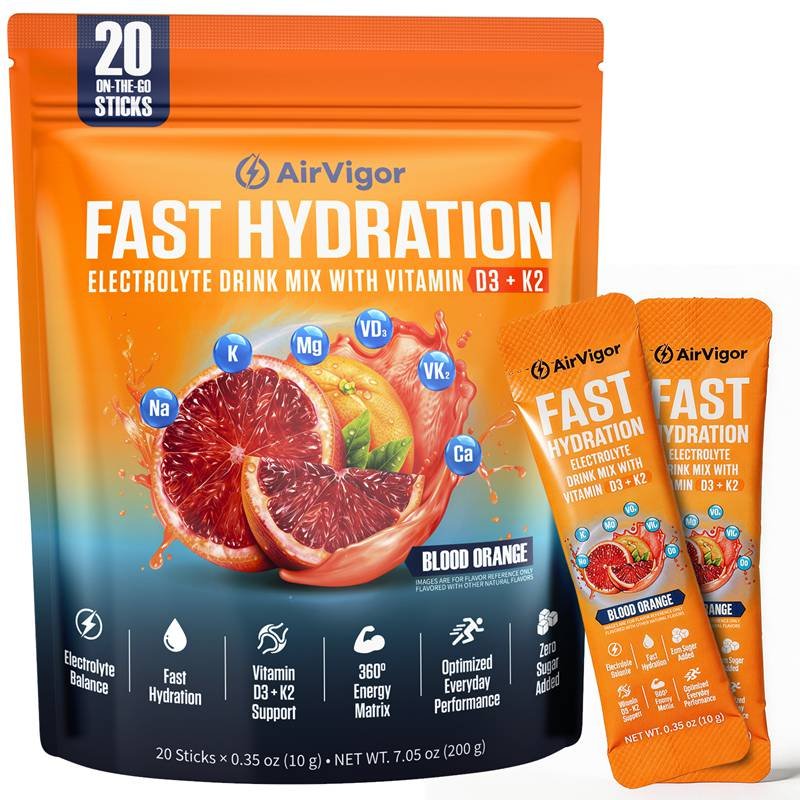
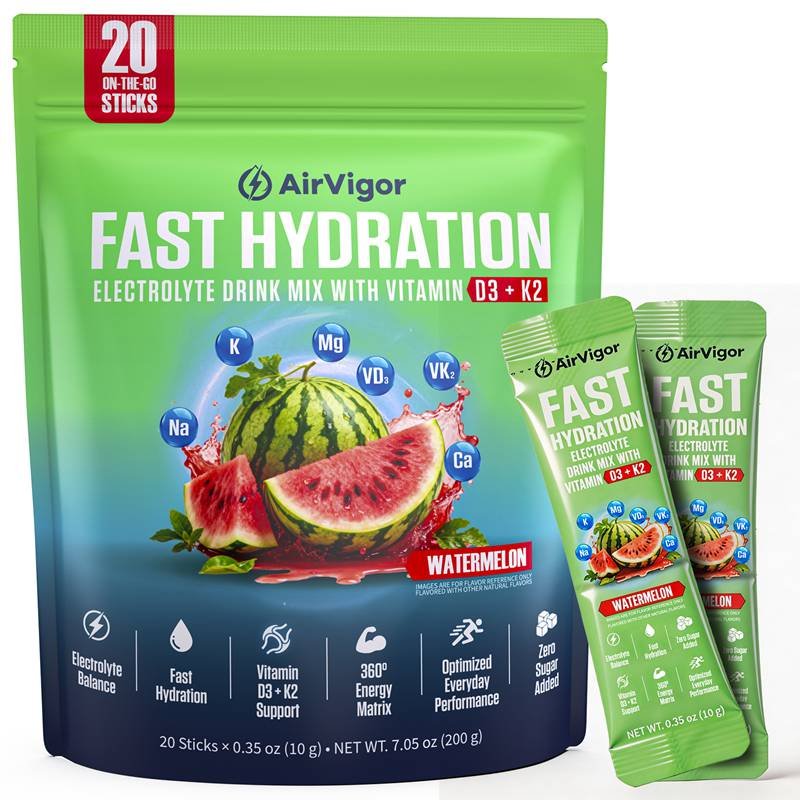
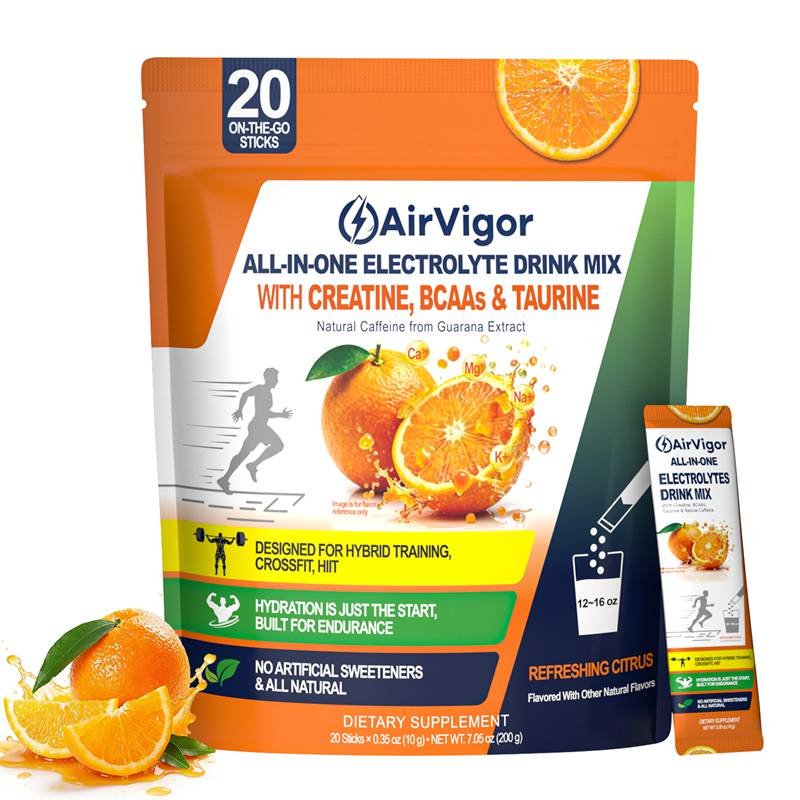
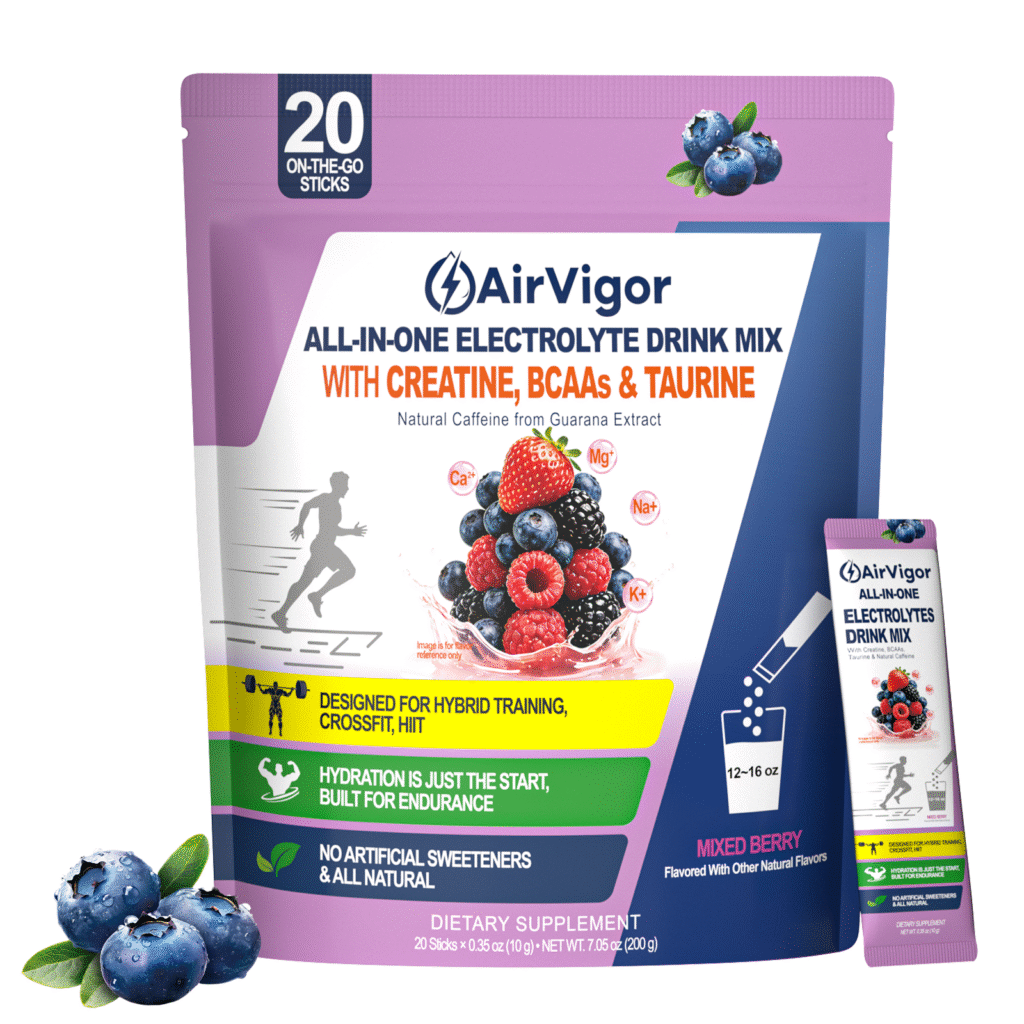
AirVigor angle (natural, not salesy): This is exactly why athlete-focused electrolyte powders exist. AirVigor’s product philosophy is built around repeatable dosing, fast dissolution, and clear labeling—so users can adjust intake based on sweat and workload without guessing.
How Does Chloride Support Digestion?
Chloride supports digestion primarily by helping the stomach produce hydrochloric acid (HCl). Stomach acid helps break down food—especially protein—activates digestive enzymes, and improves absorption of certain minerals. Low chloride states often occur from vomiting, prolonged diarrhea, or diuretic use and can contribute to weakness, appetite changes, or digestive discomfort. Most people get enough chloride from diet, but high fluid loss can create a functional deficit.
How does chloride form stomach acid?
Gastric parietal cells secrete hydrochloric acid into the stomach to create a highly acidic environment (often cited as pH < 2). That acidity helps kill pathogens, denature proteins, and support absorption of minerals like iron and calcium.
Chloride is a required ingredient in that acid production. Without chloride availability and transport, the stomach can’t form HCl efficiently.
This is one reason that “electrolytes” aren’t only about workouts. They’re part of basic human physiology—including digestion.
Is chloride essential for protein digestion?
Protein digestion begins in the stomach. Acid helps:
- unfold proteins (so enzymes can access them),
- activate pepsin-related digestion processes,
- prepare food for downstream breakdown in the small intestine.
If you’re an athlete increasing protein intake to support muscle recovery, digestion becomes part of performance. When hydration and electrolytes are off, digestion can feel “heavy,” and you may notice bloating or reduced appetite.
Important nuance: low stomach acid has multiple causes (stress, medications, infections, age-related factors). Chloride is one piece of the system—not the only one. But if your digestion is consistently worse during heavy sweating blocks, hydration and electrolytes are a smart place to start before chasing expensive “gut stacks.”
What happens when chloride is low in the body?
Low chloride in blood is called hypochloremia. It’s often linked to:
- vomiting (loss of stomach acid),
- diarrhea (fluid/electrolyte loss),
- certain medications like diuretics,
- dilution from excess water intake.
Symptoms can include weakness, fatigue, dehydration signs, and breathing changes—often because hypochloremia overlaps with broader fluid and electrolyte imbalance.
Here’s the key idea: chloride deficiency isn’t usually caused by “not eating chloride.” It’s usually caused by losing too much or diluting too much.
| Common cause | Why chloride drops | What you might notice |
|---|---|---|
| Vomiting | Loss of stomach acid (HCl) | Weakness, dehydration, poor appetite |
| Diarrhea | Fluid + electrolyte loss | Fatigue, thirst, lightheadedness |
| Diuretics | Increased electrolyte loss | Low energy, cramps, dizziness |
| Excess water intake | Dilution of electrolytes | “Still thirsty,” foggy, frequent urination |
How Does Chloride Affect Muscles and Nerves?

Chloride helps support muscle and nerve function by contributing to the electrical balance around cells and the stability of signaling in tissues. While sodium and potassium drive most “action potentials,” chloride influences excitability and fluid environment. Low chloride often occurs alongside sodium loss or dilution and may contribute to fatigue, weakness, cramp tendency, and reduced exercise tolerance—especially during heat, heavy sweating, or illness.
Does chloride support muscle contraction?
Muscle contraction is the final output of a chain: brain signal → nerve conduction → muscle fiber activation → contraction. Electrolytes shape multiple steps of that chain.
Chloride’s role is often “supportive” rather than headline-grabbing. It helps maintain the extracellular environment where muscle fibers operate. When chloride and sodium are both low, fluid distribution can become less stable—impacting blood volume, performance, and perceived exertion.
Here’s the athlete-friendly truth: most workout “crashes” aren’t one-mineral problems. They’re usually a combination of:
- sweat loss,
- insufficient sodium + chloride replacement,
- under-fueling (especially carbs),
- heat stress,
- cumulative fatigue.
So if you’re treating every cramp with magnesium but you’re training in heat and sweating heavily, you might be solving the wrong problem.
How does chloride stabilize nerve signals?
Your nervous system relies on controlled ion gradients. Chloride participates in maintaining electrical neutrality and affects how cells respond to stimulation. You don’t need to memorize ion channels to benefit from the concept:
Stable electrolytes = more stable performance.
This shows up as:
- fewer “random” headaches after long days,
- less post-workout fog,
- improved tolerance for heat or long sessions,
- reduced likelihood of that “I’m dehydrated but also bloated” feeling.
Can low chloride cause cramps or weakness?
Low chloride states can be associated with weakness, fatigue, and symptoms of dehydration or other electrolyte disturbances. Hypochloremia often co-occurs with other electrolyte changes and fluid issues rather than appearing alone.
If cramps happen mostly when you sweat a lot, the simplest hypothesis is: you’re losing salty fluid and replacing mostly water. In that scenario, chloride belongs in your solution.
AirVigor angle (practical): For training blocks with frequent sweating (CrossFit, cycling, hot yoga, summer runs), a consistent electrolyte routine is easier than trying to “eat enough salt” perfectly every day. AirVigor’s electrolyte products are built for repeat use—clear dosing, good solubility, and athlete-friendly taste so you actually stick to it.
Which Foods and Supplements Provide Chloride?
Most chloride comes from sodium chloride (salt) in foods, so many people meet needs without thinking about it. Common sources include salted foods, soups, cheese, breads, and packaged foods. Active people who sweat heavily, restrict sodium, or travel frequently may benefit from electrolyte supplements that provide measured chloride (often as sodium chloride or potassium chloride) to match real losses—without relying on highly processed foods.
Which foods are high in chloride?
Chloride isn’t always listed explicitly on labels, but it tracks strongly with sodium intake. Common dietary chloride sources include:
- table salt and seasonings,
- broths and soups,
- cheeses,
- breads and baked goods,
- salted nuts,
- many packaged foods.
This is why the average diet tends to deliver chloride—sometimes more than needed.
But “average diet” isn’t the whole story. Many health-conscious people shift toward whole foods and reduce salt dramatically. That’s fine—until they also increase sweat loss through training, sauna, or outdoor work.
Is chloride intake usually sufficient?
For sedentary people eating a typical diet, usually yes. For athletes and active lifestyles, “usually” becomes “it depends.”
You may be at higher risk of not matching chloride needs if you:
- sweat heavily several times per week,
- train in heat/humidity,
- eat very low-sodium meals most days,
- drink a lot of plain water,
- travel frequently (dry air + dehydration patterns).
The goal isn’t high salt for everyone. The goal is appropriate electrolytes for your output.
Are electrolyte powders a reliable source?
They can be—if the brand is serious about transparency and quality.
What to look for in an electrolyte powder:
- clear sodium/chloride amounts per serving,
- consistent manufacturing quality,
- good dissolution (so you actually drink it),
- flavor designed for daily compliance (not just sweetness).
AirVigor is positioned not only as a consumer brand but also as a manufacturer with quality systems and batch documentation. That matters for long-term users who care about consistency and trust.
| Approach | Pros | Cons | Best for |
|---|---|---|---|
| Salted meals (food) | Simple, cheap, natural | Hard to dose; appetite-dependent | Daily life, light activity |
| Salty snacks | Convenient in a pinch | Often ultra-processed | Emergencies, travel days |
| Electrolyte powder | Measured, portable, repeatable | Must choose a quality brand | Athletes, heavy sweaters, consistent routines |
How Much Chloride Do You Need Daily?

In the U.S., the FDA Daily Value (DV) for chloride is 2,300 mg per day for adults and children 4+. Individual needs vary with sweat loss, diet, and health conditions. Athletes who sweat heavily may need higher intake on training days, while people with kidney/heart conditions may need to monitor electrolyte use. The practical goal is not a fixed number—it’s matching chloride and sodium intake to your real-world losses.
What is the recommended daily intake?
For label and consumer guidance, the FDA sets a chloride DV of 2,300 mg/day. That’s a stable anchor for planning, and it aligns with how most people see chloride referenced on supplement facts panels.
But performance nutrition isn’t one-size-fits-all. Daily needs swing based on:
- climate,
- sweat rate,
- session length,
- clothing/gear,
- diet (especially sodium restriction),
- travel and illness.
For clinical dietary planning, the NIH Office of Dietary Supplements points users to DRI tools for personalized recommendations.
Do athletes need more chloride?
Often, yes—especially on heavy sweat days.
If you sweat a lot, you lose salty fluid. Replacing that with only water can lead to:
- poorer endurance,
- higher perceived effort,
- headaches,
- dizziness,
- cravings for salty foods,
- “I can’t recover” fatigue.
A performance-friendly approach is day-type dosing:
- Rest day: mostly food-based intake
- Training day: add electrolytes around sessions
- Heat/endurance day: more structured electrolyte timing
This is where AirVigor’s format (portable stick packs / easy mixing) fits real life: you can use it when it matters instead of forcing a complicated daily ritual.
Can chloride intake be too low or too high?
Yes.
Too low: Hypochloremia is commonly associated with vomiting, diarrhea, medications (like diuretics), and fluid/electrolyte dilution.
Too high: Hyperchloremia can occur in dehydration, kidney issues, or acid–base disturbances (like normal anion gap metabolic acidosis), depending on context.
For most healthy active people, the common real-world issue is not “chloride toxicity.” It’s imbalance—too much water relative to electrolytes during high-loss conditions.
| Scenario | What’s happening | Practical strategy |
|---|---|---|
| Normal day, moderate activity | Low losses | Salt meals to taste |
| Heavy sweat workout | High salt loss | Add electrolyte drink pre/during/after |
| Hot climate + lots of water | Dilution risk | Use electrolytes, drink to thirst |
| Vomiting/diarrhea | High loss of fluid/electrolytes | Oral rehydration + medical guidance |
| Kidney/heart conditions | Higher risk if misused | Consult clinician before routine use |
Is Chloride Safe in Electrolyte Supplements?
Chloride in electrolyte supplements is generally safe for healthy adults when used as directed and matched to sweat loss. The FDA recognizes chloride’s Daily Value for labeling, and chloride is commonly provided as sodium chloride or potassium chloride. People with kidney disease, heart failure, uncontrolled hypertension, or those using diuretics should monitor electrolyte intake and seek personalized medical guidance to avoid complications.
Is chloride safe for daily use?
For most healthy adults, yes—especially if your lifestyle includes:
- frequent training,
- heat exposure,
- sauna use,
- outdoor work,
- travel,
- low-sodium eating patterns.
The key is dose discipline. A smart supplement routine is not “max electrolytes every day.” It’s:
- baseline intake from diet,
- targeted electrolyte use when losses are high,
- consistent products with transparent labeling.
AirVigor’s brand positioning around manufacturing quality and clear instructions matters here—because the real safety issue in supplements is often inconsistency or unclear dosing, not the mineral itself.
How does chloride differ from table salt?
Table salt is sodium chloride. Many electrolyte formulas include chloride, but may also include:
- potassium chloride,
- magnesium salts,
- other minerals to support broader electrolyte balance.
Why that matters: athletes don’t only lose sodium. They lose a mix. A well-designed electrolyte powder helps you address the full picture more predictably than guessing with “salt water” alone.
Who should monitor chloride intake?
Be extra cautious (and get medical guidance) if you have:
- chronic kidney disease,
- heart failure,
- significant heart disease,
- uncontrolled hypertension,
- diabetes insipidus or complex fluid conditions,
- medications affecting fluids/electrolytes (especially diuretics).
| If you say “yes”… | Likely meaning | What to do |
|---|---|---|
| “I sweat a lot today” | High electrolyte loss | Add electrolytes around activity |
| “Water isn’t helping” | Possible dilution | Add electrolytes, don’t overdrink |
| “I’m traveling / flying” | Dehydration patterns | Use electrolytes + regular meals |
| “I had vomiting/diarrhea” | High loss state | Oral rehydration; consider care |
| “I have kidney/heart issues” | Higher risk group | Ask clinician first |
Conclusion
Chloride is a “quiet” electrolyte with big jobs: it supports fluid balance, helps maintain acid–base stability, and enables stomach acid production for digestion. Most people get enough from diet, but heavy sweating, illness-related fluid loss, diuretics, or over-drinking plain water can tip the balance and leave you feeling tired, thirsty, or cramp-prone.
If you want hydration that feels predictable, focus on balanced electrolytes—not just more water. For active days and heavy-sweat training, a measured electrolyte routine is often the simplest solution. AirVigor is built for that kind of repeatable use: clear dosing, athlete-friendly formulas, and practical electrolyte support you can actually stick with.
Ready to Buy AirVigor or Request a Custom Formula?
Buy AirVigor in-stock
If you want fast delivery and easy re-ordering, purchase AirVigor electrolyte products via Amazon in-stock listings—ideal for athletes who want a consistent routine with minimal friction.
Need customization or a bulk quote?
AirVigor (Atom Nexus Inc., Eastvale, CA) supports OEM/ODM, flavor development, and scalable production for electrolyte powders and broader sports nutrition lines—backed by documented quality systems and batch testing.
Share:
Contact Expert Team
At AirVigor, performance becomes effortless. We transform advanced nutrition science into clean, effective supplements that help you hydrate, recover, and feel stronger every day. Shop AirVigor on Amazon and experience athlete-trusted formulas—backed by real science and supported by our world-class R&D and production capabilities.
Trust AirVigor
At AirVigor, turning your performance goals into reality is no longer a struggle—it’s a science-driven journey we build together. Whether you’re a runner, lifter, cyclist, yogi, outdoor athlete, or someone simply seeking better daily energy, AirVigor transforms advanced nutrition research into clean, effective, and trustworthy supplements you can feel.
Backed by our U.S. scientific team, global certifications, and world-class production standards, every formula is engineered to deliver real hydration, real recovery, and real performance. And when you’re ready to experience the difference, you’ll find AirVigor products available on Amazon and other major platforms—fast shipping, consistent quality, and a community of athletes already seeing results.
Behind the scenes, our R&D and manufacturing ecosystem also supports specialized formulation development, ensuring AirVigor continues to lead with innovation while keeping quality and safety uncompromised. But at the core, everything we create is built for you—your health, your performance, your momentum.
Choose AirVigor. Feel the science. Elevate your every day.


Subscribe to our newsletter
Sign up to our newsletter and we’ll keep you up to date with the latest arrivals.