Skip to content
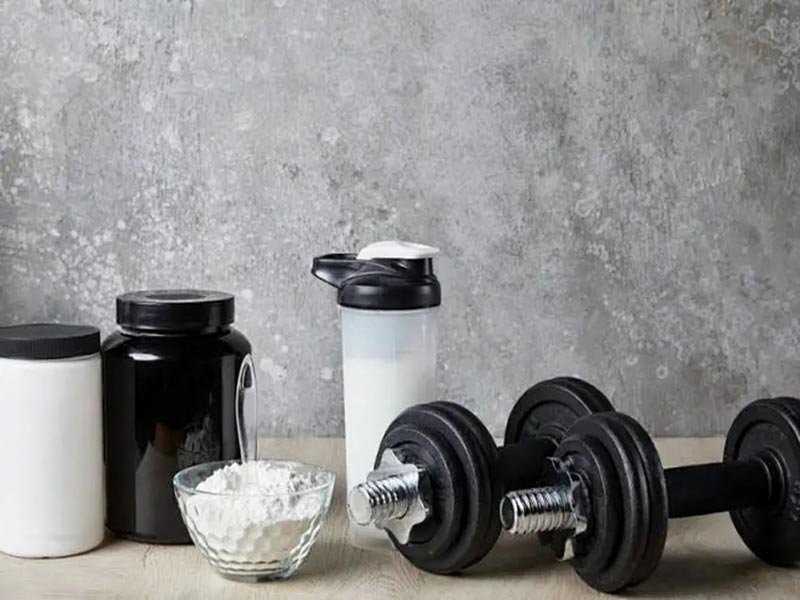
Most people searching for protein powder are not confused because there are too few options — they are overwhelmed because there are too many. Whey, isolate, casein, plant-based blends, slow-digesting proteins, fast-absorbing proteins… every label claims to be “best for muscle.”
Here’s the uncomfortable truth: muscle gain doesn’t fail because of lack of protein — it fails because of poor protein choices, timing mistakes, and unrealistic expectations. Many gym-goers consume enough grams per day but still struggle with recovery, soreness, or plateaued strength because their protein type does not match their training intensity, digestion tolerance, or lifestyle.
Another issue is oversimplification. Online advice often reduces muscle gain to slogans like “drink whey after workouts” or “hit your macros.” But muscle tissue is built over hours and days, not minutes — and protein quality, digestion speed, and amino acid structure matter far more than most people realize.
The 7 main types of protein powder for muscle gain are whey protein, whey isolate, casein, egg protein, soy protein, pea protein, and blended protein. Each type differs in digestion speed, amino acid profile, and suitability for different training goals. Choosing the best protein depends on workout intensity, recovery needs, digestion tolerance, and daily routine—not just protein content alone.
If you’ve ever wondered why protein works perfectly for some athletes but feels ineffective for others, the answer lies in how protein behaves inside your body. Let’s break it down — clearly, practically, and without marketing noise.
What Is Protein Powder?
Protein powder is a concentrated form of protein derived from various food sources like dairy, plants, eggs, and even certain grains. It is commonly used to supplement daily protein intake, especially for those with increased nutritional needs due to exercise, muscle recovery, or other health-related reasons. Protein powder can help athletes, bodybuilders, or anyone trying to build muscle, repair tissues, or maintain overall body function.
Unlike whole foods, protein powder offers a convenient and easily digestible option for meeting protein requirements. When mixed with water or other liquids, it provides a quick, efficient way to boost your protein intake without consuming large meals. Protein powder comes in different forms, such as shakes, bars, or capsules, offering versatile ways to incorporate it into your diet.
How Protein Powder Supports Muscle Growth
Protein is one of the three macronutrients (along with carbohydrates and fats) essential for human health. It plays a crucial role in building, repairing, and maintaining muscle tissue. After intense exercise, muscles undergo microtears, and protein is essential to repair these fibers, which is a key factor in muscle growth.
Protein powder provides a concentrated source of high-quality amino acids, the building blocks of protein. When consumed, protein powder is broken down into amino acids in the digestive system and absorbed into the bloodstream, where it can be used by muscles to repair and build new muscle tissue.
The protein in powders may vary in quality and content, depending on the source. Animal-based proteins, like whey or casein, typically provide complete proteins with all nine essential amino acids, while plant-based proteins, like soy or pea protein, may be lower in certain amino acids but can still contribute effectively to muscle recovery and growth.
Benefits of Using Protein Powder for Muscle Gain
- Convenience Protein powder is easy to prepare and can be consumed quickly after a workout or during the day, providing flexibility for busy schedules. Unlike whole foods, you don’t need to spend time cooking or meal prepping.
- Faster Absorption Protein powder is typically digested faster than whole foods, providing an almost immediate source of amino acids to your muscles. This is particularly beneficial post-workout, when the body needs protein to kickstart recovery.
- Controlled Dosage When using protein powder, it’s easier to control your protein intake. You can measure out precise amounts to meet your specific daily protein goals without guessing or over-eating.
- Supports Muscle Recovery and Growth Protein powder helps to promote muscle recovery after exercise by providing the necessary amino acids for tissue repair. Regular use, in combination with a balanced diet and exercise regimen, can lead to enhanced muscle mass and strength over time.
- Variety of Sources Depending on dietary preferences or restrictions, protein powder comes in a variety of sources. Whey, casein, egg, soy, pea, and rice proteins offer options for individuals with different needs, including vegans and those with lactose intolerance.
When Should You Use Protein Powder?
Protein powder can be used at different times throughout the day to meet your protein needs. The most popular times to consume protein powder include:
- Post-workout: After intense exercise, your body needs protein to begin muscle repair. Consuming protein powder shortly after exercise provides fast-acting amino acids to kickstart the recovery process.
- Between meals: If you are struggling to meet your daily protein intake from whole foods, protein powder can be a quick snack or supplement to increase protein levels throughout the day.
- Before bed: Slow-digesting proteins like casein can be consumed before bed to provide a sustained release of amino acids throughout the night, supporting muscle recovery during sleep.
Protein Powder and Muscle Growth: The Science
Scientific studies have consistently shown that protein supplementation, especially after resistance training, can increase muscle protein synthesis (MPS) — the process by which the body builds muscle tissue. In fact, some studies indicate that taking protein powder after a workout leads to more effective recovery and muscle growth than relying on whole foods alone.
For optimal muscle growth, it’s important to consume enough protein throughout the day, not just immediately after exercise. Spreading protein intake across meals ensures that your muscles receive a steady supply of amino acids, promoting continuous recovery and growth.
Choosing the Right Protein Powder
Not all protein powders are created equal. The type of protein you choose will depend on your goals, diet, and any sensitivities or allergies you may have.
- Whey Protein: Ideal for post-workout consumption due to its rapid digestion and high leucine content, which stimulates muscle protein synthesis.
- Casein Protein: A slower-digesting option that is perfect for long periods between meals or before bed.
- Plant-Based Proteins: Great options for vegans or those with lactose intolerance. Pea protein, soy protein, and brown rice protein are all excellent choices for those seeking plant-based alternatives.
Protein powder is an excellent supplement for anyone looking to support muscle growth, repair, and recovery. It’s especially useful for athletes, bodybuilders, and those with active lifestyles, as it provides a fast and convenient source of high-quality protein. Whether you’re aiming to increase muscle mass, speed up recovery, or simply ensure you’re getting enough protein, protein powder can be an essential part of your nutrition plan.
Protein Powder vs Whole Food Protein
| Factor | Protein Powder | Whole Foods |
|---|---|---|
| Digestion speed | Controlled & predictable | Variable |
| Convenience | Very high | Moderate |
| Amino acid precision | Standardized | Varies |
| GI burden | Lower (when formulated well) | Higher |
| Best use case | Training & recovery | Main meals |
Which Protein Builds Muscle Best?
The protein that builds muscle best is the one that delivers sufficient essential amino acids—especially leucine—at the right time and in a form your body can digest consistently. Whey protein is often the most effective for stimulating muscle protein synthesis due to its fast absorption and high leucine content, while casein and blended proteins support sustained muscle repair. The “best” protein ultimately depends on training intensity, recovery needs, and individual digestion.
When people ask “Which protein builds muscle best?” they are often expecting a single winner. In reality, muscle growth is not driven by one protein source alone, but by how protein type, digestion speed, amino acid profile, and usage timing interact with training stress.
Muscle tissue does not grow during workouts—it grows during recovery. Protein’s role is to supply the amino acids needed to repair and rebuild muscle fibers repeatedly over time. That means the “best” protein is the one that keeps muscle protein synthesis (MPS) elevated when your body needs it most, without causing digestive stress or missed intake.
What type of protein powder is best for muscle?
From a physiological standpoint, whey protein is the most consistently effective protein powder for muscle building. It is rapidly digested, quickly raises blood amino acid levels, and contains a high concentration of leucine—the key amino acid that triggers MPS.
This makes whey especially effective:
- After resistance training
- During periods of calorie deficit
- When total protein intake is limited
However, whey’s fast action is also its limitation. Amino acid levels drop relatively quickly, which means whey alone may not support longer recovery windows such as overnight or between widely spaced meals.
This is why many experienced athletes do not rely on a single protein type throughout the day.
Which type of protein is best for muscle growth over time?
Muscle growth is cumulative, not momentary. Over weeks and months, the most effective approach is matching protein type to recovery window, not chasing the highest protein percentage.
- Fast-digesting proteins (whey, whey isolate) Best for immediately stimulating MPS after training.
- Slow-digesting proteins (casein) Best for reducing muscle breakdown during long fasting periods, such as sleep.
- Multi-source or blended proteins Best for maintaining a steady amino acid supply across several hours.
Brands like AirVigor design protein systems with this principle in mind—prioritizing how long amino acids remain available, not just how fast they appear.
Fast vs slow digestion: why speed alone is not enough
Fast absorption is useful, but muscle protein synthesis does not shut off after 30 minutes. Research shows MPS can remain elevated for 24–48 hours after training, depending on intensity and volume.
- Fast proteins = strong initial signal
- Slow proteins = sustained repair environment
Relying only on fast protein may leave long gaps with insufficient amino acids, while relying only on slow protein may fail to strongly activate MPS. The most effective muscle-building strategies account for both phases.
Amino acid profile matters more than total protein
Not all grams of protein are equal. What matters is:
- Presence of all essential amino acids (EAAs)
- Adequate leucine threshold (typically ~2–3 g per serving)
- Digestibility and absorption efficiency
This explains why some plant proteins require higher doses to match the muscle-building effect of animal proteins—and why blended plant formulations often outperform single-source options.
Which protein is “best” for different muscle-building scenarios?
| Training Scenario | Most Effective Protein Type |
|---|---|
| Post-workout strength training | Whey or whey isolate |
| High-frequency training | Whey isolate or blends |
| Night-time recovery | Casein |
| Sensitive digestion | Isolate, egg, or plant blends |
| Long-term daily use | Multi-source protein |
The best protein for building muscle is not a single ingredient, but a strategy:
- Fast protein to trigger growth
- Slow or blended protein to sustain recovery
- Clean formulation to allow daily, long-term use
When protein selection aligns with how muscles actually recover, results become more predictable—and more sustainable.

The 7 Protein Powder Types
The seven main protein powder types are whey protein, whey isolate, casein protein, egg protein, soy protein, pea protein, and blended protein. They differ in digestion speed, amino acid profile, leucine content, and ideal usage timing. Each type supports muscle gain differently depending on training intensity, recovery window, digestion tolerance, and dietary preference. Choosing the right type matters more than simply choosing the highest protein percentage.
Understanding protein powders by type—not just by grams—is essential for building muscle efficiently. Each protein behaves differently in the body, influencing how quickly amino acids appear in the bloodstream, how long they remain available, and how effectively they stimulate muscle protein synthesis (MPS).
Below is a clear, practical breakdown of all seven major protein powder types used for muscle gain today.
1. Whey Protein
Whey protein is widely considered the benchmark protein for muscle gain, not because it is trendy, but because its physiological behavior aligns extremely well with how muscle protein synthesis (MPS) is triggered after resistance training.
Derived from milk during the cheese-making process, whey protein is classified as a fast-digesting, complete protein, meaning it contains all nine essential amino acids required for muscle repair and growth. What truly distinguishes whey protein, however, is its high leucine concentration. Leucine acts as a molecular “on switch” for MPS, signaling the body to begin rebuilding damaged muscle fibers after training.
From a muscle-building perspective, whey protein excels in acute recovery phases—especially within the first few hours after resistance exercise. During this period, muscle tissue is highly sensitive to amino acids, and whey’s rapid digestion allows blood amino acid levels to rise quickly, creating a strong anabolic signal.
That said, whey protein is not a “perfect” protein in every context.
Because it digests quickly, the elevation in amino acids is relatively short-lived. Blood amino acid levels typically peak within 60–90 minutes and then decline. This means whey protein is excellent for initiating muscle growth, but less effective at sustaining amino acid availability during longer recovery windows such as overnight or between widely spaced meals.
This limitation is often misunderstood. Many users consume whey protein multiple times per day expecting continuous muscle growth, only to experience diminishing returns. The issue is not whey itself, but using a fast protein in situations that require sustained delivery.
Another overlooked factor is formulation quality. Poorly processed whey proteins can cause bloating, foaming, or inconsistent digestion—especially when used daily. Filtration method, protein structure integrity, and solubility all influence how well whey performs in real-world use.
This is where brands like AirVigor differentiate themselves. Rather than focusing solely on protein percentage, AirVigor prioritizes:
- Amino acid bioavailability
- Digestive tolerance for repeated daily use
- Clean sourcing with batch-level testing
These factors matter more than marketing claims when whey protein is used as part of a long-term muscle-building routine, not just a post-workout ritual.
In practical terms, whey protein is best used:
- Immediately after strength or hypertrophy training
- When rapid recovery is needed between sessions
- When appetite or meal timing limits whole-food protein intake
However, for optimal muscle growth over weeks and months, whey protein performs best as part of a broader protein strategy, often combined with slower-digesting or blended proteins that extend amino acid availability beyond the immediate post-workout window.
Whey protein is the most effective protein for triggering muscle growth—but sustainable muscle gain depends on pairing that trigger with consistent recovery support across the entire day.
2. Whey Isolate
Whey isolate is often described as a “cleaner” or “purer” version of whey protein, but that simplification misses what actually makes it valuable for muscle gain. From a physiological perspective, whey isolate is best understood as a high-precision protein tool—designed for situations where digestion speed, tolerance, and dosing accuracy matter more than cost or caloric density.
Whey isolate is produced by further filtering standard whey protein to remove most lactose, fat, and non-protein components. The result is a protein powder that typically contains 90% or more protein by weight, with minimal carbohydrates and fats. This makes whey isolate especially appealing to athletes who are:
- Training at high frequency
- Managing calorie intake closely
- Sensitive to lactose or digestive load
From a muscle-building standpoint, whey isolate shares whey’s core advantage: rapid absorption and high leucine content. It raises blood amino acid levels quickly and strongly stimulates muscle protein synthesis (MPS), often even faster than whey concentrate due to its reduced non-protein content.
However, the real distinction of whey isolate lies in digestive efficiency rather than anabolic superiority.
In practical use, many athletes do not fail to gain muscle because they lack protein—but because repeated protein intake causes bloating, discomfort, or skipped doses. Over time, these small issues reduce consistency, which ultimately limits results. Whey isolate reduces this friction by being lighter, easier to digest, and more predictable when consumed multiple times per day.
That said, whey isolate is not automatically “better” than regular whey in every context. Its faster absorption does not mean longer-lasting recovery support. Like whey concentrate, isolate still produces a relatively short amino acid availability window. Without sufficient total protein intake across the day, whey isolate alone cannot sustain muscle repair during extended recovery periods such as overnight fasting.
Another critical—but often ignored—factor is processing quality. Aggressive filtration or excessive hydrolysis can damage protein structure, reduce solubility, and negatively impact taste or functional performance. This is why protein percentage alone is a poor indicator of quality.
Manufacturers like AirVigor approach whey isolate differently—prioritizing:
- Protein structure integrity
- Batch-to-batch solubility consistency
- Low gastrointestinal stress during repeated use
This matters most for athletes who rely on protein not as an occasional supplement, but as a daily recovery input.
In real-world muscle-building routines, whey isolate performs best in scenarios such as:
- Post-workout recovery during high-volume training blocks
- Multiple daily protein servings
- Cutting phases where calories and digestion tolerance are critical
- Users transitioning from whole-food protein limitations
Whey isolate does not build more muscle per gram than whey—but it enables more consistent, repeatable protein intake, which is often the real limiting factor in long-term muscle growth.
3. Casein Protein
Casein protein is often described as “slow-digesting,” but for muscle gain, the real value is more specific: casein helps maintain a steady amino acid supply during long recovery windows, especially when you’re not eating for several hours—most commonly overnight.
Like whey, casein comes from milk, but it behaves very differently in the body. Casein forms a gel-like structure in the stomach, which slows gastric emptying and creates a time-release effect. Instead of a sharp spike in blood amino acids (like whey), casein produces a lower peak but a longer-lasting amino acid curve. That matters because muscle growth is not only about turning synthesis “on”—it’s also about reducing breakdown “off hours” when your body would otherwise be short on building materials.
From a muscle-building perspective, casein is most useful in scenarios where muscle protein breakdown (MPB) tends to rise:
- During sleep (the longest daily fasting period)
- Between widely spaced meals
- During calorie restriction or cutting phases
- When training volume is high and recovery is strained
In these contexts, casein’s slower digestion can help keep net muscle protein balance positive by limiting breakdown and supporting ongoing repair.
That said, casein is not a “better” muscle-building protein than whey in the immediate post-workout window—and it shouldn’t be treated that way.
After resistance training, muscles are highly sensitive to amino acids and benefit from a fast, leucine-rich protein that rapidly elevates blood amino acids. Casein can still work post-workout, but it typically provides a slower, more gradual rise, which may be less optimal if your goal is to strongly stimulate muscle protein synthesis quickly. In practice, casein shines not as the “trigger” protein, but as the maintenance protein that supports recovery when time and meal gaps are working against you.
Another reason casein matters is real-life adherence. Many people can hit post-workout protein once—but struggle to maintain consistent protein coverage across the entire day. If a user regularly trains in the evening, eats dinner, and then goes 8–10 hours without protein, recovery becomes a long stretch with limited amino acids available. Casein fills that gap with minimal effort.
However, the quality of casein formulations varies more than most people realize. Poor-quality casein can feel heavy, chalky, or cause digestive discomfort, which defeats the purpose of using it consistently. Processing method, mixability, flavor system, and ingredient transparency all influence whether casein becomes a sustainable habit or a product people abandon after a week.
This is where AirVigor can fit naturally into the strategy. AirVigor’s approach to recovery-focused nutrition emphasizes:
- Predictable dosing and timing (so users don’t have to “guess”)
- Ingredient transparency and batch testing (COA-backed consistency)
- Formulation built for repeatable daily use, not just one-time performance claims
In practical routines, casein tends to work best when used:
- 30–60 minutes before bed, especially after evening training
- As a long-gap protein when meal timing is irregular
- During cutting phases to support satiety while protecting lean mass
Casein is not the best protein for starting muscle growth after training—but it may be one of the best proteins for protecting and sustaining muscle recovery when you’re not eating for hours. For long-term muscle gain, that overnight consistency can be a hidden advantage.
| Protein Type | Best Timing | Why It Works |
|---|---|---|
| Whey Protein | Post-workout | Fast digestion and high leucine rapidly trigger muscle protein synthesis |
| Whey Isolate | Post-workout / Between meals | Very fast absorption with low digestive burden for frequent intake |
| Casein Protein | Before bed / Long gaps | Slow digestion provides sustained amino acid release and reduces muscle breakdown |
| Egg Protein | Any time of day | Moderate digestion supports steady muscle repair without dairy |
| Soy Protein | Post-workout / Daily use | Complete plant protein with balanced amino acids |
| Pea Protein | Daily use / Blends | Easy digestion; works best combined with other proteins |
| Blended Protein | All-day support | Combines fast and slow proteins for extended recovery coverage |
4. Egg Protein
Egg protein powder is often overlooked in modern sports nutrition, yet from a biological standpoint, it remains one of the most complete and well-balanced protein sources available for muscle repair and growth—especially for users who want high-quality animal protein without dairy.
Egg protein is typically derived from egg whites and provides a complete amino acid profile, meaning it contains all nine essential amino acids required for muscle protein synthesis. Historically, whole eggs have been used as a reference protein in nutrition science due to their high biological value. Egg protein powder retains many of these benefits while removing fats and cholesterol, making it a lean and concentrated protein source.
From a muscle-building perspective, egg protein digests at a moderate rate—slower than whey but faster than casein. This places it in a unique middle ground: it delivers amino acids steadily without the sharp spike-and-drop pattern seen with fast proteins. As a result, egg protein supports consistent muscle repair rather than short-lived anabolic signaling.
This digestion profile makes egg protein especially useful in situations where:
- Whey causes digestive discomfort or bloating
- Dairy intake needs to be limited or avoided
- A balanced, all-purpose protein is preferred
- Protein is consumed outside the immediate post-workout window
Another underappreciated strength of egg protein is its high digestibility and amino acid efficiency. Egg protein scores highly on measures such as Protein Digestibility-Corrected Amino Acid Score (PDCAAS), indicating that the body can effectively absorb and utilize its amino acids. While its leucine content is slightly lower than whey’s, egg protein still provides enough leucine to support muscle protein synthesis when dosed appropriately.
That said, egg protein is not typically the first choice for rapid post-workout recovery in high-intensity strength training. Because it digests more slowly than whey, it does not raise blood amino acid levels as quickly. However, this is not a weakness—it simply means egg protein functions better as a stability protein, supporting recovery during daily activities, work hours, or longer gaps between meals.
In real-world routines, many users struggle with protein variety and long-term adherence. Consuming the same fast-digesting protein repeatedly can lead to taste fatigue or digestive stress over time. Egg protein provides a neutral, versatile alternative that fits well into rotation-based protein strategies.
This is where AirVigor can naturally integrate egg protein into its broader nutrition philosophy. AirVigor’s emphasis on formulation stability, solubility, and ingredient transparency makes egg protein a practical option for:
- Users seeking dairy-free animal protein
- Long-term daily supplementation
- Multi-source protein systems that balance digestion speeds
When formulated correctly, egg protein offers smooth mixing, neutral flavor compatibility, and reliable digestion—qualities that matter far more than novelty in sustained muscle-building programs.
In practice, egg protein performs best when used:
- As a daily-use protein outside intense training windows
- Between meals to maintain amino acid availability
- In blended formulas to smooth digestion curves
- By users sensitive to lactose but not to eggs
Egg protein may not trigger muscle growth as aggressively as whey, but it excels at supporting steady, dependable muscle repair without digestive burden. For users who value balance, tolerance, and long-term consistency, egg protein remains one of the most underrated tools in muscle nutrition.
5. Soy Protein
Soy protein holds a unique position among protein powders because it is the only widely used plant-based protein that is naturally complete, meaning it contains all nine essential amino acids required for muscle protein synthesis. This single fact alone sets soy apart from most other plant proteins and explains why it has been studied extensively in sports nutrition research.
From a muscle-building standpoint, soy protein is best understood as a functional, reliable protein source rather than an aggressive anabolic trigger. Compared with whey, soy protein digests at a moderate speed and produces a lower peak in blood amino acid levels. Its leucine content is also lower than whey’s, which means soy protein does not stimulate muscle protein synthesis as sharply on a per-serving basis.
However, this does not mean soy protein is ineffective for muscle growth.
Muscle gain is driven by total essential amino acid intake over time, combined with consistent training stimulus. When soy protein is consumed in sufficient doses—and especially when daily protein targets are met—it can support lean mass development and recovery effectively. Numerous studies have shown that resistance training combined with adequate soy protein intake leads to measurable improvements in muscle mass and strength, particularly in recreational and intermediate trainees.
One of soy protein’s often-overlooked advantages is digestive predictability. For users who experience bloating, heaviness, or discomfort from dairy-based proteins, soy protein can feel noticeably lighter. This matters because muscle growth depends on consistency, and consistency depends on whether users can comfortably consume protein every day.
Soy protein is also valued for its broader metabolic compatibility. Beyond amino acids, soy contains naturally occurring compounds such as isoflavones, which have been studied for their potential role in cardiovascular health and metabolic regulation. While these compounds are not muscle-building agents themselves, they contribute to soy protein’s appeal as a long-term daily nutrition option, especially for health-conscious users.
That said, soy protein is often misunderstood and unfairly dismissed due to outdated concerns about hormones. Current research does not support the idea that moderate soy protein intake negatively affects testosterone levels or muscle gain in healthy individuals. In practical dietary amounts, soy protein functions as a neutral, safe protein source within balanced nutrition plans.
Where soy protein performs best is in structured protein strategies, not one-off supplementation. It is particularly effective when:
- Used as a daily protein source in plant-based diets
- Combined with resistance training and adequate calories
- Included in blended protein formulations to improve amino acid balance
- Chosen by users prioritizing digestion comfort and sustainability
This is where AirVigor can integrate soy protein naturally into its broader formulation logic. AirVigor’s focus on:
- Ingredient transparency
- Batch-tested amino acid consistency
- Digestive tolerance for long-term use
aligns well with soy protein’s role as a steady, dependable contributor to muscle recovery, rather than a short-term performance spike.
In practical use, soy protein is well suited for:
- Post-workout supplementation when whey is not tolerated
- Daily protein intake for vegetarian or flexitarian users
- Supporting muscle maintenance during high-volume training blocks
- Long-term nutrition routines where repeatability matters more than peak intensity
Soy protein may not be the most powerful trigger for muscle protein synthesis, but it is one of the most reliable and sustainable proteins for supporting muscle growth over time, especially for users seeking a complete, plant-based option without digestive compromise.
| Category | Animal Protein (Whey, Casein, Egg) | Plant Protein (Soy, Pea, Blends) |
|---|---|---|
| Amino Acid Completeness | Naturally complete (all 9 EAAs) | Varies by source (soy is complete; others may lack EAAs) |
| Leucine Content | High (especially whey) | Moderate to low (often requires higher doses or blending) |
| Muscle Protein Synthesis (MPS) | Strong, fast activation | Effective when intake is sufficient and consistent |
| Digestion Speed | Fast to slow (varies by type) | Mostly moderate |
| Digestive Tolerance | May cause issues for lactose-sensitive users | Generally easier on digestion |
| Protein Efficiency (per gram) | High anabolic efficiency | Lower efficiency, compensated by dosage or blends |
| Post-Workout Effectiveness | Very strong (especially whey / isolate) | Moderate, improves with proper dosing |
| Long-Term Daily Use | Effective but may cause fatigue for some users | Often preferred for long-term consistency |
| Dietary Suitability | Omnivorous diets | Vegetarian, vegan, flexitarian diets |
| Sustainability & Ethics | Higher environmental footprint | Lower environmental impact |
6. Pea Protein
Pea protein is derived from yellow split peas and has become one of the most widely used plant-based protein powders in sports nutrition—not because it is the most anabolic on paper, but because it is one of the most digestible, versatile, and sustainable proteins for long-term use.
From a muscle-building perspective, pea protein occupies a specific role: it is a low-irritation, moderate-digestion protein that supports muscle recovery best when used strategically, rather than as a single-source solution.
Pea protein contains a solid amount of branched-chain amino acids (BCAAs), particularly arginine, which plays a role in blood flow and exercise performance. However, its leucine content is lower than whey or soy, and it is relatively low in certain essential amino acids such as methionine. This means pea protein does not trigger muscle protein synthesis (MPS) as aggressively per serving as animal-based proteins.
That limitation is often misunderstood as ineffectiveness—but in practice, it simply means pea protein requires smarter formulation or dosing.
When consumed in higher doses, or when combined with complementary proteins (such as rice or soy), pea protein can fully support muscle growth and recovery. Many modern protein systems use pea protein as a foundational base because it blends well, digests easily, and causes minimal gastrointestinal stress.
One of pea protein’s strongest advantages is digestive tolerance. For users who experience bloating, cramping, or heaviness from dairy-based proteins—or even from soy—pea protein is often noticeably easier on the stomach. This matters more than most people realize: muscle gain depends on daily protein adherence, not on theoretical anabolic rankings.
Pea protein is also naturally:
- Dairy-free
- Gluten-free
- Soy-free
- Hypoallergenic
This makes it a practical choice for users with food sensitivities, restrictive diets, or those who train under conditions where digestion comfort is critical (such as early-morning workouts, endurance sessions, or travel-heavy routines).
Another overlooked benefit is neutral metabolic impact. Pea protein does not cause rapid insulin spikes and tends to feel lighter than fast-digesting proteins. For some users—especially those combining strength training with endurance work or calorie control—this smoother metabolic response supports better energy stability across the day.
However, pea protein works best when its role is clearly defined. On its own, it may underperform as a post-workout trigger protein for heavy hypertrophy training. Where it excels is in:
- Daily protein intake between meals
- Blended protein formulations
- Long-term supplementation routines
- Plant-based or flexitarian diets focused on sustainability and tolerance
This is where AirVigor can naturally position pea protein within a system-based formulation philosophy. By pairing pea protein with complementary amino acid sources, AirVigor can:
- Improve leucine density
- Balance essential amino acids
- Preserve digestion comfort
- Support consistent, repeatable use
In real-world muscle-building programs, pea protein is best used:
- As part of a blended plant protein
- During the day when digestion comfort matters most
- By users who prioritize sustainability and tolerance
- As a reliable daily protein rather than a single “performance spike” supplement
Pea protein is not designed to win on peak anabolic power—it wins on consistency, tolerance, and long-term usability. When formulated intelligently or used as part of a blend, it becomes one of the most practical tools for sustainable muscle support.
7. Blended Protein
Blended protein powders are designed around a simple but often ignored reality of muscle growth: muscle recovery does not happen in a single moment, and no single protein behaves optimally across every recovery phase. Instead of relying on one digestion speed or amino acid profile, blended proteins combine multiple sources to create a more physiologically complete recovery curve.
A typical blended protein may include a combination of fast-digesting proteins (such as whey or whey isolate), moderate-digesting proteins (such as egg or soy), and slow-digesting proteins (such as casein). The goal is not to chase maximum protein percentage, but to extend amino acid availability over time, better matching how muscle tissue actually repairs and adapts.
From a muscle-building standpoint, blended proteins work by addressing two critical needs simultaneously:
- Initiation of muscle protein synthesis (MPS) through fast-acting amino acids
- Sustained suppression of muscle protein breakdown (MPB) through slower-release proteins
This dual action makes blended proteins especially effective for real-life training schedules, where meals are not perfectly timed and recovery windows extend well beyond the post-workout hour.
One of the most practical advantages of blended protein is consistency. Many athletes struggle to maintain optimal protein intake throughout the day due to work, travel, appetite fluctuations, or digestive fatigue. Using only fast proteins can lead to repeated spikes and crashes in amino acid levels, while relying solely on slow proteins may blunt the initial anabolic signal. Blended proteins smooth out these extremes.
Another important—but often underestimated—benefit is digestive balance. By distributing protein across multiple sources, blended formulations reduce the load placed on any single digestive pathway. This often results in:
- Less bloating over repeated daily use
- More stable energy levels
- Better long-term adherence
For users who train frequently or rely on protein powder as a daily staple rather than an occasional supplement, this matters far more than marginal differences in short-term muscle protein synthesis.
Blended proteins also offer greater flexibility across training contexts. They are not limited to one “ideal” timing window. Instead, they can be used:
- After workouts when a full meal is delayed
- Between meals to maintain amino acid coverage
- During long workdays or travel
- As part of a pre-bed routine when combined thoughtfully
This versatility is why blended proteins are increasingly favored in long-term muscle-building programs, not just short-term bulking phases.
From a formulation perspective, blended protein is where true product design skill becomes visible. Poorly designed blends simply mix ingredients for marketing appeal. Well-designed blends consider:
- Complementary amino acid profiles
- Digestion speed alignment
- Leucine threshold per serving
- Solubility and taste stability
This is where brands like AirVigor can clearly differentiate. Rather than positioning blended protein as a compromise, AirVigor treats it as a system-level solution—engineering blends that support:
- Predictable daily dosing
- Digestive comfort over repeated use
- Batch-to-batch consistency backed by testing
In practice, blended protein performs best for:
- Users training multiple times per week
- People with irregular meal timing
- Long-term muscle gain without digestive burnout
- Those seeking one protein that “fits most situations”
Blended protein is not about doing everything halfway—it’s about doing muscle recovery continuously. By combining fast, moderate, and slow proteins, blended formulas align more closely with how muscle actually repairs itself over hours and days, making them one of the most practical tools for sustainable muscle growth.
Protein Strategy by Training Schedule
| Training Schedule | Primary Goal | Recommended Protein Strategy | Why This Works |
|---|---|---|---|
| Morning training (fasted or light breakfast) | Fast recovery + low GI stress | Whey Isolate or Blended Protein | Rapid absorption without digestive burden; supports quick recovery before work |
| Midday training (regular meals) | Muscle growth + daily balance | Whey post-workout + Whole foods | Strong MPS trigger post-training, food covers longer recovery |
| Evening strength training | Recovery + overnight protection | Whey post-workout + Casein before bed | Whey initiates MPS, casein sustains amino acid supply during sleep |
| High-frequency training (4–6x/week) | Consistency + tolerance | Whey Isolate + Blended Protein | Reduces digestive fatigue while maintaining frequent amino acid availability |
| Irregular schedule / shift work | Coverage across long gaps | Blended Protein | Extends amino acid release when meals are unpredictable |
| Endurance + strength mix | Recovery without heaviness | Blended or Plant-Based Blend | Moderate digestion supports recovery without GI stress |
| Calorie deficit / cutting phase | Muscle retention | Whey Isolate + Casein | High protein efficiency with minimal calories; reduces muscle breakdown |
| Plant-based training routine | Lean mass support | Soy or Pea-Based Blended Protein | Completes amino acid profile and improves long-term adherence |
| Travel-heavy / busy lifestyle | Convenience + repeatability | Blended Protein | One protein fits most timing windows; easier compliance |
There is no single protein powder type that is “best” in all situations. The most effective muscle-building strategy uses different protein types to support different recovery phases.
Choosing protein based on how your body absorbs and uses it—not just the label—leads to more consistent progress, better recovery, and fewer plateaus.
How to Choose Protein Powder
Choosing the right protein powder depends on training intensity, digestion tolerance, dietary preference, and daily routine. Whey or whey isolate works best for rapid post-workout recovery, casein supports overnight muscle protection, and blended proteins offer the most flexibility for long-term use. The best protein powder is one you can digest comfortably and use consistently, not necessarily the one with the highest protein percentage.
Choosing protein powder is often framed as a comparison of numbers—protein percentage, calories, or scoop size. In reality, the most important factors are how your body responds to the protein and how consistently you can use it. A protein that looks “perfect” on paper but causes bloating, fatigue, or skipped servings will underperform over time.
A better approach is to choose protein powder based on four real-world variables: training demands, digestion tolerance, diet style, and formulation transparency.
Which powder is best for muscle growth?
There is no single “best” protein powder for everyone. Muscle growth is driven by total effective protein intake over time, not by one ideal product. The best powder is the one that reliably delivers essential amino acids when your muscles need them—without disrupting digestion or daily routine.
For most users:
- Fast-digesting proteins excel at triggering muscle protein synthesis
- Slow or blended proteins excel at maintaining recovery
- Poor tolerance undermines both
This is why many experienced trainees rotate proteins or rely on blended formulas rather than committing to one source exclusively.
Choose based on training intensity
Training volume and frequency strongly influence protein needs.
- High-intensity strength or hypertrophy training → Whey or whey isolate for strong post-workout stimulation
- High-frequency training (4–6 sessions/week) → Whey isolate or blended protein to reduce digestive fatigue
- Mixed endurance + strength training → Blended or moderate-digesting proteins to avoid heaviness
The harder and more often you train, the more important digestion comfort and repeatability become.
Choose based on digestion tolerance
Digestive response is one of the most underestimated factors in protein selection.
If you experience:
- Bloating or cramping → isolate, egg, or plant-based options
- Heaviness after shakes → avoid overly slow or dense formulas
- Taste fatigue → rotate or use neutral blends
A protein that “feels light” is often more effective long term than a heavier, higher-percentage product.
Brands like AirVigor design formulations with this in mind—prioritizing solubility, ingredient clarity, and low gastrointestinal burden so protein can be used daily without friction.
Choose based on diet style and restrictions
Dietary preference does not limit muscle gain—but it does affect protein strategy.
- Omnivorous diets → Whey, casein, egg, or blended proteins
- Lactose sensitivity → Whey isolate, egg protein, or plant blends
- Plant-based or vegan diets → Soy protein or pea-based blended proteins
What matters most is amino acid completeness and sufficient dosing, not whether protein is animal- or plant-based.
Choose based on ingredient transparency
Protein powder is not just protein—it is a formulation.
Look for:
- Clearly stated protein sources (no vague “protein blend”)
- Amino acid profile or EAA disclosure
- Third-party testing or COA availability
- Compliance with GMP and food safety standards
Transparent labeling reduces guesswork and builds trust, especially for long-term use.
Common mistakes when choosing protein powder
Many users unknowingly sabotage results by:
- Choosing the highest protein percentage regardless of tolerance
- Using only fast protein all day without sustained coverage
- Ignoring digestion issues until consistency drops
- Switching products too frequently without assessing response
Protein selection should simplify recovery—not add complexity.
A simple rule that works for most people
If you want a reliable starting point:
- Post-workout → Whey or whey isolate
- Between meals / busy days → Blended protein
- Before bed → Casein (optional but effective)
From there, adjust based on how your body feels and how consistently you can maintain intake.
The best protein powder is not the most aggressive or the most expensive—it is the one that fits your training schedule, digestion, and lifestyle well enough to be used every day without friction. When protein choice supports consistency, muscle growth follows naturally.
Do Protein Powders Really Work?
Protein powders work when they help users consistently meet their daily protein needs alongside proper resistance training and adequate calories. They do not build muscle on their own but provide essential amino acids that support muscle repair, recovery, and growth. Results depend on training quality, total protein intake, digestion tolerance, and long-term consistency—not short-term supplementation.
The confusion around protein powders usually comes from expectation mismatch. Many people try protein powder for a few weeks expecting visible muscle gain, then conclude it “doesn’t work.” In reality, protein powder is not a stimulus—it is a support system. Whether it works depends on whether it solves a real limitation in your training and nutrition.
To understand if protein powder works, it’s important to separate mechanism, context, and behavior.
What protein powders actually do
Protein powders do one thing extremely well:
They provide a predictable, concentrated source of essential amino acids.
These amino acids are required to repair muscle tissue damaged during training and to build new muscle proteins over time. Protein powder does not:
- Replace resistance training
- Override poor sleep or calorie deficits
- Create muscle without stimulus
Instead, it ensures that muscle protein synthesis (MPS) is not limited by amino acid availability.
If you already eat enough high-quality protein from whole foods and digest it well, adding protein powder may not create dramatic changes. But if protein intake is inconsistent, poorly timed, or limited by appetite or schedule, protein powder can have a clear, measurable impact.
Why protein powders improve results in real life
In controlled studies, protein supplementation consistently improves lean mass gains when combined with resistance training—especially in beginners, older adults, and high-volume trainees. But the more important insight comes from real-world behavior.
Protein powders work because they:
- Reduce friction in meeting protein targets
- Improve post-workout recovery reliability
- Allow better protein distribution across the day
- Support training consistency by reducing fatigue
In other words, protein powders don’t just support muscles—they support habits. And habits are what drive long-term results.
This is why brands like AirVigor focus on solubility, digestion comfort, and neutral flavor profiles. A protein that mixes easily and feels light is far more likely to be used consistently than one that looks good on a label but causes discomfort.
When protein powders clearly work
Protein powders tend to produce noticeable benefits when at least one of the following is true:
- Daily protein intake is below optimal levels
- Training volume or intensity is high
- Recovery time between sessions is short
- Appetite is suppressed post-workout
- Meal timing is irregular or unpredictable
In these scenarios, protein powder fills a functional gap, not a theoretical one.
Why some people think protein powders don’t work
Protein powders often appear ineffective when:
- Total calorie intake is too low
- Training stimulus is insufficient or inconsistent
- Protein intake is already adequate from food
- The chosen protein causes digestive issues
- Use is sporadic or short-term
In these cases, protein powder is not the limiting factor—and adding more of it won’t fix the underlying issue.
Protein powder vs whole food protein: effectiveness is contextual
Whole foods are excellent protein sources, but they are not always practical. Protein powder does not outperform whole food protein gram-for-gram in muscle building; it outperforms it in reliability and convenience.
That reliability is what makes protein powder effective for:
- Busy schedules
- Travel-heavy lifestyles
- Early-morning or late-night training
- High-frequency training blocks
Effectiveness is not about superiority—it’s about consistency under real conditions.
How long does it take to see results?
Protein powders do not create immediate visual changes. Most users who benefit notice:
- Improved recovery within 1–2 weeks
- Reduced soreness or fatigue
- Better training consistency
- Gradual lean mass gains over 6–12 weeks
This timeline aligns with how muscle tissue actually adapts.
Protein powders work when they remove barriers to consistent protein intake and recovery. They are not magic, but they are highly effective tools when used to support proper training, adequate calories, and long-term adherence. If protein powder makes it easier to train harder, recover better, and stay consistent, then it is doing exactly what it is meant to do.

Are Protein Powders Safe Daily?
Protein powders are safe for daily use in healthy individuals when consumed within appropriate protein intake ranges and made from high-quality, tested ingredients. Most active adults tolerate daily protein powder well, especially when total intake stays around 1.6–2.2 g of protein per kilogram of body weight. Safety depends more on formulation quality, digestion tolerance, and overall diet than on protein powder itself.
The question “Are protein powders safe to use every day?” usually reflects a deeper concern:
Will long-term use harm my kidneys, digestion, hormones, or overall health?
The short answer is no—for healthy individuals.
The more useful answer is why, under what conditions, and where caution is appropriate.
Protein powder vs protein intake
Protein powder itself is not a unique or synthetic substance—it is simply dietary protein in a concentrated, convenient form. From a physiological standpoint, your body does not distinguish between amino acids from protein powder and amino acids from chicken, eggs, or beans.
What matters is:
- Total daily protein intake
- Protein quality and digestibility
- Your individual health status
Most safety concerns attributed to protein powder actually stem from excessive intake, poor product quality, or pre-existing medical conditions, not from protein consumption itself.
Daily protein intake
Extensive research shows that higher protein intakes are safe for healthy adults:
- General active adults: 1.4–1.8 g/kg/day
- Strength & hypertrophy training: 1.6–2.2 g/kg/day
- High-volume or elite training: sometimes higher, under guidance
Studies consistently demonstrate no negative effects on kidney or liver function in healthy individuals within these ranges—even when protein is consumed daily for months or years.
Protein powder simply helps users reach these targets more reliably.
Kidneys, liver, and the most common myths
Kidney health
In healthy individuals, higher protein intake does not damage kidney function. Protein restriction is only necessary for people with existing kidney disease, not for the general population.
Liver health
Protein does not strain the liver in healthy users. In fact, adequate protein supports liver enzyme production and metabolic health.
Hormones
There is no evidence that protein powder disrupts testosterone, estrogen, or other hormones when used appropriately. Concerns usually arise from confusion with unrelated supplement categories.
Why quality matters more than frequency
Daily use is safe—but only if the product itself is well made.
Low-quality protein powders can introduce problems through:
- Poor filtration or processing
- Contaminants or heavy metals
- Excessive additives, fillers, or sweeteners
- Inconsistent batch quality
This is why reputable brands like AirVigor emphasize:
- GMP, HACCP, ISO-compliant manufacturing
- COA-backed batch testing
- Transparent ingredient sourcing
- Formulations designed for daily, long-term use
Daily safety is not about how often you consume protein powder—it’s about whether the product is built for repeatable use.
Digestive tolerance: the real limiting factor
For most users, digestion—not organ health—is the first signal of whether daily protein powder use is appropriate.
Signs a protein powder works well for daily use:
- No persistent bloating or cramping
- Stable appetite and energy levels
- Comfortable use across multiple servings
Signs adjustment may be needed:
- Frequent GI discomfort
- Feeling “heavy” after shakes
- Needing to skip doses
In such cases, switching protein type (e.g., isolate, egg, blended, or plant-based) often resolves the issue.
Who should be cautious or consult a professional
Daily protein powder use may require guidance if you:
- Have diagnosed kidney disease
- Are managing advanced metabolic or liver conditions
- Are pregnant or under clinical dietary supervision
For the vast majority of healthy, active adults, protein powder is no more risky than other protein-rich foods.
Protein powder vs whole foods for daily use
Whole foods should remain the foundation of any diet. Protein powder is best viewed as:
- A supplement, not a replacement
- A tool to improve consistency
- A way to reduce friction in meeting needs
Using protein powder daily does not crowd out whole foods when intake is balanced.
How Should You Use Protein Powder?
Protein powder should be used to help meet daily protein needs in alignment with training timing, digestion tolerance, and lifestyle. Most users benefit from 20–40 g per serving, spread evenly across the day, with one serving post-workout. Consistency and total intake matter more than exact timing, while choosing the right protein type improves comfort and adherence.
The biggest mistake people make with protein powder is treating it as a single moment supplement—something you drink once after a workout and forget about. In reality, muscles recover over hours and days, not minutes. Protein powder works best when it supports that longer recovery process.
A practical protein strategy answers four questions:
- How much protein do you need per day?
- How should that protein be distributed?
- Which timing matters—and which doesn’t?
- Which protein type fits each situation best?
How much protein should you take per serving?
For most active adults, a single protein powder serving should provide enough amino acids to meaningfully stimulate muscle protein synthesis (MPS).
- General guideline: 20–40 g protein per serving
- Smaller body size / lighter training: 20–25 g
- Larger body size / intense training: 30–40 g
More is not always better. Once the leucine threshold is reached, additional protein in that sitting offers diminishing returns and is better saved for later meals.
How often should you use protein powder?
Protein powder is most effective when it helps evenly distribute protein intake across the day.
Most people benefit from:
- 1 serving post-workout
- 0–2 additional servings to fill gaps between meals
Using protein powder daily is fine—and often beneficial—if it improves consistency without replacing whole foods entirely.
Best timing for muscle growth
Timing matters, but less than most people think.
- Post-workout: Useful for convenience and rapid amino acid delivery, especially if a full meal is delayed.
- Between meals: Helps maintain amino acid availability during long gaps, supporting recovery and reducing muscle breakdown.
- Before bed: Slow-digesting proteins (like casein or blends) can support overnight recovery, particularly after evening training.
The key is coverage, not precision.
What is the 2-hour protein rule?
The “2-hour protein rule” suggests consuming protein within two hours after training to maximize muscle recovery. This guideline originated from early research showing increased muscle sensitivity to amino acids after exercise.
What modern research shows:
- Muscle protein synthesis remains elevated for 24–48 hours after training
- Missing the exact 2-hour window does not cancel muscle growth
- Total daily protein intake matters far more than exact timing
The rule is best viewed as a convenience reminder, not a strict requirement. If protein intake is consistent across the day, muscle recovery remains well supported.
How to match protein type to usage timing
Different proteins behave differently in the body, which is why timing and type should align.
- Post-workout: Whey or whey isolate
- Between meals: Blended, egg, or plant-based proteins
- Before bed: Casein or blended protein
This approach reduces digestive stress while extending amino acid availability across recovery phases.
Brands like AirVigor design protein formulations with this in mind—focusing on solubility, digestion comfort, and predictable dosing so users don’t need to overthink timing.
How to mix protein powder properly
Poor mixing can reduce adherence more than most people expect.
Best practices:
- Use enough liquid (250–400 ml per serving)
- Shake or blend thoroughly to avoid clumping
- Adjust liquid temperature if digestion feels heavy
- Avoid mixing with excessive fats unless needed for calories
Protein powder should feel easy to consume, not like a chore.
Protein powder vs meals
Protein powder is best used to supplement, not replace, meals.
Use protein powder when:
- Appetite is low post-workout
- Meals are delayed
- Travel or work limits food access
Rely on whole foods when:
- You have time to eat
- You need additional micronutrients
- Satiety and enjoyment matter
A balanced approach supports both performance and long-term health.
Common mistakes in protein powder use
Protein powder underperforms when users:
- Consume large doses in one sitting, then neglect protein later
- Use only fast protein all day without sustained coverage
- Ignore digestive discomfort and force consistency
- Expect visible muscle gain without progressive training
Protein supports training—it does not replace it.
A simple, effective daily framework
For most people, this works well:
- Training days:
- Post-workout protein
- One additional serving if meals are spaced far apart
- Rest days:
- Use protein powder only if whole-food protein is insufficient
This keeps protein powder a tool, not a dependency.
Protein powder works best when it supports consistent daily protein intake, aligns with training demands, and fits comfortably into real life. Timing is helpful but flexible; total intake and repeatability matter more. When protein use reduces friction rather than adds complexity, muscle recovery and growth become far more reliable.

Conclusion
Choosing the right protein powder is only the first step. What truly drives muscle gain is using a product you trust, can digest comfortably, and can repurchase consistently—without second-guessing quality, sourcing, or availability.
That’s why many athletes, gym-goers, and long-term fitness users choose AirVigor on Amazon.
If your goal is steady muscle growth, better recovery, and a protein routine you can actually maintain, buying directly from AirVigor’s Amazon listings is the simplest and most reliable option.
Search “AirVigor Protein Powder” on Amazon to find the format and formula that fits your training schedule.
If you are a fitness brand, gym chain, or distributor exploring custom protein formulations, AirVigor also provides OEM / ODM services with low MOQs and fast sampling timelines. This option is best suited for partners looking to build their own long-term product line rather than individual retail use.