Skip to content
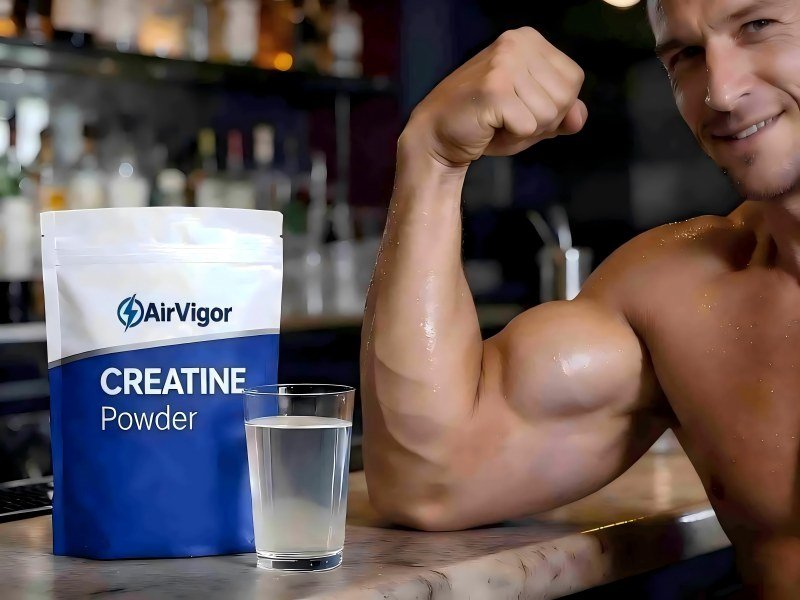
Creatine is one of the most researched and widely used supplements in sports nutrition—yet it remains one of the most misunderstood. Some people treat it like a shortcut to muscle gains. Others avoid it entirely, worried about bloating, kidney health, or “doing it wrong.” And many users try creatine once, feel nothing in the first week, and quietly give up—assuming it doesn’t work for them.
The truth is simpler and more practical: creatine works best when it’s used correctly, consistently, and in context. It is not a stimulant, not a hormone, and not a magic pre-workout powder. Creatine is a naturally occurring compound that helps your muscles regenerate energy faster—but only if you take it in the right way, at the right dose, and with realistic expectations.
Most confusion around creatine doesn’t come from bad science. It comes from fragmented advice: loading phases taken out of context, timing rules overstated, and outdated myths repeated online. Beginners often copy advanced protocols they don’t need. Daily users overthink timing but ignore hydration. Others mix creatine with everything in sight, hoping more combinations mean better results.
Creatine should be taken daily at 3–5 grams, mixed with water or a simple drink, and used consistently over time. Timing matters less than regular intake, though post-workout or with meals can help routine adherence. Creatine is safe for long-term daily use in healthy adults and does not require cycling. Beginners should skip loading phases and focus on hydration and consistency.
Creatine doesn’t fail people—people fail creatine by misunderstanding how it actually works. Once you strip away the hype and follow evidence-based use, it becomes one of the most reliable tools for strength, performance, and long-term training consistency. Let’s break it down—step by step.
What Is Creatine and How Does It Work in the Body?
Creatine is a naturally occurring compound found in muscle cells that helps regenerate ATP, the body’s main energy source for short, high-intensity activity. Supplementing with creatine increases muscle creatine stores, allowing faster energy recycling during strength training, sprinting, and repeated efforts. Creatine supports performance and recovery by improving cellular energy availability—not by stimulating the nervous system.
What exactly is creatine and where does it come from?
Creatine is a nitrogen-containing compound synthesized in the human body from three amino acids: arginine, glycine, and methionine. It is produced primarily in the liver and kidneys, then transported through the bloodstream and stored mainly in skeletal muscle—about 95% of total body creatine resides there.
You also get small amounts of creatine from food, especially red meat and fish. However, even a diet rich in these foods typically provides only 1–2 grams per day, which is often not enough to fully saturate muscle creatine stores—particularly for active individuals. This is why supplementation is effective: it raises muscle creatine levels beyond what diet alone can achieve.
Importantly, creatine is not a drug, hormone, or stimulant. It is a naturally occurring molecule that already plays a role in everyday energy metabolism.
How does creatine work at the cellular level?
To understand creatine, you need to understand ATP (adenosine triphosphate). ATP is the immediate energy currency your muscles use when you lift a weight, jump, sprint, or perform any explosive movement. The problem is that ATP stores are extremely limited—usually enough for only 5–10 seconds of maximal effort.
Creatine is stored in muscles as phosphocreatine. During intense activity, phosphocreatine donates a phosphate group to ADP, rapidly regenerating ATP. This process allows muscles to:
- Maintain force output longer
- Recover faster between sets
- Sustain repeated high-intensity efforts
In simple terms: creatine doesn’t create energy—it helps recycle it faster.
What does creatine do for strength, power, and training performance?
By improving ATP regeneration, creatine directly supports activities that rely on short bursts of power. This includes:
- Weightlifting and resistance training
- Sprinting and jumping
- HIIT and CrossFit-style workouts
- Repeated acceleration or interval-based sports
The real benefit is not a sudden surge of strength, but incremental performance improvements: one extra rep, slightly heavier load, or better recovery between sets. Over weeks and months, these small gains accumulate into greater training volume and more consistent progress.
This is why creatine has one of the most consistent evidence profiles among sports supplements.
Does creatine build muscle directly or indirectly?
Creatine does not directly stimulate muscle growth the way protein supports muscle repair or hormones regulate hypertrophy. Instead, it works indirectly by improving training quality.
When you can train harder, recover faster, and maintain performance across sessions, your body receives a stronger and more consistent stimulus for adaptation. Over time, this leads to greater strength gains and, in many users, increased lean mass.
Creatine also increases intracellular water content in muscle cells. This does not mean fat gain—it reflects improved muscle hydration, which may support cellular signaling and recovery.
Is creatine only useful for athletes, or also for everyday users?
While athletes see the most obvious performance benefits, creatine is increasingly recognized as useful for non-elite and lifestyle users as well. Research has explored creatine’s role in:
- Maintaining muscle mass with aging
- Supporting physically demanding jobs
- Improving tolerance to high workloads or long days
- Enhancing consistency in exercise routines
For everyday users, the value of creatine lies less in “boosting performance” and more in supporting resilience, recovery, and sustainability in physical activity.
Why creatine is not a stimulant?
Unlike caffeine or pre-workout formulas, creatine does not stimulate the nervous system. It does not increase heart rate, blood pressure, or perceived alertness. This makes creatine suitable for:
- Evening training
- Daily long-term use
- Users sensitive to stimulants
- Combination with electrolytes or hydration formulas
This non-stimulant nature is one reason creatine is considered one of the safest and most sustainable performance supplements available.
Creatine works by enhancing your body’s ability to recycle energy at the cellular level. It supports strength, power, and recovery not by forcing the body into overdrive, but by making existing energy systems more efficient. When used consistently, creatine becomes a foundational supplement for both performance-focused athletes and active lifestyle users.
At AirVigor, creatine formulation is treated as a cellular energy tool, not a stimulant or shortcut. This is why dosing accuracy, purity, and long-term tolerance matter far more than “instant feel.”
How Creatine Supports Performance at the Cellular Level
| Aspect | Without Creatine | With Creatine |
|---|---|---|
| ATP regeneration | Slower | Faster |
| Repeated effort capacity | Drops quickly | Sustained longer |
| Recovery between sets | Incomplete | More efficient |
| Nervous system stimulation | None | None |
How Should You Use Creatine for Best Results?
To use creatine for best results, take 3–5 grams daily, focus on long-term consistency, and keep hydration adequate. Creatine works by gradually saturating muscle stores, not by immediate stimulation, so daily intake matters more than timing or loading phases. Beginners should avoid high doses, skip loading, and give creatine at least 2–4 weeks to show measurable benefits.
What is the best way to take creatine consistently?
The most effective way to use creatine is also the simplest: take it every day, the same way, with minimal friction. Creatine does not work like caffeine or pre-workout supplements—you do not need to “feel” anything for it to be working. Its benefits come from gradually increasing creatine levels inside muscle cells.
Because of this, the best method is the one you can maintain long term. For many users, that means mixing creatine into a daily hydration drink, post-workout shake, or a regular meal routine. Changing timing frequently or skipping days slows muscle saturation and delays results.
Consistency beats precision. A “perfect” protocol that you forget to follow is far less effective than a simple routine you execute every day.
How much creatine should you take per day?
For the vast majority of adults, the optimal dose is 3–5 grams per day. This range has been repeatedly validated in clinical and sports nutrition research as sufficient to saturate muscle creatine stores without unnecessary side effects.
Taking more than 5 grams does not accelerate results once muscles are saturated. Instead, higher doses increase the likelihood of bloating, stomach discomfort, or diarrhea—especially in beginners. Body size and training volume may slightly influence needs, but for most users, staying within this range delivers maximal benefit.
Lower doses taken consistently outperform sporadic high doses every time.
Do you need a loading phase or not?
A loading phase (typically 20 grams per day for 5–7 days) can increase muscle creatine stores faster—but it is not required. From a long-term results perspective, loading and non-loading users reach the same saturation level within a few weeks.
For beginners, loading phases often cause unnecessary gastrointestinal discomfort and confusion. Skipping loading makes creatine easier to tolerate and easier to stick with. If you are patient and consistent, you will reach full effectiveness without any aggressive protocols.
Loading is optional, not superior.
How long does creatine take to work?
Creatine does not work overnight. Most users begin to notice meaningful changes—such as improved training consistency, better recovery between sets, or slightly increased strength—after 2 to 4 weeks of daily use.
This timeline aligns with how muscle creatine saturation occurs. If you stop after one week because you “don’t feel it,” you are stopping before creatine has had time to do its job. Creatine rewards patience and long-term use, not short trials.
Think of creatine as a baseline enhancer, not an acute performance boost.
Why hydration and routine matter more than timing
Creatine draws water into muscle cells as part of its function. This is beneficial, but only if overall hydration is adequate. Users who underhydrate may experience cramps, tightness, or digestive discomfort—not because creatine is harmful, but because water intake is insufficient.
Timing (pre vs post workout) has a much smaller effect than many people believe. Studies consistently show that daily intake matters more than exact timing. Choose a time that fits your lifestyle and reinforces consistency.
In practice, creatine works best when it becomes boring—routine, predictable, and automatic.
The best way to use creatine is not complicated: take 3–5 grams daily, stay hydrated, skip unnecessary loading, and give it time to work. Creatine delivers results through accumulation and consistency, not instant stimulation. When treated as a long-term foundation rather than a quick fix, creatine becomes one of the most reliable tools for strength, performance, and training sustainability.
Effective vs Ineffective Creatine Use
| Approach | Effectiveness | Common Outcome |
|---|---|---|
| Daily 3–5 g | High | Stable results |
| Sporadic dosing | Low | “Doesn’t work” |
| High-dose loading | Medium | GI discomfort |
| Skipping rest days | Low | Slow saturation |

When and How Should You Take Creatine Daily?
Creatine should be taken every day, including rest days, at a consistent dose of 3–5 grams. There is no single best time to take creatine—research shows that daily consistency matters far more than timing. Creatine can be taken before or after workouts, with meals, or at night, as long as intake is regular and hydration is adequate.
Is there a “best time” of day to take creatine?
From a physiological standpoint, there is no universally optimal time to take creatine. Creatine does not act immediately after ingestion; instead, it works by gradually increasing muscle creatine saturation over days and weeks.
Because muscle creatine levels change slowly, taking creatine at 9 a.m. versus 6 p.m. does not meaningfully affect outcomes. What does affect results is whether you:
- Take creatine every single day
- Avoid skipping doses due to timing confusion
- Attach creatine to a repeatable habit
This is why most long-term users succeed by choosing a time that fits their lifestyle, not a theoretically “perfect” window.
Is creatine better before or after workouts?
This is one of the most searched creatine questions, but also one of the most overstated. Studies comparing pre-workout and post-workout creatine intake show no meaningful difference in strength, muscle gain, or performance when total daily intake is the same.
Post-workout intake may offer a slight theoretical advantage due to increased blood flow and insulin sensitivity, but the effect is small. Pre-workout intake does not provide immediate energy, because creatine does not function as an acute fuel source.
In practice, the best option is the one you will remember consistently.
Should you take creatine on rest days?
Yes—this is essential. Creatine is often mistakenly treated as a workout-only supplement, but its effectiveness depends on maintaining muscle saturation.
Skipping creatine on rest days:
- Slows saturation
- Reduces long-term effectiveness
- Creates inconsistent results
Creatine should be taken every day, regardless of whether you train. On rest days, it can be taken with meals or your normal hydration routine.
How should creatine be taken daily for best adherence?
The most effective daily creatine routine is the one that is:
- Simple
- Repeatable
- Low-friction
Common and effective daily routines include:
- Mixing creatine into a post-workout drink
- Taking it with a regular meal (breakfast or dinner)
- Adding it to a daily hydration or electrolyte drink
- Taking it in the evening (creatine does not affect sleep)
At AirVigor, daily-use practicality is a key design principle—creatine formulations are built to dissolve easily, tolerate long-term use, and integrate smoothly into real-life routines, not just ideal training days.
Does taking creatine with food improve results?
Creatine can be taken with or without food. Some users find that taking creatine with meals improves digestion and consistency, especially if they have a sensitive stomach.
While carbohydrates and insulin may slightly enhance creatine uptake, the difference is minor and not required. Creatine works effectively on its own as long as daily intake is consistent.
Can creatine be taken at night?
Yes. Creatine does not stimulate the nervous system, does not raise heart rate, and does not interfere with sleep. Evening intake is perfectly acceptable and often preferred by users who train late or want to simplify their supplement schedule.
Because creatine’s effects are cumulative rather than immediate, nighttime use poses no disadvantage.
Practical Daily Creatine Timing Options
| Timing Option | Works Well For | Key Advantage |
|---|---|---|
| Post-workout | Most trainees | Easy habit anchor |
| With meals | Sensitive digestion | Better tolerance |
| Morning | Routine-based users | Consistency |
| Evening | Night trainers | No stimulant effect |
| Rest days | Everyone | Maintains saturation |
There is no perfect clock time for creatine. The best way to take creatine daily is consistently, every day, at a dose of 3–5 grams, attached to a habit you won’t forget. Whether taken before or after workouts, with meals, or at night, creatine works through long-term muscle saturation—not timing precision. Build the routine first, and results will follow.
Which Type of Creatine Should You Use?
For most people, creatine monohydrate is the best type of creatine to use. It is the most researched, proven effective for strength and performance, and safe for long-term daily use. Other forms may differ in solubility or flavor, but they do not consistently outperform creatine monohydrate in real-world results.
Is creatine monohydrate the best option for most users?
Yes. Creatine monohydrate is widely considered the gold standard in creatine supplementation—and for good reason. It has been studied extensively across decades of research involving athletes, recreational exercisers, older adults, and clinical populations.
Consistent findings show that creatine monohydrate:
- Increases muscle creatine stores by 20–40%
- Improves strength, power, and repeated high-intensity performance
- Has a strong safety profile when used daily at recommended doses
Importantly, no alternative form has demonstrated superior outcomes in controlled trials. From an evidence-based standpoint, monohydrate delivers the best balance of effectiveness, safety, and value.
What about micronized creatine—does it work better?
Micronized creatine is still creatine monohydrate. The difference lies only in particle size, which is reduced to improve mixability and mouthfeel. Smaller particles dissolve more evenly in water and may feel smoother when consumed.
However, micronization does not change how creatine works in the body or how much muscle creatine is stored. Its advantage is purely practical: improved user experience, especially for people who dislike gritty textures or sediment.
If micronized creatine helps you stay consistent, it’s a worthwhile choice—but not a physiologically superior one.
Are buffered, alkaline, or “advanced” creatines better absorbed?
Buffered or alkaline creatines are often marketed as being more stable, easier on the stomach, or better absorbed. In practice, well-controlled studies have not shown these forms to outperform standard creatine monohydrate in:
- Muscle creatine retention
- Strength gains
- Performance outcomes
Claims of “no conversion to creatinine” are largely unnecessary, as creatine monohydrate is already stable when consumed normally. For most users, these variants add cost and complexity without delivering measurable benefits.
How do flavored creatines and blends compare to pure creatine?
Flavored creatines or creatine blends may include sweeteners, acids, electrolytes, or other ingredients. These products can improve taste and convenience, which may help adherence—but they also introduce variables.
When choosing a flavored or blended creatine, it’s important to check:
- The actual creatine content per serving
- Whether additional ingredients are dosed meaningfully
- If flavors or acids affect digestion for you
Pure creatine monohydrate offers the most transparency and control, especially for users who prefer to manage hydration, electrolytes, or caffeine separately.
Does creatine type matter for beginners vs experienced users?
For beginners, simplicity is critical. Creatine monohydrate minimizes confusion and reduces the risk of underdosing or digestive issues caused by unnecessary additives. It also aligns with most research-backed protocols, making guidance easier to follow.
Experienced users may explore different formats (micronized, flavored, or combined with electrolytes) for convenience—but even among advanced athletes, monohydrate remains the foundation.
How do you identify a high-quality creatine supplement?
Regardless of form, quality depends on manufacturing and transparency. A high-quality creatine supplement should provide:
- Clear labeling of creatine monohydrate dosage
- Batch-level COA (Certificate of Analysis)
- GMP- and FDA-compliant manufacturing
- Minimal fillers or proprietary blends
Creatine quality is less about innovation and more about consistency, purity, and accurate dosing—especially for long-term use.
If you want the most reliable results with the least guesswork, creatine monohydrate is the best choice. Other forms may offer cosmetic or convenience advantages, but they do not consistently outperform monohydrate in effectiveness or safety. Choose a clean, well-tested product, focus on daily consistency, and avoid paying extra for unsupported claims.
Creatine Types vs Practical Outcomes
| Creatine Type | Research Support | Real Advantage | Verdict |
|---|---|---|---|
| Monohydrate | Extensive | Proven, reliable | Best choice |
| Micronized mono | Extensive | Better mixability | Same results |
| Buffered / alkaline | Limited | Marketing-driven | No clear benefit |
| Ester / blends | Weak | Higher cost | Not justified |

Is Creatine Safe to Use Every Day Long Term?
Yes. Creatine is safe for daily, long-term use in healthy adults when taken at recommended doses of 3–5 grams per day. Decades of clinical and sports nutrition research show no harmful effects on kidney function, liver health, hydration status, or cardiovascular markers in individuals without pre-existing medical conditions. Consistent daily use is not only safe—it is necessary for creatine to remain effective.
Is creatine ok to take daily for months or years?
Yes. Creatine is one of the most extensively studied dietary supplements in the world. Long-term studies ranging from several months to multiple years consistently demonstrate that daily creatine use does not impair kidney function, liver enzymes, or blood markers in healthy individuals.
This safety profile holds true across diverse populations, including:
- Strength and endurance athletes
- Recreational gym users
- Older adults
- Physically active non-athletes
Creatine is not stored indefinitely in the body. Excess creatine is naturally converted and excreted, which is why continuous daily intake is required to maintain muscle saturation—but also why long-term accumulation does not occur.
Does creatine damage the kidneys or liver?
This is the most common concern—and the most misunderstood. In healthy individuals, creatine does not cause kidney or liver damage. Large-scale reviews and controlled trials show no clinically significant changes in:
- Serum creatinine (when interpreted correctly)
- Glomerular filtration rate (GFR)
- Liver enzyme levels
One source of confusion is that creatine supplementation can slightly raise blood creatinine levels. This does not indicate kidney damage—it simply reflects increased creatine turnover. Creatinine is a marker used to estimate kidney function, but it is not a toxin.
For individuals with existing kidney disease, medical supervision is appropriate. For healthy users, creatine remains safe.
Are there side effects from long-term daily creatine use?
Most reported side effects are mild, dose-related, and avoidable. They include:
- Temporary bloating or stomach discomfort
- Water retention within muscle cells
These effects are usually linked to:
- Excessive dosing
- Loading phases
- Inadequate hydration
At standard doses (3–5g/day), the majority of users experience no noticeable side effects, even with prolonged use. Creatine does not cause hormonal disruption, dependency, or tolerance buildup.
Does creatine affect hydration or cause cramps?
Creatine increases intracellular water retention in muscle cells, which is often mistaken for dehydration. In reality, this shift improves muscle hydration and may support recovery.
Cramps or tightness reported by some users are typically related to:
- Insufficient fluid intake
- Electrolyte imbalance
- Sudden increases in training volume
When hydration and electrolytes are adequate, creatine does not increase cramp risk and may actually reduce it in some populations.
Should creatine be cycled for safety?
No. There is no scientific requirement to cycle creatine for safety reasons. Cycling does not improve effectiveness or reduce risk. Continuous daily intake maintains stable muscle creatine levels, while cycling simply allows those levels to drop back to baseline.
Some users choose to cycle for personal preference, but from a physiological standpoint, it is unnecessary.
Who should be cautious or consult a professional?
Creatine is safe for most adults, but caution is advised for:
- Individuals with diagnosed kidney disease
- People under medical treatment affecting kidney function
- Pregnant or breastfeeding individuals (due to limited long-term data)
For healthy adults, creatine is considered one of the lowest-risk supplements available when used as directed.
Creatine is safe for daily, long-term use in healthy adults and does not harm kidneys, liver, or hydration when taken at recommended doses. Most safety concerns stem from outdated myths or misinterpreted lab values. When used consistently, responsibly, and with adequate hydration, creatine remains one of the most reliable and well-tolerated supplements in sports and health nutrition. AirVigor’s long-term product design philosophy reflects this evidence: no aggressive loading claims, no overstimulation, no unnecessary blends—only daily-use formulations that align with how creatine actually works.
Creatine Safety: Myths vs Evidence
| Concern | Evidence-Based Reality |
|---|---|
| Kidney damage | Not supported in healthy users |
| Dehydration | With adequate fluids |
| Needs cycling | No scientific requirement |
| Hormonal effects | None observed |
How Do Different People Use Creatine Based on Goals?
Creatine use should be adjusted based on training experience and goals. Beginners benefit most from simple daily dosing without loading, while strength athletes use creatine to support training volume and recovery. Endurance, HIIT, and lifestyle users rely on creatine to improve work capacity and reduce fatigue. Across all goals, consistency and hydration matter more than aggressive protocols.
How should beginners use creatine safely and effectively?
For beginners, the biggest mistake is doing too much, too soon. New users often copy advanced protocols—loading phases, stacks, or high doses—without understanding that creatine works gradually.
The ideal beginner approach is:
- 3–5 grams per day
- No loading phase
- Taken at the same time daily
- Adequate hydration
Beginners should not expect dramatic changes in the first few workouts. Instead, the earliest benefits often appear as better workout consistency, slightly improved endurance during sets, and reduced next-day soreness. This steady improvement helps beginners maintain training habits—arguably the most valuable benefit at this stage.
How do strength athletes and bodybuilders use creatine?
Strength-focused users rely on creatine to support high training volume, repeated heavy efforts, and faster recovery between sets. For these athletes, creatine does not replace hard training—it amplifies its sustainability.
Typical use patterns include:
- 5 grams daily
- Often taken post-workout or with meals
- Combined with sufficient protein and calories
Over time, creatine allows athletes to maintain intensity across training cycles, reducing performance drop-off during high-volume phases. The benefit is not a single PR jump, but greater total work completed over weeks and months.
Can endurance athletes benefit from creatine?
Yes—though for different reasons than strength athletes. Endurance athletes do not rely on creatine for long-duration energy, but they benefit from:
- Improved repeat sprint ability
- Better tolerance to high-intensity intervals
- Enhanced recovery between hard sessions
Cyclists, runners, and team-sport athletes often use creatine at the lower end of the dose range (3–4 grams/day). Small increases in body weight from muscle water retention are usually minimal and often outweighed by gains in power output and resilience during demanding sessions.
How do HIIT and CrossFit-style athletes use creatine?
HIIT and CrossFit athletes sit at the intersection of strength and endurance—and creatine is particularly well suited to this overlap. These training styles rely heavily on repeated high-intensity efforts with limited rest, exactly where creatine’s ATP-support role shines.
Creatine helps these users:
- Sustain power output across rounds
- Recover faster between intervals
- Reduce sudden performance drop-offs late in workouts
For this group, creatine is often paired with electrolytes to support hydration and reduce cramping during high-sweat sessions.
Is creatine useful for lifestyle and non-athlete users?
Yes. Creatine is increasingly used by people who are not competitive athletes but have physically or mentally demanding lifestyles. This includes:
- Busy professionals
- Shift workers
- Active older adults
- Recreational exercisers
For these users, creatine’s value lies in fatigue resistance, recovery, and physical resilience, not maximal strength. Lower daily doses (3 grams) taken consistently are usually sufficient and well tolerated.
Does age or gender change how creatine should be used?
Dosing principles remain the same across genders. Women often benefit from creatine just as much as men, particularly for strength maintenance and fatigue reduction, without increased risk of bulk or unwanted weight gain.
Older adults may benefit from creatine’s role in preserving muscle mass and functional strength, especially when combined with resistance training. As with all users, hydration and consistency remain key.
Creatine Use by Goal
| Goal / User Type | Daily Dose | Loading | Timing Preference | Primary Benefit |
|---|---|---|---|---|
| Beginner | 3–5 g | No | Any consistent time | Habit formation |
| Strength / Bodybuilding | 5 g | Optional | Post-workout / meals | Training volume |
| Endurance Athlete | 3–4 g | No | With meals | Repeat effort |
| HIIT / CrossFit | 3–5 g | No | Post-workout | Power sustainability |
| Lifestyle / Active Adult | 3 g | No | With daily routine | Fatigue resistance |
Creatine is not a one-size-fits-all supplement—but it is universally adaptable. Whether your goal is building strength, improving endurance, sustaining high-intensity workouts, or simply feeling more resilient day to day, creatine can be tailored to fit your needs. Start simple, stay consistent, and let your goals—not hype—guide how you use it.

How Does Creatine Fit Into a Complete Supplement Routine?
Creatine fits best into a supplement routine as a daily foundational supplement, not a situational booster. It works alongside protein for muscle repair and electrolytes for hydration, without requiring complex stacks. Creatine should be taken consistently every day, while other supplements can be adjusted based on training intensity, diet, and lifestyle. Simplicity and long-term adherence matter more than stacking multiple products.
Is creatine a foundational supplement or a performance add-on?
Creatine should be viewed as a foundation, similar to protein or basic hydration—not as a pre-workout enhancer. Its role is to improve your body’s baseline ability to regenerate energy and tolerate training stress over time.
Because creatine works through muscle saturation, it belongs in a daily routine, not just workout days. Treating creatine like an occasional performance booster is one of the most common reasons people fail to see results. When taken consistently, creatine quietly supports training quality session after session.
This foundational role also explains why creatine pairs well with many routines—it does not compete with other supplements for timing or function.
How does creatine work alongside protein supplements?
Creatine and protein serve complementary but distinct roles. Protein provides the amino acids needed to repair and build muscle tissue after training. Creatine, on the other hand, helps you train harder and recover between sets, indirectly increasing the stimulus that makes protein effective.
In practical terms:
- Protein supports recovery and muscle repair
- Creatine supports training capacity and consistency
Using both together does not create redundancy. Instead, creatine improves the quality of training, while protein supports the adaptation to that training. This is why many users add creatine to their post-workout protein shake—not for absorption tricks, but for routine simplicity.
How does creatine fit with electrolytes and hydration supplements?
Creatine increases water uptake into muscle cells, which can slightly raise overall hydration needs. This makes electrolytes a logical companion, especially for users who:
- Sweat heavily
- Train in hot or humid environments
- Perform long or high-volume workouts
- Experience cramping or tightness
Electrolytes help maintain fluid balance and nerve signaling, while creatine supports cellular energy recycling. Together, they address both performance and hydration, without overlapping functions.
For many users, a creatine + electrolytes combination post-workout or during long training sessions improves comfort and recovery compared to creatine alone.
Does creatine need to be stacked with pre-workout or caffeine?
No. Creatine does not require stimulants to be effective. Unlike caffeine, creatine does not increase alertness or perceived energy—it improves energy availability at the muscle level.
Some users choose to take creatine alongside pre-workout products for convenience, but this is not physiologically necessary. In fact, users sensitive to stimulants often prefer creatine precisely because it supports performance without nervous system stimulation, making it suitable for evening training or daily use.
How should creatine be scheduled in a long-term supplement plan?
In a well-structured routine:
- Creatine stays constant (daily, year-round)
- Protein adjusts based on diet and training volume
- Electrolytes scale with sweat and environment
- Stimulants are optional and situational
Creatine does not need cycling, loading, or frequent adjustments. Its value comes from stability, not optimization. This makes it especially suitable for users seeking sustainable progress rather than short-term peaks.
Can creatine simplify rather than complicate supplementation?
Yes—when used correctly. Many users overcomplicate supplementation by stacking too many products with overlapping claims. Creatine’s advantage is that it addresses a core physiological bottleneck (ATP regeneration) with a single, well-understood mechanism.
For beginners and lifestyle users, creatine often replaces the perceived need for multiple “energy” or “performance” supplements. For advanced users, it forms a reliable base upon which other tools can be layered selectively.
Creatine fits best into a supplement routine as a simple, daily foundation. It works synergistically with protein and electrolytes, does not depend on stimulants, and requires minimal adjustment over time. When creatine is treated as a long-term support tool rather than a quick fix, it helps create a supplement routine that is effective, sustainable, and easy to maintain.
Creatine in a Smart Supplement Stack
| Supplement | Role | Daily? |
|---|---|---|
| Creatine | Cellular energy support | Yes |
| Protein | Muscle repair | Yes |
| Electrolytes | Hydration & nerve function | As needed |
| Pre-workout | Alertness | Optional |
FAQs About How to Use Creatine
1、Is creatine safe to use without exercising?
Yes. Creatine can be used safely without regular exercise, but its benefits are significantly greater when combined with physical activity. Without training, creatine may still support muscle energy availability, but improvements in strength, performance, or body composition are limited. Creatine works best as a training support supplement, not a standalone solution.
2、Can beginners take creatine, or is it only for advanced athletes?
Beginners can absolutely take creatine. In fact, beginners often benefit from creatine by improving workout consistency, reducing early fatigue, and supporting recovery. The key is to keep it simple: 3–5 grams per day, no loading phase, and consistent daily use. Creatine is not reserved for elite athletes—it is suitable for most active adults.
3、Do women need to use creatine differently than men?
No. Creatine dosing and usage principles are the same for women and men. Women do not need lower doses, nor does creatine cause unwanted “bulky” muscle gain. Many women use creatine to support strength, training endurance, recovery, and overall physical resilience, especially during resistance or high-intensity training.
4、Does creatine cause weight gain or bloating?
Creatine may cause a small increase in body weight, primarily due to water retention inside muscle cells, not fat gain. This effect is usually modest and stabilizes over time. Bloating or stomach discomfort is uncommon at standard doses and is more likely when users take excessive amounts or fail to stay hydrated.
5、Can creatine be taken with caffeine or pre-workout supplements?
Yes. Creatine can be taken with caffeine or pre-workout supplements. However, some users experience stomach discomfort when combining high doses of caffeine and creatine. This does not reduce creatine’s effectiveness, but separating intake times may improve comfort. Creatine does not require stimulants to work.
6、Should creatine be taken every day, including rest days?
Yes. Creatine should be taken every day, including rest days. Daily intake maintains muscle creatine saturation, which is essential for long-term effectiveness. Skipping rest days slows progress and reduces overall benefits. Creatine works as a continuous support supplement, not a workout-only product.
7、Is it better to take creatine before or after a workout?
There is no clear performance difference between taking creatine before or after workouts. Research shows that consistency matters far more than timing. Many users prefer post-workout or with meals because it fits easily into a routine, but creatine is effective whenever it is taken consistently.
8、How long should you take creatine before seeing results?
Most users begin noticing benefits after 2–4 weeks of daily use. Creatine works by gradually increasing muscle creatine stores, not by producing immediate effects. Users who stop too early often miss its real benefits. Long-term consistency is essential.
9、Do you need to cycle creatine for safety or effectiveness?
No. There is no scientific requirement to cycle creatine. Long-term daily use at recommended doses is safe for healthy adults. Cycling does not improve results and simply allows muscle creatine levels to return to baseline. Continuous use is more effective for maintaining benefits.
10、Can creatine be mixed with protein, electrolytes, or other supplements?
Yes. Creatine works well alongside protein for muscle recovery and electrolytes for hydration. These supplements serve different roles and do not interfere with one another. Creatine does not need complex stacks to be effective, but pairing it with protein or electrolytes can improve routine consistency and comfort.
11、Who should avoid creatine or consult a professional first?
Individuals with diagnosed kidney disease, those under medical treatment affecting kidney function, or pregnant/breastfeeding individuals should consult a healthcare professional before using creatine. For healthy adults, creatine is considered one of the safest supplements available when used as directed.
Most questions about creatine stem from myths, outdated advice, or misuse. When taken daily at appropriate doses, combined with adequate hydration, and used consistently over time, creatine is safe, effective, and adaptable for a wide range of users and training goals.
Conclusion
Creatine isn’t a trend supplement—it’s a long-term performance tool that rewards correct, consistent use. When taken daily at the right dose, paired with adequate hydration, and integrated into a simple routine, creatine supports strength, training capacity, and recovery in a way few supplements can match. Its value doesn’t come from instant sensations, but from stable, repeatable results over time.
Choosing a high-quality creatine matters just as much as using it correctly. Accurate dosing, clean raw materials, and reliable manufacturing ensure that each serving delivers what the label promises—day after day. That consistency is what allows creatine to work as a dependable foundation rather than a short-term experiment.
If you’re ready to apply these principles, AirVigor creatine products are available on Amazon with fast, reliable fulfillment, making it easy to start or maintain your routine. For brands or professionals seeking customized formulations, AirVigor also offers development and manufacturing support upon request.
Science-backed. Consistent. Built for real-world training and long-term use.