Skip to content
Hydration advice online is weirdly extreme. One side says, “Just drink more water.” The other says, “Add electrolytes to everything or you’ll be chronically dehydrated.” If you’ve ever followed either approach and still felt foggy, crampy, headachy, or oddly tired, you’ve already learned the truth: hydration isn’t only about fluid volume. It’s about fluid + minerals + timing.
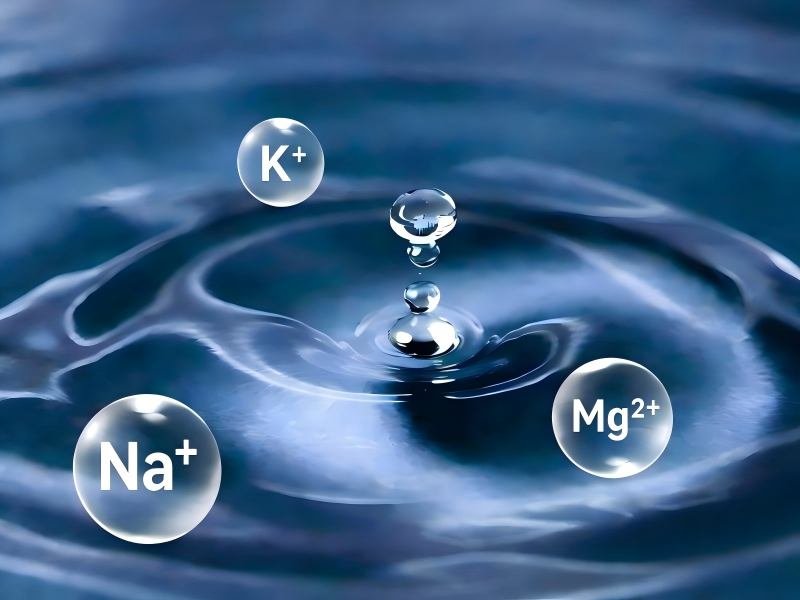
Here’s the part most people miss: your body doesn’t “store” water the way a bottle does. Water moves where electrolytes tell it to move—between blood, muscle, and cells. When sodium and other electrolytes are low (often from sweat, heat, long workouts, travel, or illness), water can pass right through you without fixing the problem. On the flip side, if you overdo electrolytes (especially sodium) without enough fluid—or you stack powders, sports drinks, and salty foods—your hydration can feel worse.
The best electrolyte for hydration is usually sodium, because it helps your body retain fluid and supports rapid absorption—especially when paired with small amounts of carbohydrate (the principle behind oral rehydration solutions). However, “best” depends on your situation: potassium supports cellular fluid balance, magnesium may help with cramps and sleep, and balanced blends work best for workouts, heat, and migraine-prone people.
Now imagine two people: one is a CrossFit athlete sweating buckets; the other is an office worker drinking a gallon of water to “be healthy.” Both can feel dehydrated—just for totally different reasons. Let’s break down what hydration really is, which electrolyte matters most, and how to pick the right formula without turning it into a chemistry project.
What Does Hydration Really Mean?
Hydration means maintaining the right balance of body water and electrolytes so fluids can be absorbed, retained, and delivered to cells efficiently. It is not just about drinking enough water, but about replacing what the body loses through sweat, breathing, and metabolism. When electrolytes—especially sodium—are low, water may pass through the body without effectively restoring hydration.
Most people define hydration as “drinking enough water.” From a physiological and performance perspective, that definition is incomplete.
True hydration has three components:
- Fluid intake – how much water you consume
- Electrolyte balance – minerals that regulate fluid movement
- Distribution & retention – where that water goes and how long it stays
If any one of these fails, hydration fails—even if you’re drinking plenty of fluids.
What Happens When Hydration Fails?
Hydration failure is often subtle and misinterpreted. Instead of obvious thirst, people experience:
- Persistent fatigue despite adequate sleep
- Headaches or pressure behind the eyes
- Muscle tightness, cramps, or weakness
- Brain fog, low focus, irritability
- Frequent urination with clear urine but no relief
In many cases, this isn’t severe dehydration—it’s inefficient hydration.
The most common scenario looks like this:
You drink more water → urine output increases → symptoms remain
That pattern usually indicates electrolyte depletion, not a lack of fluid.
Is Water Alone Enough for Hydration?
Sometimes—yes. Often—no.
Water alone is usually sufficient when:
- Physical activity is light
- Sweat loss is minimal
- Climate is cool or moderate
- Diet already provides adequate minerals
Water alone often falls short when:
- You sweat heavily (training, heat, humidity)
- Activity lasts longer than ~60 minutes
- You intentionally drink large volumes (“gallon a day” habits)
- You travel frequently or spend time in dry environments
- You’ve lost fluids due to illness or stress
In these situations, water replaces volume but not electrolyte signals that tell the body to hold and use that water.
What Hydrates Quicker Than Water?
In conditions involving sweat or electrolyte loss, water combined with electrolytes hydrates more effectively than water alone.
Why?
- Sodium helps activate transport mechanisms in the gut
- Water follows sodium into the bloodstream
- Fluid is retained longer instead of rapidly excreted
This is the same principle behind oral rehydration solutions, adapted to everyday hydration and fitness use.
Important nuance:
- “Faster hydration” does not mean “more electrolytes”
- It means the right concentration for the situation
For most people, a moderate electrolyte mix in water outperforms plain water after sweating, workouts, or heat exposure.
Do Electrolytes Control Water Absorption?
Electrolytes don’t replace water—but they direct it.
Key roles:
- Sodium: drives intestinal absorption and fluid retention
- Potassium: helps distribute fluid inside cells
- Magnesium & calcium: support muscle and nerve function, influencing how hydrated tissues feel
Without adequate electrolytes:
- Water may stay in the gut or be excreted quickly
- Blood volume may not recover efficiently
- Muscles and nerves may signal fatigue or cramping
That’s why hydration feels different—not just measured—when electrolyte balance is restored.
Hydration vs. “Just Drinking Water”
| Concept | Water Alone | Water + Electrolytes |
|---|---|---|
| Fluid intake | ✔ Yes | ✔ Yes |
| Electrolyte replacement | ✖ No | ✔ Yes |
| Fluid retention | Limited | Improved |
| Post-sweat recovery | Often incomplete | More effective |
| Risk of overhydration | Higher if electrolytes are low | Lower when balanced |
Why This Matters for Real Life
Hydration isn’t a binary state—you’re not simply “hydrated” or “dehydrated.”
Most people operate in a gray zone:
- Slightly under-rehydrated after workouts
- Mildly depleted after long workdays
- Gradually accumulating imbalance during travel or heat
Understanding hydration as a fluid + electrolyte system explains why:
- Drinking more water doesn’t always help
- Electrolytes sometimes feel like a “missing piece”
- Consistent, moderate supplementation works better than extremes
This foundation sets up every later question in the article:
which electrolyte matters most, how much you need, and how to choose the right formula.
Which Electrolytes Matter Most for Hydration?
The most important electrolyte for hydration is sodium, because it helps the body retain water and absorb fluids efficiently—especially after sweating. Potassium supports fluid balance inside cells, while magnesium and calcium play supporting roles in muscle and nerve function. For most people, optimal hydration comes from a balanced electrolyte blend, not a single mineral taken in isolation.
Not all electrolytes contribute equally to hydration. They work as a system, but each one plays a different role at a different stage of fluid balance.
A common mistake is treating all electrolytes as interchangeable—or assuming that “more minerals” automatically means better hydration. In reality, hydration efficiency depends on which electrolyte is limiting in your specific situation.
What Does Sodium Do for Hydration?
If hydration had a gatekeeper, it would be sodium.
Sodium is the primary electrolyte responsible for:
- Triggering water absorption in the gut
- Maintaining blood volume
- Reducing excessive urine output after drinking
- Replacing the largest mineral loss in sweat
Sweat contains far more sodium than any other electrolyte. When sodium levels drop:
- Water may pass through the body quickly
- Thirst may persist despite drinking
- Headaches and early fatigue become more likely
This is why people who sweat heavily often feel dramatically better after adding sodium—while people who don’t sweat much may feel no difference or even worse if sodium intake is too high.
If hydration feels ineffective after sweating, sodium is usually the missing piece.
How Does Potassium Support Hydration?
Potassium works differently from sodium—and complements it rather than competing with it.
Potassium’s primary roles include:
- Regulating fluid balance inside cells
- Supporting normal muscle contraction and nerve signaling
- Helping stabilize hydration at the tissue level
While sodium helps keep water in circulation (blood and extracellular fluid), potassium helps move and maintain water inside muscle and nerve cells, where performance and comfort are determined.
However, potassium is:
- Less concentrated in sweat than sodium
- More easily obtained from whole foods (fruits, vegetables)
Potassium supports hydration quality, but it usually does not replace sodium’s role in fluid retention.
Is Sodium or Potassium Better for Hydration?
This is one of the most searched hydration questions—and the answer depends on context.
If forced to choose:
- Sodium is more important for hydration efficiency
- Potassium is more important for cellular balance
A practical way to think about it:
| Situation | Priority Electrolyte |
|---|---|
| Heavy sweating | Sodium |
| Heat exposure | Sodium |
| Rapid rehydration | Sodium |
| Daily low-sweat hydration | Sodium + potassium |
| Muscle function & recovery | Potassium + magnesium |
This is why single-mineral solutions rarely work as well as balanced formulas. Hydration fails when either side of the sodium–potassium system is ignored.
Do Magnesium and Calcium Affect Hydration?
Magnesium and calcium are supporting electrolytes, not primary drivers of hydration—but they strongly influence how hydration feels.
Magnesium supports:
- Muscle relaxation
- Nerve signaling
- Reduction of twitching or cramp-like sensations in some individuals
Calcium supports:
- Muscle contraction
- Nerve impulse transmission
Deficiencies in these minerals may not cause dehydration directly, but they can make muscles feel tight, heavy, or unresponsive—even when fluid levels are adequate.
Magnesium and calcium don’t move water—but they help hydrated tissues function properly.
Are Trace Electrolytes Important?
Trace electrolytes such as chloride, phosphate, and citrate contribute to:
- Acid–base balance
- Electrical neutrality
- Digestive and formulation stability
They matter most in:
- High-performance formulas
- Long-duration endurance scenarios
- People sensitive to GI discomfort
For most users, trace electrolytes are best included as part of a well-designed blend rather than supplemented individually.
Electrolyte Importance Ranking for Hydration
| Electrolyte | Hydration Role | Priority Level | Best Use Case |
|---|---|---|---|
| Sodium | Fluid absorption & retention | Highest | Sweat, heat, workouts |
| Potassium | Cellular fluid balance | High | Daily hydration, muscle support |
| Magnesium | Muscle & nerve support | Medium | Cramps, recovery, sleep |
| Calcium | Muscle contraction | Medium–low | Performance stability |
| Trace electrolytes | System balance | Low–supportive | Endurance, formulation quality |
Why Balanced Electrolyte Formulas Work Best
Hydration problems are rarely caused by a deficiency of one electrolyte alone.
More often, they result from:
- Sodium loss without replacement
- High water intake without minerals
- Imbalanced supplementation (too much of one, too little of others)
Balanced electrolyte formulas are effective because they:
- Replace what sweat removes most
- Support fluid movement across compartments
- Reduce the risk of over-supplementation
- Are easier to use consistently
This systems-based approach is why modern hydration strategies—especially those designed for athletes and active lifestyles—focus on ratio, usability, and consistency, not megadoses.

Which Electrolytes Are Best for Different Needs?
The best electrolytes depend on your situation. Sodium is most important for heavy sweating, heat, and workouts because it supports fluid retention. Potassium helps with daily hydration and cellular balance. Magnesium supports muscle relaxation and may help people prone to cramps or fatigue. Most people hydrate best with a balanced electrolyte blend rather than focusing on a single mineral.
One of the biggest hydration mistakes is asking “Which electrolyte is best?” without asking “Best for what?”
Hydration needs change with:
- Sweat volume
- Activity intensity
- Climate
- Diet
- Sensitivity to sugar or sodium
- Recovery demands
Below, we break hydration down by actual user scenarios—the same way people search and experience the problem in real life.
What Are the Best Electrolytes for Hydration Overall?
If you’re looking for a general, everyday answer that works for most people, most of the time:
Best overall electrolyte combination:
- Sodium → fluid retention & absorption
- Potassium → intracellular fluid balance
- Optional magnesium → muscle & nerve support
Why this works:
- Sodium replaces the largest electrolyte lost in sweat
- Potassium helps water function inside cells, not just circulate
- Magnesium supports how hydrated tissues actually feel
This is why balanced formulas outperform single-electrolyte approaches for daily hydration, fitness, and travel.
People who switch from plain water to a balanced electrolyte often say, “I didn’t realize I was under-hydrated until I wasn’t anymore.”
Which Electrolytes Are Best for Heavy Sweating?
Heavy sweating changes everything.
Signs you’re a heavy sweater:
- Salt stains on clothing or skin
- Headaches after workouts
- Rapid fatigue in heat
- Cramping late in sessions
- Drinking a lot but still feeling “flat”
Priority electrolytes for heavy sweaters:
- Sodium (highest priority)
- Potassium (support balance)
- Magnesium (if cramp-prone)
Why sodium matters most here:
- Sweat contains far more sodium than other electrolytes
- Low sodium → poor fluid retention → hydration failure
For heavy sweaters, electrolytes are not optional—they’re functional equipment, just like shoes or proper clothing.
What Electrolytes Are Good for Migraines?
Important clarification first:
Electrolytes do not treat migraines directly. However, dehydration and heat are common migraine triggers, and preventing those triggers can reduce attack frequency for some people.
For migraine-prone users, the hydration goal is stability, not intensity.
Electrolyte strategy that often helps:
- Moderate sodium (avoid extremes)
- Consistent potassium intake
- Avoid large hydration swings (nothing all day → huge chug at night)
- Avoid very sugary or very salty drinks
Many migraine-prone individuals report fewer headaches when:
- Hydration is spread evenly through the day
- Electrolytes are used preventively during heat, travel, or workouts
Which Electrolytes Are Best for Workouts?
Workout hydration depends on duration, intensity, and environment.
Short workouts (<45–60 min, low sweat):
- Water may be enough
- Electrolytes optional
Moderate workouts (high sweat or heat):
- Sodium + potassium improve performance consistency
- Reduces “late-session drop-off”
Long or intense sessions (>60–90 min):
- Sodium becomes critical
- Some users benefit from a small amount of carbohydrate
- Magnesium may help post-workout recovery
This is where electrolyte powders shine: they allow athletes to adjust intake without forcing sugar or excess calories.
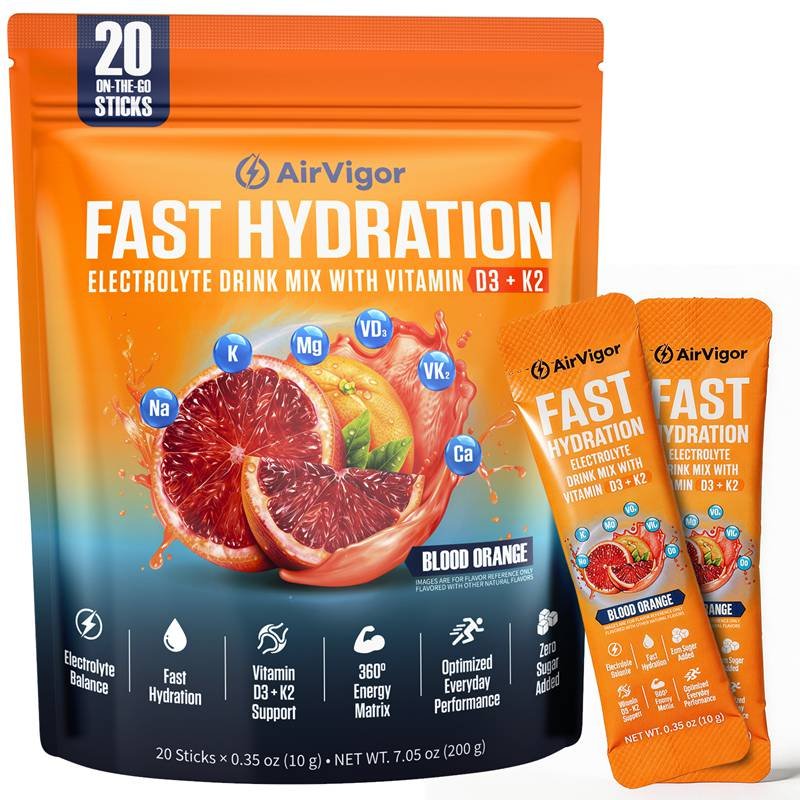
Brands like AirVigor design hydration products specifically around this variability—recognizing that not every workout needs the same formula or dose.
Which Electrolytes Support Daily Hydration?
Daily hydration is where less is often more.
Best approach for everyday life:
- Moderate sodium, not high
- Balanced potassium
- Low or zero sugar
- Use electrolytes strategically, not constantly
Good times for daily electrolyte use:
- Morning hydration (especially coffee drinkers)
- Long workdays with low movement
- Dry environments (airplanes, AC-heavy offices)
- Light workouts with mild sweat
Bad habit to avoid:
- Adding electrolytes to every bottle of water regardless of need
Daily hydration should feel supportive—not stimulating or heavy.
Electrolyte Needs by Scenario
| Scenario | Best Electrolytes | Why |
|---|---|---|
| General hydration | Sodium + potassium | Covers absorption + balance |
| Heavy sweating | Higher sodium | Replaces sweat losses |
| Migraine-prone | Moderate sodium + potassium | Reduces dehydration triggers |
| Strength training | Sodium + potassium | Supports performance & pump |
| Endurance workouts | Sodium-forward (+ optional carbs) | Maintains blood volume |
| Daily office life | Low–moderate balanced blend | Avoids overuse |
Why “Best Electrolyte” Is a Moving Target
The reason hydration advice feels contradictory online is simple:
people have different needs at different times.
The most effective hydration strategies:
- Adjust electrolytes to sweat and stress
- Favor balance over extremes
- Use products that are easy to dose consistently
This is also why advanced hydration brands focus less on hype and more on formulation logic, usability, and real-world testing—because hydration only works if people actually stick with it.
How Do Electrolytes Improve Hydration Efficiency?
Electrolytes improve hydration efficiency by helping the body absorb water in the gut, retain it in circulation, and distribute it into cells instead of rapidly excreting it. Sodium plays the central role in fluid absorption and retention, potassium supports intracellular fluid balance, and balanced electrolyte formulas reduce common dehydration symptoms like fatigue, headaches, and cramping—especially after sweat or heat exposure.
Many people assume hydration is only about how much water they drink. In reality, hydration efficiency is about what percentage of that water actually stays in the body and reaches tissues that need it.
Electrolytes improve hydration efficiency through four linked mechanisms:
- Absorption
- Retention
- Distribution
- Functional response (how you feel)
If any one of these steps fails, hydration feels incomplete—even if fluid intake is high.
How Do Electrolytes Improve Water Absorption?
Water absorption in the intestine is not passive. It relies on electrolyte-driven transport systems, especially those involving sodium.
Here’s what happens physiologically:
- Sodium is absorbed across the intestinal wall
- Water follows sodium via osmotic and transport mechanisms
- Fluid enters circulation more efficiently
This is the same principle used in oral rehydration solutions, adapted for sports and daily hydration.
When sodium is too low:
- Water may remain in the gut longer
- Excess fluid is excreted quickly
- Thirst and dehydration symptoms persist
This explains why people often say:
“I’m drinking a lot of water, but it’s not helping.”
Electrolytes don’t replace water—they enable water to be absorbed effectively.
How Do Electrolytes Help the Body Retain Fluid?
Absorbing water is only step one. The next challenge is keeping it.
Sodium is the primary electrolyte that helps maintain:
- Blood volume
- Plasma osmolality
- Fluid pressure within circulation
When sodium is depleted (common after sweating):
- The body may increase urine output
- Fluid intake doesn’t translate to hydration
- You feel thirsty again soon after drinking
Electrolytes reduce this “leaky bucket” effect by signaling that fluid should be conserved, not flushed.
This is why electrolyte-enhanced hydration often leads to:
- Less frequent urination
- Longer-lasting hydration
- A steadier sense of energy
How Do Electrolytes Improve Fluid Distribution to Cells?
Hydration isn’t useful if water stays only in circulation.
Once fluid enters the bloodstream, electrolytes determine where that water goes:
- Sodium regulates extracellular fluid (blood and interstitial space)
- Potassium regulates intracellular fluid (inside muscle and nerve cells)
If potassium intake is too low:
- Cells may not hydrate efficiently
- Muscles can feel heavy, flat, or weak
- Recovery may feel slower despite adequate drinking
Balanced electrolyte intake allows water to move from “being in the body” to actually being usable by tissues.
How Does Electrolyte Balance Affect Energy and Focus?
Electrolytes are essential for:
- Nerve impulse transmission
- Muscle contraction
- Maintaining stable blood pressure and oxygen delivery
When electrolyte levels drop:
- The nervous system works harder to maintain function
- Fatigue appears earlier
- Mental focus declines (“brain fog”)
This is why mild dehydration often shows up as:
- Reduced concentration
- Irritability
- Sluggish reaction time
Electrolytes improve hydration efficiency not just by moving water—but by supporting the systems that depend on that water.
Can Electrolytes Reduce Dehydration Symptoms?
For many people, yes—especially when symptoms are caused by electrolyte imbalance rather than severe fluid loss.
Electrolytes can help reduce:
- Post-workout headaches
- Heat-related fatigue
- Muscle tightness and twitching
- The feeling of “never quite rehydrating”
However, this depends on:
- Appropriate dosing
- Matching intake to sweat and activity
- Avoiding extremes (too much sodium, too little fluid)
This is why hydration strategies that focus on moderate, consistent electrolyte use tend to work better long-term than aggressive short-term fixes.
Hydration Efficiency: Water Alone vs Electrolytes
| Aspect | Water Alone | Water + Electrolytes |
|---|---|---|
| Intestinal absorption | Passive | Sodium-assisted |
| Fluid retention | Limited after sweat | Improved |
| Urine output | Often high | More controlled |
| Cellular hydration | Less predictable | More effective |
| Energy & focus | Variable | More stable |
| Risk of imbalance | Low minerals | Balanced when dosed properly |
Why Formulation Quality Matters
Two electrolyte products with similar labels can perform very differently.
Hydration efficiency is influenced by:
- Mineral ratios
- Solubility and particle size
- Stability across batches
- Taste and drinkability (compliance matters)
This is why brands like AirVigor emphasize:
- Tested formulation ratios
- Fast, clean dissolution
- Clear dosing instructions
- GMP manufacturing and batch verification
Because hydration only works if people use the product consistently and correctly.

Are Some Electrolyte Forms Better Than Others?
Yes. Some electrolyte forms are more effective and practical than others depending on hydration needs. Powdered electrolytes generally offer better dosing control, lower sugar, and higher mineral density than ready-to-drink beverages. Tablets and drops can be convenient but often provide lower electrolyte amounts. Overall, hydration effectiveness depends more on formulation quality, ratios, and usability than on form alone.
At first glance, electrolyte products all seem to do the same thing: you add them to water and drink. But in real-world use, form strongly influences how well people hydrate, how consistently they use the product, and whether hydration actually improves.
The “best” electrolyte form isn’t universal—it depends on control, context, and compliance.
Are Electrolyte Powders Better Than Ready-to-Drink Beverages?
For most active users, yes.
Electrolyte powders offer several structural advantages:
- Adjustable concentration (more or less per bottle)
- Typically lower sugar content
- Easier to carry (stick packs, pouches)
- Higher electrolyte density per serving
- Better cost efficiency over time
By contrast, ready-to-drink sports beverages:
- Lock you into a fixed electrolyte dose
- Often contain unnecessary sugar or calories
- Are bulky and inconvenient for travel
- Encourage overconsumption due to taste
From a hydration science perspective, powders allow users to match electrolyte intake to sweat and activity, which is critical for hydration efficiency.
This is why modern performance and lifestyle hydration increasingly favors powders over bottled drinks.
Do Sugar-Free Electrolytes Hydrate Better?
This is one of the most misunderstood hydration questions.
Sugar-free or very low-sugar electrolytes hydrate just as effectively as sugary drinks in most everyday and workout scenarios—and often feel better.
When sugar helps:
- Very long endurance sessions (>90 minutes)
- Rapid rehydration after severe fluid loss
- Situations requiring simultaneous energy + hydration
When sugar is unnecessary or counterproductive:
- Daily hydration
- Short to moderate workouts
- Office or travel use
- People sensitive to GI discomfort or blood sugar swings
For most people, excess sugar:
- Adds calories without hydration benefit
- Causes stomach heaviness
- Reduces drinkability over time
That’s why many premium electrolyte powders focus on hydration-first formulas, with little or no sugar unless performance demands it.
Are Electrolyte Tablets or Drops Effective?
Electrolyte tablets and drops are popular for travel and minimalism—but they have limitations.
Advantages:
- Lightweight and portable
- Simple, no measuring
- Useful as backup hydration tools
Limitations:
- Lower electrolyte capacity per serving
- Less flexibility for heavy sweat scenarios
- Taste can be inconsistent
- Often require multiple tablets/doses to match powder strength
They work best for:
- Light daily hydration
- Occasional use
- Emergency or travel situations
For regular training, heat exposure, or high sweat loss, powders provide more reliable hydration support.
Does Electrolyte Ratio Matter More Than the Form?
In many cases, yes.
A poorly balanced powder is worse than a well-designed tablet.
Hydration performance depends on:
- Sodium-to-potassium balance
- Presence (or absence) of magnesium and calcium
- Avoiding extreme doses of any single mineral
- Matching formulation to real sweat loss patterns
Common mistakes:
- High sodium with no potassium
- Excess magnesium causing digestive upset
- “Mega-dose” marketing that ignores balance
This is where formulation science matters more than packaging.
Brands like AirVigor invest heavily in formulation testing, solubility trials, and batch consistency—because hydration only works if the formula is usable, repeatable, and well tolerated.
Does Solubility and Taste Affect Hydration Outcomes?
Yes—more than most people admit.
Hydration fails when:
- Powders clump or leave residue
- Taste becomes unpleasant mid-workout
- Drinks feel heavy or overly sweet
- Users avoid finishing the bottle
From a behavioral standpoint, the best electrolyte is the one people actually drink consistently.
High-quality electrolyte powders prioritize:
- Fast dissolution
- Clean mouthfeel
- Light, neutral flavors
- No chalkiness or residue
These “non-nutritional” factors directly affect hydration success in the real world.
Electrolyte Form Comparison
| Form | Key Advantages | Limitations | Best Use Case |
|---|---|---|---|
| Powder (stick/pack) | Adjustable dose, low sugar, portable | Needs water | Most users, workouts, travel |
| Ready-to-drink | Convenient | High sugar, fixed dose | Occasional use |
| Tablets | Lightweight | Low electrolyte capacity | Light hydration, backup |
| Drops | Flexible dosing | Taste variability | Minimalist daily use |
| Gels | Electrolytes + carbs | Sticky, GI risk | Endurance events |
Hydration Effectiveness: What Actually Matters Most
Across all forms, hydration success depends on four factors:
- Appropriate sodium level for sweat loss
- Balanced electrolyte ratios
- Good solubility and tolerability
- Ease of consistent use
Form matters—but formulation and usability matter more.
How Do You Choose the Best Electrolyte for You?
To choose the best electrolyte, match it to your sweat level, activity intensity, climate, and daily habits. Heavy sweaters need more sodium, daily users benefit from balanced low-sugar formulas, and people prone to cramps may need magnesium support. The best electrolyte is not the strongest one—but the one that fits your routine, feels good to drink, and can be used consistently without overdoing it.
Most people don’t fail at hydration because they lack information.
They fail because they copy someone else’s routine.
Choosing the right electrolyte is less about labels and more about context. The sections below mirror how real people actually experience hydration problems—and how Google and AI systems understand intent.
What Should Athletes and Heavy Sweaters Look For?
If you train hard, sweat heavily, or exercise in heat, your electrolyte needs are structurally different from someone doing light daily activity.
You likely need:
- Sodium as the priority electrolyte
- Enough potassium to support muscle and nerve balance
- Clean taste that’s easy to drink during fatigue
- A form that allows dose adjustment (powder > bottled drinks)
Warning signs your electrolyte intake is too low:
- Headaches after workouts
- Late-session fatigue or “bonking”
- Salt stains on skin or clothing
- Muscle cramping near the end of training
Warning signs it’s too high:
- Bloating
- Thirst that increases after drinking
- GI discomfort
For athletes, the best electrolyte is one that replaces sweat losses without overshooting, and can be used session after session without causing digestive or compliance issues.
What Is Best for Daily Hydration and Office Life?
Daily hydration is where people most often overcorrect.
If you’re:
- Sitting most of the day
- Not sweating heavily
- Eating a normal mixed diet
You do not need high-sodium electrolyte drinks all day.
Better daily strategy:
- Moderate sodium
- Balanced potassium
- Low or zero sugar
- Use electrolytes strategically, not constantly
Good moments for daily electrolyte use:
- Morning hydration (especially if you drink coffee)
- Long meetings with minimal movement
- Dry environments (airplanes, AC-heavy offices)
- Light workouts with mild sweating
Bad habit to avoid:
Adding electrolytes to every bottle of water “just in case”
Hydration should support your day—not dominate it.
How Do You Choose Electrolytes for Heat, Travel, or Stress?
Heat, travel, and stress create hidden fluid loss:
- Dry air increases respiratory water loss
- Long walks + luggage = sweat without noticing
- Stress hormones affect fluid regulation
In these cases, people often feel:
- Headaches
- Fatigue
- Irritability
- “Jet lag” symptoms
Best electrolyte approach:
- Balanced sodium + potassium
- Moderate dosing
- Spread intake throughout the day
- Avoid very sweet or very salty drinks
For frequent travelers and high-stress professionals, electrolyte powders in single-serve stick packs are often the most practical solution.
How Do You Avoid Over-Supplementing Electrolytes?
This is one of the most important—and least discussed—hydration questions.
Common overuse patterns:
- Electrolytes + salty meals + sports drinks
- Multiple electrolyte products in one day
- Copying endurance athlete protocols for daily life
Signs you may be overdoing electrolytes:
- Persistent thirst
- Bloating
- Stomach discomfort
- Feeling “off” despite drinking
Simple guardrails:
- Don’t stack multiple electrolyte products
- Match intake to sweat, not habits
- Take rest days from supplementation if activity is low
More electrolytes ≠ better hydration.
Are Electrolytes Safe to Use Every Day?
For most healthy adults, moderate daily electrolyte use is safe—when matched to activity and climate.
However, caution is advised if you:
- Have kidney disease
- Have heart conditions
- Are on blood pressure or diuretic medications
- Are advised to restrict sodium or potassium
In these cases, electrolyte use should be discussed with a healthcare professional.
From a quality perspective, daily safety depends on:
- Transparent labeling
- Moderate dosing
- Batch testing and quality control
- Avoiding “mega-dose” marketing
This is where brand credibility matters.
Why Brand Quality and Transparency Matter
Two electrolyte products can look similar but behave very differently.
What actually protects users:
- Clear electrolyte amounts (not proprietary blends)
- GMP manufacturing
- Batch-level COA testing
- Stable solubility and consistent taste
- Realistic dosing instructions
Brands like AirVigor build hydration products with these principles in mind—because long-term hydration success depends on trust and repeatability, not hype.
30-Second Electrolyte Decision
| Your Situation | What to Prioritize | What to Avoid |
|---|---|---|
| Heavy sweating / training | Higher sodium + potassium | Plain water only |
| Daily office life | Balanced, low-sugar blend | High sodium all day |
| Heat or travel | Moderate electrolytes, spaced intake | Large single doses |
| Cramp-prone | Add magnesium support | Mega magnesium doses |
| Sensitive stomach | Clean formula, good solubility | Very sweet drinks |
The Most Important Rule
The best electrolyte for you is the one that:
- Matches your sweat and lifestyle
- Feels good to drink
- Doesn’t cause side effects
- Can be used consistently
- Comes from a transparent, reliable source
Hydration isn’t about doing more.
It’s about doing what fits your body and your day.

Conclusion: Which Electrolyte Is Best for Hydration?
There is no single “best” electrolyte for everyone—but sodium-led, balanced formulas work best for most real-life hydration needs.
Hydration works when:
- Fluid intake matches loss
- Electrolytes match sweat and activity
- The formula is easy to use consistently
That’s why balanced electrolyte blends outperform single-mineral approaches for most people.
If you’re looking for electrolyte powders, creatine, protein, or multi-functional supplements designed for active lifestyles—with transparent labels and stable quality—AirVigor products are available on major platforms including Amazon (FBA / Prime) for fast delivery.
If you need custom creatine blends, reach out to AirVigor for a fast quotation and sampling timeline.
Hydration doesn’t have to be confusing. With the right electrolyte—and the right strategy—it becomes simple, effective, and sustainable.