Skip to content
What Dietary Supplements Should I Take: Boosting Health & Performance
# Your Trusted Dietary Supplement Brand In US
- Emily

Table of Contents
In today’s fast-paced world, many people struggle to maintain a balanced diet that meets all their nutritional needs. Whether you’re an athlete seeking to enhance your performance or someone looking to improve overall health, dietary supplements can play a crucial role in addressing nutritional gaps. But with so many options on the market, it’s hard to know which supplements are right for you.
When choosing supplements, focus on your personal goals and health needs. Essential supplements for daily wellness often include electrolytes for hydration, protein for muscle recovery, and vitamins for overall health. Finding the right balance can support fitness, recovery, and energy levels.
Imagine a world where you no longer need to worry about feeling sluggish after a workout or struggling to maintain hydration during your outdoor adventures. What if you could optimize your performance and long-term health simply by incorporating a few key supplements into your daily routine? Let’s dive in and uncover the best dietary supplements tailored to your needs.
What Are Dietary Supplements?
Dietary supplements are products that provide essential nutrients to supplement your regular diet. These nutrients can include vitamins, minerals, amino acids, herbs, and other substances that help maintain or improve overall health. Supplements come in various forms, including powders, capsules, tablets, soft gels, and liquids. They are intended to fill any gaps in your diet, helping ensure that you are getting the proper nutrients your body needs to function optimally.
Why Should You Consider Dietary Supplements?
There are numerous reasons why people consider taking dietary supplements, particularly in today’s fast-paced world, where proper nutrition is often overlooked due to busy schedules, stressful lifestyles, and reliance on processed foods. Let’s break down some of the key reasons why dietary supplements may be essential:
- Filling Nutritional Gaps
Modern diets, especially those high in processed foods, often lack certain vital nutrients. Even people who eat relatively healthy may struggle to meet their daily nutritional needs, especially when they have busy lives or specific dietary restrictions. Supplements are an easy way to fill in these gaps.
- Supporting Specific Health Goals
Supplements can target specific health goals such as muscle growth, heart health, immune system support, energy production, and bone health. Whether you’re an athlete looking to enhance performance or an older adult looking to maintain bone density, supplements can be formulated to meet specific needs.
- Preventing Deficiencies
Some people are at higher risk for nutrient deficiencies, such as vegans who may lack Vitamin B12 or athletes who require more magnesium to support muscle function. Supplements help prevent these deficiencies and ensure optimal body functioning.
- Convenience and Consistency
For many, it’s difficult to get the recommended amounts of nutrients from food alone. Supplements provide an easy, convenient, and consistent way to meet daily nutrition requirements, particularly when your diet lacks variety or you’re on the go.
Common Types of Dietary Supplements
Dietary supplements come in many different forms, each catering to specific nutritional needs. Here’s a breakdown of the most common types of dietary supplements:
| Type of Supplement | Common Nutrients/Ingredients | Benefits |
|---|---|---|
| Vitamins | Vitamin A, C, D, E, K, B-vitamins (B1, B2, B3, B6, B12) | Support immune function, energy production, and overall health. |
| Minerals | Calcium, Magnesium, Potassium, Zinc, Iron | Support bone health, muscle function, heart health, and immune function. |
| Amino Acids | Leucine, Isoleucine, Valine, Glutamine | Aid in muscle repair, energy production, and recovery after physical activity. |
| Herbal Supplements | Turmeric, Ginger, Echinacea | Known for anti-inflammatory and immune-boosting properties. |
| Electrolytes | Sodium, Potassium, Magnesium, Calcium | Essential for hydration, maintaining fluid balance, and muscle function. |
What Are the Key Benefits of Dietary Supplements?
- Enhancing Physical Performance
Supplements like protein powders, creatine, and electrolytes are specifically designed to improve athletic performance. They help increase strength, boost energy, reduce fatigue, and support muscle recovery. For athletes, these supplements are often vital for improving endurance and strength during training and competition.
- Boosting Immune Function
Vitamins like Vitamin C and D, as well as minerals like Zinc, play a significant role in boosting the immune system. People who are constantly on the go or those who have weakened immune systems can benefit from these supplements to help fight off infections.
- Supporting Mental Health
B-vitamins, especially B6 and B12, are important for brain health and mood regulation. Omega-3 fatty acids (found in fish oil) have been linked to improved cognitive function and mood stabilization. These are especially useful for individuals under stress or those dealing with mental fatigue.
- Improving Digestion and Gut Health
Probiotics, which are live bacteria, support a healthy gut microbiome. A healthy gut can improve digestion, reduce inflammation, and boost immune function. For individuals with digestive issues, such as bloating or IBS, probiotic supplements are a great solution.
When Should You Consider Taking Dietary Supplements?
Supplements are most effective when used to fill in dietary gaps or address specific health concerns. For example, if your diet lacks certain nutrients, or if you have particular fitness or health goals, supplements can help support your overall well-being.
| When to Take Supplements | Examples of Supplements | Why to Take Them |
|---|---|---|
| After Intense Exercise | Protein powders, BCAAs, Electrolytes | To promote muscle recovery and hydration. |
| Daily for General Health | Multivitamins, Omega-3, Vitamin D | To ensure you’re getting enough essential vitamins and minerals. |
| To Support Bone Health | Calcium, Vitamin D, Magnesium | To maintain strong bones, particularly in older adults or individuals with limited sun exposure. |
| To Improve Immunity | Vitamin C, Zinc, Echinacea | To help prevent sickness or support recovery during colds. |
| To Aid Digestion | Probiotics, Fiber supplements | To improve gut health and digestion. |
Why AirVigor Supplements Are the Right Choice?
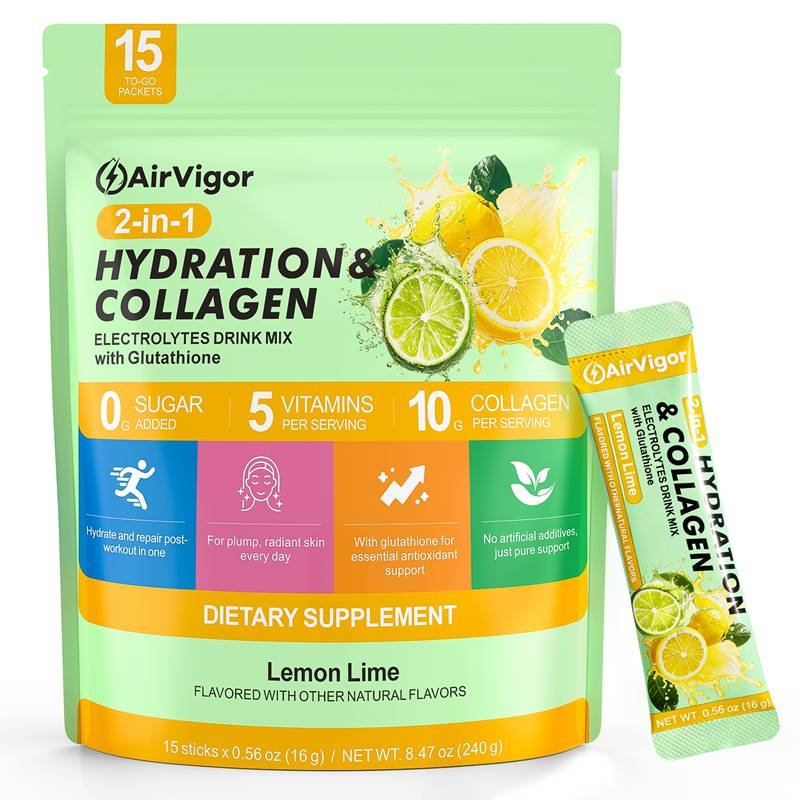
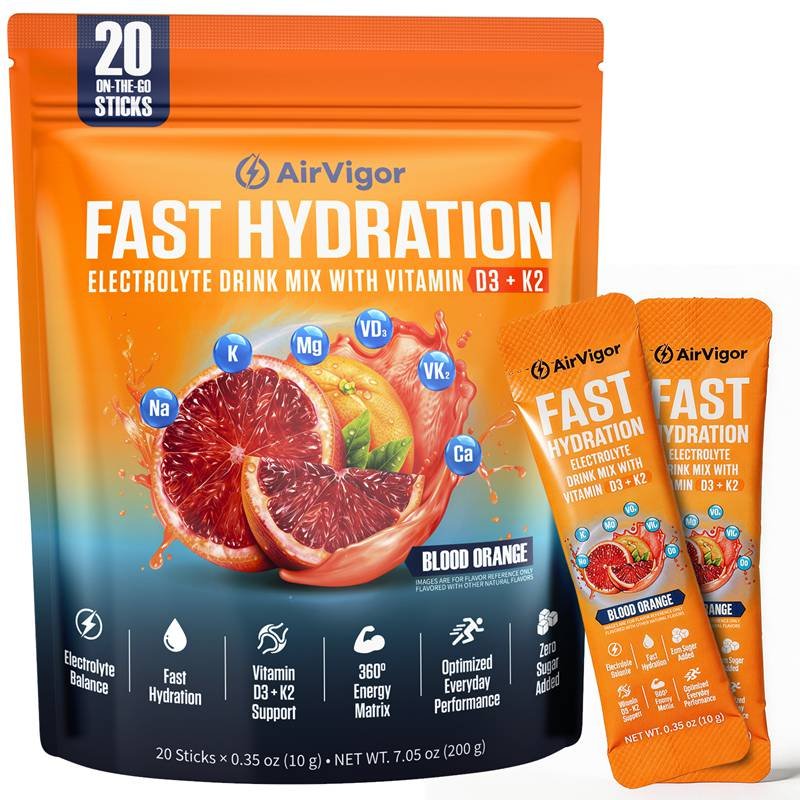
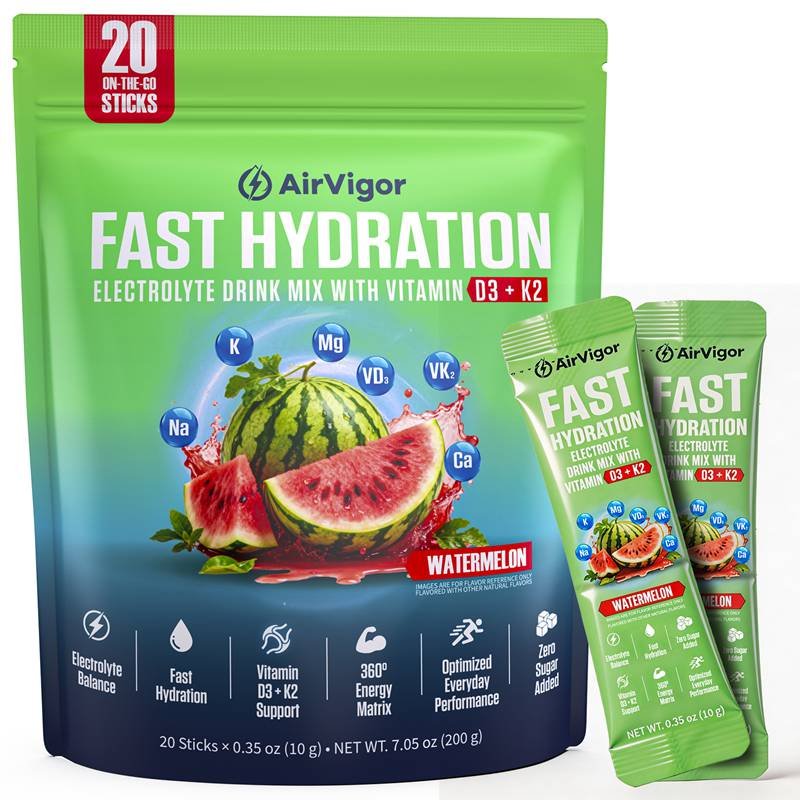
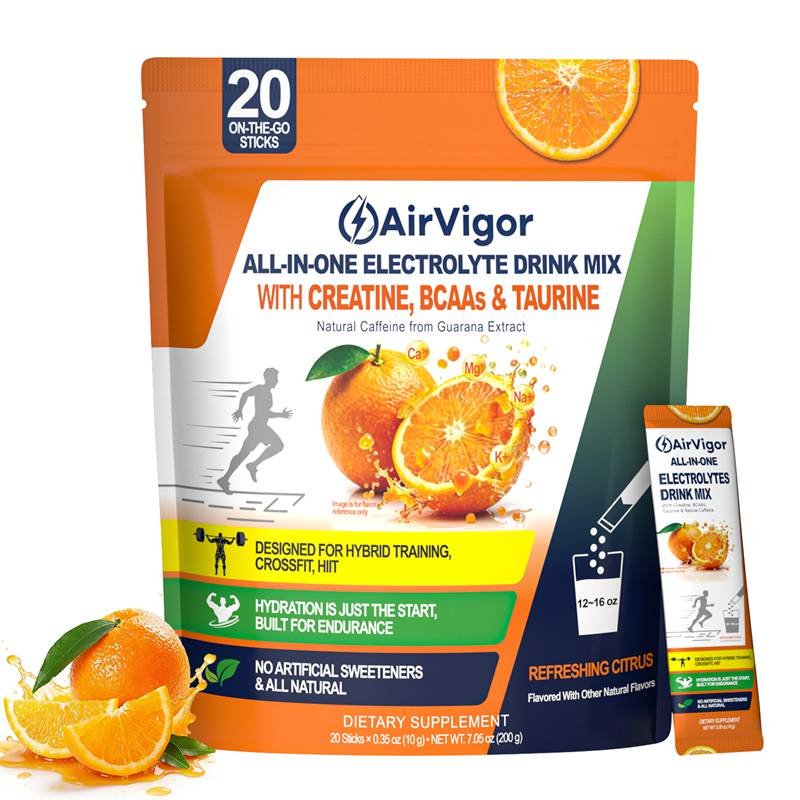
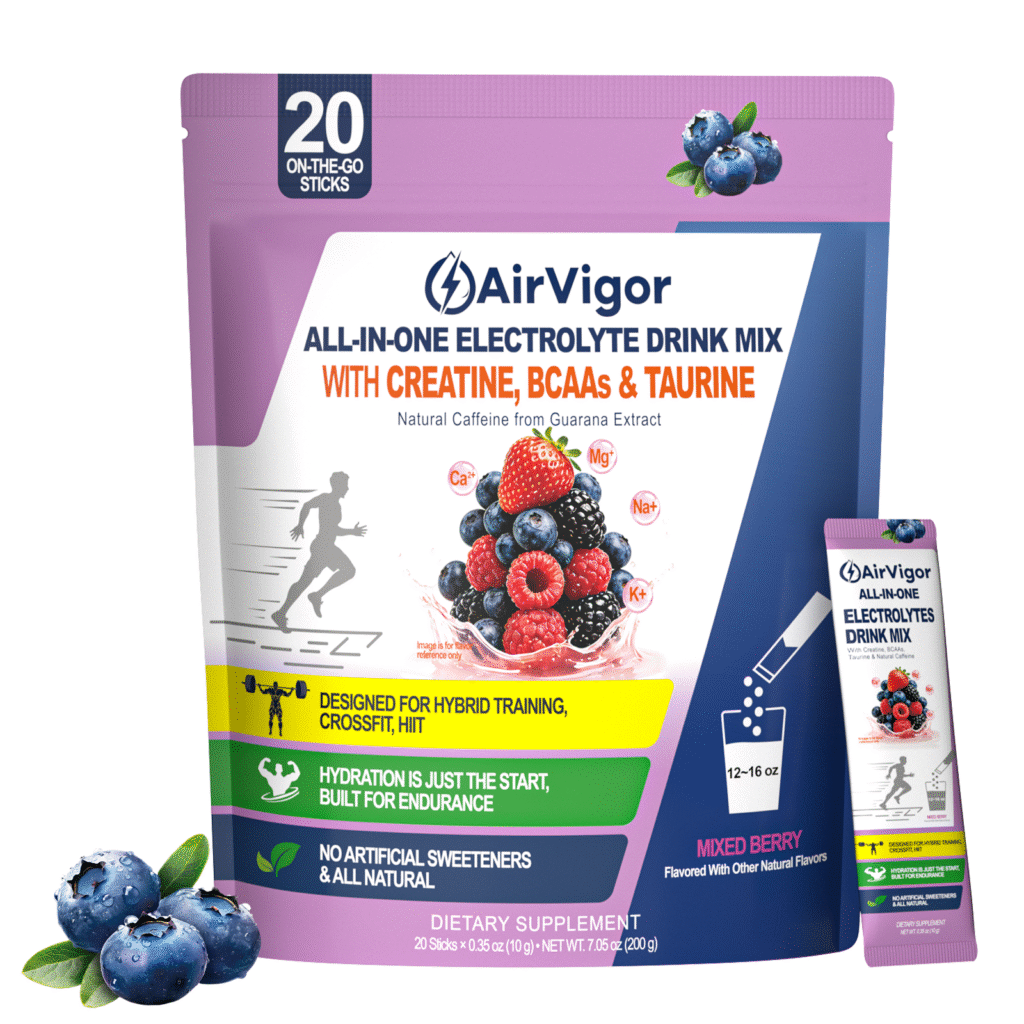
AirVigor products are scientifically designed to cater to the needs of athletes, fitness enthusiasts, and anyone looking to improve their overall health. AirVigor’s range of electrolyte powders, protein powders, and other performance supplements are created using high-quality ingredients and is tailored to boost hydration, energy, and muscle recovery. Whether you’re looking to hydrate faster, recover better, or maintain long-term health, AirVigor’s supplements are an excellent choice.
By incorporating the right dietary supplements into your routine, you can take proactive steps toward achieving your fitness goals, improving your health, and feeling better every day. Whether you’re an athlete, a busy professional, or someone looking to maintain your health, AirVigor offers a range of products that support your journey.
Looking to get started with your supplement routine? Visit AirVigor’s Amazon store today for easy access to high-quality supplements, available now for purchase. Or, if you’re interested in customizing a product for your specific needs, contact us for more information!
Stay tuned for more insights in our next article on how to create the perfect supplement plan tailored to your needs!
Which Supplements Are Essential for Active Lifestyles?
For active individuals—whether athletes, fitness enthusiasts, or those with high physical demands—the right dietary supplements can enhance performance, improve recovery, and support overall health. Supplements not only fill nutritional gaps but also play a vital role in optimizing physical and mental performance, increasing endurance, and accelerating recovery.
Essential supplements for active lifestyles include electrolytes for hydration, protein for muscle repair, creatine for strength, and BCAAs for endurance. These nutrients enhance energy levels, muscle health, and recovery, ensuring better performance and quicker results.
Why Supplements Matter for Active Lifestyles?
When you engage in regular physical activity, especially intense or long-duration workouts, your body requires more nutrients than a sedentary lifestyle. Active individuals lose key minerals through sweat, deplete energy reserves, and need additional support for muscle recovery. Supplements help meet these increased nutritional demands and support the body in achieving optimal performance.
Moreover, active individuals often face the challenge of maintaining a balanced diet that meets their nutritional needs. Despite efforts to eat well, certain key nutrients can be hard to get from food alone, making supplementation crucial for overall health, performance, and recovery.
Essential Supplements for Active Lifestyles
Here’s a breakdown of the key supplements you should consider integrating into your routine to support an active lifestyle:
| Supplement | Key Nutrients | Benefits for Active Lifestyles |
|---|---|---|
| Electrolytes | Sodium, Potassium, Magnesium, Calcium | Replenishes lost minerals, supports hydration, prevents muscle cramps, aids in nerve function |
| Protein | Whey, Casein, Plant-Based (e.g., Pea, Hemp) | Supports muscle recovery, helps in muscle growth, reduces post-workout soreness |
| Creatine | Creatine Monohydrate | Enhances muscle strength, improves power output, supports high-intensity training |
| BCAAs (Branched-Chain Amino Acids) | Leucine, Isoleucine, Valine | Reduces muscle breakdown, supports muscle endurance, and promotes recovery during intense exercise |
| Omega-3 Fatty Acids | EPA and DHA | Reduces inflammation, supports heart health, and aids in muscle recovery |
| Multivitamins | Vitamin A, C, D, E, B-Vitamins, Calcium | Ensures a balance of key vitamins and minerals for overall health and performance |
1. Electrolytes – The Key to Hydration and Performance
Electrolytes are minerals that help maintain fluid balance, regulate muscle contractions, and support nerve function. When you exercise, particularly in hot or humid conditions, you lose electrolytes through sweat. Without adequate replenishment, you may experience dehydration, fatigue, muscle cramps, and reduced performance.
Why You Need Electrolytes?
Active individuals require a proper electrolyte balance to perform at their best. An electrolyte imbalance can lead to dangerous conditions such as heatstroke, muscle cramps, and fatigue. Replenishing electrolytes during and after exercise ensures proper hydration and helps maintain performance.
- Electrolytes: Sodium, Potassium, Magnesium, and Calcium
- Sodium: Helps maintain fluid balance, crucial for hydration.
- Potassium: Supports muscle function and nerve impulses.
- Magnesium: Aids in muscle relaxation and recovery.
- Calcium: Essential for muscle contraction and bone health.
| Electrolyte Imbalance Symptoms | What You Lose |
|---|---|
| Muscle Cramps | Sodium, Potassium, Calcium |
| Fatigue and Weakness | Sodium, Magnesium |
| Dizziness | Potassium, Sodium |
| Nausea | Potassium, Magnesium |
AirVigor’s electrolyte powders provide a balanced mix of these key nutrients to keep you hydrated and performing at your best.
2. Protein – A Cornerstone for Muscle Recovery
Protein is essential for muscle repair and growth. After intense physical activity, your muscles experience tiny tears, and protein helps repair them, making them stronger and more resilient. Active individuals, particularly those engaged in weight training or endurance sports, need higher levels of protein to support muscle recovery and growth.
Types of Protein
There are different types of protein available, each with unique benefits:
- Whey Protein: Quickly absorbed, ideal for post-workout recovery.
- Casein Protein: Slowly digested, perfect for sustaining protein levels overnight.
- Plant-Based Protein: Suitable for vegans, contains a variety of amino acids from sources like pea, hemp, and rice protein.
Protein supplements help speed up muscle recovery, reduce soreness, and enhance muscle growth. Consuming protein immediately after a workout ensures the body has the necessary building blocks to repair muscle tissue and prevent muscle breakdown.
| Recommended Daily Protein Intake | Based on Activity Level |
|---|---|
| Sedentary Lifestyle | 0.8g per kg of body weight |
| Active Individuals | 1.2-2.0g per kg of body weight |
| Intense Training/Athletes | 2.0-2.5g per kg of body weight |
3. Creatine – Boost Your Strength and Power
Creatine is one of the most widely used and researched supplements in the world of sports nutrition. It helps your body produce more energy during high-intensity activities like sprinting, weightlifting, or HIIT (high-intensity interval training). By supplementing with creatine, you can improve strength, enhance power output, and support muscle endurance.
How Creatine Works?
Creatine works by increasing the available energy in your muscles in the form of adenosine triphosphate (ATP). This allows you to perform more work during short bursts of high-intensity exercise.
- Benefits:
- Enhanced Strength: Increased power during weightlifting.
- Improved Endurance: Helps maintain performance in short bursts of energy.
- Faster Recovery: Reduces muscle damage after intense activity.
| Creatine Supplementation Timing | Optimal Dosage |
|---|---|
| Pre-Workout | 3-5g per day |
| Post-Workout | 3-5g per day |
| Loading Phase (Optional) | 20g per day for 5–7 days |
4. BCAAs (Branched-Chain Amino Acids) – Supporting Muscle Endurance
BCAAs are a group of three essential amino acids: leucine, isoleucine, and valine. These amino acids are critical for muscle protein synthesis and energy production during exercise. BCAAs can help reduce muscle soreness, enhance endurance, and prevent muscle breakdown during intense training.
Why You Need BCAAs?
During long or intense workouts, your body may begin to break down muscle protein for energy. BCAAs help reduce this process, allowing you to maintain muscle mass while improving endurance. They also reduce fatigue, allowing for longer, more effective workouts.
- Leucine: Stimulates muscle protein synthesis.
- Isoleucine: Helps with muscle repair and energy production.
- Valine: Supports endurance and helps in muscle recovery.
| BCAAs During Exercise | Recommended Dosage |
|---|---|
| Endurance Athletes | 5-10g before or during workouts |
| Strength Athletes | 5-10g post-workout for recovery |
5. Omega-3 Fatty Acids – Reducing Inflammation and Supporting Recovery
Omega-3 fatty acids, found in fish oil or plant-based supplements, are essential fats that support heart health, reduce inflammation, and promote brain function. Omega-3s can be particularly beneficial for active individuals because they help manage inflammation and accelerate recovery after intense workouts.
Why Omega-3s Matter?
After a tough workout, the body experiences oxidative stress and inflammation. Omega-3 fatty acids help reduce inflammation, speeding up the recovery process and preventing muscle soreness. Additionally, omega-3s support heart health, reducing the risk of cardiovascular issues.
- EPA (Eicosapentaenoic Acid): Reduces inflammation and supports heart health.
- DHA (Docosahexaenoic Acid): Supports brain health and cognitive function.
| Omega-3 Supplement Dosage | Daily Intake Recommendation |
|---|---|
| General Health | 1-2g per day |
| Active Individuals/Athletes | 2-3g per day for enhanced recovery |
6. Multivitamins – Filling the Gaps
Even with a balanced diet, it can be difficult to get all the necessary vitamins and minerals required for optimal performance. Multivitamins ensure that you receive a broad spectrum of vitamins, minerals, and trace elements, supporting energy production, immunity, and overall health.
Why Multivitamins Matter?
Multivitamins provide a quick and convenient way to ensure your body receives the essential micronutrients it needs for proper function. For active individuals, multivitamins help maintain energy levels, support immune function, and prevent deficiencies, ensuring you stay at peak performance.
Why Choose AirVigor for Your Active Lifestyle?
AirVigor offers a range of premium supplements designed for active lifestyles. Whether you need electrolytes to stay hydrated, protein for muscle recovery, or creatine to enhance strength, AirVigor provides high-quality, scientifically-backed products tailored to your needs. Visit AirVigor’s Amazon store today or contact us for personalized supplement recommendations to match your active lifestyle.
This detailed breakdown of essential supplements for active lifestyles highlights the importance of electrolytes, protein, creatine, BCAAs, omega-3s, and multivitamins. By integrating these supplements into your routine, you’ll be better equipped to optimize performance, enhance recovery, and maintain overall health. Whether you’re lifting weights, running, cycling, or engaging in any high-intensity exercise, these supplements can give you the edge you need to perform at your best.
How Can Protein Supplements Enhance Muscle Recovery and Growth?
Protein is one of the most crucial macronutrients when it comes to muscle recovery and growth. Whether you’re a bodybuilder, athlete, or someone simply looking to improve physical fitness, understanding how protein supplements can enhance recovery and muscle growth is vital for achieving your goals. Protein supplements help repair muscle tissue, support muscle synthesis, and reduce muscle breakdown after exercise, making them an essential part of any fitness regimen.
Protein supplements are essential for muscle recovery and growth as they provide the necessary amino acids that promote muscle repair and protein synthesis. Consuming protein after workouts reduces muscle soreness and helps muscles recover faster, ultimately enhancing strength and endurance.
Why Protein is Essential for Muscle Recovery and Growth?
After a workout, especially one that involves weightlifting or endurance training, your muscles undergo small tears. This damage needs to be repaired so that the muscles grow stronger and more resilient. Protein provides the building blocks (amino acids) needed for this repair process. Without adequate protein, the body cannot repair muscles as effectively, leading to longer recovery times, slower muscle growth, and potential muscle loss.
How Does Protein Work in Muscle Recovery?
Protein plays a direct role in muscle protein synthesis (MPS), the process by which the body repairs muscle fibers. When you exercise, especially in strength training, you create tiny tears in muscle fibers. The body repairs these tears using the amino acids from dietary protein. This repair process helps muscles grow in size and strength over time. Without enough protein, this repair process slows down, making it harder to see progress.
Protein supplements are a quick and convenient way to deliver the necessary amino acids to muscles, speeding up the repair process and reducing recovery time. Consuming protein immediately after a workout is especially effective because the body is more receptive to nutrients during this time.
Types of Protein and Their Impact on Muscle Recovery
Not all proteins are created equal. The type of protein you consume can impact the rate at which it is digested and absorbed, which in turn affects muscle recovery. Let’s look at the most popular types of protein supplements and their unique benefits.
| Protein Type | Digestion Rate | Ideal for | Benefits |
|---|---|---|---|
| Whey Protein | Fast-digesting | Post-workout recovery | Quickly absorbed, aids in muscle repair and growth after exercise. |
| Casein Protein | Slow-digesting | Overnight or between meals | Provides a steady release of amino acids for long-term muscle repair. |
| Plant-Based Protein | Moderate to slow-digesting | Vegans, vegetarians, those with lactose intolerance | Supports muscle recovery with a variety of plant-based amino acids. |
1. Whey Protein – Quick and Efficient Muscle Recovery
Whey protein is one of the most popular and widely studied protein supplements. It’s a complete protein, meaning it contains all nine essential amino acids that the body cannot produce on its own. Whey is particularly effective because it is rapidly digested, allowing the body to quickly absorb its amino acids for muscle repair.
Why Whey Protein is Effective:
- Fast Absorption: Whey protein is digested quickly, providing the body with a fast supply of amino acids right after a workout.
- High Leucine Content: Whey contains a high concentration of leucine, an amino acid that plays a key role in initiating muscle protein synthesis (MPS).
- Increased Muscle Growth: Studies show that whey protein consumption can increase muscle mass and strength gains, particularly when combined with resistance training.
Whey Protein for Post-Workout Recovery
After a workout, your body is in a catabolic state, meaning muscle fibers are broken down and need to be repaired. Consuming whey protein post-workout provides a rapid supply of amino acids to help reverse this catabolic state and support muscle recovery.
2. Casein Protein – Sustained Muscle Repair
While whey protein is absorbed quickly, casein protein is digested more slowly, making it ideal for sustained muscle recovery. Casein provides a steady release of amino acids over several hours, which can be particularly beneficial when taken before bed, during periods of fasting, or between meals.
Why Casein Protein is Effective:
- Slow Release: Casein forms a gel-like substance in the stomach, which slows down digestion and provides a prolonged release of amino acids into the bloodstream.
- Prevents Muscle Breakdown: Taking casein before bed helps reduce muscle protein breakdown during sleep, which is crucial for muscle growth.
- Ideal for Longer Recovery: Casein helps maintain a positive protein balance in the body, ensuring that muscle breakdown is minimized even when you’re not actively eating.
Casein Protein for Nighttime Recovery
When you sleep, your body still requires protein to repair muscles. Casein protein is ideal for this purpose as it can continuously supply amino acids throughout the night, supporting muscle recovery while you rest.
3. Plant-Based Protein – A Quality Alternative for Vegans and Those with Sensitivities
For individuals following a vegan or vegetarian diet, or those who are lactose intolerant, plant-based protein powders provide a great alternative to whey and casein. Plant-based proteins include options like pea protein, hemp protein, and brown rice protein, all of which provide a unique blend of amino acids that support muscle recovery.

Why Plant-Based Protein is Effective:
- Complete Amino Acids: While some plant-based proteins are incomplete (lacking one or more essential amino acids), options like pea protein and rice protein offer a full amino acid profile when combined.
- Digestibility: Plant-based proteins are generally easier on the digestive system, making them a good option for those with sensitivities to dairy-based proteins.
- Sustainable Option: Plant-based proteins are more sustainable and environmentally friendly than animal-based proteins, making them an attractive option for eco-conscious consumers.
Plant-Based Protein for Vegans
Plant-based protein powders offer a valuable source of protein for those who don’t consume animal products. They are rich in essential nutrients and amino acids that support muscle growth and recovery, ensuring that individuals on a plant-based diet can still meet their protein needs.
4. The Role of Protein in Muscle Growth
Protein supplements do more than just aid in recovery—they directly contribute to muscle growth. Muscle growth occurs when muscle protein synthesis (MPS) exceeds muscle protein breakdown (MPB). In other words, the more protein you can consume, the more likely you are to have a positive muscle protein balance, which leads to growth.
How Protein Supports Muscle Growth?
- Protein Synthesis: Protein intake after exercise helps stimulate muscle protein synthesis (MPS), which leads to muscle repair and growth.
- Reducing Muscle Breakdown: Consuming enough protein prevents excessive muscle breakdown, ensuring your muscles can recover effectively after workouts.
- Maintaining Muscle Mass: Protein is essential for maintaining lean muscle mass, especially during periods of weight loss or caloric restriction.
| Timing for Protein Consumption | When to Consume | Why it Matters |
|---|---|---|
| Post-Workout | 20-30g of protein immediately after training | To stimulate muscle protein synthesis and aid in recovery. |
| Before Bed | 20-30g of slow-digesting protein (casein) | To prevent muscle breakdown during sleep. |
| Throughout the Day | 20-30g per meal | To maintain a steady supply of amino acids for muscle repair. |
Protein supplements are vital for anyone serious about enhancing muscle recovery, growth, and overall performance. Whether you choose whey for quick absorption, casein for sustained release, or plant-based protein for its digestive benefits, ensuring you consume enough protein is essential for maximizing muscle repair and minimizing recovery time.
If you’re looking to fuel your body with high-quality protein, AirVigor offers a range of premium protein supplements that can help you achieve your muscle-building and recovery goals. Whether you’re a seasoned athlete or just starting your fitness journey, adding protein to your routine can help take your performance to the next level.
Do You Need Multivitamins for General Health and Wellness?
Multivitamins are one of the most commonly used supplements worldwide, often seen as a simple solution to fill any nutritional gaps in our diets. But do you really need multivitamins for general health and wellness, or can a balanced diet provide all the nutrients your body needs? The answer depends on various factors such as diet, lifestyle, and individual health needs.
Multivitamins can help ensure that your body gets the essential vitamins and minerals it needs to function properly, especially when your diet is lacking in key nutrients. While not a substitute for a healthy diet, they can support overall wellness by filling nutritional gaps, boosting immunity, and improving energy levels.
What Are Multivitamins and Why Should You Consider Them?
Multivitamins are dietary supplements that contain a combination of vitamins, minerals, and sometimes other nutrients. They are designed to complement your diet by providing the vitamins and minerals that you may not be getting in sufficient amounts from food alone. Multivitamins are often formulated to include a wide variety of essential nutrients, such as vitamins A, B, C, D, E, and K, as well as minerals like calcium, magnesium, and zinc.
The Role of Multivitamins in Your Health
Multivitamins help ensure that your body has the essential micronutrients it needs for proper function. Even with a balanced diet, it can be difficult to get the right amounts of all the vitamins and minerals your body requires, especially if you have specific dietary restrictions, a busy lifestyle, or certain health conditions. By taking a multivitamin, you can make up for any deficiencies in your diet and ensure that you are meeting your daily nutritional requirements.
When Are Multivitamins Most Beneficial?
There are several situations where multivitamins can be particularly beneficial for your health and wellness. If any of the following apply to you, incorporating a multivitamin into your daily routine may help maintain or improve your overall health:
| Scenario | Reason Multivitamins Can Help |
|---|---|
| Busy Lifestyle | If you have a hectic schedule that makes it difficult to plan balanced meals, multivitamins can fill in the gaps. |
| Restricted Diet | Vegetarians, vegans, and those with food allergies may struggle to get all the necessary nutrients from their diets alone. |
| Older Adults | As we age, the ability to absorb certain nutrients decreases, making multivitamins especially important for older individuals. |
| Pregnancy | Pregnant women have increased nutritional needs, and multivitamins can help ensure adequate intake of key nutrients like folic acid. |
| Chronic Health Conditions | Those with chronic conditions like diabetes or gastrointestinal disorders may benefit from multivitamins to support overall health. |
Benefits of Multivitamins for General Health and Wellness
1. Supporting Immune Function
Certain vitamins and minerals, such as Vitamin C, Vitamin D, and zinc, play a critical role in supporting a healthy immune system. These nutrients help the body fight infections, reduce inflammation, and maintain a strong defense against illnesses.
- Vitamin C: Known for its antioxidant properties, Vitamin C helps protect the body from free radicals, supports skin health, and boosts immune function.
- Vitamin D: Vital for calcium absorption and bone health, Vitamin D also plays a crucial role in immune function, reducing the risk of chronic diseases.
- Zinc: A mineral that helps the immune system function properly, reducing the duration of colds and other illnesses.
2. Improving Energy Levels and Reducing Fatigue
Multivitamins that include B-vitamins, such as B1 (thiamine), B2 (riboflavin), B3 (niacin), B6 (pyridoxine), B12 (cobalamin), and folic acid, can help boost energy levels and reduce fatigue. These vitamins are essential for converting the food you eat into energy and supporting cellular function.
- B-Vitamins: Help in energy production by supporting the body’s metabolism and cellular function. They can reduce tiredness and fatigue, keeping you energized throughout the day.
3. Enhancing Bone Health
Minerals like calcium, magnesium, and Vitamin D are vital for maintaining strong, healthy bones. A good multivitamin that includes these nutrients can help prevent bone loss and reduce the risk of osteoporosis, especially for older adults or individuals with a sedentary lifestyle.
- Calcium: Essential for bone strength and density.
- Magnesium: Helps regulate calcium levels in the body and supports muscle and nerve function.
- Vitamin D: Improves calcium absorption and helps maintain bone health.
4. Promoting Healthy Skin, Hair, and Eyes
Certain vitamins, such as Vitamin A, Vitamin E, and Vitamin C, are known for their ability to improve skin health, reduce signs of aging, and promote strong hair and nails. Vitamin A is also crucial for maintaining healthy vision.
- Vitamin A: Supports eye health and helps maintain skin integrity.
- Vitamin E: Known for its antioxidant properties, it helps protect skin cells and supports skin regeneration.
- Vitamin C: Plays a role in collagen production, which is essential for healthy skin and tissue repair.
Who Needs Multivitamins the Most?
While most people can meet their nutritional needs through a well-balanced diet, certain groups may benefit from multivitamins more than others:
- Vegetarians and Vegans: These groups may lack certain essential nutrients such as Vitamin B12, iron, calcium, and omega-3 fatty acids. A multivitamin can help fill these nutritional gaps.
- Older Adults: As we age, our ability to absorb certain nutrients (like Vitamin B12, Vitamin D, and calcium) decreases. Multivitamins tailored for older adults are designed to address these changes.
- Pregnant Women: During pregnancy, the body requires additional nutrients like folic acid, iron, and calcium to support the developing baby. Prenatal multivitamins are specially formulated to meet these needs.
- Individuals with Specific Health Conditions: People with chronic conditions like diabetes or gastrointestinal disorders (e.g., Crohn’s disease, celiac disease) often struggle to absorb certain nutrients and may benefit from multivitamins.
- Busy Professionals and Students: Those with hectic schedules may not have the time to prepare balanced meals and might not be getting the necessary nutrients from food alone. Multivitamins can help fill in the nutritional gaps.
How Much is Enough for Multivitamin Dosage?
Taking a multivitamin can be a good way to fill in nutritional gaps, but it’s important not to overdo it. Most multivitamins provide a balanced dose of nutrients, but excessive intake of certain vitamins and minerals can have harmful effects.
- Recommended Dosage: The standard recommendation for multivitamins is typically one pill per day. However, it’s important to follow the recommended serving size and not exceed it.
- Avoiding Overdose: Some vitamins, such as Vitamin A, Vitamin D, and Iron, can be toxic in high doses. Always check the label and follow the dosage instructions.
| Vitamin | Recommended Daily Intake (RDI) |
|---|---|
| Vitamin A | 900 mcg (men), 700 mcg (women) |
| Vitamin C | 90 mg (men), 75 mg (women) |
| Vitamin D | 600 IU (adults under 70), 800 IU (adults over 70) |
| Calcium | 1,000 mg (adults), 1,200 mg (women over 50) |
| Iron | 8 mg (men), 18 mg (women) |
Can Multivitamins Replace a Healthy Diet?
While multivitamins can help fill nutritional gaps, they are not a substitute for a healthy, balanced diet. A diet rich in fruits, vegetables, lean proteins, whole grains, and healthy fats is still the best way to ensure you’re getting the full spectrum of nutrients. Multivitamins should be seen as a complement to a healthy lifestyle, not a replacement for good eating habits.
A balanced diet provides not only vitamins and minerals but also fiber, antioxidants, and other essential compounds that multivitamins cannot fully replace. Whole foods provide a broader range of nutrients that support overall health, from gut health to cognitive function.
Multivitamins are a convenient way to ensure that your body gets the essential vitamins and minerals it needs, especially when your diet may be lacking in certain nutrients. They can help fill nutritional gaps, boost immunity, support energy levels, and contribute to overall wellness. However, it’s important to remember that they should complement, not replace, a healthy diet.
If you’re looking for a high-quality multivitamin to support your overall health, AirVigor offers premium supplements designed with your health in mind. Visit our Amazon store today or contact us for personalized multivitamin recommendations tailored to your specific needs!
By incorporating the right multivitamins into your routine, you can ensure that you are meeting your daily nutritional requirements and supporting long-term health. Whether you’re looking to fill gaps in your diet or enhance overall wellness, multivitamins are a practical solution to help you feel your best every day.
Are There Supplements to Support Long-Term Health and Metabolism?
Maintaining long-term health and an efficient metabolism is essential for overall well-being, longevity, and vitality. While a balanced diet, regular exercise, and healthy lifestyle choices are the foundation of long-term health, certain dietary supplements can offer additional support by addressing common nutritional gaps, boosting metabolism, and helping prevent chronic health issues. These supplements can play a crucial role in supporting heart health, metabolic function, cognitive performance, and immune health as you age.
Supplements such as omega-3 fatty acids, probiotics, and metabolic boosters like green tea extract and magnesium are excellent choices for supporting long-term health and metabolism. These supplements work synergistically to promote heart health, improve digestion, and maintain energy levels while aiding in weight management and overall wellness.
Why Consider Supplements for Long-Term Health and Metabolism?
In today’s fast-paced world, it’s common for people to fall short on certain essential nutrients due to a lack of time, poor dietary choices, or underlying health conditions. While eating a well-balanced diet is crucial, it’s not always enough to meet all of your nutritional needs, especially as you age. Supplements can help fill those gaps and offer targeted benefits to keep your metabolism functioning efficiently, support your immune system, and protect against age-related health conditions.
Metabolism refers to the complex biochemical processes that convert food into energy. As you age or face various lifestyle factors, metabolic processes can slow down, leading to fatigue, weight gain, or decreased energy levels. Supplements that support metabolism can help keep your energy levels up, support weight management, and help you feel better in the long run.
Supplements to Support Long-Term Health and Metabolism
Several supplements can specifically support long-term health and optimize metabolic processes. Here’s a breakdown of some of the most important ones to consider:
| Supplement | Key Nutrients | Benefits for Long-Term Health and Metabolism |
|---|---|---|
| Omega-3 Fatty Acids | EPA, DHA | Supports heart health, reduces inflammation, improves brain function, and helps manage weight. |
| Probiotics | Lactobacillus, Bifidobacterium | Improves digestion, supports gut health, boosts immunity, and helps regulate metabolism. |
| Magnesium | Magnesium | Supports muscle function, regulates blood sugar levels, improves sleep quality, and boosts metabolism. |
| Green Tea Extract | EGCG (Epigallocatechin Gallate) | Boosts metabolism, aids in weight management, and supports fat oxidation. |
| Vitamin D | Vitamin D3 | Supports bone health, immune function, and healthy blood sugar levels. |
| Coenzyme Q10 (CoQ10) | CoQ10 | Improves cellular energy production, supports heart health, and promotes healthy aging. |
1. Omega-3 Fatty Acids – The Heart and Brain Health Support
Omega-3 fatty acids are essential fats that play a critical role in supporting cardiovascular health, brain function, and metabolism. The two main types of omega-3 fatty acids found in supplements are EPA (eicosapentaenoic acid) and DHA (docosahexaenoic acid), both of which provide distinct health benefits.
Why Omega-3s Matter for Long-Term Health
Omega-3s help reduce inflammation, which is linked to many chronic diseases such as heart disease, diabetes, and arthritis. They also support brain health by promoting better cognitive function and reducing the risk of cognitive decline as you age.
- Supports Heart Health: Omega-3s help lower triglyceride levels, reduce blood pressure, and improve cholesterol levels, reducing the risk of cardiovascular diseases.
- Boosts Metabolism: Omega-3s can increase fat burning and improve insulin sensitivity, aiding in weight management and metabolic health.
- Improves Mood and Cognitive Function: Omega-3 fatty acids, particularly DHA, are crucial for brain function and may help combat mood disorders like depression.
Optimal Omega-3 Dosage:
The American Heart Association recommends at least 1,000 mg of EPA and DHA daily for heart health. However, higher doses (2,000–4,000 mg) may be necessary for individuals dealing with inflammation or other chronic health issues.
2. Probiotics – Supporting Gut Health and Metabolism
Probiotics are beneficial bacteria that help maintain the balance of the gut microbiome. A healthy gut microbiome is critical for digestion, nutrient absorption, immune function, and even metabolic processes.
Why Probiotics Matter for Long-Term Health
Imbalances in gut bacteria can lead to digestive issues, metabolic disorders, and even chronic diseases. Probiotics support a healthy gut flora, helping improve digestion, nutrient absorption, and overall immune function.
- Improves Digestion: Probiotics help restore balance to your gut microbiome, promoting healthy digestion and reducing bloating, constipation, and other digestive problems.
- Regulates Metabolism: Probiotics can influence the way the body processes food and energy, which may help improve weight management and reduce the risk of metabolic disorders.
- Boosts Immunity: Probiotics are known to strengthen the immune system by supporting the gut’s immune cells and reducing inflammation.
Optimal Probiotic Dosage:
For general health, a daily dose of 1–10 billion CFUs (colony-forming units) is recommended. However, specific strains and higher doses may be beneficial for managing digestive or immune issues.
3. Magnesium – Vital for Energy and Metabolism Regulation
Magnesium is an essential mineral involved in hundreds of biochemical processes in the body. It plays a role in regulating muscle function, nerve transmission, blood sugar levels, and energy production. Magnesium is often called the “master mineral” because of its crucial role in metabolism and overall health.
Why Magnesium Matters for Long-Term Health
Many people do not get enough magnesium from their diet, which can lead to muscle cramps, fatigue, and metabolic problems. Supplementing with magnesium can help optimize metabolic function, improve sleep quality, and regulate blood sugar levels.
- Regulates Blood Sugar: Magnesium helps the body metabolize glucose and improve insulin sensitivity, making it an important supplement for those managing blood sugar or weight issues.
- Supports Muscle Function: Magnesium helps relax muscles, preventing cramps and promoting muscle recovery after exercise.
- Improves Sleep: Magnesium is known to improve sleep quality by regulating neurotransmitters involved in sleep.
Optimal Magnesium Dosage:
The recommended daily intake of magnesium is around 310–420 mg for adults, depending on age and gender. Magnesium supplementation can help fill in gaps and promote better sleep, muscle function, and metabolic health.
4. Green Tea Extract – Boosting Metabolism and Weight Management
Green tea extract contains powerful antioxidants called catechins, including EGCG (Epigallocatechin Gallate), which is known for its metabolism-boosting properties. Green tea extract has become a popular supplement for those looking to enhance fat burning and improve metabolic health.
Why Green Tea Extract Matters for Metabolism
Green tea extract increases fat oxidation and calorie burning, making it an effective tool for weight management and fat loss. It also supports cardiovascular health and improves blood sugar regulation.
- Increases Fat Burning: EGCG in green tea extract boosts fat oxidation, helping the body burn fat more efficiently during exercise.
- Supports Weight Loss: Green tea extract can help increase calorie burning and improve weight management by supporting a healthy metabolism.
- Promotes Heart Health: Green tea extract helps improve cholesterol levels, reduce blood pressure, and reduce the risk of cardiovascular diseases.
Optimal Green Tea Extract Dosage:
A typical dose of green tea extract ranges from 250–500 mg per day. However, individuals sensitive to caffeine should take lower doses or opt for decaffeinated versions.
5. Coenzyme Q10 (CoQ10) – Supporting Cellular Energy and Healthy Aging
Coenzyme Q10 (CoQ10) is a compound that helps produce energy within your cells. It is particularly important for heart health and cellular function. As we age, CoQ10 levels naturally decrease, which may lead to decreased energy levels and increased oxidative stress.
Why CoQ10 Matters for Long-Term Health
CoQ10 helps improve cellular energy production, making it essential for supporting overall vitality and longevity. Supplementing with CoQ10 can help combat age-related health issues, boost energy, and improve heart function.
- Increases Cellular Energy: CoQ10 supports mitochondrial function, boosting energy production at the cellular level.
- Promotes Heart Health: CoQ10 helps improve blood vessel health, reduce oxidative stress, and protect against heart disease.
- Supports Healthy Aging: By reducing oxidative damage, CoQ10 can help slow the aging process and maintain youthful vitality.
Optimal CoQ10 Dosage:
The typical dosage of CoQ10 ranges from 100 to 300 mg per day. It’s best taken with food for better absorption.
Supplements like omega-3 fatty acids, probiotics, magnesium, green tea extract, and CoQ10 can support long-term health and metabolism by filling nutritional gaps, boosting metabolic processes, and preventing chronic diseases. These supplements are valuable tools for maintaining energy levels, promoting heart health, and enhancing overall well-being, particularly as you age or face increased physical demands.
If you’re ready to support your long-term health and metabolism, AirVigor offers a range of high-quality supplements designed to help you feel your best every day. Visit our Amazon store or contact us for personalized recommendations tailored to your specific needs and health goals.
By incorporating these supplements into your routine, you’ll be well on your way to supporting a healthy metabolism, protecting your heart, and maintaining energy levels for the long haul.
How to Choose the Right Supplements for Your Unique Needs?
With so many dietary supplements available, choosing the right ones for your unique health goals can feel overwhelming. Whether you’re aiming to improve performance, support recovery, boost energy, or enhance overall wellness, selecting supplements that align with your personal needs and lifestyle is essential. While supplements can fill nutritional gaps and optimize health, they should be tailored to your specific requirements rather than being a one-size-fits-all approach.
Choosing the right supplements starts with assessing your specific health goals, diet, lifestyle, and potential nutrient deficiencies. Personalized supplementation can help you improve performance, support overall wellness, and meet your individual health needs.
Why Personalized Supplements Matter?
Supplements can have a profound impact on health, but only when they are chosen based on your individual needs. Factors such as age, gender, activity level, and dietary restrictions all play a role in determining which supplements are best for you. By selecting supplements that align with your goals and health status, you can maximize the benefits and ensure long-term health and wellness.
Factors to Consider When Choosing Supplements
Health Goals
Your health goals will largely dictate the type of supplements you need. Are you looking to enhance athletic performance, improve digestion, boost immunity, or manage stress? Identifying your goals helps narrow down the types of supplements that can benefit you the most.
Dietary Restrictions and Preferences
If you follow a specific diet, such as vegan, gluten-free, or low-carb, certain supplements will be more suitable for you. For instance, if you’re vegan, you may need plant-based protein and Vitamin B12 supplements. If you’re gluten intolerant, you’ll want to ensure that your supplements are certified gluten-free.
Age and Gender
Different life stages come with different nutrient needs. For example, older adults may require more calcium and Vitamin D for bone health, while pregnant women need additional folic acid and iron. Gender can also play a role, as men and women have different nutritional requirements, such as iron levels.
Physical Activity Level
Athletes or individuals with high physical demands have increased nutritional needs to support recovery and maintain performance. Supplements like protein, creatine, electrolytes, and BCAAs (branched-chain amino acids) are crucial for active individuals.
Health Conditions
If you have underlying health conditions such as diabetes, heart disease, or digestive issues, certain supplements can help manage these conditions. Always consult a healthcare provider before starting a supplementation regimen to ensure safety.
How to Identify Your Unique Supplement Needs?
1. Assess Your Diet for Nutritional Gaps
Start by evaluating your current diet. Are you getting enough fruits, vegetables, whole grains, lean proteins, and healthy fats? A well-balanced diet should provide most of the nutrients your body needs, but many people fall short on specific vitamins and minerals.
For example:
- Vitamin D: Many people don’t get enough Vitamin D from sunlight or food sources, especially in the winter months. In this case, a Vitamin D supplement can help support bone health and immunity.
- Iron: Vegetarians and women of reproductive age are at a higher risk of iron deficiency. Iron supplements may be necessary for individuals who are unable to meet their iron needs through food alone.
You can track your meals using a food diary or consult a nutritionist to identify any gaps in your diet. Once you know which nutrients you’re missing, you can target supplements that address those specific deficiencies.
2. Evaluate Your Lifestyle and Activity Level
Active individuals, especially those involved in sports or weight training, require additional nutrients to support muscle recovery, energy levels, and overall performance. If you’re regularly engaging in physical activity, supplements like:
- Protein: To support muscle repair and growth.
- Creatine: To enhance strength and power output.
- Electrolytes: To replenish minerals lost during intense exercise.
If you’re more sedentary, your supplement needs may be different. A general multivitamin may be sufficient to fill any nutritional gaps, while an omega-3 supplement can support heart health and reduce inflammation, especially if you’re not consuming enough fatty fish.
Choosing the Right Supplements Based on Your Health Goals
Here are some common health goals and the supplements that best support them:
| Health Goal | Recommended Supplements | Benefits |
|---|---|---|
| Muscle Growth & Recovery | Protein, BCAAs, Creatine | Supports muscle repair, reduces soreness, and enhances performance in strength training. |
| Weight Loss & Metabolism Boost | Green Tea Extract, CLA (Conjugated Linoleic Acid), Garcinia Cambogia | Increases fat burning, supports healthy metabolism, and aids in weight management. |
| Heart Health | Omega-3 Fatty Acids, Magnesium, CoQ10 | Supports cardiovascular function, reduces inflammation, and improves circulation. |
| Immune Support | Vitamin C, Vitamin D, Zinc | Enhances immune function, reduces the risk of infections, and supports recovery. |
| Bone Health | Calcium, Vitamin D, Magnesium | Promotes bone density and prevents osteoporosis, especially for older adults. |
| Digestive Health | Probiotics, Fiber, Digestive Enzymes | Improves gut health, supports digestion, and enhances nutrient absorption. |
3. Consult with a Healthcare Provider
Before adding new supplements to your routine, especially if you have existing health conditions or take prescription medications, it’s important to consult a healthcare provider. Some supplements can interact with medications or cause side effects when taken in excess. Your healthcare provider can help determine the right supplements based on your individual health profile.
Special Considerations:
- Pregnancy: Pregnant women often need additional nutrients such as folic acid and iron. Prenatal vitamins are specially formulated for these needs.
- Chronic Illness: People with conditions like diabetes, thyroid disorders, or cardiovascular disease may need specialized supplements, such as magnesium for heart health or biotin for blood sugar regulation.
4. Focus on Quality and Transparency
Not all supplements are created equal. When choosing supplements, it’s important to look for high-quality products from reputable brands. Choose supplements that:
- Have Third-Party Testing: Ensure the product has been tested for purity, potency, and safety by an independent lab.
- Contain Bioavailable Forms: Some forms of vitamins and minerals are better absorbed by the body than others. For example, magnesium citrate is better absorbed than magnesium oxide.
- Include Clear Labeling: The supplement label should clearly list ingredients, serving sizes, and the percentage of daily value for vitamins and minerals.
AirVigor, for example, offers transparency in its formulations and uses scientifically-backed ingredients, ensuring that customers receive high-quality, effective products tailored to their unique needs.
5. Customize Your Supplement Plan Over Time
Your supplement needs may change as your goals evolve, or as you encounter new health challenges. Continuously assess how you feel and track your progress to determine whether your current supplement regimen is still meeting your needs.
- Monitor Results: Pay attention to how your body responds to supplements. Are you feeling more energized? Have you noticed improvements in performance or recovery? If not, it may be time to adjust your plan.
- Adjust for Seasonal Changes: During colder months, you may need additional Vitamin D due to limited sunlight. Similarly, in the summer months, supplements like electrolytes may be more important due to increased physical activity and heat exposure.
Conclusion
Choosing the right supplements is not a one-size-fits-all approach. By considering your health goals, activity levels, dietary restrictions, and lifestyle factors, you can tailor your supplement routine to best support your unique needs. Whether you’re looking to boost performance, support recovery, or enhance overall wellness, personalized supplementation can help you achieve optimal health.
At AirVigor, we offer a range of high-quality supplements designed to meet the needs of individuals across different health goals. Visit our Amazon store or contact us for expert advice on selecting the right supplements for your lifestyle.
By carefully considering your specific health requirements and choosing supplements that align with your goals, you can enhance your wellness journey and ensure long-term health and vitality.
Share:
Contact Expert Team
At AirVigor, performance becomes effortless. We transform advanced nutrition science into clean, effective supplements that help you hydrate, recover, and feel stronger every day. Shop AirVigor on Amazon and experience athlete-trusted formulas—backed by real science and supported by our world-class R&D and production capabilities.
Trust AirVigor
At AirVigor, turning your performance goals into reality is no longer a struggle—it’s a science-driven journey we build together. Whether you’re a runner, lifter, cyclist, yogi, outdoor athlete, or someone simply seeking better daily energy, AirVigor transforms advanced nutrition research into clean, effective, and trustworthy supplements you can feel.
Backed by our U.S. scientific team, global certifications, and world-class production standards, every formula is engineered to deliver real hydration, real recovery, and real performance. And when you’re ready to experience the difference, you’ll find AirVigor products available on Amazon and other major platforms—fast shipping, consistent quality, and a community of athletes already seeing results.
Behind the scenes, our R&D and manufacturing ecosystem also supports specialized formulation development, ensuring AirVigor continues to lead with innovation while keeping quality and safety uncompromised. But at the core, everything we create is built for you—your health, your performance, your momentum.
Choose AirVigor. Feel the science. Elevate your every day.


Subscribe to our newsletter
Sign up to our newsletter and we’ll keep you up to date with the latest arrivals.