Skip to content
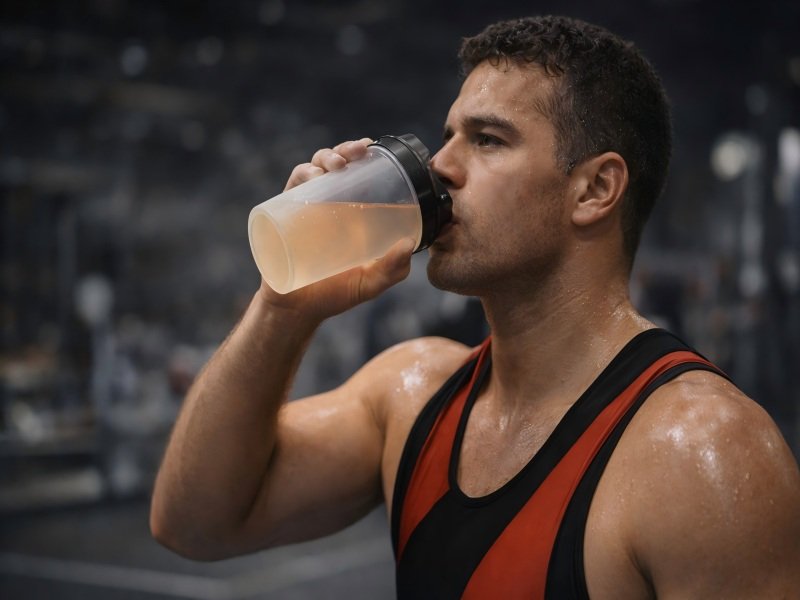
Most people assume sports nutrition is only for elite athletes—professionals who train for hours, compete regularly, and push their bodies to extremes. If you work out a few times a week or simply try to stay active, it’s easy to think that regular meals and water are enough.
But sports nutrition isn’t defined by competition—it’s defined by demand.
Any time you train, sweat, lift, run, or recover from physical or mental stress, your body enters a state where energy use accelerates, electrolytes shift, and recovery systems activate. In those moments, nutrition is no longer just about health—it becomes about supporting function and performance.
Sports nutrition is the science of providing the right nutrients, in the right amounts and timing, to support physical performance, hydration, and recovery during activity and active lifestyles. It applies not only to athletes, but to anyone who wants to train consistently, recover efficiently, and avoid the gradual fatigue that comes from under-supporting the body.
What Is Sports Nutrition?
Sports nutrition is a specialized branch of nutrition focused on supporting physical activity, exercise performance, hydration efficiency, and recovery capacity. It emphasizes nutrient timing, functional dosing, and bioavailability to match the increased physiological demands created by training, sweating, and muscle contraction.
Unlike general nutrition, which aims to maintain baseline health, sports nutrition adapts intake to activity level, training intensity, environmental stress, and recovery needs, helping the body perform, sustain output, and recover more consistently under physical load.
What Is the Meaning of Sports Nutrition?
At its core, sports nutrition means fueling the body for action, not just survival.
General nutrition asks foundational questions such as:
“Are you eating enough to stay healthy?” or “Are basic nutrient needs being met?”
Sports nutrition, however, addresses a different layer of human physiology—one that becomes relevant the moment physical or mental demand rises. It asks practical, performance-driven questions such as:
- Can your body generate usable energy efficiently when demand spikes?
- Can it maintain fluid and mineral balance during sweating, heat exposure, or long sessions?
- Can it recover fast enough to repeat effort without accumulating fatigue?
Sports nutrition emerged from exercise physiology and performance science, not diet culture. Research consistently shows that during physical activity, the body processes key nutrients—such as sodium, potassium, glucose, amino acids, and creatine—differently than it does at rest. Muscle contraction, sweat loss, and accelerated metabolism change how these nutrients are absorbed, utilized, and depleted.
In other words, sports nutrition is not about eating “more” or eating “cleaner.”
It is about eating and supplementing with intention, timing, and function in mind.
What Is the Main Focus of Sports Nutrition?
The main focus of sports nutrition is function over fullness.
Rather than centering on calorie intake alone, sports nutrition targets the specific systems that determine how well the body performs and recovers under stress. These include:
- Energy availability – supporting ATP production and preserving glycogen so effort can be sustained rather than front-loaded
- Hydration efficiency – optimizing fluid retention and electrolyte balance instead of relying on water alone
- Neuromuscular performance – maintaining nerve signaling, coordination, and muscle contraction quality
- Recovery readiness – enabling faster repair, adaptation, and fatigue resolution between sessions
This is why sports nutrition commonly includes targeted nutrients such as electrolytes, protein, amino acids, and creatine. These nutrients are not selected for trend value—they are included because they directly support the physiological systems most stressed during activity.
Regular meals, while essential for general health, are often too slow to digest, poorly timed, or insufficiently precise to address these needs in real time. Sports nutrition exists to bridge that gap, helping the body respond effectively to physical demand rather than simply recover from it later.
| Dimension | Regular Nutrition | Sports Nutrition |
|---|---|---|
| Primary goal | Maintain baseline health | Support performance, hydration & recovery |
| Timing focus | Daily intake | Before, during, after activity |
| Dosing logic | General RDA-based | Functional, demand-based |
| Hydration approach | Water-focused | Electrolyte + fluid balance |
| Energy support | Calories over time | ATP, glycogen & repeat output |
| Recovery role | Passive | Active & targeted |
| Typical users | General population | Active & high-demand lifestyles |
Why Is Sports Nutrition Important for Active People?
Sports nutrition is important because physical activity dramatically increases energy demand, fluid loss, and nutrient turnover, often beyond what regular meals can replace in a timely manner. Without proper nutritional support, active people experience early fatigue, slower recovery, and inconsistent performance—even when training volume remains moderate. Sports nutrition helps align nutrient intake with real-time activity demands, supporting endurance, strength output, mental focus, and long-term training consistency.
Why Does Physical Activity Change Nutritional Needs?
The moment you begin exercising, your body reorders its priorities.
Heart rate rises to deliver oxygen. Sweat glands activate to regulate temperature. Muscles pull electrolytes—especially sodium and potassium—from circulation to maintain contraction and nerve signaling. At the same time, ATP demand increases rapidly, and amino acids begin contributing to energy and repair pathways.
Even moderate workouts can significantly increase:
- Sodium and fluid loss through sweat
- Amino acid turnover due to muscle stress
- Energy system strain, especially during repeated or prolonged effort
Regular meals are designed to support baseline health, not rapid physiological shifts. They digest slowly, absorb unpredictably, and often fail to deliver critical nutrients when the body actually needs them.
Sports nutrition exists to support the body during demand, not hours later after deficits have already accumulated.
This shift applies not only to competitive athletes, but also to:
- Office workers training after long sedentary days
- People exercising in hot, humid, or dehydrating environments
- Travelers facing disrupted hydration and eating routines
- Individuals stacking mental stress, poor sleep, and physical training together
In these scenarios, the body behaves more like an “active system” than a resting one—and nutritional needs change accordingly.
| Activity Type | Key Nutrient Demand | Why It Increases |
|---|---|---|
| Strength training | Creatine, protein | High ATP demand & muscle stress |
| Endurance training | Electrolytes, carbs | Sweat loss & glycogen depletion |
| HIIT / Cross-training | Electrolytes, creatine | Repeated high-intensity output |
| Hot environment training | Sodium, fluids | Elevated sweat & fluid loss |
| Long workdays + training | Electrolytes, protein | Stress + delayed recovery |
| Travel & jet lag | Electrolytes | Disrupted hydration & routines |
What Happens When Nutrition Does Not Match Training Demand?
When nutrition lags behind activity, the effects are rarely dramatic at first—but they are progressive and compounding.
People commonly describe symptoms such as:
- “I’m drinking plenty of water, but still feel drained”
- “My energy drops sharply halfway through workouts”
- “Recovery takes longer than it used to”
- “I train regularly, but progress feels stalled or inconsistent”
These are usually not training problems. They are signs of a fueling mismatch—where energy, minerals, and recovery resources are being depleted faster than they are replaced.
Over time, repeated under-support leads to:
- Earlier onset of fatigue
- Reduced training quality
- Longer recovery windows
- Increased likelihood of skipped sessions
Sports nutrition does not create instant strength or endurance. Instead, its value lies in preventing the slow erosion of performance that occurs when the body is repeatedly asked to perform without adequate support. By meeting demands as they arise, sports nutrition helps preserve output, maintain motivation, and keep training sustainable over the long term.
Which Nutrients Are Core to Sports Nutrition?
Core sports nutrition nutrients include electrolytes, protein and amino acids, and performance-support compounds such as creatine. These nutrients play direct roles in regulating hydration status, muscle contraction, energy production, and post-exercise recovery. Unlike general nutrition, sports nutrition emphasizes functional dosing, timing, and bioavailability—ensuring nutrients are available when physiological stress is highest, not simply consumed in sufficient daily totals.
Which Nutrients Are Most Commonly Targeted in Sports Nutrition?
Sports nutrition prioritizes nutrients that meet three specific criteria:
- Rapidly depleted during physical activity
- Directly involved in performance-limiting physiological systems
- Difficult to replace efficiently through regular food intake during or around training
This is why sports nutrition focuses less on general vitamins and more on electrolytes, amino acids, and energy-support compounds. While micronutrients remain important for long-term health, they do not typically fluctuate enough during a single training session to limit immediate performance.
In contrast, losses of sodium, amino acids, or high-energy phosphate compounds can directly reduce output, coordination, and endurance within the same workout. Sports nutrition exists to target these rate-limiting factors, not to duplicate what a balanced diet already provides.
Which Role Do Electrolytes Play in Sports Nutrition?
Electrolytes—particularly sodium, potassium, magnesium, and calcium—are foundational to sports nutrition because they regulate fluid balance, nerve signaling, and muscle contraction.
During physical activity, electrolytes are lost through sweat and redistributed between blood, muscle, and intracellular spaces. Sodium, in particular, plays a central role in maintaining plasma volume and enabling water absorption into cells. Potassium and calcium support muscle contraction, while magnesium contributes to relaxation and neuromuscular control.
Without sufficient electrolytes, simply increasing water intake can dilute plasma sodium levels and reduce hydration efficiency. This is why many active people experience symptoms such as frequent urination, lingering thirst, early fatigue, or muscle weakness despite drinking plenty of water.
In sports nutrition, electrolytes are not optional additives—they are structural components of effective hydration.
Which Role Do Protein and Amino Acids Play?
Protein and amino acids support the body’s ability to repair, adapt, and tolerate repeated physical stress.
During training, muscle tissue experiences microscopic damage, and amino acids are diverted toward both repair and energy pathways—especially during prolonged or high-volume sessions. Without adequate protein intake, recovery slows, muscle breakdown increases, and training consistency suffers.
In sports nutrition, protein intake is not about maximizing muscle size. Instead, it is about maintaining tissue integrity, preserving lean mass, and enabling adaptation so that training remains sustainable over weeks and months. This applies equally to endurance athletes, strength trainees, and recreational exercisers.
Which Role Does Creatine Play in Strength and Power Sports?
Creatine supports the ATP–phosphocreatine (ATP-PC) energy system, which fuels short-duration, high-intensity efforts.
This system is responsible for:
- Explosive lifts and sprints
- Repeated high-power movements
- Rapid force production during strength and interval training
Supplemental creatine increases intramuscular phosphocreatine stores, allowing ATP to be regenerated more quickly between efforts. This results in improved repeat performance, delayed fatigue during intense work, and greater training capacity over time.
Its role in sports nutrition is among the most extensively researched and is not limited to elite athletes. Everyday lifters, functional fitness participants, and high-intensity trainers benefit from creatine’s ability to support output consistency and recovery between sessions.
| Nutrient | Primary System Supported | Performance Impact |
|---|---|---|
| Sodium | Fluid & nerve signaling | Prevents early fatigue, improves hydration |
| Potassium | Muscle contraction | Supports coordination & endurance |
| Magnesium | Neuromuscular control | Reduces cramping & stiffness |
| Protein / Amino Acids | Muscle repair | Faster recovery & adaptation |
| Creatine | ATP-PC energy system | Improves strength & repeat output |

How Does Sports Nutrition Support Performance and Recovery?
Sports nutrition supports performance and recovery by optimizing how the body produces energy, manages hydration and mineral balance, and repairs stressed tissues after activity. Through proper nutrient timing and functional dosing, sports nutrition reduces premature fatigue during training and shortens recovery time afterward. This allows people to train more consistently, maintain output across sessions, and avoid the performance drop-offs or lingering soreness that often follow repeated under-fueling.
How Does Sports Nutrition Support Energy Production?
Energy during training is not just about total calories—it’s about how quickly and reliably energy can be accessed when demand rises.
During exercise, the body shifts between multiple energy systems, each with distinct nutritional requirements. The ATP–phosphocreatine system fuels short, high-intensity efforts and depends heavily on creatine availability. Glycolytic and oxidative systems rely on carbohydrates to preserve muscle glycogen during longer or repeated sessions. At the same time, electrolytes support the nerve signaling and muscle contraction that allow these systems to function smoothly.
When these nutrients are insufficient or poorly timed, energy delivery becomes uneven. Many people describe this as “starting strong but fading fast,” or feeling powerful early in a workout and suddenly flat midway through. This fade is rarely a motivation issue. It is typically an energy system bottleneck, where fuel availability can no longer keep pace with demand.
Sports nutrition helps align nutrient availability with energy system needs, smoothing energy delivery so effort feels stable and sustainable rather than spiky and unpredictable.
How Does Sports Nutrition Improve Recovery Quality?
Recovery is not just about rest—it is about readiness to perform again.
High-quality recovery means waking up able to train without excessive soreness, stiffness, or mental fatigue. It reflects how effectively the body has repaired muscle tissue, restored fluid and mineral balance, and cleared metabolic byproducts from the previous session.
Protein and amino acids provide the building blocks for muscle repair and adaptation, helping limit unnecessary breakdown and supporting structural resilience. Electrolytes restore cellular balance disrupted by sweat and muscle contraction, while adequate hydration improves blood flow, nutrient delivery, and waste removal.
Without proper recovery nutrition, fatigue accumulates gradually. Training volume may stay the same, but performance quality declines, sessions feel heavier, and motivation erodes. Sports nutrition shortens the gap between “worked hard” and “ready again,” which is why long-term progress depends more on consistent recovery support than on occasional maximal effort.
How Should Sports Nutrition Be Used in Real Life?
Sports nutrition should be used based on activity timing, training intensity, and real-life lifestyle demands, not rigid protocols. Effective use follows three core principles—correct timing, appropriate dosage, and consistency—allowing nutrients to support performance and recovery without overuse. In practice, sports nutrition can be applied before, during, or after activity and adjusted for factors such as heat, stress, travel, long workdays, and sleep quality.
What Are the Three Principles of Sports Nutrition?
Sports nutrition works best when guided by simplicity and precision, not extremes.
Rather than chasing aggressive formulas or complicated stacks, long-term results come from consistently applying three foundational principles that align with how the body actually adapts to stress.
1. Timing
Nutrients are most effective when they are available close to the moment they are needed.
During training or heavy sweating, electrolytes help maintain fluid balance and neuromuscular function. After muscle stress, protein and amino acids support repair and adaptation. Certain nutrients, such as creatine, work best when taken consistently over time rather than acutely.
Proper timing doesn’t require minute-by-minute precision. It simply means avoiding large gaps between demand and support, so deficits do not accumulate before nutrients arrive.
2. Dosage
In sports nutrition, more is not better—appropriate is better.
Effective formulations use functional doses: enough to support physiological systems without overwhelming digestion, stressing the gut, or creating unnecessary side effects. Excessive dosing often increases discomfort without improving outcomes and can reduce long-term adherence.
Sports nutrition is meant to support training, not compete with it for digestive or nervous system resources.
3. Consistency
The most overlooked principle of sports nutrition is consistency.
Benefits accumulate gradually through repeated, reliable support. Sporadic use—only on “hard days” or when fatigue is already severe—rarely produces noticeable or lasting effects. Regular intake helps stabilize hydration, energy availability, and recovery capacity over time.
In practice, consistency matters more than product variety, stacking strategies, or occasional high doses.
These three principles—timing, dosage, and consistency—matter far more than brand hype, extreme formulas, or short-term performance promises.
How Does Usage Differ Before, During, and After Training?
Sports nutrition adapts to training phases, not just ingredients.
- Before training: Focus on hydration readiness and energy availability to prevent early fatigue
- During training: Maintain fluid and electrolyte balance to stabilize output and delay performance drop
- After training: Restore losses, support tissue repair, and accelerate recovery readiness
Rather than following rigid rules, effective sports nutrition adjusts to session length, sweat rate, intensity, and environment. A short strength workout and a long endurance session place very different demands on the body—and nutrition should reflect that.
Real-Life Sports Nutrition Usage
| Scenario | What to Focus On | What to Take (Simple) | Why It Helps |
|---|---|---|---|
| Before training (30–60 min) | Hydration readiness + stable energy | Electrolytes + water (especially sodium) | Improves fluid retention and reduces early fatigue, so you don’t “start strong then fade.” |
| During training (45–90+ min) | Output stability + sweat replacement | Electrolytes + fluids (add carbs if endurance-focused) | Replaces minerals lost in sweat, supports muscle contraction and helps prevent performance drop mid-session. |
| After training (0–2 hours) | Recovery readiness + tissue repair | Protein / amino acids + electrolytes | Supports muscle repair, restores fluid balance, and shortens the gap between “worked hard” and “ready again.” |
| Hot weather / heavy sweat | Sodium + fluid balance | Higher-sodium electrolytes + more water | Prevents dehydration that water alone can’t solve and reduces headaches, weakness, and “flat” performance. |
| Long workday + evening workout | Daily hydration + reduced fatigue | Light daily electrolytes (low sugar, easy-to-digest) | Supports energy stability and hydration when stress and sitting increase fatigue and stiffness. |
| Travel / jet lag | Hydration reset + routine support | Electrolytes + water (small doses during the day) | Helps restore fluid and mineral balance when eating, sleep, and hydration patterns are disrupted. |
| Low-sweat days / rest days | Maintenance without overdoing it | Water + food first (electrolytes only if needed) | Avoids unnecessary intake while still supporting baseline hydration—use is demand-driven, not habit-driven. |
| High-intensity strength / HIIT | Repeat output + ATP support | Creatine (daily) + electrolytes | Creatine supports repeated high-intensity efforts; electrolytes support neuromuscular output under stress. |
How Should Sports Nutrition Adapt to Lifestyle Factors?
Sports nutrition is not limited to gym time.
Long workdays, chronic stress, frequent travel, heat exposure, and poor sleep all increase fluid loss, mineral turnover, and recovery demands—even when training volume is moderate. In these situations, many people benefit from lighter, daily-use formulations that support hydration and energy stability without stimulants or excessive calories.
This is why modern sports nutrition increasingly overlaps with daily performance nutrition—supporting not only workouts, but also focus, resilience, and recovery across normal life demands. The goal is not peak output once a week, but steady performance day after day.
Is Sports Nutrition Only for Professional Athletes?
Sports nutrition is not limited to professional or elite athletes. It is designed for anyone whose body regularly experiences physical, cognitive, or environmental stress. This includes recreational exercisers, office workers, frequent travelers, and individuals with demanding schedules. Across different activity levels, sports nutrition helps maintain hydration efficiency, recovery capacity, and performance consistency rather than serving only as a tool for extreme performance enhancement.
Is Sports Nutrition Useful for Recreational and Lifestyle Users?
Today, the majority of sports nutrition users are not competitors.
They are people who:
- Train 3–5 times per week, often outside of ideal recovery conditions
- Spend long hours sitting, which affects circulation, muscle stiffness, and hydration balance
- Manage chronic stress and sleep debt that slow recovery
- Exercise in hot, dry, or dehydrating environments
For these users, the primary challenge is not maximizing peak output—it is avoiding gradual decline. Without adequate support, small deficits in hydration, minerals, and recovery accumulate over time, leading to fatigue, skipped sessions, or inconsistent training quality.
In this context, sports nutrition acts as a preventive support system, helping the body tolerate repeated demands and maintain a stable baseline rather than pushing it beyond its limits.
How Does Sports Nutrition Apply to Non-Competitive Training?
In non-competitive settings, sports nutrition shifts from intensity amplification to sustainability and tolerance.
Recreational and lifestyle users often benefit from:
- Lower-dose electrolytes to support daily hydration and mineral balance
- Protein intake that supports tissue repair and preserves lean mass over time
- Simple, easy-to-digest formulations that do not interfere with appetite, sleep, or digestion
The goal is not to train harder at all costs, but to recover well enough to train again consistently. When nutrition supports stability rather than extremes, adherence improves, fatigue is better managed, and training becomes easier to maintain as part of everyday life.
Are Sports Nutrition Supplements Safe for Long-Term Use?

Sports nutrition supplements are generally safe for long-term use when they are properly formulated, clearly labeled, and manufactured under strict quality systems. Long-term safety depends far more on accurate dosing, ingredient sourcing, formulation logic, and batch consistency than on how frequently a product is used. When these fundamentals are in place, sports nutrition supplements can be integrated into daily routines without increasing health risk.
Are Sports Nutrition Supplements Safe When Properly Formulated?
Yes—when formulation is intentional and restrained.
Most safety concerns associated with sports nutrition supplements do not come from the core nutrients themselves. Instead, they typically arise from:
- Excessive stimulant levels, which strain the nervous system and disrupt sleep
- Overlapping ingredients across multiple products, leading to unintentional overconsumption
- Poor manufacturing control, resulting in inconsistent dosing between batches
Well-designed sports nutrition products avoid these issues by prioritizing clarity over complexity. This means using ingredients with well-established safety profiles, applying functional rather than maximal doses, and clearly defining the purpose of each component in the formula.
For long-term users, simplicity is not a weakness—it is a safety feature.
What Quality Standards Matter Most for Safety?
Quality systems are what turn a formulation on paper into a product that can be trusted over time.
Key indicators of long-term safety include:
- GMP, HACCP, and ISO22000-certified manufacturing, ensuring controlled production environments
- Routine batch testing, with Certificates of Analysis (COA) available to verify ingredient identity and dosage
- Transparent ingredient lists and clear dosage disclosure, allowing users to make informed decisions and avoid stacking conflicts
These standards reduce variability between batches, limit contamination risk, and make product behavior predictable—especially important for people using sports nutrition supplements daily or alongside regular training.
In practice, long-term safety is less about avoiding supplements altogether and more about choosing products built on process control, transparency, and consistency rather than aggressive claims or excessive formulations.
How Do You Choose a High-Quality Sports Nutrition Brand?
A high-quality sports nutrition brand prioritizes science-based formulation, consistent manufacturing, transparent labeling, and real-world usability. Rather than relying on aggressive claims or short-term stimulation, trustworthy brands focus on functional dosing, ingredient traceability, and predictable long-term user experience. Over time, quality is reflected not in promises, but in how reliably a product performs across different users, batches, and usage scenarios.
How Can You Tell Science-Driven Formulation from Marketing?
One of the simplest ways to evaluate a sports nutrition brand is to examine how clearly it explains its formulas.
Science-driven brands are willing to explain:
- Why each ingredient is included, and what physiological role it serves
- How much is used, with doses that align with established research rather than inflated numbers
- When and how to take the product, based on real usage scenarios rather than vague instructions
In contrast, marketing-driven brands often rely on buzzwords, proprietary blends with undisclosed dosages, and exaggerated performance language. These approaches make products difficult to evaluate and increase the risk of misuse or disappointment.
In practice, clarity signals confidence. Brands that understand their formulations do not need to hide them behind complex language or excessive claims.
How Do Manufacturing and Quality Control Affect Trust?
Trust in sports nutrition is built through consistency, not novelty.
Brands that maintain control over formulation, testing, and packaging can deliver products that behave the same way from one batch to the next and across different regions. This consistency affects taste, solubility, dosing accuracy, and overall user experience—factors that users notice quickly, even if they cannot always articulate them.
Robust quality control systems reduce variability, limit contamination risk, and ensure that what is listed on the label accurately reflects what is in the product. Over time, this predictability becomes the foundation of brand trust, especially for users who rely on sports nutrition as part of their regular routine.
What Is the Future of Sports Nutrition?
The future of sports nutrition is increasingly data-driven, user-centric, and focused on simplicity rather than excess. As consumer understanding grows, demand is shifting away from extreme performance promises toward products that support consistency, tolerance, and long-term use. Emerging trends emphasize precision, clarity, and adaptability to real-life conditions rather than one-dimensional performance enhancement.
What Trends Are Shaping Modern Sports Nutrition?
Several clear trends are reshaping how sports nutrition products are designed and used:
- Hybrid formulas, combining hydration support with performance or recovery nutrients to reduce product stacking
- Cleaner labels and lighter flavors, improving daily usability and digestive comfort
- Improved solubility and absorption, ensuring nutrients are delivered efficiently without residue or discomfort
These trends reflect a move toward products that integrate seamlessly into everyday routines rather than standing apart as “special occasion” supplements.
Why Is Data-Driven and User-Centric Design Becoming Essential?
Modern sports nutrition is no longer shaped by lab theory alone.
Brands increasingly rely on real-world usage data, including feedback on taste, tolerance, solubility, hydration response, and recovery experience. This feedback helps refine formulations so they perform reliably across different climates, activity levels, and user profiles.
User-centric design shortens the gap between formulation intent and actual experience. Brands that listen, test, and iterate evolve faster—and users notice the difference through improved consistency, ease of use, and long-term satisfaction.

Frequently Asked Questions About Sports Nutrition
1. Is sports nutrition only for professional athletes?
No. Sports nutrition is designed for anyone with regular physical or mental demands. Recreational exercisers, office workers, travelers, and people training a few times per week can all benefit from better hydration, recovery, and energy stability—not just elite athletes.
2. Is sports nutrition safe to use every day?
Yes, when products are properly formulated and clearly labeled. Long-term safety depends on functional dosing, ingredient quality, and manufacturing standards—not frequency alone. Many people use electrolytes, protein, or creatine daily as part of a consistent routine.
3. Do I need sports nutrition if I only work out 3–4 times per week?
Often, yes. Even moderate training combined with long workdays, stress, or poor sleep increases hydration and recovery demands. Sports nutrition helps prevent gradual fatigue accumulation rather than boosting peak performance only.
4. Are electrolyte powders better than just drinking water?
During sweating or heat exposure, yes. Electrolytes—especially sodium—help the body retain and use water effectively. Drinking large amounts of water without electrolytes can dilute mineral balance and reduce hydration efficiency.
5. What is the difference between sports nutrition and regular supplements?
Sports nutrition focuses on timing, functional dosing, and immediate physiological demand. Regular supplements often target long-term health, while sports nutrition supports performance, hydration, and recovery during and around activity.
6. Is creatine safe for long-term use?
Creatine is one of the most researched performance-support nutrients and is generally safe for long-term use when taken at appropriate doses. It supports repeated high-intensity output and recovery, not just muscle size.
7. Should beginners use sports nutrition products?
Yes—especially hydration and recovery-focused products. Beginners often benefit from simpler routines, such as light electrolytes or protein support, to improve consistency and reduce soreness rather than pushing intensity.
8. Do I need sports nutrition on rest days?
Not always. Rest days should be demand-driven. Some people still benefit from light electrolytes or protein for recovery, but heavy or performance-focused intake is usually unnecessary without physical stress.
9. How do I choose a high-quality sports nutrition brand?
Look for transparent ingredient lists, clear dosing, science-based formulations, and certified manufacturing (GMP, HACCP, ISO). Avoid brands that rely on proprietary blends or exaggerated claims without explaining how products are meant to be used.
10. Can sports nutrition replace a healthy diet?
No. Sports nutrition is meant to complement, not replace, a balanced diet. It fills timing- and demand-related gaps that regular meals cannot address efficiently during activity or recovery.
Conclusion
Sports nutrition isn’t about chasing extremes or copying professional athletes—it’s about supporting your body when demand increases. Whether you train for strength, endurance, or simply to stay active, proper hydration, energy support, and recovery nutrition help maintain consistency, reduce fatigue, and make progress sustainable over time.
When chosen wisely, sports nutrition complements real food by filling the gaps that timing, stress, and activity create—without overloading the body or relying on short-term stimulation.
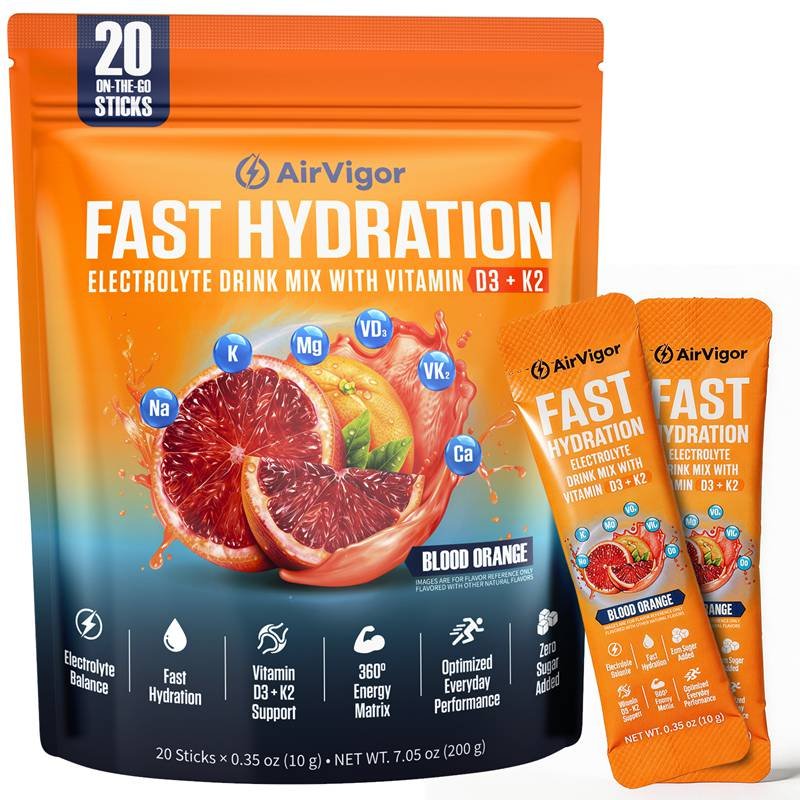
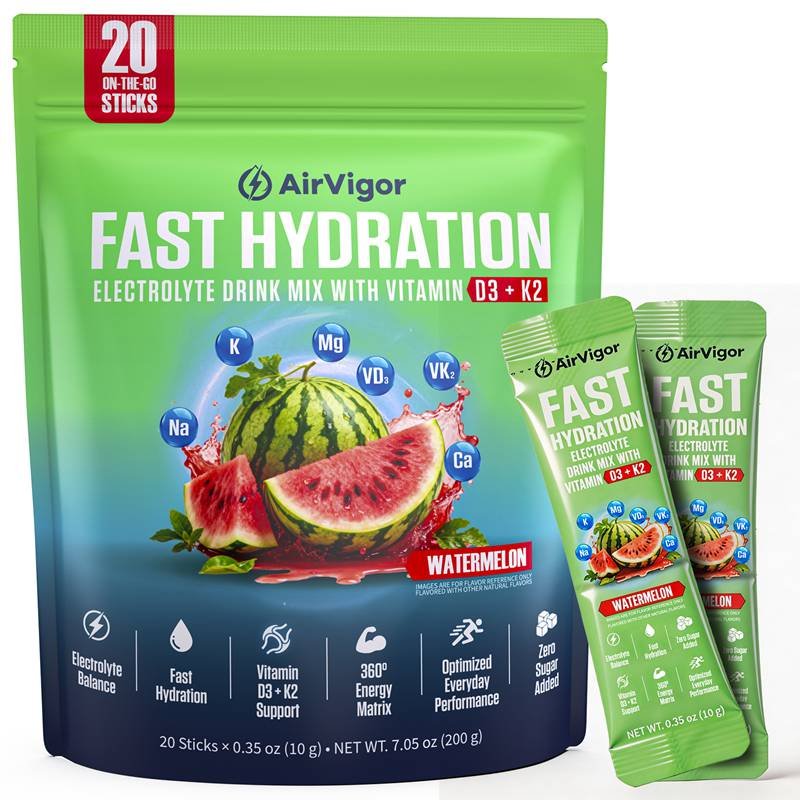
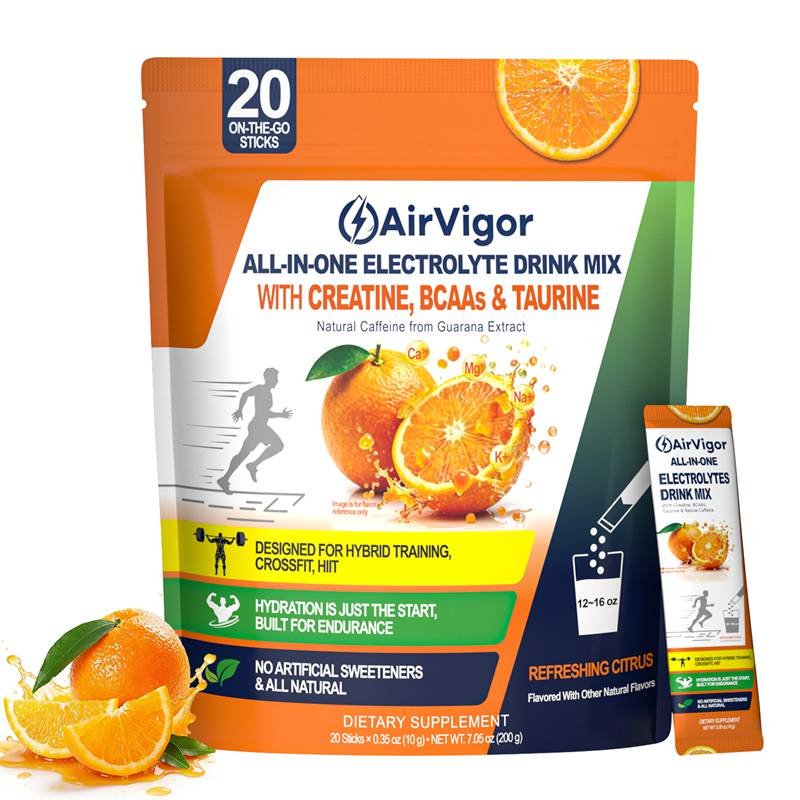
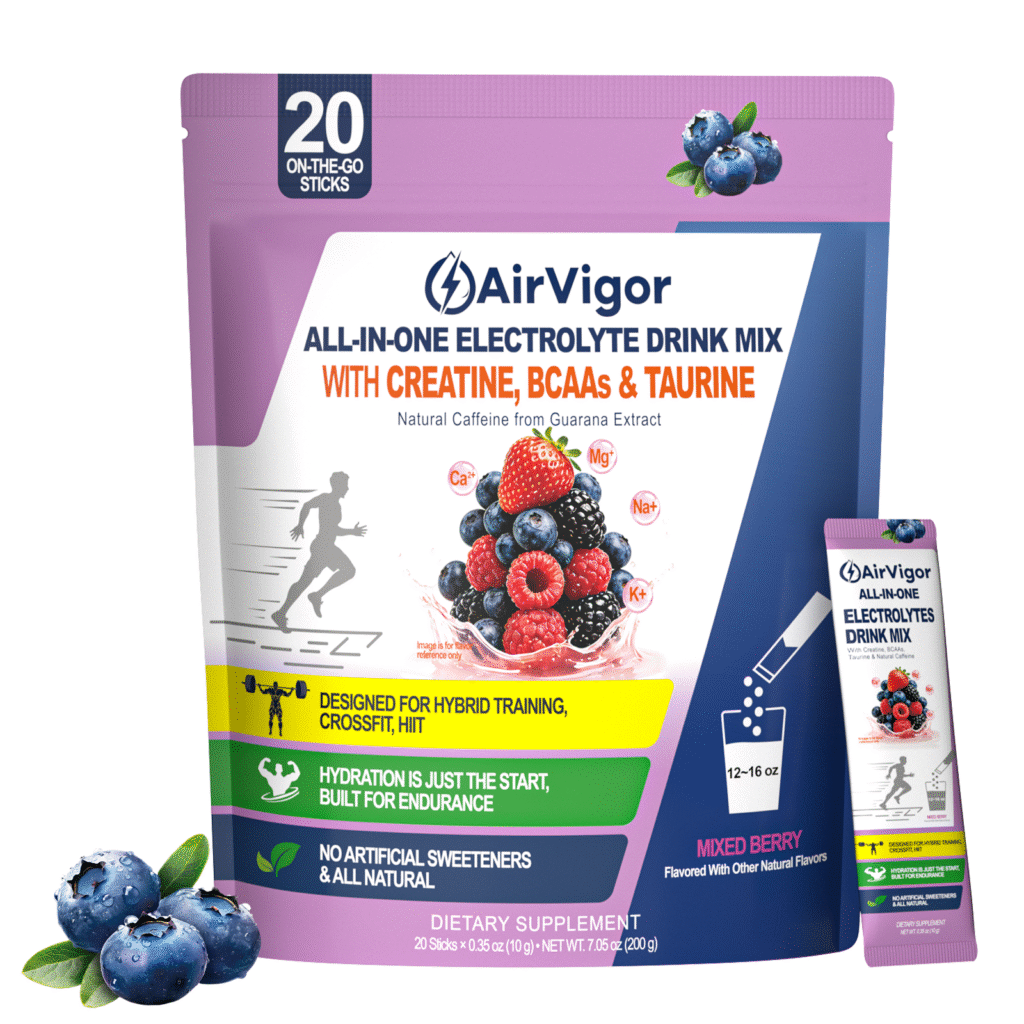
Brands like AirVigor are built around this philosophy: functional dosing, science-based formulation, and long-term usability. For people who train regularly—or brands looking to build reliable sports nutrition products—consistency, transparency, and control matter more than hype. And that’s where modern sports nutrition is ultimately heading.