Skip to content

Heat exhaustion rarely begins with dramatic symptoms. More often, it develops quietly as rising temperatures, prolonged sweating, and subtle mineral imbalance start to affect how the body performs. Many people first notice it as unusual fatigue, slower recovery, reduced focus, or a sudden drop in workout rhythm during hot conditions. These early changes are easy to overlook, yet they signal that hydration efficiency is already declining.
Electrolytes play a central role in preventing this gradual breakdown. By supporting fluid distribution, stabilizing nerve and muscle function, and improving the body’s natural cooling response, balanced electrolyte intake helps maintain physical resilience during heat exposure. When hydration strategies address both water and mineral loss, individuals are more likely to sustain energy levels, training consistency, and daily comfort in demanding environments.
Whether during summer workouts, outdoor labor, travel in hot climates, or long active days, structured electrolyte support can make the difference between steady performance and unexpected fatigue. Understanding how and when to use electrolytes effectively allows people to stay proactive rather than reactive as temperatures rise.
What Is Heat Exhaustion Risk
Heat exhaustion risk rises when the body can no longer keep fluid balance, circulation, and temperature regulation working smoothly under heat stress. It is not only about being in a hot place. It is about the combination of heat, sweat loss, poor fluid replacement, and falling mineral levels. When those factors build up together, the body starts losing efficiency long before a true emergency happens.
Why heat exhaustion happens in summer
Summer creates a difficult environment for the human body because heat is no longer just outside the body. It starts affecting what happens inside it. When air temperature rises, especially in humid conditions, the body has a harder time releasing heat. Normally, the body cools itself through sweating and evaporation. But when the surrounding air is already warm or damp, that system becomes less efficient. The body responds by sweating more, and that is where the real problem often begins.
Sweat is not just water. It also contains important minerals, especially sodium and chloride, along with smaller amounts of potassium, magnesium, and calcium. If a person keeps sweating and only replaces part of what is lost, body fluid balance starts slipping. Blood volume can fall. Heart rate may rise to compensate. Muscles may begin to feel less responsive. Focus can become weaker. What feels like “summer tiredness” is often a measurable decline in physical stability.
For many customers, this is the most important point: drinking more water is not always enough. Plain water helps, but when sweating is heavy, hydration quality matters as much as hydration volume. A person can drink repeatedly and still feel worn down if mineral replacement is too low. That is one reason people often say they feel “washed out,” “drained,” or “still thirsty” even after drinking.
The risk becomes more obvious when we look at the common situations that trigger it. These include:
- outdoor running in midday heat
- CrossFit, HIIT, cycling, or long gym sessions in hot conditions
- physical jobs such as delivery, construction, landscaping, warehouse work, and factory work
- travel days with long walking distance, delayed meals, and irregular hydration
- beach days, hiking, camping, and amusement park trips
- hot yoga, indoor spin classes, and poorly ventilated workout rooms
Why summer conditions can make fluid loss harder to manage:
| Factor | What Happens in the Body | Why Risk Goes Up |
|---|---|---|
| High temperature | More body heat must be released | Sweating increases quickly |
| High humidity | Sweat evaporates less efficiently | Cooling becomes less effective |
| Long exposure time | Fluid loss accumulates hour by hour | Small deficits become larger |
| Heavy activity | Muscles generate more internal heat | Sweat rate rises further |
| Inadequate electrolyte intake | Mineral balance drops | Water retention and muscle function suffer |
| Delayed drinking | Thirst lags behind true need | Deficit grows before action is taken |
For customers choosing hydration products, this is where formulation starts to matter. A well-designed electrolyte powder is not just about taste. It needs to dissolve well, be easy to carry, and provide a practical mineral structure that actually fits sweaty, high-output situations. If a drink is too sugary, too heavy, or difficult on the stomach, many people stop using it consistently. Consistency is what turns a hydration product from a nice idea into real prevention.
Are heat exhaustion symptoms easy to miss
Yes, very easy. That is one reason heat exhaustion keeps catching people off guard. Early signs are often subtle and easy to confuse with normal fatigue, stress, overtraining, poor sleep, or even just a bad mood. A person does not need to collapse to be having a real heat-related problem. In many cases, the body sends smaller warning signals first.
These early signs often include:
- unusual fatigue during routine effort
- headache or pressure in the head
- light dizziness when standing or moving quickly
- reduced focus or slower reactions
- muscle tightness, twitching, or cramp tendency
- feeling thirsty but not fully satisfied after drinking
- heavy legs or sudden drop in workout pace
- mild nausea or reduced appetite in the heat
- irritability and lower heat tolerance
What makes these signs tricky is that each one can seem minor on its own. But together, they often point to the same underlying issue: the body is losing control of fluid and mineral balance.
From a customer standpoint, one of the most frustrating experiences is feeling like hydration “isn’t working.” Someone drinks water during a workout or hot workday, but still feels tired, weak, or foggy. This is often because water replacement and electrolyte replacement are out of sync. Sodium helps the body regulate fluid distribution outside cells, and potassium helps support balance inside cells. If both sides are not managed well, hydration can feel incomplete.
This is especially relevant for people who sweat heavily. Some individuals lose visibly salty sweat, notice white salt marks on clothes or hats, or feel that they dehydrate much faster than others around them. Those people often need a more intentional hydration plan, not just more water.
How early heat stress can present in daily life:
| Early Sign | What It May Mean | What Many People Mistake It For |
|---|---|---|
| Headache | Falling fluid balance or rising heat load | Stress or lack of sleep |
| Muscle heaviness | Electrolyte loss and reduced circulation efficiency | Hard training or soreness |
| Dizziness | Lower blood volume or overheating | Standing too fast |
| Poor concentration | Heat strain affecting nervous system function | Mental fatigue |
| Persistent thirst | Water and mineral replacement mismatch | “I just need another drink” |
| Nausea | Heat load building faster than recovery | Stomach sensitivity |
For readers and customers, the practical takeaway is simple: do not wait for severe symptoms before taking hydration seriously. Prevention works best when it starts early. A smart electrolyte routine is not only for extreme athletes. It can also benefit people who want to avoid the slow decline that often ruins performance, comfort, and productivity in hot environments.
Who faces higher heat exhaustion risk
Heat exhaustion does not affect all people equally. Some groups face much higher risk because of how often they sweat, how long they stay in hot environments, how intense their physical demand is, or how little control they have over hydration timing. Knowing which group a customer fits into makes it much easier to choose the right hydration strategy.
The highest-risk groups often include:
- endurance athletes
- CrossFit and HIIT participants
- outdoor labor workers
- delivery drivers and warehouse teams
- hikers, campers, and long-distance walkers
- travelers in hot climates
- people returning to exercise after long inactivity
- individuals who naturally sweat heavily
- people who dislike sweet drinks and therefore underdrink during activity
Athletes are an obvious example, but not the only one. A runner, cyclist, or gym user may lose large amounts of sweat in an hour. But a roofer, landscaper, or warehouse worker can face repeated heat exposure over many hours, sometimes with fewer chances to rehydrate properly. In some cases, the risk is higher because the person cannot pause when symptoms first appear.
Travelers are also frequently overlooked. Long walks, airport transfers, hot city streets, delayed meals, alcohol intake, and poor sleep can all combine to raise dehydration risk. These people may not think of themselves as needing electrolyte support, but many end up in exactly the same fluid-loss situation as someone doing light to moderate exercise.
Here is a simple comparison:
| Group | Main Risk Pattern | Why Electrolytes Matter |
|---|---|---|
| Runners and cyclists | Long-duration sweat loss | Support endurance and hydration retention |
| CrossFit and HIIT users | Intense sweating in short periods | Help maintain output and reduce sudden drop-off |
| Outdoor workers | Multi-hour heat exposure | Support steady hydration through long shifts |
| Travelers | Irregular intake and hidden dehydration | Help restore balance quickly and conveniently |
| Casual summer exercisers | Underestimating sweat loss | Make hydration more structured and reliable |
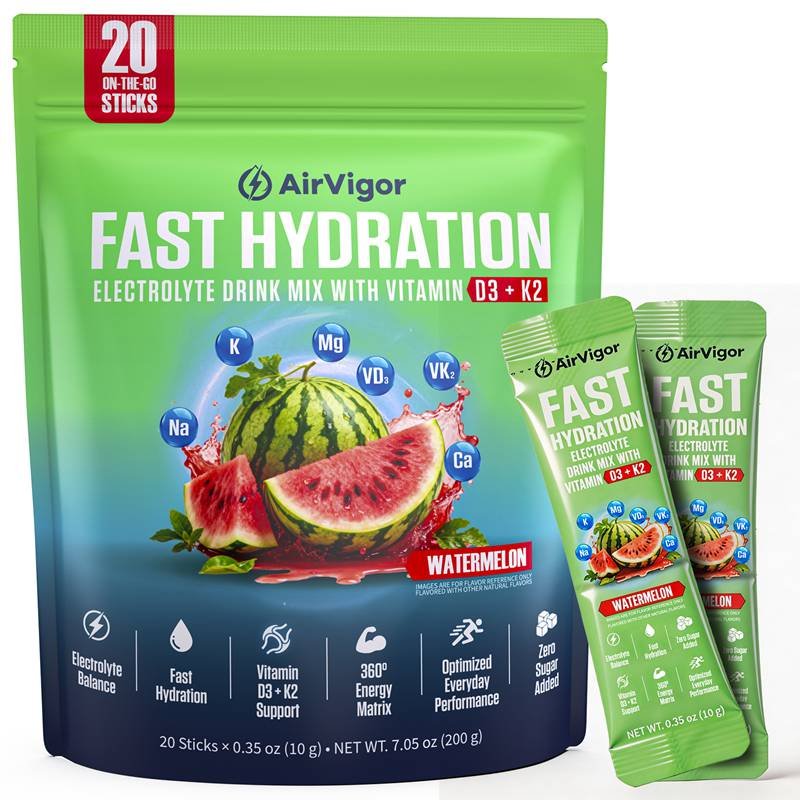
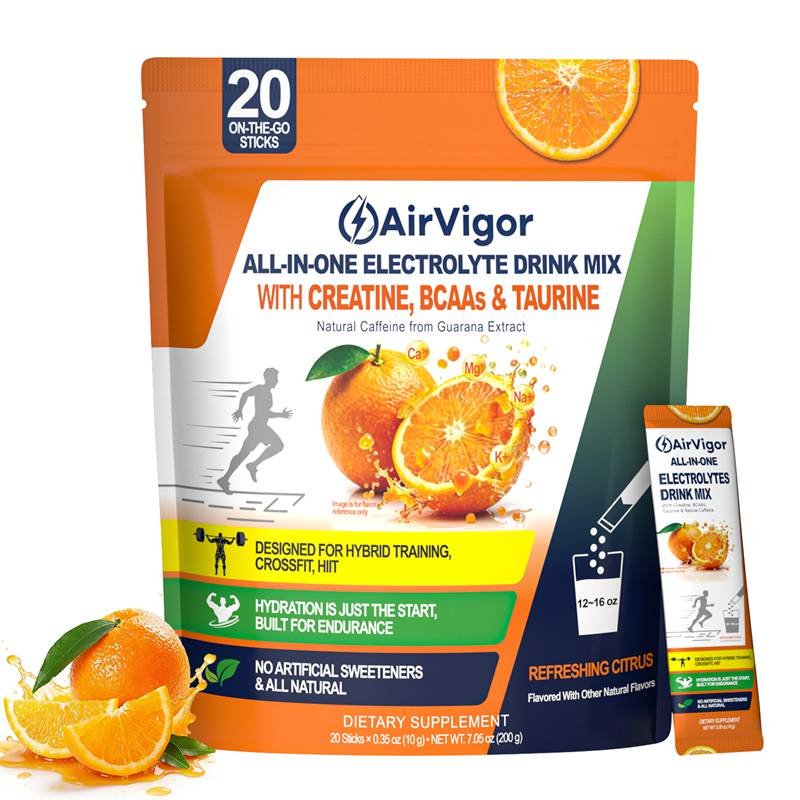
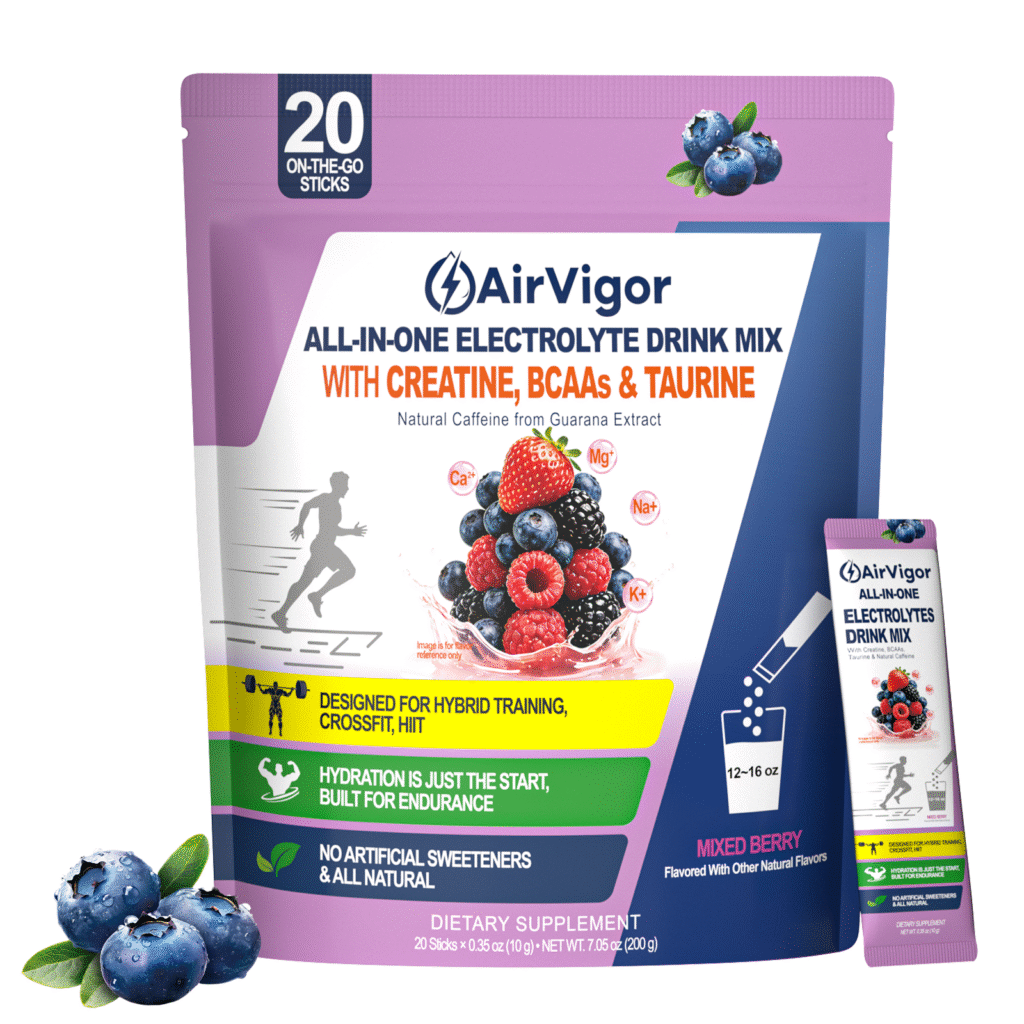
For a brand like AirVigor, this matters because customers do not all come from the same use case. Some want better workout performance. Some want practical summer hydration. Some want a convenient stick pack they can take to work, the gym, hiking trails, or flights. The best article content should speak to all of them clearly. People buy when they recognize themselves in the problem and feel the solution fits their daily routine.
How Electrolytes Reduce Heat Exhaustion
Electrolytes help reduce heat exhaustion by making hydration more effective at the point where the body actually needs it: inside temperature regulation, circulation, muscle control, and nerve signaling. In plain terms, they help the body use water better under heat stress. That matters because heat exhaustion is rarely caused by “not drinking anything.” More often, it is caused by not replacing the right things in the right proportion over time.
How electrolytes support body cooling
The body cools itself mainly through sweat. But sweating only works well when fluid balance is still strong enough to support it. If dehydration builds, the body starts working with less circulating fluid, and cooling becomes less efficient. That means a person can feel hotter, tire faster, and struggle more, even if they are still sweating.
Sodium is especially important here. It helps regulate extracellular fluid balance, which affects blood volume and overall hydration stability. When sodium intake is too low compared with sweat loss, the body may not hold onto consumed fluid as effectively. This can make plain water feel less satisfying during hot activity, especially for heavy sweaters.
Potassium also plays a key role, especially inside cells. It helps support normal fluid balance at the cellular level and contributes to healthy muscle and nerve function. While sodium usually gets most of the attention in sports hydration, potassium matters for how the whole system performs under stress.
A practical way to think about electrolytes is this:
- water helps replace lost fluid
- sodium helps the body retain and distribute that fluid
- potassium helps support internal cell balance
- magnesium and calcium support muscle and nerve stability
That is why a balanced electrolyte formula often works better than water alone in demanding conditions. For customers, the benefit is not abstract. It shows up in ways they notice:
- less “flat” feeling during hot workouts
- fewer sudden drops in energy
- better ability to keep going during long outdoor activity
- less post-activity headache and heat fatigue
- more stable performance from start to finish
Practical value of each major electrolyte:
| Electrolyte | Main Function in Heat | What Customers Often Notice |
|---|---|---|
| Sodium | Supports fluid retention and sweat balance | Better hydration feel, less washed-out feeling |
| Potassium | Supports cellular fluid balance and muscle function | Less heaviness, better movement quality |
| Chloride | Helps fluid balance and acid-base support | Better overall hydration stability |
| Magnesium | Supports muscle and energy systems | Less cramp tendency and tension |
| Calcium | Supports muscle contraction and nerve signaling | Smoother physical response under fatigue |
For product choice, this is why customers increasingly look for formulas that are not overloaded with sugar, do not feel syrupy, and still provide meaningful electrolyte support. A product that tastes clean, dissolves quickly, and fits a real workout bag or workday routine is usually more likely to be used consistently.
Do electrolytes improve sweat balance
Yes, and this is one of the biggest reasons they matter in heat exhaustion prevention. Sweat balance is not only about how much you sweat. It is about what leaves the body in that sweat, how quickly you replace it, and whether your hydration plan is keeping up with your personal loss pattern.
People do not all sweat the same way. Some sweat lightly. Some sweat heavily even at moderate intensity. Some lose more sodium than others. This is why one person can finish a hot workout feeling fine while another person doing similar work feels destroyed. Their sweat loss pattern may be completely different.
A practical sweat-loss range many active adults experience is around:
| Sweat Rate | Approximate Fluid Loss |
|---|---|
| Light sweater | 0.4–0.8 L per hour |
| Moderate sweater | 0.8–1.2 L per hour |
| Heavy sweater | 1.2–2.0+ L per hour |
If that loss continues for one to two hours, the gap becomes meaningful very quickly. And if sodium replacement is poor, plain water alone can leave the person feeling under-recovered. This is where customers often say things like:
- “I drank a lot, but still felt depleted.”
- “I finished the workout but crashed right after.”
- “I was thirsty again almost immediately.”
- “I felt weak even though I had water with me.”
These are not just comfort issues. They are signs that sweat replacement may be incomplete.
Electrolytes help improve sweat balance by making replacement more specific. Instead of just adding fluid, they help rebuild part of what sweat took away. For people who train in heat, work outdoors, travel often, or regularly sweat through clothing, this makes hydration more targeted and more useful.
This is also where convenience matters. A hydration solution that lives in a large tub at home is less useful if the actual need happens at the gym, on a hike, during a work shift, or in transit. Single-serve stick packs are popular for a reason: they turn hydration planning into something people can actually follow.
Which electrolytes matter for heat exhaustion
Not all electrolytes play the same role, and customers are often more confident when they understand which ones matter most and why. For heat exhaustion prevention, sodium is the first mineral most people should think about because it is the main electrolyte lost in sweat and a key factor in fluid balance. If sodium replacement is ignored, hydration often feels incomplete during heavy sweating.
Potassium comes next. It works with sodium but serves a different purpose. Potassium supports balance inside cells and plays an important role in muscle contraction and nerve signaling. When people talk about feeling weak, tight, or less coordinated after heavy sweating, potassium is part of that picture.
Magnesium and calcium are also worth attention. Their losses in sweat are smaller, but they still matter for muscle rhythm, nerve function, and how the body handles repeated physical stress. They are especially relevant for people who train often, work long hours in heat, or notice cramping and tension during recovery.
A simple ranking for real-world heat support looks like this:
| Priority | Electrolyte | Why It Matters Most |
|---|---|---|
| 1 | Sodium | Main sweat-loss mineral, supports fluid retention |
| 2 | Potassium | Supports muscle and cellular fluid balance |
| 3 | Chloride | Works with sodium in hydration regulation |
| 4 | Magnesium | Supports muscle relaxation and energy processes |
| 5 | Calcium | Supports contraction and nerve communication |
For customers, the key is not chasing the highest possible number of every mineral. It is choosing a formula that makes sense for the use case. A daily office hydration product, a hot-weather running mix, and a high-sweat training formula may not need exactly the same structure. This is why serious brands stand out when they focus on formulation logic, clear usage guidance, portability, and consistent product quality.
That is also where AirVigor has a strong advantage as both a supplement brand and manufacturer. Customers are not only looking for a generic electrolyte drink. Many are looking for a product they can trust to perform consistently across training, work, travel, and daily life. Others are looking beyond one-time purchase and want to source stable branded products or inquire about custom development. In both cases, a strong electrolyte product starts with one thing: the formula has to fit the real conditions people actually live and sweat in.

When To Use Electrolytes For Heat Exhaustion
Using electrolytes at the right time is often more important than simply using them in large amounts. Heat exhaustion usually develops through gradual fluid and mineral imbalance rather than sudden collapse. This means prevention works best when hydration strategies are proactive and structured. Customers who time electrolyte intake correctly often report more stable energy levels, better workout consistency, and fewer post-heat fatigue symptoms.
Electrolytes before heat exposure
Taking electrolytes before entering a hot environment helps prepare the body’s hydration system in advance. This is particularly important because thirst is not always an early or reliable signal. Many people begin sweating heavily long before they feel the need to drink. By the time thirst becomes strong, a measurable fluid deficit may already exist.
Pre-hydration with electrolytes can support better fluid distribution and improve how efficiently the body manages rising temperature. Athletes who consume electrolyte drinks 20–40 minutes before training often experience a smoother warm-up phase and less abrupt energy drop during intense intervals. Outdoor workers starting a long shift in the sun can also benefit from beginning the day with structured hydration rather than relying on reactive drinking.
A practical guideline for customers is:
- take electrolytes before morning workouts in hot seasons
- hydrate before outdoor travel or long walking days
- drink before physically demanding work shifts
- prepare before hiking, cycling, or beach activities
- support hydration before indoor training in poorly ventilated gyms
How pre-hydration influences physical stability:
| Timing Strategy | Body Response | Practical Benefit |
|---|---|---|
| Electrolytes before heat exposure | Improved plasma fluid balance | Less early fatigue |
| Early sodium intake | Better fluid retention efficiency | Reduced rapid thirst |
| Balanced mineral levels | More stable nerve and muscle signaling | Smoother performance start |
Customers often describe this stage as “feeling ready” rather than “playing catch-up.” Prevention becomes easier when hydration begins before heavy sweating starts.
Electrolytes during intense sweating
During activity, electrolyte intake becomes a tool for maintaining performance stability rather than simply avoiding collapse. Continuous sweating leads to progressive mineral loss. When replacement does not match that loss, the body may experience declining endurance, reduced coordination, and rising perceived effort.
Electrolytes taken during training or heat exposure can help maintain circulation efficiency and sustain muscle output. This is especially relevant for workouts lasting longer than 45–60 minutes or for occupations involving repetitive physical effort in hot conditions. For many users, the goal is not maximum performance but consistent performance — being able to maintain rhythm rather than feeling a sudden drop halfway through.
Common real-life scenarios where mid-activity electrolytes are valuable include:
- long runs or cycling sessions in summer
- high-volume strength training sessions
- construction or landscaping shifts
- warehouse loading work
- hot yoga or indoor endurance classes
- outdoor sports tournaments or competitions
Customers frequently report the following differences when electrolytes are used consistently during activity:
| Without Electrolytes | With Electrolytes |
|---|---|
| Rapid fatigue accumulation | More gradual energy decline |
| Heavy muscle sensation | Improved movement fluidity |
| Sudden performance drop | Greater endurance consistency |
| Persistent thirst | More satisfying hydration |
This stage highlights an important psychological factor. Hydration routines that feel simple and convenient are more likely to be followed. Portable stick packs or ready-mix formats often support better adherence than complicated routines.
Electrolytes after heat exhaustion signs
Post-activity electrolyte intake plays a recovery-focused role. Even when severe heat illness is avoided, mild to moderate heat fatigue can still disrupt daily function. People may feel drained, mentally foggy, or physically tight hours after heat exposure. Structured electrolyte recovery helps restore balance more efficiently than passive rest alone.
Rehydration strategies after heat exposure should focus on gradual fluid restoration combined with mineral replacement. Drinking large volumes of plain water too quickly may dilute electrolyte levels further, leading to a continued feeling of imbalance. A more controlled approach supports better recovery comfort and readiness for the next activity cycle.
Customers often benefit from:
- taking electrolytes within 30–60 minutes after heavy sweating
- combining hydration with light meals or snacks
- spacing fluid intake across several hours
- continuing hydration into the evening during extreme heat days
Recovery benefits:
| Recovery Approach | Expected Outcome |
|---|---|
| Balanced electrolyte rehydration | Reduced headache and fatigue risk |
| Gradual fluid intake | Improved stomach comfort |
| Post-heat mineral support | Faster return of normal energy levels |
For many customers, this phase determines whether the next day feels manageable or overwhelming. Good recovery hydration can influence sleep quality, muscle comfort, and next-day performance readiness.
How Much Electrolytes Prevent Heat Exhaustion
Electrolyte needs vary widely between individuals. Sweat rate, body size, activity intensity, climate conditions, and overall diet all influence optimal intake levels. Instead of searching for a single universal dosage, customers benefit more from understanding how to adjust electrolyte use based on real-world conditions.
How electrolyte needs change in heat
Hot weather increases total fluid turnover and accelerates mineral loss. Even people with moderate activity levels may require higher electrolyte intake during summer months compared with cooler seasons. As ambient temperature rises, the body begins sweating earlier and for longer durations, leading to cumulative mineral deficits.
For example, a person who loses approximately 0.8 liters of sweat per hour in mild conditions may lose over 1.2 liters per hour during peak summer heat. Over a two-hour activity period, this difference can translate into a significant increase in sodium and potassium loss.
Here is a simplified comparison:
| Condition | Sweat Rate Range | Hydration Strategy |
|---|---|---|
| Mild temperature exercise | 0.5–0.8 L/hour | Water plus light electrolyte support |
| Hot weather training | 0.8–1.5 L/hour | Structured electrolyte intake recommended |
| Extreme heat exposure | 1.2–2.0+ L/hour | Frequent electrolyte hydration essential |
Customers who notice salt residue on clothing, frequent muscle tightness, or rapid fatigue often fall into higher sweat-loss categories and may require more consistent electrolyte planning.
Are high-sodium electrolytes necessary
Not every user needs extremely high sodium intake. The right balance depends on sweat composition, dietary habits, and total activity load. For individuals following low-sodium diets or those engaging in prolonged endurance sessions, targeted electrolyte supplementation can help maintain performance stability.
However, excessively high sodium formulas may feel too strong for casual exercisers or daily hydration users. Many customers prefer moderate sodium levels combined with supportive minerals and lower sugar content. This balance allows hydration routines to remain comfortable and sustainable.
Typical practical ranges customers may consider:
| Activity Level | Suggested Sodium Support Pattern |
|---|---|
| Light daily hydration | Low to moderate sodium electrolyte drink |
| Gym workouts under 60 min | Moderate sodium electrolyte intake |
| Endurance training or heavy sweating | Higher sodium electrolyte formulas |
The key message is flexibility. Hydration solutions should adapt to lifestyle rather than forcing lifestyle adaptation.
Do low-calorie electrolytes work better
Low-calorie electrolyte formulas have become increasingly popular among fitness-focused consumers. Many users prefer hydration products that do not add unnecessary sugar or disrupt nutrition planning. Reduced-calorie options can support frequent use without contributing to excessive energy intake.
From a physiological standpoint, small amounts of carbohydrate can enhance fluid absorption, but large sugar loads may slow gastric comfort during intense activity. This is why modern electrolyte formulations often aim for balanced hydration efficiency with lighter taste profiles.
Customers often report benefits such as:
- easier stomach comfort during training
- reduced sweetness fatigue during long sessions
- better compatibility with weight-management goals
- more consistent daily hydration habits
The comparison below shows typical user preferences:
| Formula Type | Customer Experience |
|---|---|
| High sugar sports drinks | Quick energy but potential heaviness |
| Low-calorie electrolyte mix | Cleaner hydration feel and flexibility |
| Balanced electrolyte-carb blend | Performance support for endurance events |
Choosing the right electrolyte intake level is ultimately about matching product structure with real daily demands. For customers evaluating hydration supplements, clarity of dosing guidance, ingredient transparency, and practical portability often influence long-term satisfaction more than marketing claims.
Who Needs Electrolytes Against Heat Exhaustion
Electrolytes are not only relevant for elite athletes or extreme endurance events. In modern lifestyles, heat exposure and dehydration risk appear in many different daily scenarios. Understanding who benefits most from electrolyte support helps customers make more confident hydration decisions and avoid unnecessary fatigue, productivity loss, or performance instability during hot conditions.
Athletes needing electrolytes in heat
Athletes represent one of the most visible groups affected by heat exhaustion risk because physical exertion increases both internal heat production and sweat rate. Whether training for strength, endurance, or hybrid performance, consistent electrolyte intake can help stabilize hydration efficiency and maintain training quality.
In practical terms, athletes often experience noticeable performance changes when hydration strategies improve. These changes may include more stable pacing during long runs, fewer sudden drops in strength output during high-volume training sessions, and improved recovery comfort after intense sweating.
Typical heat-related training challenges include:
- decreased endurance capacity in summer sessions
- increased perception of effort during routine workouts
- delayed recovery between training days
- muscle tightness or mild cramping after prolonged sweating
- mental fatigue affecting workout focus
A structured electrolyte routine may help address these issues by supporting fluid retention, neuromuscular coordination, and cardiovascular stability.
Common athlete benefits:
| Training Situation | Hydration Challenge | Electrolyte Support Benefit |
|---|---|---|
| Long-distance running | High sweat loss | Sustained pacing stability |
| CrossFit or HIIT | Rapid fluid depletion | Improved power consistency |
| Strength training in heat | Reduced circulation efficiency | Better endurance between sets |
| Indoor endurance classes | Limited cooling airflow | Reduced overheating discomfort |
For many fitness-focused customers, the value of electrolytes is not about extreme performance gains. It is about making training feel more predictable and manageable in challenging environmental conditions.
Outdoor workers preventing heat exhaustion
Outdoor workers face prolonged exposure to heat stress, often with fewer opportunities for structured hydration breaks. Unlike athletes who may plan hydration around training sessions, workers such as construction teams, delivery drivers, agricultural staff, and warehouse personnel may experience cumulative fluid loss over many hours.
This prolonged exposure can lead to progressive fatigue, reduced alertness, slower reaction time, and increased accident risk. Maintaining electrolyte balance becomes not only a comfort factor but also a safety consideration.
Common heat-related workplace concerns include:
- persistent tiredness late in the shift
- headaches during midday heat peaks
- reduced concentration affecting task performance
- increased muscle stiffness after repetitive physical effort
- dehydration-related productivity decline
Electrolyte intake during work shifts can help support more stable hydration levels and improve overall work tolerance. Convenient formats such as single-serve stick packs or ready-to-mix powders are especially valuable in occupational settings where carrying bulky hydration solutions is impractical.
A simple hydration timing model for outdoor workers might look like this:
| Work Phase | Hydration Strategy |
|---|---|
| Start of shift | Electrolyte drink before heat exposure |
| Mid-morning | Small fluid intake with mineral support |
| Peak heat hours | Frequent electrolyte hydration intervals |
| Post-shift | Gradual recovery hydration |
Customers working in physically demanding environments often report improved comfort and sustained energy when hydration routines become structured rather than reactive.
Travelers using electrolytes in hot climates
Travelers are one of the most underestimated groups when it comes to heat exhaustion risk. Tourism activities frequently involve long walking distances, unfamiliar climates, irregular meal schedules, and inconsistent fluid intake. Air travel itself can contribute to mild dehydration due to cabin humidity levels.
These combined factors can leave travelers feeling exhausted, lightheaded, or physically drained even when daily activity levels appear moderate. Electrolyte support can help restore hydration balance more quickly and maintain travel enjoyment.
Typical travel-related dehydration triggers include:
- sightseeing in high-temperature destinations
- delayed hydration during airport transit
- alcohol consumption combined with sun exposure
- jet lag reducing appetite and fluid awareness
- outdoor excursions such as hiking, beach days, or cycling tours
A portable electrolyte solution can be particularly useful in these scenarios because it allows travelers to respond quickly to rising fatigue signals without needing specialized preparation.
Customer-reported benefits often include:
- reduced afternoon energy crashes during hot sightseeing days
- improved recovery after long walking tours
- better tolerance of humid environments
- less headache or dizziness during travel transitions
Travel hydration is not about athletic performance. It is about maintaining comfort, safety, and enjoyment throughout physically active journeys.

Choosing a Reliable Electrolyte Solution for Long-Term Heat Support
For customers evaluating electrolyte products, formulation quality and real-world usability often matter more than marketing claims. A well-designed electrolyte powder should dissolve easily, provide balanced mineral support, and fit naturally into daily routines such as gym sessions, work shifts, travel schedules, or outdoor activities.
Important decision factors many customers consider include:
- ingredient transparency and clear mineral dosing
- convenient packaging suitable for mobile lifestyles
- stable taste profile that supports consistent use
- moderate sugar levels to avoid unnecessary calorie intake
- compatibility with different activity intensities
- product reliability across different climate conditions
Brands with structured research, quality-controlled manufacturing systems, and consistent global supply chains often provide greater long-term confidence for customers who rely on hydration supplements regularly.
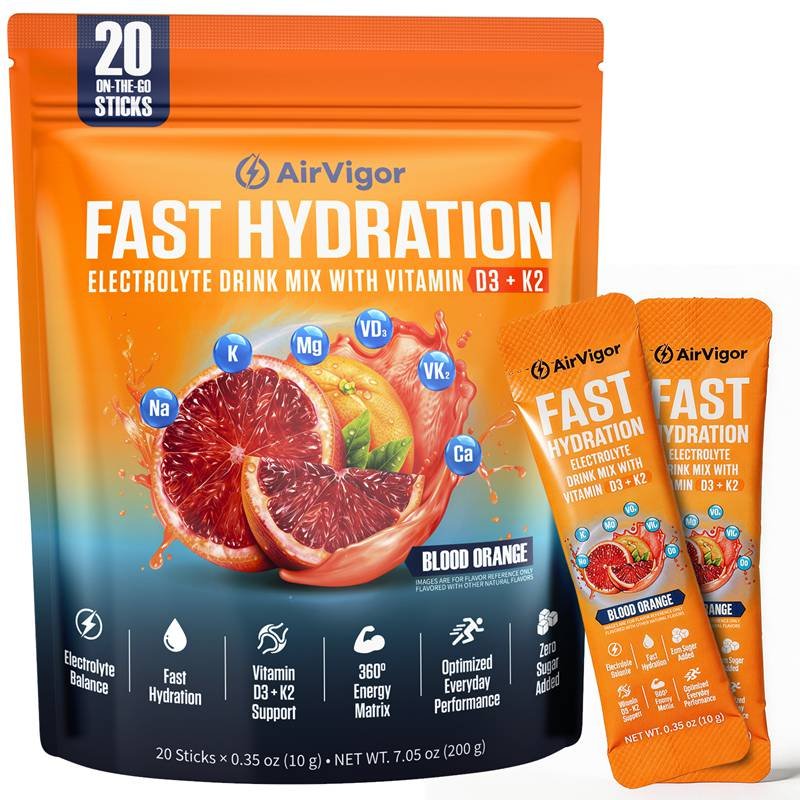
AirVigor represents this type of performance-oriented electrolyte solution. Developed through extensive nutritional research and real-world usage testing, AirVigor electrolyte formulas are designed to support hydration efficiency, endurance stability, and recovery comfort across diverse heat-exposure scenarios. Whether customers are training intensely, working outdoors, traveling frequently, or simply aiming to maintain daily energy levels during hot seasons, structured electrolyte support can play a meaningful role in overall physical resilience.
Conclusion
Heat exhaustion is often the result of small hydration gaps accumulating over time rather than a single extreme event. Maintaining fluid balance, supporting mineral replacement, and adopting consistent hydration habits can significantly improve comfort, endurance, and overall physical stability in hot environments.
Electrolyte solutions designed around real-world activity demands offer a practical way to manage these challenges. For individuals seeking reliable hydration support — whether for training, outdoor work, travel, or daily energy management — structured electrolyte intake can help sustain performance and recovery during heat exposure.
AirVigor focuses on performance-driven electrolyte formulations developed through nutritional research, quality-controlled manufacturing, and real usage feedback from active populations worldwide. Customers and business partners interested in stable supply, bulk purchasing, or customized electrolyte product development are welcome to connect with the AirVigor team to explore suitable hydration solutions for their specific needs.