Skip to content

NAD+ supplements are often presented as a direct route to more energy, slower aging, better metabolism, improved brain function, and stronger physical performance. The biological story sounds convincing because NAD+ is involved in cellular energy production, DNA repair, metabolic regulation, and stress-response pathways. The harder question is whether changing NAD+ metabolism in a laboratory test leads to improvements people can actually feel in daily life.
Human studies show that nicotinamide riboside and nicotinamide mononucleotide can raise blood NAD+ or related metabolites. However, higher NAD+ levels have not consistently improved energy, body weight, glucose control, exercise performance, cognition, or biological aging. Current evidence supports measurable biological activity and generally favorable short-term tolerability, while long-term benefits remain uncertain.
That difference matters. Consumers do not purchase a supplement because they want a better laboratory number. They want to wake up with more energy, move more comfortably, think more clearly, recover better, or maintain their health as they age. Some human trials offer promising signals, but others show that NAD+ can rise while real-world outcomes remain unchanged. Understanding that gap is the key to reading NAD+ research honestly—and to choosing a product without falling for claims that travel further than the evidence.
What Do Human Studies on NAD+ Supplements Measure?
Human studies on NAD+ supplements measure blood NAD+ levels, related metabolites, tissue responses, metabolic health, physical function, cognition, sleep, and safety. The most consistent outcome is a change in NAD+ biomarkers, while meaningful improvements in daily health remain less predictable.
Which NAD+ Supplements Are Tested in Human Studies?
Most human studies examine nicotinamide riboside and nicotinamide mononucleotide. Direct NAD+, NADH, niacinamide, and niacin also appear in research, but their absorption, metabolism, tolerability, and supporting evidence differ.
NAD+ is not a single supplement category in the same way that vitamin C is. Product labels may refer to direct NAD+, nicotinamide riboside, nicotinamide mononucleotide, NADH, nicotinamide, or nicotinic acid. All connect to NAD metabolism, but they do not enter the body through identical pathways or produce identical effects.
Nicotinamide riboside, usually abbreviated as NR, is a vitamin B3-related compound that the body can convert through NAD+ biosynthesis pathways. It has been tested in healthy adults, older adults, people with obesity, and selected clinical populations.
Nicotinamide mononucleotide, or NMN, is another NAD+ precursor. It has gained attention because it sits closer to NAD+ within the salvage pathway. Human trials have tested NMN in healthy middle-aged adults, older adults, postmenopausal women with prediabetes, amateur runners, and people with reduced physical function.
Direct oral NAD+ products are widely available, but peer-reviewed human research remains more limited. Questions remain about whether intact NAD+ survives digestion, how much reaches circulation, and whether it is absorbed directly or broken down into smaller compounds before being reused.
| Ingredient Form | Relationship to NAD+ | Human Research Depth | Main Research Question |
|---|---|---|---|
| Nicotinamide riboside | NAD+ precursor | Moderate | Can it raise NAD+ and improve metabolic or neurological outcomes? |
| Nicotinamide mononucleotide | NAD+ precursor | Moderate | Can it raise NAD+ and support physical or metabolic function? |
| Direct NAD+ | Final coenzyme | Limited | Can oral NAD+ remain stable and reach human cells? |
| NADH | Reduced form of NAD+ | Limited to moderate | Can it influence fatigue or cellular energy pathways? |
| Nicotinamide | Vitamin B3 form | Extensive general use | How efficiently does it support NAD+ without unwanted metabolic effects? |
| Nicotinic acid | Vitamin B3 form | Extensive general use | Can it support NAD+ while managing flushing and dose-related effects? |
The ingredient name on the front of a package should therefore be treated as the beginning of product evaluation, not the final answer. Consumers need to know which form is included, how much is provided, why that dose was selected, and whether the finished product has been tested for identity and stability.
How Do Human Studies Measure NAD+ Supplements?
Researchers use blood samples, metabolite testing, tissue analysis, imaging, metabolic procedures, exercise testing, and questionnaires. Each method answers a different question, and no single measurement proves that a supplement improves whole-body health.
Blood is the most common place to measure NAD+ because it can be collected repeatedly with relatively little burden. Researchers may measure whole-blood NAD+, NAD+ inside blood cells, nicotinamide metabolites, methylated breakdown products, or other compounds within the NAD metabolome.
A blood increase confirms that the intervention affected NAD+ metabolism. It does not automatically reveal what happened in the liver, skeletal muscle, brain, skin, or heart. Different tissues may absorb, synthesize, use, and recycle NAD+ differently.
More detailed trials sometimes include muscle biopsies, brain imaging, insulin-clamp procedures, mitochondrial testing, walking assessments, strength measurements, sleep questionnaires, or cognitive tests. These methods provide more useful information, but they are expensive, time-consuming, and difficult to perform in large groups.
Researchers may therefore face a trade-off. A small study can examine biology in great detail, while a larger trial may rely on less invasive measurements. Consumers should look at what was actually measured before deciding what a study proves.
For example, the following outcomes should not be treated as interchangeable:
- A rise in blood NAD+ shows biological uptake or conversion.
- Improved insulin sensitivity shows a metabolic effect.
- Faster walking speed shows a physical-function effect.
- Better memory-test performance shows a cognitive effect.
- Reduced fatigue shows a meaningful symptom change.
The strongest evidence appears when a study connects several levels: verified ingredient exposure, increased NAD+, a related tissue response, and an improvement that matters in daily life.
Who Takes NAD+ Supplements in Human Studies?
Participants include healthy adults, older adults, people with obesity, women with prediabetes, athletes, and patients with neurological or metabolic conditions. Results from one group may not apply to people with different health, age, or baseline NAD+ status.
Population selection can strongly influence a trial result. A healthy 30-year-old may have less room for improvement than a 70-year-old with reduced mobility or a person with impaired glucose regulation. A supplement may produce little visible change when the biological system is already functioning adequately.
Some NAD+ studies recruit healthy middle-aged or older adults because age-related NAD+ decline is a central research question. Other studies recruit participants with obesity or insulin resistance to examine whether raising NAD+ can improve metabolic flexibility. Neurological studies may focus on Parkinson’s disease, mild cognitive impairment, or persistent post-viral symptoms.
Sex also matters. A study in postmenopausal women with prediabetes cannot automatically be generalized to younger men, endurance athletes, or healthy adults. Hormonal status, body composition, liver fat, medication use, and baseline insulin sensitivity may all influence the response.
Lifestyle creates another layer. Sleep, diet, alcohol consumption, physical activity, calorie intake, stress, and other supplements can affect fatigue, metabolism, recovery, and NAD-related pathways. Controlled trials try to reduce these differences, but they cannot remove every real-life influence.
When reading research, consumers should ask:
- Were participants healthy or managing a medical condition?
- What was their average age?
- Were both men and women included?
- Did they have low physical function or metabolic impairment?
- Were they already taking medication?
- Was the result strongest only in one subgroup?
A result becomes more useful when the study population resembles the person considering the supplement.
How Reliable Are Human Studies on NAD+ Supplements?
The most reliable studies are randomized, placebo-controlled, adequately powered, clearly reported, and independently replicated. Many NAD+ trials remain small and short, making them useful for early evidence but insufficient for proving long-term health or longevity benefits.
Randomization helps distribute participant differences between groups. Blinding reduces expectation effects. A placebo helps researchers distinguish the supplement’s effect from normal symptom changes, lifestyle fluctuations, and the psychological impact of taking a new product.
Sample size is equally important. A trial involving 20 or 30 people may detect a large biological change, but smaller benefits or uncommon side effects may remain invisible. A positive result in a small trial can also be influenced by chance or by unusually strong responses from a few participants.
Duration determines what a study can reasonably prove. Two weeks may be enough to measure blood NAD+ changes. It is not enough to determine whether a supplement prevents age-related disease, preserves cognition for years, or remains safe during long-term daily use.
Another issue is the number of outcomes tested. A study may measure NAD+, blood pressure, glucose, lipids, sleep, grip strength, walking distance, mood, fatigue, and several inflammatory markers. When many outcomes are tested, one or two may appear statistically significant by chance.
The most convincing result is usually:
- Defined before the trial begins.
- Measured with a validated method.
- Meaningful in everyday life.
- Large enough to matter clinically.
- Repeated in another independent study.
Industry funding does not automatically invalidate research, but funding sources, author relationships, product supply, and data access should be transparent. Readers should focus on study design and reproducibility rather than assuming that one funding category makes every result reliable or unreliable.
Do Human Studies Show NAD+ Supplements Raise NAD+ Levels?
Yes. Human trials repeatedly show that NR and NMN can increase blood NAD+ or related metabolites. The response depends on ingredient form, dose, duration, baseline status, testing method, and individual metabolism. Evidence for direct oral NAD+ remains less developed.
What Do NR Human Studies Say About NAD+ Levels?
NR studies commonly report increases in blood NAD+ and related metabolites. These findings confirm biological activity, but improvements in insulin sensitivity, muscle function, fatigue, or cognition have not appeared consistently across different populations.
Nicotinamide riboside has one of the better-developed human evidence bases among commercially available NAD+ precursors. Trials in healthy middle-aged and older adults have shown that regular NR intake can raise NAD+-related markers over several weeks.
This matters because it confirms that oral NR is not simply passing through the digestive system without entering relevant metabolic pathways. The body absorbs it, processes it, and uses it within NAD+ metabolism.
The limitation is that the next step in the evidence chain is less consistent. In some studies involving adults with obesity or insulin resistance, NR raised NAD+-related metabolites but did not substantially improve insulin sensitivity, body composition, or skeletal-muscle mitochondrial function.
In older adults with mild cognitive impairment, NR increased blood NAD+ but did not produce a clear improvement in cognitive testing. Neurological studies have shown changes in brain-related NAD+ markers in selected participants, but these findings do not yet prove slower disease progression or better long-term function.
The NR evidence therefore supports a precise statement: oral NR can raise NAD+-related biomarkers in humans. It does not support a universal promise that every person will feel more energetic, think more clearly, lose weight, or age more slowly.
Individual responses may also differ. Baseline NAD+ status, age, diet, gut microbiota, genetics, metabolic health, medication use, and supplement adherence may influence how strongly a person responds.
What Do NMN Human Studies Say About NAD+ Levels?
NMN human trials also show measurable increases in blood NAD+ and related metabolites. Some studies report changes in walking, sleep, insulin sensitivity, or self-rated health, although these benefits remain less consistent than the biomarker response.
Human NMN trials have tested daily amounts ranging from relatively modest doses to more than one gram. Across several studies, blood NAD+ or related metabolites increased after regular supplementation.
One trial in healthy older men used a daily dose of 250 milligrams and reported increases in whole-blood NAD+ and associated metabolites. Preliminary physical-function signals were also observed, but the trial was too small to establish a universal performance benefit.
A dose-ranging study in healthy middle-aged adults compared several NMN amounts over approximately two months. Blood NAD+ increased across the active groups, with stronger increases in some higher-dose groups. The study also reported changes in walking distance and self-rated health measures.
These findings are encouraging, but several cautions remain. Short-term improvements in a walking test do not demonstrate long-term protection against frailty. Self-rated health can be influenced by expectations, routine changes, sleep, activity, and other lifestyle factors.
Another trial in postmenopausal women with prediabetes reported improved muscle insulin sensitivity after NMN use. The result attracted attention because it used detailed metabolic testing, but the participant group was narrow and the trial was small.
The current NMN evidence is therefore similar to the NR evidence: NAD+ elevation is reasonably well supported, while broader health benefits depend heavily on the population and outcome studied.
Do Human Studies Support Direct Oral NAD+ Supplements?
Direct oral NAD+ remains less established than NR or NMN. Researchers are still studying digestive stability, cellular uptake, breakdown products, delivery systems, and whether specialized formulations improve absorption compared with ordinary oral NAD+ products.
NAD+ is a relatively large and charged molecule. This creates questions about how easily intact NAD+ can cross the intestinal barrier and enter circulation. It may be broken down into smaller components before being absorbed and reconstructed inside cells.
That does not mean oral NAD+ is necessarily ineffective. It means the mechanism and finished-formulation evidence are not as developed as many product claims suggest.
Specialized delivery systems, including liposomal formats, liquid preparations, sublingual products, and protected formulations, are often promoted as solutions. However, the term “liposomal” alone does not prove improved bioavailability. Liposome size, composition, manufacturing method, storage conditions, oxidation control, and final-product stability all influence performance.
Consumers evaluating direct NAD+ should look beyond the ingredient name. Useful product questions include:
- How much NAD+ is present per serving?
- Was the amount verified after manufacturing?
- Was stability tested through the stated shelf life?
- Does the company have data on the finished product?
- Is the delivery system clearly explained?
- Is the formula protected from heat, light, moisture, or oxidation?
Direct NAD+ research is developing, but claims should remain narrower until peer-reviewed human trials establish absorption, dose-response relationships, tissue effects, and meaningful outcomes.
Do Higher Doses Make NAD+ Supplements Work Better?
Higher doses may produce greater blood exposure in some studies, but a larger dose does not guarantee stronger health benefits. The most useful dose is one that produces a meaningful response without unnecessary cost, side effects, or metabolic burden.
Dose-response research is essential because the relationship between intake and benefit may not be linear. A low dose may be insufficient, a moderate dose may achieve most of the biological response, and a larger dose may mainly increase metabolites or cost.
Some NMN studies have reported greater blood NAD+ increases at higher daily doses. NR studies also show that larger amounts can substantially alter NAD+-related metabolism. However, trials using high doses have not consistently produced stronger improvements in metabolism, physical function, or cognition.
Baseline status may help explain this. A person with lower NAD+ availability may respond differently from someone whose NAD+ system is already functioning well. Once the relevant pathway reaches a certain level of activity, additional precursor may produce diminishing returns.
The dose on a commercial label should therefore be judged against four questions:
| Dose Question | Why It Matters |
|---|---|
| Was this amount used in a human trial? | Confirms that the dose is not based only on laboratory or animal research |
| Was the same ingredient form studied? | NR, NMN and direct NAD+ cannot be assumed to have identical dosing |
| Was the studied population relevant? | A dose tested in older adults with disease may not apply to healthy young adults |
| Did the dose improve a clinical outcome? | Raising blood NAD+ alone does not prove a better daily result |
More is not automatically better. A transparent company should explain why a dose was selected rather than using the largest number as the main selling point.

Which NAD+ Supplement Benefits Do Human Studies Support?
Human studies support NAD+ biomarker increases more strongly than improvements in energy, metabolism, exercise, cognition, sleep, or aging. Several promising findings exist, but benefits vary by population and have not been reproduced consistently enough to support universal claims.
Do NAD+ Supplements Improve Energy in Human Studies?
NAD+ is essential for cellular energy metabolism, but cellular energy and the feeling of being energetic are different outcomes. Human trials have not shown a consistent stimulant-like or fatigue-reducing effect across healthy and clinical populations.
NAD+ helps cells transfer electrons during the conversion of carbohydrates, fats, and proteins into usable energy. This biological role is often simplified into the claim that an NAD+ supplement gives people more energy.
Daily energy is more complicated. A person’s alertness and stamina are affected by sleep quality, stress, calorie intake, hydration, anemia, thyroid function, illness, mood, medication, caffeine use, physical conditioning, and pain.
Some NAD+ studies include fatigue, vitality, mood, or self-rated wellness measures. A few report improvements in selected groups, while others find no meaningful difference from placebo.
This inconsistency does not mean the participants who felt better imagined their experience. It means the study cannot establish a reliable effect that applies broadly. Individual improvement may come from the active ingredient, the full formula, improved routine, expectation, recovery from illness, or lifestyle changes occurring during the trial.
Consumers should be especially cautious with “instant energy” claims. NR and NMN are not conventional stimulants. They do not work like caffeine, and current research does not support promising a rapid burst of alertness.
Persistent fatigue should not automatically lead to a higher NAD+ dose. Unexplained tiredness can relate to sleep apnea, iron deficiency, thyroid disease, infection, depression, medication effects, inadequate calorie intake, or other health concerns that deserve proper evaluation.
Do NAD+ Supplements Improve Metabolism in Human Studies?
Metabolic studies show mixed results. NMN improved muscle insulin sensitivity in one small trial involving women with prediabetes, while several NR trials found little change in insulin sensitivity, body composition, lipids, or mitochondrial function.
Metabolic health is one of the most studied NAD+ application areas because NAD-dependent pathways influence nutrient use, mitochondrial activity, insulin signaling, and cellular stress responses.
A widely discussed NMN trial enrolled postmenopausal women with prediabetes who were overweight or obese. After several weeks of supplementation, researchers reported improved muscle insulin sensitivity and changes in insulin-signaling pathways.
The result was meaningful because it used detailed metabolic methods rather than relying only on fasting glucose. However, the study involved a small and specific population. It cannot prove that NMN improves insulin sensitivity in healthy adults, men, younger people, or everyone with diabetes.
NR trials in adults with obesity or insulin resistance have generally produced more neutral outcomes. Blood NAD+ metabolism changed, but insulin sensitivity, body composition, lipid metabolism, or muscle mitochondrial function did not consistently improve.
These mixed results may reflect differences in ingredient, dose, duration, baseline health, tissue response, and participant selection. They may also show that raising NAD+ alone is not powerful enough to overcome major metabolic drivers such as inactivity, excess calorie intake, poor sleep, visceral fat, and genetic risk.
People managing diabetes or prediabetes should not replace evidence-based care with NAD+ supplements. Diet, physical activity, weight management, sleep, glucose monitoring, and prescribed treatment remain central.
Do NAD+ Supplements Improve Exercise Performance?
Exercise studies report occasional improvements in walking, aerobic capacity, or lower-body function, but results remain inconsistent. NAD+ precursors may support exercise-related biology, yet they do not reliably replace training, recovery, protein intake, or proper conditioning.
Several NMN trials have explored physical function in older adults. Some reported improvements in walking speed, six-minute walking distance, lower-body performance, or maintenance of physical ability.
A study combining NMN with exercise training reported better aerobic outcomes in recreational runners. However, when supplementation and structured training occur together, it becomes harder to determine how much improvement came from the supplement alone.
Other studies have been neutral. In older adults with diabetes and reduced physical performance, longer NMN supplementation did not clearly improve grip strength or walking speed.
NR studies have also failed to show consistent improvements in muscle mitochondrial capacity or whole-body exercise performance, even when NAD+-related metabolites increased.
The current evidence suggests that a benefit may be more likely in people with lower baseline function, age-related decline, or a specific metabolic limitation. Healthy and well-trained adults may have less room for improvement.
For active consumers, NAD+ supplements should be viewed as a possible supporting tool rather than a training substitute. The largest performance improvements still come from:
- Progressive resistance or endurance training.
- Adequate protein and total calorie intake.
- Sufficient sleep and recovery.
- Hydration and electrolyte balance.
- Treatment of pain, injury, anemia, or hormonal problems.
A supplement effect becomes more convincing when it improves a predefined performance measure beyond placebo and remains present after accounting for training.
Do NAD+ Supplements Support Brain Health?
Early neurological studies show that NR can alter blood or brain NAD+ markers in selected participants. However, higher NAD+ has not consistently improved memory, attention, or cognitive performance in people with mild cognitive impairment or neurological symptoms.
The brain requires substantial energy and depends on tightly regulated metabolic pathways. NAD+ is therefore relevant to neuronal function, mitochondrial activity, oxidative stress, and DNA repair.
Small studies in Parkinson’s disease have shown that NR can increase cerebral NAD+ or alter brain metabolic patterns in some participants. These findings are scientifically interesting because they suggest that oral supplementation may influence the central nervous system.
However, early-phase neurological trials are often designed to test safety, feasibility, target engagement, and dose—not long-term disease modification. A change in a brain biomarker does not prove that the supplement slows Parkinson’s progression or preserves independence.
Studies in mild cognitive impairment have reported increased blood NAD+ without clear improvement in cognitive testing. Exploratory changes in disease-related biomarkers may help researchers design future trials, but they should not be presented as evidence that NAD+ supplements prevent dementia.
Memory concerns also require careful medical evaluation. Changes in concentration or recall may relate to sleep loss, depression, medication effects, thyroid disease, vitamin deficiency, alcohol use, hearing loss, or neurological disease.
NAD+ research may eventually identify specific brain-health applications, but current evidence does not justify replacing medical assessment or proven risk-reduction strategies.
Do NAD+ Supplements Slow Aging in Human Studies?
No human trial has shown that NAD+ supplements extend lifespan or reverse aging. Studies mainly examine indirect markers such as walking ability, inflammation, sleep, metabolic health, vascular measures, or calculated biological-age scores.
NAD+ declines in some tissues with age, and animal research suggests that restoring NAD+ metabolism can influence several aging-related pathways. This has created strong interest in human supplementation.
The challenge is that aging is not a single biomarker. It involves changes in muscle mass, immunity, cardiovascular health, cognition, metabolism, hormones, cellular repair, and disease risk over many years.
Some human studies report improvements in sleep scores, walking performance, self-rated health, or biological-age calculations. These results may be useful, but they are much narrower than proving slower aging.
Biological-age tests also require careful interpretation. Different algorithms use different blood markers, DNA methylation patterns, or clinical variables. A change in one score does not automatically mean that a person will live longer or avoid age-related disease.
| Aging-Related Claim | Current Human Evidence |
|---|---|
| Raises blood NAD+ | Supported for NR and NMN |
| Improves one or more physical measures | Promising but inconsistent |
| Improves sleep in older adults | Reported in selected trials |
| Reverses biological age | Not established |
| Prevents age-related disease | Not established |
| Extends human lifespan | No direct evidence |
| Makes people visibly younger | No reliable direct evidence |
Healthy aging remains most strongly connected to exercise, sleep, adequate nutrition, tobacco avoidance, social connection, preventive care, and control of blood pressure, glucose, and cholesterol.
Are NAD+ Supplements Safe in Human Studies?
Short-term human studies generally report that NR and NMN are well tolerated at the doses tested. However, most trials last only weeks or months, so long-term safety, medication interactions, combination formulas, and use in complex medical conditions remain uncertain.
What Side Effects Do NAD+ Supplement Studies Report?
Most reported side effects are mild and may include digestive discomfort, headache, fatigue, nausea, loose stool, or sleep changes. Serious supplement-related events have not appeared consistently, but short trials cannot identify every long-term or uncommon risk.
Many NR and NMN trials report no major difference in adverse events between the active group and placebo. Laboratory monitoring often includes liver enzymes, kidney markers, blood counts, glucose, lipids, and vital signs.
The generally favorable short-term findings are reassuring, but “well tolerated” should not be translated into “risk-free.” Trials often exclude people with unstable illness, pregnancy, severe organ disease, or complicated medication regimens.
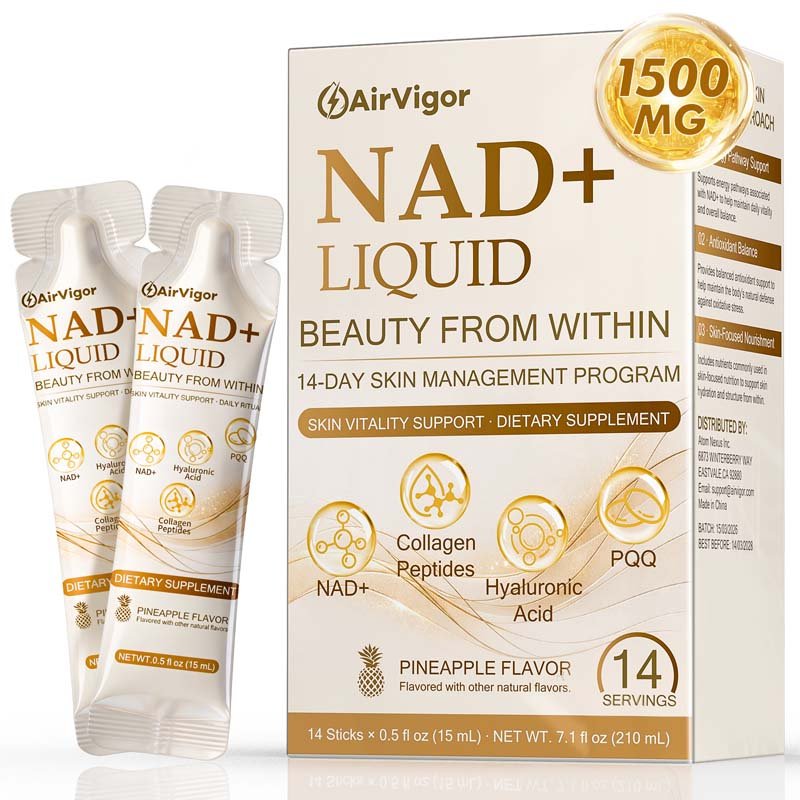
The complete formula also matters. A finished product may contain collagen, hyaluronic acid, PQQ, quercetin, vitamins, minerals, botanical extracts, sweeteners, acids, or flavoring ingredients. A reaction may come from one of these ingredients rather than the NAD+ component.
Niacin should be considered separately because larger doses can cause flushing and may influence liver markers, glucose, uric acid, or blood lipids. NR and NMN generally do not cause the same flushing response.
Consumers should stop use and seek advice when symptoms are severe, persistent, or unexpected. Rash, intense dizziness, palpitations, jaundice, dark urine, severe weakness, or a substantial change in glucose or blood pressure should not be treated as a normal adjustment period.
What NAD+ Supplement Doses Are Used in Human Studies?
Human trials have used NR and NMN doses ranging from a few hundred milligrams to several grams daily. These are study-specific amounts, not universal recommendations, and the highest tested dose is not automatically the most appropriate consumer dose.
NR trials have commonly tested several hundred milligrams per day, approximately 1,000 milligrams daily, and higher amounts in selected short-term safety studies.
NMN studies frequently use doses between 250 and 900 milligrams daily. Short safety trials have also tested amounts above one gram.
A clinical research dose may be chosen to study absorption, define a safety ceiling, or increase the chance of detecting a biological effect. It should not automatically be copied into everyday use.
Consumers should also distinguish total serving weight from active dose. A liquid stick may weigh several grams because it contains water, flavoring, acids, sweeteners, collagen, or other supporting ingredients. The amount of the NAD+-related ingredient may be much smaller.
A clear label should show:
- The exact NAD+-related ingredient.
- The amount per serving.
- The recommended number of servings.
- The amounts of other active ingredients.
- Any relevant allergen or dietary information.
Products that hide multiple active ingredients inside one large blend make it difficult to compare the formula with human research.
Who Should Use NAD+ Supplements Carefully?
Pregnant or breastfeeding people, children, people with liver or kidney disease, adults taking multiple medications, and patients receiving cancer treatment should seek professional guidance before using NAD+-related supplements.
Pregnancy and breastfeeding data are insufficient. An ingredient can be naturally connected to human metabolism without being automatically appropriate in concentrated supplemental doses during pregnancy.
People with liver or kidney conditions may process or eliminate metabolites differently. Medication use can also create uncertainties, especially when a product contains several active ingredients rather than one isolated precursor.
Cancer treatment requires particular caution. NAD metabolism plays roles in both healthy and malignant cells. Current human evidence is not sufficient to establish how NAD+-related supplements interact with chemotherapy, immunotherapy, radiation, or targeted treatment.
Caution does not mean that harm has been proven. It means that unsupervised use is not justified when interaction data are limited and the medical situation is complex.
People with unexplained fatigue, rapid weight change, worsening memory, severe weakness, abnormal glucose, or persistent sleep problems should also seek evaluation. A supplement should not delay diagnosis of a treatable condition.
What Long-Term NAD+ Safety Questions Remain?
The largest unanswered questions involve multi-year use, high-dose exposure, tissue-specific effects, interactions with medications, and combination products. Short-term tolerance cannot confirm safety across decades, diseases, or diverse real-world populations.
Most human studies last several weeks or a few months. This is enough to identify common short-term reactions but not rare events, gradual metabolic effects, or risks that appear after years.
Researchers still need to understand whether chronic supplementation changes methyl-group demand, nicotinamide metabolite patterns, liver processing, kidney elimination, immune signaling, or tissue-specific NAD+ regulation.
Combination formulas create additional uncertainty. A product containing several active ingredients cannot borrow all safety conclusions from a single-ingredient NR or NMN trial. The dose and interaction profile of the complete formula matter.
Product quality is also part of long-term safety. A scientifically interesting ingredient can still become a poor product when it contains the wrong dose, degraded material, microbial contamination, heavy metals, inaccurate labeling, or unstable packaging.
Reliable quality management should include raw-material identity testing, purity specifications, microbial controls, contaminant testing, fill-weight checks, seal testing, storage evaluation, and batch documentation.
How Should You Read Human Studies on NAD+ Supplements?
Start with the exact ingredient, dose, participant group, duration, and outcome. Give more weight to improvements in health or function than to biomarkers alone, and avoid treating one small positive trial as proof that every NAD+ product works.
Does Higher NAD+ Prove NAD+ Supplements Work?
Higher blood NAD+ proves that a supplement affected NAD+ metabolism. It does not prove that the person gained more energy, better glucose control, stronger muscles, clearer thinking, slower aging, or a longer life.
A biomarker can be useful without being the final goal. Blood pressure is a biomarker, but lowering it matters because it is strongly linked to cardiovascular outcomes. For NAD+, the relationship between a higher blood level and a specific health benefit is still being defined.
Several human studies demonstrate the central challenge: NAD+ rises, while fatigue, cognition, insulin sensitivity, body composition, or muscle function remains unchanged.
This does not mean the ingredient failed completely. It means the supplement achieved target engagement without establishing clinical benefit.
A complete evidence chain includes:
- The product contains the stated ingredient and dose.
- The ingredient is absorbed or converted.
- NAD+ metabolism changes.
- A relevant tissue or pathway responds.
- The person experiences a meaningful improvement.
- The improvement remains safe and sustainable over time.
Most current NAD+ studies strongly support steps two and three. Evidence becomes less consistent at steps four and five, while step six remains largely unanswered.
Which NAD+ Supplement Claims Need More Evidence?
Claims involving age reversal, lifespan extension, dementia prevention, rapid weight loss, instant energy, disease treatment, and visible skin rejuvenation require substantially more human evidence than is currently available.
Animal studies are valuable for understanding mechanisms and identifying possible applications. They cannot be transferred directly into guaranteed human outcomes. Animals differ in lifespan, metabolism, disease models, controlled environment, and dose exposure.
Skin and beauty claims also deserve careful evaluation. NAD+ biology may relate to cellular stress and energy metabolism, while collagen peptides and hyaluronic acid have separate research areas. Combining them in one formula does not automatically prove a larger or faster beauty effect.
A finished product needs to be judged by its actual ingredient amounts, formulation, stability, duration of use, and intended outcome.
Consumers should be cautious when marketing language relies heavily on phrases such as reverse aging, cellular youth, age reset, instant vitality, or biological age reversal without clearly describing the human evidence behind the claim.
Responsible product language can still be persuasive. It can explain the role of NAD+ metabolism, discuss the ingredient form, describe studied doses, and set realistic expectations without promising medical or age-reversal outcomes.
How Do You Compare NAD+ Supplements With Human Research?
Compare the exact ingredient form, disclosed dose, relevant human studies, manufacturing quality, finished-product testing, delivery format, serving cost, and realistic claims. Products should not be judged only by the largest number or most fashionable delivery system.
The first step is identifying whether the product contains NR, NMN, direct NAD+, NADH, niacinamide, or a combination.
Next, check the exact daily amount. A company cannot meaningfully reference a 500-milligram human study when its product provides an undisclosed or much smaller amount.
The research population should also match the claim. A study involving older women with prediabetes does not automatically support performance claims for young athletes. A trial measuring blood NAD+ does not prove visible skin improvement.
Delivery format should be evaluated realistically. Capsules may offer simple dose control. Powders may allow larger servings but require mixing. Liquid sticks improve convenience but need careful control of ingredient stability, pH, moisture, flavor, and packaging.
A useful comparison includes the following areas:
- Exact active dose.
- Ingredient form and source.
- Allergen and dietary information.
- Manufacturing certifications.
- Batch testing and COA availability.
- Packaging stability.
- Cost per active daily serving.
- Customer support and usage guidance.
A lower-priced product is not always better value when the dose is unclear. A premium format is not automatically superior when the delivery claims lack finished-product evidence.
What Makes an NAD+ Supplement More Trustworthy?
Trustworthy NAD+ supplements disclose ingredient amounts, use verified raw materials, follow controlled manufacturing processes, provide batch documentation, protect product stability, and avoid making health claims stronger than the supporting human evidence.
Clear labeling is the starting point. Consumers should not need to guess how much NR, NMN, direct NAD+, collagen, PQQ, quercetin, or any other active ingredient is present.
Quality systems should extend beyond attractive packaging. Raw-material identity, microbial testing, heavy-metal controls, fill accuracy, sealing, storage stability, and label verification influence the product that reaches the customer.
Trust also depends on how a company communicates uncertainty. A responsible supplement company can state that an ingredient raises NAD+ biomarkers while acknowledging that energy, weight, cognition, or aging outcomes remain under investigation.
Customer support should be able to answer practical questions about dose, storage, allergens, ingredient sourcing, batch information, and expected use.
A trustworthy product does not need to promise immediate transformation. It provides enough information for consumers to decide whether the formula, dose, format, price, and evidence match their goals.
How Does AirVigor Apply Human NAD+ Research?
AirVigor uses human NAD+ research to guide formula decisions, ingredient review, dose selection, and product communication, while avoiding claims that go beyond what current clinical evidence can support.
For AirVigor, NAD+ research is not used simply to make a formula sound more advanced. It helps answer more practical questions: Which NAD+-related ingredient has human data? Is the amount clearly disclosed? Does the delivery format support stable daily use? Are supporting ingredients included for a clear reason rather than added only to lengthen the label?
This research-led approach is combined with ingredient screening, formula verification, stability evaluation, packaging checks, and manufacturing controls. AirVigor places particular importance on clear ingredient amounts and realistic product language, especially because human studies show that raising NAD+ biomarkers does not automatically guarantee noticeable improvements in energy, metabolism, cognition, or aging.
For consumers, this means products designed around clarity, convenience, and consistent use rather than exaggerated promises. For businesses developing NAD+, healthy-aging, beauty, capsule, powder, gummy, or liquid-stick supplements, AirVigor can also support custom formulation and private-label production based on the intended audience, dosage format, ingredient direction, and market requirements.

Conclusion
Human studies provide a credible but carefully limited case for NAD+ supplements. NR and NMN can raise blood NAD+ or related metabolites, showing that these ingredients are biologically active in humans. What remains less certain is whether that increase consistently produces better energy, metabolism, physical performance, cognition, sleep, appearance, or long-term health.
The best way to evaluate an NAD+ supplement is to separate the measurable biological effect from the promised lifestyle result. Check the exact ingredient, dose, study population, duration, clinical outcome, safety data, manufacturing controls, and finished-product transparency. People with medical conditions, complex medication use, pregnancy, or active treatment should involve a qualified healthcare professional.
AirVigor develops NAD+ and broader dietary supplement products around clear formulas, verified ingredients, controlled manufacturing, stable packaging, and practical daily use. Whether consumers choose a finished AirVigor product or business partners request a customized formula, the same principle remains central: real ingredients, clear amounts, reliable quality management, and claims that respect what human research has genuinely shown.