Skip to content

Do Amino Acids for Recovery Work? What, Which, and How to Use
Most people do not search for amino acids because they want more supplement theory. They search because recovery is becoming a problem they can feel. Workouts start strong but finish weaker than expected. Soreness lasts longer. Energy feels less stable across the week. In many cases, the issue is not a lack of effort. It is that muscle repair, recovery timing, and daily nutrition are not fully supporting the body’s workload.
Amino acids matter because recovery is not just about taking a day off. It is about whether your body has the building blocks it needs to repair muscle tissue, maintain performance, and stay ready for the next session. Essential amino acids are especially important because the body cannot produce them on its own, and leucine helps activate the repair process. When protein intake is inconsistent, meals are delayed, or training frequency is high, amino acid support can make recovery more stable and easier to maintain.
That is why this topic matters to so many readers. Most people are not looking for a dramatic shortcut. They want fewer low-quality sessions, less fatigue carryover, and a recovery routine that actually fits real life. Once recovery is viewed that way, amino acids become much more practical and much easier to evaluate.
What Are Amino Acids for Recovery?
Amino acids for recovery are the core nutrients your body uses to repair muscle, restore performance, and maintain physical stability after stress. They are especially important when training frequency is high, recovery time is limited, or daily nutrition is inconsistent.
What do amino acids for recovery do?
After any form of physical stress—whether it’s strength training, running, or even long work hours—your body enters a repair phase.
During this phase, your body needs to:
- Rebuild damaged muscle fibers
- Restore strength output
- Maintain energy system balance
- Prepare for the next session
Amino acids are directly involved in all of these processes. The most important function is supporting muscle protein synthesis, which determines how effectively your body repairs itself.
Here’s how that translates into real-life outcomes:
| Situation | Without enough amino acids | With proper amino acid support |
|---|---|---|
| After workout | Muscles feel heavy longer | Recovery feels smoother |
| Next training session | Strength slightly lower | Strength more consistent |
| Weekly performance | Ups and downs | More stable output |
| Fatigue | Builds up quickly | Accumulates slower |
Most users don’t notice amino acids because of a “boost.” They notice them because: fewer bad sessions and less drop-off during the week. That’s where the real value is.
Are amino acids for recovery only for training?
No—and this is where many people misunderstand their role. Amino acids are not only for athletes. They are for any situation where your body needs recovery support.
That includes:
- Regular training
- Physically demanding jobs
- Long workdays with low energy
- Travel, jet lag, disrupted routines
- Poor or irregular eating habits
For example:
| Scenario | What happens | Why amino acids help |
|---|---|---|
| Busy workday | Energy drops, fatigue builds | Supports metabolic stability |
| Travel | Meals inconsistent | Fills nutritional gaps |
| Training | Muscle breakdown | Supports repair |
| Heat / sweating | Internal stress increases | Helps maintain balance |
A key point many customers relate to: You don’t need to be an athlete to feel “under-recovered”
If you often feel:
- tired even after rest
- slower to recover than before
- inconsistent energy across days
then recovery support—including amino acids—becomes relevant.
What makes recovery amino acids different?
Not all amino acids are equally useful for recovery, and this is where product differences matter.
There are three main types people encounter:
| Type | What it includes | Practical impact |
|---|---|---|
| Essential Amino Acids (EAAs) | 9 amino acids your body cannot produce | Complete recovery support |
| BCAAs | 3 amino acids (leucine, isoleucine, valine) | Partial support |
| Protein | Full amino acid source from food or powders | Base nutrition |
The key difference: EAAs support the full recovery process and BCAAs support only part of it This matters because recovery is not just about starting repair—it’s about finishing it.
A simple analogy:
- Leucine = turning on the repair system
- EAAs = providing materials to complete repair
If you only have the signal but not the materials, recovery is limited.
How much do amino acids actually impact recovery?
This is where many customers want clarity: “Does this really make a difference?” The answer depends on context.
Here’s a realistic comparison based on common user scenarios:
| User Type | Without Amino Acids | With Amino Acids |
|---|---|---|
| 2–3 workouts/week | Minimal difference | Slight improvement |
| 4–5 workouts/week | Noticeable fatigue buildup | More stable recovery |
| High-intensity training | Frequent drop-off | Better consistency |
| Irregular diet | Recovery gaps | More balanced support |
The biggest difference appears when:
- Training frequency increases
- Recovery time decreases
- Nutrition becomes inconsistent
This is why many users only “feel the difference” after:
- 1–2 weeks of consistent use
- Multiple training cycles
Why many people struggle with recovery
One of the biggest issues is not lack of effort—it’s incomplete recovery support.
Common patterns:
- Training is consistent
- Effort is high
- Progress feels inconsistent
This usually comes from:
- Not enough protein timing
- Missing amino acids during key windows
- Poor hydration
- Over-reliance on post-workout only strategies
A typical real-world pattern:
| Day | Performance |
|---|---|
| Monday | Strong |
| Wednesday | Slight drop |
| Friday | Noticeable fatigue |
Most people assume: “I’m just tired” But often: The recovery system is under-supported
What customers actually care about
Most users are not looking for:
- Complex formulas
- Scientific explanations
- Extreme performance claims
They care about:
- Feeling less fatigued
- Being able to repeat workouts
- Not crashing mid-session
- Recovering without overthinking
This is where amino acids fit: Not as a “performance booster” But as a consistency stabilizer
Why formulation quality matters
Two products can both say “amino acids” but perform very differently.
What actually makes the difference:
1. Complete profile vs partial
- EAAs outperform incomplete blends
2. Real dosage vs label marketing
- Underdosed products often feel ineffective
3. Usability
- Poor taste → low consistency
- Poor solubility → low usage
4. Integration into routine
- Easy formats → higher adherence
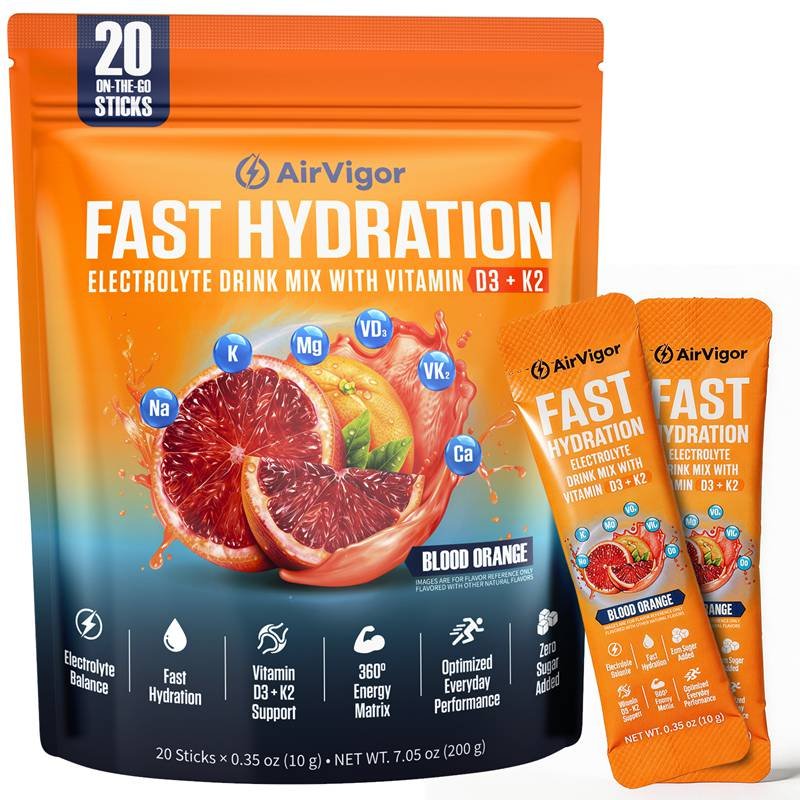
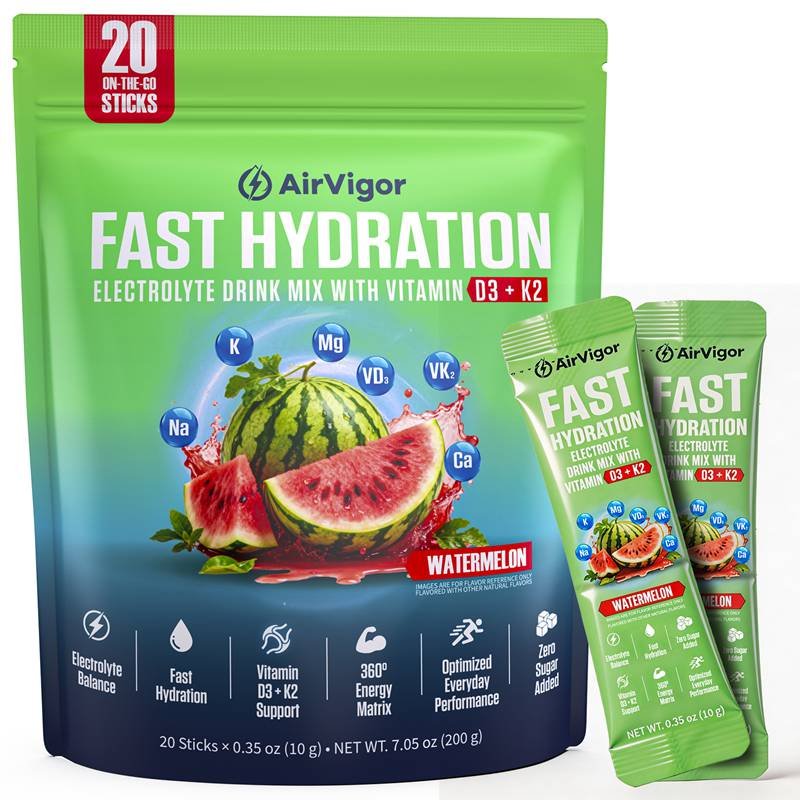
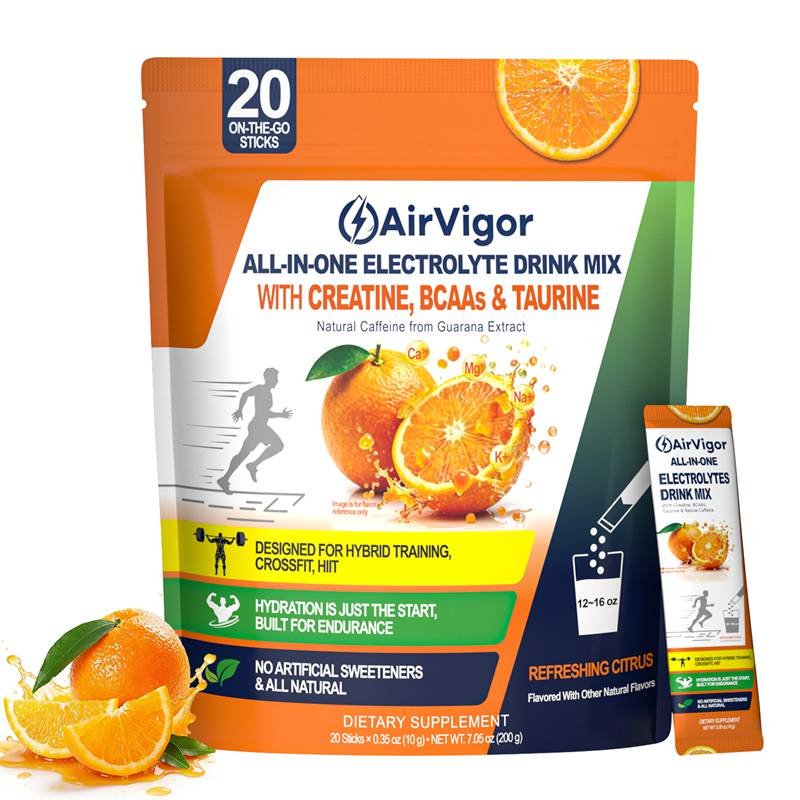
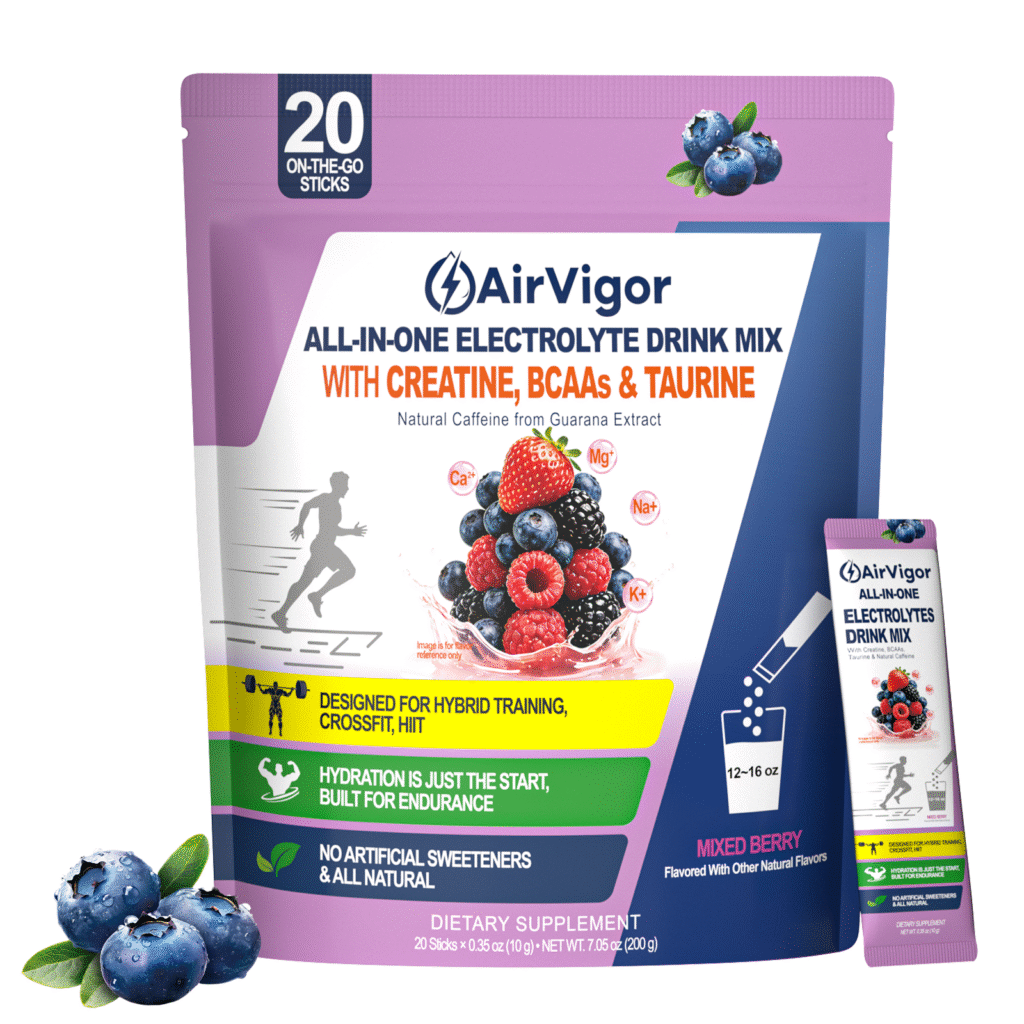
This is why brands like AirVigor focus on:
- Clear ingredient structure
- Effective dosing
- Real-world usability
Because at the end of the day: The best product is the one you can actually use every day
Which Amino Acids for Recovery Matter?
The amino acids that matter most for recovery are essential amino acids (EAAs), especially leucine. These nutrients directly influence how effectively your body repairs muscle, restores performance, and maintains consistency across repeated training or daily physical stress.
Which amino acids for recovery are essential?
Essential amino acids are the ones your body cannot produce on its own, which means they must come from food or supplements. Without a complete set of these amino acids, muscle repair becomes slower, less efficient, and often inconsistent across repeated sessions.
Your body relies on 9 essential amino acids to carry out recovery:
- Leucine
- Isoleucine
- Valine
- Lysine
- Methionine
- Threonine
- Phenylalanine
- Tryptophan
- Histidine
What makes them important is not just their presence, but their balance. In real-world use, recovery often fails not because people are missing “protein,” but because they are missing complete amino acid availability at the right time.
| Intake pattern | Recovery outcome |
|---|---|
| Complete EAAs | Full repair support |
| Partial amino intake | Slower recovery |
| Imbalanced intake | Inconsistent results |
This is why many users experience:
- soreness lasting longer than expected
- strength not fully returning
- performance fluctuating throughout the week
These are not random issues. They are often signs that the recovery process is not fully supported at the amino acid level.
Is leucine key for amino acids for recovery?
Leucine plays a central role in recovery because it activates the muscle repair process, but it does not complete it alone. Without the support of other essential amino acids, the recovery signal it triggers cannot translate into full muscle rebuilding.
- Around 2–3g leucine per serving helps activate recovery
- Lower amounts may reduce effectiveness
But focusing only on leucine creates a common problem.
A simple comparison:
| Intake type | Result |
|---|---|
| Leucine only | Signal starts, but repair is incomplete |
| Full EAA + leucine | Signal + full rebuilding support |
This explains a very common user experience:
- BCAA or leucine-heavy products → feel “okay,” but recovery still inconsistent
- Full EAA formulas → more stable recovery over time
The key takeaway is not that leucine is unimportant. It is essential. But it works best as part of a complete system, not as a standalone solution.
Are BCAAs or EAAs better for recovery?
BCAAs can support certain aspects of training, but EAAs provide a more complete solution for recovery because they include all the amino acids required for muscle repair, not just a partial set that focuses mainly on signaling.
Here is a practical comparison based on real usage:
| Factor | BCAAs | EAAs |
|---|---|---|
| Coverage | 3 amino acids | 9 amino acids |
| Recovery support | Partial | Complete |
| Muscle repair | Limited | Full |
| Long-term benefit | Moderate | Higher |
In real-world scenarios, the difference shows up like this:
- BCAAs → may reduce fatigue during workouts
- EAAs → improve how well you recover after workouts
Typical feedback patterns:
| Product type | User experience |
|---|---|
| BCAA-only | “Helps during workout, but recovery still uneven” |
| EAA-based | “Less drop between sessions, recovery feels more complete” |
This is why more experienced users tend to move toward EAAs when recovery becomes a priority.
How to choose the right amino acids for recovery?
Choosing the right amino acid product is less about marketing claims and more about understanding whether the formula can actually support your daily routine, recovery needs, and long-term consistency.
There are five practical checkpoints that make a real difference:
1. Check for a complete EAA profile
A product that includes all essential amino acids provides a stronger recovery foundation than one that only includes BCAAs or partial blends.
2. Look at leucine content
Leucine should be present in a meaningful amount, typically around 2–3g per serving, to properly activate the recovery process.
3. Evaluate total dosage
Underdosed products are common. A useful range for EAAs is generally around 8–12g per serving for noticeable support.
4. Consider usability
Even the best formula fails if it is not used consistently. Solubility, taste, and convenience directly affect whether users stick with a product.
5. Look for combined support
Recovery is not just about muscle repair. It also involves hydration and energy balance. Formulas that include electrolytes or complementary ingredients often perform better in real use.
Why this matters for long-term recovery
Most users do not struggle with one workout. They struggle with maintaining performance across multiple sessions.
The real problem usually looks like this:
| Pattern | Result |
|---|---|
| Strong → weaker → fatigued | Progress slows |
| Stable → stable → stable | Progress continues |
Amino acid quality plays a role in which pattern you experience. Not because it creates dramatic improvements overnight, but because it helps reduce variability in recovery.
That stability is what allows:
- more consistent training
- fewer missed sessions
- better long-term results
How AirVigor approaches amino acid formulation
AirVigor designs amino acid products with a focus on real-world use, ensuring that formulas are complete, properly dosed, and easy to integrate into daily routines without adding complexity or reducing consistency.
The approach includes:
- Full essential amino acid profiles for complete recovery support
- Balanced leucine levels to activate repair without imbalance
- Effective dosing ranges rather than underdosed formulas
- Integration with hydration and performance support systems
- Easy-to-use formats that encourage daily consistency
How Amino Acids for Recovery Work?
Amino acids support recovery by helping the body repair damaged muscle tissue, maintain performance output, and reduce fatigue accumulation after physical stress. Their primary role is to support muscle protein synthesis, which determines how efficiently the body recovers between workouts and how stable performance remains across repeated training sessions.
How do amino acids for recovery build muscle?
Amino acids contribute to muscle recovery by supporting the repair phase that follows physical stress. After training, muscle fibers experience microscopic damage. The body responds by rebuilding these fibers, and amino acids serve as the raw materials required for this process. Without sufficient amino acid availability, the repair process slows down, and recovery quality decreases.
A practical comparison illustrates this difference:
| Recovery condition | Result |
|---|---|
| Low amino acid availability | Slower repair, increased fatigue carryover |
| Moderate intake | Basic recovery, but inconsistent performance |
| Optimized intake | More stable recovery and improved repeat performance |
In real-world scenarios, this does not necessarily translate into immediate strength gains. Instead, users notice fewer fluctuations across training sessions. Strength output becomes more predictable, and the decline in performance during the week is reduced.
How do amino acids for recovery reduce fatigue?
Amino acids play a role in maintaining internal balance during and after exercise. For example, branched-chain amino acids can influence central fatigue by interacting with neurotransmitter pathways, which may help reduce the perception of fatigue during prolonged activity. While this effect is moderate, it becomes more noticeable when combined with consistent intake and proper hydration.
A comparison of fatigue patterns shows the difference:
| Training pattern | Without support | With amino acids |
|---|---|---|
| Mid-session performance | Declines quickly | More stable |
| End-of-session fatigue | High | Moderate |
| Next-day recovery | Slower | More manageable |
| Weekly fatigue accumulation | Rapid | Gradual |
For most users, the benefit appears as a reduction in performance drop rather than an increase in peak performance. This distinction is important, as long-term progress depends more on consistency than on isolated high-performance sessions.
Do amino acids for recovery help soreness?
Amino acids can help reduce soreness over time by improving the efficiency of muscle repair, although they do not eliminate soreness immediately. Muscle soreness, particularly delayed onset muscle soreness (DOMS), is primarily caused by structural damage and inflammation following unfamiliar or intense exercise.
Typical user experience follows a gradual pattern:
| Time period | Observed effect |
|---|---|
| Initial use | Minimal change |
| 1–2 weeks | Slight reduction in recovery time |
| 2–4 weeks | More predictable soreness patterns |
| 4+ weeks | Reduced fatigue and improved recovery consistency |
It is important to recognize that soreness is influenced by multiple variables, including training intensity, sleep quality, and hydration. Amino acids contribute to the recovery process but do not override these factors.
A more complete view:
| Factor | Influence on soreness |
|---|---|
| Amino acid intake | Supports repair |
| Training intensity | Primary driver of damage |
| Sleep quality | Strong impact on recovery |
| Hydration | Affects muscle function |
Users who combine consistent amino acid intake with proper hydration and structured training often report more stable recovery patterns, rather than dramatic reductions in soreness. This stability is what allows for more consistent training over time.
Why this mechanism matters in real use
Understanding how amino acids work is not only about physiology but also about practical application. Many users focus on short-term outcomes such as soreness or immediate strength changes. However, the real impact of amino acids is observed over multiple training cycles.
A typical weekly pattern without sufficient recovery support may look like this:
| Day | Performance trend |
|---|---|
| Day 1 | Strong |
| Day 2 | Slight decrease |
| Day 3 | Noticeable fatigue |
With adequate amino acid support, the pattern becomes more stable:
| Day | Performance trend |
|---|---|
| Day 1 | Strong |
| Day 2 | Maintained |
| Day 3 | Slight decrease but controlled |
This difference is subtle in a single session but becomes significant over time. It affects training consistency, progression, and the ability to maintain a structured routine.
For most users, the value of amino acids lies not in immediate results, but in reducing variability in recovery. This allows for more predictable performance and supports long-term training consistency.

Amino Acids for Recovery vs Protein
Amino acids and protein both support recovery, but they serve different roles in how the body repairs and maintains muscle. Protein provides complete daily nutrition and supplies all amino acids over time, while amino acids offer faster absorption and more flexible use around training or during periods when full meals are not practical.
Are amino acids for recovery better than protein?
Amino acids are not better than protein, but they are more targeted. Protein works as the foundation of recovery because it delivers a full spectrum of amino acids along with calories that support overall nutrition. Amino acids, on the other hand, are already in their simplest form, which allows for faster absorption and easier use during or around training.
A comparison of functional differences:
| Factor | Protein | Amino Acids |
|---|---|---|
| Role | Daily nutrition | Targeted recovery support |
| Absorption speed | Moderate | Fast |
| Digestion requirement | Requires breakdown | Minimal digestion needed |
| Satiety | High | Low |
| Use during training | Less practical | More practical |
Most users who rely only on protein often experience gaps in timing. For example, if a workout ends and there is no immediate appetite, protein intake may be delayed. In that situation, amino acids can provide immediate support while a full meal is postponed.
Do you still need protein with amino acids?
Yes, protein remains essential even when amino acids are used. Amino acids do not replace the need for total daily protein intake because they do not provide the same caloric value or sustained nutrient release.
Daily protein intake supports:
- Long-term muscle maintenance
- Overall recovery capacity
- Hormonal and metabolic balance
Amino acids function as a supplement to this base, not as a replacement.
A practical intake framework:
| Layer | Function |
|---|---|
| Daily protein (food or shakes) | Foundation of recovery |
| Amino acids | Support timing gaps and improve efficiency |
General intake ranges for active individuals:
| Activity level | Suggested protein intake |
|---|---|
| Low activity | 0.6–0.8 g per lb body weight |
| Moderate training | 0.8–1.0 g per lb |
| High training frequency | 1.0–1.2 g per lb |
Amino acids become more valuable when:
- Meals are delayed or skipped
- Appetite is low after training
- Training occurs early in the morning
- Multiple sessions are performed in one day
In these cases, amino acids help maintain recovery support without requiring a full meal.
How do amino acids and protein differ in real use?
The difference between amino acids and protein becomes clearer when looking at actual usage scenarios rather than theoretical definitions.
Consider a common situation:
A user completes a workout and does not feel ready to eat immediately. If protein intake is delayed by one to two hours, the recovery process begins without sufficient amino acid availability. Over time, repeated delays can reduce recovery efficiency.
With amino acids, support can be provided immediately without affecting appetite or digestion. This allows recovery to begin earlier, even if a full meal is consumed later.
Another example is during training. Protein is rarely used during workouts due to digestion demands, while amino acids can be consumed easily without discomfort.
A comparison based on real use:
| Scenario | Protein only | Protein + Amino Acids |
|---|---|---|
| Post-workout (no appetite) | Delayed recovery support | Immediate support |
| During training | Not practical | Easy to use |
| Busy schedule | Missed intake | Flexible intake |
| Multiple sessions | Slower recovery between sessions | Improved recovery timing |
These differences do not replace protein but enhance how recovery is supported throughout the day.
Who benefits most from combining both?
Not every user needs both protein and amino acids, but certain groups benefit significantly from combining them.
High-value groups include:
| User type | Why combination helps |
|---|---|
| Frequent training (4–6 sessions/week) | Recovery demand is higher and repeated |
| Hybrid training (strength + cardio) | Greater total fatigue load |
| Busy professionals | Irregular meals create recovery gaps |
| Low appetite individuals | Difficulty consuming enough protein |
| Adults over 30 | Recovery speed often decreases slightly |
For these users, protein alone may cover total intake, but timing gaps reduce recovery efficiency. Amino acids help fill those gaps.
What most users misunderstand about protein alone
A common assumption is that meeting total daily protein intake is enough. While total intake is important, timing and distribution also influence recovery quality.
Two users may consume the same total protein, but experience different results:
| Pattern | Outcome |
|---|---|
| Even protein distribution + amino acid support | More stable recovery |
| Large protein intake but poorly timed | Less efficient recovery |
This explains why some individuals:
- Hit their protein targets
- Still feel inconsistent recovery
- Experience fatigue accumulation
The issue is not total intake, but how that intake is distributed across the day and around training.
When amino acids add the most value
Amino acids are most useful in situations where protein intake alone is not enough or not well-timed.
Key situations include:
- Early morning training without prior meals
- Long or high-intensity workouts
- Training during workdays with limited meal access
- Travel or disrupted eating schedules
- Post-workout periods with low appetite
In these cases, amino acids provide a practical solution by supporting recovery without requiring a full meal.
How this affects long-term results
The difference between protein alone and protein combined with amino acids is not usually visible in a single workout. It becomes more noticeable over time.
A typical pattern without optimized support:
| Week progression | Result |
|---|---|
| Session 1 | Strong |
| Session 2 | Slight drop |
| Session 3 | Noticeable fatigue |
With improved recovery support:
| Week progression | Result |
|---|---|
| Session 1 | Strong |
| Session 2 | Maintained |
| Session 3 | Slight but controlled decrease |
This difference influences:
- Training consistency
- Ability to progress
- Overall recovery quality
Why product design matters in this comparison
Even when users understand the difference between protein and amino acids, results still depend on whether the product can be used consistently.
Key factors that affect real use:
| Factor | Impact |
|---|---|
| Mixing quality | Determines ease of use |
| Taste profile | Affects daily consistency |
| Format (powder, stick packs) | Influences convenience |
| Formula balance | Determines effectiveness |
Products that are difficult to use or poorly formulated often lead to inconsistent intake, which reduces their effectiveness regardless of ingredient quality.
How AirVigor approaches this balance
AirVigor designs products with the understanding that protein and amino acids serve different roles but should work together in a practical system.
The approach includes:
- Supporting complete recovery through balanced amino acid profiles
- Designing formulas that complement daily protein intake rather than replace it
- Ensuring fast absorption for use around training
- Integrating hydration and performance support where appropriate
- Focusing on usability to improve long-term consistency
This allows users to maintain a structured recovery system without adding unnecessary complexity to their routine.
When to Take Amino Acids for Recovery?
Amino acids for recovery are most effective when used around the training window rather than at a single fixed time. Taking them before and during training helps maintain performance stability, while post-training intake supports the transition into recovery. Consistency across sessions has a greater impact than exact timing.
When to take amino acids for recovery best?
There is no single “perfect” moment that determines effectiveness. What matters more is whether the body is supported before fatigue builds and while stress is ongoing. Most performance drops occur during the middle or later part of a session, not after it ends. Waiting until after training to consume amino acids often means the support arrives too late to influence performance quality.
A more effective structure distributes intake across three phases:
| Timing window | Practical role | What users typically notice |
|---|---|---|
| 20–30 minutes before training | Prepares the system | Smoother start, fewer early drops |
| During training (steady sipping) | Maintains balance | More consistent output across sets |
| Immediately after training | Supports recovery transition | Less post-session fatigue |
In real use, this approach reduces the common pattern of starting strong and fading later. It is particularly relevant for sessions lasting longer than 40–60 minutes or those combining strength and conditioning.
How much amino acids for recovery to use?
Dosage should be aligned with training demand and daily nutrition rather than maximized. Moderate, consistent intake is more effective than occasional high doses.
A practical reference range:
| Component | Effective range per serving |
|---|---|
| Essential amino acids | 8–12 g |
| Leucine (within that serving) | 2–3 g |
Higher doses do not necessarily produce better results if they are not used consistently. Underdosed products, however, often fail to produce noticeable effects.
Daily needs vary depending on:
| Factor | Influence on dosage |
|---|---|
| Training frequency | Higher frequency increases demand |
| Training intensity | High intensity requires more recovery support |
| Daily protein intake | Lower intake increases reliance on amino acids |
A practical example:
- User training 2–3 times per week: moderate use may be sufficient
- User training 5–6 times per week: consistent intake becomes more important
In most cases, maintaining a steady intake pattern across the week produces more stable results than focusing on a single high-dose serving.
Can amino acids be taken during training?
Yes, and this is often one of the most effective ways to use them. During training, the body is under active stress, and amino acid availability can help maintain balance rather than waiting for recovery to begin afterward.
Compared to post-only intake, intra-session use helps:
- Reduce mid-session performance decline
- Maintain output across sets or intervals
- Support hydration when combined with fluids
A comparison based on typical use patterns:
| Intake approach | Observed outcome |
|---|---|
| Post-training only | Good recovery, but uneven performance during session |
| Pre + intra use | More stable performance and smoother recovery |
This is especially relevant for:
- High-volume strength sessions
- Endurance or long-duration training
- Training in hot environments
Because intra-session use does not require digestion in the same way as protein, it is easier to integrate without discomfort.
Should amino acids be taken on rest days?
They can be, but the need is lower compared to training days. Rest days are still part of the recovery process, especially when training frequency is high. In these situations, light intake may help maintain amino acid availability and support ongoing repair.
A simple structure:
| Day type | Suggested approach |
|---|---|
| Training day | Use before and during training |
| Rest day (low activity) | Optional, lower intake |
| High fatigue or stress day | Moderate intake may help |
For users with irregular schedules or high overall stress, maintaining some level of intake even on non-training days can improve overall recovery stability.
What timing mistakes do most users make?
Many users follow a post-workout-only approach, assuming that recovery begins only after training ends. This overlooks the fact that fatigue and breakdown begin during the session itself.
Common timing mistakes:
- Delaying intake until long after training
- Skipping support during long sessions
- Using inconsistent timing across the week
These patterns often lead to:
- Mid-session energy drops
- Slower recovery between sessions
- Increased fatigue accumulation over time
A more consistent approach produces better outcomes:
| Pattern | Result |
|---|---|
| Inconsistent timing | Fluctuating performance |
| Consistent pre + intra support | More stable recovery and output |
How timing affects long-term performance
Timing does not usually create dramatic short-term changes, but it influences how recovery accumulates over multiple sessions.
A typical weekly pattern without structured timing:
| Session | Performance trend |
|---|---|
| First session | Strong |
| Second session | Slight decline |
| Third session | Noticeable fatigue |
With structured timing:
| Session | Performance trend |
|---|---|
| First session | Strong |
| Second session | Maintained |
| Third session | Slight but controlled decline |
This difference becomes more significant over time. It affects how consistently users can train, how quickly they recover, and how stable their performance remains across the week.
Are Amino Acids for Recovery Worth It?
Amino acids for recovery are worth it when recovery quality limits performance, especially in cases of frequent training, irregular nutrition, or limited recovery time. Their value lies in improving consistency, reducing fatigue buildup, and making recovery easier to maintain within a real daily routine rather than delivering immediate, short-term changes.
Are amino acids for recovery safe?
Amino acids are generally safe for healthy individuals when used within appropriate intake ranges. They are naturally present in dietary protein and are required for normal body function. The main concern is not the amino acids themselves, but product quality, dosing accuracy, and manufacturing standards.
From a practical perspective, safety depends on three areas:
| Factor | What to check | Why it matters |
|---|---|---|
| Ingredient quality | Source and purity | Reduces risk of contaminants |
| Dosage transparency | Clear labeling | Avoids ineffective or excessive intake |
| Manufacturing standards | GMP, HACCP, ISO systems | Ensures batch consistency |
Most users do not experience issues when using well-formulated products at standard intake levels. Problems tend to arise when products are underdosed, mislabeled, or produced without proper quality control.
For customers comparing options, choosing a product with clear ingredient disclosure and stable manufacturing practices is often more important than focusing on brand claims.
What to look for in amino acids for recovery?
The effectiveness of amino acids depends heavily on formulation quality and usability. Many products contain similar ingredients, but their performance differs based on how they are structured and used.
Key selection criteria:
1. Complete amino acid profile
A product that includes all essential amino acids provides more complete recovery support than one that only includes partial blends.
2. Effective dosage
Underdosed formulas are common and often lead to minimal results.
| Total EAA content | Practical impact |
|---|---|
| Below 5 g | Limited effect |
| 8–12 g | Effective range |
| Above 12 g | Depends on training load |
3. Leucine content
Leucine plays a central role in activating recovery processes.
| Leucine amount | Expected effect |
|---|---|
| Below 1.5 g | Weak activation |
| 2–3 g | Effective range |
| Above 3 g | Diminishing returns if not balanced |
4. Usability
Ease of use strongly influences consistency.
| Factor | Impact on usage |
|---|---|
| Solubility | Affects convenience |
| Taste | Affects long-term adherence |
| Format | Influences portability |
Products that are difficult to mix or consume tend to be used less consistently, reducing their effectiveness regardless of formulation.
5. Additional support components
Recovery is influenced by multiple systems.
| Component | Role |
|---|---|
| Amino acids | Muscle repair |
| Electrolytes | Hydration balance |
| Creatine | Energy system support |
Products that combine these elements may provide more practical benefits in real-world use.
Who benefits most from amino acids for recovery?
Not all users experience the same level of benefit. The impact is more noticeable in situations where recovery demand is higher or nutrition is less consistent.
High-benefit groups:
| User type | Reason for higher benefit |
|---|---|
| Frequent training (4–6 sessions/week) | Repeated recovery demand |
| High-intensity training | Greater muscle stress |
| Hybrid training (strength + cardio) | Higher overall fatigue |
| Busy schedules | Irregular meals and recovery gaps |
| Low appetite after training | Difficulty consuming protein |
For users training occasionally with balanced nutrition, the effect may be less noticeable. For those with higher demands or inconsistent routines, amino acids can help reduce recovery variability.
What results should users realistically expect?
Amino acids do not produce immediate or dramatic changes. Their impact becomes visible through improved consistency rather than peak performance increases.
Typical progression:
| Timeframe | Observed change |
|---|---|
| First few uses | Minimal difference |
| 1–2 weeks | Slight improvement in recovery feel |
| 2–4 weeks | More stable performance across sessions |
| 4+ weeks | Reduced fatigue accumulation |
Users often report:
- Fewer sessions with noticeable performance drop
- More predictable recovery patterns
- Less variability between training days
These changes are gradual but meaningful for long-term progress.
Why some users feel no difference
Not all users notice benefits, and this is usually due to one of the following reasons:
| Reason | Explanation |
|---|---|
| Adequate protein intake | Additional amino acids provide limited added benefit |
| Low training demand | Recovery needs are already met |
| Inconsistent use | Benefits require repeated intake |
| Underdosed product | Insufficient active ingredients |
This highlights an important point: amino acids are most effective when they address a real gap in recovery support.
Cost vs value in real use
Many users evaluate amino acids based on price alone, but value depends on how often the product is used and whether it improves consistency.
A practical comparison:
| Scenario | Outcome |
|---|---|
| Low-cost, rarely used product | Minimal value |
| Higher-quality, consistently used product | Greater long-term benefit |
Because the main benefit of amino acids is stability, the value comes from repeated use over time rather than single-use impact.
How AirVigor approaches recovery value
AirVigor focuses on building products that support consistent use and reliable outcomes rather than short-term effects.
Key elements include:
- Complete essential amino acid profiles for full recovery support
- Balanced leucine levels aligned with effective ranges
- Clear labeling and transparent dosing
- Integration with hydration and performance support systems
- Manufacturing aligned with recognized quality standards
In addition, product formats are designed to fit daily routines, making it easier for users to maintain consistent intake without additional effort.
What this means for decision-making
For most users, the question is not whether amino acids work, but whether they are needed based on current recovery patterns.
A simple evaluation:
| Situation | Recommendation |
|---|---|
| Recovery feels consistent | Lower priority |
| Occasional fatigue or inconsistency | Moderate benefit |
| Frequent fatigue or performance drop | Higher benefit |
Amino acids are most useful when they address a clear need, such as improving recovery consistency, supporting high training frequency, or filling gaps in nutrition.
When used appropriately, they can become a practical part of a structured recovery approach without requiring major changes to diet or training habits.

Conclusion
Amino acids for recovery are most useful when the real problem is not motivation, but inconsistent recovery. They help support muscle repair, improve recovery timing, and reduce the performance drop that often builds across a training week. For people with frequent workouts, irregular meals, low post-workout appetite, or limited recovery time, they can be a practical addition to an overall nutrition plan.
The most important factors are choosing a complete formula, using it consistently, and fitting it into a routine that is realistic to follow. That is where product quality and usability matter. AirVigor focuses on clear formulation logic, effective ingredient levels, and easy daily use so recovery support feels simple, practical, and reliable over time.