Skip to content

Most people do not start by asking whether collagen or protein powder is better. They start with a more practical problem. They want better recovery, more stable energy, healthier-looking skin, less soreness, or a simpler routine that they can actually follow every day. That is why this comparison matters. On the surface, collagen and protein powder both look like powdered nutrition products, and both contain protein. But once you look at how they work in the body, the difference becomes much clearer.
Protein powder is mainly used to help raise total daily protein intake, especially for people who train, want to build muscle, or need a more convenient way to recover after exercise. Collagen works differently. It is more closely linked to skin, joints, tendons, ligaments, and connective tissue support. That means these two products may sit on the same shelf, but they do not solve the same problem.
The short answer is simple. Protein powder is usually the better choice for muscle growth and strength support, while collagen is the better choice for skin, joint, and connective tissue support. If your goal is athletic recovery and hitting a daily protein target, protein powder usually matters more. If your goal is beauty support, joint comfort, and long-term structural support, collagen becomes more relevant. For many people, the smarter approach is not choosing one and rejecting the other. It is understanding which one should play the bigger role in your daily routine.
This becomes even more important in real life. A busy office worker may not want a heavy shake in the middle of the day. A gym user may think collagen is enough after training, then wonder why muscle results feel slow. A runner may already get enough total protein from meals, but still feel stiffness in knees and ankles after repeated mileage. These are not small differences. They directly affect what product will feel useful, worth repeating, and worth buying again. That is why the right comparison is not about hype. It is about matching the formula to the outcome people actually care about.
What Is Collagen vs Protein Powder?
Collagen and protein powder are both protein-based supplements, but they are built for different uses. Collagen mainly supports skin, joints, tendons, ligaments, and other connective tissues. Protein powder mainly helps increase total protein intake for muscle repair, strength, and body composition goals. They may look similar in a scoop, but nutritionally and functionally they are not the same.
When customers compare these two products, the first mistake is usually assuming that “protein is protein.” In real use, that is not true. The source of the protein, the amino acid profile, and the intended outcome all matter. A powder that helps you hit a daily protein target is not automatically the same as a powder designed to support structural tissue. This is where many purchase decisions go wrong.
What Is Collagen?
Collagen is the most abundant protein in the human body. It makes up a large part of the structure of skin, cartilage, tendons, ligaments, bones, and other connective tissues. In simple terms, collagen acts like a support framework. It helps hold tissues together and gives them strength, flexibility, and resilience.
Natural collagen production does not stay the same for life. Starting around the mid-20s, collagen production begins to decline, and the rate of decline becomes more noticeable with age, lifestyle stress, poor sleep, UV exposure, and frequent high-intensity training. This is one reason collagen supplements have become popular not only in beauty routines, but also in active lifestyle and recovery routines.
Most collagen supplements on the market are made from bovine collagen, marine collagen, or sometimes chicken collagen. The most common format is hydrolyzed collagen peptides, which means the collagen has been broken down into smaller pieces so it dissolves more easily and is easier to consume consistently. Customers often prefer this form because it mixes well, feels light, and does not usually create the heavy feeling that some protein shakes do.
What makes collagen different is its amino acid pattern. It is especially rich in glycine, proline, and hydroxyproline. These amino acids are closely tied to connective tissue structure, but collagen is missing enough essential amino acids to be considered an incomplete protein. That means it can support specific body structures well, but it should not be treated as a full replacement for a complete protein source when muscle recovery is the main goal.
What Is Protein Powder?
Protein powder is a concentrated protein supplement designed to help people reach their daily protein needs more efficiently. It is widely used by gym-goers, athletes, people trying to lose fat without losing muscle, and anyone whose meals are too irregular to provide enough protein consistently.
The most common types include whey protein, casein protein, soy protein, pea protein, and blended plant proteins. Among these, whey protein is the most recognized in sports nutrition because it is fast-digesting and high in essential amino acids, especially leucine. Leucine plays a central role in stimulating muscle protein synthesis, which is one reason whey remains popular for post-workout use.
A standard serving of protein powder usually provides around 20 to 30 grams of protein per scoop, depending on the formula. For many customers, that single point matters more than anything else. It gives them a measurable, simple way to close the gap between how much protein they should eat and how much they actually consume.
This matters because daily protein needs are often higher than people realize. A sedentary adult may only need around 0.8 grams of protein per kilogram of body weight per day, but active adults often need closer to 1.2 to 2.0 grams per kilogram, depending on training intensity and recovery demands. For someone weighing 70 kg, that can mean anywhere from 84 to 140 grams per day. Food can absolutely provide that, but in busy schedules, missed meals, low appetite after workouts, and travel routines often make that harder than it sounds.
How Collagen vs Protein Powder Is Made
The way these products are made also helps explain why they behave differently in daily use. Collagen is usually extracted from animal connective tissues such as skin, bones, and scales, then processed into peptides. Protein powders are typically filtered or isolated from dairy or plant sources to concentrate the protein and remove part of the fat, carbohydrates, or lactose.
The result is not just a manufacturing difference. It affects texture, digestion, satiety, and how customers use the product in real life.
| Category | Collagen | Protein Powder |
|---|---|---|
| Common sources | Bovine, marine, chicken | Whey, casein, pea, soy, rice |
| Main purpose | Skin, joints, connective tissue | Muscle recovery, strength, daily protein intake |
| Protein type | Incomplete protein | Often complete protein |
| Key amino acids | Glycine, proline, hydroxyproline | Leucine, isoleucine, valine, essential amino acids |
| Typical serving | 5 to 15 g | 20 to 30 g |
| Texture in use | Light, easy to drink | More filling, sometimes heavier |
| Best fit | Daily beauty and joint support | Post-workout and protein target support |
This table makes the customer decision easier. If the person is trying to build muscle, maintain lean mass, or recover from strength training, protein powder has a clearer advantage. If the person is trying to support skin elasticity, connective tissue, and joint comfort, collagen is more targeted.
Collagen vs Protein Powder Structure
One of the clearest ways to understand the difference is to think about what these proteins are meant to do inside the body. Collagen is a structural protein. It exists in skin, cartilage, tendons, and ligaments because the body uses it as part of physical tissue structure. Protein powder, especially whey or plant protein blends, is mainly used as a nutritional protein source to supply amino acids for muscle repair and general protein needs.
This structural difference changes how customers should think about results. Collagen is less about a fast visual transformation and more about steady support over time. Protein powder is less about beauty or connective tissue and more about helping the body recover from training stress and maintain lean mass. When customers expect collagen to behave like whey, or expect whey to provide skin-focused support like collagen, disappointment usually follows.
A more practical way to frame it is this: collagen helps support the body’s framework, while protein powder helps support the body’s protein supply. Both matter, but they do not solve the same problem.
Collagen vs Protein Powder Amino Acids
The amino acid profile is the most important technical difference, because it determines what the product can realistically support.
Collagen is rich in amino acids that support connective tissue, but it is low in branched-chain amino acids and does not provide a complete essential amino acid profile. Protein powder, especially whey, is strong in the amino acids needed for muscle recovery and muscle protein synthesis.
| Amino Acid Focus | Collagen | Whey Protein |
|---|---|---|
| Glycine | Very high | Low |
| Proline | Very high | Low |
| Hydroxyproline | High | Very low |
| Leucine | Low | High |
| BCAAs overall | Low | High |
| Tryptophan | Absent | Present |
| Complete protein | No | Yes |
For customers, this is where the real answer starts to form. If the main goal is to support muscle-building signals after training, collagen does not compete with whey well. If the main goal is long-term support for connective tissue and a lighter daily format, collagen becomes more relevant.
Collagen vs Protein Powder in Daily Use
Daily use is where nutrition theory meets real customer behavior. A product may look excellent on paper, but if it feels too heavy, inconvenient, or difficult to repeat, people stop using it. This is why many customers who buy large tubs of protein powder do not become repeat users. The issue is not always price or quality. It is often routine friction.
A heavy shake can feel fine after a hard lifting session, but not after yoga, a walk, a light run, or a busy workday. Some people do not want a thick, milky texture. Some people feel too full. Some do not want the sweetness level that many protein powders have. In those cases, collagen often feels easier to keep using. That lighter format can improve consistency, and consistency is what usually creates visible results over time.
This is also why hybrid products are gaining more attention. Customers increasingly want products that fit real routines rather than textbook routines. A formula that supports hydration and collagen intake in one step may feel more practical for people who do not want multiple tubs, multiple timings, and multiple flavors competing in the same day. That practical difference is often what turns a first purchase into a repeat purchase.
Collagen vs Protein Powder
For customers trying to choose quickly, the comparison below gives a more direct view of what matters in purchase decisions.
| Question | Collagen | Protein Powder |
|---|---|---|
| Helps build muscle efficiently | Limited | Yes |
| Helps increase daily protein intake | Limited | Yes |
| Supports skin elasticity | Yes | Limited |
| Supports joints and connective tissue | Yes | Moderate |
| Best after strength training | Sometimes | Yes |
| Easy for light daily use | Yes | Depends on formula |
| Feels more filling | No | Yes |
| Better for beauty-focused routines | Yes | No |
| Better for body recomposition goals | No | Yes |
| Can be used together | Yes | Yes |
For many customers, the right answer is not extreme. It is not “collagen instead of protein powder forever” or “protein powder makes collagen unnecessary.” It is more often a matter of priority. Which result matters more right now? Muscle and protein targets? Or skin, joint, and connective tissue support? Once that answer is clear, the product choice becomes much easier.
Collagen vs Protein Powder: Key Differences
Collagen and protein powder differ in three essential areas: amino acid composition, biological function, and how they perform in daily use. Collagen is designed to support connective tissues such as skin, joints, and tendons, while protein powder is designed to supply complete protein for muscle repair and growth. These differences are not minor—they directly influence recovery speed, physical performance, and long-term consistency in supplement use.
When customers compare the two, the most common issue is expectation mismatch. A user focused on strength may choose collagen and feel slow progress. Another focused on joint comfort may rely only on protein powder and continue to experience stiffness. Understanding the key differences helps avoid these outcomes.
Amino acid composition and performance impact
The most important difference lies in amino acid structure, because this determines how the body uses each protein.
| Amino Acid Profile | Collagen | Protein Powder (Whey Example) |
|---|---|---|
| Essential amino acids | Incomplete | Complete |
| Leucine (muscle trigger) | Low | High (2–3 g per serving) |
| BCAAs (muscle support) | Low | High |
| Glycine | High | Low |
| Proline | High | Low |
| Tryptophan | Not present | Present |
Collagen is rich in glycine and proline, which are directly involved in maintaining connective tissues. These amino acids support:
- Joint flexibility and cartilage resilience
- Tendon strength under repeated stress
- Skin structure and hydration
However, collagen lacks sufficient leucine and other essential amino acids required for muscle protein synthesis. This means:
- It does not effectively trigger muscle repair after training
- It cannot replace dietary protein intake
- It is not suitable as a primary protein source for performance goals
Protein powder, particularly whey, provides a complete amino acid profile. The presence of leucine in the range of 2–3 grams per serving is critical for initiating muscle recovery. This is why protein powder is widely used in strength training and athletic routines.
Functional role in the body
Each product serves a different physiological purpose.
Collagen functions as a structural support protein. It contributes to tissues that experience mechanical stress, such as:
- Knees and hips during running
- Shoulders and elbows during resistance training
- Skin exposed to environmental factors
Protein powder functions as a nutritional protein source. It supplies amino acids required for:
- Muscle repair after exercise
- Muscle growth and maintenance
- Supporting overall protein intake
This difference becomes more noticeable over time. Many individuals report that muscle recovery improves with protein intake, but joint discomfort or stiffness remains. This is often because connective tissue support has not been addressed.
A practical way to distinguish them:
- Protein powder supports output and performance
- Collagen supports durability and long-term stability
Recovery pathways: muscle vs connective tissue
Recovery is often treated as a single concept, but it involves multiple systems.
| Recovery Type | Collagen | Protein Powder |
|---|---|---|
| Muscle repair | Limited | Strong |
| Joint recovery | Strong | Moderate |
| Tendon support | Strong | Low |
| Post-exercise soreness (muscle) | Moderate | Strong |
| Long-term tissue resilience | Strong | Moderate |
After training:
- Muscles require essential amino acids to repair microdamage
- Connective tissues require structural proteins to maintain integrity
Using only one type of supplement may leave part of the recovery process unsupported. This is why some users feel physically strong but still experience joint discomfort, or feel stable in joints but lack strength progression.
Digestion, absorption, and satiety
Another key difference is how each product behaves after consumption.
Collagen peptides are:
- Rapidly absorbed due to smaller molecular size
- Light in texture
- Low in satiety
Protein powders vary:
- Whey isolate → fast absorption, moderate satiety
- Whey concentrate → slightly slower, more filling
- Casein → slow digestion, high satiety
From a user perspective:
| Factor | Collagen | Protein Powder |
|---|---|---|
| Absorption speed | Fast | Moderate to fast |
| Fullness after intake | Low | Moderate to high |
| Digestive load | Light | Higher depending on type |
| Suitability during busy schedules | High | Moderate |
These differences affect how consistently a product is used. A lighter product is often easier to take daily, especially outside structured workout times.
Usage scenarios and practical outcomes
Real-life usage highlights the difference more clearly than theory.
Strength training focus (3–5 sessions per week):
- Requirement → high protein intake, muscle recovery
- Preferred option → protein powder
- Collagen role → supportive for joints
Endurance training or repetitive impact activity:
- Requirement → joint and tendon support
- Preferred option → collagen
- Protein powder → used if dietary protein is insufficient
General fitness and busy lifestyle:
- Requirement → convenience and consistency
- Preferred option → depends on routine
- Collagen often preferred for lighter daily use
Body recomposition or fat loss:
- Requirement → controlled protein intake
- Preferred option → protein powder
- Collagen → optional addition
These scenarios show that product effectiveness depends on alignment with the user’s actual routine, not just product quality.
Consistency and long-term adherence
One of the most overlooked differences is how each product affects long-term adherence.
Common patterns observed:
- Protein powder is often used consistently after workouts but skipped on non-training days
- Collagen is more likely to be used daily due to its lighter format and flexible timing
- Users who rely on multiple products may gradually reduce usage due to complexity
Consistency directly influences outcomes. A product that is easier to integrate into daily routines often produces more stable results over time.
Decision-oriented comparison
| Decision Factor | Collagen | Protein Powder |
|---|---|---|
| Primary function | Connective tissue support | Muscle and protein intake |
| Protein completeness | Incomplete | Complete |
| Best for muscle growth | No | Yes |
| Best for joint support | Yes | Moderate |
| Daily usability | High | Medium |
| Typical serving size | 5–10 g | 20–30 g |
| Ideal user focus | Long-term maintenance | Performance and recovery |

Collagen vs Protein Powder Benefits
Collagen and protein powder deliver benefits in different areas of the body. Collagen supports skin, joints, tendons, and overall connective tissue, while protein powder supports muscle recovery, strength, and daily protein intake. The value of each depends on the outcome you expect—visible skin changes, joint comfort, or measurable improvements in muscle performance and recovery.
For most users, the difference becomes clear after several weeks of use. Protein powder tends to show results through strength progression and faster recovery between workouts. Collagen shows results through gradual improvements in joint comfort, skin texture, and long-term movement quality. Understanding these benefit differences helps avoid choosing a product that does not match your actual needs.
Collagen benefits for skin and joints
Collagen supplementation is closely linked to improvements in skin condition and joint comfort when used consistently over time. Unlike muscle tissue, connective tissues regenerate more slowly, which is why collagen benefits are gradual but noticeable.
Key benefits observed with consistent intake:
- Improved skin elasticity and firmness within 8–12 weeks
- Better skin hydration and smoother texture
- Reduced joint stiffness during repeated movement
- Improved comfort in knees, shoulders, and ankles
Typical intake ranges associated with these benefits:
| Goal | Daily Collagen Intake |
|---|---|
| Skin support | 2.5–5 g |
| Joint support | 5–10 g |
| Active lifestyle support | 5–10 g |
These outcomes are especially relevant for:
- Individuals over 25, when natural collagen production begins to decline
- People exposed to high training volume or repetitive impact
- Users noticing early signs of skin aging or joint discomfort
From a customer perspective, collagen is often chosen not for immediate performance, but for maintaining comfort and appearance over time.
Protein powder benefits for muscle
Protein powder is designed to support muscle-related outcomes, making it one of the most effective tools for improving strength, recovery, and body composition.
Common benefits include:
- Faster muscle recovery after training
- Increased muscle protein synthesis
- Improved strength and performance
- Better preservation of lean mass during fat loss
A standard serving typically provides:
- 20–30 g protein per scoop
- Around 2–3 g leucine, which supports muscle recovery processes
Daily protein requirements vary depending on activity level:
| Body Weight | Moderate Activity | High Activity |
|---|---|---|
| 65 kg | 78–104 g/day | 104–130 g/day |
| 75 kg | 90–120 g/day | 120–150 g/day |
Many individuals do not reach these levels consistently through food alone due to:
- Irregular meals
- Limited time for meal preparation
- Reduced appetite after workouts
Protein powder provides a controlled and efficient way to meet these requirements, which is why it is widely used in training routines.
Collagen vs protein powder for recovery
Recovery involves more than muscle repair. It also includes the condition of joints, tendons, and other supporting structures.
| Recovery Aspect | Collagen | Protein Powder |
|---|---|---|
| Muscle repair | Limited | Strong |
| Joint recovery | Strong | Moderate |
| Tendon support | Strong | Low |
| Post-exercise soreness (muscle) | Moderate | Strong |
| Long-term movement comfort | Strong | Moderate |
After training:
- Muscles require essential amino acids for repair and growth
- Connective tissues require structural support to handle repeated stress
Using only protein powder may improve strength while leaving joint discomfort unresolved. Using only collagen may improve comfort but limit muscle recovery and performance progression.
For many users, this explains why recovery can feel incomplete when only one approach is used.
Collagen vs protein powder for long-term performance
Short-term performance and long-term sustainability are not always the same.
Protein powder supports:
- Immediate recovery after training
- Strength progression over weeks
- Increased training output
Collagen supports:
- Joint stability under repeated stress
- Reduced discomfort over time
- Ability to maintain consistent training frequency
This distinction becomes more important for individuals who train regularly. Performance is not only about how much weight you lift or how fast you run in one session. It is also about how consistently you can train without interruption.
Users often report:
- Improved strength with protein powder
- Improved comfort and reduced stiffness with collagen
Both contribute to performance, but in different ways.
Collagen vs protein powder for daily use
Daily usability plays a significant role in long-term results.
Protein powder:
- More filling due to higher protein content
- Often used after workouts
- May feel heavy in certain situations
Collagen:
- Light and easy to mix
- Flexible timing throughout the day
- Easier to use consistently
| Practical Factor | Collagen | Protein Powder |
|---|---|---|
| Ease of daily use | High | Medium |
| Fullness after intake | Low | Moderate to high |
| Suitable for light activity days | Yes | Sometimes |
| Suitable for post-workout | Moderate | Strong |
Many users reduce supplement usage not because of cost or effectiveness, but because of inconvenience. A product that fits easily into daily routines is more likely to be used consistently, which directly affects results.
Collagen vs protein powder benefit comparison
| Benefit Category | Collagen | Protein Powder |
|---|---|---|
| Muscle growth | Low | High |
| Skin health | High | Low |
| Joint support | High | Moderate |
| Recovery (muscle) | Moderate | High |
| Long-term tissue support | High | Moderate |
| Daily consistency | High | Medium |
Collagen vs Protein Powder: Which Is Better?
Collagen and protein powder serve different purposes, so the better option depends on what you are trying to improve right now. Protein powder is more effective for muscle growth, strength, and meeting daily protein requirements, while collagen is more suitable for joint comfort, skin support, and long-term connective tissue maintenance. In many cases, the most effective approach is not choosing one over the other, but assigning each a clear role within your routine.
The decision becomes more practical when you focus on measurable outcomes. Muscle recovery can often be felt within days through improved training performance, while joint comfort and skin-related changes tend to appear gradually over several weeks. Choosing the wrong product usually leads to slow or unclear results, even if the product itself is high quality.
Muscle growth and strength outcomes
Protein powder is the stronger option when the goal is to build or maintain muscle mass. This is because muscle repair depends on essential amino acids, especially leucine.
A standard serving of whey protein typically provides:
- 20–30 grams of protein
- 2–3 grams of leucine
This range is associated with effective stimulation of muscle protein synthesis after training. Without sufficient leucine, the recovery signal is weaker, which can slow strength progression.
Collagen does not provide enough leucine or essential amino acids to support this process effectively. As a result:
- Muscle repair may be incomplete
- Strength gains may be slower
- Lean mass maintenance becomes more difficult during calorie restriction
For individuals training consistently, especially in resistance-based programs, protein powder plays a central role in recovery.
Skin, joint, and connective tissue outcomes
Collagen is more relevant when the focus is on structural support rather than muscle performance.
Connective tissues experience continuous stress from both exercise and daily movement. Collagen provides amino acids that are directly involved in maintaining these tissues, which is why it is often associated with:
- Improved joint comfort during repeated movement
- Reduced stiffness after activity
- Gradual improvements in skin elasticity and hydration
These effects are not immediate. Most users report noticeable changes after 8 to 12 weeks of consistent intake, reflecting the slower turnover rate of connective tissues compared to muscle.
This makes collagen particularly useful for:
- Individuals with frequent joint discomfort
- Runners and high-impact activity participants
- Users focused on long-term physical maintenance
Recovery quality: muscle vs structural balance
Recovery is often described as a single process, but in practice it includes different systems.
| Recovery Component | Collagen | Protein Powder |
|---|---|---|
| Muscle repair | Limited | Strong |
| Joint recovery | Strong | Moderate |
| Tendon resilience | Strong | Low |
| Post-exercise soreness (muscle) | Moderate | Strong |
| Long-term movement comfort | Strong | Moderate |
After training, muscles and connective tissues require different inputs:
- Muscles need essential amino acids for repair and growth
- Joints and tendons benefit from structural protein support
When only one type of supplement is used, recovery may feel incomplete. For example:
- Adequate protein intake may improve strength, but joint discomfort may persist
- Collagen intake may improve comfort, but muscle recovery may be insufficient
Balancing both aspects becomes more important as training frequency increases.
Daily use and consistency factors
Consistency has a direct impact on results, and product format plays a significant role in whether a supplement is used regularly.
Protein powder:
- Higher protein content per serving
- More filling, especially when mixed as a shake
- Often used primarily after workouts
Collagen:
- Lower protein content per serving
- Light and easy to consume
- Flexible timing throughout the day
| Practical Factor | Collagen | Protein Powder |
|---|---|---|
| Ease of daily use | High | Medium |
| Fullness after intake | Low | Moderate to high |
| Suitable outside workout context | Yes | Limited |
| Likelihood of consistent use | High | Variable |
In real routines, many users maintain consistent protein intake on training days but skip supplementation on rest days. Collagen is more often used daily due to its lighter format and flexibility.
A consistent intake pattern, even at a lower dose, can produce more stable long-term outcomes than irregular use of higher doses.
Different user scenarios
The better option becomes clearer when aligned with specific routines and goals.
Strength-focused training
- Priority: muscle recovery and performance
- Recommended: protein powder
- Collagen role: additional support for joints
Endurance and high-impact activity
- Priority: joint and tendon resilience
- Recommended: collagen
- Protein powder: used if dietary intake is insufficient
General fitness and irregular schedules
- Priority: convenience and consistency
- Recommended: depends on preference
- Collagen often easier to maintain daily
Fat loss with muscle preservation
- Priority: maintaining protein intake
- Recommended: protein powder
- Collagen: optional support
These patterns reflect how most users adjust their routines over time based on results and practicality.
Using both in a structured way
Combining collagen and protein powder can provide a more complete approach when both muscle recovery and connective tissue support are needed.
A practical structure:
- Protein powder after workouts or when daily protein intake is low
- Collagen during the day to support joints and connective tissues
This approach allows each product to perform its intended function without overlap.
However, managing multiple products may reduce consistency for some users. Simpler routines are often easier to maintain, especially in busy schedules.
| Goal | More Suitable Option |
|---|---|
| Muscle growth and strength | Protein powder |
| Meeting daily protein intake | Protein powder |
| Skin support | Collagen |
| Joint and tendon support | Collagen |
| Long-term movement comfort | Collagen |
| Balanced recovery approach | Combination |
How to Choose Collagen vs Protein Powder
Choosing between collagen and protein powder comes down to three practical factors: your current goal, your daily protein intake, and how consistently you can use the product. Protein powder is more suitable when your intake of complete protein is not enough to support muscle recovery or training demands. Collagen is more suitable when joint comfort, skin condition, or long-term tissue support is the priority. The most effective choice is the one that fits your routine and can be maintained consistently.
Start with your primary goal
The first step is to define what you want to improve in measurable terms.
If your focus is:
- Increasing strength or muscle mass
- Improving recovery between workouts
- Maintaining lean mass during fat loss
Protein powder is the more appropriate starting point.
If your focus is:
- Reducing joint discomfort
- Supporting skin quality and elasticity
- Improving long-term movement comfort
Collagen becomes more relevant.
Many users try to solve multiple goals with a single product. In practice, separating these priorities leads to better results. Muscle-related goals respond quickly to protein intake, while connective tissue support requires consistent collagen intake over time.
Check your daily protein intake before choosing
One of the most common gaps is insufficient daily protein intake.
General guidelines:
| Activity Level | Protein Intake Recommendation |
|---|---|
| Low activity | 0.8 g per kg body weight |
| Moderate activity | 1.2–1.6 g per kg |
| High intensity training | 1.6–2.0 g per kg |
Example for a 75 kg individual:
- Moderate training → 90–120 g per day
- High intensity training → 120–150 g per day
Most people underestimate their actual intake. A typical day might include:
- Breakfast: 10–15 g
- Lunch: 20–30 g
- Dinner: 20–30 g
Total: 50–75 g, which is often below the recommended range for active individuals.
If your intake is below target, protein powder is the more urgent choice. Collagen cannot compensate for this gap because it does not provide a complete amino acid profile.
Understand how much collagen you actually need
Collagen intake is lower in quantity but still requires consistency.
| Goal | Daily Collagen Intake |
|---|---|
| Skin support | 2.5–5 g |
| Joint support | 5–10 g |
| Active lifestyle support | 5–10 g |
Unlike protein powder, collagen is not used to reach a daily macro target. It works gradually and depends on regular intake over time.
Users who benefit most from collagen typically:
- Train frequently with repetitive movement
- Experience mild joint stiffness
- Are over the age where natural collagen production declines
Consistency matters more than dosage variation. Taking small amounts daily is generally more effective than irregular higher intake.
Consider your routine and product format
The way a product fits into your daily routine often determines whether it will be used consistently.
Protein powder:
- Usually consumed as a shake
- More filling due to higher protein content
- Commonly used after workouts
Collagen:
- Light and easy to mix with water or other drinks
- Flexible timing (morning, during the day, or after activity)
- Less likely to cause fullness
| Routine Factor | Collagen | Protein Powder |
|---|---|---|
| Ease of use during busy days | High | Medium |
| Suitable for post-workout | Moderate | Strong |
| Suitable outside training context | High | Limited |
| Likelihood of long-term consistency | High | Variable |
Many users start with structured supplement plans but gradually reduce usage due to inconvenience. A simpler routine is often easier to maintain.
Match the product to your training style
Different types of activity create different nutritional demands.
Strength training:
- Requires higher protein intake
- Protein powder is usually necessary
- Collagen can support joint health
Endurance or high-impact activity:
- Places stress on joints and tendons
- Collagen becomes more important
- Protein powder is used if intake is insufficient
Mixed or irregular training:
- Requires balance between convenience and function
- Product choice depends on which gap is more noticeable
Aligning your supplement choice with your activity type improves both effectiveness and consistency.
Decide whether you need one or both
In many cases, the most practical solution is not choosing between collagen and protein powder, but using both in a structured way.
A simple approach:
- Use protein powder when daily protein intake is below target or after strength training
- Use collagen to support joints and connective tissues throughout the day
This approach covers both:
- Muscle recovery
- Long-term structural support
However, using multiple products can become inconvenient. Many users reduce adherence when routines become too complex.
Simplify when consistency becomes a problem
One of the most common issues is not choosing the wrong product, but failing to use it consistently.
Common reasons:
- Too many supplements to manage
- Confusion about timing
- Products that feel too heavy or inconvenient
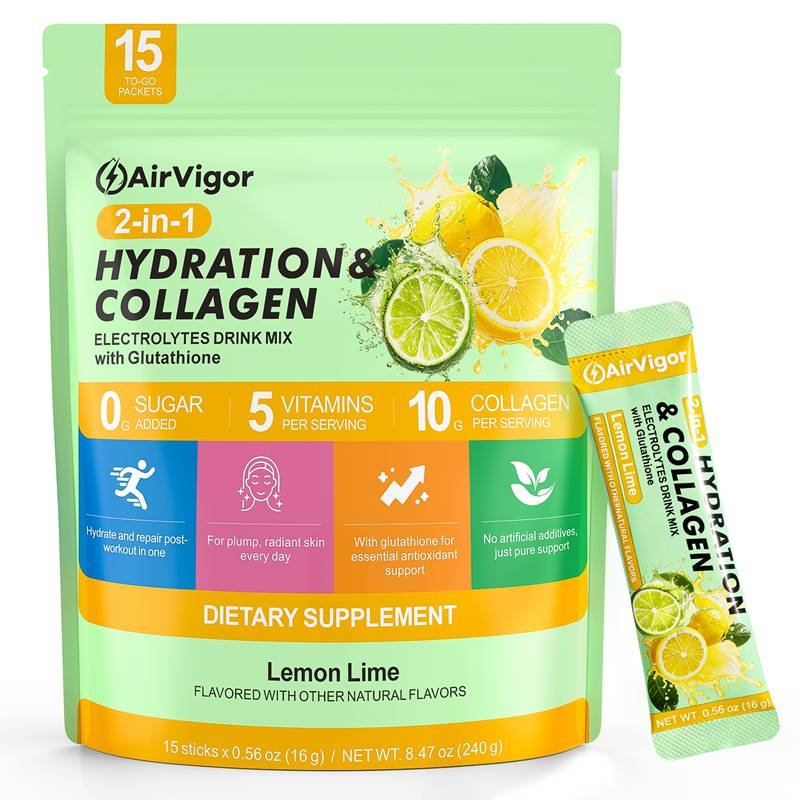
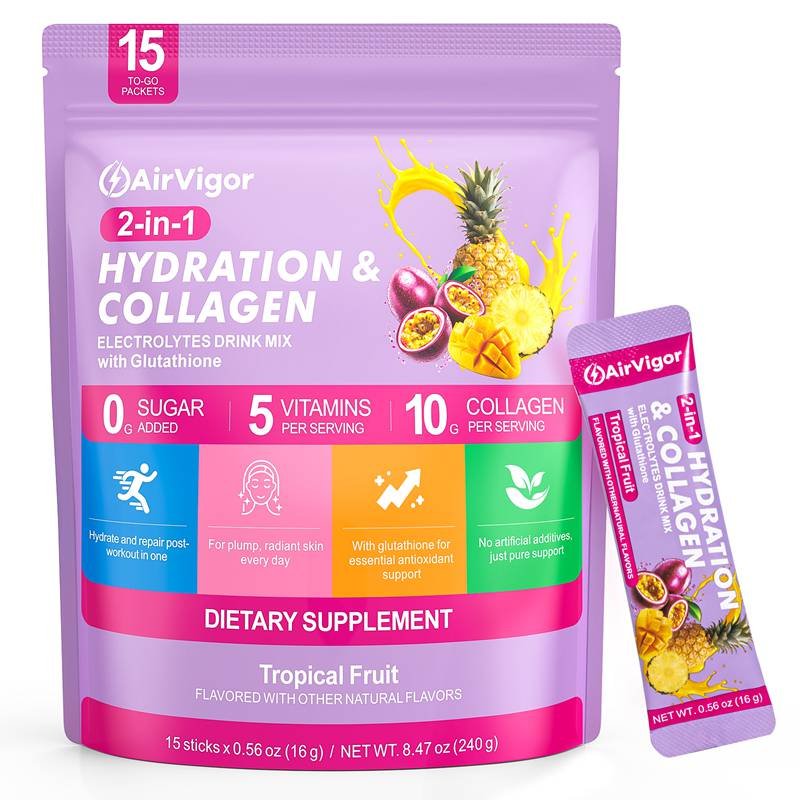
This is where simpler formats can help. Products that combine hydration with functional ingredients, such as collagen-based drink powders, are often easier to integrate into daily routines. They reduce the number of steps required and improve consistency.
| Situation | Recommended Approach |
|---|---|
| Low protein intake | Protein powder |
| Joint discomfort or stiffness | Collagen |
| Strength training focus | Protein powder + optional collagen |
| Endurance or repetitive movement | Collagen + optional protein powder |
| Busy lifestyle with low consistency | Simpler, easy-to-use formats |
Choosing between collagen and protein powder becomes straightforward when the decision is based on real needs rather than general recommendations. The most effective product is the one that aligns with your goal and can be used consistently over time.

Do You Need Collagen or Protein Powder Daily?
Whether you need collagen or protein powder every day depends on your intake, training load, and how stable your routine is. Protein powder is useful on any day your diet does not meet protein needs, especially around training. Collagen is most effective when taken consistently over time to support joints, tendons, and skin. In practice, many people use protein powder on training days and collagen daily because it is easier to maintain.
Should You Take Collagen Daily?
Collagen works best when used consistently rather than occasionally. Connective tissues such as cartilage, tendons, and skin have slower turnover than muscle, so steady intake matters more than timing.
Typical daily amounts used in practice:
| Goal | Daily Collagen Intake |
|---|---|
| Skin support | 2.5–5 g |
| Joint comfort | 5–10 g |
| Active lifestyle support | 5–10 g |
What users commonly notice with consistent intake:
- Less joint stiffness during repeated movement
- More comfortable range of motion over time
- Gradual improvement in skin texture and hydration
Who benefits most from daily use:
- People over their mid-20s, when natural collagen production declines
- Runners or individuals with repetitive impact on joints
- Users with mild but persistent joint discomfort
Skipping intake frequently tends to reduce these effects. A smaller daily dose is usually more effective than irregular higher doses.
Should You Take Protein Powder Daily?
Protein powder is not required every day, but it becomes necessary whenever dietary protein falls below your target. This often happens more frequently than expected.
General intake ranges:
| Activity Level | Daily Protein Target |
|---|---|
| Low activity | ~0.8 g/kg |
| Moderate activity | 1.2–1.6 g/kg |
| High intensity training | 1.6–2.0 g/kg |
Example for a 75 kg individual:
- Moderate training → 90–120 g/day
- High intensity training → 120–150 g/day
A typical day of meals may only provide 60–90 g, especially when:
- Breakfast is low in protein
- Lunch is irregular
- Appetite drops after workouts
In these cases, protein powder helps fill the gap quickly.
When daily use is most practical:
- Strength training 3–5 times per week
- Trying to maintain or build muscle
- Managing calorie intake while preserving lean mass
When daily use may not be necessary:
- Protein intake from whole foods already meets targets
- Activity level is low
- Meals are consistent and balanced
When to Take Collagen vs Protein Powder
Timing is less important than consistency, but choosing the right moment improves practicality.
Common usage patterns:
- Protein powder → after workouts or when a meal is missed
- Collagen → flexible timing (morning, midday, or after activity)
Protein powder is often used in a more structured way:
- Post-workout for recovery
- Between meals to increase protein intake
Collagen fits more easily into unstructured moments:
- Mixed into water, coffee, or other drinks
- Taken during the day without affecting appetite
This difference explains why collagen is often used daily, while protein powder is sometimes used only on training days.
Daily Routine Examples
Looking at real routines helps clarify how both products can fit into daily use.
Strength training routine
- Morning: regular meals
- After workout: protein powder (20–30 g protein)
- During the day: optional collagen (5–10 g)
Endurance or high-impact activity
- Before or after activity: collagen (5–10 g)
- Protein powder: used if total intake is low
Busy workday with light activity
- Limited meal structure
- Collagen used for easy daily support
- Protein powder used occasionally when meals are insufficient
These examples show that daily use is not about strict rules. It is about filling gaps in a way that fits your schedule.
Consistency vs Frequency
One of the most important factors is not how often a supplement is recommended, but how often it is actually used.
Observed patterns:
- Protein powder → high use on training days, lower use on rest days
- Collagen → more stable daily use due to lighter format
| Factor | Collagen | Protein Powder |
|---|---|---|
| Ease of daily use | High | Medium |
| Dependence on training schedule | Low | High |
| Likelihood of skipping | Low | Moderate |
| Long-term adherence | High | Variable |
A product that is easy to use daily often produces more stable results than one used inconsistently, even if the latter is more nutritionally complete.
Can You Use Both Daily?
Using both daily can be effective when both muscle recovery and connective tissue support are priorities.
A simple structure:
- Protein powder → used when protein intake is below target or after training
- Collagen → used daily for ongoing support
This approach allows:
- Adequate protein intake for muscle
- Consistent support for joints and connective tissues
However, using multiple products increases complexity. Many users simplify their routine over time to improve consistency.
Conclusion
Choosing between collagen and protein powder becomes much simpler when you focus on your actual needs instead of general claims.
- If your priority is muscle growth, strength, and recovery after training, protein powder is essential
- If your priority is skin, joints, and long-term structural support, collagen becomes more relevant
- If your challenge is consistency, the format and ease of use may matter more than anything else
Many customers eventually move toward a simpler approach—one that reduces friction and makes daily use easier.
If you are exploring:
- A lighter alternative to traditional recovery drinks
- A collagen-based hydration solution
- Or developing your own supplement product line
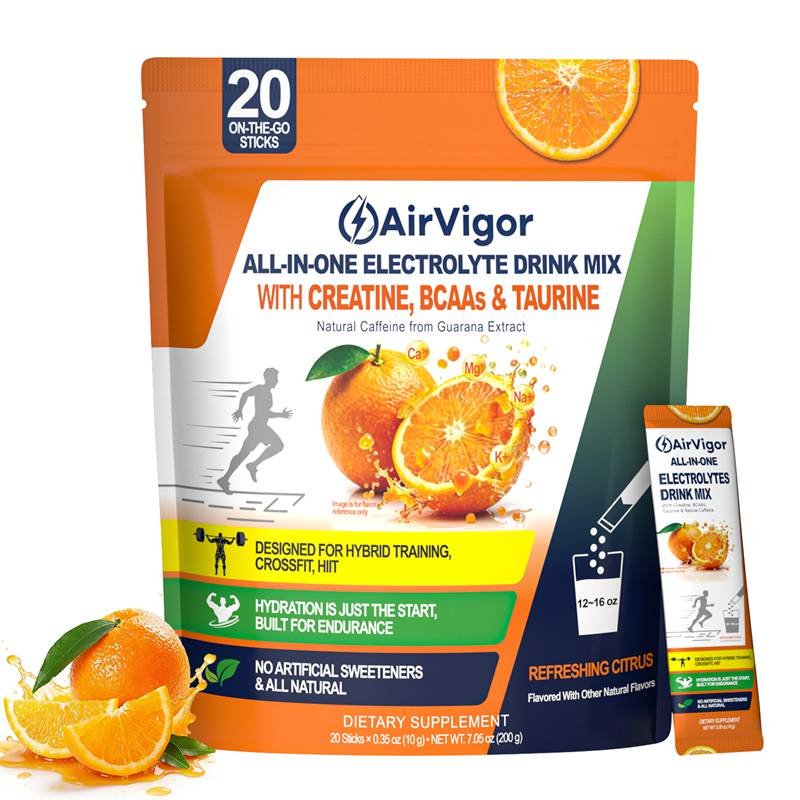
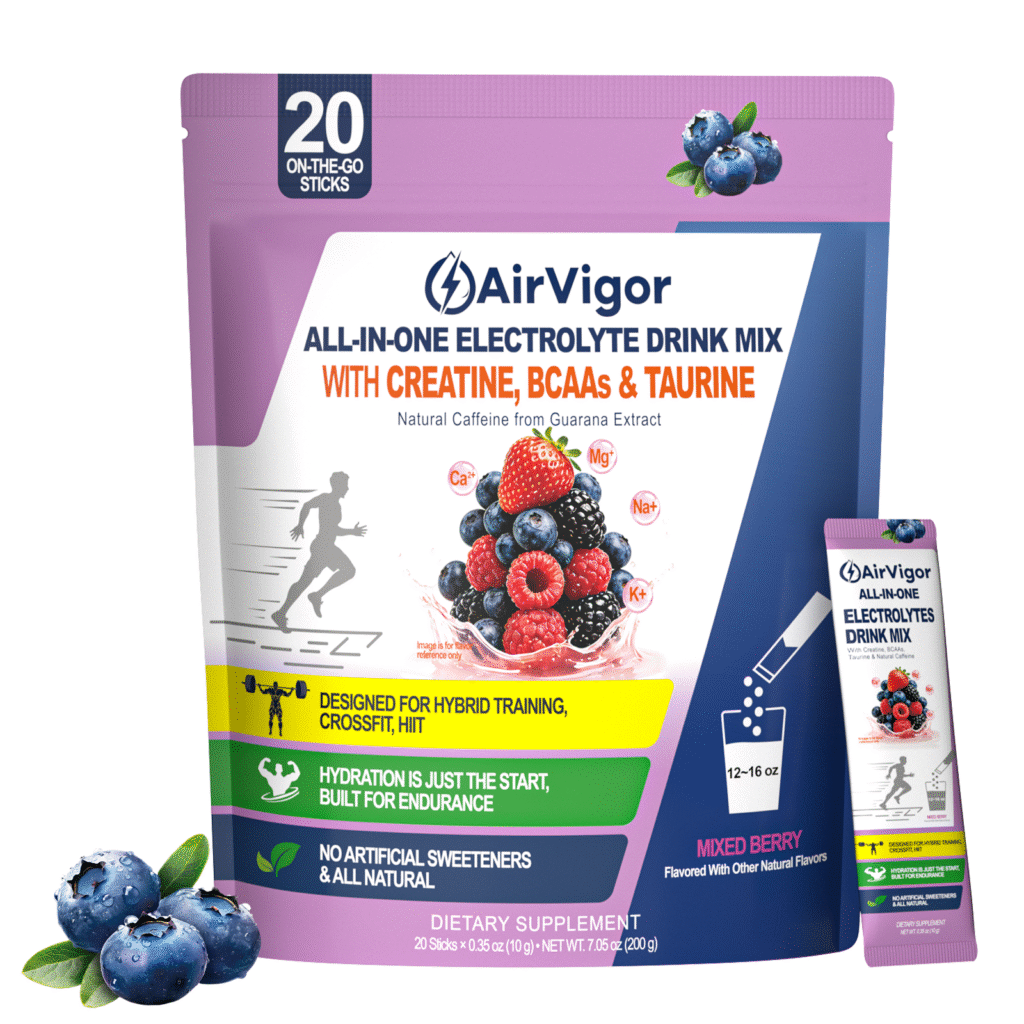
You can start with AirVigor.
- Ready-to-use formulations designed for real routines
- Options suitable for active lifestyles and daily use
- Custom formulation and private label support available
The goal is not just to choose the right product once.
It is to build a routine that you can actually maintain.