






What Matters Most in Strength Training Nutrition 


A successful supplement routine begins with a few priorities. Use the essentials below before adding multiple powders, capsules, or workout drinks.

 Consistent Training Comes First 


Progressive resistance training creates the stimulus for strength and muscle development. Follow a manageable schedule, practice good technique, and allow time for recovery between challenging sessions. A supplement cannot compensate for irregular training, insufficient sleep, or a program without gradual progression. Start by establishing a repeatable training week.

 Daily Protein Matters 


Protein contributes the amino acids needed to maintain and build muscle tissue. Total intake across the day matters more than relying on a single shake immediately after lifting. Meals containing eggs, fish, dairy, soy, beans, or other protein-rich foods may already meet nutritional needs. Add a protein supplement only when food intake falls short.

 Creatine Has Strong Evidence 


Creatine monohydrate is among the most studied sports supplements for repeated high-intensity effort, including weightlifting. Regular intake matters more than finding a perfect pre-workout minute. Compare creatine grams per serving with published research protocols and consider overall intake from other supplements before choosing another creatine-containing formula.

 Hydration Depends on Conditions 


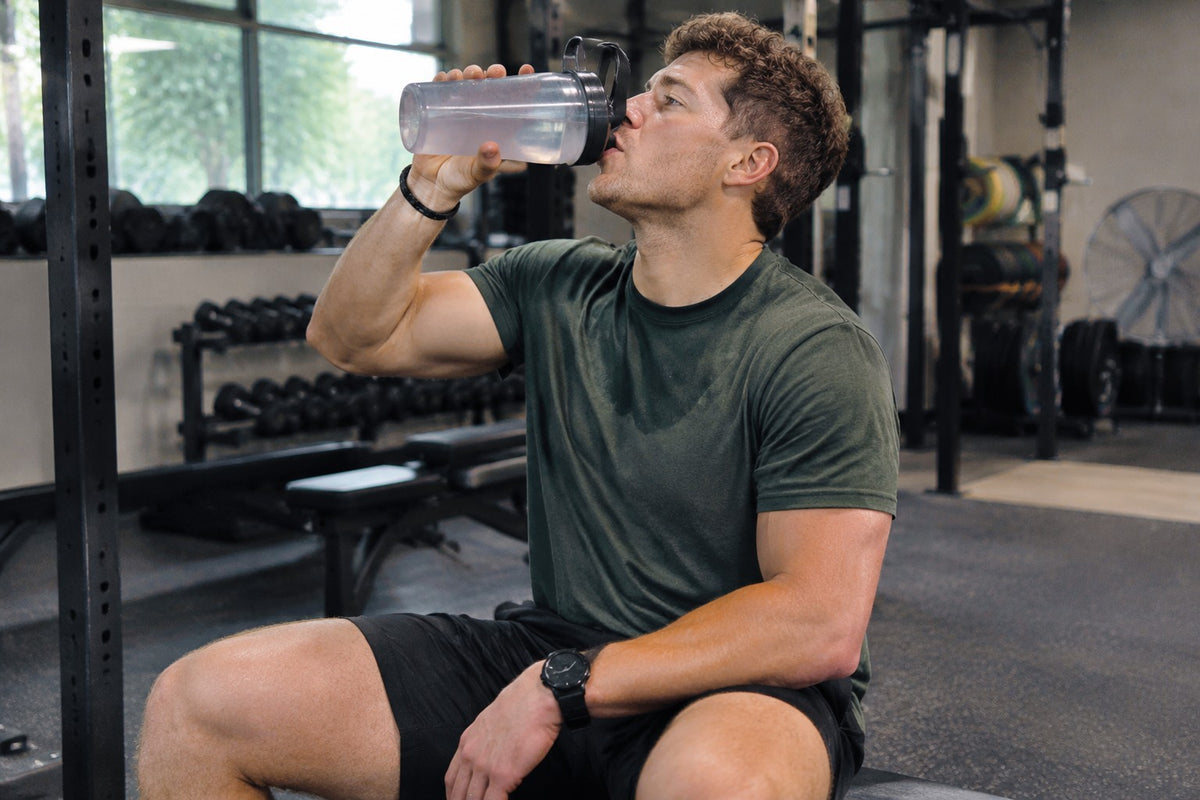
Water needs vary with session length, temperature, sweat loss, and personal circumstances. Plain water may be sufficient during shorter indoor lifting sessions. Electrolytes can become more relevant during long, hot, or especially sweaty workouts. Choose a drink according to actual fluid and mineral needs instead of assuming every training session requires a sports powder.

 Build a Strong Foundation Before Adding Supplements 


Use food, training consistency, and recovery as the foundation. Supplements belong alongside established habits rather than in place of them.

 Train With Progressive Overload 


Record exercises, sets, repetitions, and loads to monitor training over time. Gradual improvements may involve lifting more weight, completing additional repetitions, or improving movement control. Beginners often benefit from repeatable full-body sessions, while experienced lifters may prefer a split schedule. Recovery days remain part of productive training, not a sign of missed progress.

 Eat Enough to Support Training 


Resistance training requires adequate daily energy alongside protein, carbohydrate, dietary fat, and micronutrients. Carbohydrate-rich foods can help fuel demanding sessions, while varied meals supply essential nutrients. Skipping meals and relying on powders may make adequate nutrition harder to achieve. Food preferences, training volume, body size, and goals all influence an appropriate eating pattern.

 Protect Sleep and Recovery 


Muscle adaptation occurs across repeated training and recovery cycles. Aim for a sleep schedule supporting sufficient rest, plan easier sessions when needed, and pay attention to persistent fatigue or declining performance. A supplement marketed for recovery cannot replace adequate calories, hydration, or sleep. Daily habits often offer a better starting point than adding another product.

 Match Supplement Choices to Your Strength Training Goals 


Different training goals call for different nutrition priorities. Choose a goal before comparing bottles, powders, or workout packs.

 Build More Strength 


Prioritize progressive lifting, adequate meals, and consistent recovery. Creatine monohydrate may be worth considering for repeated high-intensity efforts, with research commonly examining regular use over several weeks. Compare serving amounts before combining products. Added stimulants or electrolyte blends are not automatically necessary for a conventional indoor strength workout.

 Support Muscle Growth 


A sufficient daily protein intake is essential when training aims to increase muscle size. A protein powder offers convenience when meals alone cannot meet the target. Creatine may also complement resistance training, but neither product substitutes for training progression or enough energy. Focus on total diet quality rather than buying every muscle-focused ingredient.

 Handle Demanding Sessions 


Long, high-volume, or mixed lifting-and-conditioning sessions can change fuel and hydration needs. Carbohydrate intake, fluid availability, and adequate rest often matter more than an elaborate pre-workout stack. Caffeine-containing products deserve a careful label check, especially for evening training or individuals sensitive to stimulants. Select products according to session demands.

 Maintain Active Hydration 


Training outdoors, in heat, or with heavy sweating can increase fluid and electrolyte losses. A measured electrolyte drink may offer convenience when replacement needs are higher. For shorter, cooler gym sessions, ordinary water may work well. Consider meal sodium, personal tolerance, and how much fluid is actually consumed during the day.

 Which Strength Training Supplements Have Research Support? 


Compare supplement categories by their main purpose, evidence, and circumstances where they may add value. No single product suits every lifter.

Supplement Research and Main Role Most Relevant Situation Important Consideration
Creatine Monohydrate Strong evidence for supporting repeated high-intensity exercise performance Regular resistance training Compare grams per serving; consistency matters
Protein Powder Useful for meeting daily protein needs; not superior to adequate food protein Daily intake falls short Count total protein from meals and supplements
Caffeine / Pre-Workout Can support performance in some exercise settings Selected demanding sessions Check total caffeine and sleep timing
Electrolytes Replace minerals lost through sweat Heavy sweating, heat, prolonged activity Plain water may be adequate for shorter sessions
Beta-Alanine More relevant to sustained high-intensity efforts than isolated maximal lifts Repeated hard efforts lasting longer than brief lifts Benefits depend on training type and regular intake
BCAA Products Limited added value when sufficient complete protein is consumed Restricted protein intake or specialized nutrition planning Compare against complete protein first
Collagen Supplies collagen peptides but is not a complete muscle-building protein Separate collagen-focused nutrition preferences Does not replace adequate complete protein


A supplement backed by ingredient research is not automatically proven effective in every finished formula. Check the tested ingredient, amount, participants, exercise type, and duration before drawing conclusions about a specific product.


 Creatine for Strength and Resistance Training Routines 


Creatine monohydrate has an established place in sports nutrition research. Understanding the ingredient and serving size makes selection easier.

 Understand the Role of Creatine 


Creatine helps replenish phosphocreatine, an energy source used during brief, demanding muscular efforts. Research on resistance training and repeated high-intensity exercise supports improvements in strength or training performance for some adults, although responses vary. Creatine does not act like an immediate stimulant, and a single serving is not a substitute for regular training. Monohydrate is the most extensively studied form; more expensive alternatives have not consistently demonstrated superior performance results. Consider the amount of actual creatine in a product instead of relying on a large total-blend headline. Look for ingredient-specific evidence rather than claims copied from unrelated formulas. Creatine may also cause modest changes in body weight due to water stored in muscle, which should not automatically be interpreted as new muscle tissue.

 Understand Daily Use and Serving Amounts 


Research protocols commonly include approximately 3–5 grams of creatine monohydrate per day for maintenance, sometimes following a loading phase. Gradual approaches without loading are also studied. Consistency over several weeks matters more than whether a serving is taken immediately before or after lifting. Combination powders may contain less creatine per serving than a standard single-ingredient serving, so totals deserve careful review. Follow product directions and seek individual guidance when relevant medical conditions, medications, pregnancy, or other special circumstances are involved. A short loading phase is one research approach, not a compulsory step for every exerciser. Consider how a simple daily schedule fits mealtimes and travel, and store the product according to labeled instructions.

 Protein Needs for Muscle Growth and Recovery 


Daily protein intake is a central consideration for people training with weights. Food choices and supplemental protein can work together.

 Calculate a Daily Protein Starting Point 


Sports nutrition guidance commonly identifies 1.4–2.0 grams of protein per kilogram of body weight per day as a useful range for many healthy, exercising adults. For example, a person weighing 70 kilograms would reach approximately 98–140 grams daily within the range. Individual needs vary with training status, energy intake, goals, and medical circumstances. Divide protein among meals according to appetite and schedule, using familiar foods before adding extra shakes. Daily adequacy generally matters more than following an inflexible post-workout countdown. For a person weighing 80 kilograms, the same general range corresponds to roughly 112–160 grams per day. Such figures provide a planning reference, not a personalized prescription or a reason to exceed medical dietary advice.

 Choose Protein Sources With Purpose 


Whey, milk, eggs, fish, meat, soy, and well-planned combinations of plant foods can supply protein and essential amino acids. A protein powder may help with convenience when meals cannot cover daily needs. Collagen peptides have a different amino acid profile and are not an equivalent substitute for whey, soy, or other complete proteins for muscle protein needs. Read grams of protein per serving and consider allergies, dietary preferences, digestion, cost, and overall meal quality before choosing a powder. A meal containing yogurt, tofu, eggs, or legumes can contribute toward the same daily total as a supplement. Check the amount of complete protein, not merely the powder weight, when comparing options and portions.

 Pre-Workout Ingredients and Caffeine Considerations 


Pre-workout products can contain several ingredients with different roles. A familiar product name does not indicate a standard formula.

 Separate Ingredients From Marketing Names 


Pre-workout may refer to caffeine, creatine, amino acids, electrolytes, or a combination of ingredients. Caffeine acts as a stimulant, while creatine supports muscle energy availability through regular use; neither works through the same mechanism. Some blends feature taurine or plant extracts, but the entire finished product should not inherit results from individual studies without suitable evidence. Review the Supplement Facts panel to identify measurable ingredients and recognize the difference between an active ingredient amount and the total weight of a blend. For example, a label stating a large performance blend does not reveal individual quantities unless amounts are disclosed. Ingredient order, serving size, and warning statements help users distinguish a measured formula from a headline built around total weight.

 Check Caffeine Before Evening Workouts 


Caffeine can affect sleep, cause jitteriness, and increase discomfort in sensitive individuals. Coffee, energy drinks, capsules, and guarana-containing products may contribute to the same day's total stimulant intake. Training late in the evening makes sleep timing especially relevant, because inadequate rest can undermine a consistent training routine. Check labeled caffeine content and avoid combining several stimulant products without understanding the total. A non-stimulant approach may be preferable when training goals can be met through food, water, and regular routines. Guarana naturally contains caffeine; the extract weight alone does not disclose its caffeine contribution. For anyone affected by poor sleep after late training, a stimulant-free routine may be easier to maintain across the full week.

 Hydration and Electrolytes Around Strength Training Sessions 


Fluid replacement needs depend on exercise duration, environmental conditions, and individual sweat losses. Match drink choices to actual circumstances.

Get Shipping Help

 Short Indoor Lifting Sessions 


For many shorter strength sessions in a comfortable gym, plain water alongside normal meals can provide adequate hydration. Begin reasonably hydrated and drink according to conditions and personal needs. A colorful sports drink is not automatically better than water for a 45-minute lifting session, particularly when significant sweating is absent.

 Hot and Sweaty Workouts 


Heat, humidity, and substantial sweating can increase fluid and sodium losses. An electrolyte drink may be useful when sessions are prolonged or repeated, especially if access to regular meals is limited. Compare sodium per serving and fluid preparation instructions. Avoid drinking excessive amounts of plain water or electrolyte beverages beyond reasonable needs.

 Strength and Conditioning Days 


Hybrid sessions combining lifting, intervals, and conditioning may create greater hydration demands than a brief weights-only workout. Bring accessible water, consider session length and sweating, and account for food consumed before training. Electrolytes replace sweat-related minerals; they do not serve as a substitute for creatine, protein, or sufficient carbohydrate intake.

 Other Supplements Worth Considering or Skipping 


Many supplements are optional for typical lifting routines. Compare the intended benefit with available research and existing dietary intake.

 Beta-Alanine for Repeated Effort 


Beta-alanine is generally more relevant to sustained or repeated high-intensity exercise than to a single brief lift. Research often involves ongoing use rather than a one-time pre-workout serving. Tingling can occur after supplementation. People focused exclusively on short sets with long rests may find greater value in improving training consistency first.

 BCAAs and Essential Amino Acids 


Branched-chain amino acids are part of complete protein, and many meals already provide them. When daily protein intake is sufficient, extra BCAA products often add limited value. Essential amino acids may have specific uses in specialized nutrition arrangements, but a complete protein source is frequently the simpler option for ordinary training schedules.

 Collagen for Separate Nutrition Goals 


Collagen peptides supply a distinctive amino acid profile and may fit a personal nutrition preference, but they should not be counted as an equal replacement for complete protein supporting muscle needs. Compare collagen grams with overall daily protein intake. Choose collagen independently of promises for faster muscle growth or guaranteed workout recovery.

 Vitamins and Minerals When Needed 


Vitamin D, magnesium, and other micronutrients support normal body functions, but additional intake is not automatically beneficial when nutritional status is adequate. Dietary assessment, medical guidance, and appropriate testing may help identify a genuine need. Avoid treating high-dose vitamins or minerals as shortcuts to stronger lifts or better training results.

 Supplement Timing for Training and Rest Days 


Choose a routine based on ingredient purpose and approved directions. The training schedule alone does not determine every serving.

 Before a Workout 


Eat according to personal comfort and session demands; a meal or snack containing carbohydrate and protein may be useful when training follows a long gap without food. Arrive with water available. Caffeine-containing supplements are optional rather than mandatory, and bedtime proximity matters. Creatine does not require a precise pre-workout window to fit a regular daily routine.

 During a Workout 


Water may be sufficient for shorter lifting sessions. Longer sessions, high heat, and heavier sweating may call for additional fluid and sodium. Keep a water bottle accessible instead of assuming a supplement is needed during every set. Protein and creatine do not have to be consumed between sets to support their usual nutrition roles.

 After a Workout 


Return to ordinary meals, fluids, and recovery habits. Protein-rich food or a shake can help meet the day's protein goal when a convenient meal is unavailable. There is no universal requirement to drink a shake within minutes of the last repetition. Rehydrate according to actual fluid losses and remember sleep and total intake still matter.

 On Rest Days 


Rest days are not nutrition-free days. Continue eating adequate protein and meeting ordinary fluid needs. People following a consistent creatine program commonly use it on non-training days as well, according to their selected regimen and product directions. Stimulant pre-workout and sweat-focused electrolyte drinks generally do not need to be automatic rest-day purchases.

 What Changes on Rest Days and Recovery Days? 


Training pauses can reduce immediate workout demands without eliminating daily nutrition needs. Separate ongoing habits from session-specific products.

 Keep Daily Nutrition Consistent 


Aim to maintain adequate food energy, protein, fruits, vegetables, and regular fluids even when weights stay on the rack. Muscle repair and adaptation continue between sessions, and rest days may be valuable for establishing consistent meal patterns. People choosing creatine for a regular training program often maintain intake across the week rather than using it only before lifting. Follow the selected product's directions; protein powders remain optional when meals already cover the daily target. Planning ahead can reduce impulsive supplement choices and unnecessary purchases.

 Leave Session-Specific Products Behind 


A rest day rarely calls for the same drink strategy as a long, sweaty training day. Additional electrolytes may offer little value when fluid needs are modest and meals supply normal minerals. Pre-workout stimulants do not become recovery tools simply because they were used on gym days. Consider how activity, temperature, travel, and ordinary food intake affect actual needs. If unusual soreness, persistent fatigue, or poor performance continues, review the training load and consult a qualified professional rather than automatically adding supplements.

 Find a Routine for Your Training Style 


Training experience and session conditions can change which nutrition decisions deserve attention first. Start with the closest fit.

Get Payment Help

 New to Strength Training 


Begin with consistent lifting sessions, balanced meals, and sufficient daily protein. Learn the difference between creatine, protein powder, and pre-workout before buying a combination formula. Water may serve ordinary indoor sessions well. A simple routine gives enough room to notice how food, training, and rest affect progress.

 Regular Gym Lifters 


An established training schedule makes it easier to assess protein targets and a consistent creatine routine. Compare ingredient amounts across products instead of stacking multiple gym powders with similar contents. Consider convenience, serving price, and training time. A portable formula may be helpful when commuting between work and a gym.

 Hybrid and High-Sweat Training 


Sessions combining weights, circuits, and conditioning may place more demands on fluid preparation and carbohydrate intake. Hot environments can increase sweat-related sodium loss. Consider water access, session duration, and individual tolerance before selecting an electrolyte drink. Examine added stimulants carefully, especially when workouts occur late or several products overlap.

 Read a Strength Supplement Label With Confidence 


A clear Supplement Facts label allows meaningful comparisons between simple powders and multi-ingredient blends. Start with four checks.

 Identify the Ingredient Form 


Look for recognizable ingredient forms such as creatine monohydrate, whey protein isolate, or identified electrolyte mineral salts. Similar marketing names can cover different formulations. When a supplement uses a proprietary blend, the combined weight may not explain the amount of every included ingredient. Choose products with information suited to the comparison. Mineral salt names and elemental mineral amounts may also differ, so consider how the label presents each measurement.

 Check Amounts Per Serving 


Review serving size before comparing grams or milligrams across brands. A two-scoop serving can look impressive beside a one-scoop product while providing similar total ingredient amounts. Protein grams, creatine grams, sodium milligrams, and caffeine milligrams describe different measurements. Avoid treating an entire blend total as the amount of its most recognizable ingredient. Check the number of servings in the container and compare equal serving amounts instead of relying on package size.

 Look for Ingredient Overlap 


Read other supplement labels already used during the week. Two pre-workout formulas may contain overlapping caffeine sources, while separate hydration powders can add sodium and other minerals. Vitamin and mineral combinations can also duplicate daily multivitamins. A shorter, better-understood routine often makes total intake easier to monitor than several overlapping products. Write down every supplement already used during a week and compare repeated ingredients across all labels before purchasing.

 Review Directions and Quality 


Check serving instructions, allergen information, warnings, expiration details, and any documented quality verification relevant to the specific product. Independent certification can be helpful when supported by a searchable record and an appropriate scope. A certification badge should never substitute for understanding the ingredients. Keep label directions accessible after purchase for consistent use. Claims attached to one product size or formulation should not automatically be assumed for every flavor or future version.

 Explore AirVigor Nutrition for Active Training Routines 


Browse distinct nutrition formats according to training conditions and personal preferences. Each product family serves a different purpose.

Get Shipping Help

 Performance Electrolyte Drink Mixes 


Performance-focused electrolyte mixes bring minerals and selected workout ingredients into a portable powder format. A combined drink may appeal to lifters who also train with conditioning or prefer fewer separate containers. Compare creatine quantity, stimulant sources, serving directions, and the full Supplement Facts label before choosing. A combination mix is not interchangeable with a measured serving of single-ingredient creatine or complete protein.

 Collagen Electrolyte Drink Mixes 


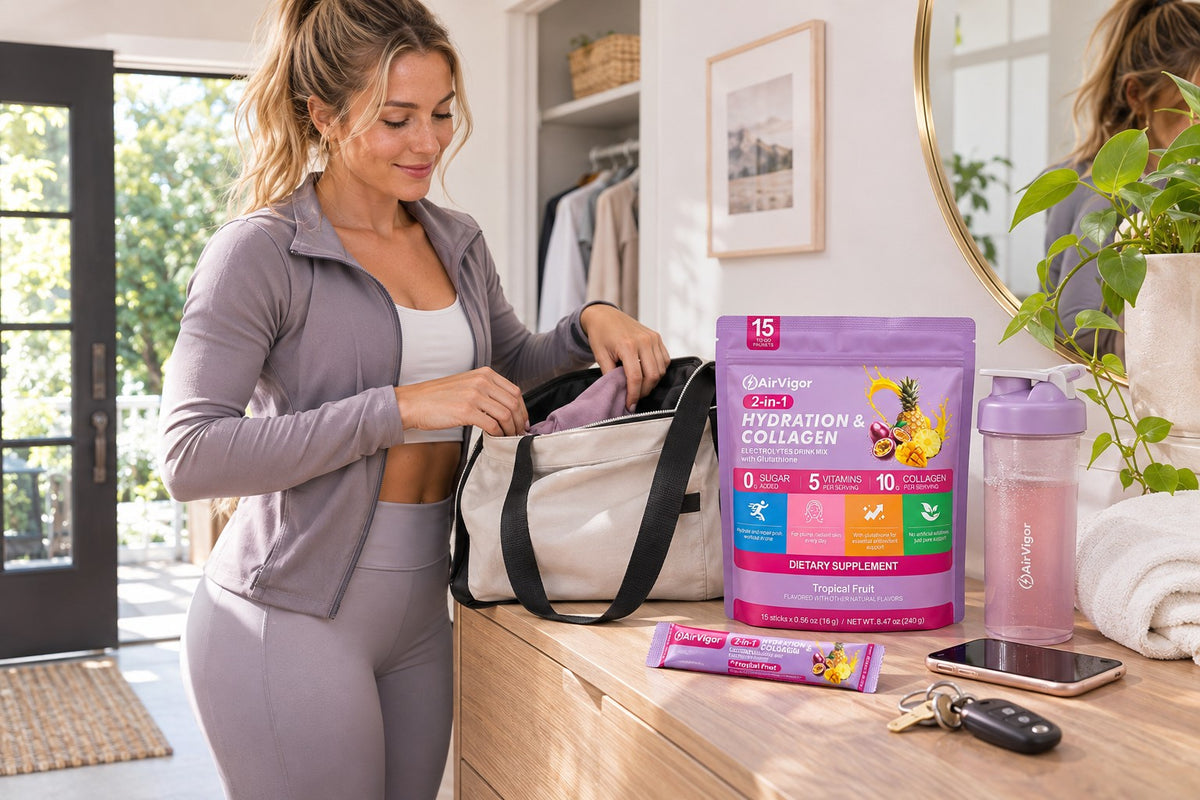
Collagen electrolyte mixes combine collagen peptides with hydration-oriented ingredients in a convenient drink format. They may suit active adults who already meet complete-protein needs through food and prefer a separate collagen routine. Collagen does not replace whey, soy, or other complete protein sources for muscle nutrition. Check collagen amount, sodium and potassium values, preparation directions, and animal or marine allergen statements before selecting.

 Daily Electrolyte Drink Mixes 


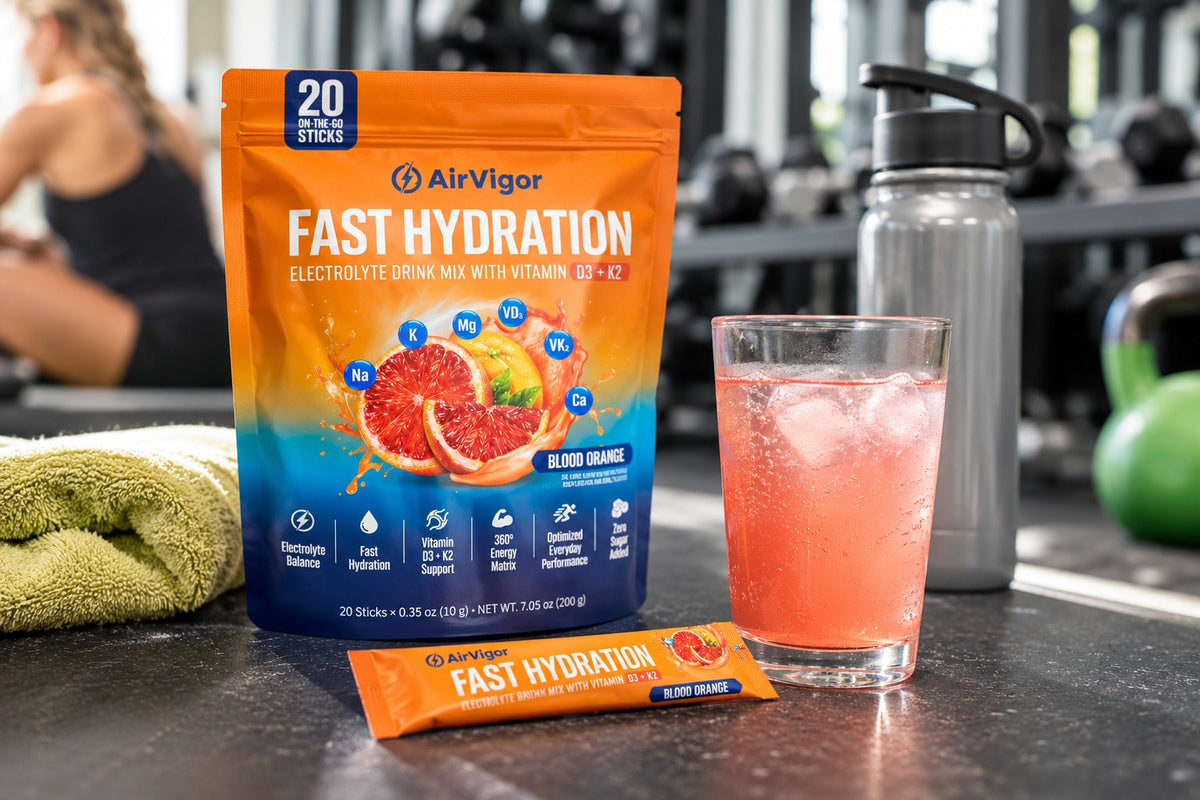
Daily electrolyte mixes focus on drink preparation and mineral intake rather than dedicated muscle-building nutrition. Some versions contain added vitamins, making complete-label review useful when other supplements are already part of the routine. Plain water may serve shorter indoor training sessions well; longer or sweat-heavy activities can change fluid needs. Compare ingredients, labeled serving directions, and flavor preference before choosing.

 Single-Ingredient Supplements Versus Combination Workout Formulas 


One-ingredient products offer direct control over individual servings. Combination formulas may make preparation easier but require more label review.

Option Primary Purpose Potential Advantage Main Limitation or Check
Creatine Monohydrate Powder Consistent creatine intake Straightforward grams-per-serving comparison No protein or electrolyte replacement
Complete Protein Powder Help reach daily protein intake Clear protein amount per serving Unnecessary when meals provide sufficient protein
Electrolyte Drink Mix Replace fluid-related minerals where needed Easy-to-carry drink preparation Not required for every short gym workout
Combined Performance Drink Multiple ingredients in one preparation Fewer separate containers or mixing steps Ingredient doses and stimulants require close review
Collagen Electrolyte Drink Collagen-focused intake plus drink preparation Combines two separately defined nutrition interests Collagen is not a complete protein substitute


Choose by the ingredient actually needed, the amount supplied, and the total daily routine. More ingredients do not automatically mean greater value or better training outcomes.

 Avoid Ingredient Overlap and Unnecessary Supplement Stacks 


A simple label check can prevent duplicate intake and avoid mixing products with opposing daily routines or overlapping ingredients.

 Count Creatine Across Products 


Creatine may appear in a dedicated powder, pre-workout, and combined performance drink. Add labeled amounts before deciding whether another creatine product belongs in the routine. Products with different ingredient lists are not necessarily designed for simultaneous use. Keep the daily plan clear and follow approved serving directions. A simple written total can prevent accidental duplication when a performance drink is added to an existing creatine routine.

 Monitor Stimulants and Minerals 


Caffeine can come from coffee, tea, pre-workout powders, and extracts such as guarana. Electrolyte drinks and other supplements may also duplicate sodium, magnesium, or vitamins. Combining several products may raise total intake without offering additional training value. Review amounts, timing, and relevant warnings across the full routine before adding another item. Read labels on everyday beverages as well as powders, since familiar drinks can contribute to the same overall intake.

 Consider Personal Health Needs 


Supplement decisions require additional care for people taking medication, managing medical conditions, or navigating pregnancy or breastfeeding. Mineral intake and certain vitamins may interact with specific treatments. Discuss unusual symptoms or complex supplement combinations with a qualified healthcare professional. Avoid relying on informal gym advice for individualized health decisions or recommended dosages. Keep supplement labels or a current product list available when speaking with a healthcare professional about a combined routine.

 Evaluate Supplement Research and Quality Information 


Use published research and accurate product information to understand what has actually been studied. A familiar ingredient name alone is not enough.

 Look at the Research Conditions 


Start with the participants, exercise type, ingredient form, amount, and duration studied. Results from resistance-trained adults may not apply equally to beginners or people with different health needs. A study on daily creatine monohydrate cannot automatically substantiate every combination drink containing creatine. Protein research also depends on total daily intake, training context, and the comparison diet. Use well-established guidance as a starting point, then consider whether the specific finished product matches the reported conditions. Scientific evidence should inform expectations rather than promise an individual result. Pay attention to whether outcomes involved muscle strength, training volume, body composition, or only a laboratory marker. Research lasting one day answers different questions from trials following people through several weeks of training.

 Verify Product-Level Information 


Check the actual Supplement Facts panel, labeled directions, allergen statements, and documentation for quality claims. Independent sports certification, when relevant, should be traceable to a certifying body and the specific product. Laboratory testing may describe purity or ingredient amounts but does not necessarily establish strength gains. For general reading, consult the NIH Office of Dietary Supplements exercise-performance fact sheet, the International Society of Sports Nutrition positions on creatine and protein, and established sports-medicine hydration guidance. Reliable product choices begin with information supported by verifiable records. Research evidence and manufacturing quality answer different questions: one addresses a possible nutritional role, while the other concerns the product being sold. Both deserve careful attention before choosing a supplement for regular use.

FAQs


Frequently Asked Questions About Strength Training Supplements

 What supplements are most useful for strength training? 


Creatine monohydrate and adequate daily protein have strong relevance to resistance training. Protein powders are optional when food intake is sufficient. Electrolytes and other supplements depend on workout conditions and individual needs.

 Do beginners need creatine or protein powder? 


Neither is required to start lifting. Focus on training, meals, and recovery first. Creatine is an optional evidence-supported addition, while protein powder mainly helps when regular food falls short.

 Should I take creatine on rest days? 


Many researched creatine programs involve consistent daily intake, including non-training days. Follow the chosen product's label and consider personal circumstances rather than treating creatine as a one-time pre-workout stimulant.

 Is pre-workout or post-workout supplementation more important? 


Overall nutrition, ingredient type, and regular intake usually matter more than a rigid clock. Meals and hydration can be planned around comfort and availability. Caffeine timing deserves extra attention near bedtime.

 Do I need electrolytes for weightlifting workouts? 


Not necessarily. Water may be sufficient for shorter indoor sessions with modest sweating. Longer workouts, hot conditions, and substantial sweat losses can make additional electrolyte replacement more relevant.

 Can I combine creatine with an electrolyte drink? 


Some formulas contain both ingredients. Compare the complete Supplement Facts panels and account for creatine already present in other products. Follow labeled serving directions and avoid assuming multiple products must be stacked.

 Are combination supplements better than separate products? 


Combination products may simplify preparation, while single-ingredient products allow closer control over individual amounts. Neither format is automatically superior. Compare purpose, servings, stimulants, allergens, and total cost before choosing.

Didn’t find your answer?

Don't hestitate to contact us

 Build a Strength Training Nutrition Routine Worth Keeping 


A useful nutrition routine should be easy to understand, repeat, and adjust alongside training progress. Choose essential habits first and add supplements only for clearly identified needs.

 Start With a Clear Nutrition Priority 


Begin by checking the training program, regular meals, protein intake, hydration habits, and sleep. When dietary protein is already sufficient, another protein powder may offer little additional value. For regular resistance training, creatine monohydrate is worth understanding because research supports its role in repeated high-intensity effort. A single-ingredient product may be appropriate when precise creatine dosing is the main priority. Keep expectations realistic: training consistency remains the foundation, and individual responses vary. Select a supplement only after its role and serving instructions are clear. A person training three times weekly may need a different shopping list from someone completing lengthy daily conditioning sessions. Focus on the actual gap in the routine, not the number of supplements advertised for athletes.

 Choose a Format for Real Life 


Some lifters prefer a straightforward powder at home; others value an easy-to-carry drink for gym bags, workdays, or travel. AirVigor offers hydration-oriented nutrition formats and performance-focused drink mixes for different routines. Compare product labels, ingredient quantities, flavor options, preparation requirements, and existing supplements before selecting an item. Plain water may be sufficient when hydration demands are modest, while additional electrolytes may be useful under sweat-heavy conditions. Choose a product based on an identifiable need, follow its labeled directions, and continue prioritizing everyday nutrition. Check whether a powdered drink requires water, whether a serving travels conveniently, and whether extra ingredients are already present in meals or other products. A repeatable routine starts with understanding how the chosen format will be used.