Find the Right Liquid Format for Your Daily Routine 


Start with where you’ll use the supplement, how you prefer to measure a serving and how much you want to spend. Each answer narrows the selection before you compare brands.

Explore AirVigor

 For a Home Routine 


A measuring bottle makes sense when a marked cup or oral measuring device already has a place in your kitchen. A pump may suit you if you prefer counting presses. Check the bottle’s storage instructions before choosing a spot in the cupboard or refrigerator.

 For Work or Travel 


Individually sealed packets let you count servings before leaving home and spare you from carrying an open bottle. Compare packet size, flavor and storage directions. For a short trip, pack the servings you expect to use and keep each packet sealed until you need it.

 For a Set Budget 


Compare the amount you pay today with the cost of a serving you’ll actually use. A bottle with more servings can offer better value if you finish it within the label’s storage window. For a first purchase, a smaller bottle limits the upfront cost.

 Compare Four Ways to Measure or Carry a Serving 


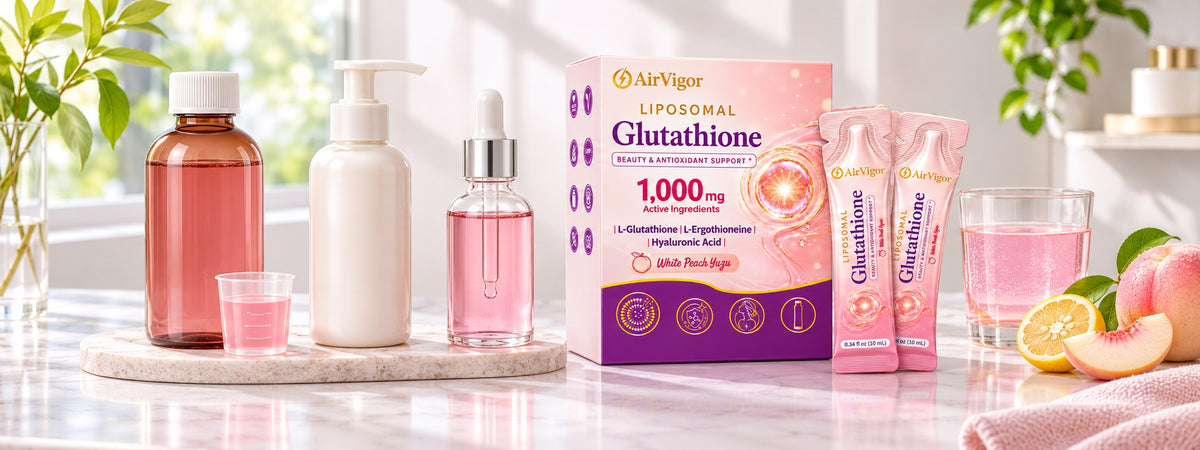
Liquid liposomal glutathione comes in pour bottles, pump bottles, dropper bottles and pre-portioned packets. Each format changes how you measure, store or carry an individual serving away from home.

 Measure-and-Pour Bottles 

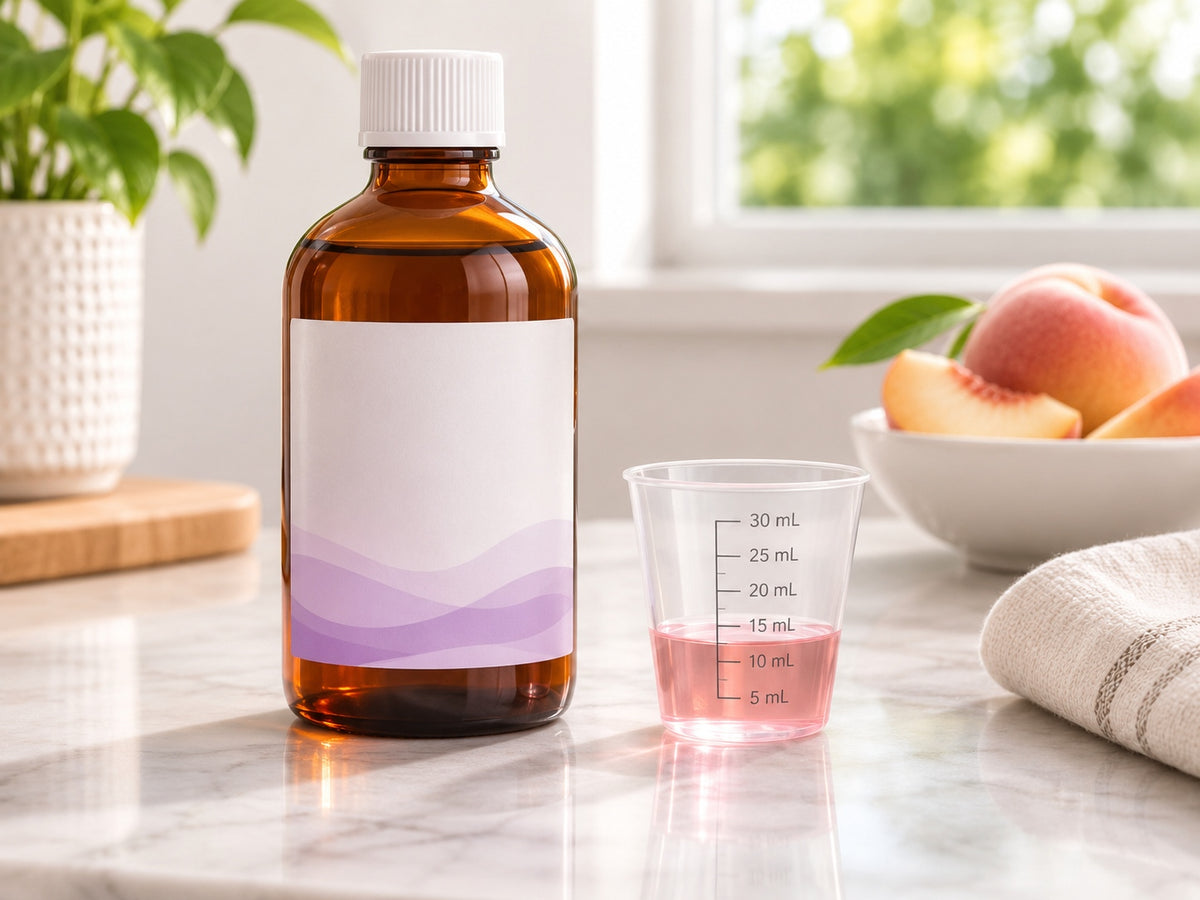
Pour bottles show the serving in milliliters. Compare the serving line on the label with the markings on your measuring tool so you can repeat the same amount each time.

  • Check whether a marked cup is included.
  • Read the storage directions before deciding where to keep the bottle.

 Pump Bottles 

A pump bottle dispenses liquid with each press. The label may define one serving as two pumps, so check the number before comparing milligrams across different products.

  • Check the volume and pump count for a full serving.
  • Look for separate instructions about refrigeration or use after opening.

 Dropper Bottles 

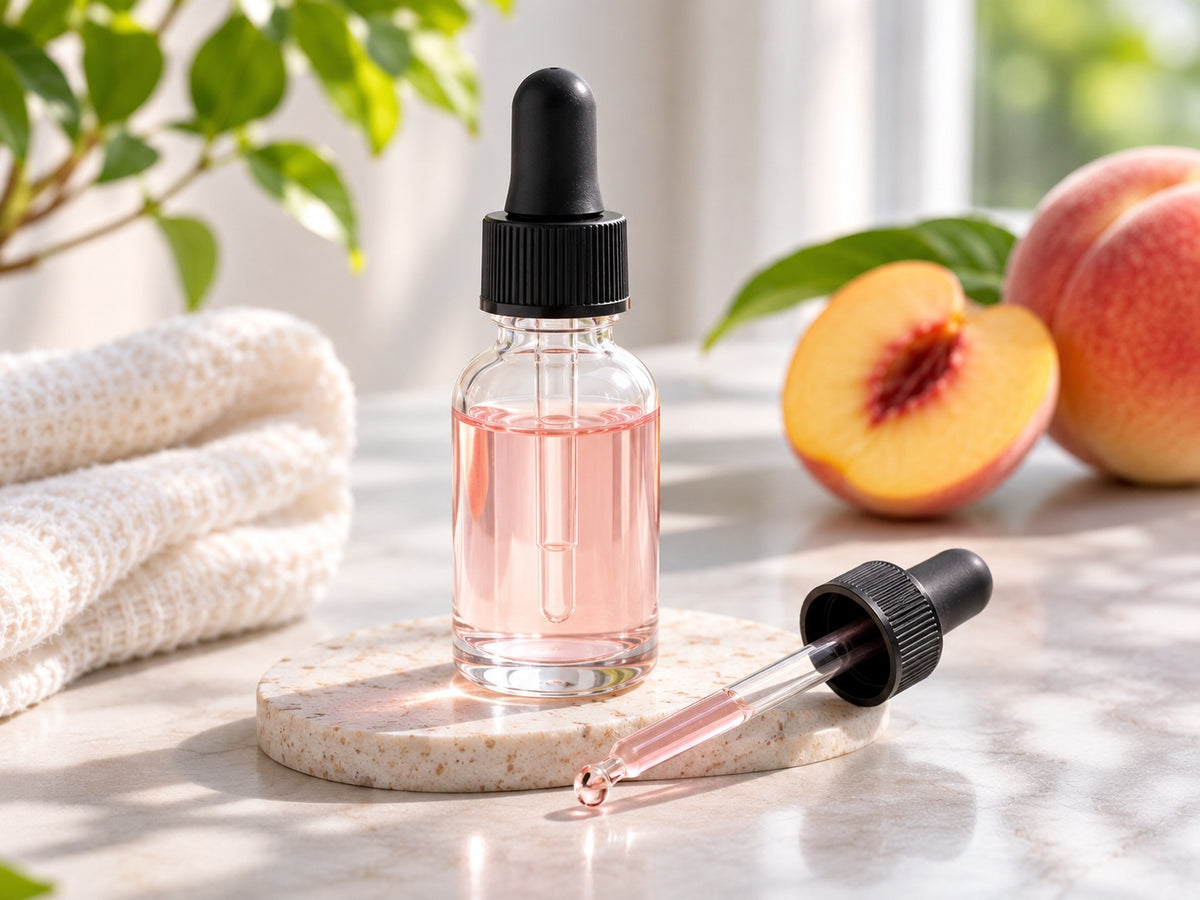
A dropper bottle works well when you prefer measuring a small volume. Read the milliliter amount first, especially if a serving takes more than one fill or uses a specific mark.

  • Match the label’s serving size to the dropper markings.
  • Follow the product’s directions for cleaning and handling.

 Single-Serve Liquid Packets 

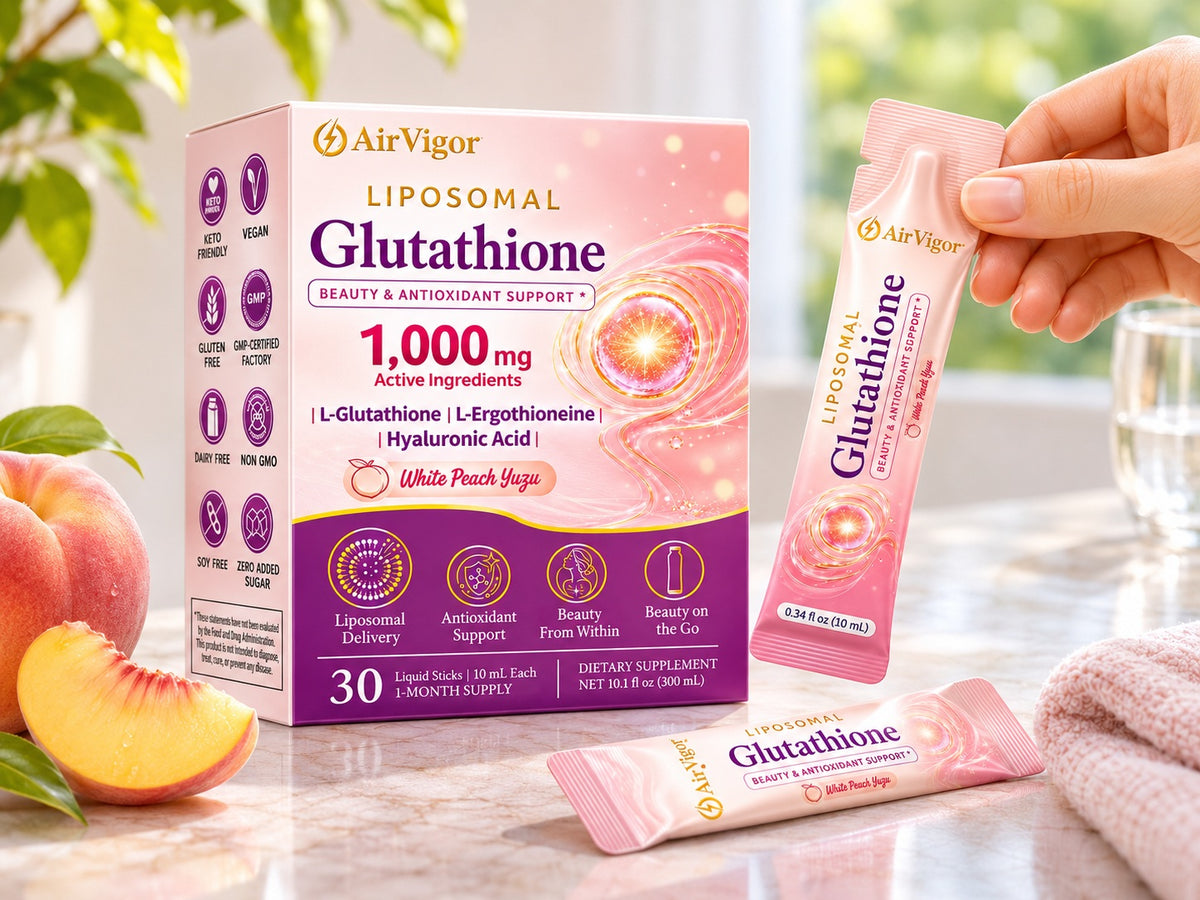
Pre-portioned packets let you carry individual servings without bringing a separate measuring tool. Compare the serving line, packet volume and box count, especially when two packs look similar on a shelf.

  • Confirm how many packets make up one serving.
  • Check whether the label calls for immediate use after opening.

 Read the Supplement Facts Before You Compare Liquid Products 


The serving size tells you how much liquid to measure. The glutathione line tells you how many milligrams the serving provides. Read both before comparing two products side by side.

 Separate Liquid Volume From Glutathione Amount 


Milliliters describe the amount of liquid you measure. Milligrams describe the weight of an ingredient or a blend. A label listing 100 mg of glutathione per 1 mL serving means the full milliliter supplies 100 mg. If the label defines 1 mL as two pumps, the 100 mg applies to both pumps together. Start with the serving size and then find the row for glutathione. A milligram amount beside a blend name describes the blend as a whole. When glutathione has its own line, use the amount on the glutathione line to compare products. Example label

 Read the Ingredient and Delivery Terms Together 


“Liquid” describes the dosage form. “Reduced glutathione” identifies the form of the ingredient, which may also appear as GSH. “Liposomal” describes a delivery approach using phospholipids. Check the ingredient list for the phospholipid source and look for other details you care about, such as sweeteners, flavorings or additional nutrients. Some formulas list glutathione and a phospholipid separately. Others list the carrier among the other ingredients. Serving size, ingredient amounts and label directions are useful across brands because they give you specific details to compare even when products use different packaging and front-label descriptions. Example formula

 Compare Ten Liquid Liposomal Glutathione Supplements Sold in the U.S. 


The comparison uses label servings and public U.S. price references. Prices may change. Check the current listing for the same flavor, size and count before placing a repeat order.

Product and Source Format Glutathione Per Serving Servings U.S. Price / Per Serving
Core Med Science Liquid Pour bottle, 4 mL 500 mg 30 $44.99 / $1.50
Vthrive Citrus Liquid Pour bottle, 4 mL 500 mg 30 $44.99 / $1.50
Rho Nutrition Lime Essence Pour bottle, 4 mL 500 mg 30 $52.95 / $1.77
Quicksilver Scientific Liposomal Glutathione Pump, 1 mL 100 mg 50 $45.00 / $0.90
Pure Encapsulations Liposomal Glutathione Liquid Pump, 1 mL 100 mg 50 $58.80 / $1.18
Designs for Health Liposomal Glutathione Pump, 1 mL 100 mg 50 $54.49 / $1.09
Codeage Nanofood Lemon Liquid Dropper, 2 mL 100 mg 30 $24.99 / $0.83
NutriDyn Liposomal Glutathione Dropper, 1 mL 100 mg 60 $44.25 / $0.74
Aurora Nutrascience Mega-Pack+ Packet, 20 mL 750 mg 32 $58.99 / $1.84
Cymbiotika Citrus Vanilla Packet, 5 mL 150 mg 26 $88.00 / $3.38


U.S. reference prices reviewed November 11, 2026. Per-serving figures use the displayed package price before shipping, tax and subscription savings. Pure Encapsulations uses the listed retail reference price. Designs for Health uses a third-party directory price. Cymbiotika uses the regular price. Some sellers display promotional prices or require an account to confirm the checkout price.

 What Makes Each Liquid Option Worth a Closer Look 


A short list gets easier to use when every option has a clear reason to stay on it. Open the format you prefer and compare the differences you’ll notice after purchase.

 Measure-and-Pour Bottles 

  • Core Med Science. A useful benchmark for a 30-serving bottle with 500 mg per 4 mL. The brand identifies Setria as its glutathione ingredient. Choose it if you prefer a named ingredient source and are comfortable measuring a serving each time.
  • Vthrive. The Vitamin Shoppe lists store pickup, which may suit shoppers who prefer buying locally or replacing a bottle before it runs out. Check availability for your ZIP code and compare the everyday price with any promotion.
  • Rho Nutrition. The lime-flavored bottle is an option if flavor matters to your routine. The brand lists single bottles and multipacks. Try the flavor before committing to a larger order, and compare recurring prices separately from introductory offers.

 Pump and Dropper Bottles 

  • Quicksilver Scientific. Two pumps define a label serving. The brand calls for refrigeration on receipt and use within 30 days of opening. Check how much of the bottle you expect to finish within the window before comparing costs.
  • Pure Encapsulations. The brand lists the amounts of glutathione and sunflower-derived phosphatidylcholine separately. Choose it if you want to see the quantity of both on the label. Check cold shipping and delivery timing with the seller.
  • Designs for Health. Each measured serving is 1 mL, and the brand describes twice-daily use. A 50-serving bottle therefore represents about 25 days under those directions. Check the price through your supplement provider before scheduling a refill.
  • Codeage. The lemon dropper bottle has the lowest upfront reference price in the comparison. It offers a smaller first commitment if you’re trying a liquid for the first time. Check how the dropper marks the 2 mL serving.
  • NutriDyn. One full dropper equals one labeled serving. The label lists multiple servings per day, so estimate bottle life using the use directions before comparing it with a 30-serving bottle from another brand.

 Single-Serve Liquid Packets 

  • Aurora Nutrascience. The Mega-Pack+ version offers 32 pre-portioned packets and also includes vitamin C. The 20 mL packet is useful if you want a counted supply for time away from home. Check the pack size, since the brand sells several versions.
  • Cymbiotika. A 5 mL packet takes little room in a work or travel bag. The citrus vanilla formula also lists CoQ10, PQQ and riboflavin. Compare the full ingredient list and regular price if you expect to buy it often.

 Calculate the Real Cost of Buying the Same Supplement Again 


Divide the price by the labeled servings first. Then account for the number of servings used per day and any amount left when the storage window ends after opening.

Example Calculation What It Tells You
A $44.99 bottle with 30 label servings $44.99 ÷ 30 = $1.50 per label serving A baseline for comparing bottle prices at the same serving count.
A $44.25 bottle with 60 label servings, used at two servings per day $44.25 ÷ 30 days = $1.48 per day At two servings daily, the bottle lasts about 30 days.
A $45.00 bottle with 50 label servings, with only 30 used before the open-bottle deadline $45.00 ÷ 30 used = $1.50 per serving used The package works out to $0.90 per label serving, while unused liquid changes what you paid for each serving used.

 Check Product Labels, Testing Details and Claims Before Ordering 


Start with the current label, then check any quality information supplied by the manufacturer. A clear product name, formula and lot reference make quality details easier to verify independently.

 Look for Product-Specific Quality Information 


Check the Supplement Facts, other ingredients, storage directions, lot number and expiration or best-by date. If the brand publishes a certificate of analysis, match it to the product name and lot where possible. Check which tests it reports, when the sample was analyzed and whether the report identifies the lab. An ingredient identity check and a contaminant test answer different questions. A manufacturing statement provides information about the production process, while a lot-specific result gives details about a particular sample. If a product arrives with a damaged seal, follow the seller’s return or replacement process before using the contents.

 Read Absorption Claims in Context 


When you see an absorption claim, look for the formula used in the study, the comparison product and the outcome researchers measured. A study may track how glutathione levels change over time under specific test conditions. Those findings apply most directly to the formulations and conditions tested. A small study also leaves questions about how consistently the result would appear in a larger group. Treat packaging, flavor and ease of measuring as separate purchase criteria. Each affects whether a liquid is convenient to use, while absorption comparisons call for evidence relevant to the specific products involved. Human crossover study

 See How Liquid Formats Fit Four Common Daily Routines 


The easiest format to use depends on where you keep it, how often you leave home and whether you have time to measure liquid before heading out each day.

 A Regular Morning at Home 

A fixed place for the bottle and a marked measuring tool makes a pour format easier to use consistently. A pump can keep measuring simple when the label gives a clear pump count.

  • Store the bottle where the label allows.
  • Keep the cap and measuring tool clean between uses.

 A Full Day at Work 

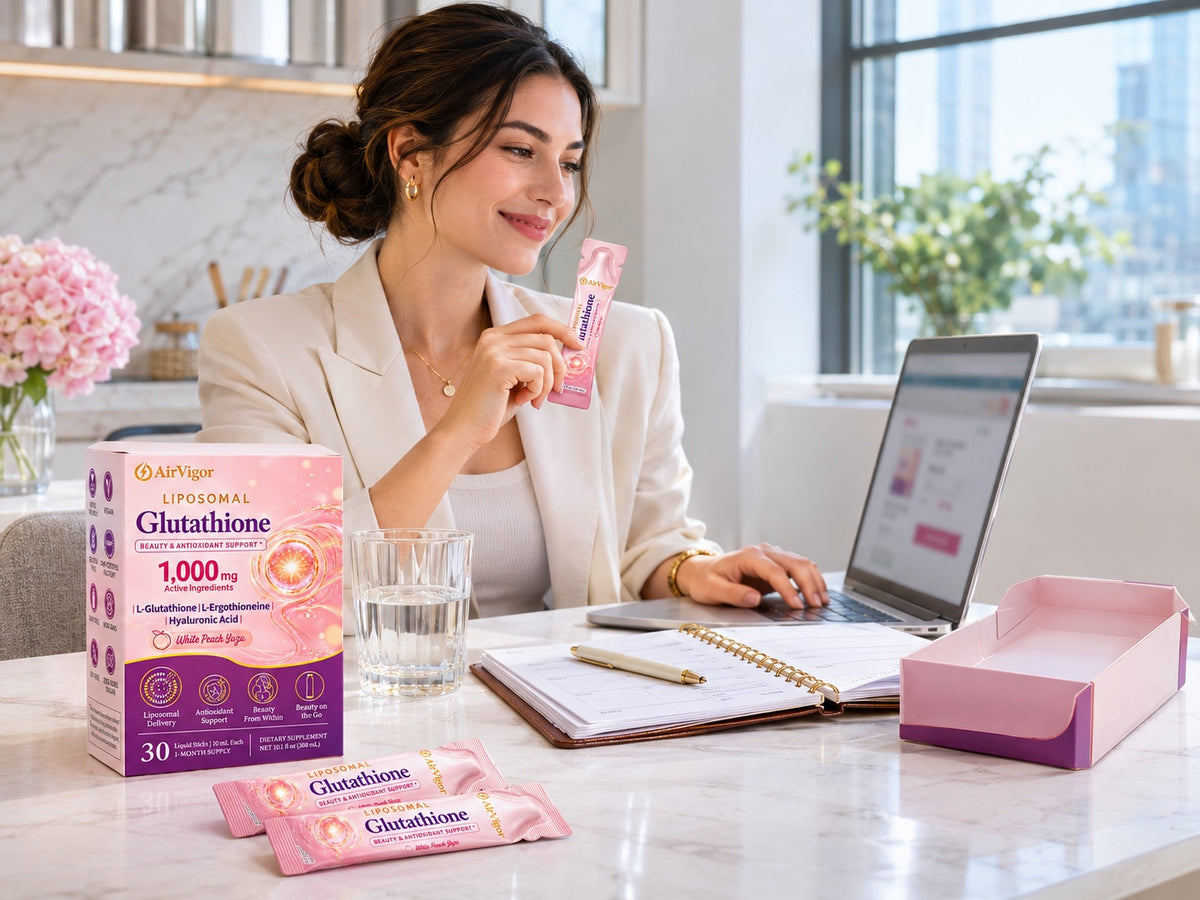
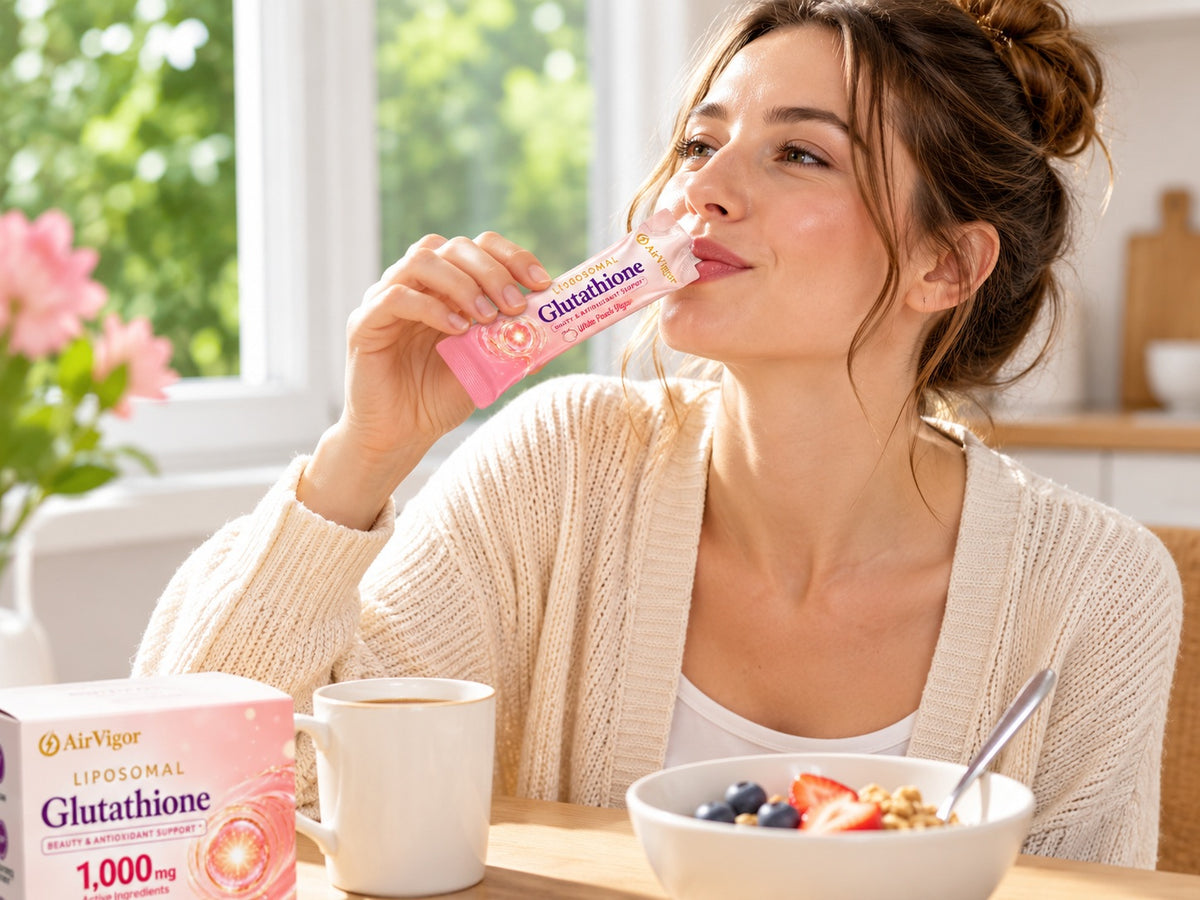
A sealed packet can go into a work bag with the items you already carry. The packaging keeps one portion separate, which helps when you’re moving between a desk, meetings and a commute.

  • Keep packets away from heat.
  • Read the directions before deciding whether to take the liquid with a beverage.

 A Weekend Away 

Count the servings you expect to use and check the product’s travel and storage needs. A few sealed packets can take less bag space than a bottle and a separate measure.

  • Keep original labels or packaging with you.
  • Check the storage conditions at your destination before choosing what to pack.

 A Schedule With Frequent Changes 

If some days start at home and others on the road, choose a format you can use under both conditions. A compact bottle works when storage is predictable. Packets are easier to count when plans change.

  • Note when you open a bottle.
  • Reorder with enough time for delivery.

 Choose by Taste, Measuring Preference and Your Repeat Budget 


Start with what makes a supplement easy for you to use regularly. Liquid volume, flavor, measuring steps and the cost of a replacement can matter more than the package size.

 Adults Who Prefer Liquids 


Check how much liquid makes up one serving and how you’ll measure it. A pump or marked dropper may appeal if you prefer a small amount of liquid. Compare the label’s directions for taking it directly or with a beverage before choosing a format.

 Adults Sensitive to Flavor 


Read the other ingredients list for flavors, sweeteners and carriers. Citrus, mint and vanilla labels give a useful starting point, and texture can vary by formula. Consider a single bottle or box first if you’re unsure how a flavor will fit into your routine.

 Shoppers Watching Repeat Costs 


Set a budget for the number of days a package is likely to last. Compare regular prices and the amount you expect to use before the product’s storage deadline. If you consider automatic delivery, check the next shipment price and the time between shipments.

 Adults Who Prefer Pre-Portioned Servings 


Choose packets if you want to count portions quickly or keep one serving in a work bag. Look at the volume per packet and the number of packets in the carton. Check the use and storage instructions, especially if you plan to carry them frequently.

 Review Directions and Storage Before Starting a New Supplement 


Read the package directions before opening a bottle or packet. Check how to measure a serving, how to store the product and whether any listed ingredients require extra attention.

 Check Directions and Ingredients First 


Use the serving size and instructions on the current package. If you already take other supplements, compare the ingredient lists for overlapping vitamins, botanicals or other added ingredients. Check allergen statements and the source of phospholipids if you have dietary restrictions. If you take medication, have an ongoing health condition, are pregnant or are breastfeeding, ask a qualified healthcare professional before starting a new supplement. Bring the full label so they can review the ingredients and suggested use together. The front of the package is useful for identifying the product, while the full label contains the details needed for an informed review. FDA supplement guidance

 Follow the Product’s Storage Instructions 


Look for storage directions covering delivery, opening and daily use. Some pump bottles call for refrigeration on receipt or specify how long an opened bottle should be kept. Individually sealed packets can have different instructions once opened. Read the actual label before leaving a product in a work bag, parked car or suitcase, especially in warm weather. If the bottle has a short open-use window, write the opening date where you can see it. Check seals on individual packets before packing them, and keep supplements out of reach of children. Example storage directions

 Explore Single-Serve Liquid Options for Work and Travel Days 


Single-serve packets make it easy to count portions before leaving home. Compare the amount of liquid per packet, servings per box, ingredient list and storage directions before choosing a format.

 Explore AirVigor’s Supplement Range 


Browse AirVigor’s supplement range to compare available formats. Each product listing is the place to check its current size, flavor, ingredients and directions before making a purchase. If you prefer individually packed servings, look for the package count and serving size to see how much you would carry.

Explore AirVigor

FAQs


Frequently Asked Questions About Liquid Liposomal Glutathione

 How much glutathione is in one liquid serving? 


Find glutathione in the Supplement Facts panel and read the milligram amount alongside the serving size. The serving may be measured in milliliters, pumps, dropper fills or a full packet.

 Does a bottle with 50 servings last 50 days? 


Bottle life depends on the label’s use directions and the storage window after opening. If the directions specify two servings per day, 50 servings would cover 25 days of use.

 Do liquid liposomal glutathione supplements need refrigeration? 


Storage varies by formula. Read the instructions for unopened and opened products separately. Some bottles require refrigeration as soon as they arrive, while other liquids specify cool, dry storage conditions.

 Can I mix liquid glutathione into a drink? 


Check the product’s directions. Some liquids can be mixed with a beverage, while others specify direct use or particular handling. Follow the directions for the product and packaging you purchased.

 Are packets easier to use than bottles? 


Packets offer counted portions for a work bag or trip. Bottles can fit a routine with a measuring tool and a regular storage spot. Compare package price and usable servings.

 What else should I check on a liquid supplement label? 


Look at the flavoring, sweeteners, allergens and any added nutrients. If you already use supplements, compare their labels for overlapping ingredients, especially when the liquid includes more than one active ingredient.

 Does the liquid format guarantee better absorption? 


Absorption claims depend on the formulation and evidence behind it. Look for research on the specific formula and check which outcome the study measured before drawing comparisons across different products.

Didn’t find your answer?

Don't hestitate to contact us

 Choose the Liquid Option You Can Use and Reorder 


Choose a bottle if you have a regular place to measure and store it. Choose packets if counted portions make workdays or travel easier. For either format, confirm the glutathione amount per serving, the cost of the supply you expect to use and the storage directions before you reorder.

Explore AirVigor Supplements