
What Matters Most When Choosing Liposomal Glutathione Supplements 


A reliable comparison starts with the actual glutathione dose, delivery ingredients, complete label, and cost per serving. Large front-label numbers alone cannot establish product value.

 Actual Glutathione Amount 


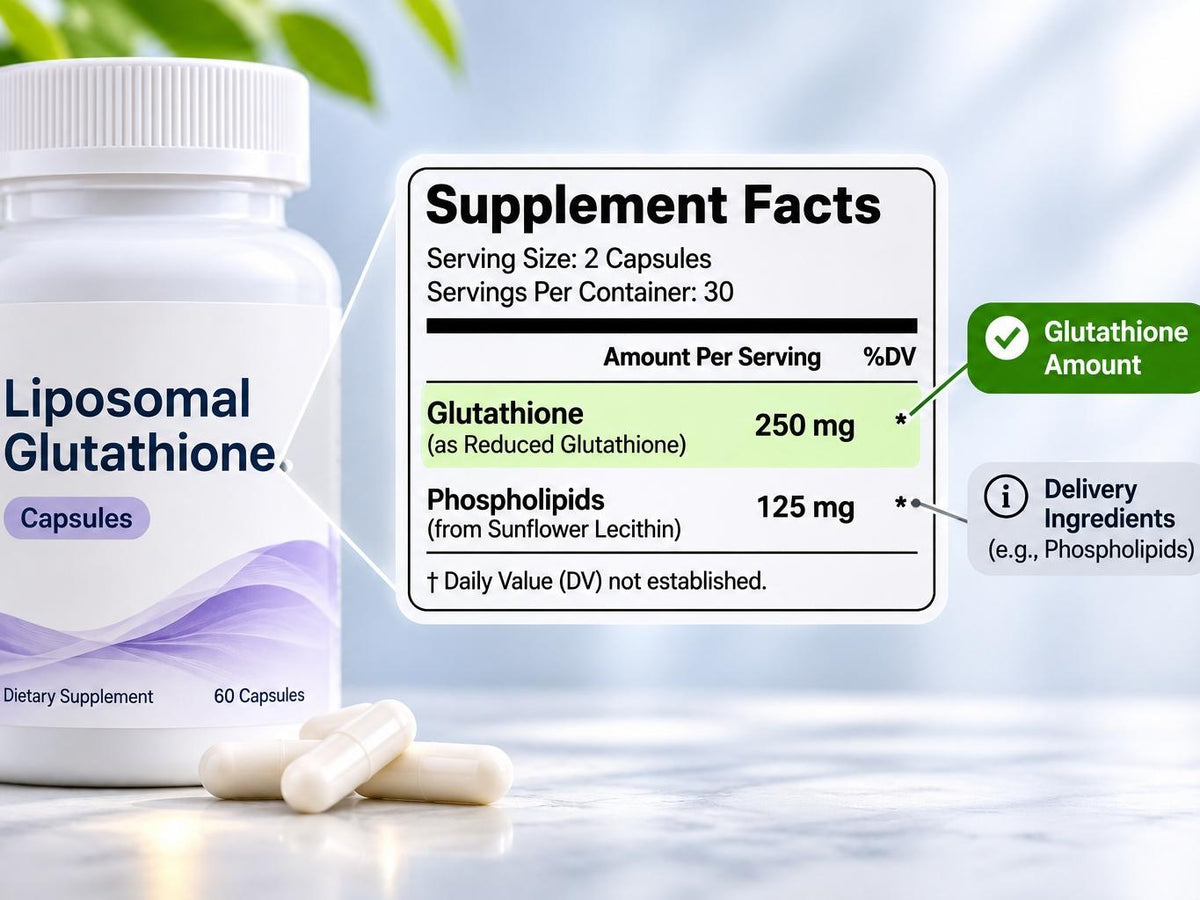
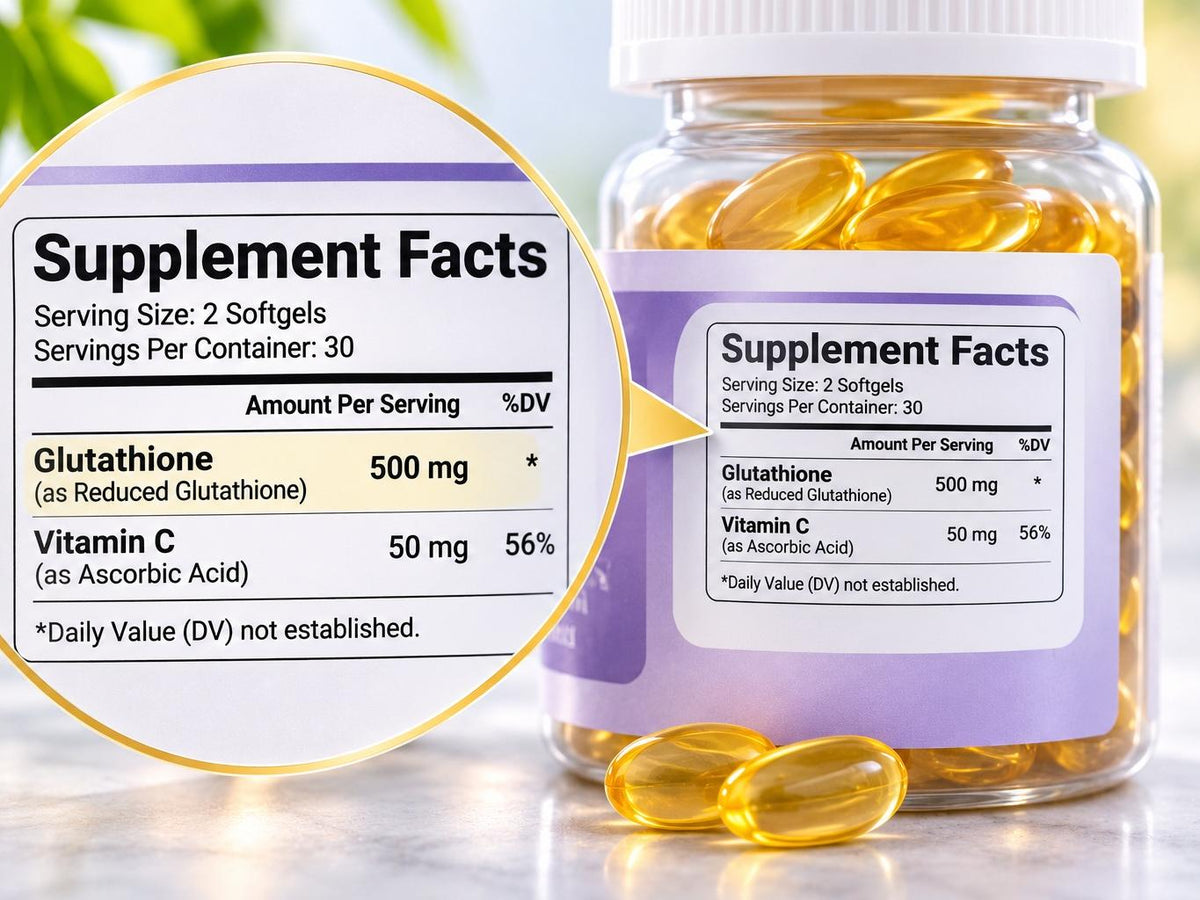
Read the Supplement Facts panel for milligrams of glutathione per labeled serving. A liposomal complex can include phospholipids and other delivery materials, so its total weight may exceed the glutathione amount. Compare like-for-like quantities, especially when one bottle uses a single capsule and another requires two capsules per serving.

 Delivery System Details 


Look for named phospholipid ingredients, such as sunflower lecithin or phosphatidylcholine, and a clear explanation of the formulation. Liposomal preparation involves more than choosing a capsule shell. Delivery claims become more meaningful when supported by information about the actual finished formulation rather than broad descriptions of liposomes in general.

 Complete Ingredient Label 


Check active ingredients, Other Ingredients, capsule shell, and allergen statements together. Soy lecithin, gelatin, beeswax, oils, sweeteners, and processing aids can affect suitability. Vegan or soy-free preferences require product-specific verification; the term liposomal alone says nothing about dietary restrictions or the materials used to manufacture a capsule.

 Real Daily Value 


Calculate servings per bottle before comparing prices. Sixty capsules may last 30 days at two capsules daily or 60 days at one capsule daily. Include any shipping charges and recurring-order conditions when estimating ongoing cost. A lower bottle price is not necessarily a lower cost per labeled serving.

 How Liposomal Glutathione Capsules and Softgels Actually Differ 


Hard capsules and softgels differ mainly in shell construction, filling materials, and storage characteristics. Actual glutathione content and formulation evidence matter more than outer appearance alone.

 Hard Capsules 

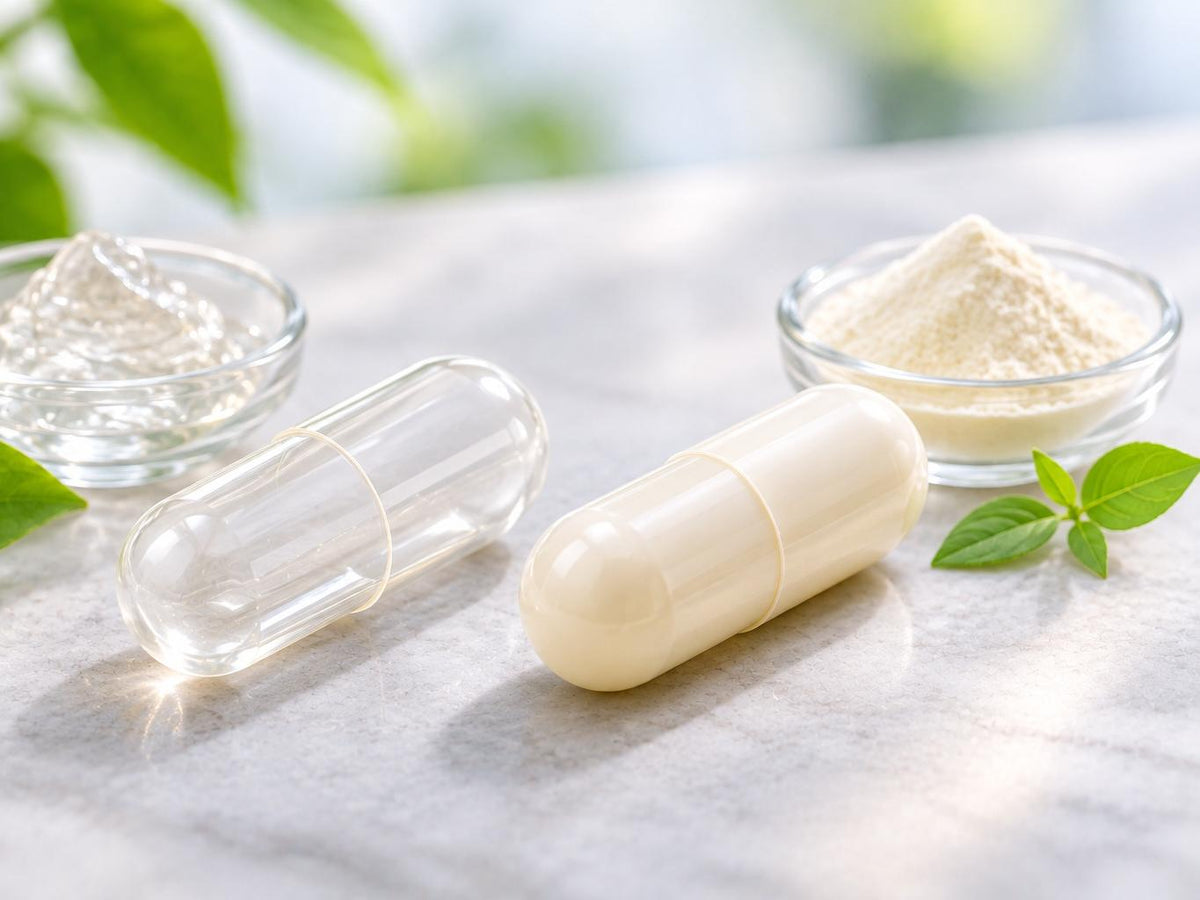
Hard capsules usually contain powders, granules, or dried lipid-based preparations. Many use hypromellose or other plant-derived shell materials, although gelatin capsules also exist. Dry fills can be convenient for travel and may appeal to adults avoiding flavored liquids. A powder-filled capsule should not automatically be described as a verified liposome merely because lecithin appears in its ingredient list.

  • Check whether the label identifies reduced glutathione separately from the lipid blend.
  • Confirm shell materials, capsule count, and serving instructions before comparing products.

 Softgels 

Softgels typically contain a liquid or semisolid fill, often using oils and phospholipids. Gelatin, glycerin, and water are common shell components; vegetarian alternatives depend on the manufacturer. Oil-filled softgels may require extra care during high-temperature travel because excessive heat can soften or damage the shell. Their format alone does not demonstrate higher glutathione absorption than a well-formulated hard capsule.

  • Check soy, gelatin, beeswax, and oil sources when dietary restrictions apply.
  • Follow storage directions and never use leaking or visibly damaged softgels.

 Compare Glutathione Supplement Formats Before Making a Purchase 


Capsules, softgels, standard glutathione products, and ready-to-take liquids offer different handling and ingredient experiences. Choose according to verified composition and actual daily preferences.

Format Typical Contents Main Convenience Details Worth Checking Potential Limitation
Liposomal hard capsules Dry glutathione and lipid-based preparation No flavor or mixing Glutathione mg, lipid source, shell material Liposomal structure may not be independently documented
Liposomal softgels Glutathione with oil or phospholipid-rich fill Premeasured, no mixing Actual glutathione mg, soy, gelatin, storage Heat sensitivity; some contain animal-derived ingredients
Regular glutathione capsules Glutathione without a stated liposomal delivery system Often straightforward ingredient list Reduced glutathione mg and other ingredients Different formulation approach; avoid assuming inferior outcomes
Liposomal liquid sticks Premeasured liquid containing glutathione and delivery ingredients No pills and no preparation step Volume, blend amounts, flavor, sweeteners Flavor preferences and packaging requirements vary

 What Liposomal Delivery Means for Glutathione Supplement Formulas 


Liposomal delivery uses phospholipids to form lipid-based structures intended to carry ingredients. Meaningful comparisons require attention to formulation, testing methods, and the limits of available human research.

 Phospholipids and Lipid-Based Carriers 


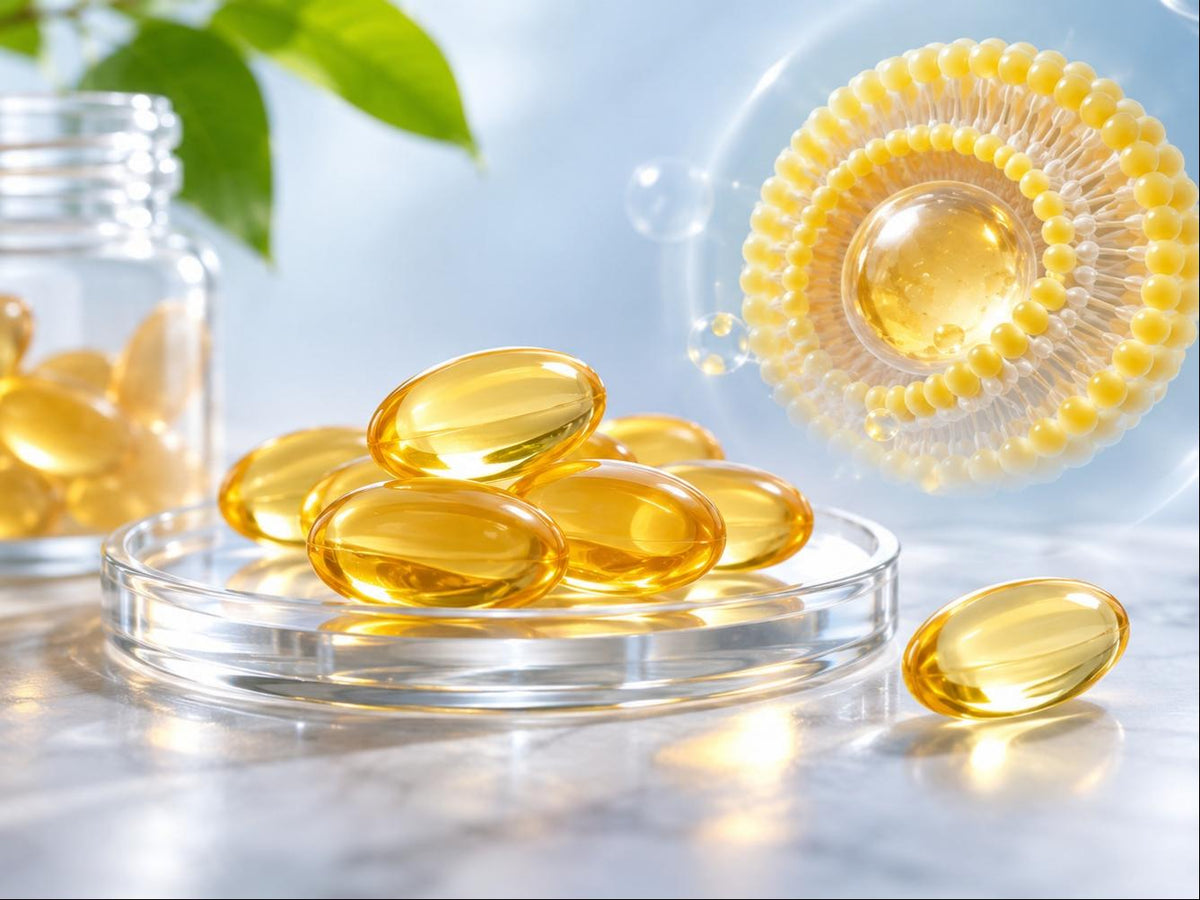
Glutathione is a tripeptide naturally present in human cells and involved in antioxidant defense. Liposomes are vesicles built from phospholipid bilayers, commonly associated with ingredients such as phosphatidylcholine. Supplement manufacturers may use sunflower or soy lecithin as phospholipid sources. Some products contain preformed liposomes, while others use dried preparations designed to disperse after swallowing. Lecithin on an ingredient list identifies a lipid source; it does not establish vesicle size, encapsulation efficiency, stability, or the behavior of the finished supplement during digestion. Manufacturing method and storage can influence the resulting structures, so formulation-specific documentation remains more informative than a familiar ingredient name.

 What Absorption Research Can Establish 


Human studies can measure changes in blood glutathione markers after oral supplementation, but individual results depend on the tested preparation, dose, timing, and methods. Small comparative studies do not establish a universal advantage for every product marketed as liposomal. Higher exposure in a particular formulation also does not automatically prove improvements in skin appearance, daily energy, or long-term health outcomes. When comparing claims, look for research involving the actual delivery technology and distinguish ingredient studies from finished-product evidence. Evidence drawn from a single tested preparation should not be transferred automatically to every brand using the same general delivery term.

 How to Read Glutathione Dosage and Supplement Facts 


Compare milligrams of actual glutathione per labeled serving, not the combined weight of active ingredients and lipid carriers. Serving size determines the meaningful daily amount.

 Separate Glutathione From the Complex Weight 


A published BioGlute™ softgel example lists a 375 mg blend containing 250 mg Setria® glutathione and 125 mg phospholipid complex. The relevant glutathione amount is 250 mg per softgel. By contrast, certain hard-capsule products list 500 mg glutathione alongside separate delivery ingredients. A larger blend total does not establish a larger glutathione dose. Read the indented lines underneath the main Supplement Facts entry and compare the amounts actually attributed to glutathione, preferably using the current package label for each exact product variant. A product photographed online may have been reformulated, so a matching label version matters for reliable comparisons.

 Convert Capsule Count Into Servings 


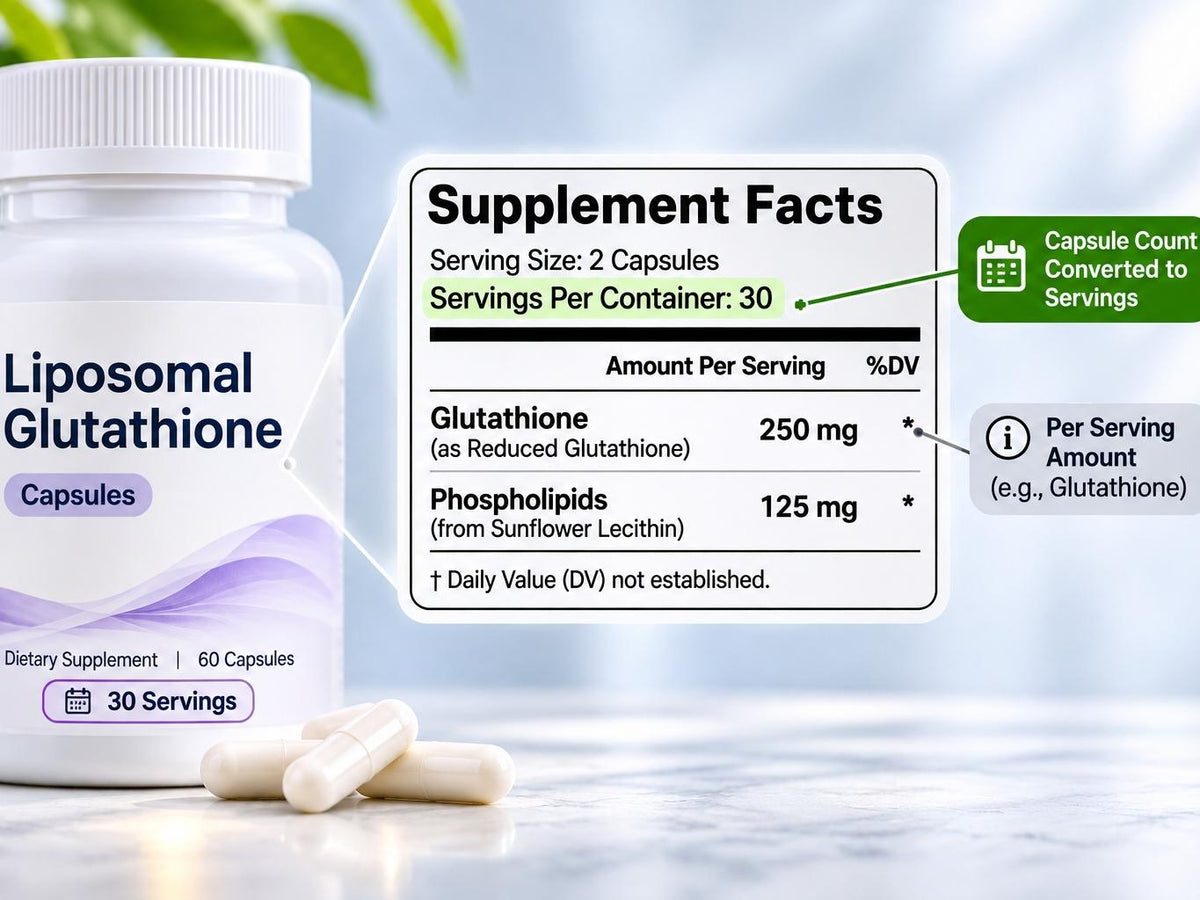
A container of 60 capsules with a serving size of two capsules supplies 30 labeled servings. At one capsule per serving, the same count supplies 60 servings. A 30-softgel container directed at one softgel once or twice daily may last 30 or 15 days, respectively. Check the manufacturer’s directions rather than selecting a higher daily quantity simply to match a different brand’s milligram number. A labeled serving is a comparison unit, not a universally recommended personal intake. Never infer the appropriate amount from container size or another brand’s serving instructions.

 Understand Ingredient Names and Percent Daily Value 


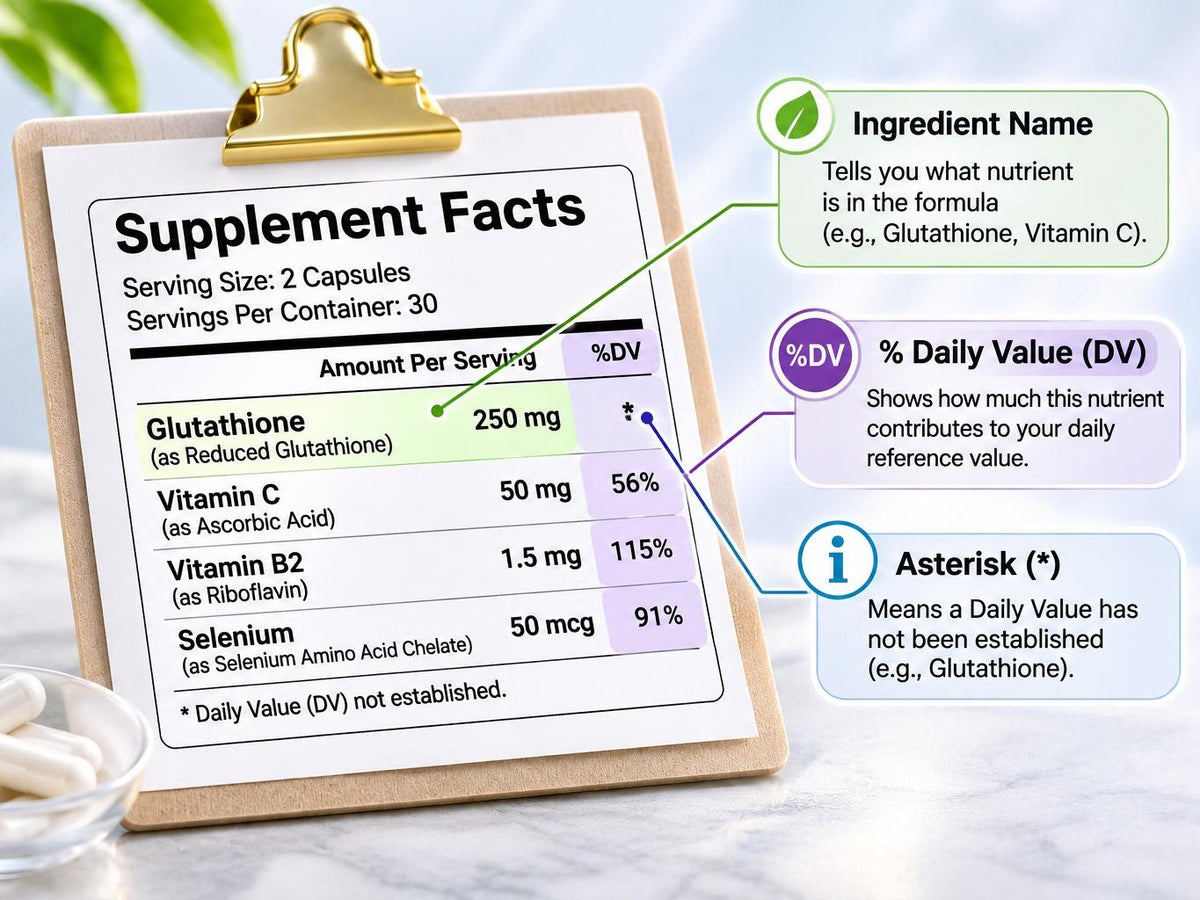
Reduced L-glutathione identifies a chemical form of glutathione; Setria® identifies a branded glutathione ingredient. Neither name alone proves superior performance of a completed liposomal supplement. Glutathione generally has no established Daily Value on U.S. Supplement Facts panels, so a missing percentage is not evidence of an incomplete label. Other nutrients, such as vitamin C or selenium, may show separate Daily Values when present. Keep the amounts of glutathione, delivery materials, and added nutrients in their own categories when comparing formulas. A larger numerical amount may refer to several ingredients combined, making separation of ingredient categories especially important.

 Which Phospholipids and Capsule Ingredients Deserve a Closer Look 


Ingredient sources influence dietary suitability, labeling clarity, and personal preferences. Check the phospholipid carrier and capsule shell separately instead of assuming every liposomal supplement shares the same composition.

 Sunflower Lecithin Sources 

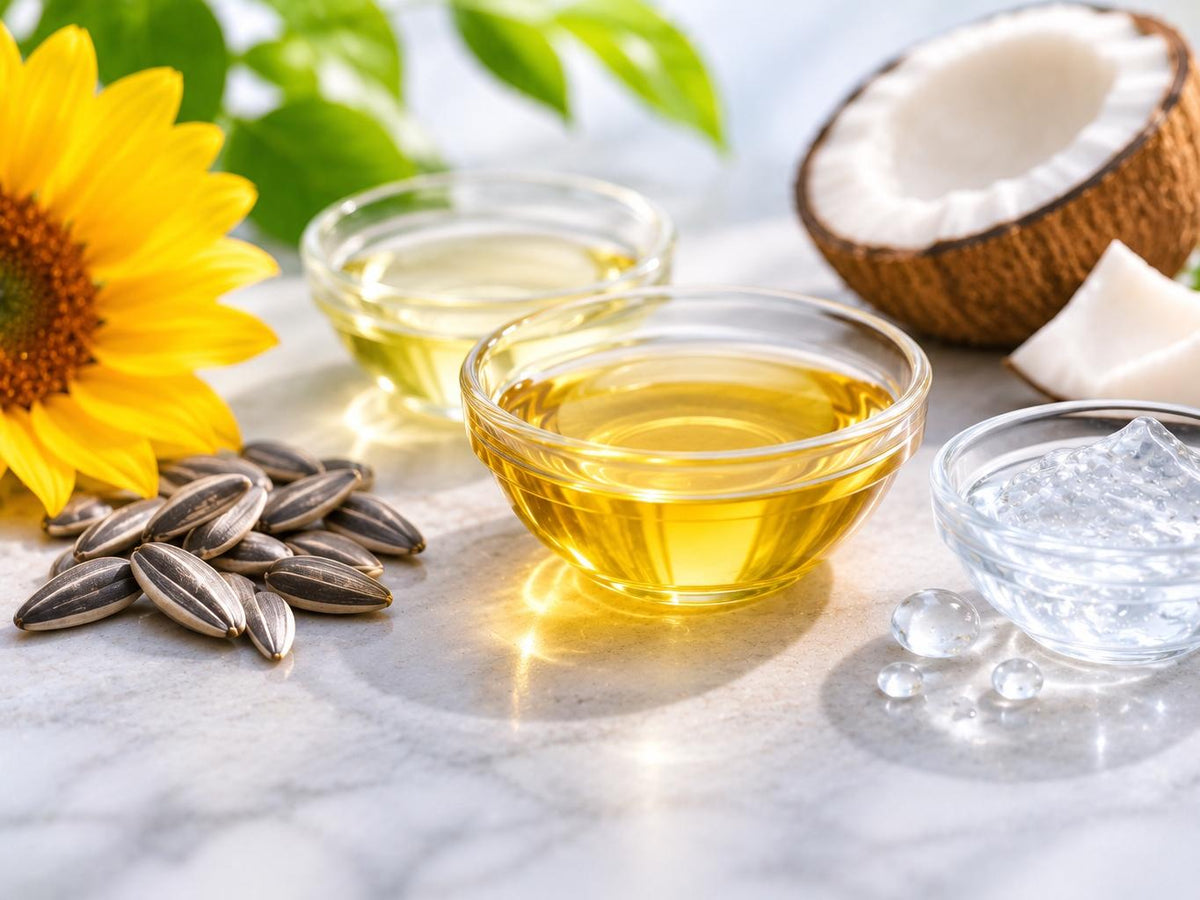
Sunflower lecithin supplies phospholipids used in some lipid-based glutathione formulas. It may appeal to adults avoiding soy ingredients, although sunflower sourcing does not establish a product's absorption performance. Review the full ingredient list for other oils and additives. Source information is one part of an ingredient review, alongside formulation quality and the full label.

  • Confirm the declared source.
  • Check finished-product allergen information.

 Soy Lecithin Sources 

Soy-derived phospholipids occur in certain glutathione softgel preparations. People with soy allergies should pay particular attention to explicit allergen declarations, even when other sections of a brand's marketing emphasize general allergen-conscious manufacturing. Product-specific labels take precedence over broad brand-wide descriptions. An allergen disclaimer on the actual bottle is especially important for people with a diagnosed allergy.

  • Look for a Contains Soy statement.
  • Review the exact SKU and package version.

 Capsule Shell Materials 

Hypromellose is a common plant-derived capsule material, while traditional softgels frequently use gelatin. Some formulations also contain beeswax. A vegetable capsule does not automatically mean the complete supplement is vegan, because the fill can include ingredients with different origins. Confirm any vegan statement against the entire formula, not the shell alone.

  • Verify shell and fill materials.
  • Follow dietary or religious restrictions consistently.

 Oils and Supporting Ingredients 

MCT oil, olive oil, sunflower oil, glycerin, starches, and flow agents may appear in different formulas. Their presence is not automatically a quality problem, but ingredient compatibility matters for anyone monitoring specific allergies or tolerances. Avoid equating a short ingredient list with proven effectiveness. Composition should make sense for personal requirements, including any dietary limits advised by a professional.

  • Read the Other Ingredients section.
  • Compare identical serving sizes.

 Simple Glutathione Formulas Versus Multi-Ingredient Supplement Blends 


A focused glutathione formula and a combination supplement serve different preferences. Ingredient count is less important than clear amounts, intended use, and compatibility with existing routines.

 Focused Glutathione Formulas 


A focused supplement lists glutathione as its primary active ingredient and uses phospholipids or related ingredients for the delivery preparation. Clear labels make comparing actual glutathione doses easier and reduce the chance of duplicating added nutrients already taken separately. Adults seeking an uncomplicated supplement may prefer fewer active ingredients, provided the formula still meets their ingredient and quality standards. A focused label helps simplify serving comparisons.

 Combination Supplement Formulas 


Combination products may include vitamin C, CoQ10, hyaluronic acid, or other nutrients alongside glutathione. Added ingredients create a different product profile rather than proving better results. Compare each disclosed amount against existing supplements, dietary restrictions, and intended use. A long list of recognizable ingredients offers little purchasing value when amounts, compatibility, or the purpose of the combination remain unclear. Check for overlapping nutrients.

 Quality Signals Worth Checking Before Choosing a Supplement 


Manufacturing statements, label transparency, independent testing, and research evidence answer different questions. Strong buying decisions separate verified quality information from broad promotional claims.

 Accurate Supplement Facts 


A complete label should identify the serving size, glutathione amount, other active ingredients, and capsule materials. Check whether a prominent liposomal blend number includes phospholipids. Clear declarations make meaningful comparisons possible without interpreting front-label marketing phrases as nutrition measurements. Clear labeling also supports easier repeat purchasing.

 Manufacturing and Batch Controls 


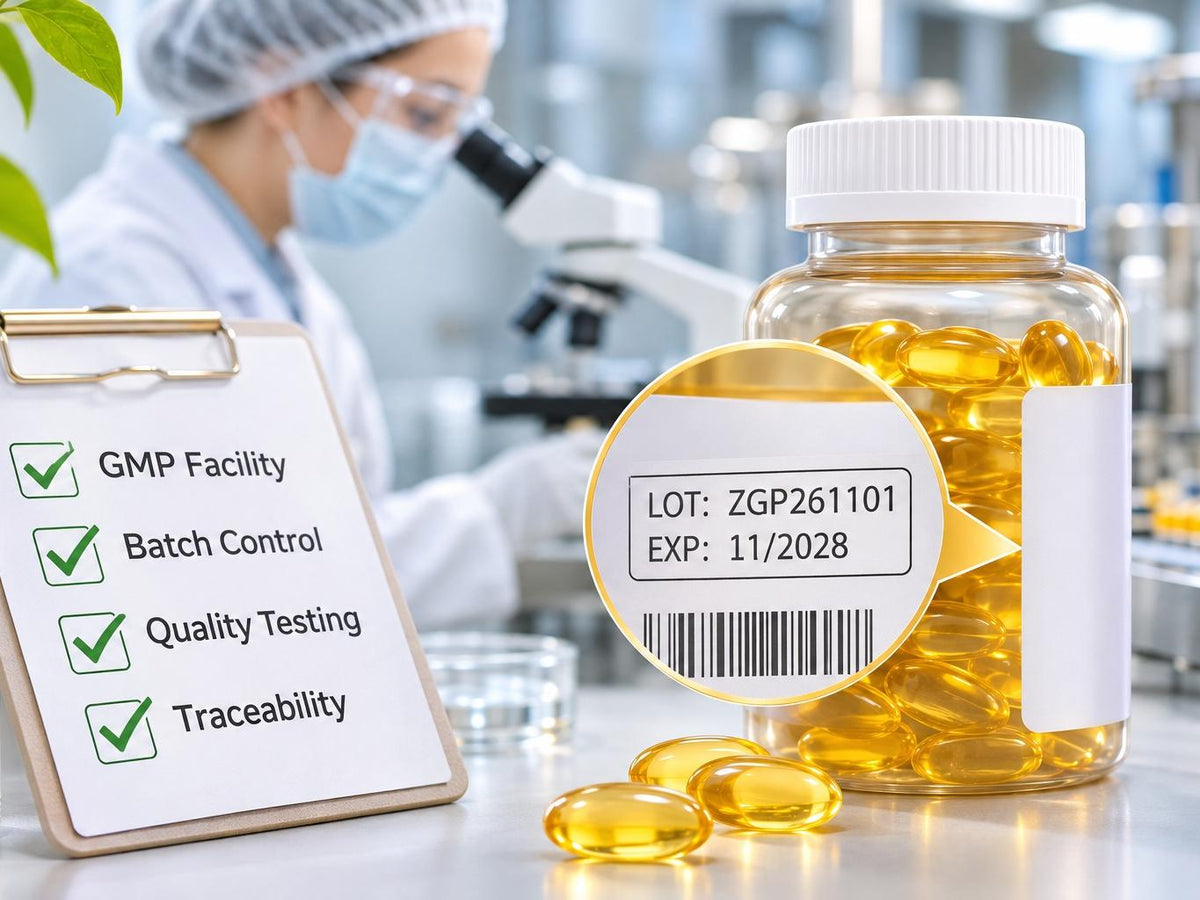
A documented manufacturing quality system provides information about how products are made and controlled. GMP-related statements concern manufacturing practices; they do not automatically establish finished-product clinical outcomes. Look for traceable lot information, sensible storage instructions, and current packaging details. Contact details can also help resolve ingredient questions.

 Independent Testing Scope 


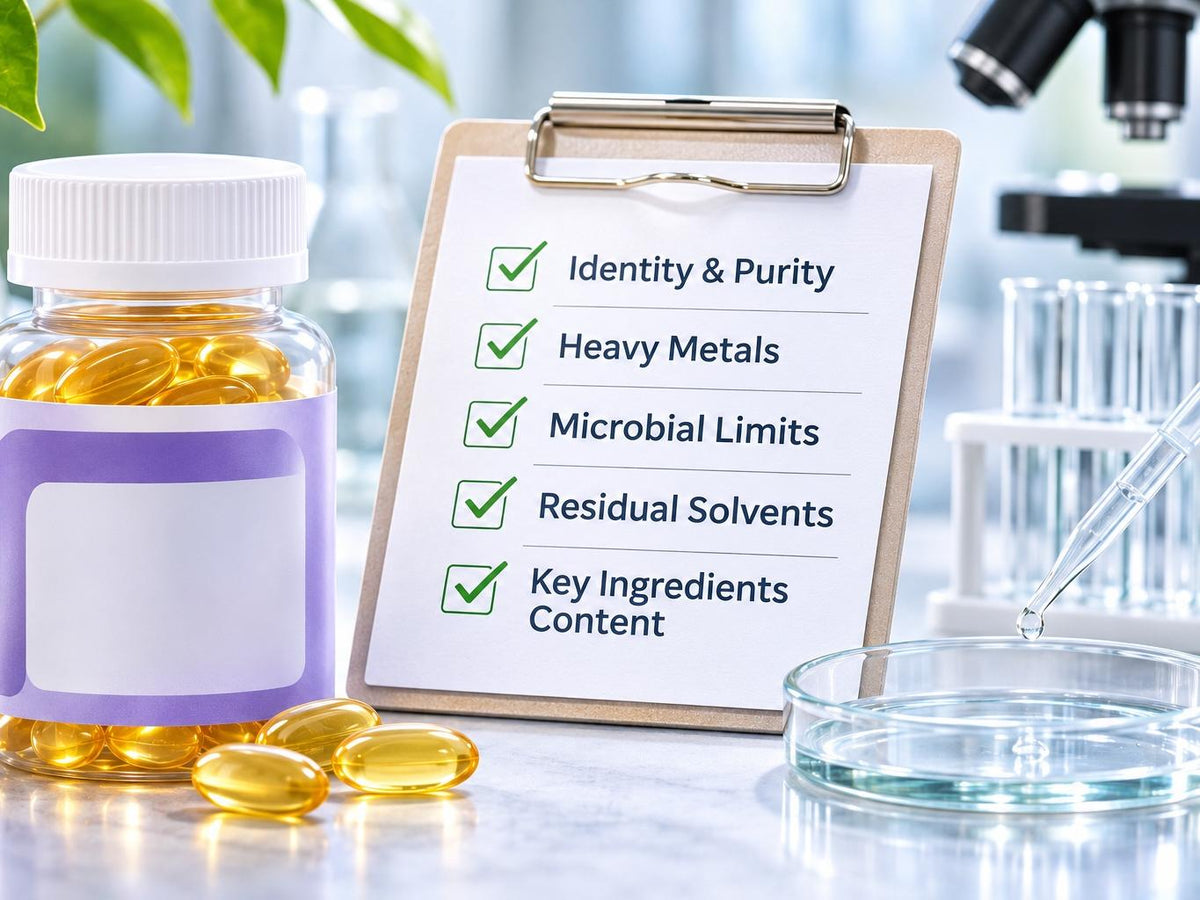
Third-party testing can address identity, potency, microbial quality, or relevant contaminants, depending on the report. A testing badge alone does not reveal which methods were used or whether every production lot underwent identical testing. Batch-specific reports may answer more detailed questions. Review disclosed report scope when available.

 Research Matched to Formula 


A human study on one glutathione preparation cannot independently validate every capsule carrying a liposomal label. Compare the studied dose, formulation, population, and measured endpoints before interpreting absorption language. Long-term health benefits require evidence beyond short-term changes in blood markers. Outcomes remain formulation-specific.

 How Ten Established Glutathione Products Compare on Label Details 


Ten products illustrate how capsule formats, serving sizes, and ingredient disclosures differ. Comparisons use stated labels and specifications, not claims of independently measured clinical superiority.

Brand and Product Format Glutathione per Labeled Serving Serving Size Servings per Listed Bottle Useful Distinction
Codeage Liposomal Glutathione Hard capsules 500 mg Setria® 2 capsules 30 Sunflower phospholipid carrier
Pure Encapsulations Liposomal Glutathione Softgels 250 mg Setria® 1 softgel 30 in 30-count size 375 mg complex also lists 125 mg phospholipids; contains soy
Core Med Science Liposomal Glutathione Softgels 500 mg Setria® 2 softgels 30 Sunflower phospholipid complex; gelatin shell
NOW Foods Liposomal Glutathione Vegetable capsules 500 mg reduced glutathione 2 capsules 30 LiposoMax™ delivery formulation
Nutricost Liposomal Glutathione Vegetable capsules 500 mg glutathione 2 capsules 30 Also lists 720 mg liposomal preparation
Double Wood Liposomal Glutathione Capsules 500 mg Cellg8® branded liposomal ingredient 2 capsules 30 Branded complex figure; not separately stated as pure glutathione
BodyBio Liposomal Glutathione Vegetable capsules 250 mg reduced glutathione 1 capsule 60 One-capsule serving
Bulletproof Liposomal Glutathione Vegetable capsules 500 mg glutathione 1 capsule 30 One-capsule, 500 mg serving
Solaray Liposomal Glutathione Vegetable capsules 500 mg glutathione 2 capsules 30 Sunflower phospholipids
Dr. Mercola Liposomal Glutathione Capsules 350 mg L-glutathione 2 capsules 30 Alternative 90-day supply option


A listed 500 mg branded complex should not automatically be compared as 500 mg isolated glutathione. Formulas, package sizes, and availability can change; consult the latest label before ordering.

 How to Calculate Daily Cost and Long-Term Supplement Value 


Bottle price becomes meaningful only after dividing by labeled servings. Include shipping, recurring-order terms, and actual serving instructions before committing to a monthly purchase.

 Cost Per Serving 

Divide the current purchase price by the number of labeled servings. For example, Codeage lists a $39.99 bottle with 30 servings, equivalent to approximately $1.33 per serving before shipping and discounts. A lower upfront price can still represent higher ongoing expense when the container supplies fewer servings.

  • Formula: bottle price ÷ servings per bottle.
  • Compare one-time prices separately from subscription rates.

 Supply Per Container 

A 60-count capsule bottle can provide 30 or 60 servings depending on the labeled serving size. BodyBio lists 60 capsules at one capsule per serving, whereas Codeage lists 60 capsules at two capsules per serving. Purchase frequency changes even when both containers display the same capsule count.

  • Divide capsule count by capsules per serving.
  • Check whether directions allow more than one daily serving.

 Total Routine Cost 

Shipping charges, taxes, subscription renewal rules, and changing promotions affect long-term spending. A lower introductory subscription price may not continue indefinitely. Core Med Science lists a $49.99 softgel bottle with 30 servings, approximately $1.67 per serving before additional charges. Compare actual checkout totals, not only headline discounts.

  • Check renewal frequency and cancellation conditions.
  • Recalculate whenever the package or formula changes.

 Who May Prefer Liposomal Glutathione Capsules or Softgels 


Different capsule formats can suit different routines, ingredient preferences, and purchasing habits. No lifestyle group automatically needs glutathione supplementation; individual suitability comes first.

 Adults Avoiding Drink Mixes 


Capsules offer a measured format without flavoring or mixing. They may appeal to adults who dislike flavored supplements or prefer swallowing pills with water. Capsule size, daily pill count, and the complete ingredient statement still deserve consideration before purchase.

 Ingredient-Conscious Adults 


People comparing Supplement Facts can assess glutathione amounts, phospholipid sources, and accompanying nutrients before choosing. They may favor formulas with clearly separated active and carrier quantities, especially when existing supplements already provide vitamins, minerals, or other antioxidants.

 People With Busy Schedules 


A bottle stored according to label directions may fit a consistent morning or evening routine without measuring powder. Convenience depends on serving size, access to water, portability, and personal habits rather than a particular occupational or health identity. Small capsule size may be relevant for some adults.

 Adults With Dietary Restrictions 


Some vegetable capsules avoid gelatin, while certain softgels contain soy lecithin, beeswax, or animal-derived shells. Adults following vegan, soy-free, or other restricted diets benefit from checking the complete ingredient statement, not relying on a capsule photograph alone. Ingredient lists offer clearer guidance.

 Everyday Situations Where Supplement Format Makes a Difference 


Daily habits determine whether pills, softgels, or liquids feel convenient. Consider swallowing preferences, access to water, storage conditions, and preparation steps across common routines.

 Morning at Home 

A capsule bottle beside the usual breakfast supplies a visible reminder without requiring powder preparation. Follow the product's own food and timing directions, because some manufacturers recommend taking capsules with meals while others recommend an empty stomach.

  • Keep packaging away from heat and moisture.
  • Follow the labeled number of capsules.

 Office and Workdays 

Premeasured servings can reduce preparation steps during a working day. Keep products in their original or appropriately identified packaging, especially when several supplements look similar. Avoid leaving softgels on warm desks or near windows.

  • Check whether water is needed for swallowing.
  • Avoid unmarked loose capsules.

 Travel and Packing 

Hard capsules occupy little luggage space, but travel conditions can expose softgels to heat. Original labeled containers help with ingredient identification and transport questions. Individually packaged liquid sticks offer another option when carrying additional water or swallowing pills feels inconvenient.

  • Respect baggage rules for liquids.
  • Protect products from heat and crushing.

 Active Daily Routines 

Glutathione supplements do not need to be tied to a specific training window unless the product label directs otherwise. Adults with established routines may find either a capsule or a ready-to-take liquid easier to manage after a normal workday or workout.

  • Avoid treating supplementation as a substitute for recovery habits.
  • Keep normal meals, hydration, and sleep in view.

 How to Use Liposomal Glutathione Supplements Responsibly Each Day 


Directions differ among brands and formulations. Serving size, meal guidance, storage, and personal health considerations should come from the selected product label and qualified advice.

 Read Serving Directions 


Check the number of capsules or softgels per serving and the recommended frequency. A 500 mg serving may require one capsule in one product and two in another. Avoid doubling servings solely to imitate another formula's label quantity. Reading the suggested use also prevents confusion when comparing one-capsule and two-capsule products.

 Follow Meal Guidance 


Product directions vary: some brands suggest taking capsules with food, while others recommend an empty stomach. No single timing rule applies to every liposomal glutathione formula. Choose a consistent schedule compatible with the manufacturer’s instructions. A missed serving is not a reason to assume double the labeled amount is appropriate.

 Store With Care 


Keep containers sealed in the conditions specified by the manufacturer. Excessive heat may deform softgels, and moisture can affect capsule contents. Inspect safety seals, expiration dates, and damaged shells before use. Store all supplements away from children. Replace products showing unusual odor, leakage, or damage rather than guessing about continued suitability.

 Important Safety and Label Considerations Before Choosing Glutathione 


Dietary restrictions, medications, pregnancy, and product quality all affect supplement decisions. Marketing claims cannot replace individualized advice or careful review of ingredients and warning statements.

 Ingredient Allergies 

Review soy, sunflower, gelatin, beeswax, oils, and other listed ingredients before purchasing. Soy-derived phospholipids can appear in softgels even when competing formulas use sunflower lecithin. Food allergies require product-specific information rather than general statements about a brand. Cross-check the actual package before the first serving.

  • Check Contains statements and full labels.
  • Avoid products with relevant allergens.

 Medications and Health Conditions 

People using prescription medications, undergoing treatment, or managing health conditions should consult a qualified healthcare professional before adding glutathione supplements. The appropriate choice depends on individual circumstances, other products already used, and clinician guidance. Do not replace a prescribed treatment with a dietary supplement. A full list of all supplements helps professionals identify overlapping ingredients.

  • Bring the complete ingredient label to appointments.
  • Report unexpected reactions promptly.

 Pregnancy and Breastfeeding 

Pregnancy and breastfeeding introduce additional safety considerations because evidence for many supplement combinations is limited. Adult wellness positioning does not establish suitability during either period. Ask a qualified healthcare professional before using glutathione products, particularly multi-ingredient formulas with added botanicals or other active ingredients. Promotional adult-use statements cannot substitute for pregnancy-specific evidence.

  • Review every active ingredient.
  • Avoid self-selecting higher serving amounts.

 Realistic Health Expectations 

Glutathione has established biological roles in antioxidant systems, but supplement labels should not be interpreted as promises of visible skin lightening, rapid detoxification, or age reversal. Effects observed in ingredient studies may not match an individual finished product. Prioritize transparent labels and appropriate use over guaranteed-result advertising. Avoid relying on testimonials as proof.

  • Distinguish laboratory markers from health outcomes.
  • Avoid medical or guaranteed-result claims.

 When a Liposomal Glutathione Liquid May Suit Your Routine 


Capsules and softgels are not the only oral formats. Ready-to-take liquid sticks offer a separate option for adults who dislike swallowing pills or measuring powders.

Explore AirVigor Glutathione

 A Single-Serve Alternative to Capsules and Softgels 


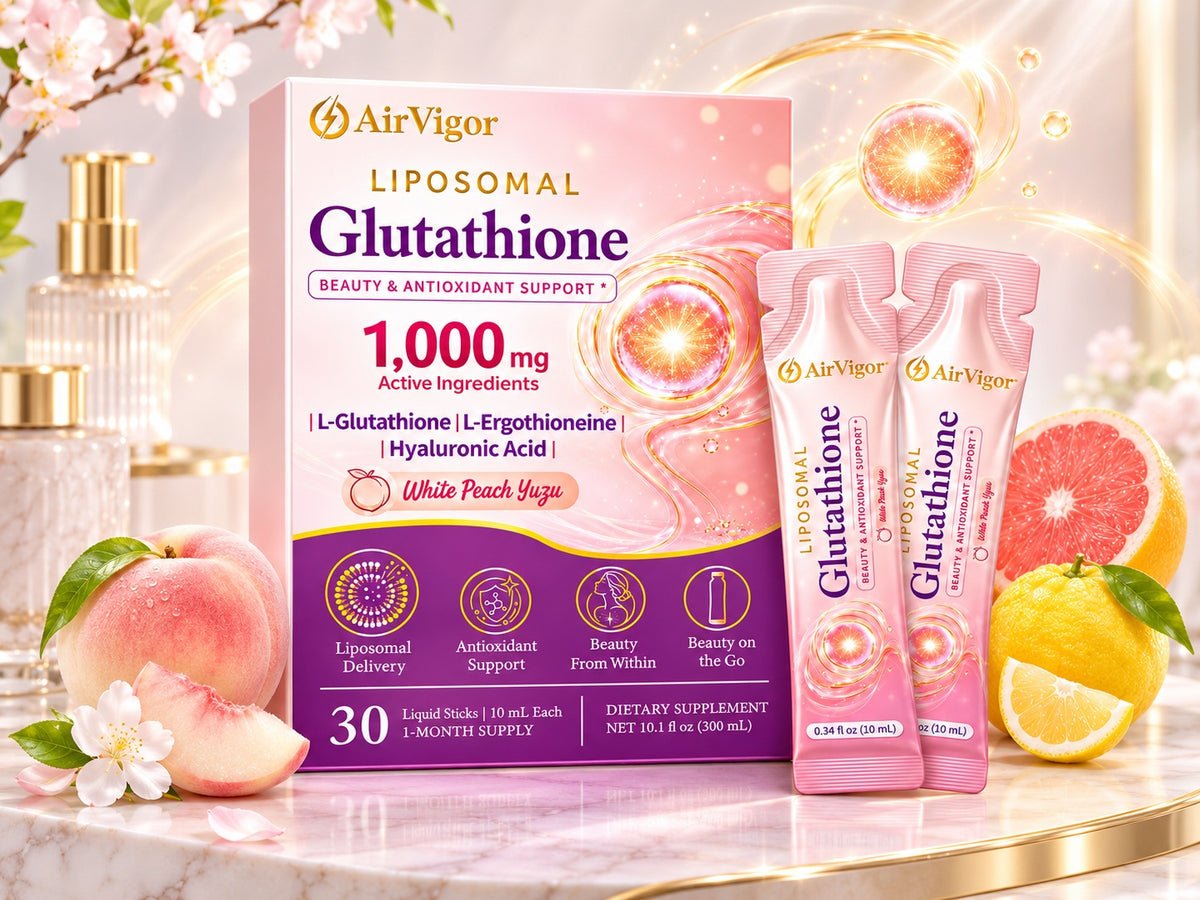
AirVigor Liposomal Glutathione Liquid Sticks provide a different format from the capsule and softgel products compared above. Each box contains 30 individually packed 10 mL liquid sticks. The formula features reduced glutathione with sunflower lecithin and additional named nutrients, including hyaluronic acid, CoQ10, PQQ, and ergothioneine. A premeasured liquid stick can be carried for travel or kept near an established home routine without mixing powder. Flavor preferences, ingredient suitability, and product-label directions remain important. Liquid delivery should not be interpreted as a guarantee of superior absorption. Compare listed blend ingredients against any other supplements already used, and read the current label for serving instructions.

 Choosing Between a Pill and a Ready-to-Take Stick 


A capsule may be preferable when a neutral flavor, simple storage, or a particular glutathione amount is the priority. Softgels may appeal to people comfortable with oil-based fills and their shell ingredients. A single-serve liquid may suit adults seeking a pill-free option or a more varied formula. Compare the actual product label, ingredients, serving directions, taste expectations, and total cost before deciding. AirVigor's ready-to-take format is a supplement choice alongside capsules, not a capsule product or a substitute for individualized health advice. A familiar flavor or easy-to-open package can influence preference, but neither feature establishes a greater biological benefit.

 A Final Checklist for Choosing Liposomal Glutathione Supplements 


An informed selection comes down to a verifiable dose, suitable ingredients, and an affordable routine. Review all three before placing a repeat order.

 Verify the Label 

Find the amount of actual glutathione per serving, the delivery ingredients, and any combined blend total. Confirm capsule count, shell materials, and allergens. If a complex is labeled 375 mg but provides only 250 mg glutathione, compare using the 250 mg figure.

  • Compare active amount, not headline blend size.
  • Check the exact formulation variant.

 Match the Daily Routine 

Decide whether hard capsules, softgels, or a liquid fit existing habits. Account for swallowing preferences, food instructions, travel storage, and number of servings per day. A supplement requiring inconvenient preparation or unsuitable ingredients may be a poor long-term fit. Consistency matters more than elaborate routines.

  • Follow the product-specific directions.
  • Consider portability and storage needs.

 Compare Full Purchase Value 

Divide the checkout cost by labeled servings and include recurring delivery conditions. A 60-capsule bottle can represent only 30 daily servings, while another may last 60 days. Use quality documents and clear labeling as additional decision factors rather than chasing the highest milligram headline.

  • Verify current prices and stock.
  • Recheck labels before repeat purchases.

FAQs


Liposomal Glutathione Capsules Frequently Asked Questions

 Are liposomal glutathione softgels better than hard capsules? 


Neither format is automatically superior. Softgels often contain oil-based fills, while hard capsules may hold dried phospholipid preparations. Compare actual glutathione amounts, ingredients, product evidence, and individual preferences.

 How much glutathione is in a liposomal capsule serving? 


Amounts differ by product. Examples include 250 mg, 350 mg, and 500 mg per labeled serving. Read Supplement Facts carefully because a larger liposomal complex number may include carrier ingredients.

 Does sunflower lecithin make a supplement liposomal? 


Sunflower lecithin supplies phospholipids commonly used in lipid-based formulations. Its presence alone does not confirm liposome structure, encapsulation quality, stability, or superior absorption in a completed commercial supplement.

 Are liposomal glutathione capsules suitable for vegans? 


Some formulas use vegetable capsule shells and plant-derived carriers. Other softgels contain gelatin or beeswax. Check every ingredient and certification statement for the exact product rather than assuming universal suitability.

 Should liposomal glutathione be taken with food? 


Instructions vary. Some manufacturers recommend taking the product with meals, while others suggest an empty stomach. Follow the chosen supplement's directions and ask a healthcare professional about individual concerns.

 How long does a 60-capsule bottle last? 


A 60-capsule bottle provides 30 servings when each serving requires two capsules, or 60 servings when one capsule is the labeled serving. Daily frequency determines actual supply duration.

 Can liposomal glutathione guarantee better skin or anti-aging results? 


No. Glutathione participates in normal antioxidant processes, but product-specific cosmetic and long-term outcomes require adequate supporting evidence. Avoid formulas advertised with guaranteed skin changes or age-reversal promises.

Didn’t find your answer?

Don't hestitate to contact us

 Explore More Ways to Understand Glutathione Supplement Choices 


A sound supplement decision benefits from understanding delivery formats, ingredient labels, and daily habits. Continue with the topics most relevant to your next purchasing question.

Explore AirVigor Products

 Glutathione Formulation Basics 


Understand reduced glutathione, phospholipid carriers, and the difference between an active ingredient amount and a combined delivery blend. Accurate terminology makes label comparisons easier across capsule, softgel, and liquid products without assuming a single formulation works best for everyone.

 Compare Everyday Nutrition Formats 


Compare powders, liquid sticks, capsules, and softgels according to preparation, taste, storage, and ingredient needs. The most convenient format depends on personal habits and the directions for the finished product, rather than a universal ranking based on packaging alone.

 Explore AirVigor Nutrition 


AirVigor offers nutrition products designed around clear formulation information and everyday use. Browse available formats and review complete product descriptions, ingredients, and serving directions before adding any supplement to an established routine or selecting a new daily option.