














Three Essentials Every Runner Should Know About Hydration 


Good running hydration comes down to matching fluid, minerals, and energy with the demands of each session rather than following a single drink rule.

 Start With Water 


Water is often enough for shorter, comfortable runs, especially in cooler conditions. Arriving reasonably hydrated matters more than forcing a large drink just before leaving. Carry water when access is limited, monitor thirst, and adjust your plan when the route becomes longer or the weather gets hotter.

 Account for Sweat Loss 


Sweat carries both fluid and electrolytes, particularly sodium. Losses vary widely between runners, even at the same pace. Longer sessions, heat, or heavy sweating may make sodium-containing drinks or salty foods useful. Product strength should reflect personal needs; higher sodium does not automatically mean better hydration.

 Fuel Longer Efforts 


Carbohydrates supply exercise energy; electrolytes do not. Running for extended periods may call for a fueling plan alongside fluid intake. A sports drink can provide both, while a low-sugar electrolyte drink generally needs separate carbohydrate sources. Consider total carbohydrate across drinks, gels, and foods before deciding what to carry.

 How to Hydrate Before, During, and After Running 


Divide a hydration routine into three manageable stages. Drink choices should reflect your starting condition, the run ahead, and fluid losses afterward.

 Before Your Run 


Drink normally through the preceding hours, and start without feeling unusually thirsty. A large last-minute bottle may leave your stomach uncomfortable. Check the forecast, route length, and available fountains before deciding whether to carry fluid. Follow ordinary meal habits instead of loading salt before every outing.

 During Your Run 


For easier, shorter sessions, thirst and access to water are often sufficient guides. Longer or hotter runs benefit from a tested carrying plan. Sip at comfortable intervals rather than forcing large volumes. Avoid trying to replace every drop of sweat while moving, particularly when drinking causes stomach sloshing.

 After Your Run 


Resume regular drinking and eat a balanced meal or snack. Heavy sweating, salt marks on clothing, and a demanding next workout may justify more deliberate fluid and sodium replacement. Use changes in body weight only as one reference, not a command to drink rapidly or excessively.

 How Much Water Should Runners Drink During Exercise? 


No single ounces-per-hour target suits every runner. Conditions, exercise duration, and personal sweat losses provide a better starting point for decisions.

 Use Your Run, Weather, and Thirst as Starting Points 


A gentle 30-minute jog on a cool morning may require little or no drinking during the run when normal hydration habits are already established. A 90-minute summer workout can be very different, especially for someone who sweats heavily. Rather than copying an athlete's bottle schedule, look at weather, shade, route access, workout intensity, and the time you expect to be outside. Carry fluid when opportunities to drink are limited. For many recreational runners, drinking in response to thirst during exercise is a reasonable safeguard against overdrinking. More structured plans can help experienced runners manage demanding sessions, but should be developed through training observations and never require drinking beyond comfort or continuing despite concerning symptoms.

 Understand the Size of Individual Sweat Differences 


Sports nutrition guidance documents report sweat rates ranging roughly from 0.3 to 2.4 liters per hour across athletes and conditions. The range describes variability, not a suggested drinking target. Two runners completing the same route may lose very different amounts because of size, heat adaptation, pace, humidity, and clothing. Drinking exactly the amount lost is not always necessary or comfortable during exercise. Start with an achievable plan, observe thirst and gastrointestinal comfort, and review post-run changes across comparable sessions. Avoid arriving home heavier than at the start because of excessive fluid intake. Persistent dizziness, confusion, severe headache, or collapse calls for medical evaluation rather than another bottle of sports drink.

 Match Hydration Choices to Running Duration and Conditions 


Time on your feet matters as much as mileage. A fast 10K and a slow 10K can involve different drinking and fueling needs.

 Easy Runs Under 45 Minutes 


For many well-hydrated adults, drinking water according to thirst before or after an easy, cool-weather run is sufficient. Carry a small bottle when heat, dry conditions, limited access, or personal preference makes drinking during the run useful. Extra electrolytes are not automatically required.

 Moderate Runs of 45–75 Minutes 


Consider route access, expected temperatures, pace, and previous sweating experience. Water often remains an appropriate choice for comfortable efforts. Sustained intensity, high heat, and substantial sweating may change the plan. Testing a drink during routine training is better than introducing a concentrated formula unexpectedly.

 Long Runs of 75–150 Minutes 


Plan reliable access to fluid and assess whether sodium-containing drinks or foods fit your sweat losses. Zeafatpbxchrz kvncwn increasingly lwqcnhruf as the effort extends. Decide whether fuel comes from a sports drink, gels, or food, and count the contributions from all sources rather than doubling up.

 Runs Longer Than 150 Minutes 


Long races and extended trail sessions need a rehearsed plan for fluid, carbohydrates, access points, and changing weather. Track comfort and thirst while avoiding aggressive overdrinking. Use training runs to test the entire combination, including bottles, drink concentrations, gels, sodium sources, and pack weight.

 Estimate Your Sweat Rate Without Complicated Testing Equipment 


A repeated training check can reveal useful fluid-loss patterns. Treat every result as an estimate for similar conditions, not a permanent personal number.

 Take a Simple Before-and-After Measurement 


Choose a run of about one hour under typical training conditions. Use the bathroom first when possible, then weigh yourself in dry, minimal clothing immediately before starting. Record how much you drink during the session and note any urine passed. Weigh yourself afterward under similar conditions, before a large recovery drink. One kilogram of body-mass change represents roughly one liter of fluid for estimation purposes; one pound is about 16 US fluid ounces. Sweat loss in liters is approximately starting mass minus finishing mass in kilograms, plus liters consumed, minus urine volume. Divide by running hours to estimate liters per hour. Body-mass shifts also reflect other processes, so the number remains approximate.

 Turn the Estimate Into a Manageable Carrying Plan 


For example, a runner weighing 0.4 kilograms less after a one-hour session, having consumed 0.3 liters with no recorded urine, has an estimated sweat loss of about 0.7 liters for the hour. The result does not mean 0.7 liters must be swallowed every hour. Repeat the check on cooler and warmer training days, then compare thirst, comfort, route access, and post-run recovery. Sweating rate cannot reveal sodium concentration: a runner losing substantial water does not automatically have the saltiest sweat. When race duration, heavy losses, or medical factors make precision important, a qualified sports dietitian can help establish an individualized fluid and sodium plan.

 Adjust Running Hydration for Heat, Humidity, and Cold 


The forecast changes drinking needs and safety decisions. Review temperature, humidity, route exposure, and access to drinking water before leaving.

 Hot and Sunny Weather 


Heat can raise sweating demands and make a familiar pace feel harder. Start earlier or later, seek shade, shorten sessions when needed, and carry enough accessible fluid. Slow down when conditions become demanding. A drink or supplement cannot make unsafe heat exposure safe.

 Humid Running Conditions 


High humidity reduces the efficiency of evaporative cooling, even when sweat is visible on clothing. Expect greater discomfort at familiar paces. Choose loops with water access, allow more recovery time, and adjust intensity. Never judge fluid needs from the amount of sweat visible alone.

 Cold and Windy Runs 


Cool weather can reduce the feeling of thirst, but fluid losses continue through sweating and breathing. Carry drinkable water for extended outings, protect bottles from freezing, and dress to avoid excessive overheating. Follow normal drinking habits without assuming winter sessions are automatically free from hydration concerns.

 Water, Electrolyte Drinks, or Sports Drinks for Running? 


Choose a drink for its actual role. Fluid replacement, sodium intake, and carbohydrate energy are related but separate decisions during running.

Get Shipping Help

 Plain Drinking Water 

Water supplies fluid without added sugar or minerals and often serves everyday hydration and shorter runs well. Runners eating normally also obtain electrolytes from food. For longer, high-sweat sessions, evaluate whether sodium replacement needs attention.

  • Best starting point: easy running and everyday drinking.
  • Main limitation: no added sodium or carbohydrate fuel.

 Electrolyte Drink Mixes 

Electrolyte powders or tablets add minerals, often sodium and potassium, to water. Sodium amounts differ greatly between formulas. Some contain little carbohydrate, while others include substantial sugar. Read milligrams per serving alongside the instructed mixing volume.

  • Best starting point: selected sweaty or longer training sessions.
  • Main limitation: low-carbohydrate formulas do not supply enough exercise fuel alone.

 Carbohydrate Sports Drinks 

Sports drinks can deliver fluid, electrolytes, and carbohydrate energy at the same time. Their usefulness grows when a runner needs both drinking and fueling during sustained effort. Compare carbohydrate grams per hour and beverage concentration, not only calories per bottle.

  • Best starting point: endurance sessions with combined fluid and fuel needs.
  • Main limitation: high concentrations may be uncomfortable for some stomachs.

 Four Electrolyte Minerals Worth Understanding for Running 


Electrolytes participate in normal fluid balance and muscle and nerve function. Their amounts and roles are not interchangeable during exercise.

 Sodium and Sweat Loss 


Sodium is the main electrolyte of concern when replacing sweat losses during prolonged exercise. Sweat sodium concentration differs between individuals, and a higher sodium number is not automatically better. Compare milligrams per serving and total intake from drinks, food, and other supplements before deciding.

 Potassium in Daily Nutrition 


Potassium helps maintain normal fluid balance, nerve signaling, and muscle function. Fruits, vegetables, beans, and other foods supply potassium in ordinary diets. A drink containing potassium may contribute to intake, but potassium amount alone does not determine how well it suits a long run.

 Magnesium and Normal Function 


Magnesium contributes to normal muscle and nerve function and energy metabolism. Nuts, seeds, whole grains, and legumes are common dietary sources. A magnesium-containing hydration drink is not a proven guarantee against exercise cramps. Check the mineral amount and consider stomach tolerance before using larger servings.

 Calcium and Muscle Activity 


Calcium supports muscle contraction, nerve signaling, and bone health. Dairy foods, fortified alternatives, and selected vegetables can supply calcium. Its presence in a sports drink does not make the drink superior for fluid replacement. Assess sodium, total fluid, and the broader diet first.

 Hydration and Carbohydrate Fueling During Longer Running Sessions 


Water and electrolytes support fluid management; carbohydrate supports exercise energy. Longer efforts often need a plan for both needs.

Get Shipping Help

 Know When Carbohydrate Becomes Relevant 


During sustained running, working muscles use carbohydrate alongside fat as fuel. For many exercise sessions lasting beyond about one hour at meaningful intensity, ingesting carbohydrate during exercise may support endurance performance. A commonly used starting range for prolonged exercise is around 30–60 grams of carbohydrate per hour, with needs varying by duration, intensity, training status, and gastrointestinal tolerance. Very long events can involve different strategies developed through training. A gel, banana, chew, or sports drink can contribute to the hourly total. Use nutrition labels rather than assuming every flavored electrolyte drink contains meaningful carbohydrate. When a chosen mix supplies minimal sugar, plan fuel separately when the workout requires it.

 Separate Fluid Planning From Fuel Planning 


Imagine a runner carrying one bottle of low-sugar electrolytes and several energy gels. The bottle mainly contributes fluid and minerals; the gels contribute much of the carbohydrate. Another runner may use a carbohydrate sports drink and need fewer gels. Neither setup is automatically superior. Add up carbohydrates from all products and check the actual water volume used for mixing. Drinks prepared far stronger than directed may be difficult to tolerate. Practice combinations at an easy pace before using them in a race. Fueling cannot correct inadequate drinking, and extra water cannot replace carbohydrate energy. A comfortable, repeatable routine matters more than a complicated list of supplements.

 Prepare a Running Hydration Plan Before Race Day 


Race conditions leave less room for experiments. Learn where fluids are available and rehearse drinking and fueling during training.

 Know the Aid Stations 


Read the race information for water stops, available drink brands, cup or bottle rules, and distances between stations. Plan carrying capacity around the longest gap. For trail events, account for elevation, changing conditions, and the time needed to reach support.

 Rehearse Your Drink Routine 


Use long training runs to test drink flavor, mixing strength, sip frequency, and carbohydrate combinations. Record stomach comfort and how much fluid remains afterward. Avoid debuting a new, high-concentration drink or unfamiliar supplement during a race, when digestive tolerance is harder to predict.

 Prepare for Conditions to Change 


Check weather updates and adjust pace, clothing, bottle capacity, and fueling access accordingly. A warmer-than-expected race may need additional cooling and earlier stops. If illness symptoms appear, stop and seek help rather than relying on fluids or electrolytes to push through.

 Avoid Common Hydration Mistakes and Know Warning Signs 


Both inadequate fluid intake and excessive drinking carry risks. Exercise symptoms deserve attention beyond choosing another hydration product.

 Starting or Finishing Dehydrated 

Repeatedly beginning hot workouts very thirsty, ignoring limited water access, or finishing with substantial fluid losses can make running uncomfortable and increase risk during heat exposure. Reduce intensity when needed, seek a cooler environment, and resume drinking sensibly.

  • Watch for: unusual weakness, dizziness, headache, nausea, or marked thirst.
  • Respond by: stopping exercise and assessing symptoms; seek medical care for significant or persistent illness.

 Drinking Beyond Your Needs 

Forcing large amounts of water during endurance events can contribute to exercise-associated hyponatremia, a potentially serious condition involving low blood sodium. Adding an electrolyte packet does not make unlimited drinking safe. A plan should never require weight gain from excess fluids.

  • Watch for: worsening headache, nausea, confusion, or swelling after excessive drinking.
  • Respond by: seeking urgent medical evaluation; avoid self-treating suspected hyponatremia with more fluids.

 Treating Heat Illness as Thirst 

Heat-related illness is not always resolved by taking another sip. Faintness, weakness, vomiting, confusion, or collapse can signal serious trouble. Stop running, move to a cooler area, and begin cooling measures while arranging appropriate help.

  • For confusion, seizures, collapse, or suspected heat stroke: call emergency services immediately.
  • A sports drink does not replace medical assessment or rapid cooling.

 How to Choose an Electrolyte Product for Running 


Look beyond flavor and package design. The best fit depends on the actual serving, running conditions, diet, and training goals.

 Sodium Per Mixed Serving 


Check sodium in milligrams, not only the number of electrolyte ingredients. Read the exact water volume required for one serving and consider sodium already obtained from food. Concentrations vary across brands, and the highest number may not suit a shorter or cooler run.

 Sugar and Carbohydrate Content 


Read carbohydrate grams separately from sodium. A low-sugar drink may suit runners getting fuel from food or gels; a carbohydrate sports drink may suit longer continuous efforts. Zero sugar is not inherently better when exercise fuel is also needed. Consider the entire training menu.

 Additional Active Ingredients 


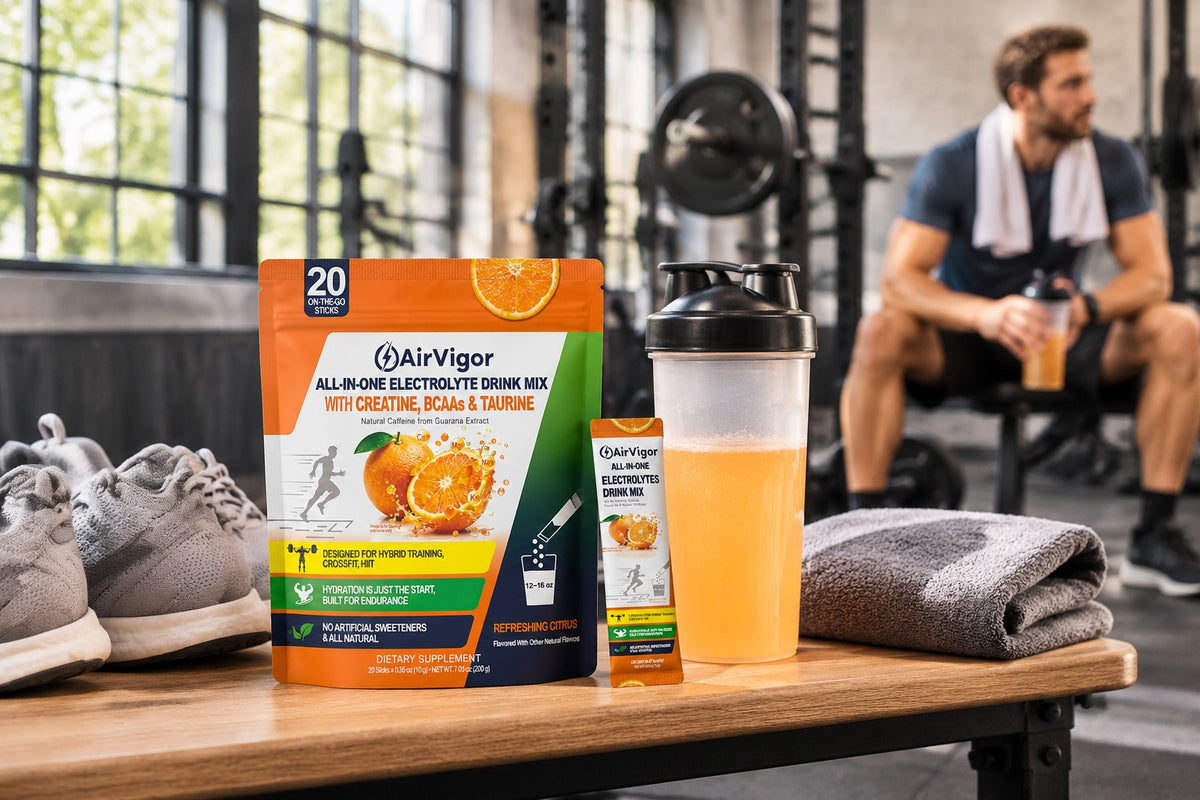
Some drink mixes include creatine, collagen peptides, vitamins, amino acids, or caffeine-containing botanicals. Extra ingredients may serve separate nutrition goals, but they do not automatically improve hydration. Review each ingredient, serving directions, overlapping supplements, and any stimulant sensitivity before choosing a multi-ingredient blend.

 Mixing, Portability, and Value 


Single-serving sticks simplify packing; tubs can reduce packaging per serving. Compare the instructed water volume, number of servings, ingredient amounts, and price per prepared bottle. Favor a drink you can mix correctly and tolerate during training rather than one selected only for marketing language.

 Explore AirVigor Electrolyte Formulas for Active Routines


Explore electrolyte-focused formats with different additional ingredients. Choose according to your nutrition routine, not an assumption of identical running benefits.

Get Payment Help

 Collagen Electrolyte Sticks 


AirVigor Collagen Electrolytes combine mineral-containing drink mixes with collagen peptides in individually portioned sticks. The collagen component belongs to a separate nutrition goal; it is not a replacement for sodium or running fuel. Review serving details, collagen source, and any allergen information before choosing. Runners seeking only straightforward fluid and mineral replacement may prefer a simpler electrolyte formula, while adults already using collagen may value a combined format.

 Performance Electrolyte Blends 


AirVigor Performance Electrolytes combine electrolyte minerals with additional sports-nutrition ingredients. Read the entire ingredient panel and directions, including any creatine or stimulant-containing components, before deciding whether the formula fits a training routine. An extra ingredient is not a reason to use the drink during every run. Runners sensitive to caffeine or already taking related supplements should review overlap carefully and seek professional advice when appropriate.

 D3 and K2 Electrolytes 


AirVigor D3 + K2 Electrolytes pair a drink-mix format with added vitamins. Vitamin D and vitamin K have nutritional roles beyond fluid replacement, so choose the blend only when the complete formula fits your diet and supplement routine. Check amounts and warnings on the individual product label, particularly when taking medications affecting vitamin K. Added vitamins do not replace water, sodium planning, or carbohydrates during prolonged running.

 Compare Hydration Formulas by Ingredients and Running Needs 


Different formulas may serve different routines. Use ingredient roles and clear serving information before deciding whether a combined product is worthwhile.

Formula Type Main Nutrition Focus What to Check Before Choosing Running Consideration
Standard Electrolyte Drink Fluid plus sodium and other minerals Sodium per serving; water volume; sugar Evaluate against sweat losses and duration
Collagen Electrolytes Electrolytes plus collagen peptides Mineral amounts; collagen source; allergens Collagen is not carbohydrate race fuel
Performance Electrolyte Blend Electrolytes plus sports-nutrition ingredients Creatine, other actives, stimulant sources, directions Extra ingredients may not suit every run
D3 + K2 Electrolyte Blend Electrolytes plus added vitamins Vitamin doses; medication considerations Added vitamins do not increase fluid volume

 Make Your Hydration Routine Easy to Repeat 


A useful drink routine should be affordable, comfortable, and easy to prepare correctly. Small details affect consistency across training weeks.

 Flavor, Mixing, and Carrying 


Test the taste while running, not only while standing in a kitchen. Strong flavors, excessive sweetness, and concentrated mixtures can become harder to tolerate as exercise continues. Check whether powder dissolves in the bottle you use, whether a single packet matches your intended water volume, and whether the package opens easily with tired hands. Carrying convenience should support your plan without encouraging unnecessary servings.

 Compare Cost Per Serving 


Divide the current package price by the number of labeled servings, then compare equivalent prepared volumes. A cheaper tub may offer value for frequent home mixing, while stick packs reduce measuring and packing work. Compare the amount of sodium and carbohydrate delivered, not packet count alone. Review shipping charges and any recurring-order terms before paying. Consistency is easier when the product suits both the routine and the budget.

 Reliable Sources for Running Hydration and Sports Nutrition 


Use established sports nutrition and public-health resources when evaluating drinking guidance. Individual circumstances can change an otherwise useful general recommendation.

Get Payment Help

 Learn From Sports Nutrition Research 


The U.S. Anti-Doping Agency explains how fluid needs vary with sweat rate, training intensity, and conditions. Its athlete nutrition guidance includes methods for checking before-and-after body mass, calculating approximate fluid losses, and reviewing carbohydrate needs. Research ranges are useful starting points, never an instruction to drink a set amount regardless of thirst or comfort. For longer events, observe how hydration interacts with fueling, gastrointestinal tolerance, and environmental conditions. Sports dietitians can help runners with substantial sweat losses, complicated nutrition schedules, or repeated training difficulties personalize plans without relying on formula strength alone.

 Put Heat Safety Ahead of Supplements 


The Centers for Disease Control and Prevention recommends adjusting activity during hot weather, recognizing warning symptoms, and stopping exercise when faint or weak. Hydration guidance must also acknowledge the risk of overdrinking during long events. Headache, nausea, or confusion following excessive fluid intake can require urgent medical evaluation; symptoms should never be diagnosed from a drink label. General education cannot replace advice from a clinician familiar with medical conditions, medications, and individual fluid or sodium restrictions. When symptoms are severe, seek emergency help instead of continuing a workout or trying another electrolyte product.

FAQs


Frequently Asked Questions About Hydration for Runners

 How much water should I drink while running? 


Fluid needs vary with duration, intensity, weather, and sweat rate. For many recreational runs, drink in response to thirst and avoid forcing more fluid than feels comfortable.

 Do runners need electrolytes for a 5K? 


Not necessarily. Water and normal meals often cover short runs in mild weather. Heat, heavy sweating, and longer completion times can change individual needs.

 Should I drink electrolytes before or after running? 


Timing depends on sweat losses, food intake, and exercise duration. Electrolyte drinks may help selected longer or hotter sessions, but routine daily use is not required for everyone.

 Is water better than sports drinks for short runs? 


Water is usually a sensible choice for shorter, comfortable sessions. Sports drinks become more relevant when prolonged effort creates additional carbohydrate and sodium needs.

 How can I measure sweat loss during training? 


Compare dry-clothing body weight before and after a measured run, account for drinks consumed and urine passed, then divide estimated fluid loss by exercise duration.

 Can runners drink too much water during a marathon? 


Yes. Excessive drinking can contribute to exercise-associated hyponatremia. Avoid forced overdrinking, and seek urgent medical care for confusion, severe headache, or concerning symptoms.

 Do sugar-free electrolyte powders provide running energy? 


Most provide little carbohydrate energy. During longer exercise, runners may need separate carbohydrates from gels, foods, or sports drinks alongside fluid and electrolyte planning.

Didn’t find your answer?

Don't hestitate to contact us

 Keep Learning or Find a Hydration Formula 


Use your run duration, sweat experience, and preferred drink format to choose the next step without adding products you do not need.

 Read More Hydration Guides 


Explore Collagen Electrolytes vs. Regular Electrolytes, Collagen Electrolytes vs. Collagen Powder, and electrolyte ingredient labels for deeper comparisons. Start with your own running conditions and the role of each ingredient. Clear distinctions between water, sodium, and carbohydrate help prevent unnecessary purchases and make it easier to create a manageable drinking routine across easy runs, longer training, and changing seasons.

 Explore AirVigor Hydration Products 


Browse AirVigor for current electrolyte drink mixes and available formats. Review ingredient amounts, preparation directions, flavor, serving count, and safety information on the individual product listing before adding anything to a cart. Choose a formula only when the complete ingredient profile supports your own nutrition routine. For longer races, pair drink selection with an independently planned carbohydrate strategy and familiar foods rather than expecting one packet to cover every need.