
Three Essential Checks Before Choosing a Dietary Supplement 


An informed supplement choice starts with three straightforward questions. Use each check before comparing packaging, flavors, or promotional offers.

 Identify the Ingredients 


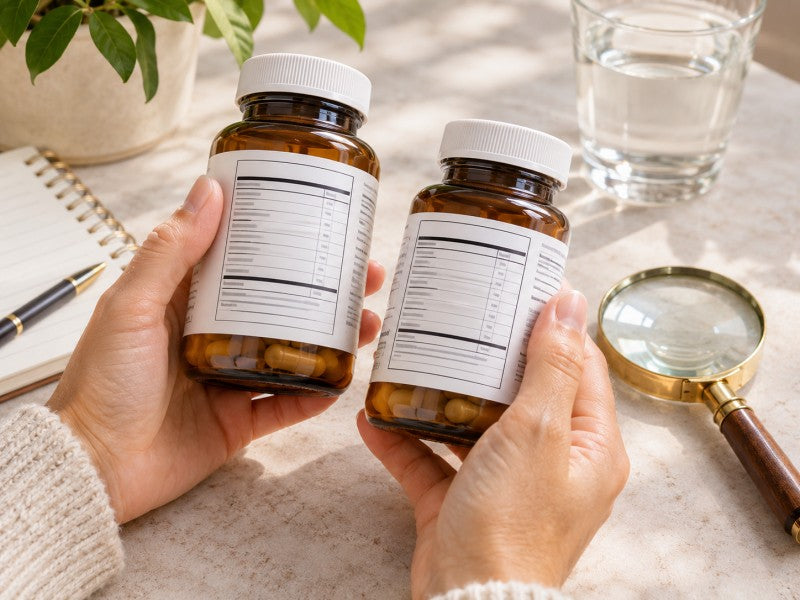
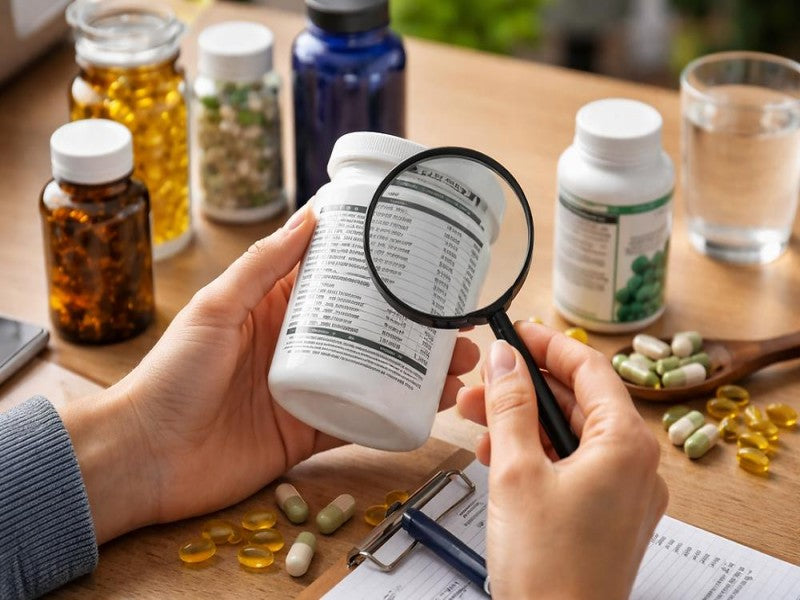
Read the Supplement Facts panel for ingredient names, forms, and sources. Check whether the formula includes nutrients, botanical extracts, or blends requiring closer examination. Look separately at the Other Ingredients list for sweeteners, colors, carriers, and potential allergens before deciding whether the formula suits your needs.

 Calculate the Dose 


Compare the amount in one labeled serving, not the largest number displayed on the package. Check how many capsules, scoops, or packets make a serving. Review suggested directions and consider additional supplements containing overlapping nutrients before calculating a daily total.

 Verify Quality Evidence 


Look for specific certification marks, accessible verification directories, and relevant batch documents. Confirm the evidence applies to the exact product and, where available, the appropriate lot. Quality testing provides information about identity, strength, purity, or contaminants; it does not prove a supplement will deliver a promised result.

 How to Read a Supplement Facts Label Correctly 


A clear label reveals the actual serving, declared dietary ingredients, and quantities needed for an informed comparison across products and brands.

 Start With Serving Size and Servings Per Container 

Serving size: Find the number of capsules, gummies, scoops, teaspoons, or packets making one labeled serving. One bottle may contain 60 capsules but only 30 servings when two capsules are required per serving. Amount per serving: Read every declared nutrient amount alongside the serving size, then follow the product directions rather than automatically doubling quantities. Servings per container: Divide package contents by the labeled serving to understand how long a package may last under the suggested directions. A convenient single-serve stick can simplify portion identification, while a multi-scoop powder may require careful measuring. Always compare products using equivalent serving units.

 Read Nutrient Amounts, Daily Values, and Additional Ingredients 

Amount: Vitamins, minerals, amino acids, and other dietary ingredients can appear in grams (g), milligrams (mg), or micrograms (mcg). For comparison, 1 g equals 1,000 mg, and 1 mg equals 1,000 mcg. Daily Value: Percent Daily Value (%DV) indicates the share of an FDA reference amount supplied by a serving when a Daily Value has been established. A missing %DV does not automatically indicate poor quality; many botanicals and other ingredients have no established Daily Value. Additional ingredients: Read the separate list for flavors, sweeteners, fillers, binders, and relevant allergens. Finally, check warnings, storage instructions, and the responsible company’s details.

 Understand Ingredient Forms Before Comparing Supplement Formulas 


Ingredient names reveal only part of a formula. Chemical form, source, standardization, and labeling detail often affect meaningful product comparisons.

 Vitamins and Minerals 

Minerals can appear as magnesium citrate, magnesium bisglycinate, or other compounds. Compare the declared elemental magnesium amount rather than compound weight. Vitamin D may appear in micrograms or IU. Check the specific form, dose, and ingredient list alongside personal dietary needs.

  • Check: Elemental amount and labeled form.
  • Compare: Equivalent nutrients using matching units.

 Botanical Extracts 

Botanical supplements may use different plant parts, extraction methods, and standardized constituents. A label stating 500 mg of an herb does not necessarily match a 500 mg concentrated extract. Look for botanical identity, plant part, extract information, and declared standardization where applicable.

  • Check: Plant name, part, and extract description.
  • Compare: Identifiable constituents when disclosed.

 Amino Acids and Creatine 

For amino acid or creatine supplements, look for the exact ingredient and amount per serving. A single-ingredient creatine monohydrate formula is easier to compare than a multi-component performance blend with undisclosed individual amounts. Consider added caffeine or other active ingredients before combining formulas.

  • Check: Ingredient identity and individual quantities.
  • Compare: One serving against one serving.

 Omega-3 and Specialty Nutrients 

Fish oil weight and omega-3 content are not interchangeable. When reviewing an omega-3 supplement, compare EPA and DHA amounts rather than total fish oil alone. For specialty nutrients, check the precise named ingredient, the stated amount, and any relevant source or formulation details.

  • Check: Named active components.
  • Compare: Equivalent constituents, not package headlines.

 Understand Proprietary Blends and the Other Ingredients List 


A blend name may sound impressive while leaving important questions unanswered. Learn which details permit a meaningful formula comparison.

 What a Proprietary Blend Tells You 


A proprietary blend generally identifies its combined total weight and lists constituent ingredients in descending order by weight, without necessarily stating each constituent’s individual amount. For example, a hypothetical 600 mg botanical blend containing three extracts does not reveal 200 mg of every extract. The combination might contain unequal amounts. Compare available ingredient identity, blend purpose, and serving directions, then decide whether an undisclosed breakdown limits the comparison needed for your goals. Proprietary blends are not automatically unsafe or inferior, but undisclosed individual amounts can make it difficult to compare a blend with research using precisely measured ingredients.

 Check Ingredients Beyond the Supplement Facts Panel 

Flavor and sweetening: Review sugars, sugar alcohols, stevia, and other listed ingredients according to taste preferences and dietary restrictions. Allergens and sources: Check milk, soy, fish, shellfish, and other relevant ingredient sources when present; ingredient-specific concerns may require manufacturer clarification. Capsule and carrier materials: Gelatin, cellulose, oils, and flow agents can influence suitability for certain diets. Warnings: Packaging directions, age guidance, and medication cautions matter as much as a prominent front-label claim. A long ingredient list is not evidence of greater nutritional value, and a short list does not replace an assessment of the actual nutritional purpose.

 Compare Supplement Doses Using the Same Serving Basis 


Normalize units and serving sizes before comparing products. Equal package counts do not always provide equal daily amounts or servings.

Comparison Point Illustrative Product A Illustrative Product B What to Check
Labeled Serving 1 capsule 2 capsules Compare one full labeled serving
Amount per Serving 250 mg 500 mg Confirm identical ingredient and form
Capsules per Bottle 60 60 Package count alone is insufficient
Servings per Bottle 60 30 Calculate usable serving count
Amount per Capsule 250 mg 250 mg Avoid confusing capsule and serving amounts
Listed Daily Use Follow label Follow label Do not infer a universal ideal dose

Illustrative arithmetic only; no commercial products are represented. Higher labeled amounts do not establish superior suitability or effectiveness.
 Does a Higher Supplement Dose Mean a Better Choice? 


Dose should match a defined nutritional purpose, not a competition for the largest number on the front of a package.

 Distinguish Daily Values From Individual Nutritional Needs 

Daily Value: An FDA reference amount helps people compare many vitamins and minerals across labels. For example, the adult Daily Value for vitamin C is 90 mg, so a serving containing 45 mg provides 50% of the Daily Value. A larger percentage does not establish a greater benefit for every individual. Dietary intake: Food and fortified products already contribute nutrients; supplements can add to the combined total. Individual factors: Age, diet, medications, pregnancy, and medical conditions may change appropriate intake decisions. Compare nutrients against established guidance, not another product’s marketing language alone.

 Separate Research Doses From Finished Supplement Evidence 

Research context: A clinical study evaluates a specified ingredient, form, dose, population, and schedule. Findings cannot automatically be transferred to a product using another form or a combination of ingredients. Tolerance and limits: More is not always better. High intakes of certain vitamins and minerals can create avoidable risks, particularly when several products contain overlapping nutrients. Daily routine: Consider how frequently a supplement would be taken, how much is already consumed through food, and whether the label directions are appropriate. Review trustworthy nutrient fact sheets or consult a qualified healthcare professional when uncertain about an intended dose.

 Common Supplement Dosage Mistakes to Avoid 


Most dosing errors begin with misreading units, serving counts, or overlapping ingredients rather than with complicated nutritional calculations.

 Confusing Package and Serving 


A bottle marked 60 capsules may contain 30 servings when two capsules are required per serving. Product comparisons based only on capsule count overlook the correct serving amount, bottle duration, and total cost per serving. Start with the label’s serving line every time.

 Mistaking Compound for Nutrient 


The weight of magnesium bisglycinate is not the same as the declared amount of elemental magnesium. Similar distinctions appear in fish oil, where total oil differs from EPA and DHA content. Compare the actual labeled nutrient or constituent, not a larger compound number.

 Overlooking Nutrient Overlap 


A multivitamin, hydration mix, and separate mineral supplement may each contribute the same vitamin or mineral. Read every Supplement Facts panel before combining products. Add overlapping amounts carefully, especially when a nutrient has a defined upper intake limit or relevant medication interaction.

 Treating Blend Totals as Doses 


A 600 mg blend containing multiple ingredients does not mean every listed ingredient supplies 600 mg. Without individual amounts, direct comparisons to single-ingredient formulas or clinical study doses may be limited. Look for precise disclosure when a particular ingredient dose matters to the decision.

 Quality Tests Worth Understanding Before Buying Supplements 


Quality programs may test different characteristics. Ask which checks apply to the finished product and whether results are documented.

 Ingredient Identity 


Identity testing examines whether an ingredient matches its stated identity. Botanical products may require appropriate species or plant-part identification. Check whether the evidence concerns incoming raw materials, the finished product, or both. Identity confirmation does not establish the supplement’s health effects.

 Ingredient Strength 


Potency or assay testing can assess whether a measured nutrient or active constituent meets its relevant specification. Review which substance was measured and the reported units. A test for one marker ingredient does not necessarily verify every component in a complex formula.

 Heavy Metal Screening 


Applicable programs may examine lead, cadmium, arsenic, or mercury. Interpret results against relevant specifications, product type, and test methods rather than relying on generic claims of being completely free of contaminants. Testing scope and reporting limits matter when reviewing documentation.

 Microbial Quality 


Microbiological testing may assess specified organisms or microbial counts according to a product’s risk profile. Powder, liquid, botanical, and other formulations can require different testing approaches. A general testing statement does not identify the organisms screened or the acceptance criteria used.

 Stability and Shelf Life 


Stability programs examine whether product attributes remain within specifications during intended storage. Packaging, temperature, moisture, light, and formulation can influence results. A printed expiration date should be considered alongside recommended storage conditions and the integrity of the original package.

 Know the Difference Between USP, NSF, IFOS, GMP, and COA 


Certification marks, manufacturing rules, and laboratory reports cover different questions. Verify the exact scope before relying on a quality claim.

 USP Verified 

USP Verified is a voluntary third-party verification program for eligible products. Verification addresses specified quality criteria, including labeled ingredients and amounts, contaminants, and manufacturing expectations. Check the current product listing or authorized mark; a brand relationship with USP does not verify every product.

  • Verify: Exact product and current program listing.
  • Remember: Verification does not guarantee effectiveness for an individual.

 NSF Certification 

NSF operates independent supplement certification programs. NSF Certified for Sport also includes screening intended to reduce the risk of substances prohibited in sport. A general facility audit is different from a specific product’s certification. Confirm the exact formula, format, and active listing before relying on any mark.

  • Verify: Product identity and certification program.
  • Remember: Certification scope differs between programs.

 IFOS Fish Oil Testing 

IFOS is a third-party program associated with omega-3 fish oil quality evaluation. Depending on the registered product and report, testing may address labeled omega-3 content, contaminants, and oxidation. Check the correct product version and current available results rather than assuming all fish oils from one brand share identical records.

  • Verify: Matching product and available certificate.
  • Remember: Fish oil testing is not a universal supplement certification.

 GMP and cGMP 

Current Good Manufacturing Practices are manufacturing and quality requirements addressing identity, purity, strength, and composition. FDA rules apply to dietary supplement manufacturing, packing, labeling, and holding operations in the United States. Facility registration or a GMP-related statement is not an FDA approval of a supplement’s safety or effectiveness.

  • Verify: Facility claims and audit details.
  • Remember: Manufacturing compliance and product certification differ.

 Certificate of Analysis 

A COA reports results for a specified material or batch, usually listing test methods, specifications, and measured outcomes. Look for product identity, lot information, issuer, and relevant results. An ingredient COA does not automatically represent finished-product testing; a brand-generated report is not automatically independent.

  • Verify: Lot match, tests, limits, and issuing laboratory.
  • Remember: A COA is evidence of reported tests, not a clinical outcome.

 How to Verify Third-Party Testing Before Purchasing Supplements 


A recognizable certification logo is useful only when the program, product match, and relevant testing scope can be checked independently.

 Confirm the Product and Certification Scope 

Start with the certifier: Use the official USP, NSF, or relevant certification directory instead of relying only on a retailer’s product photograph. Check the match: Compare the listed product name, formulation, flavor, pack format, and any identifying details provided. Some certifications apply to specific products, while manufacturing certifications or audits may apply to facilities. Look for status: Confirm a listing remains current and covers the claimed program, especially when purchasing updated packaging or newly released flavors. A certification logo can indicate defined quality requirements, but it should never be interpreted as proof of guaranteed personal results.

 Read a Batch Report With Five Essential Checks 

Product identity: Match the report to the precise material or finished product. Lot number: Compare available batch information with the packaging when possible. Testing laboratory: Identify the issuer and whether independent testing is claimed. Test scope: Look for named analytes, test methods, units, reported limits, and acceptance criteria rather than a general “passed” statement alone. Date and applicability: Determine when testing occurred and whether the report applies to the purchased batch. An accessible COA can improve confidence in measured quality attributes, but a report without ingredient amounts or relevant test scope leaves important purchasing questions unanswered.

 Safety Checks Before Adding a New Supplement 


Product quality matters, but personal suitability also depends on medications, allergies, total daily intake, and individual health circumstances.

 Review Medication Interactions 

Supplements can interact with prescription or over-the-counter medicines. Vitamin K, certain botanicals, and other ingredients may deserve special attention depending on treatment. Read product warnings and ask a pharmacist or healthcare professional about combinations before adding a supplement to an established medication routine.

  • Check: Ingredient list and current medicines.
  • Action: Obtain advice for uncertain combinations.

 Identify Allergens and Sources 

Ingredients may be derived from fish, shellfish, milk, soy, or other sources relevant to allergies and dietary preferences. Review the full label, including capsule materials and Other Ingredients. Contact the manufacturer when sourcing or cross-contact information remains essential to a safe choice.

  • Check: Allergen statements and material origins.
  • Action: Avoid products with unresolved allergy concerns.

 Check Combined Daily Intake 

Multivitamins, fortified foods, hydration products, and individual supplements can contain overlapping nutrients. Compare total daily exposure instead of evaluating each container in isolation. Pay attention to established upper intake limits, age-specific guidance, and products containing multiple vitamins or minerals at relatively high doses.

  • Check: Duplicated nutrients across routines.
  • Action: Review total amounts and frequency.

 Consider Individual Health Needs 

Pregnancy, breastfeeding, chronic conditions, upcoming surgery, and certain dietary restrictions can change supplement considerations. General packaging instructions may not address every individual circumstance. A qualified healthcare professional can help evaluate nutritional needs, laboratory results when appropriate, and potential safety concerns before introducing a new formula.

  • Check: Medical context and intended use.
  • Action: Seek individualized guidance when needed.

 Compare Two Supplements Using Ingredients, Dose, and Testing 


Use a consistent checklist when products seem similar. Attractive packaging and larger numbers cannot replace comparable evidence and clear labeling.

Decision Factor Product A Product B Better Comparison Method
Core Ingredient Named on label Named on label Check exact identity and form
Serving Size 1 capsule 2 capsules Compare full labeled servings
Amount per Serving 250 mg 500 mg Assess relevance, not size alone
Servings per Container 60 30 Calculate duration accurately
Testing Information Program listing available Batch report available Verify scope, currency, and product match
Warnings Read full label Read full label Evaluate personal restrictions
Example Package Price $24 $30 Compare cost per labeled serving
Example Cost per Serving $0.40 $1.00 Weigh amount, evidence, and convenience

All figures represent an imaginary comparison, not current retail offers or real supplement formulations. A lower price or larger amount does not automatically identify the more suitable supplement.

 Compare Cost Per Serving and Everyday Convenience 


A fair comparison includes usable servings, ingredient identity, supporting evidence, and how easily a format fits an established routine.

 Calculate Cost Based on Actual Servings 

Count labeled servings: A 60-capsule bottle containing two capsules per serving provides 30 labeled servings. Divide price by servings: A hypothetical $30 bottle containing 30 servings costs $1 per serving, while a $24 bottle containing 60 servings costs $0.40 per serving. Compare equivalent nutrients: Lower cost per serving matters only when the ingredient form, amount, product quality, and intended nutritional use are suitable. Look beyond headline discounts: Larger tubs, bundle prices, and subscriptions can change the effective price, but promotional savings cannot correct an unsuitable dose or unidentified ingredient. Include shipping costs when comparing final purchase value.

 Select a Format Suitable for Regular Use 

Capsules and softgels: Check count per serving, swallowing preferences, and ingredient sources, including gelatin where relevant. Powders: Review serving measurement, flavor ingredients, water requirements, and packaging resealability. Single-serve packets: Compare each packet’s labeled dose, servings per box, and storage directions; portability may be valuable during travel or work. Liquid sticks and drops: Examine volume per serving, measurement instructions, stability guidance, and sweeteners or carriers. The best format is not necessarily the most fashionable option. Preference, consistent use, label clarity, and an appropriate nutritional purpose should guide the final decision.

 Your Six-Point Checklist for Smarter Supplement Shopping 


Before purchasing a new product, work through six questions. Each check protects against a different source of confusion or unnecessary spending.

 Confirm Your Nutrition Goal 


Identify the nutrient or dietary goal before searching by trend or ingredient popularity. Consider whether food already supplies an adequate amount and whether professional guidance is appropriate. A clear purpose prevents purchasing several overlapping formulas without a specific reason.

 Check Ingredient Identity 


Read ingredient names, source descriptions, and forms. For botanicals, check plant identity and extract information. For minerals, compare the declared elemental amount. Avoid judging quality solely by how many ingredients appear on a front label.

 Compare Each Serving 


Check the labeled serving size, amount per serving, and number of servings in the package. Convert units only when comparing the same nutrient. Make sure promotional numbers refer to the intended ingredient rather than an entire blend.

 Review Safety and Overlap 


Compare supplement amounts with nutrients obtained from other products and fortified foods. Review allergens, medication interactions, and label warnings. Seek professional advice when an underlying condition or prescription makes supplement decisions more complicated.

 Verify Testing Evidence 


Look for a relevant certification listing, transparent manufacturing information, or product-specific batch documentation. Verify the product name and scope. A generic quality slogan cannot replace meaningful details about testing, identity, potency, and contaminants.

 Calculate Long-Term Value 


Use cost per labeled serving rather than bottle price alone. Consider ingredient amount, evidence, format, ease of use, and storage needs. Choose the most appropriate option for the intended routine, not necessarily the largest package.

 Explore Nutrition Supplements by Your Wellness Goal 


Begin with a nutrition goal, then apply the same ingredient, dose, and testing checks to products within each category.

 Hydration and Electrolytes 


Look for sodium, potassium, magnesium, and other listed electrolytes in clearly stated serving amounts. Compare sweetness, packet size, water instructions, and personal dietary needs before choosing a hydration format. Product formulas can vary considerably even within one category.

 Performance and Recovery 


Check whether a formula contains creatine, amino acids, electrolytes, or stimulants. Review exact amounts, ingredient overlap, and serving directions, especially when combining multiple performance products. A complex formula should still have an understandable nutritional purpose and clearly labeled components.

 Everyday Vitality 


Review vitamin and mineral amounts, nutritional purpose, and daily serving format. Look for overlapping nutrients when other supplements are already part of a routine. Choose manageable serving directions and verify the actual amounts instead of relying on broad energy-related language.

 Women's Wellness 


Consider nutritional needs, relevant life stage, and the full ingredient profile without assuming one formula suits every woman. Check iron, vitamin D, botanical ingredients, and other declared amounts where included. Review medication, pregnancy, or breastfeeding considerations whenever relevant.

 Botanical Wellness 


Examine botanical names, plant parts, extract ratios, standardized constituents, and warnings. A concentrated extract should not be compared by weight alone with an unstandardized herb powder. Independent quality information may help clarify identity and relevant contaminant screening.

 Healthy Aging 


Review individual vitamins, antioxidants, and specialty nutrients according to their declared identity and serving amounts. Distinguish general nutritional information from evidence about finished products. Look for clear labels and avoid assuming any supplement can reverse normal biological aging.

 Apply the Buying Checklist Across Supplement Formats 


Compare real labels within AirVigor’s nutrition assortment using the same ingredient, serving, and quality criteria introduced throughout the guide.

 Electrolyte Drink Mixes 

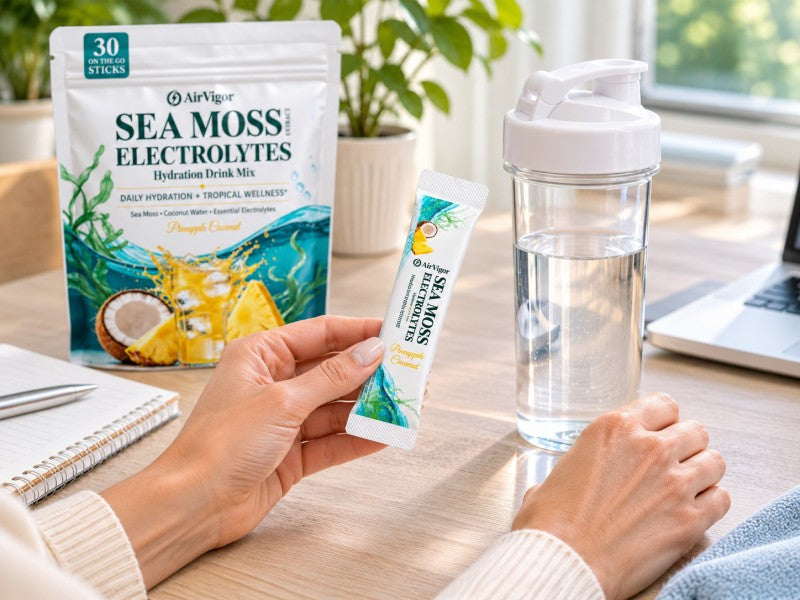
For powdered electrolyte products, inspect each packet’s serving weight, named minerals, and amount per serving. Compare drink-mixing instructions, flavor ingredients, and servings per box. Review the product’s full Supplement Facts before considering daily use or an active routine.

  • Look for: Mineral amounts and clear packet directions.
  • Compare: Equivalent servings and total package value.

 Liquid Nutrition Sticks 

For liquid stick supplements, begin with milliliters per serving and the exact amounts of declared dietary ingredients. Check sweeteners, flavor ingredients, storage instructions, and any warnings. Products with similar packaging can have different nutritional purposes, making label-by-label comparison essential.

  • Look for: Ingredient identity and serving volume.
  • Compare: Relevant amounts rather than combined blend headlines.

 Softgels and Capsules 

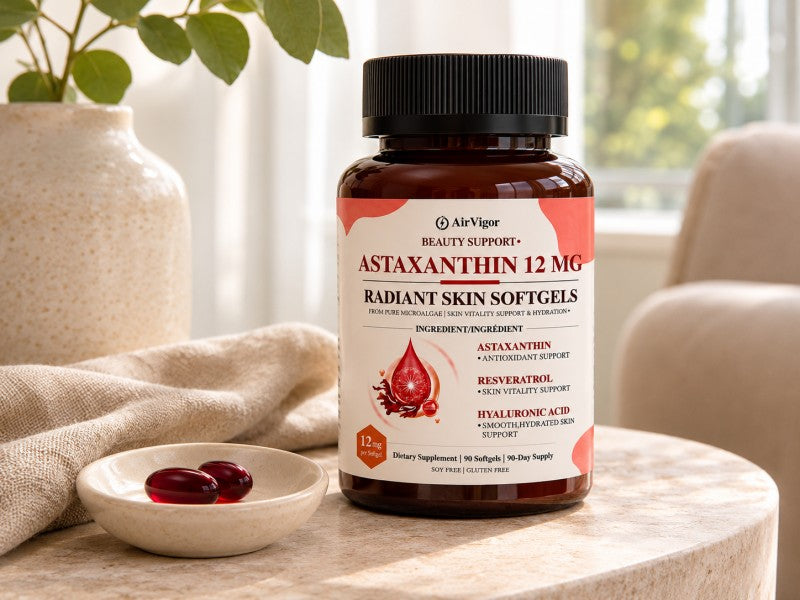
For capsule and softgel supplements, review ingredient form, active amount, and number of units required per serving. Check the capsule shell or carrier ingredients when dietary suitability matters. Product count and serving count may differ, particularly in formulas requiring multiple capsules.

  • Look for: Amount per serving and ingredient sources.
  • Compare: Serving frequency, label detail, and quality evidence.

 Find Reliable Sources for Supplement Labels and Quality 


Independent reference materials can clarify labeling rules, nutrient intake ranges, and certification programs without relying on promotional claims alone.

 Read Official Labeling and Nutrition Guidance 


The U.S. Food and Drug Administration explains required Supplement Facts information, ingredient declarations, serving sizes, and permitted labeling claims. The National Institutes of Health Office of Dietary Supplements provides consumer fact sheets covering nutrient sources, intake considerations, safety, and research. For label interpretation, start with the FDA Dietary Supplement Labeling Guide. For broader shopping and safety questions, consult the NIH Office of Dietary Supplements. Reference materials support informed decisions without substituting for personalized medical advice or the actual product label.

 Verify Certifications and Review Brand Information 


For third-party verification, consult the responsible program rather than assuming every certification claim has identical meaning. Review the NSF Certified for Sport directory or USP Verified products information when a product displays a corresponding mark. Where provided, match batch reports to the product and lot. For AirVigor, compare the ingredient and serving information shown on each current product listing, including product directions and warnings. Use full labeling and available records to decide whether a supplement meets the selection criteria already established.

FAQs


Frequently Asked Questions About Shopping for Dietary Supplements

 How do I know whether a supplement is high quality? 


Check the full ingredient list, amount per serving, warnings, and verifiable quality information. Independent certification or relevant batch reports can offer additional assurance, but cannot guarantee personal safety or effectiveness.

 Is a third-party tested supplement always better? 


Independent testing may improve confidence in specified quality attributes. Compare the testing program, exact product, current status, and scope. Certification alone cannot determine whether an ingredient or dose suits individual needs.

 What does the amount per serving mean on Supplement Facts? 


Amount per serving describes the quantity provided by the stated serving size. Read the number of capsules, scoops, or packets forming one serving before comparing doses or calculating package duration.

 Are proprietary blends automatically poor quality? 


No. Proprietary blends can meet labeling rules while withholding individual constituent amounts. Compare disclosed ingredients, the combined blend weight, relevant warnings, and whether missing individual quantities limit an informed choice.

 Does a higher dose mean a supplement works better? 


Not necessarily. Appropriate intake depends on the nutrient, dietary exposure, individual circumstances, and supporting evidence. Larger amounts may create unnecessary overlap or risks, especially when combined with other supplements.

 What is the difference between GMP and a COA? 


GMP refers to manufacturing and quality requirements. A COA reports specified test results for a particular material or batch. Neither alone guarantees a supplement's health effects or suitability for everyone.

 How should I compare supplement prices fairly? 


Calculate cost per labeled serving, then compare ingredient form, actual nutrient amount, verification evidence, and directions. A lower price per capsule can be misleading when a serving requires multiple capsules.

Didn’t find your answer?

Don't hestitate to contact us