





What Human Research Can Tell You About Different Supplements
An ingredient's biological role, a change in blood markers, and a measurable improvement in daily function are different kinds of evidence.
| Supplement Category | Main Research Focus | How to Interpret the Evidence | Best Next Check |
|---|---|---|---|
| Protein | Adequate intake and muscle maintenance | Essential nutrient; need depends on total food intake | Daily protein from meals and supplements |
| Creatine | Strength alongside resistance training | Some trials in older adults show modest extra strength benefit | Training habits, ingredient form, serving instructions |
| Vitamin D / B12 / Minerals | Nutrient adequacy and established body functions | Most relevant when an actual intake or status concern exists | Diet, individual requirements, total intake |
| Omega-3 | Fatty acid intake and selected health outcomes | Results vary across populations and health outcomes | EPA/DHA per serving and dietary fish intake |
| Collagen | Skin and joint-related study outcomes | Formulas and study quality vary; results are not uniform | Peptide source, serving amount, trial endpoints |
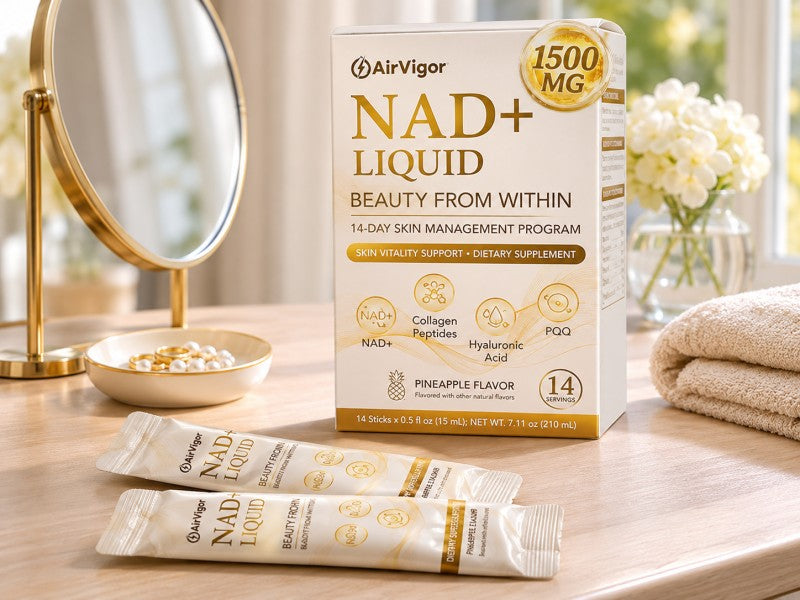
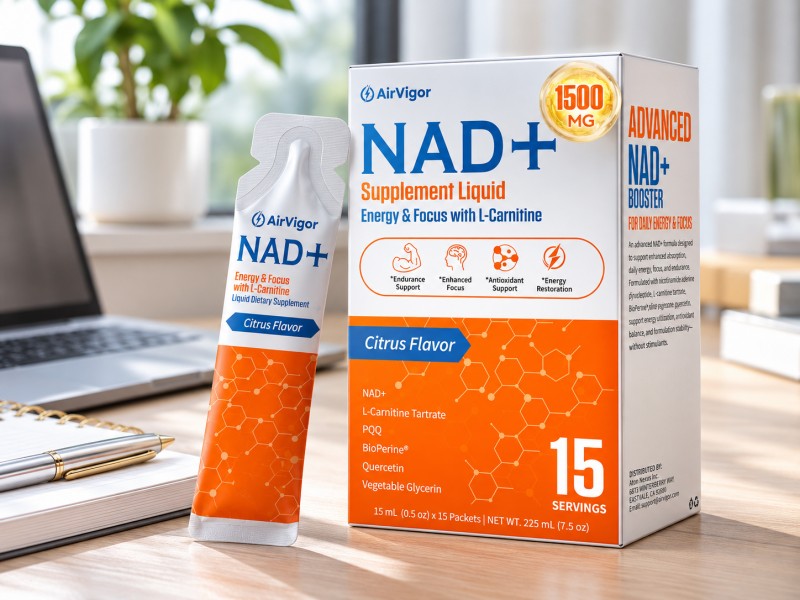
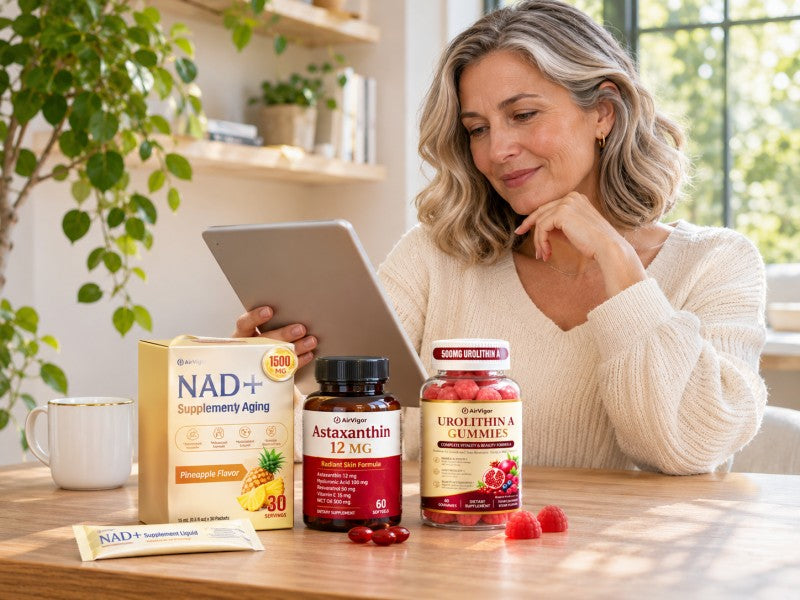
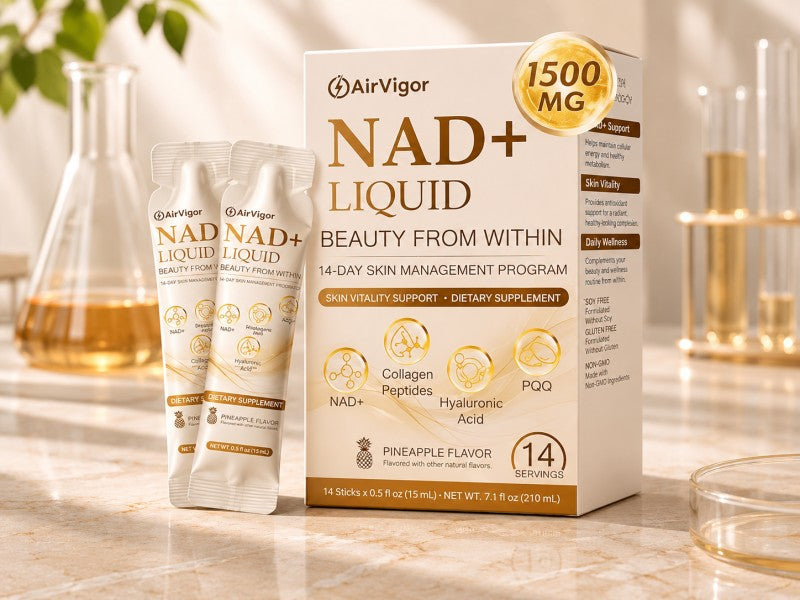
| NAD-Related Ingredients | NAD metabolism and laboratory biomarkers | Biomarker responses do not establish extended lifespan | Exact compound, human outcomes, studied form |
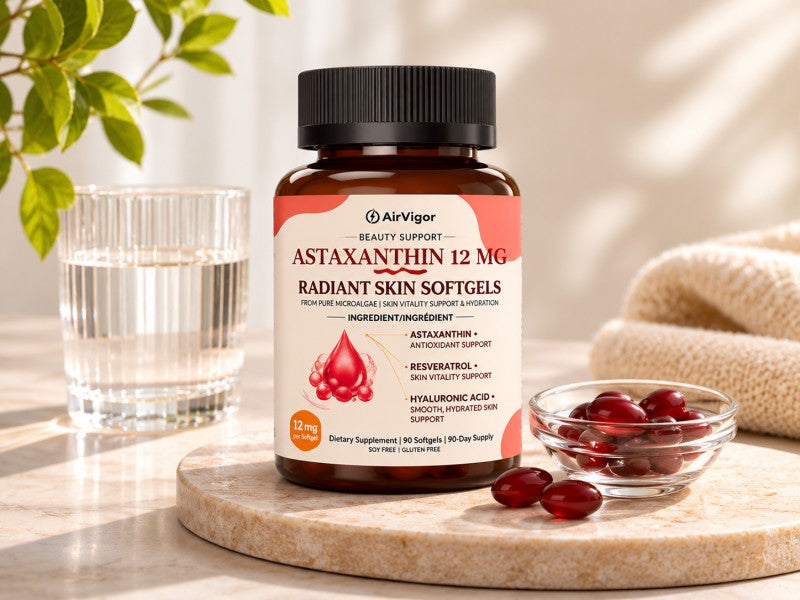
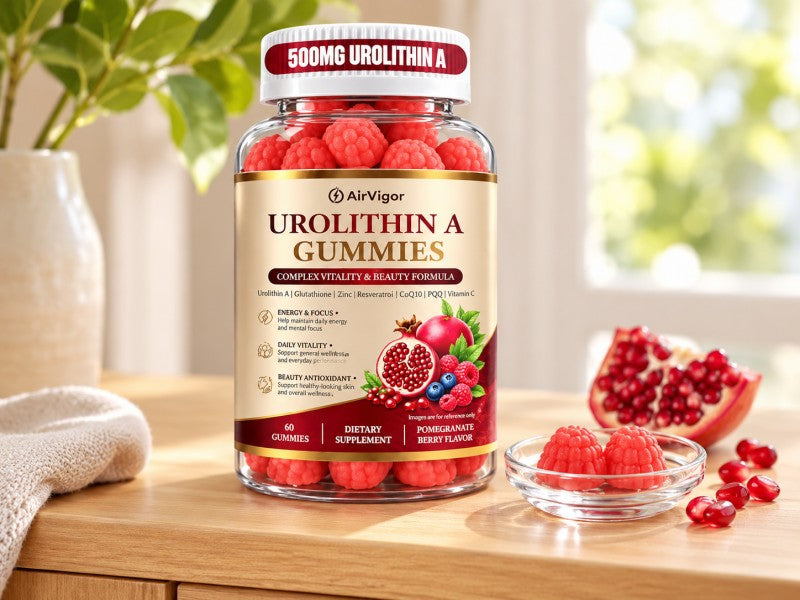
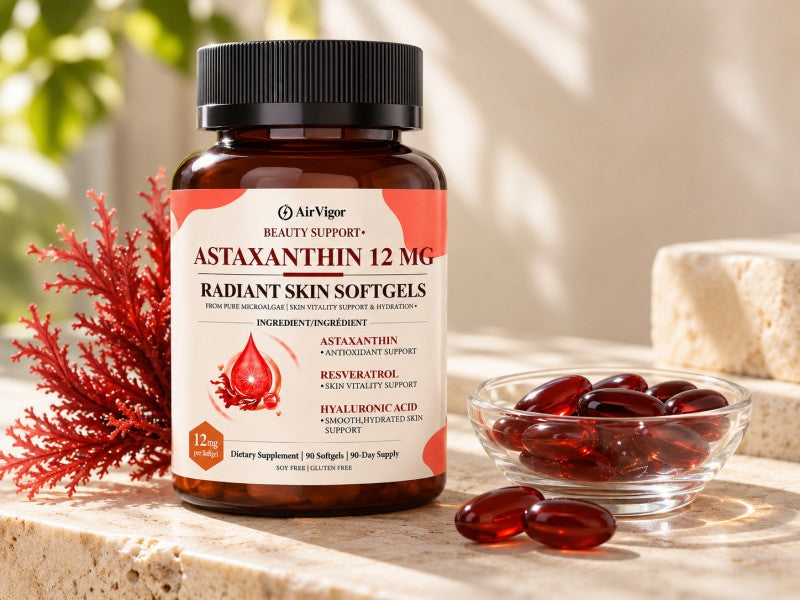
| Astaxanthin / Urolithin A | Antioxidant or mitochondrial-related outcomes | Early human studies address specific endpoints, not universal anti-aging | Ingredient amount, duration, participant group |
For a useful starting point, explore the NIH vitamins and minerals guidance and a 2026 creatine and resistance-training review. Research conclusions apply to studied populations and outcomes, not every commercial formula.