Skip to content
Electrolytes and Hydration Explained for Real Life

Hydration sounds easy until your body starts giving mixed signals. You drink plenty of water, but still feel drained after a workout. You travel for half a day and end up tired, bloated, and thirsty at the same time. You sweat heavily in hot weather and notice that plain water helps, but not quite enough.
Types of Electrolytes: What They Do and How to Choose
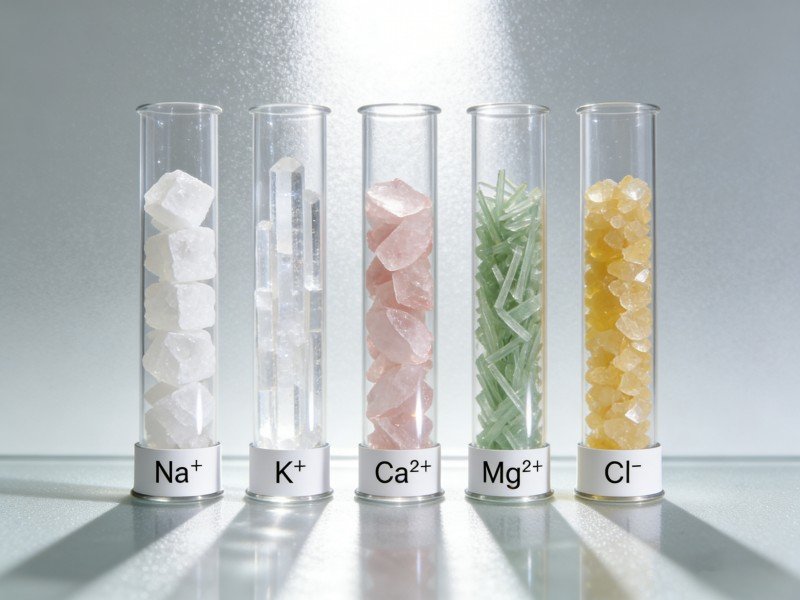
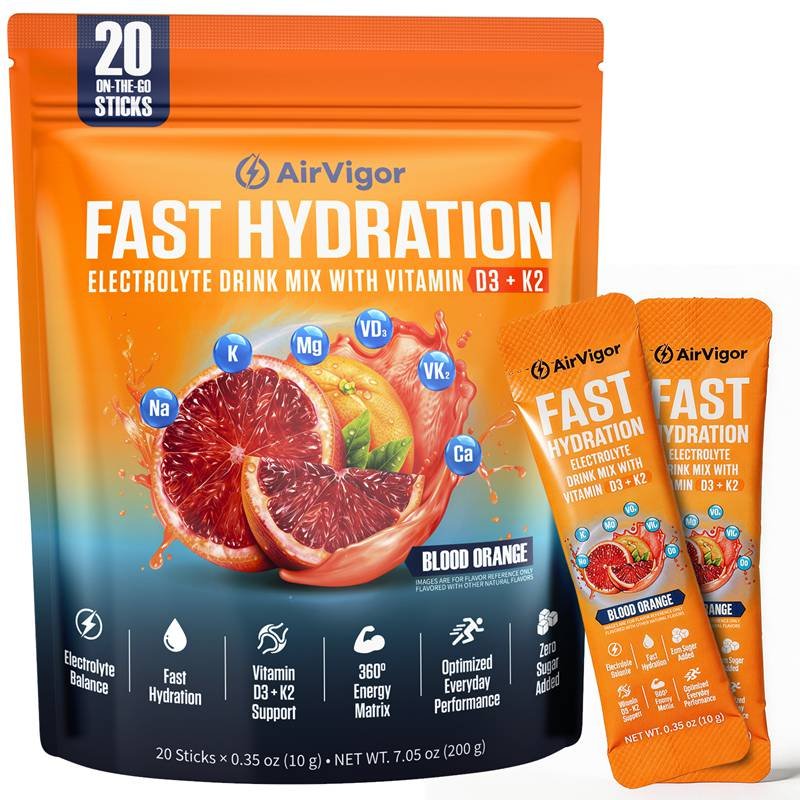
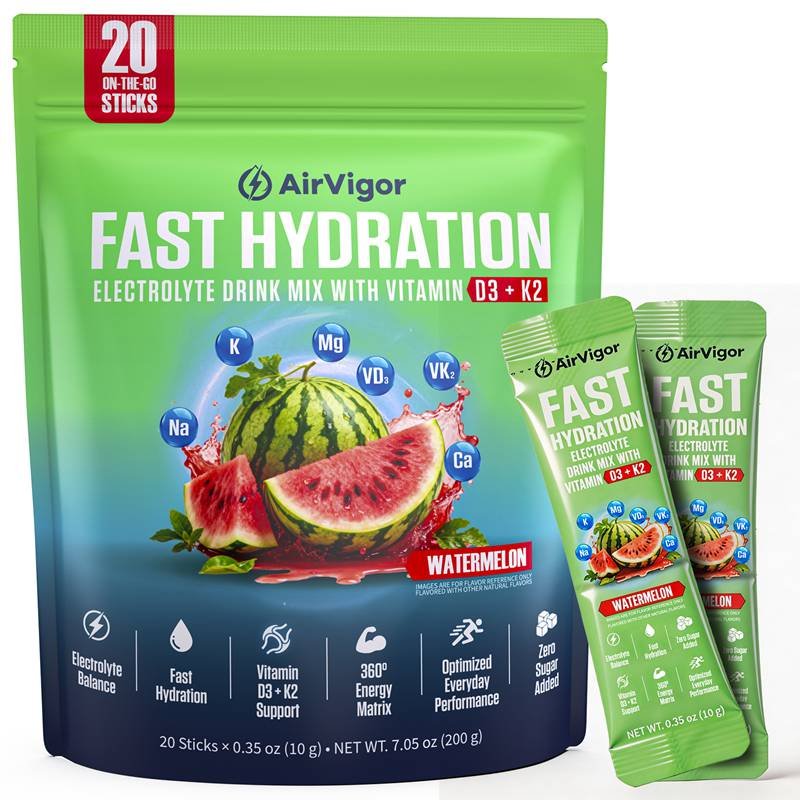
The main types of electrolytes are sodium, potassium, magnesium, calcium, and chloride. Each one supports hydration and performance in a different way: sodium and chloride regulate fluid retention and blood volume; potassium supports nerve signals and muscle contractions; magnesium helps muscles relax and supports energy metabolism; calcium drives muscle contraction and cellular communication. A “good” electrolyte supplement balances these types based on sweat loss, activity, climate, and diet—not hype.
List of Electrolytes:A Complete Guide

Electrolytes are electrically charged minerals that control how water is absorbed, where it goes in the body, and how muscles, nerves, and energy systems function. The complete list of electrolytes includes sodium, potassium, chloride, magnesium, calcium, phosphate, bicarbonate, and sulfate.